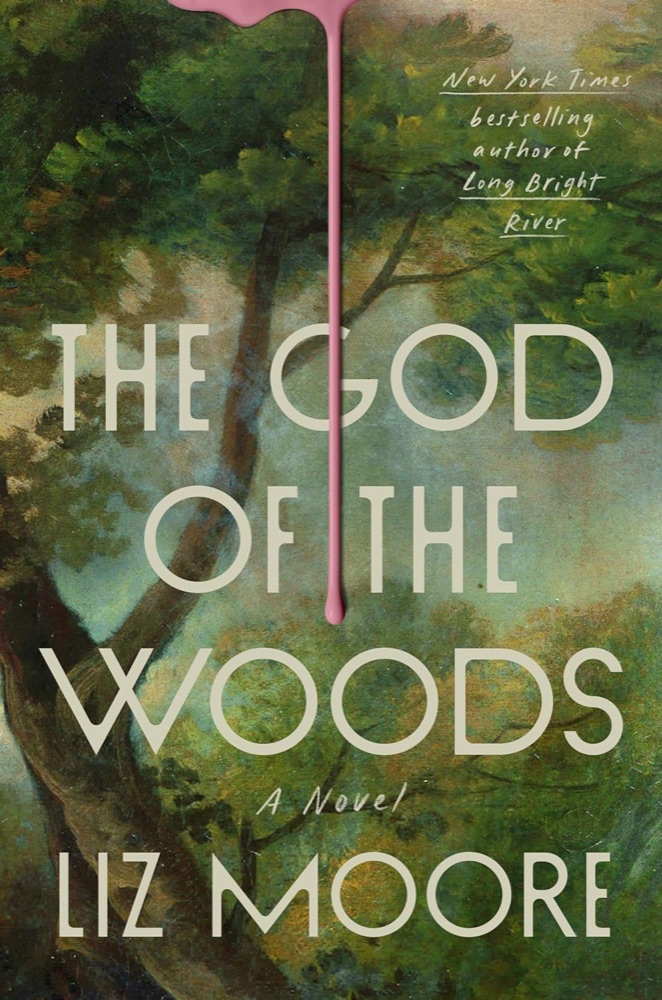

 The Unseen World
Quotes from the Book
Rich people, thought Judy—she thought this then, and she thinks it now—generally become most enraged when they sense they’re about to be held accountable for their wrongs.
84
It was funny, she thought, how many relationships one could have with the same man, over the course of a lifetime together.
60
For knowing too much, rather than too little. For a woman, neither was an acceptable way to be.
49
We can do as we please, if we only learn not to care so much about what people think.
44
the quickest way to make an attractive man ugly was to give him too much to drink.
32
Kissing someone - someone you want to kiss, I mean - is like living inside the best song you ever heard. It's the same feeling.
31
It was wonderful, thought Tracy, having friends like these, who seemed to see the parts of yourself you worked hardest to hide, and bring them into the light and celebrate them with a sort of tender ribbing that uplifted more than it put down.
30
How many times in her life has she said yes to a boy or a man just because it was the easiest thing to do? How many times has she let a man take what he wanted, instead of taking something for herself?
29
Panic,' said T.J. But no one raised a hand. She explained. It came from the Greek god Pan: the god of the woods. He liked to trick people, to confuse and disorient them until they lost their bearings, and their minds.
28
Being humorless, she thought, was even worse than being dumb.
22
Do you ever worry that being born into money has stunted us?” Alice blanched. “I don’t mean anything by it,” said Delphine. “It’s just—lately I’ve been wondering whether having all of our material needs met from birth has been a positive aspect of our lives. It seems to me it may have resulted in some absence of yearning or striving in us. The quest, I like to call it. When one’s parents or grandparents have already quested and conquered, what is there for subsequent generations to do?
19
If she believed in a God, it was in one who functioned something like Louise in this moment: rooting for her charges from afar, mourning alongside them when they were rejected, celebrating every small victory that came their way. She noticed the lonely ones, the ones at the edge of the crowd; she felt in her heart a sort of wild affection for them, wanted to go to them, to stand next to them and pull them tightly to her side; and yet she also knew that to intervene in this way would disrupt something sacred that—at twelve and thirteen and fourteen years old—they were learning about themselves and the world. And this, too, was how she thought of God.
16
Her voice, it seemed, had been continuously decrescendoing since birth, so that by age twelve, she could scarcely be heard.
15
To be a human is complex, and often painful; to be an animal is comfortingly simple and good.
14
It's the Van Laars, and families like them, who have always depended on others.
13
This is one of the few sheer pleasures Louise knows in life: the near-otherworldly feeling of touching another human's body with your own body in a way that, for the first time, transcends mere friendliness. These are the times in her life that Louise has felt most acutely the animal nature of her humanity, and therefore they have been the most comforting. To be a human is complex, and often painful; to be an animal is comfortingly simple and good.
13
Usually, she was gifted in the art of shutting up. Not today.
11
But nobody asked her, and so she kept these wishes quiet, writing them only in journals, summoning them to the forefront of her mind whenever a birthday or a well or a star presented her with a formal opportunity to make them known to the universe.
10
Listen,” said Delphine. “The best part of being married to George Barlow for a decade was learning that it’s all right not to do everything that’s expected of you all of the time. This is a notion that has been positively liberating for me. The way we were raised—the way our parents raised us, I mean—it trained us to think it’s our job to be absolutely correct in everything that we do. But it isn’t, Bunny. Do you see? We can have our own thoughts, our own inner lives. We can do as we please, if we only learn not to care so much about what people think.
9
For a bonus, she asked them: Who knew the origins of the word? “Which word?” someone said. “Panic,” said T.J. But no one raised a hand. She explained. It came from the Greek god Pan: the god of the woods. He liked to trick people, to confuse and disorient them until they lost their bearings, and their minds. To panic, said T.J., was to make an enemy of the forest. To stay calm was to be its friend.
9
ever notice how the children of rich people are never as smart as the parents? Never as ambitious, never as successful? You gotta have something to strive for in life.
8
To panic, said T.J., was to make an enemy of the forest. To stay calm was to be its friend.
7
But the quickest way to make an attractive man ugly was to give him too much to drink.
7
Her father once told her casually that she was built like a plum on toothpicks, and the phrase was at once so cruel and so poetic that it clicked into place around her like a harness. • • •
6
Later on, the ten seconds that pass between sight and inference will serve to her as evidence that time is a human construct, that it can slow or accelerate in the presence of emotion, of chemicals in the blood.
6
What she thought about most in the world in those days was Bear, and her all-consuming love for him. She sometimes felt that becoming a parent had revealed to her the existence of another dimension or another sense.
6
She read Walden out of sheer boredom and found herself annoyed by Thoreau: his self-regard, his tone of superiority, the way he doled out advice so obvious as to be insulting. Here was a rich person playing, thought Louise. There were poor people far more resourceful and self-sufficient than he was; they just had the grace and self-awareness not to brag about it.
5
There was a particular brand of humor employed by twelve- and thirteen-year-old girls, especially when they weren’t in the presence of boys: it was at once disgusting and innocent, bawdy and naive. When it wasn’t being used for ill—when no one was its target—this type of humor delighted Louise. From the wall, she watched them quietly, fondly, recalling what it was like to be in this moment of life that was like a breath before speech, a last sweet pause before some great unveiling.
5
If she believed in God, it was in one who functioned something like Louise in this moment: rooting for her charges from afar, mourning alongside them when they were rejected, celebrating every small victory that came their way. She noticed the lonely ones, the ones at the edge of the crowd; she felt in her heart a sort of wild affection for them, wanted to go to them, to stand next to them and pull them tightly to her side; and yet she knew that to intervene in this way would disrupt something sacred that - at twelve and thirteen and fourteen years old - they were learning about themselves and the world. And this, too, was how she thought of God.
5
Did you know?
- The novel is set largely in August 1975 in a remote section of the Adirondack Mountains.
- The story is built around two child disappearances from the same family fourteen years apart.
- It spent dozens of weeks on the New York Times bestseller list following its 2024 release.
- The New York Times named it one of the best crime novels of the year.
- Netflix greenlit a series adaptation co-written and produced by Liz Moore and Liz Hannah, with Maya Hawke and Kerry Condon cast.
- Author Liz Moore also wrote the bestselling novel Long Bright River.
About Liz Moore
Liz Moore is the author of the New York Times bestselling novel Long Bright River, as well as the novels Heft and The Unseen World; a winner of the 2014-2015 Rome Prize in Literature, she lives in Philadelphia.
More about the author →More by Liz Moore
The Unseen World
 Long Bright River
About the book
The God of the Woods is a literary mystery set in the Adirondack Mountains, where the wealthy Van Laar family controls vast tracts of forested land and runs a nearby summer camp. When thirteen-year-old Barbara Van Laar vanishes from her bunk in August 1975, the disappearance reawakens the unsolved case of her older brother, Bear, who went missing from the same property fourteen years earlier. Moving across multiple timelines and points of view, the novel follows a state police investigation that slowly unearths the secrets the family and the surrounding community have spent years burying.
Moore uses the dual disappearances to probe class division, family control, and the unequal power between the moneyed family who own the land and the blue-collar locals who work for them. Themes of motherhood, accountability, and how secrecy distorts a community run throughout, with the perspectives of women on the margins of power steadily moving toward the center of the story.
The book was a major commercial and critical success, spending dozens of weeks on the New York Times bestseller list and being named one of the best crime novels of the year by the Times. Critics praised its expert pacing and its layered handling of class tension and family anguish, and Netflix greenlit a television adaptation co-written by Moore.
Key characters
- Barbara Van LaarThirteen-year-old daughter of the Van Laar family who goes missing from summer camp
- Bear Van LaarBarbara's older brother who disappeared from the same property years earlier
- Alice Van LaarBarbara and Bear's mother, married into the controlling family
- Judyta LuptackInexperienced young female state police investigator on the case
- Tracy JewellShy first-time camper and Barbara's bunkmate and confidante
- LouiseCamp counselor who discovers Barbara's empty bunk
Critical reception
- Spent dozens of weeks on the New York Times bestseller list after its 2024 release.
- Named one of the best crime novels of the year by The New York Times.
- Critics praised its expert pacing and its handling of class tension and family anguish.
Movie & TV adaptations
- IMDb
Keep reading
 Nine Perfect Strangers
 The Children Act
 When We Lost Our Heads
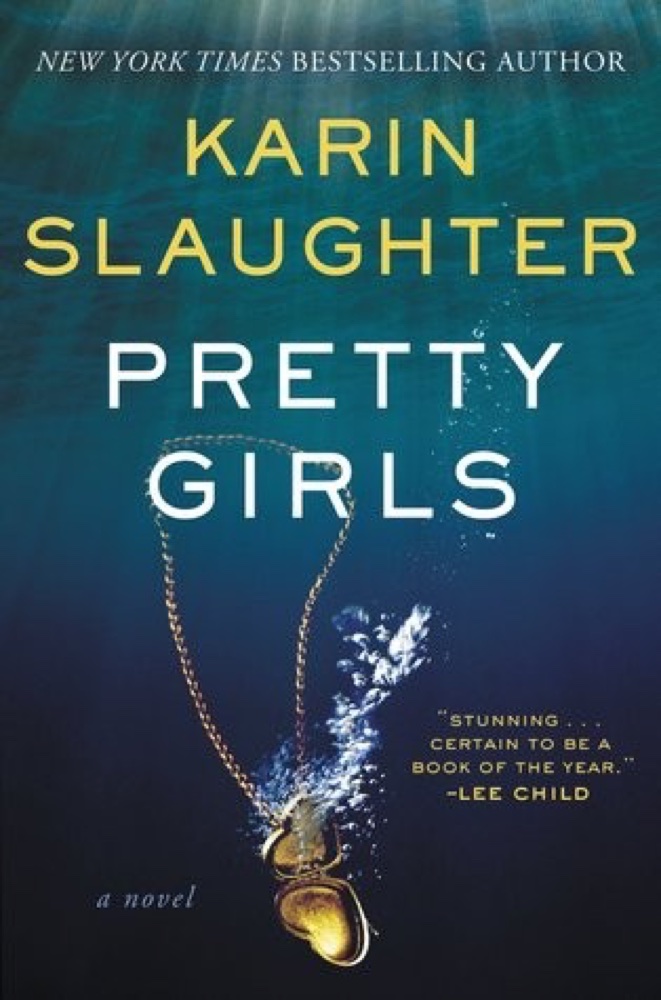 Pretty Girls
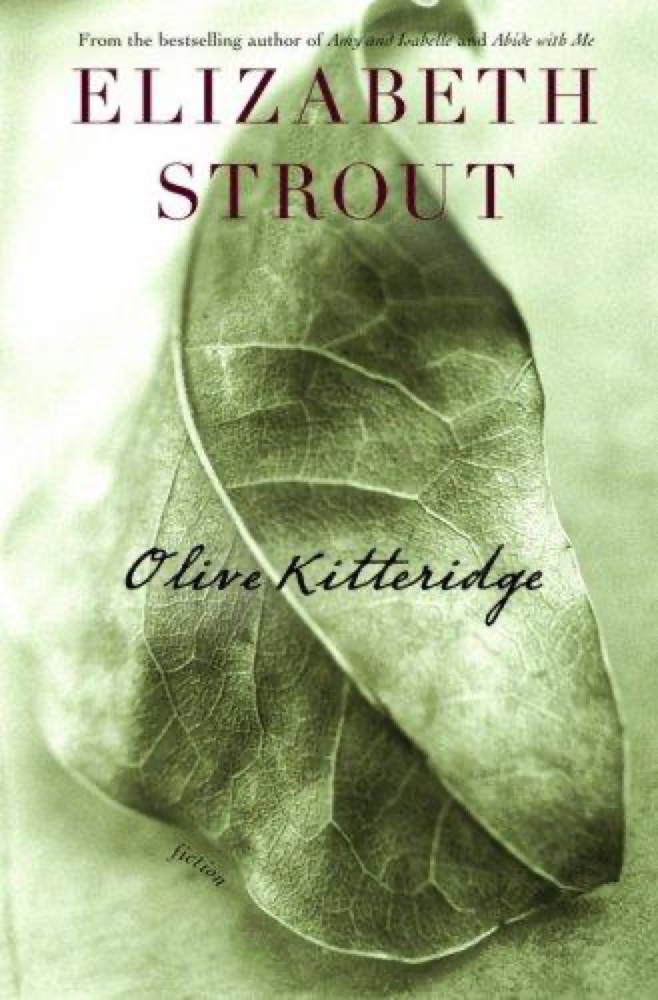 Olive Kitteridge
 Hush
Hush
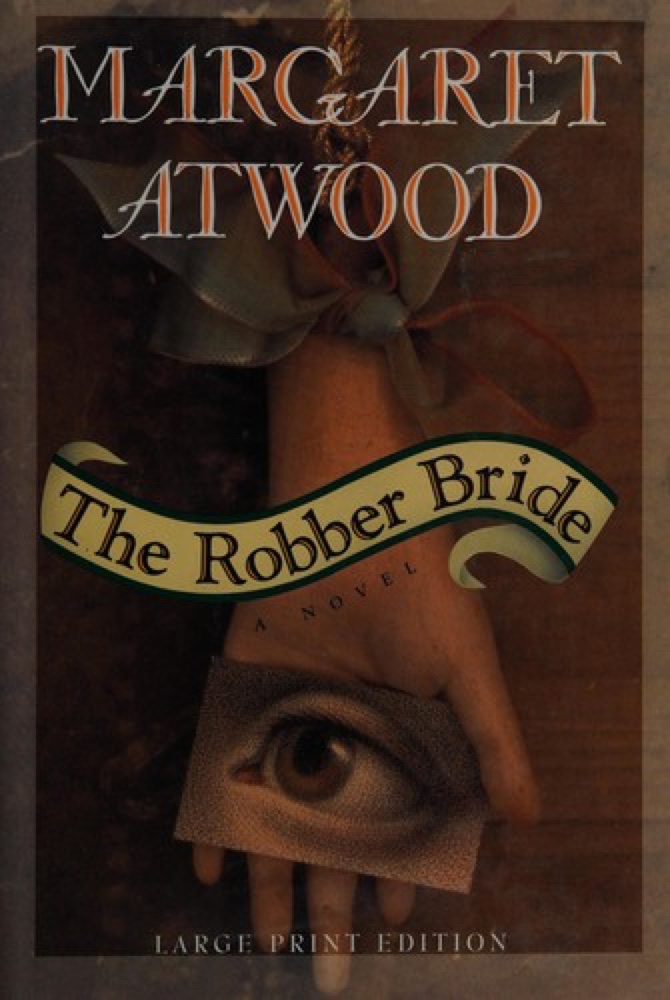 The Robber Bride
 The Husband's Secret
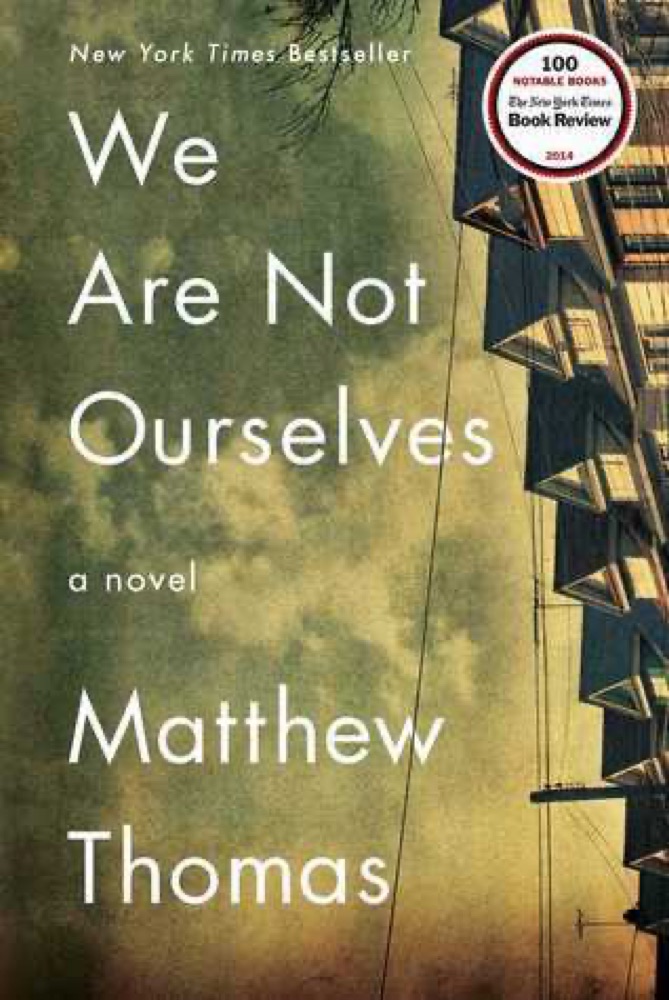 We Are Not Ourselves
 Too Much Happiness: Stories
 A Slow Fire Burning
 NW
NW
 The House of Mirth
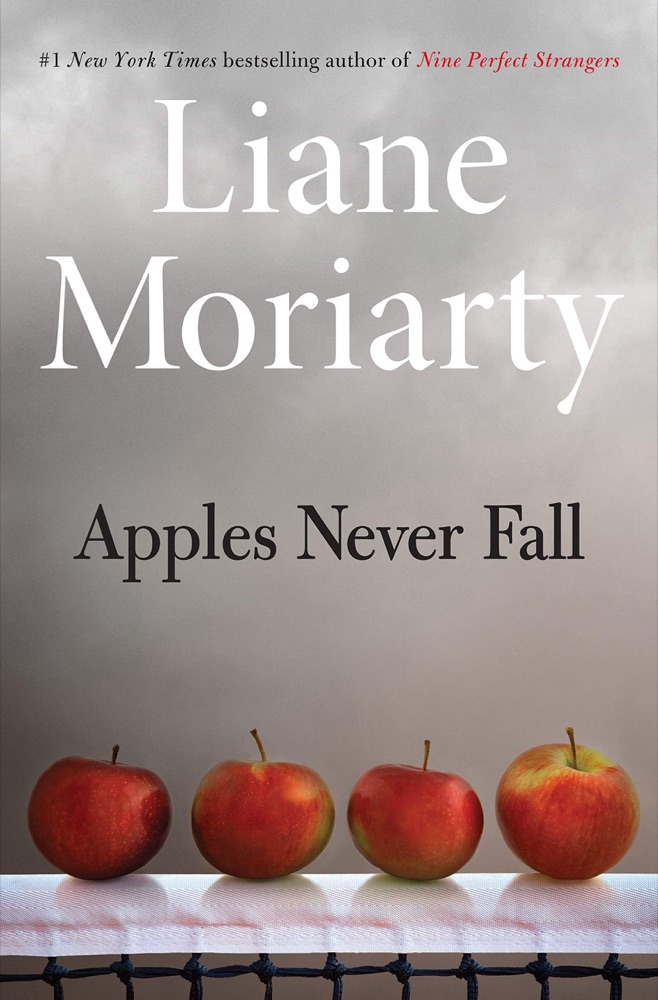 Apples Never Fall
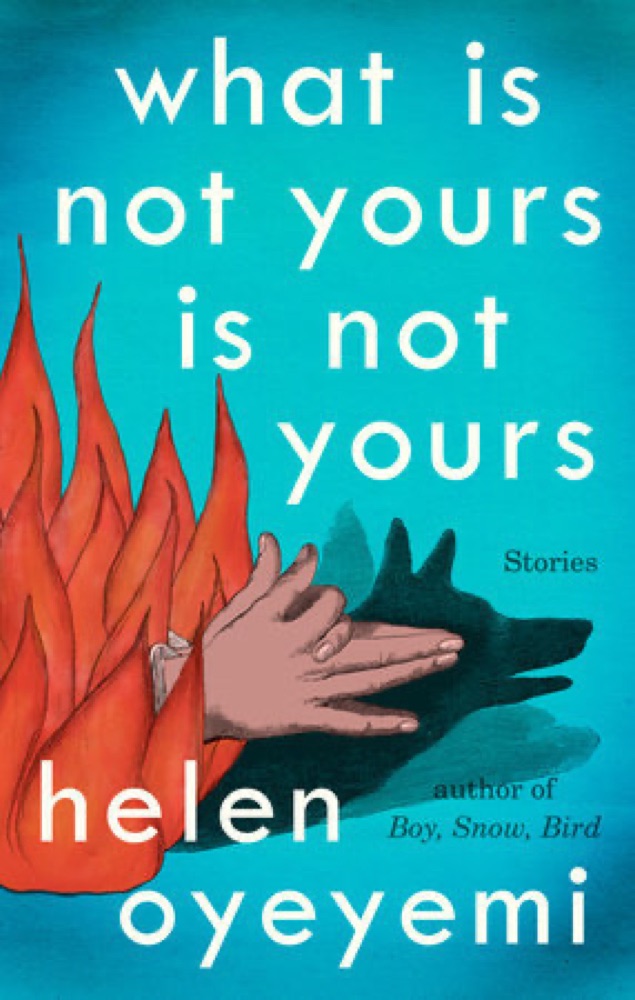 What Is Not Yours Is Not Yours
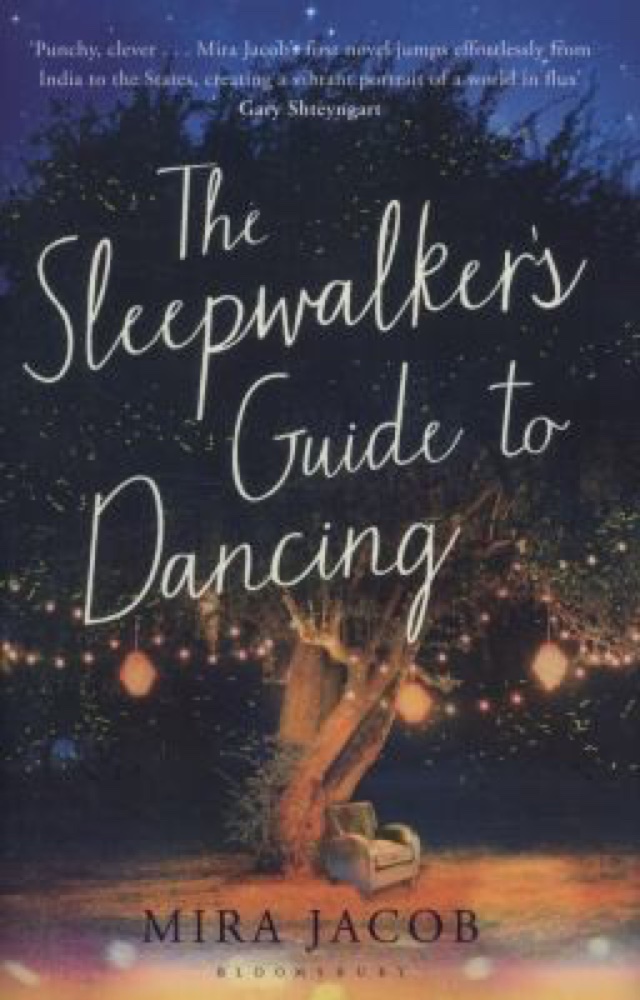 The Sleepwalker's Guide to Dancing
 The Peach Keeper
 What It Means When a Man Falls from the Sky
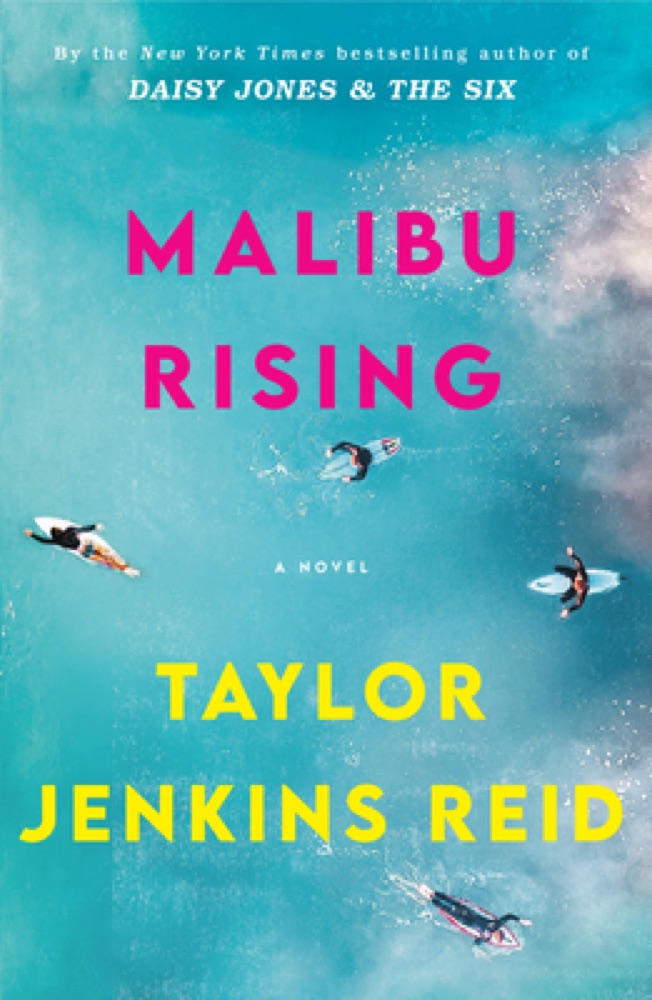 Malibu Rising
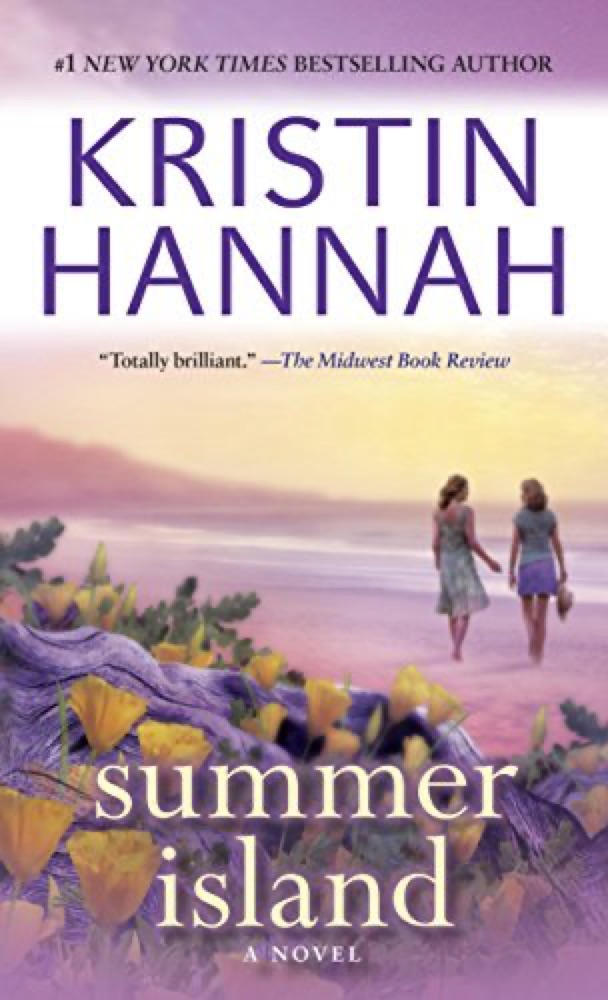 Summer Island
 I Hold a Wolf by the Ears: Stories
 Birds of America
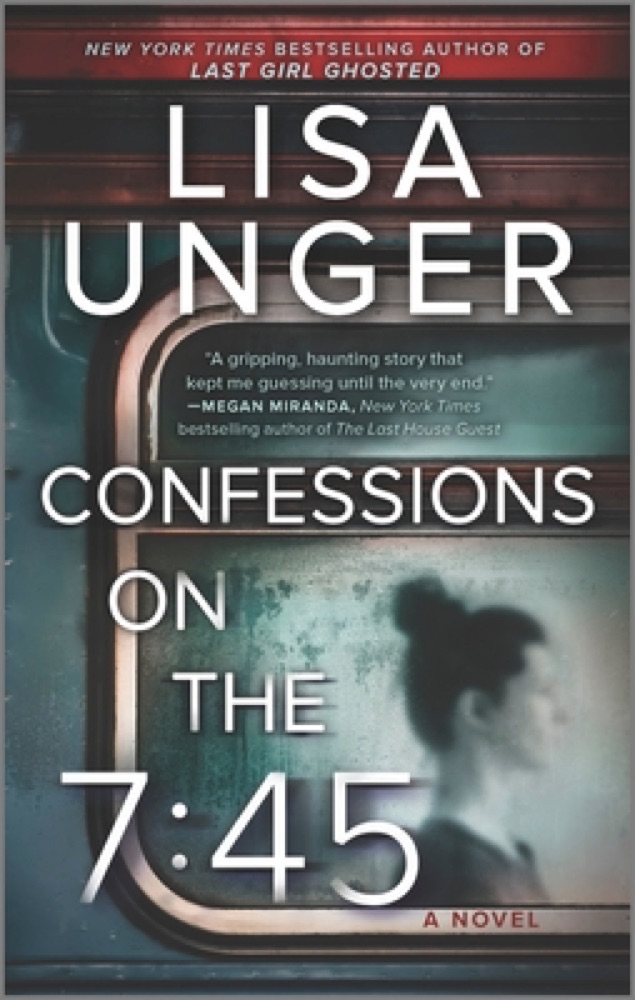 Confessions on the 7:45
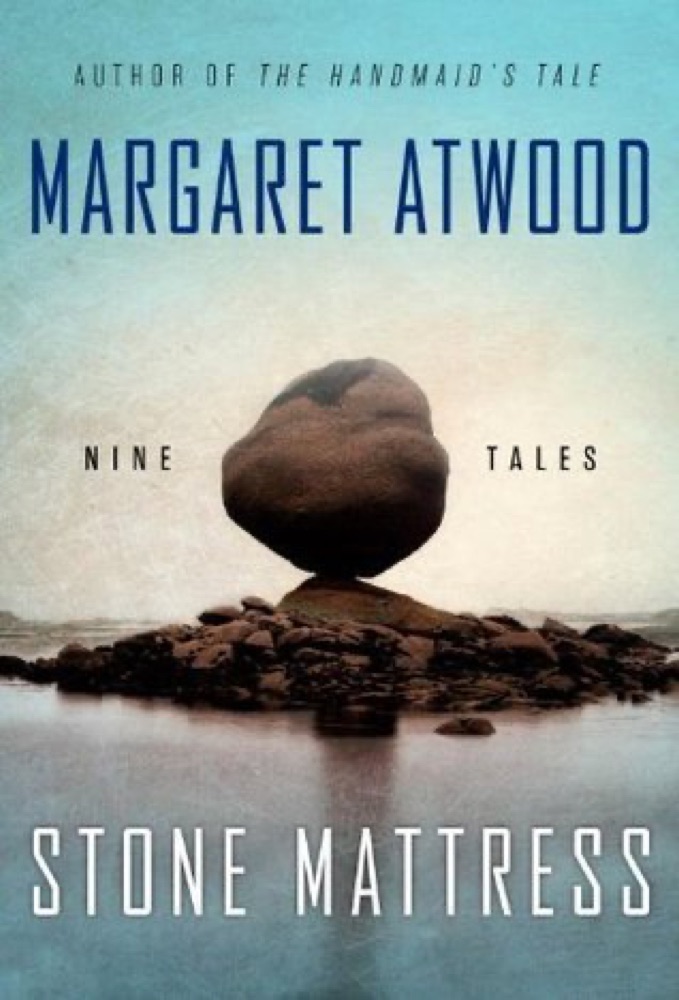 Stone Mattress: Nine Tales
 The Post-Birthday World
 Pigs in Heaven
 Somebody Else's Daughter
 The Secret Keeper
 A Reliable Wife
 Darling Girls
 Empire Falls
 Mislaid
 Ink Blood Sister Scribe
 An Unsuitable Job for a Woman
 Mystic River
 Acacia: The War with the Mein
 The Children's Book
 Bluebeard's Egg
 Instructions for a Heatwave
 Tar Baby
 10 Minutes 38 Seconds in This Strange World
 NOS4A2
 After Leaving Mr. Mackenzie
 Then She Was Gone
 The Jewel in the Crown
 State of Wonder
 The Quarry Girls
 The Bonesetter's Daughter
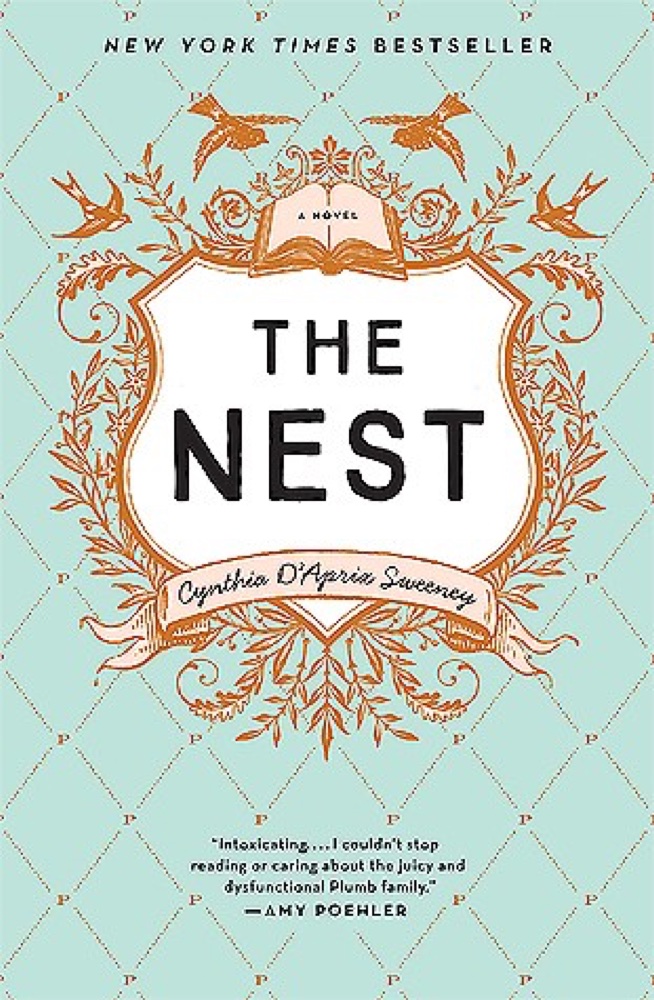 The Nest
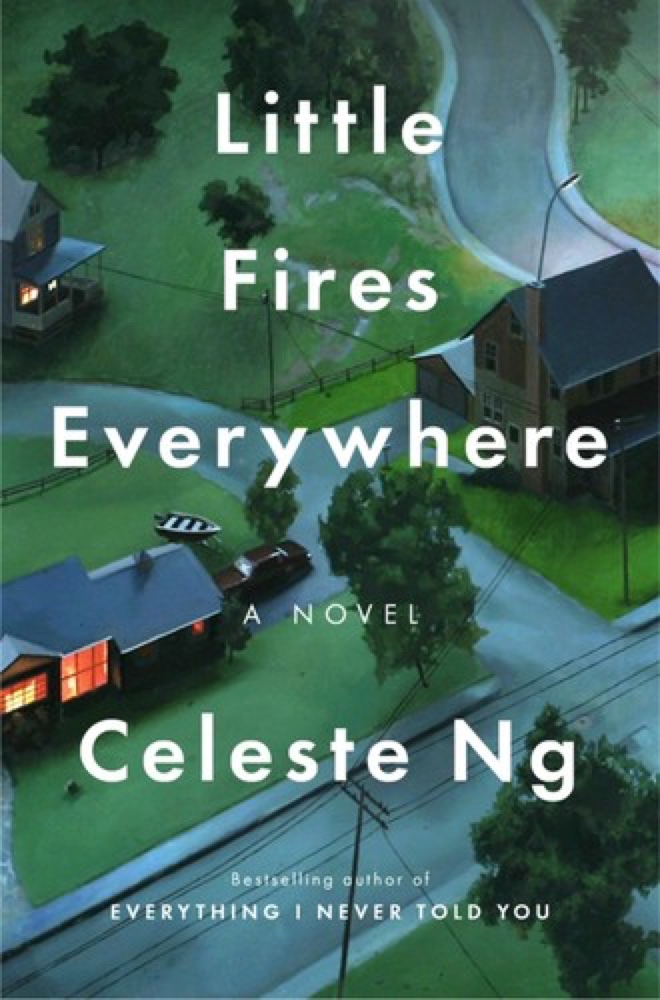 Little Fires Everywhere
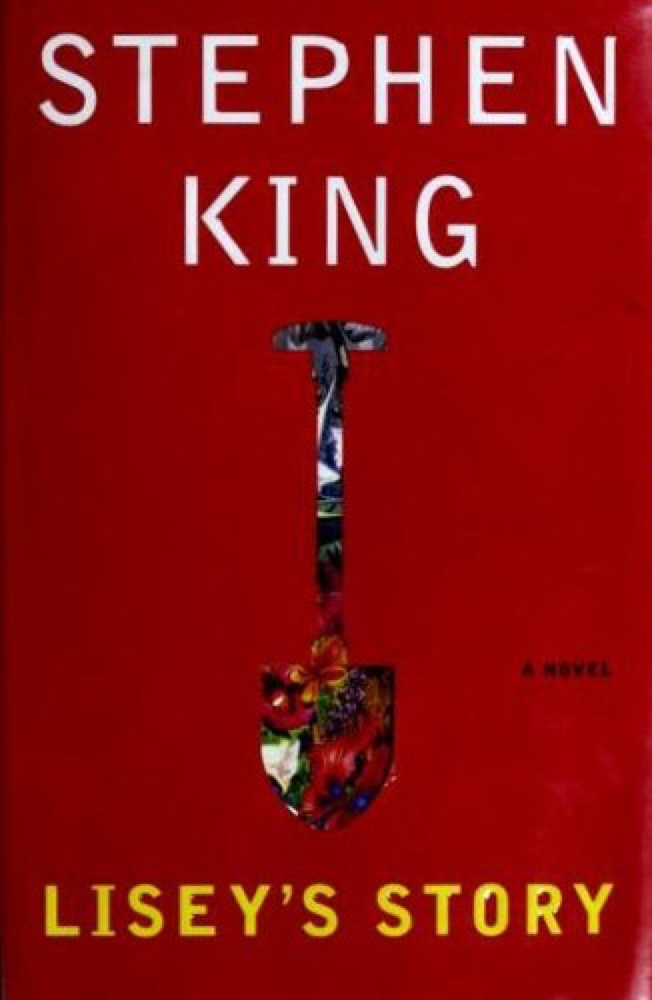 Lisey's Story
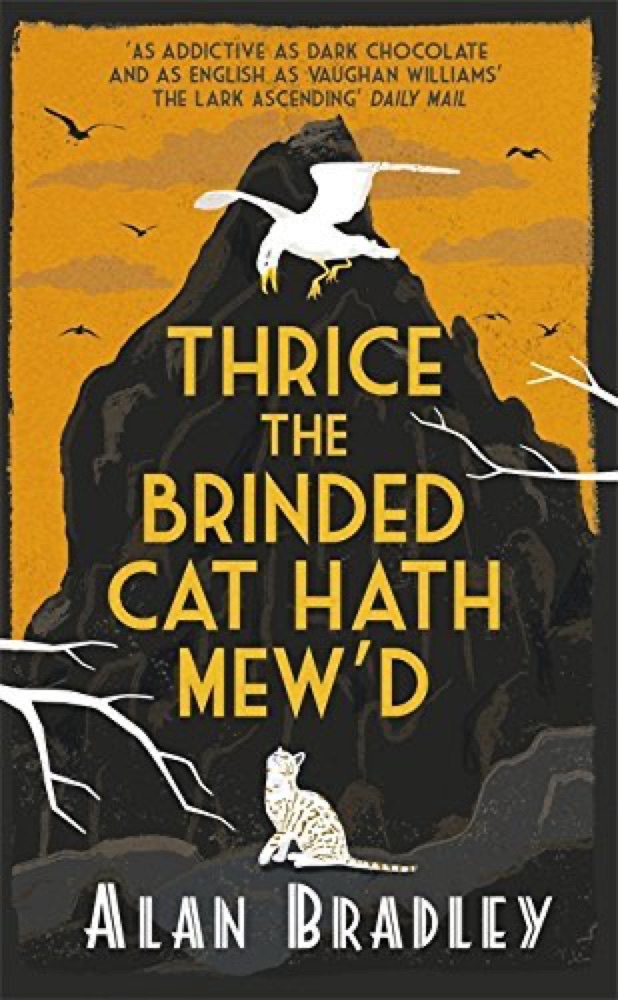 Thrice the Brinded Cat Hath Mew'd
 Sign Here
 A Widow for One Year
 Down Among the Sticks and Bones
 Snake-Eater
 The Marriage Plot
 Down Cemetery Road
 Homecoming
 What the Dead Know