
 Horrid
Quotes from the Book
That was what the books did—they turned off your thinking for you, put their thoughts in your head so you wouldn't have your own.
30
Books were her salvation. As a child, she’d had a shelf of childhood favorites that she loved enough to read over and over again. But after, during the hospital stay and the long voyage and the cold days in Idlewild’s dreary hallways, books became more than mere stories. They were her lifeline, the pages as essential to her as breathing.
18
Sonia envied her, the way she could turn her brain off, think about absolutely nothing. It was a trick Sonia herself had never learned. That was what books did - they turned off your thinking for you, put their thoughts in your head so you wouldn't have your own.
14
Books, Sonia had decided, were what she would live with when she finally left this place. She would work in a library—any library, anywhere. She’d sweep the floors if she had to. But she’d work in a library, and she’d read the books every day for the rest of her life.
11
What will I write in this beautiful book? She carried the book to class for the rest of the day, and that night she put it under her pillow, still blank. She liked it blank right now, liked to know that it was waiting, listening. Just like her friends.
9
There is no justice, Malcolm had told her once, but we stand for it anyway. Justice is the ideal, but justice is not the reality.
7
He was a brilliant dreamer, a relentless intellectual, and a troublemaker,
3
It was infuriating how many people got things wrong about you when you were a teenage girl, but as she had learned to do, Katie took her anger and made it into something else.
3
The girls listened in silence, hypnotized, no longer caring about teachers or dorm monitors or Latin. A few sweet moments of peaceful quiet, the kind only the radio could give them, a few moments of nothing but sound from the world outside, where people were living and singing and playing songs. Normal people in a normal world.
3
She was twisted with a crazy anxiety, mixed with a crazy hope.
3
This was Roberta’s favorite time. The quiet, the chill of the leftover night air, the cold seeping into her legs and her feet, waking her up. The trees around the edges of the pitch were black against the sky, and from one of them three ravens took flight, rising stark and lonely against the clouds.
3
There was no Internet, no way to raise outrage via a Twitter campaign, no digital cameras with which one could take a photo and send it worldwide in seconds.” And that left Ravensbrück abandoned and dismantled, forgotten.
2
She accepted the visit and lived in anticipation, wondering what was to come. It was November 19, 1950. She would be dead in ten days.
2
He’d sold his half of their house out to his ex-wife, taken the money, and invested it in the magazine while he lived in the room over his elderly mother’s garage. Strangely, he was in a better mood than ever since he’d done it.
2
Her heart was pounding in anticipation and a queer kind of excitement. She was ready. Was that the same as happy?
2
Once she started, she couldn’t stop, the edges of her memories sawing at her as she sat at her lessons, as she did her homework and ran pitifully around the hockey field and ate her tasteless meals in the dining hall. The memories weren’t the overwhelming ones she’d had that had made her sick. These were like a violin bow grinding along the edge of a single string, shrill, waiting for some kind of resolution to make it stop. The only thing that worked was writing.
2
She had been fair at drawing before the war. She’d drawn her mother dozens of times, as she sat reading or sewing. There had been so many things in those days that kept a person still, that required perfect concentration for hours on end. It had been easy to draw portraits.
2
This was a notebook made for a girl who liked to write, who took each word seriously and put it down with care.
2
The anger had gone as quickly as it came, and now she felt shaky and a little ashamed.
2
For a second, emotion rolled up through Fiona’s throat, and she couldn’t breathe. Her father had been like this, once upon a time. The man in the photo on the wall in the other room, the man on the ground in Vietnam in 1969, had been complicate and demanding and often absent, but he had been so painfully, vibrantly alive it had almost hurt to be around him. The air had crackled when he walked into a room. Malcom Sheridan had never done small talk – he was the kind of man who looked you in the eye on first meeting and said, Do you enjoy what you do? Do you find it fulfilling? If you had the courage to answer, he’d listen like it was the most fascinating thing he’d ever heard. And in that moment, it always was. He was a brilliant dreamer, a relentless intellectual, and a troublemaker, but the thing that always struck you about Fiona’s father was that he was truly interested in everything.
2
The shrill of the cell phone jerked Fiona awake in the driver’s seat.
1
This was a detail that was rubbing her raw, keeping her wound bleeding, long after everyone else had tied their bandages and hobbled away. She should grab a crutch—alcohol or drugs were the convenient ones—and start hobbling with the rest of them.
1
Thank God for old spinsters,” he said.
1
There was too much history in this old house, too much pain, too much love.
1
Inside were textbooks, old and yellowed. The top was titled Latin Grammar for Girls. Jamie read the title over her shoulder. “The good old days,” he commented, “when apparently Latin was different if you were a girl.
1
It seems so far back in history, until they find some decrepit old Nazi war criminal still living under a rock and put him on trial. Then you remember that it’s still living memory for some people.
1
Shh,” he said, his voice lowered. “Please don’t say it. I think she listens.
1
Please don’t say it. I think she listens.
1
Did you know?
- The novel is set at the fictional Idlewild Hall, a boarding school for unwanted girls in Barrons, Vermont.
- The story is told across two timelines, 1950 and 2014.
- Author Simone St. James cites gothic novelists such as Victoria Holt as an influence on her work.
- The book blends a crime mystery with supernatural and ghost-story elements.
- It became a New York Times bestseller and helped expand St. James's audience beyond her earlier historical fiction.
About Simone St. James
Simone St. James is a Canadian author of atmospheric mysteries and ghost stories who lives near Toronto. She spent two decades working in the television industry before writing full-time, and her debut, The Haunting of Maddy Clare, won two RITA Awards from the Romance Writers of America.
More about the author →About the book
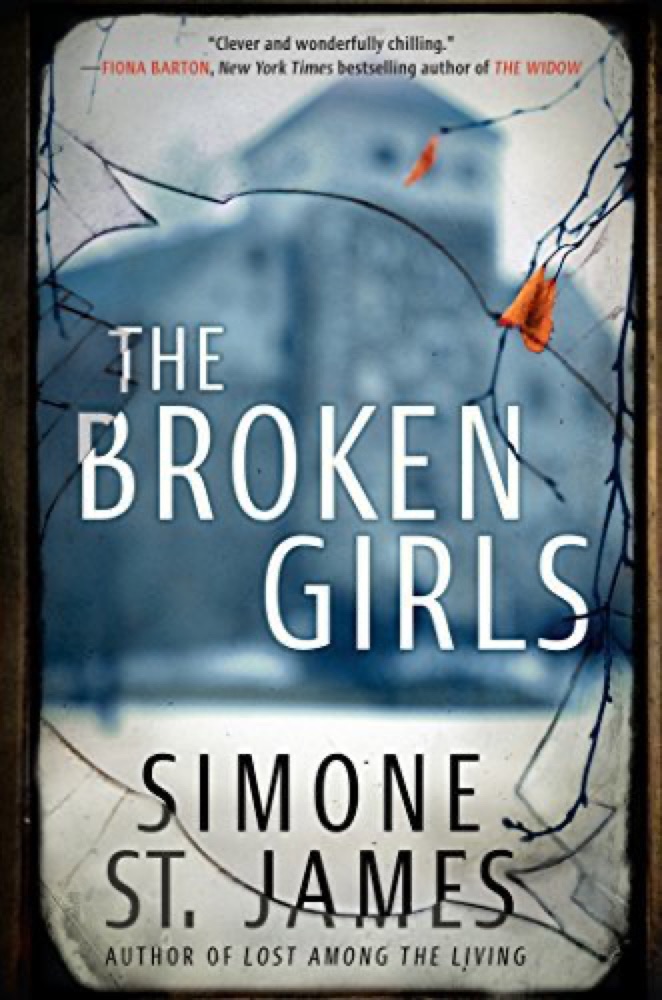
The Broken Girls is a gothic mystery by Simone St. James that unfolds across two timelines centered on Idlewild Hall, a Vermont boarding school for unwanted girls. In 1950, four roommates form a fierce bond before one of them vanishes without a trace. In 2014, journalist Fiona Sheridan, whose sister's body was found near the school's ruins two decades earlier, learns that Idlewild is being restored and is drawn into investigating both the old disappearance and her sister's death.
Blending crime fiction with the supernatural, the novel explores themes of trauma, female friendship, and the way society discards girls it deems inconvenient. The dual narrative ties the buried secrets of the past to an unresolved present-day case, while the legend of a ghost haunting Idlewild gives the story its atmospheric, gothic charge.
The book was widely praised for its eerie atmosphere, propulsive pacing, and emotional depth, and it became a bestseller that broadened St. James's readership beyond her earlier historical ghost stories. Reviewers highlighted its successful fusion of mystery, horror, and historical fiction, and it is frequently cited as a standout in her body of atmospheric suspense work.
Key characters
- Fiona SheridanPresent-day journalist investigating Idlewild and her sister's death
- Katie WinthropTough, beautiful 1950 Idlewild student and ringleader of the roommates
- CeCe FrankLoyal, caring 1950 roommate who is often underestimated
- Roberta GreeneStrong 1950 roommate hiding private demons
- Sonia GallipeauQuiet 1950 roommate and war refugee whose disappearance drives the mystery
Book details
- First published
- 2018
- Length
- 336 pages
- Reading time
- 6 hours
- Author
- Simone St. James
- Genre
- Mystery
- Goodreads rating
- 4.05 (134k ratings)
Critical reception
- The novel became a New York Times bestseller.
- Reviewers praised its gothic atmosphere and dual-timeline structure.
- It is often noted for blending mystery, historical fiction, and supernatural horror.
Keep reading
Horrid
 Ink Blood Sister Scribe
 The Red Garden
 A Slow Fire Burning
 Darling Girls
 The Fever
 Upright Women Wanted
 Summer Island
 A Reliable Wife
 After Leaving Mr. Mackenzie
 The Memory Keeper's Daughter
 My Brilliant Friend
 Idaho
Idaho
 Too Much Happiness: Stories
 The Perfect Nanny
 The Story Sisters
 The God of the Woods
 The Magician’s Daughter
 The Letter
 Crudo
Crudo
 Clear Light of Day
 Mislaid
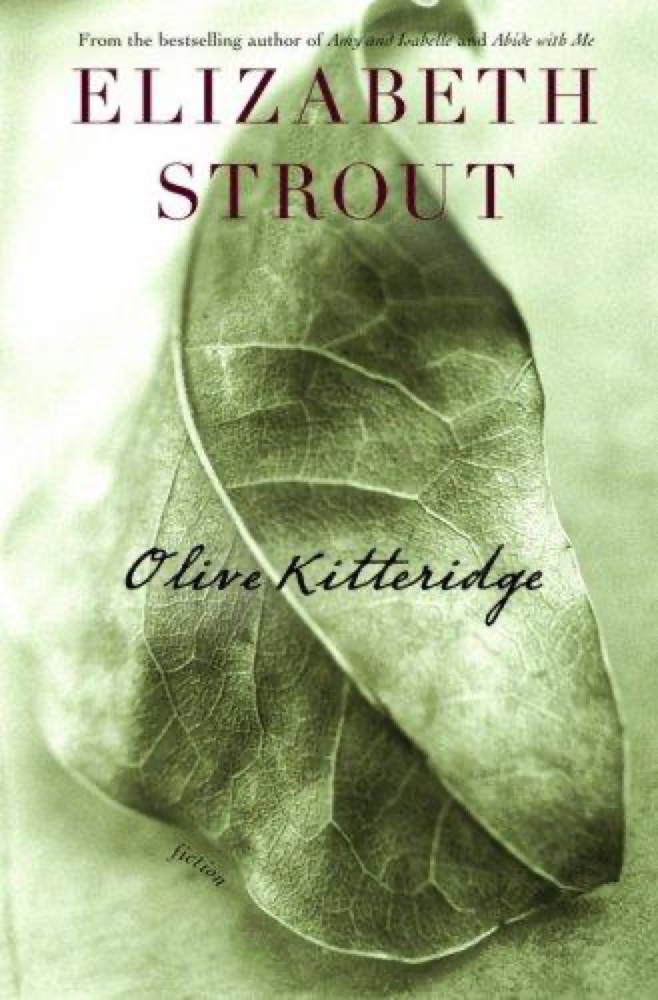 Olive Kitteridge
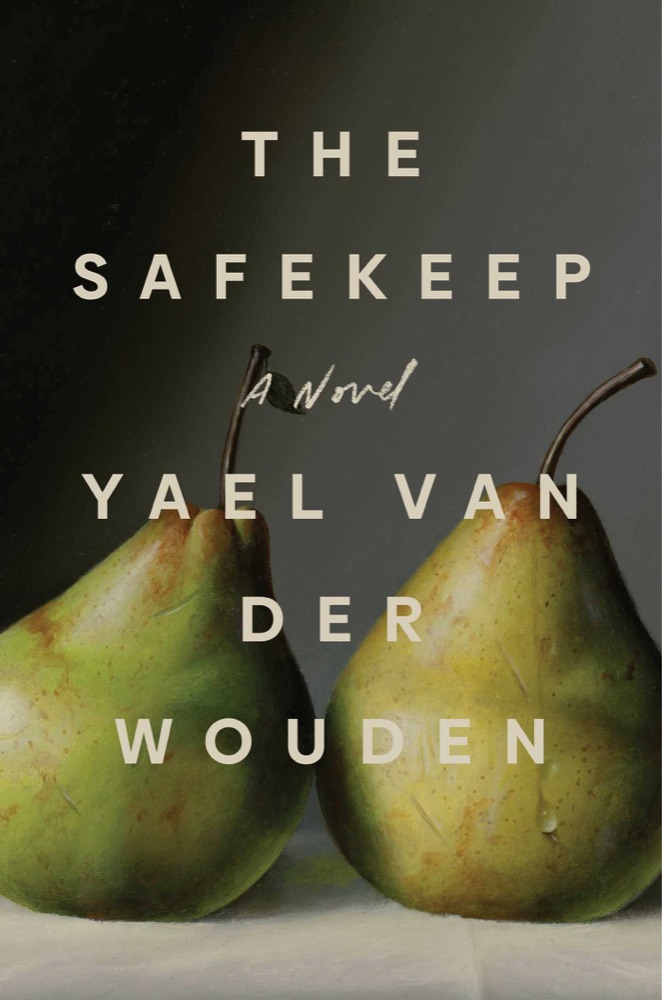 The Safekeep
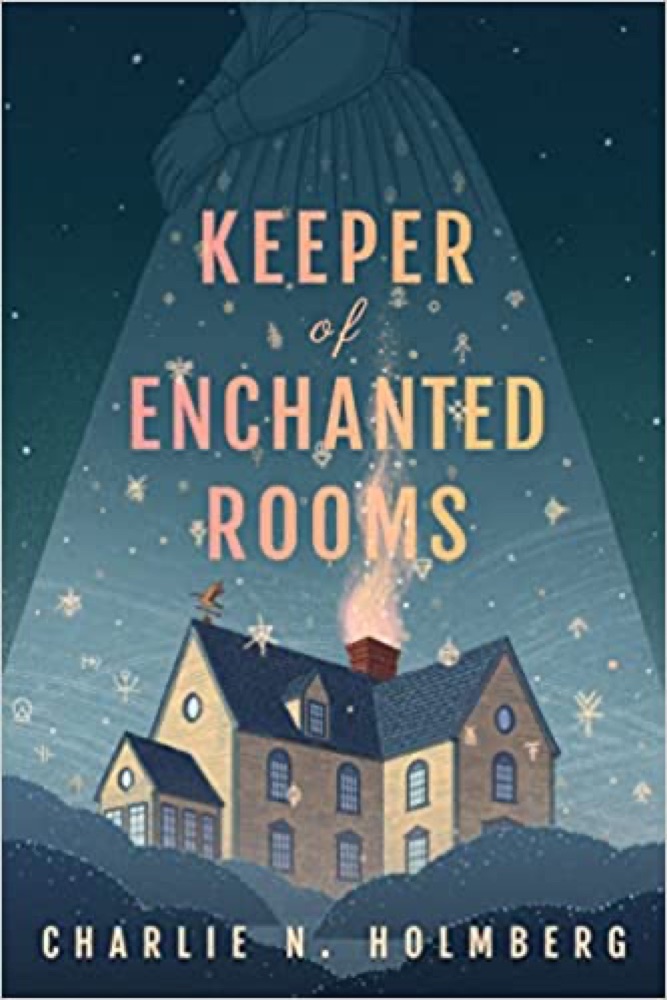 Keeper of Enchanted Rooms
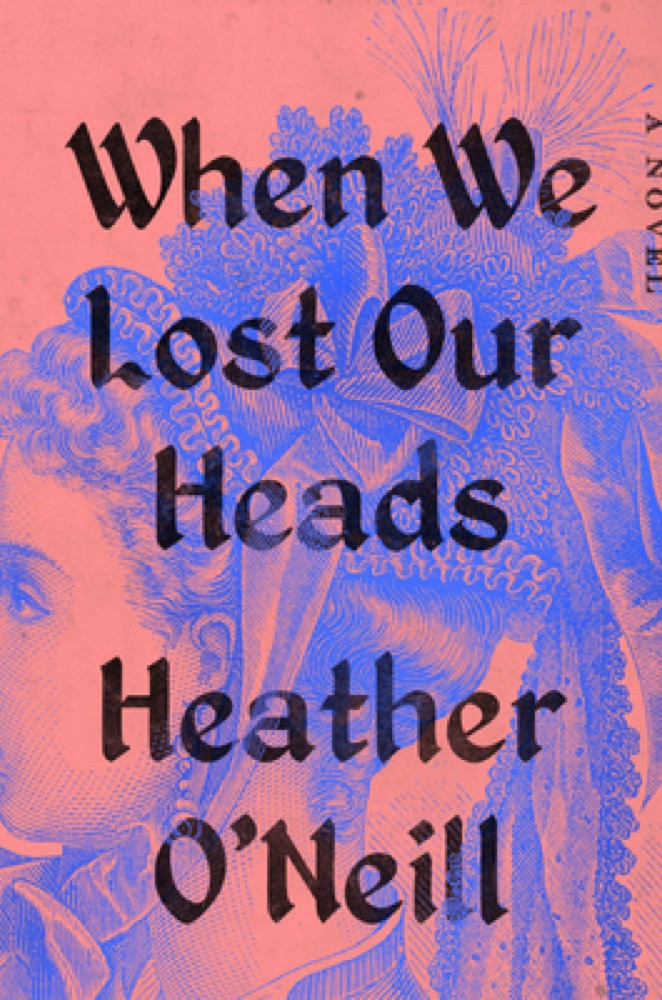 When We Lost Our Heads
 Baby Teeth
 Apples Never Fall
 Just Breathe
 Death Watch
 Litani
 Down Cemetery Road
 Instructions for a Heatwave
 Like Life: Stories
 Lisey's Story
 The Orchardist
 Birds of America
 The Sleepwalker's Guide to Dancing
 A Dangerous Place
 Case Histories
 Hush
Hush
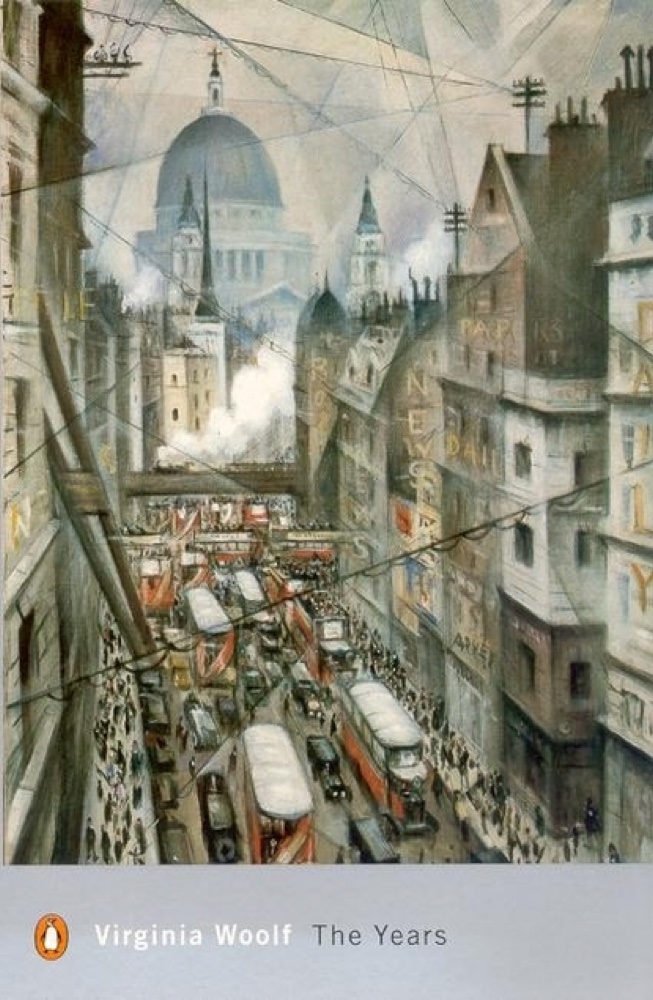 The Years
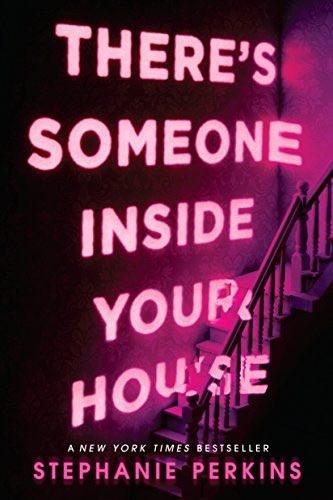 There's Someone Inside Your House
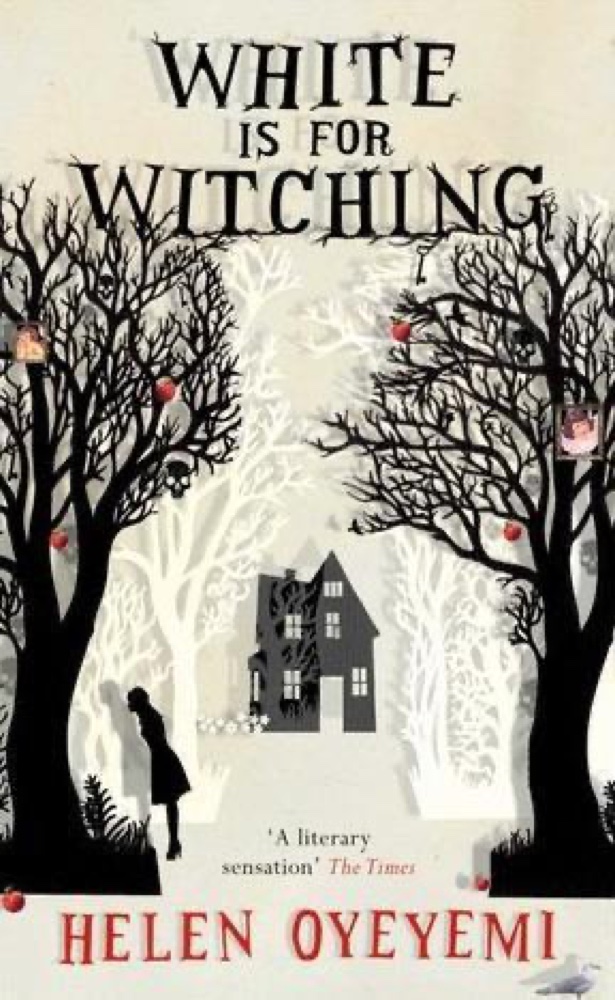 White is for Witching
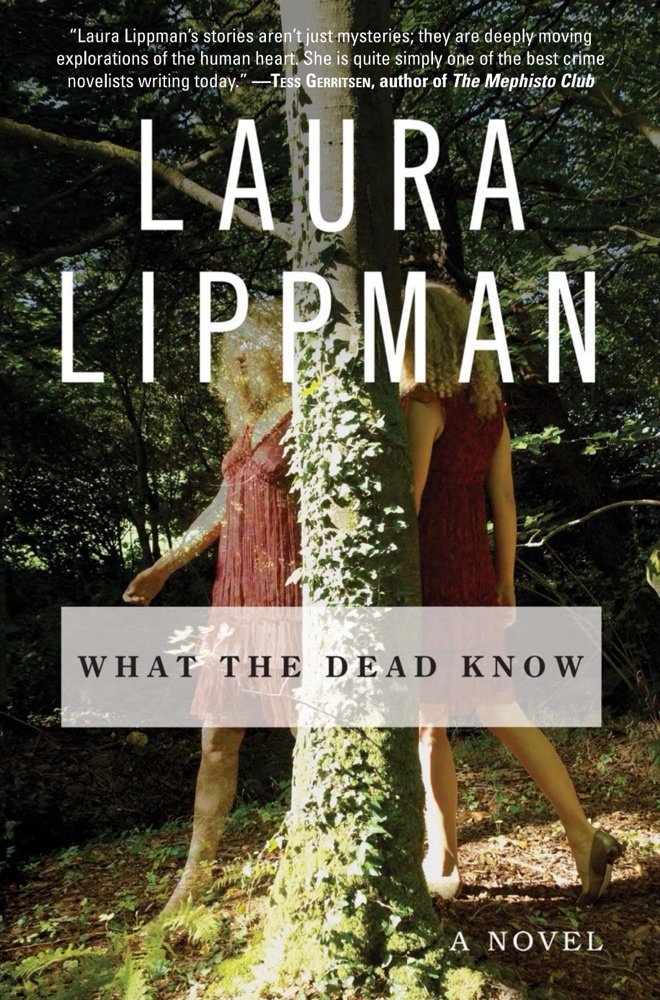 What the Dead Know
 Homecoming
 Blackbird House
 The Sugar Queen
 The Paying Guests
 Gerald's Game
 What Is Not Yours Is Not Yours
 Tar Baby
 Transcription
 Mystic River
 Conversion
 The Book of the Unnamed Midwife
 The Lowland
 The Hand on the Wall
 Brooklyn
 Last Night in Montreal