
 Hamnet
Quotes from the Book
Solitude was like a drug that she wasn’t sure she wanted to do without.
17
She had been in one of those sleeps so heavy they leave you feeling sad, disorientated, your stomach full of tears. A sleep so deep, so dark, that you see yourself dying, that you wake up soaked with cold sweat, paradoxically exhausted.
12
Yeah. Maybe. But honestly, I don’t understand.’ ‘You shouldn’t try to understand everything. Children are just like adults. There’s nothing to understand.
7
Several times during the night, she opened her eyes, unsure if an hour had passed or a month.
4
We will, all of us, only be happy, she thinks, when we don’t need one another any more. When we can live a life of our own, a life that belongs to us, that has nothing to do with anyone else. When we are free.
3
Hate rises up inside her. A hate that clashes with her servile urges, her childlike optimism. A hate that muddies everything. She is absorbed by a sad, confused dream. Haunted by the feeling that she has seen too much, heard too much of other people’s privacy, a privacy she has never enjoyed herself. She has never had her own bedroom.
3
She drinks and the discomfort of living, the shyness of breathing, all this anguish dissolves in the liquid sips.
3
The silent apartment is completely under her power, like an enemy begging for forgiveness.
2
disgust, by a hatred of everything: this apartment, this washing machine, this still-filthy sink, these toys that have escaped their boxes and crawled under the tables to die, the sword pointed at the sky, the dangling ear. She will be Louise, Louise pushing her fingers in her ears to stop the shouting and the crying. Louise who goes back and forth from the bedroom to the kitchen, from the bathroom to the kitchen, from the trash to the tumble dryer, from the bed to the cupboard in the entrance hall, from the balcony to the bathroom. Louise who comes back and then starts again, Louise who bends down and stands on tiptoe. Louise who takes a knife from a cupboard. Louise who drinks a glass of wine, the window open, one foot resting on the little balcony. “Come on, children. Time to take a bath.
2
Louise is a soldier. She keeps going, come what may, like a mule, like a dog with its legs broken by cruel children.
2
Às quatro horas, os dias de ócio parecem intermináveis. É a meio da tarde que nos apercebemos do tempo desperdiçado, que nos inquietamos com a noite vindoura. A essa hora, temos vergonha de não servir para nada.
1
She would like to put them under glass, like two dancers, frozen and smiling, stuck to the pedestal of a musical box.
1
But in what black lake, in what deep forest has she found these cruel tales where the heroes die at the end, after first saving the world?
1
Los vecinos se han agolpado a la entrada del edificio. Mujeres más que nada. Observan la ambulancia, con los ojos cuajados de lágrimas. Lloran y quieren enterarse. Se alzan de puntillas. Intentan distinguir lo que ocurre tras el cordón policial, dentro de la ambulancia que ha arrancado con las sirenas a todo volumen. Se susurran información al oído. Ya corre el rumor. Ha sucedido una desgracia a los niños.
1
Something was dead and it wasn’t only youth or the feeling of being carefree. He wasn’t useless anymore. They needed him and he was going to have to deal with that. By becoming a father, he had acquired principles and certainties, things he had sworn never to have. His generosity had become relative. His passions had grown tepid. His world had shrunk.
1
She has the intimate conviction now, the burning and painful conviction that her happiness belongs to them. That she is theirs and they are hers.
1
She had always refused the idea that her children could be an impediment to her success, to her freedom. Like an anchor that drags you to the bottom, that pulls the face of the drowned man into the mud. At first, the realization that she was wrong had plunged her into a profound sadness. She thought it unjust, terribly frustrating. She became aware that she could never live without feeling that she was incomplete, that she was doing things badly, sacrificing one part of her life for another.
1
Essentially, she realized that no one cared about her nebulous theories on this world of sellouts, this world of arrant morons addicted to electronic screens and slaughtered animals.
1
He’s drawn up a list of questions and scheduled thirty minutes for each interview. They have set aside their Saturday afternoon to find a nanny for their children.
1
She feels suddenly sentimental. This is what it's like, being a mother. It makes her a bit silly sometimes. The most banal moments suddenly seem important. Her heart is stirred by the smallest things.
1
We will, all of us, only be happy, she thinks, when we dont need one another anymore. When we can live a life of our own, a life that belongs to us, that has nothing to do with anyone else. When we are free.
1
She would like to widen the horizons of these children doomed to become sensible, middle-class people, at once servile and authoritarian. Doomed to be cowards.
1
Louise reminds him of those porcelain dolls he’s seen sitting on shelves in the apartments of old ladies where he has gone to do a favor or do some work. Like those dolls, Louise’s features are almost motionless; sometimes her frozen expression is absolutely beautiful. She has a way of staring into space that makes Hervé want to remind her of his existence.
1
All over the apartment, there are lists that Myriam has written—on a paper napkin, on a Post-it, on the last page of a book. She spends her time looking for them. She is afraid to throw them away as if this might make her lose track of all the tasks she has to accomplish. She has kept some really old ones and, rereading them, she feels a nostalgia that is only intensified when she can no longer remember to what those obscure notes refer. Pharmacy Tell Mila Nil’s story Reservations for Greece Call M. Reread all my notes Go back to that shop. Buy the dress? Reread Maupassant Get him a surprise?
1
She would like to drink in their innocence, their excitement, until she is intoxicated. She would like to see through their eyes when they look at something for the first time, when they understand the logic of a mechanism, expecting it to repeat itself infinitely without ever thinking of the weariness that will one day slow it down.
1
She has the strange certainty that all struggle is futile. That all she can do is let events carry her away, wash over her, overwhelm her, while she remains passive and inert.
1
Did you know?
- The novel was originally published in French in 2016 as Chanson douce, meaning 'Sweet Song.'
- It won the 2016 Prix Goncourt, France's most prestigious literary prize.
- The English translation was published in 2018 as The Perfect Nanny in the US and as Lullaby in the UK.
- Sam Taylor translated the novel into English.
- Slimani was partly inspired by the real 2012 New York case in which a nanny killed two children in her care.
- A French film adaptation directed by Lucie Borleteau was released in 2019.
About Leïla Slimani
Leila Slimani is a French-Moroccan author and journalist born in Rabat in 1981. She won the 2016 Prix Goncourt for Chanson douce (The Perfect Nanny), becoming one of France's most prominent contemporary writers.
More about the author →About the book
The Perfect Nanny is a psychological thriller by French-Moroccan author Leila Slimani, first published in French in 2016 as Chanson douce and translated into English by Sam Taylor in 2018. The novel opens with its devastating conclusion already known: the children are dead, killed by Louise, the seemingly ideal nanny hired by a Parisian couple. From this point the narrative loops backward to trace how Louise came to be entrusted with the family and how the relationship between employer and caregiver unravels.
Slimani uses the domestic arrangement to probe class, money, dependency, and the unspoken bargains of modern parenthood. As Myriam returns to her career and leans ever more heavily on Louise, the boundaries between family and hired help blur, exposing resentment, loneliness, and power imbalances beneath a polished bourgeois surface. The book examines how intimacy and obligation can curdle, and how easily the people we depend on most can become invisible to us.
The novel was a major critical and commercial success, winning the 2016 Prix Goncourt, France's most prestigious literary award, and selling hundreds of thousands of copies in France. Reviewers in the English-language press praised its taut, controlled prose and compared its grip to that of Gillian Flynn's Gone Girl. It has been translated into many languages and adapted for the screen.
Key characters
- LouiseThe nanny hired by the family, whose quiet competence conceals deepening instability
- MyriamThe mother, a lawyer who returns to her career and entrusts her children to Louise
- PaulThe father, a music producer and Myriam's husband
- MilaThe couple's young daughter in Louise's care
- AdamThe couple's infant son in Louise's care
- WafaA fellow nanny and Louise's confidante
Book details
- First published
- 2016
- Length
- 240 pages
- Reading time
- 4 hours
- Author
- Leïla Slimani
- Genre
- Fiction
- Goodreads rating
- 3.40 (129k ratings)
- First line
- “The baby is dead.”
Critical reception
- Won the 2016 Prix Goncourt, France's most prestigious literary award.
- Became a major commercial success in France, selling hundreds of thousands of copies.
- English-language reviewers praised its taut prose and compared its suspense to Gillian Flynn's Gone Girl.
Movie & TV adaptations
- IMDb
Keep reading
Hamnet
 Salt Houses
 Baby Teeth
 Missing, Presumed
 A Slow Fire Burning
 Idaho
Idaho
 My Brilliant Friend
 Summer Island
 The Broken Girls
 A Woman's Story
 Ink Blood Sister Scribe
 The Safekeep
 Last Night in Montreal
 The Robber Bride
 A Reliable Wife
 When We Lost Our Heads
 Instructions for a Heatwave
 The House We Grew Up In
 The Good Girl
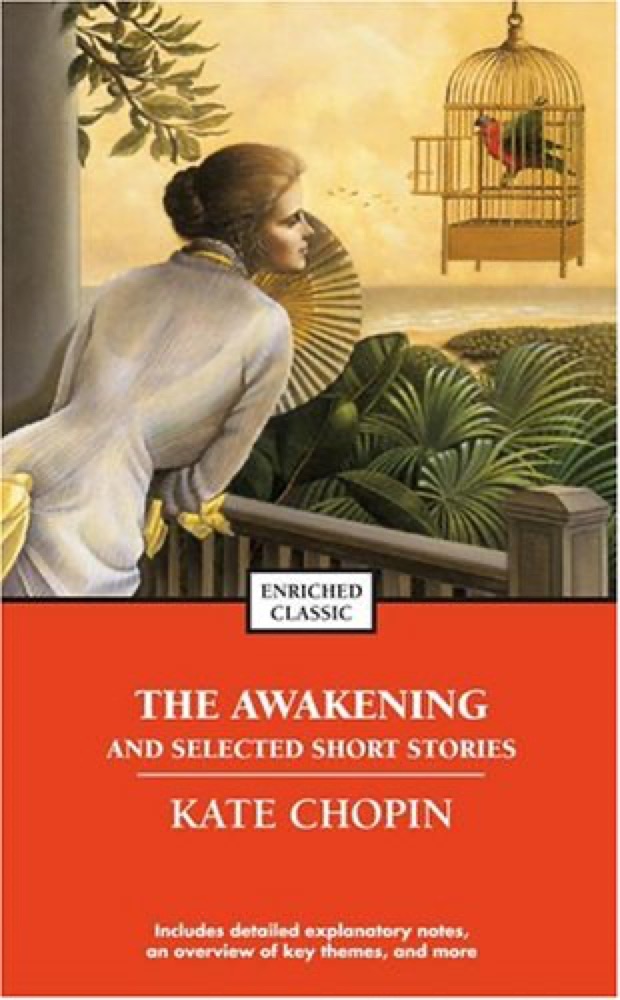 The Awakening and Selected Stories
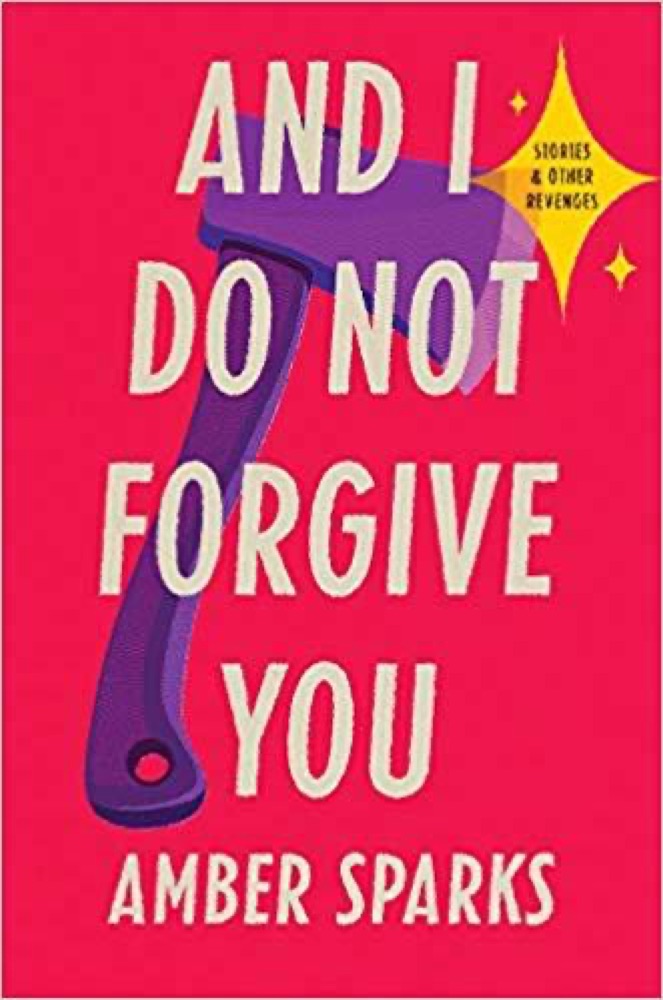 And I Do Not Forgive You: Stories & Other Revenges
 Nightbitch
 The Letter
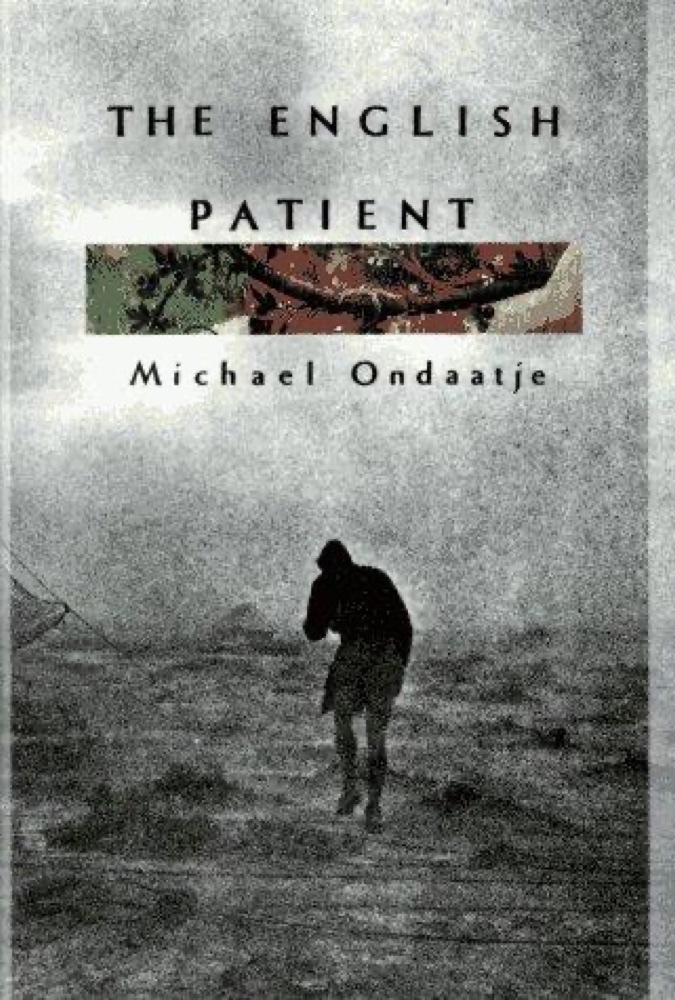 The English Patient
 None of This Is True
 The Paying Guests
 The House of Mirth
 Crudo
Crudo
 After Leaving Mr. Mackenzie
 Olive Kitteridge
 Brooklyn
 A Dangerous Place
 Milk Blood Heat
 The Awakening
 The Reapers are the Angels
 Burnt Sugar
 Then She Was Gone
 Just Like Home
 Mexican Gothic
 Ammonite
 Winter Garden
 The Children Act
 The New Wilderness
 Palimpsest
 Lisey's Story
 The God of the Woods
 Apples Never Fall
 Magpie
 The Sirens
 Pigs in Heaven
 What Is Not Yours Is Not Yours
 Salt Slow
 Tar Baby
 NW
NW
 The Years
 Tender Morsels
 Birds of America
 The Lowland
 The Expats