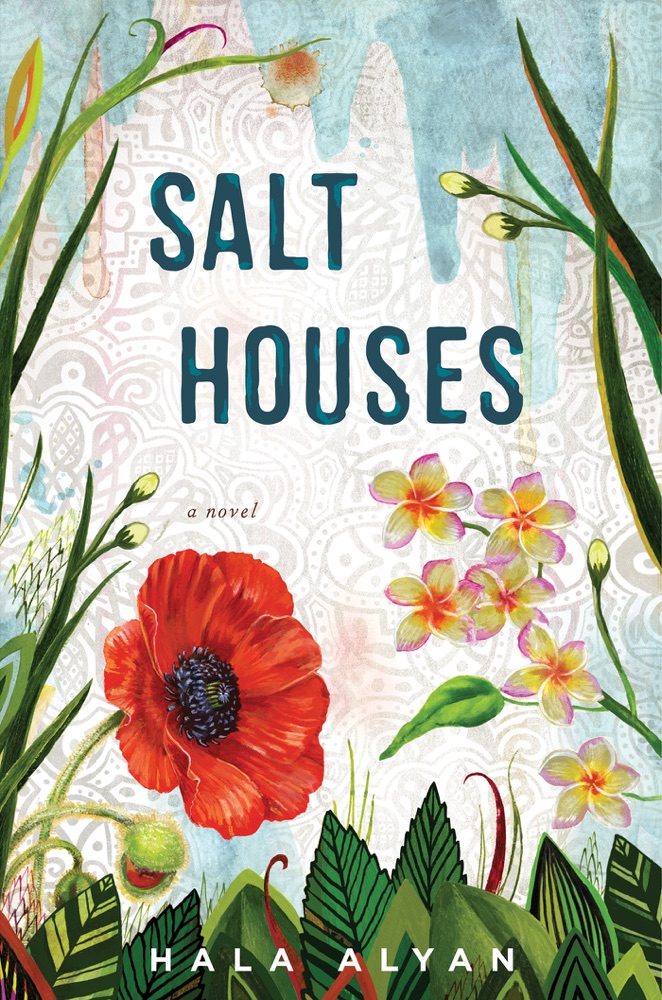

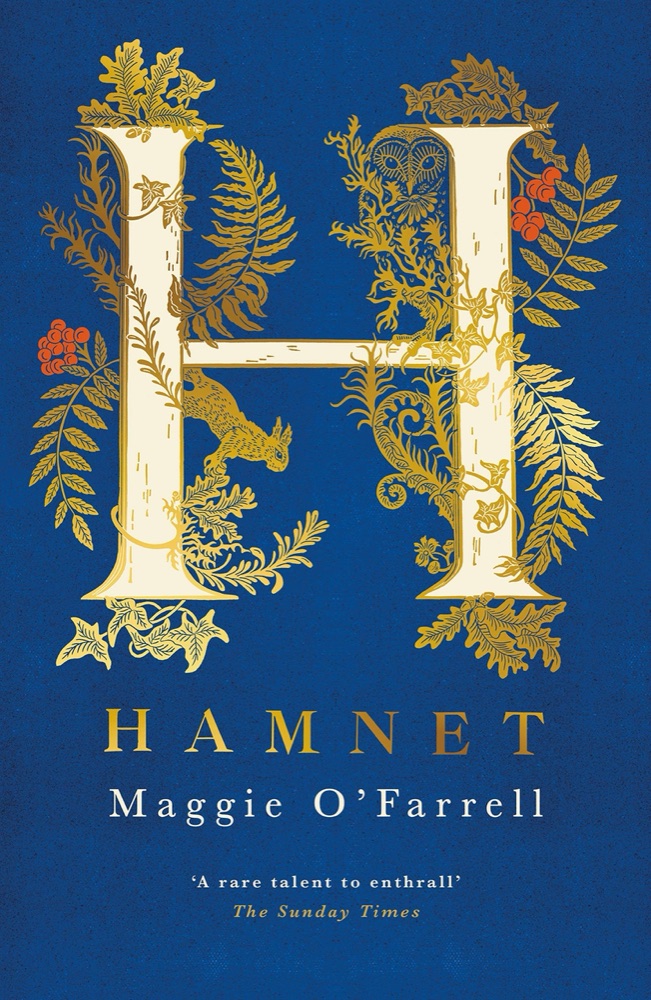
 Hamnet
Quotes from the Book
What is a life? A series of yeses and noes, photographs you shove in a drawer somewhere, loves you think will save you but that cannot. Continuing to move, enduring, not stopping even when there is pain. That's all life is, he wants to tell her. It's continuing.
53
Nostalgia is an affliction. Life a fever or a cancer, the longing for what had vanished wasting a person away. Not just the unbearable losses, but the small things as well.
18
The sea was like another member of the household, a recalcitrant child at times, a soothing aunt at others. She crooned them awake; she crooned them to sleep. Everywhere, there was the smell of salt.
17
She still loves him. This is the fact she wakes up to each morning. She checks it, sometimes, a tongue probing an aching tooth, making sure it still hurts.
16
So they’ve seen their parents up close, as one does with statues in Florence. The cracked toes and chalky masonry.
9
And life, life has swept her along like a tiny seashell onto sand, has washed over her and now, suddenly, she is old. Her mother is dead. There is no one to ask the questions she needs to ask.
8
Atef wants to tell his children that they don’t understand, that their view from the sidelines is incomplete, that somehow in the murky cave of his marriage—not exactly happy but not unhappy either, given to strain, months at a time when Alia retreats into her fury and Atef into himself—is a miraculous conch of love, something unpolished but alive, pulsing.
6
Motherhood doesn’t suit me, she once confessed to Budur, drunk. I don’t have the stomach for not knowing what comes next.
6
Parallel lives, she sometimes thinks. It was a matter of parallel lives, one person having lamb for supper, the other cucumbers. With fate deciding, at random, which was which.
6
It would become the girl’s most endearing and exasperating quality, how she could become enamored of things already gone.
4
America wasn’t like that. You became what you coveted. Memories were short. She met Mexicans, Germans, Libyans, who spoke accented English but responded, From here, whenever asked. Souad became brown. People’s eyes glazed over when she tried to explain that, yes, she’d lived in Kuwait, but no, she wasn’t Kuwaiti, and no, she had never been to Palestine, but yes, she was Palestinian. That kind of circuitous logic had no place over there.
4
But he loves the mosque for its dusty smell, for the carpet prickling his feet, for the predictable hum of the muezzin more than anything celestial.
4
recognizing in that moment that there were some things we are meant to keep for ourselves, too precious to share with others. She
3
It is the third time, she realizes, that she’s buying furniture for a house, the third time she’s piecing together scattered, unnecessary objects, trying to build a life around them.
2
How tiny our lives are, he thinks, swelling to impossible size with love, then shrinking again. He puts an arm around his daughter and pulls her close, this girl he will lose eventually to something. She settles against him. For long moments, they sit together in the dark, watching the
2
How badly she wanted to shake her eldest and cry out that you don’t have to marry the first person who likes you or who says he’ll take you away.
2
It was Time, whirling her along, spinning, spinning, until it finally stopped, and she looked around, blinking, and she was thirty-two.
2
Punch me, he wants to yell at Mustafa. Tell me to fuck off, hit me in the face. Pick up that goddamn suitcase, walk down the driveway. I would’ve followed you. I would’ve followed you. Take me with you. You can save yourself. We can both live.
1
Salma had begun to recognize that the world was no longer made for certain types of women. There was a need for spine and even anger.
1
Nostalgia is an affliction. Someone said that once in front of Alia, and the words reach her now, years later. Like a fever or a cancer, the longing for what had vanished wasting a person away. Not just the unbearable losses, but the small things as well. Alia thinks of her bedroom in Nablus. The seashells she filled with bobby pins.
1
When you call my name,” Souad yells, and the children erupt in laughter, even Manar. And her heart, her heart, rising with the sound. These are her loves. The hope returns. That treacherous hope, which rises and falls, she can taste it on her lips like salt. She will fix it. She will fix it all.
1
Easier, she thinks, to remember nothing, to enter a world already changed, than have it transform before your eyes
It is beautiful, all of it—the hastening of the waves, how the water gathers itself as though spilling white petals onto the sand. The sky has the colorlessness of moistened paper; it looks like it might tear. And the sunlight touches everything, spinning it into gold.
Emotions swirl within her like the complex dish of maqlouba the aunts used to make in Nablus, the raisins impossible to pick from the rice.
Because his love for her—and her understanding of this was tenuous, the way one snatches at the wisps of a memory—had always been straightforward. Uncomplicated.
Watch on YouTube
About Hala Alyan
We have collected 25 quotes from 1 book by Hala Alyan on BookQuoters.
More about the author →About the book
On the eve of her daughter Alia’s wedding, Salma reads the girl’s future in a cup of coffee dregs. She sees an unsettled life for Alia and her children; she also sees travel, and luck. While she chooses to keep her predictions to herself that day, they will all soon come to pass when the family is uprooted in the wake of the Six-Day War of 1967. Salma is forced to leave her home in Nablus; Alia’s brother gets pulled into a politically militarized world he can’t escape; and Alia and her gentle-spirited husband move to Kuwait City, where they reluctantly build a life with their three children. When Saddam Hussein invades Kuwait in 1990, Alia and her family once again lose their home, their land, and their story as they know it, scattering to Beirut, Paris, Boston, and beyond. Soon Alia’s children begin families of their own, once again navigating the burdens (and blessings) of assimilati
Book details
- First published
- 2017
- Author
- Hala Alyan
- Genre
- Historical
- Goodreads rating
- 4.01 (21k ratings)
The buzz
- The New York TimesReview in The New York Timesprofessional review (via Book Marks)
- Kirkus ReviewsReview in Kirkus Reviewsprofessional review (via Book Marks)
- Publishers WeeklyReview in Publishers Weeklyprofessional review (via Book Marks)
- LA Review of BooksReview in LA Review of Booksprofessional review (via Book Marks)
- BooklistReview in Booklistprofessional review (via Book Marks)
- CsmonitorReview in Csmonitorprofessional review (via Book Marks)
Keep reading
Hamnet
 The Perfect Nanny
 Idaho
Idaho
 Summer Island
 The Djinn Waits a Hundred Years
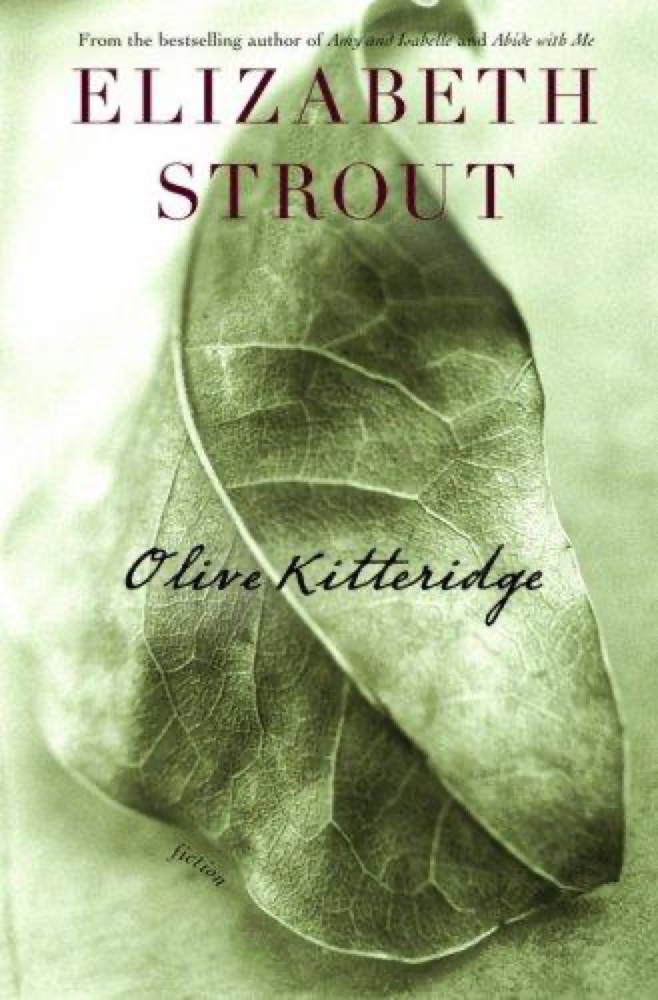 Olive Kitteridge
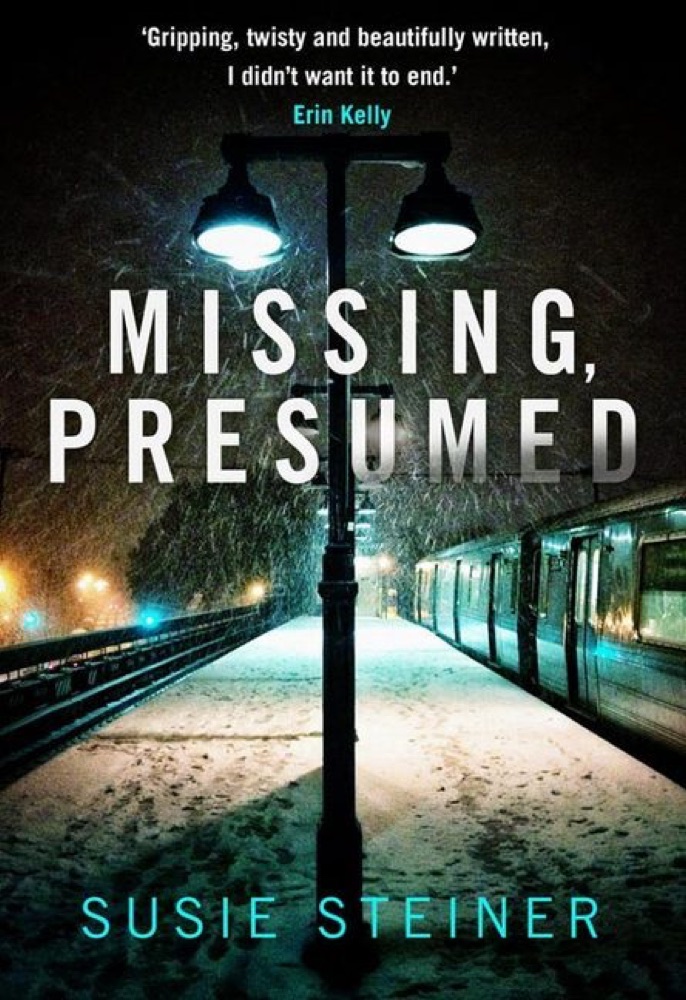 Missing, Presumed
 Home Fire
 Winter Garden
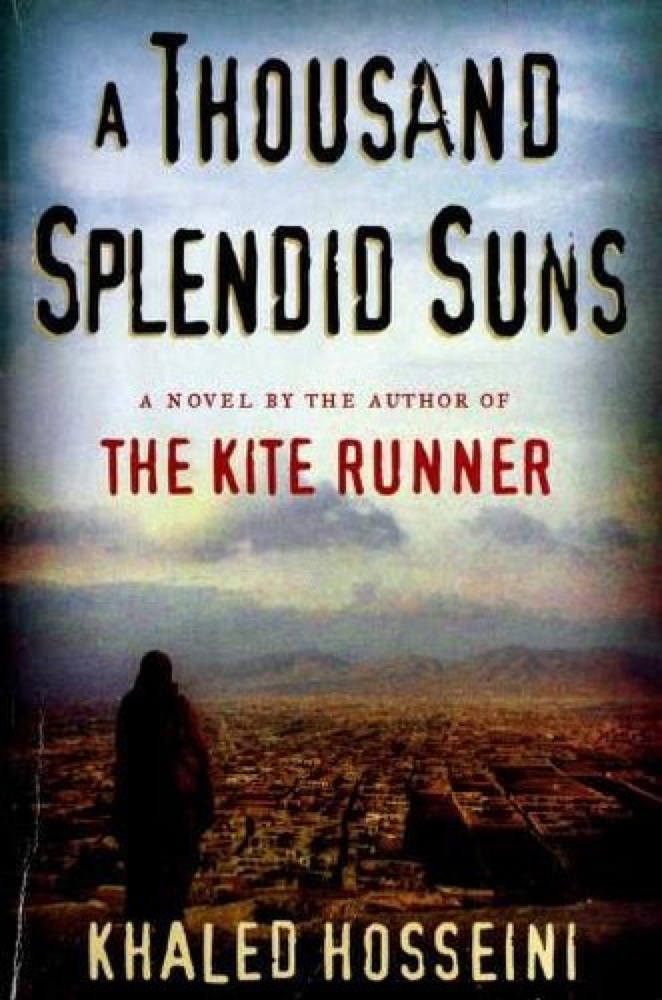 A Thousand Splendid Suns
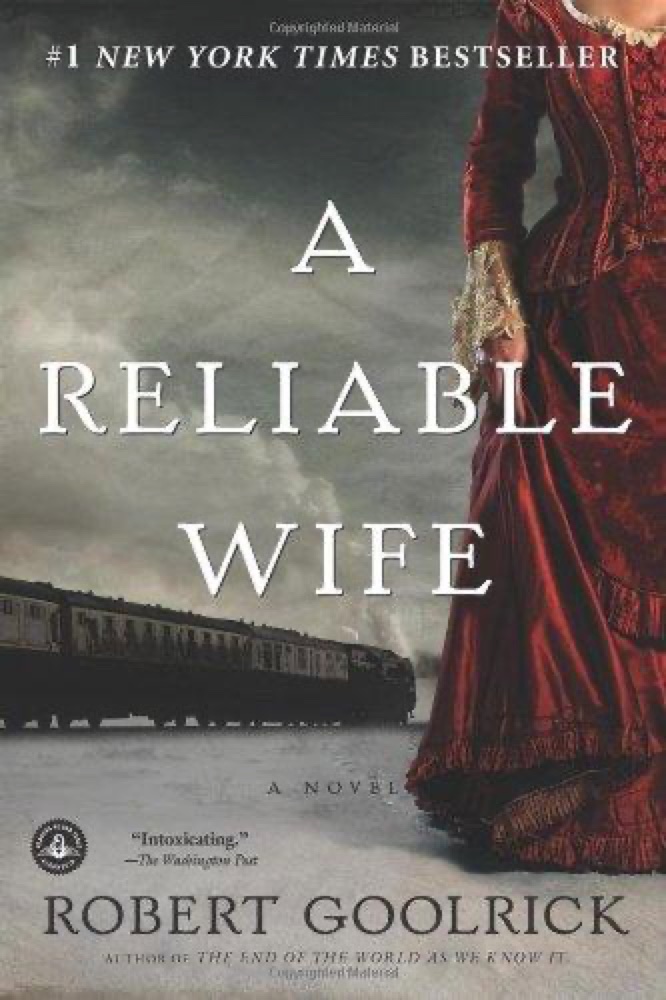 A Reliable Wife
 Instructions for a Heatwave
 Crescent
 My Brilliant Friend
 The Ministry of Utmost Happiness
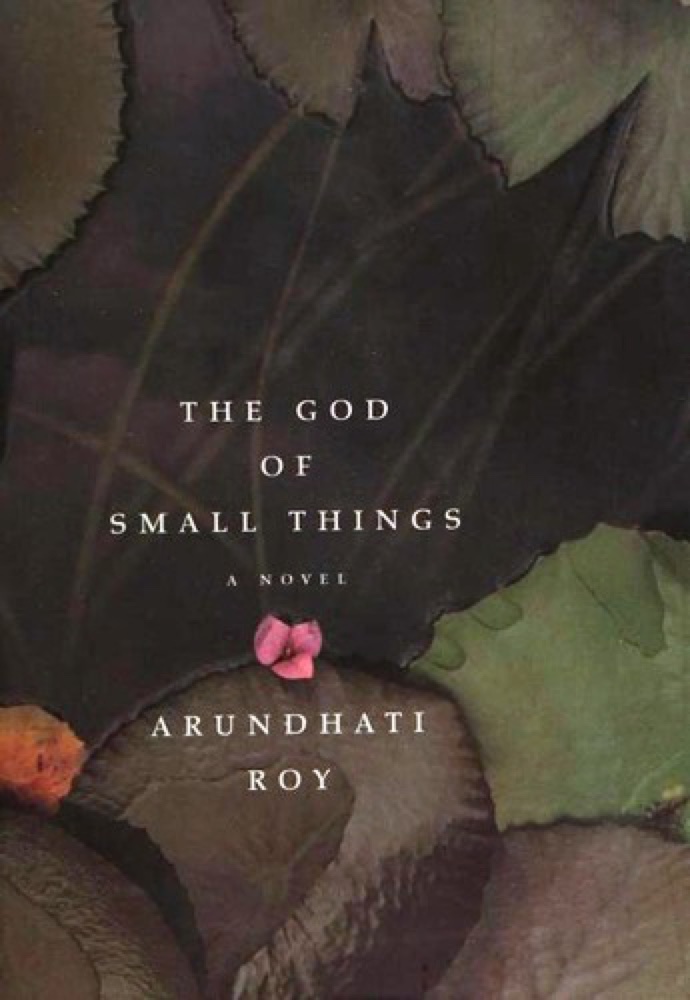 The God of Small Things
 Birds of America
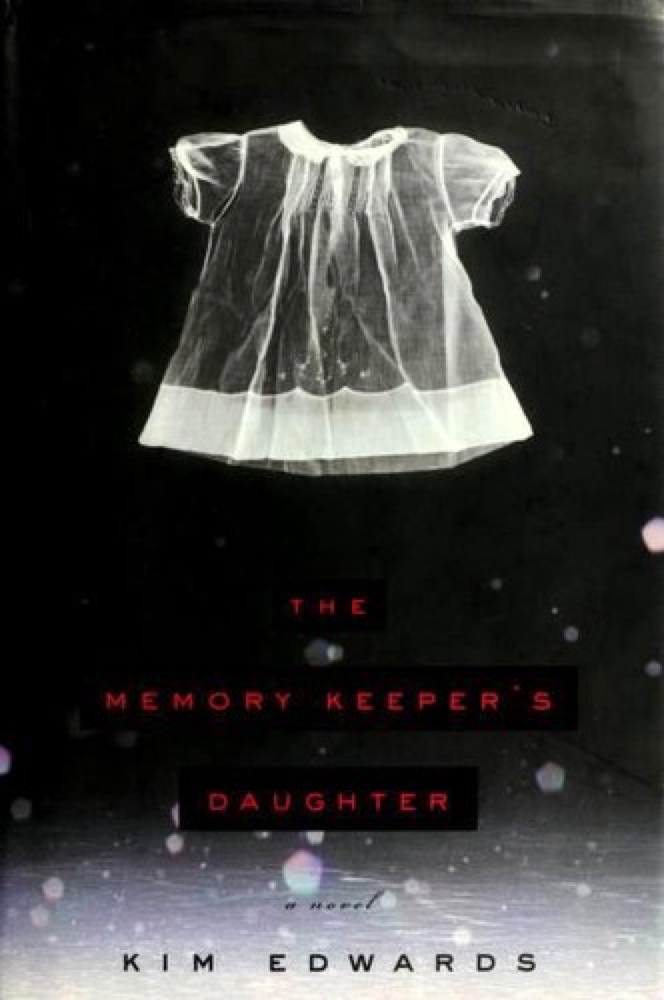 The Memory Keeper's Daughter
 The English Patient
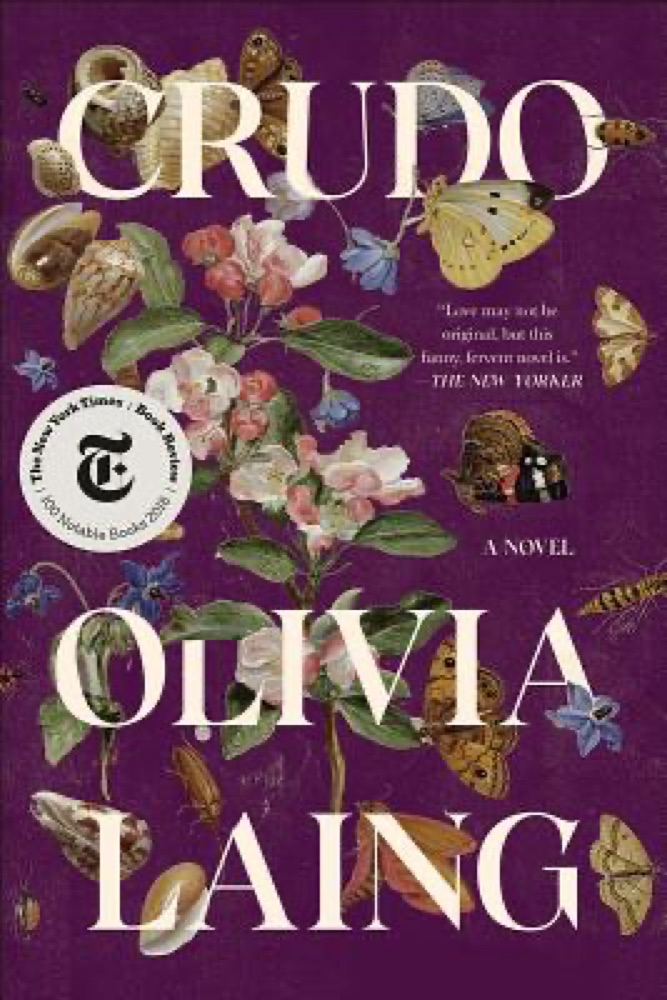 Crudo
Crudo
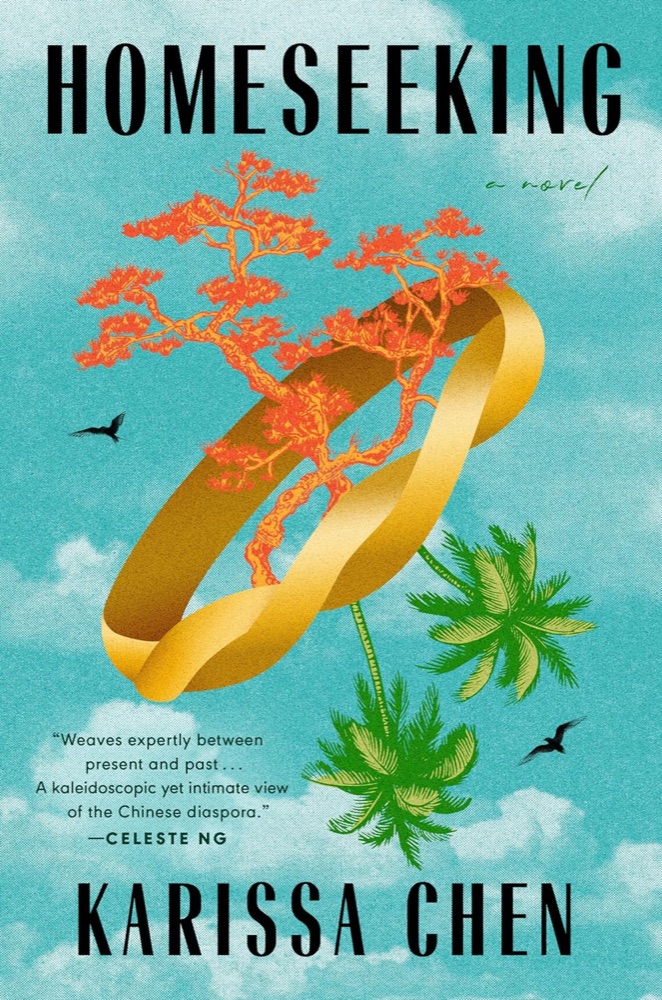 Homeseeking
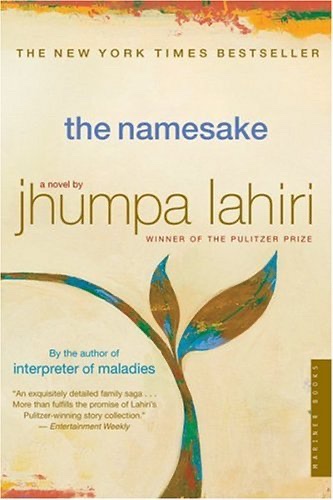 The Namesake
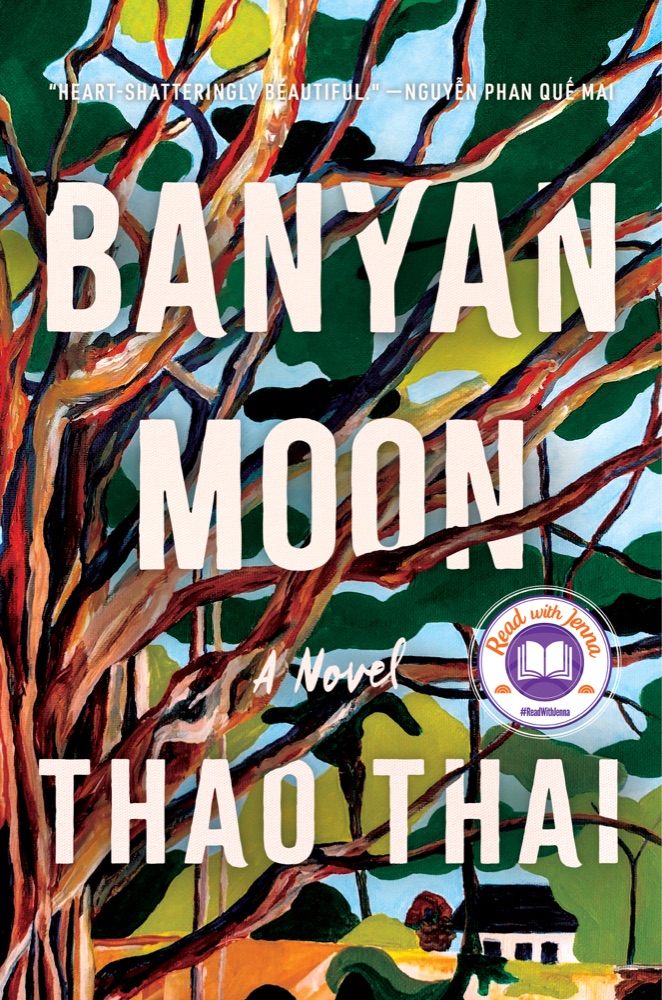 Banyan Moon
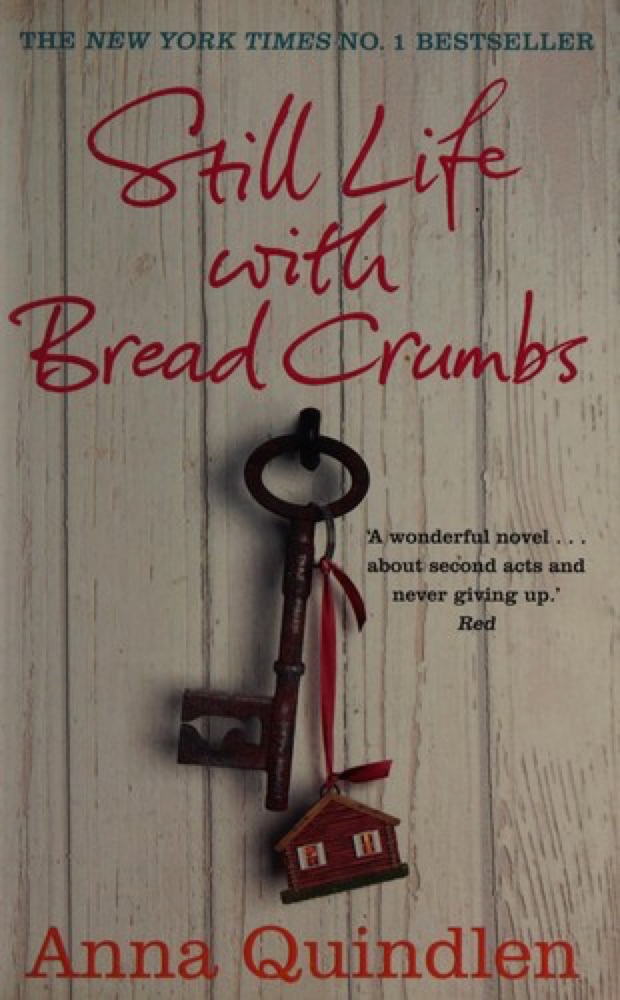 Still Life with Bread Crumbs
 A Slow Fire Burning
 Of Women and Salt
 A Dangerous Place
 What Is Not Yours Is Not Yours
 What It Means When a Man Falls from the Sky
 Dinner at the Homesick Restaurant
 Tender Morsels
 The Lowland
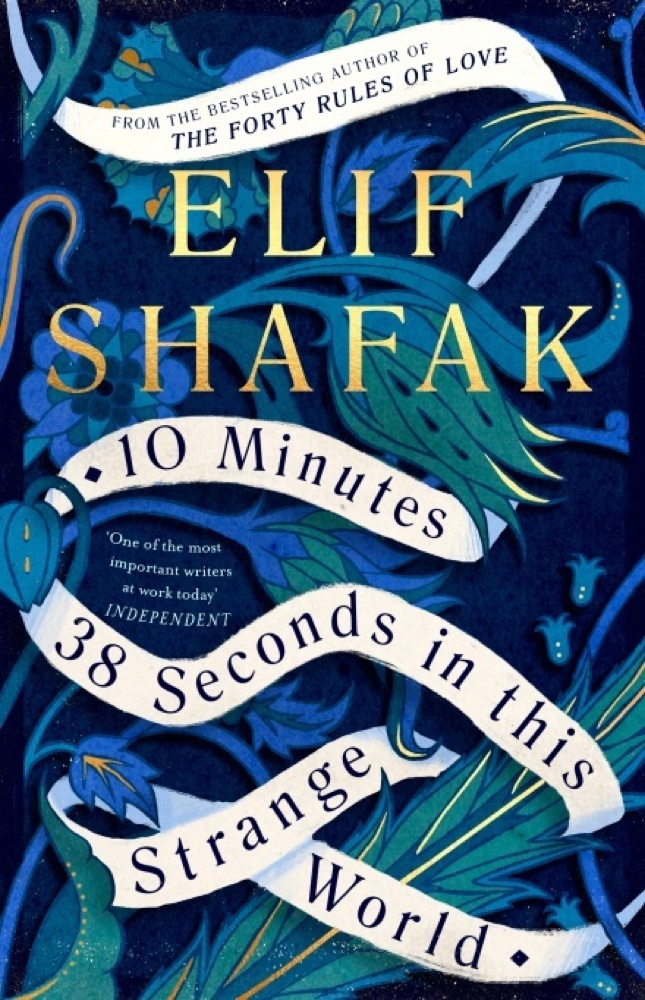 10 Minutes 38 Seconds in This Strange World
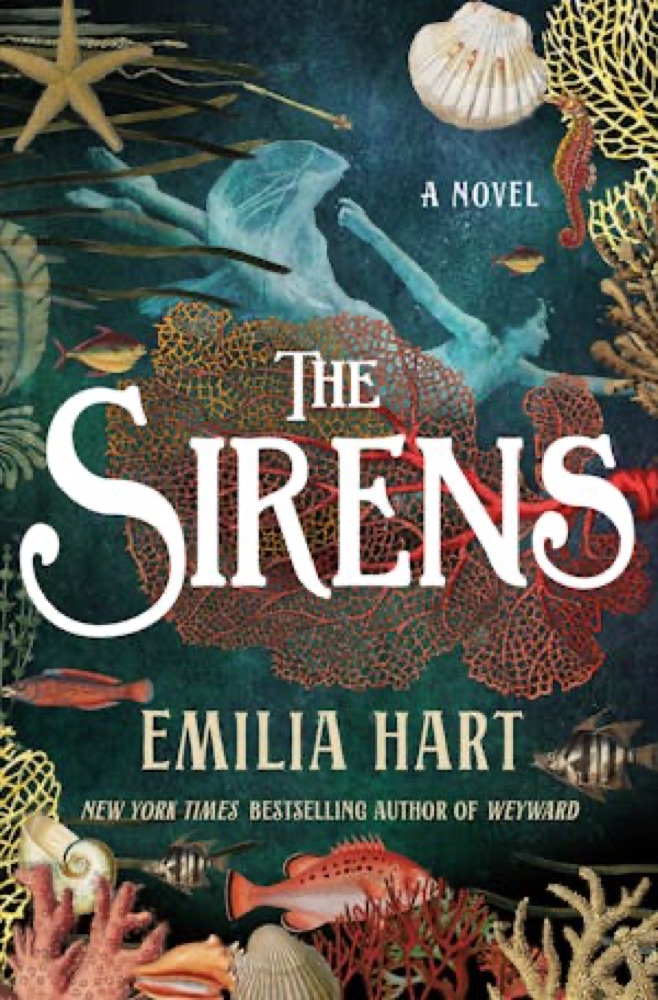 The Sirens
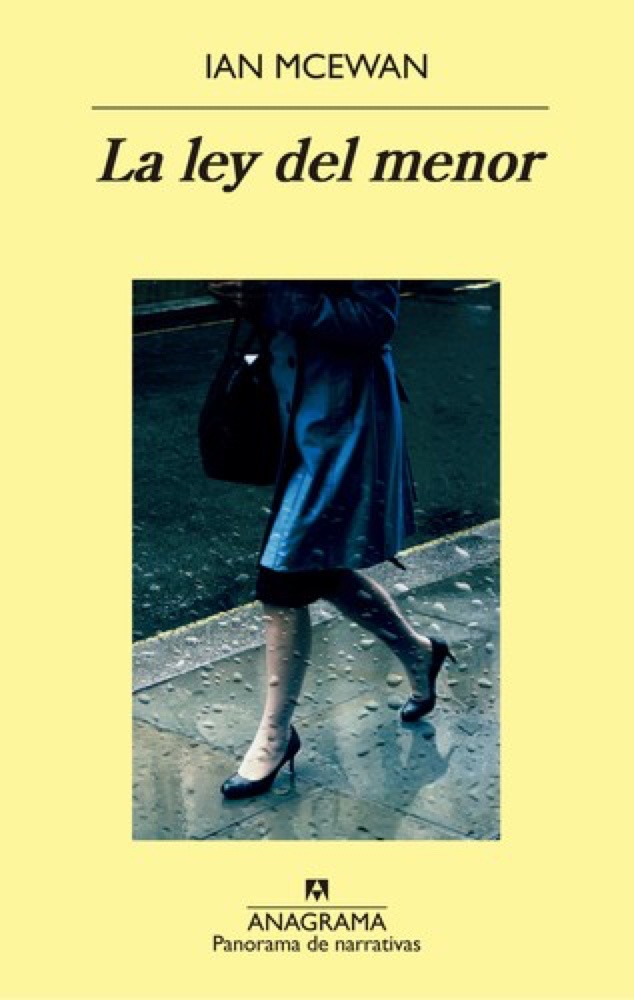 The Children Act
 Clear Light of Day
 The Shell Seekers
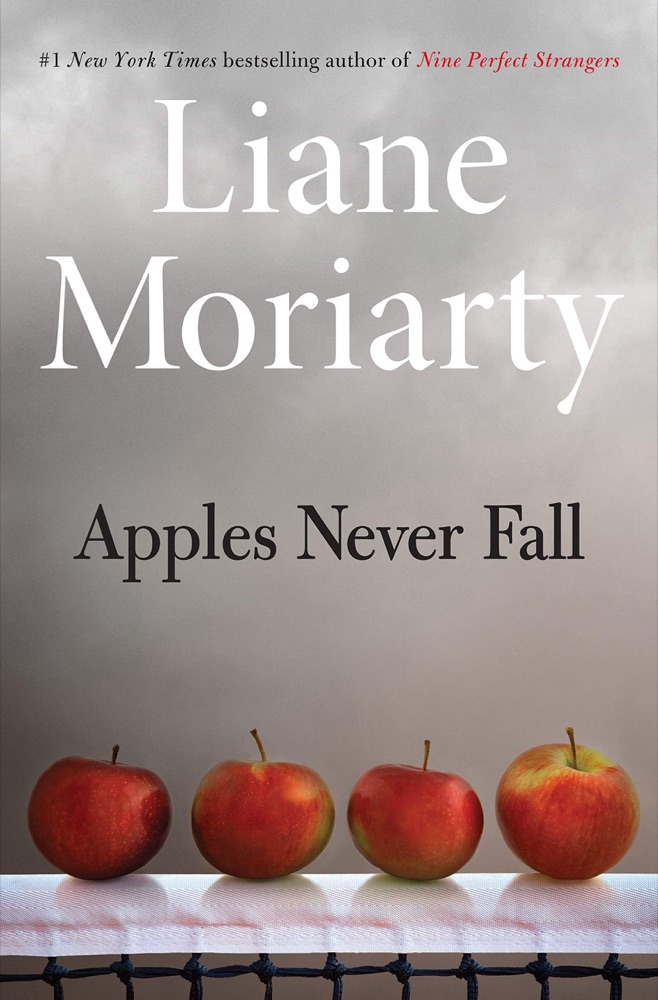 Apples Never Fall
 The Robber Bride
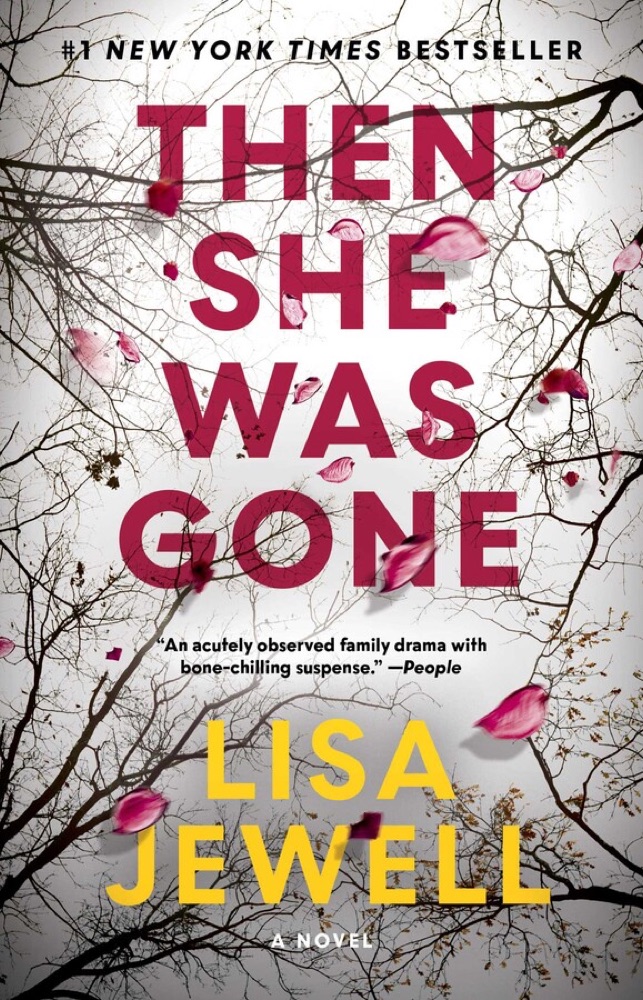 Then She Was Gone
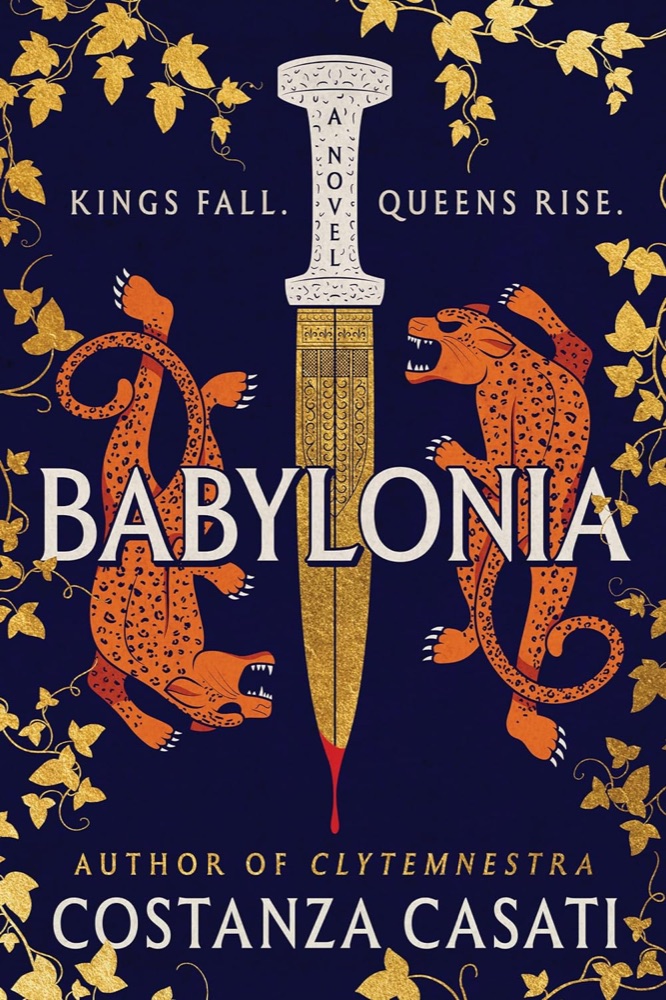 Babylonia
 The Reapers are the Angels
 The Paying Guests
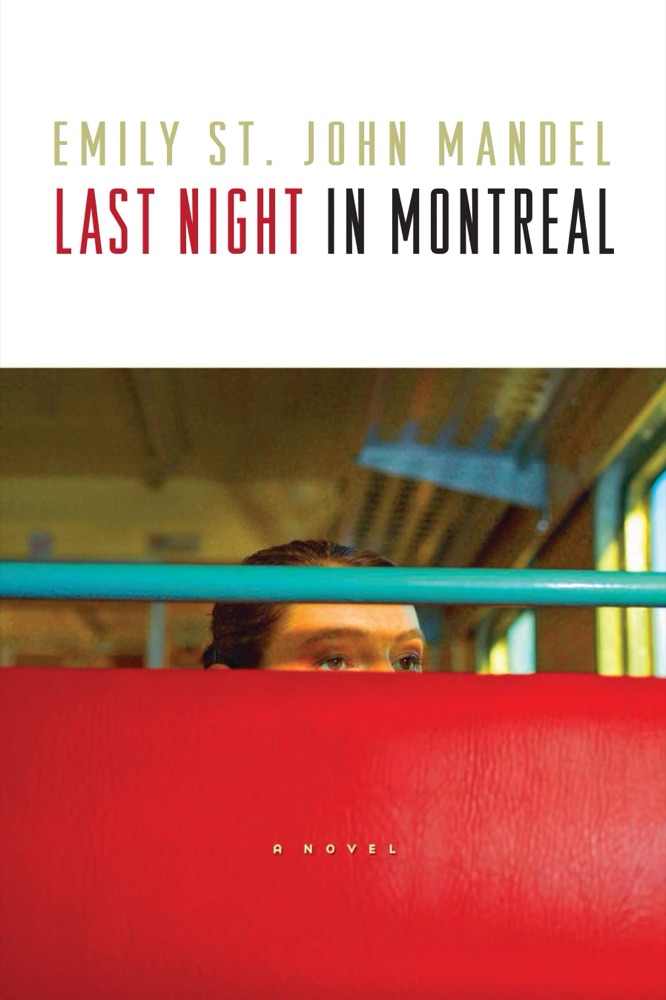 Last Night in Montreal
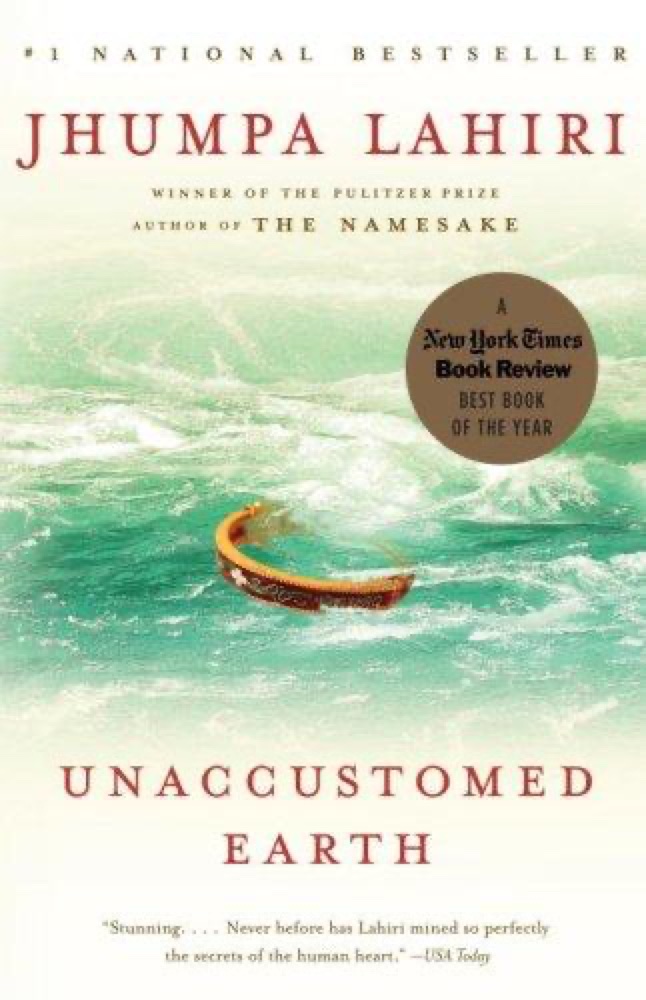 Unaccustomed Earth
 Tar Baby
 Too Much Happiness: Stories
 Forever in Blue: The Fourth Summer of the Sisterhood
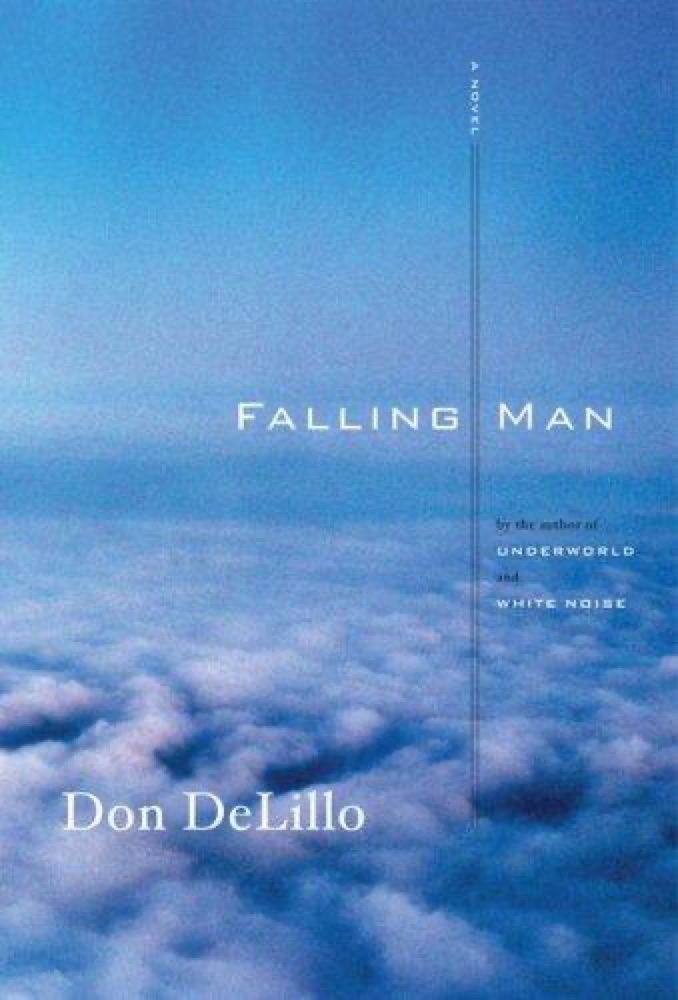 Falling Man
 Mexican Gothic
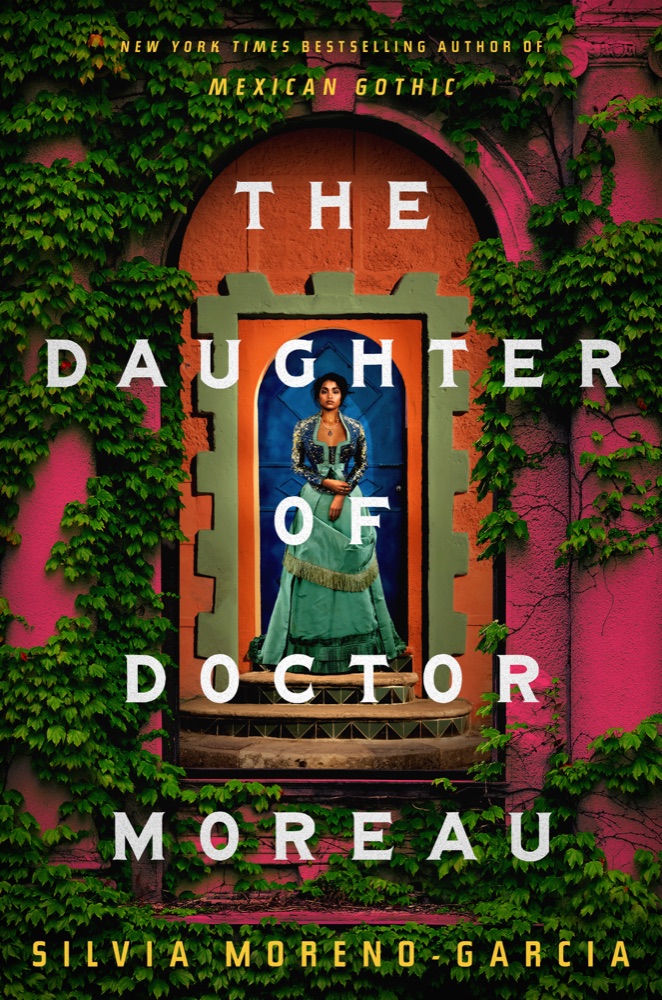 The Daughter of Doctor Moreau
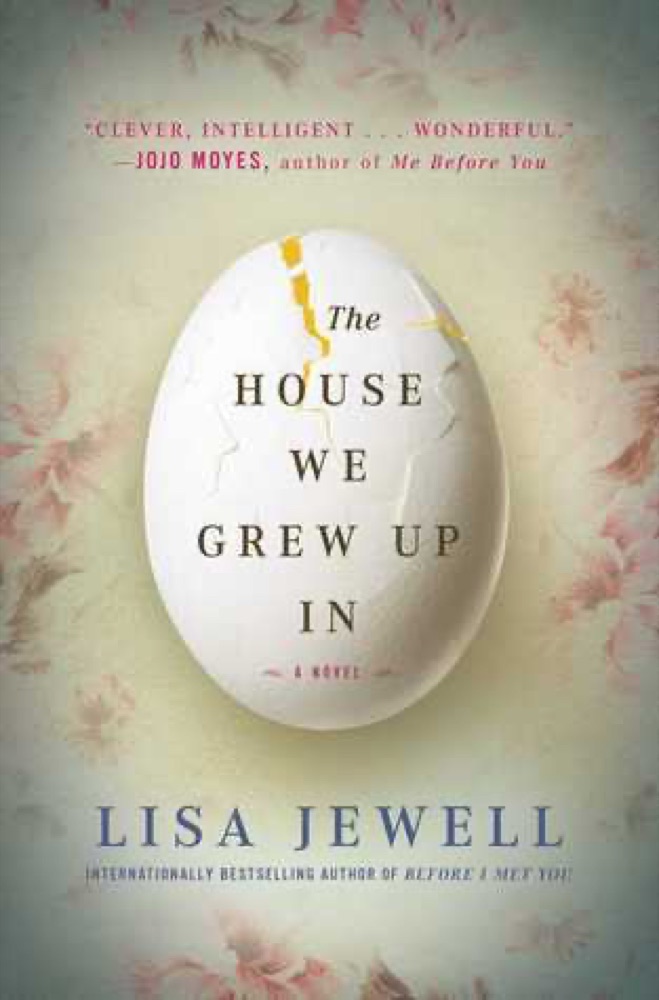 The House We Grew Up In
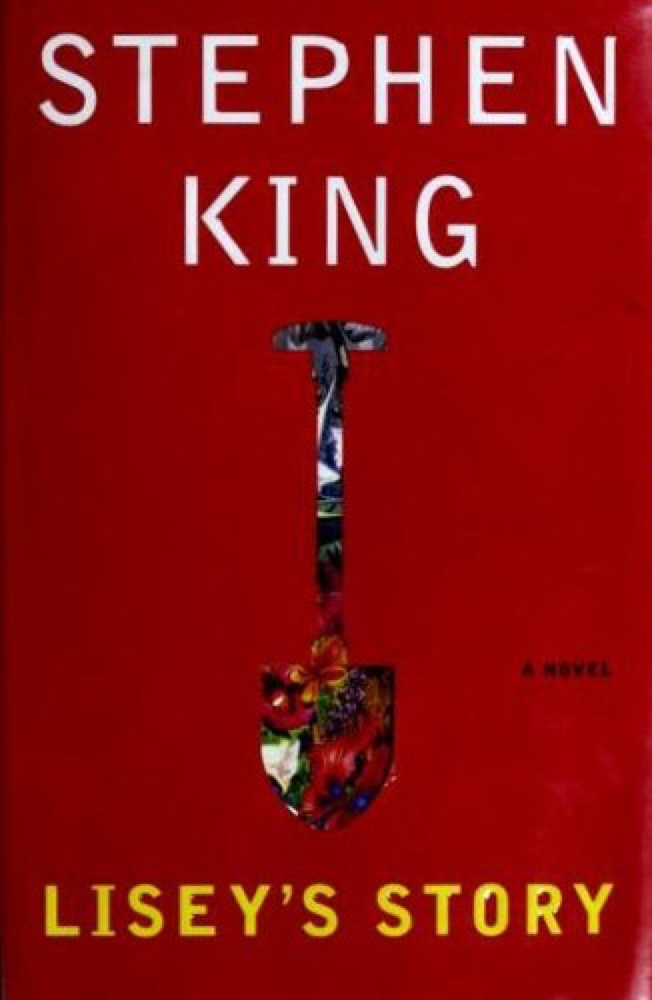 Lisey's Story
 Palimpsest
 Salt Slow
 Burnt Sugar
 Milk Blood Heat
 The Girl You Left Behind
 Briefly, A Delicious Life
 Distant Shores