

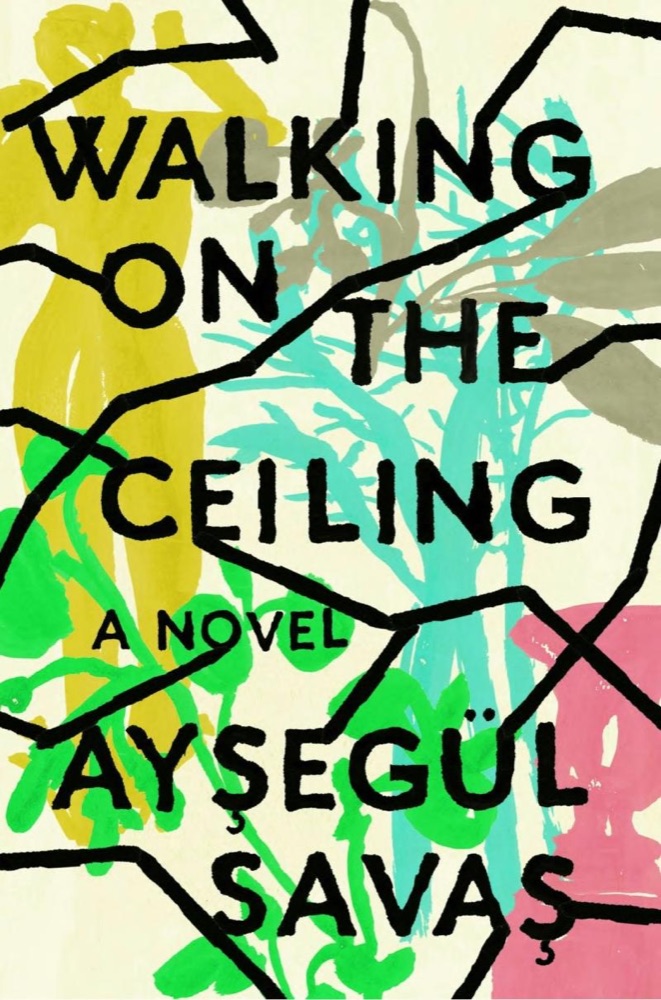
 Walking on the Ceiling
Quotes from the Book
All the months that I had been filming, I'd thought that there were so many ways of living, of inhabiting the park. I wanted to know as many configurations as possible, all the strange and unique ways. But lately, as I went over the scenes again and again, smoothing their edges, positioning them into a fluid conversation, I'd begun to understand that there was, also, only one way to live beneath the multitude of forms, one way forward through the fleeting hours of the day.
6
This was the other thing: it seemed that our interests could be legitimized only if we made something of them—a book, an exhibit.
5
Asya, my grandmother said, don’t complicate the point. We named you after a whole continent and you’re filming a park.
3
Where do I feel most like myself? I don't know how to answer that question. I guess I'm still looking.
3
It was the best we could manage regarding the heartbreak of a parent’s visit: that we hadn’t tried hard enough, that our lives felt strange to them and that these days of tourism were all we would ever have together.
2
During my interview at the park I was mesmerized by the routines of strangers. I wanted to ask questions that borrowed deeper into the fabric of a single day. As I continue filming I was also beginning to articulate a feeling I had had dormant for a long time . Everyone It seemed to me has something truly weird about them something unique and bizarre. This uniqueness was most apparent in everyday act, in the banal rather than the extraordinary : the way to pick clothes for the day, the things they ate, how they spent a free hour. This was their compass. It seemed to me, more so than any more abstraction”.
1
She was very small, which was a surprise each time we saw her, as if she had sprung out of a fairytale. She had bright blue eyes and wore theatrical clothes in unexpected combinations—canvas and silk, velvet and plastic beads. At first I had taken her outfits as a sign of eccentricity, or an artistic sensibility, but she was simply childish. She delighted in life.
1
We often said what a shame this was; we romanticized artists of past decades
This was one reason for Manu’s calm optimism, because he was constantly immersed in narratives of creation and collapse,
thought it was not so bad to live with some amount of apology. Without it, there would be nothing at all holding us in place. Even so, I finally ordered a glass of wine.
Throughout my childhood, I’d thought of these friends’ intimacy as an archetype of friendship. I’d imagined I would have friends of my own, from whom I could ask anything in my adulthood: people of character, which was a denomination my father used. Being without character was how he damned anyone he found lacking in integrity.
We never allowed our parents their unhappiness I said and we never allowed them their individual individuality before they were shackled to parenthood”.
We never allowed our parents. They're unhappiness I said and we never allowed them their individual individuality before they were shackled to parenthood”.
At home, I placed the vase in various settings but everywhere I tried, it looked unnecessary, even ugly, so I put it away in a cupboard with other objects I had bought without dedication, because they had briefly offered an idea of something.
I didn’t tell anyone else. There was the problem of expressing my devastation. Grandparents were meant to be old; they were meant to get sick. This was among the sorrows of life for which outsiders were not expected to pause their routines, to inconvenience themselves. There were tragedies of the highest order that upended ordinary life, the ones that ushered in deviations of kindness. Then there was life itself, at every turn a devastation, which nevertheless did nothing to stall its flow.
I arrived at the party with a bottle of wine, a log of cheese, and a novel in translation by a writer whose books I'd seen on bookshop displays.
I had met Lena at the birthday picnic of a woman named Sharon. She and her husband, Paul, organised a monthly gathering of expatriates, which I went to mostly without Manu, because he objected to the formal pursuit of friendship.
I was good at overlooking grievances for a bit, until I had enough stored up to pick a fight.
One time, Lena had told me that she could identify at a glance people who had transformed in life. Those who had become more beautiful, more educated, wealthier. It was the lingering insecurity that gave them away, she said, which others often mistook for modesty. Whereas the modesty of truly secure people was in fact a type of arrogance, a certainty about their life and its place in the greater scheme of things.
In a moment of panic, we decided to look for a home. I guess it’s time to get belligerent and make a scene, I agreed.
Guys, I told them, we’re always getting drunk for no reason and spending too much money.
Watch on YouTube
About Aysegül Savas
We have collected 37 quotes from 3 books by Aysegül Savas on BookQuoters.
More about the author →More by Aysegül Savas
Walking on the Ceiling
 White on White
About the book
Asya and Manu are looking at apartments, envisioning their future in a foreign city. What should their life here look like? Can they create their own traditions and rituals? Whom can they consider family?
As the young couple dreams about the possibilities of each new listing, Asya, a documentarian, spends her days gathering footage from the neighborhood park like an anthropologist observing local customs. “Forget about daily life,” chides her grandmother on the phone. “We named you for a whole continent and you're filming a park.” Life back in Asya and Manu's respective home countries continues-parents age, grandparents get sick, nieces and nephews grow up-all just slightly beyond their reach. But the world they're making in their new city is growing, too, they hope, into something that will be distinctly theirs. As they open up the horizons of their lives, what and whom will they hol
Book details
- First published
- 2024
- Author
- Aysegül Savas
- Genre
- Fiction
- Goodreads rating
- 3.80 (16k ratings)
The buzz
- The New York TimesReview in The New York Timesprofessional review (via Book Marks)
- The Wall Street JournalReview in The Wall Street Journalprofessional review (via Book Marks)
- The GuardianReview in The Guardianprofessional review (via Book Marks)
- The AtlanticReview in The Atlanticprofessional review (via Book Marks)
- Kirkus ReviewsReview in Kirkus Reviewsprofessional review (via Book Marks)
- Publishers WeeklyReview in Publishers Weeklyprofessional review (via Book Marks)
Keep reading
 The Story of a New Name
 The Discomfort Zone: A Personal History
 A Home at the End of the World
 The Idiot
 Those Who Leave and Those Who Stay
 American Wife
 The Rachel Incident
 Afterparties
 Outline
 Cold Enough for Snow
 The Round House
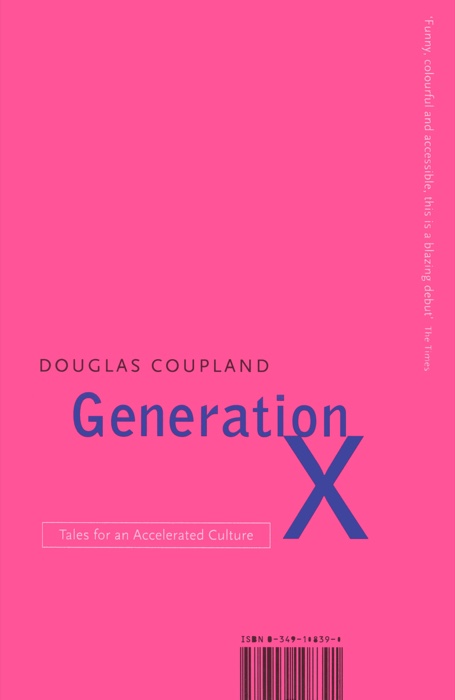 Generation X: Tales for an Accelerated Culture
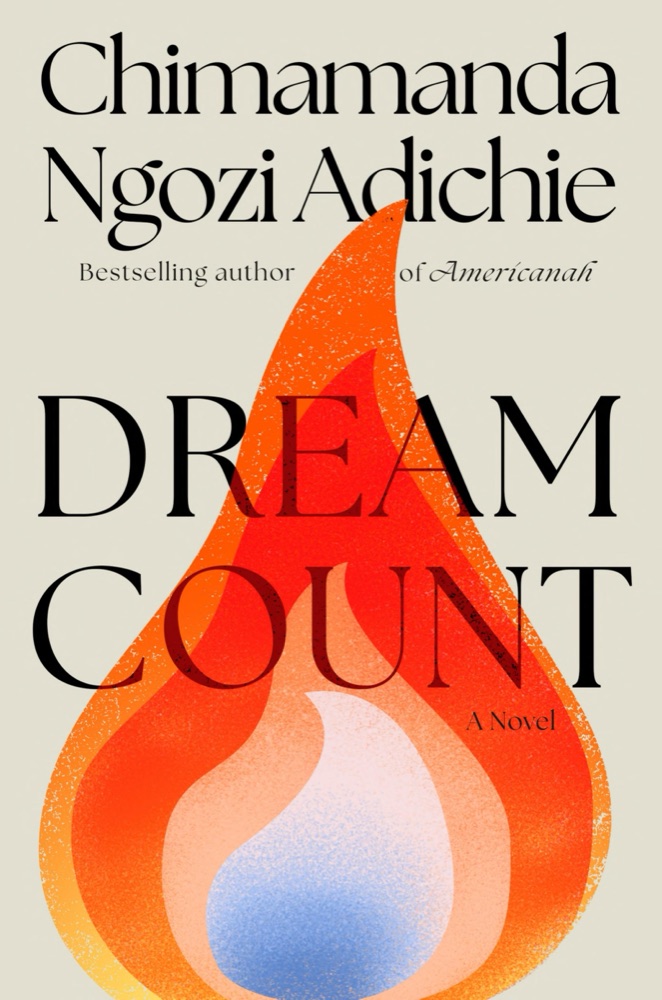 Dream Count
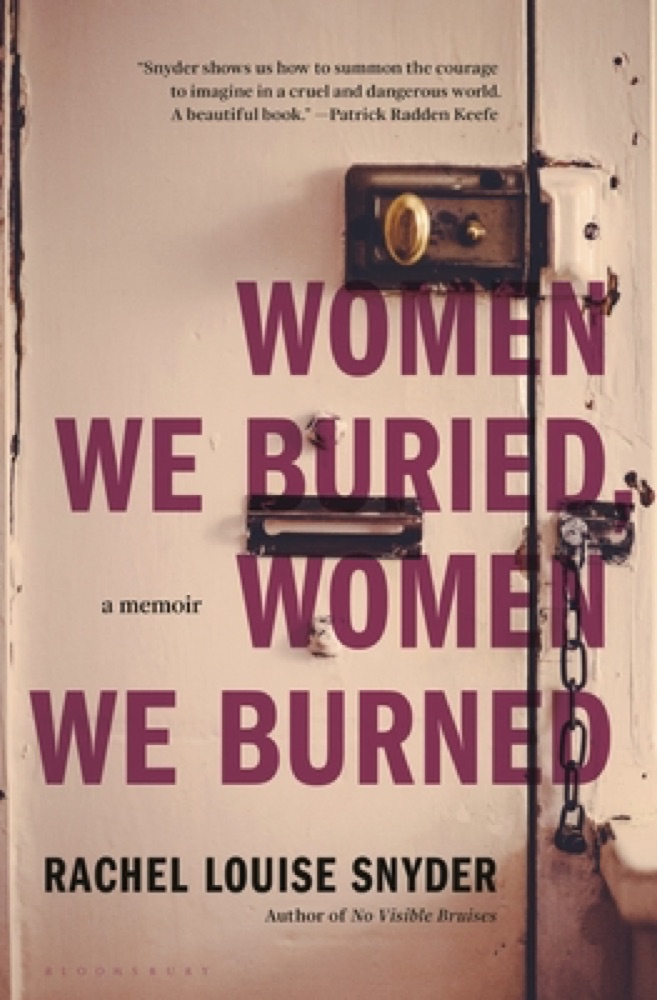 Women We Buried, Women We Burned: A Memoir
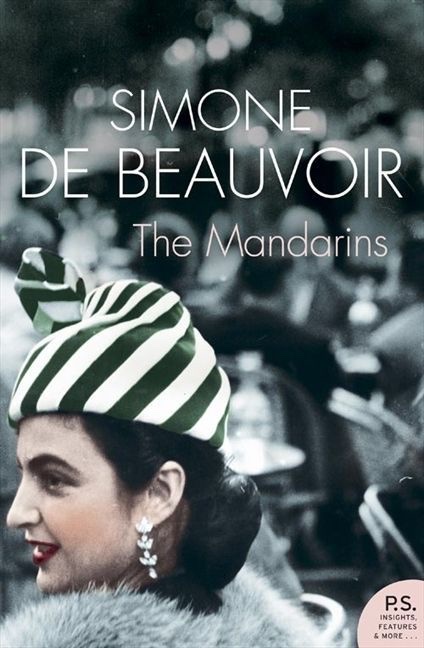 The Mandarins
 Lunar Park
 Em and The Big Hoom
 The Buddha of Suburbia
 The Likeness
 Gliff
Gliff
 Severance
 The Weird Sisters
 Singin' and Swingin' and Gettin' Merry Like Christmas
 Diary of a Void
 A Thousand Acres
 Prime of Life
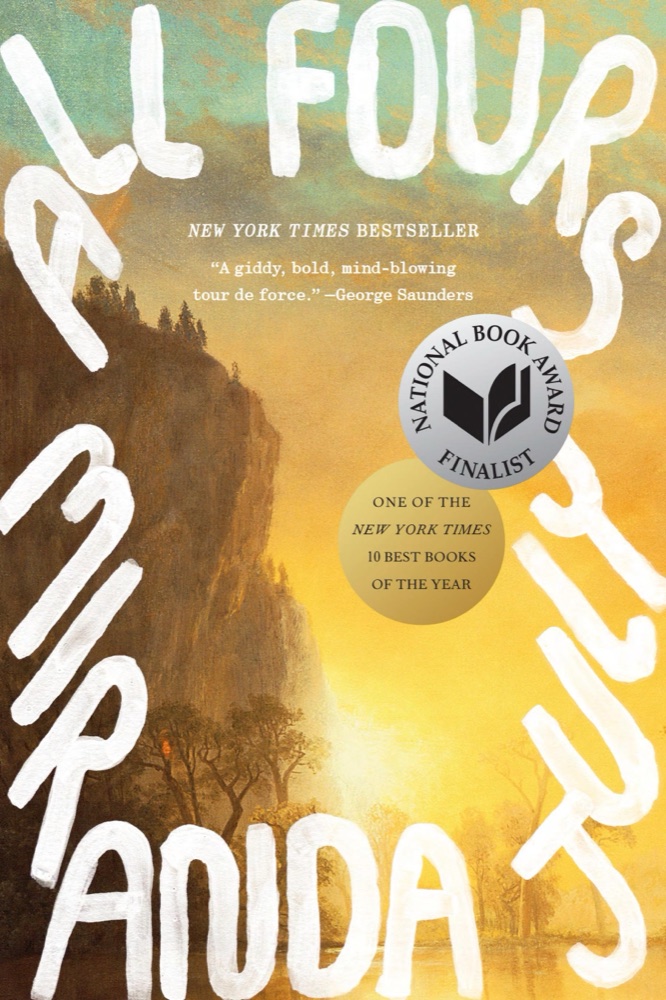 All Fours
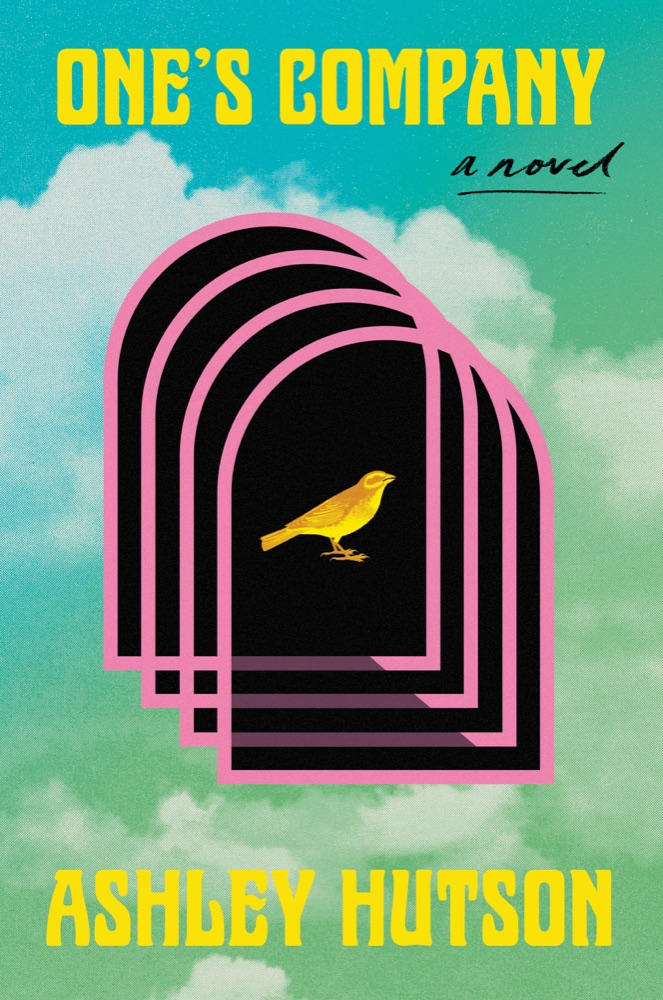 One's Company
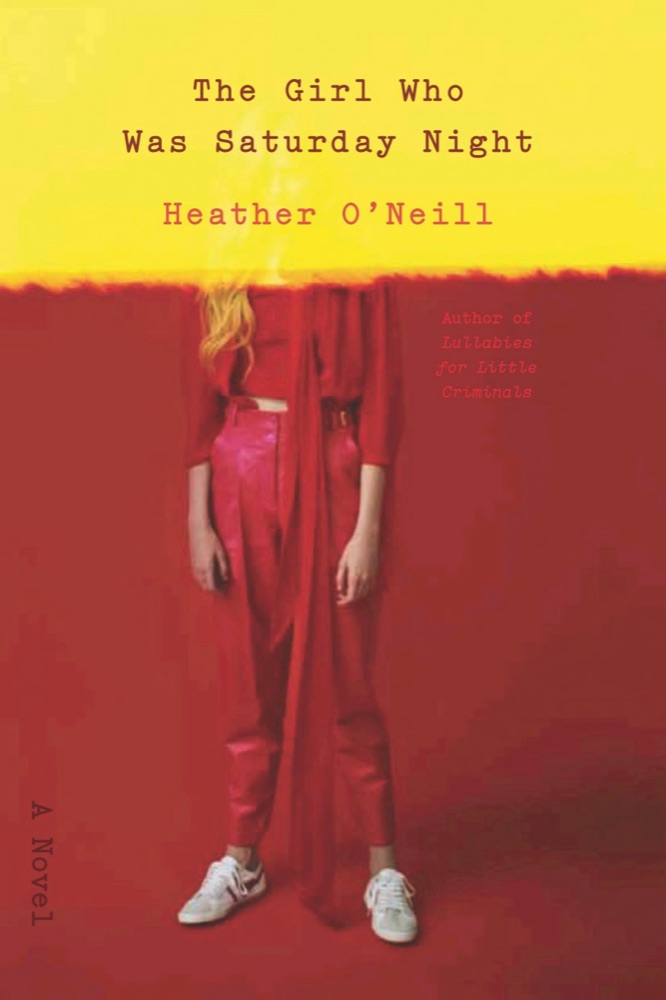 The Girl Who Was Saturday Night
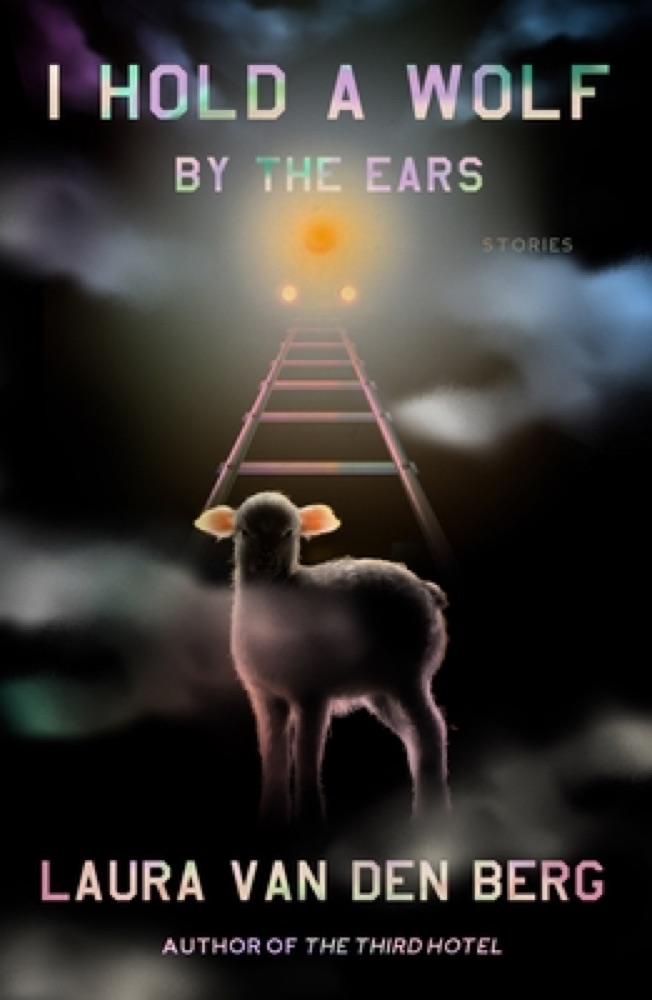 I Hold a Wolf by the Ears: Stories
 Indelicacy
 Love, Loss, and What We Ate: A Memoir
 Divisadero
 Great House
 How We Fight For Our Lives
 Terminal Boredom: Stories
 When We Were Animals
 Greenwich Park
 What Belongs to You
 Swimming in the Dark
 Middlesex
 The People in the Trees
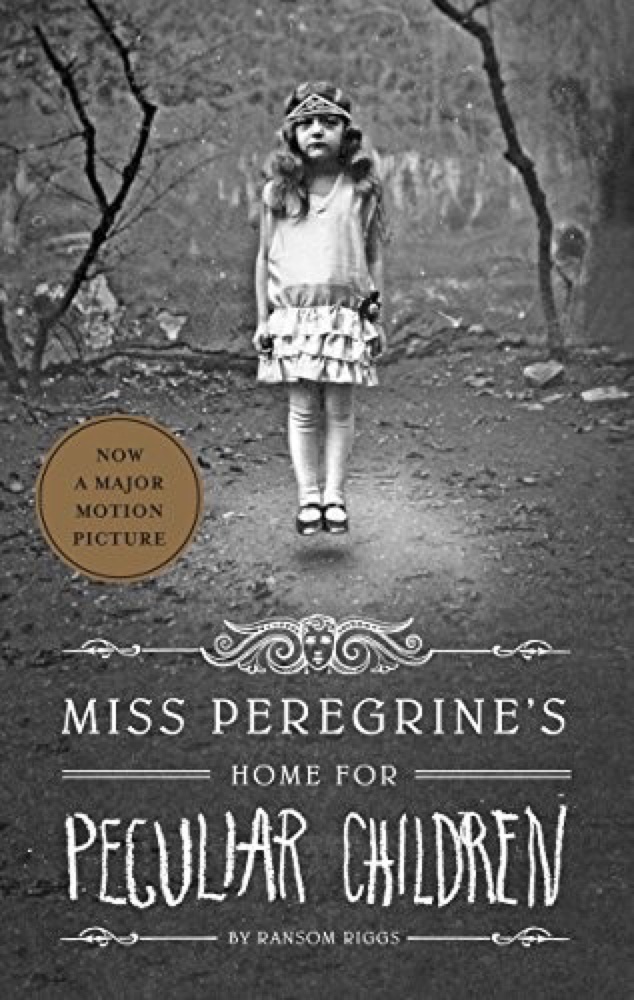 Miss Peregrine’s Home for Peculiar Children
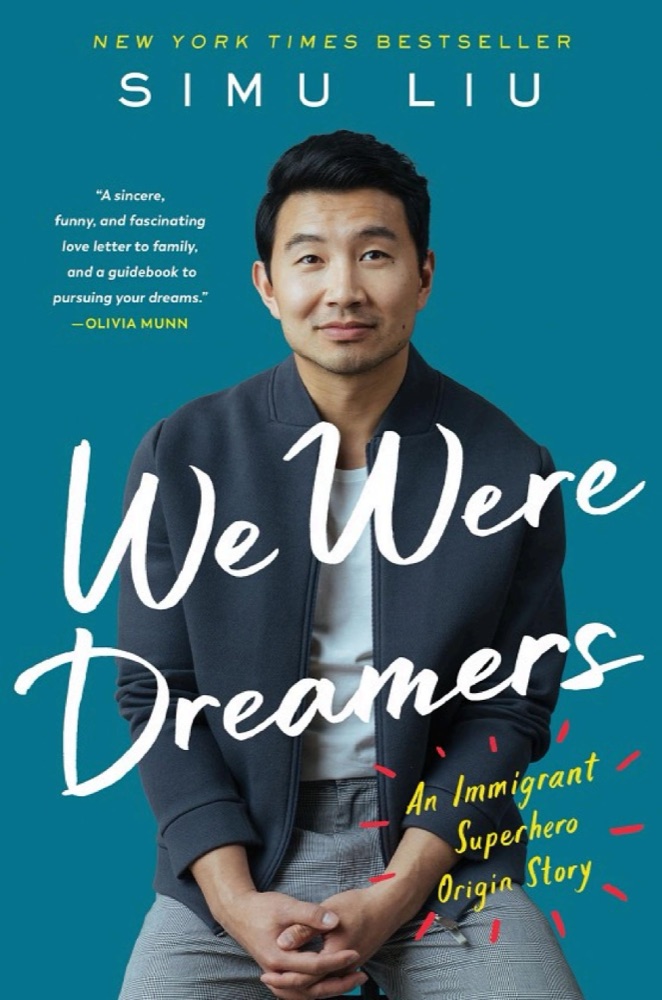 We Were Dreamers: An Immigrant Superhero Origin Story
 Anagrams
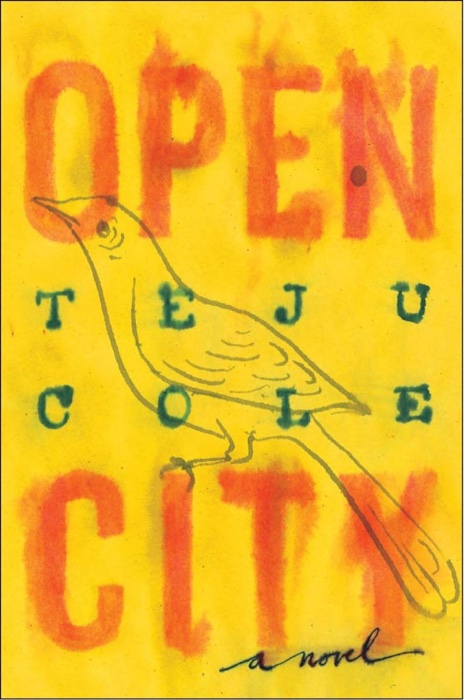 Open City
 What I Loved
 Three Wishes
 The House We Grew Up In
 Min kamp 2
 Hot Milk
 Real Estate
 Notes on Your Sudden Disappearance
 The Reluctant Fundamentalist
 The Story of the Lost Child
 World's Fair
 Conversations with Friends
 Sixty Stories
 Embassytown
 The Go-Between