
 Othello
Quotes from the Book
Had I no eyes but ears, my ears would love. That inward beauty and invisible; Or were I deaf, thy outward parts would move each part in me that were but sensible: Though neither eyes nor ears, to hear nor see, yet should I be in love by touching thee. 'Say, that the sense of feeling were bereft me, and that I could not see, nor hear, nor touch, and nothing but the very smell were left me, yet would my love to thee be still as much; for from the stillitory of thy face excelling comes breath perfum'd that breedeth love by smelling.
29
Fondling,' she saith, 'since I have hemm'd thee here Within the circuit of this ivory pale, I'll be a park, and thou shalt be my deer; Feed where thou wilt, on mountain or in dale: Graze on my lips, and if those hills be dry, Stray lower, where the pleasant fountains lie.
28
Ten kisses short as one, one long as twenty.
22
She’s Love, she loves, and yet she is not lov’d.
19
Dismiss your vows, your feigned tears, your flattery, for where a heart is hard they make no battery.
18
Thus weary of the world, away she hies, And yokes her silver doves; by whose swift aid Their mistress mounted through the empty skies In her light chariot quickly is convey'd; Holding their course to Paphos, where their queen Means to immure herself and not be seen.
17
Bid me discourse, I will enchant thine ear
13
O, learn to love, the lesson is but plain, And once made perfect, never lost again.
11
The tender spring upon thy tempting lip Shows thee unripe; yet mayst thou well be tasted: Make use of time, let not advantage slip; Beauty within itself should not be wasted: Fair flowers that are not gather'd in their prime Rot and consume themselves in little time.
8
Wonder of time,' quoth she, 'this is my spite, That, thou being dead, the day should yet be light. 'Since thou art dead, lo, here I prophesy: Sorrow on love hereafter shall attend: It shall be waited on with jealousy, Find sweet beginning, but unsavoury end, Ne'er settled equally, but high or low, That all love's pleasure shall not match his woe. 'It shall be fickle, false and full of fraud, Bud and be blasted in a breathing-while; The bottom poison, and the top o'erstraw'd With sweets that shall the truest sight beguile: The strongest body shall it make most weak, Strike the wise dumb and teach the fool to speak. 'It shall be sparing and too full of riot, Teaching decrepit age to tread the measures; The staring ruffian shall it keep in quiet, Pluck down the rich, enrich the poor with treasures; It shall be raging-mad and silly-mild, Make the young old, the old become a child. 'It shall suspect where is no cause of fear; It shall not fear where it should most mistrust; It shall be merciful and too severe, And most deceiving when it seems most just; Perverse it shall be where it shows most toward, Put fear to valour, courage to the coward. 'It shall be cause of war and dire events, And set dissension 'twixt the son and sire; Subject and servile to all discontents, As dry combustious matter is to fire: Sith in his prime Death doth my love destroy, They that love best their loves shall not enjoy.
8
Graze on my lips, and if those hills be dry, Stray lower, where the pleasant fountains lie.
7
Things growing to themselves are growth's abuse: Seeds spring from seeds and beauty breedeth beauty;
7
My love to love is love but to disgrace it, For I have heard it is a life in death, That laughs and weeps, and all but with a breath.
6
EVEN as the sun with purple-colour'd face Had ta'en his last leave of the weeping morn, Rose-cheek'd Adonis tried him to the chase; Hunting he lov'd, but love he laugh'd to scorn;
5
Affection is a coal that must be cool’d, Else suffer’d it will set the heart on fire.
5
Love is a spirit all compact of fire, Not gross to sink, but light, and will aspire.
5
What is thy body but a swallowing grave, Seeming to bury that posterity Which, by the rights of time, thou needs must have If thou destroy them not in dark obscurity? If so, the world will hold thee in disdain, Sith in thy pride so fair a hope is slain.
5
Before I know myself, seek not to know me
4
What though the rose have prickles, yet 'tis pluck'd.
4
Here come and sit, where never serpent hisses; And being set, I ’ll smother thee with kisses; "And yet not cloy thy lips with loath’d satiety, But rather famish them amid their plenty, Making them red and pale with fresh variety -- Ten kisses short as one, one long as twenty: A summer’s day will seem an hour but short, Being wasted in such time-beguiling sport.
4
I know not love' quoth he, 'nor will not know it, Unless it be a boar, and then I chase it. 'Tis much to borrow, and I will not owe it. My love to love is love but to disgrace it; For I have heard it is a life in death, That laughs and weeps, and all but with a breath.
4
Who sees his true-love in her naked bed, Teaching the sheets a whiter hue than white, But when his glutton eye so full hath fed, His other agents aim at like delight? Who is so faint that dare not be so bold To touch the fire, the weather being cold?
3
He kisses her, and she by her good will / Will never rise, so he will kiss her still.
2
Touch but my lips with those fair lips of thine,-- Though mine be not so fair, yet are they red-- The kiss shall be thine own as well as mine. What seest thou in the ground? hold up thy head: Look in mine eye-balls, there thy beauty lies; Then why not lips on lips, since eyes in eyes? 'Art thou ashamed to kiss? then wink again, And I will wink; so shall the day seem night; Love keeps his revels where they are but twain; Be bold to play, our sport is not in sight: These blue-vein'd violets whereon we lean Never can blab, nor know not what we mean. 'The tender spring upon thy tempting lip Shows thee unripe; yet mayst thou well be tasted: Make use of time, let not advantage slip; Beauty within itself should not be wasted: Fair flowers that are not gather'd in their prime Rot and consume themselves in little time.
2
One sweet kiss shall pay this countless debt.
2
Fie, fie, fond love, thou art so full of fear As one with treasure laden, hemm’d with thieves; Trifles, unwitnessed with eye or ear, Thy coward heart with false bethinking grieves.
2
O hard-believing love, how strange it seems! Not to believe, and yet too credulous: Thy weal and woe are both of them extremes; Despair and hope make thee ridiculous: The one doth flatter thee in thoughts unlikely, In likely thoughts the other kills thee quickly.
2
In night,” quoth she, “desire sees best of all.
1
I’ll sigh celestial breath, whose gentle wind Shall cool the heat of this descending sun. I’ll make a shadow for thee of my hairs; If they burn too, I’ll quench them with my tears.
1
Hard-favored tyrant, ugly, meager, lean, Hateful divorce of love,' thus chides she death. 'Grim-grinning ghost, earth's worm, what dost thou mean To stifle beauty and to steal his breath, Who, when he lived, his breath and beauty set Gloss on the rose, smell to the violet?
1
Watch on YouTube
About William Shakespeare
We have collected 956 quotes from 39 books by William Shakespeare on BookQuoters.
More about the author →More by William Shakespeare
All books by William Shakespeare →

About the book
Venus and Adonis is Shakespeare's narrative poem about the love of the goddess Venus for the mortal youth Adonis, dedicated partly to his patron, the Earl of Southampton (thought by some to be the beautiful youth to which many of the Sonnets are addressed). The poem recounts Venus' attempts to woo Adonis, their passionate coupling, and Adonis' rejection of the goddess, to which she responds with jealousy, with tragic results.
Book details
- First published
- 1592
- Author
- William Shakespeare
- Genre
- Literature
- Goodreads rating
- 3.66 (4k ratings)
Keep reading
 The Two Gentlemen of Verona
 The Complete English Poems
 Shakespeare's Sonnets
 Romeo and Juliet
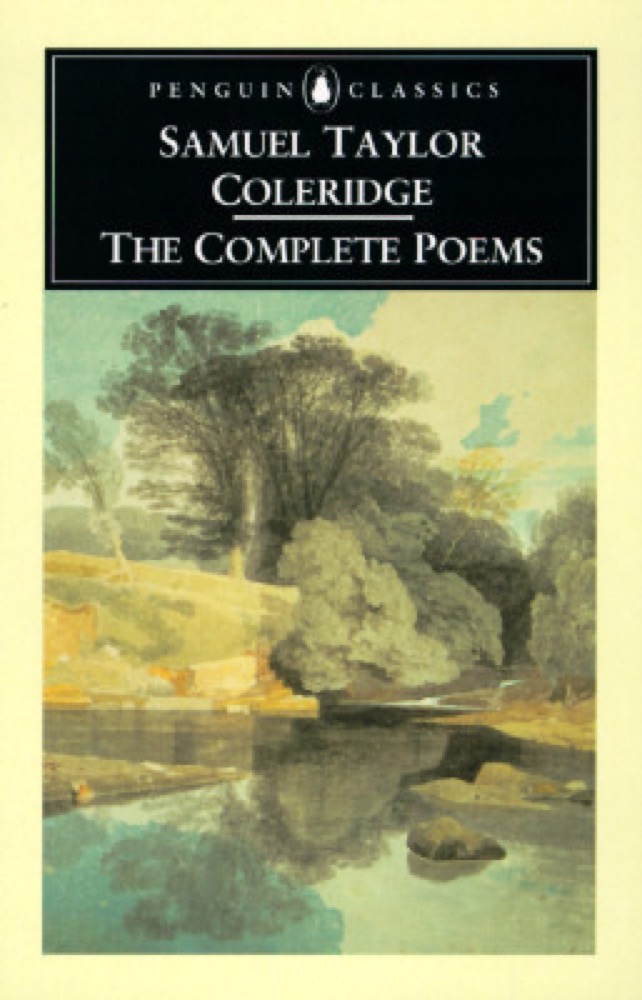 The Complete Poems
 Bright Star: Love Letters and Poems of John Keats to Fanny Brawne
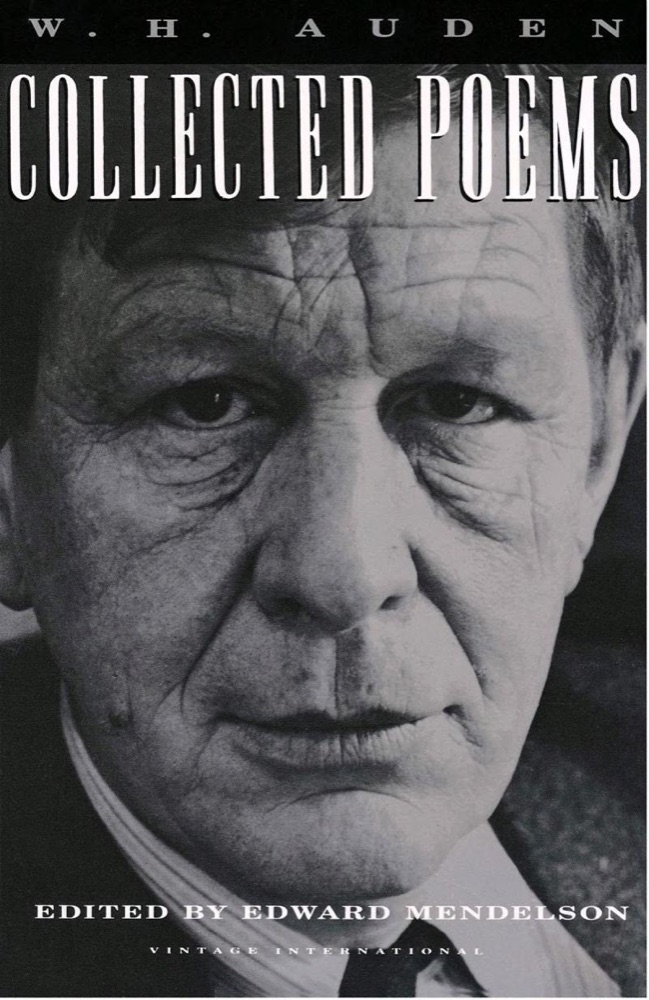 Collected Poems
 Phantastes
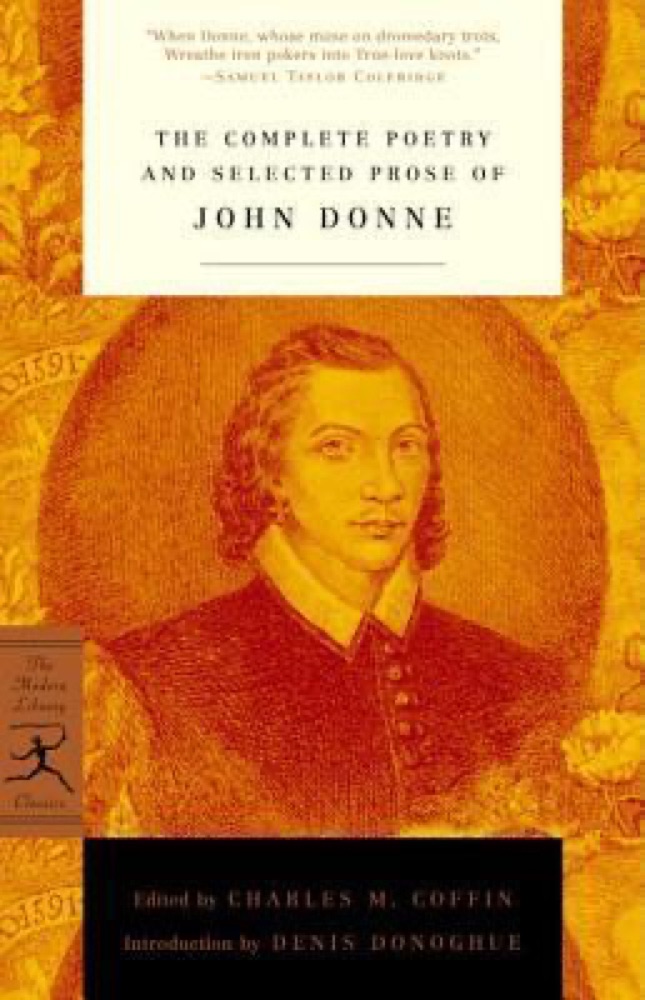 The Complete Poetry and Selected Prose
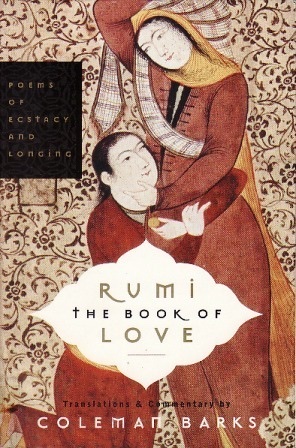 The Book of Love: Poems of Ecstasy and Longing
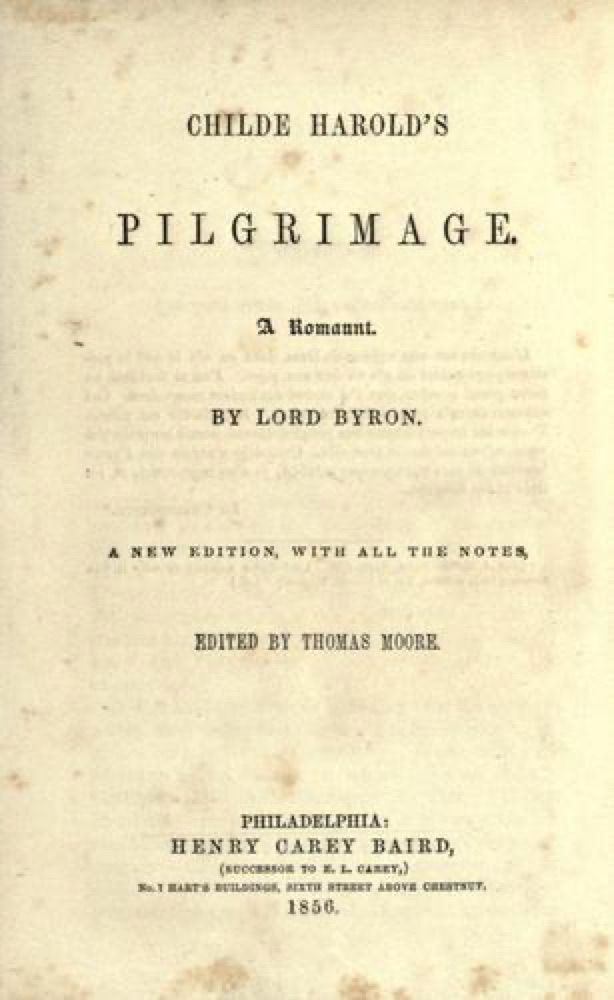 Childe Harold's Pilgrimage
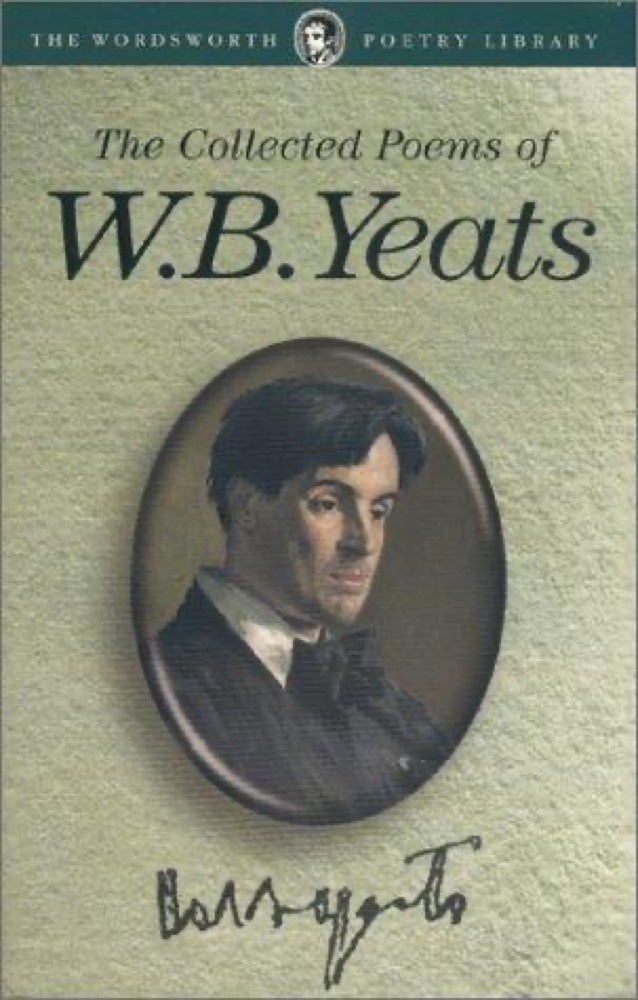 The Collected Poems of W.B. Yeats
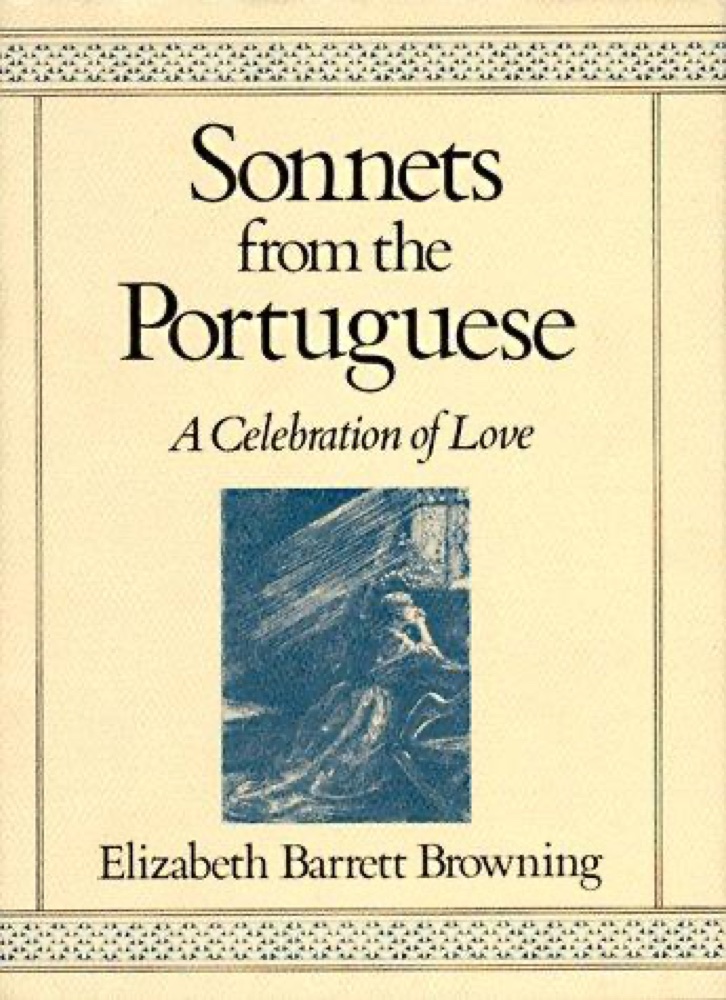 Sonnets from the Portuguese
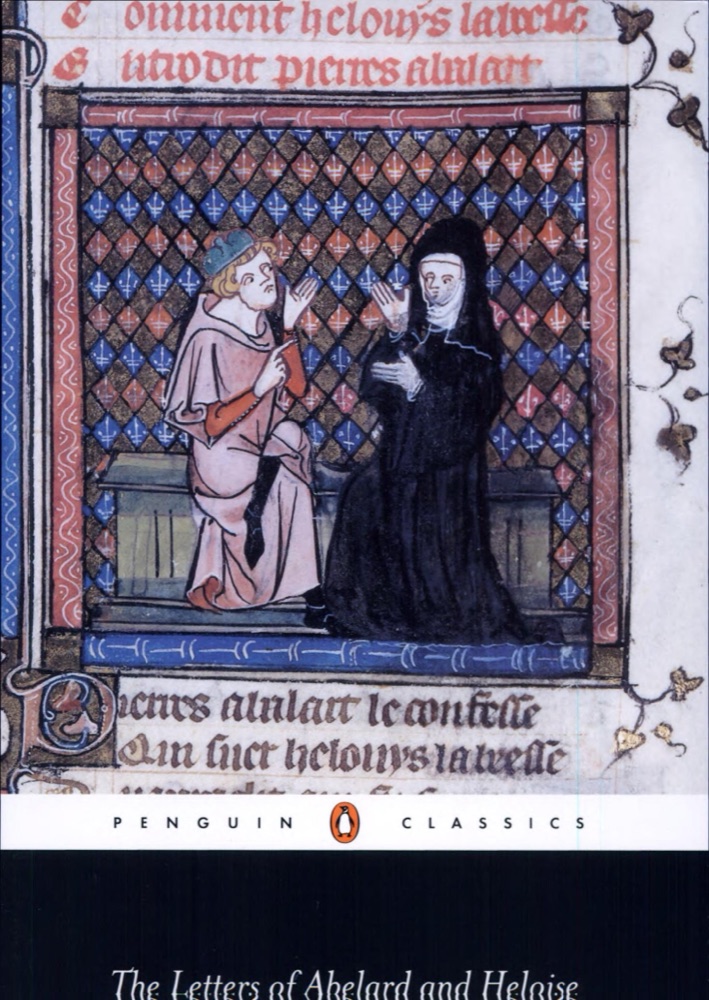 The Letters of Abélard and Héloïse
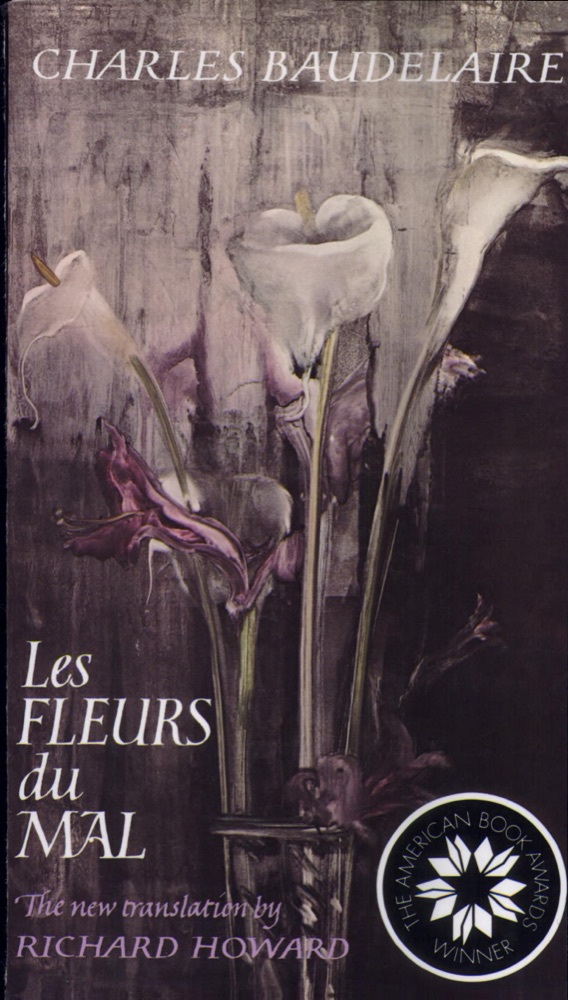 Les Fleurs du Mal
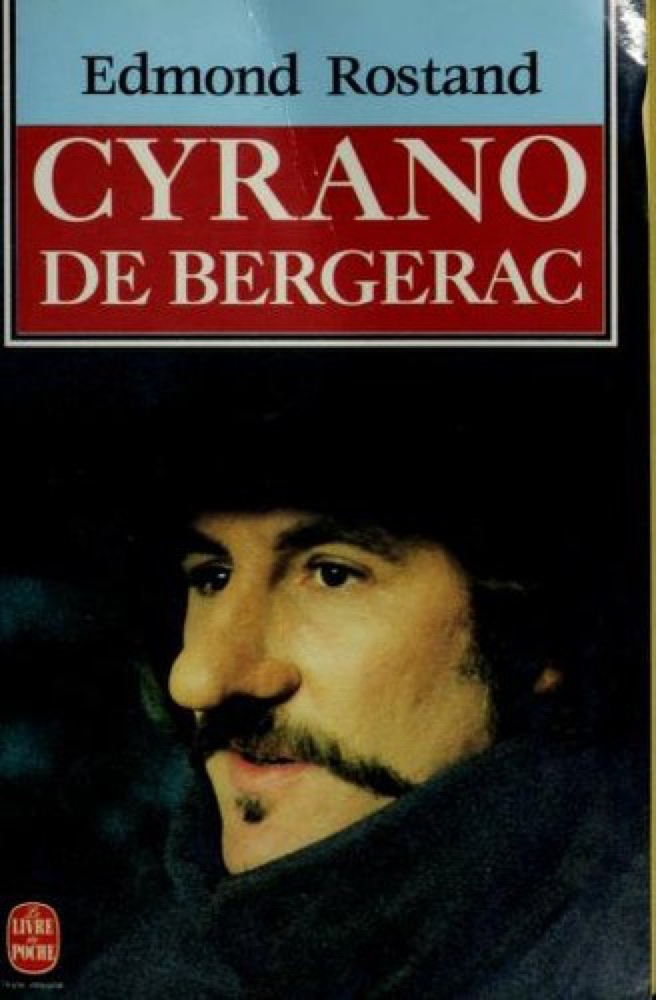 Cyrano de Bergerac
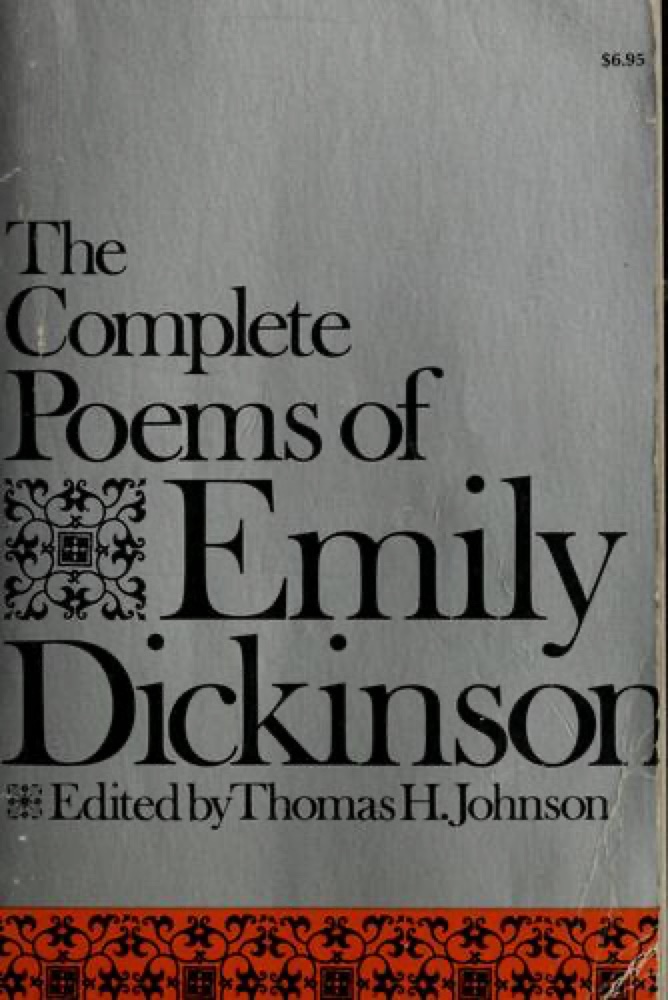 The Complete Poems of Emily Dickinson
 The Complete Poems
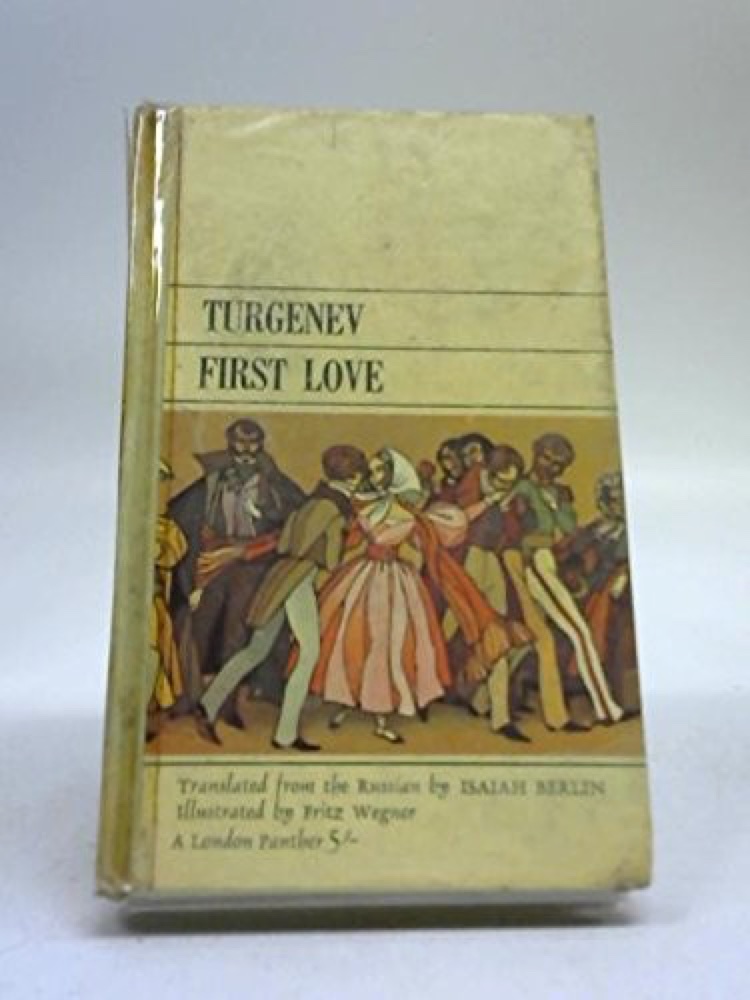 First Love
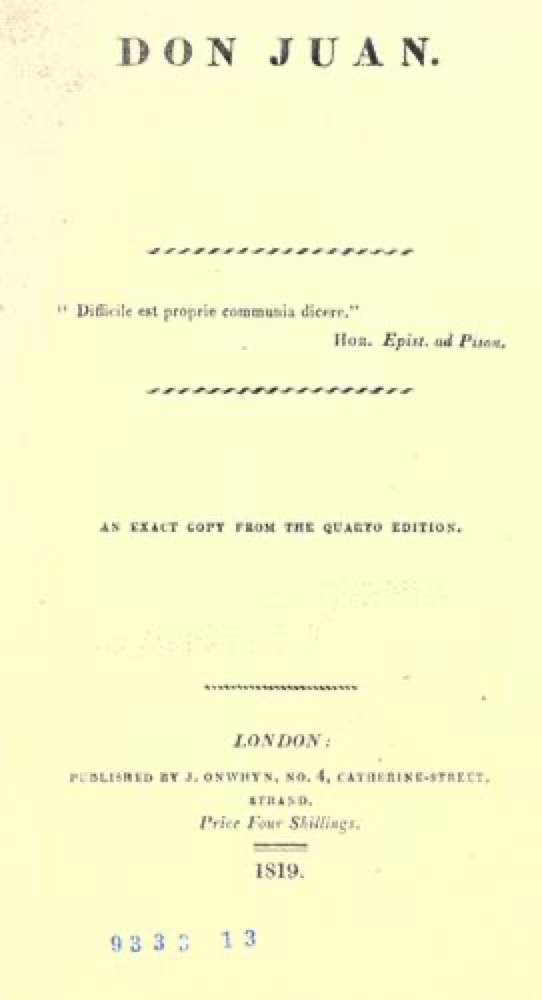 Don Juan
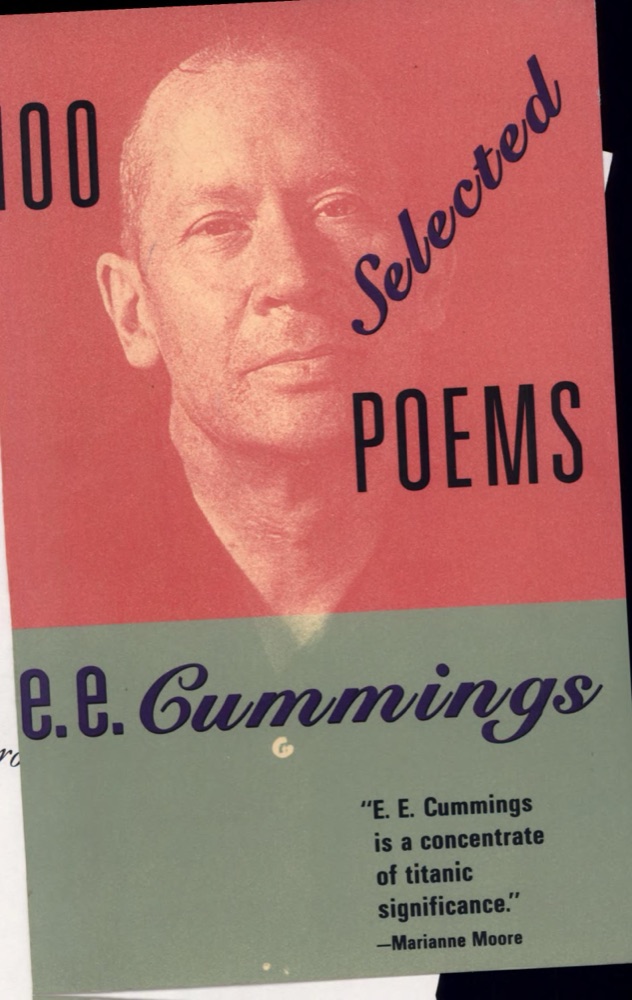 100 Selected Poems
 Sons and Lovers
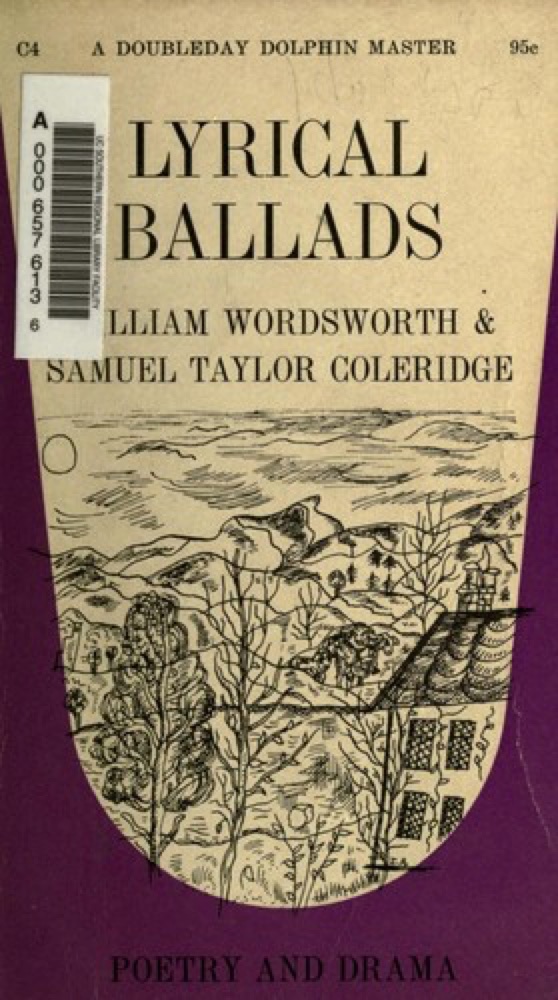 Lyrical Ballads
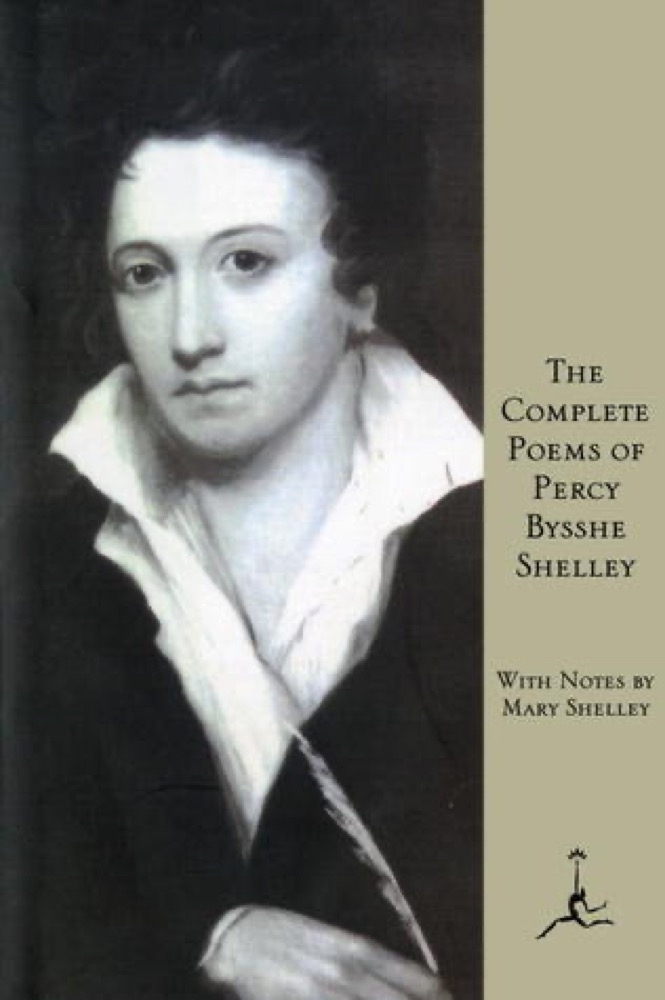 The Complete Poems
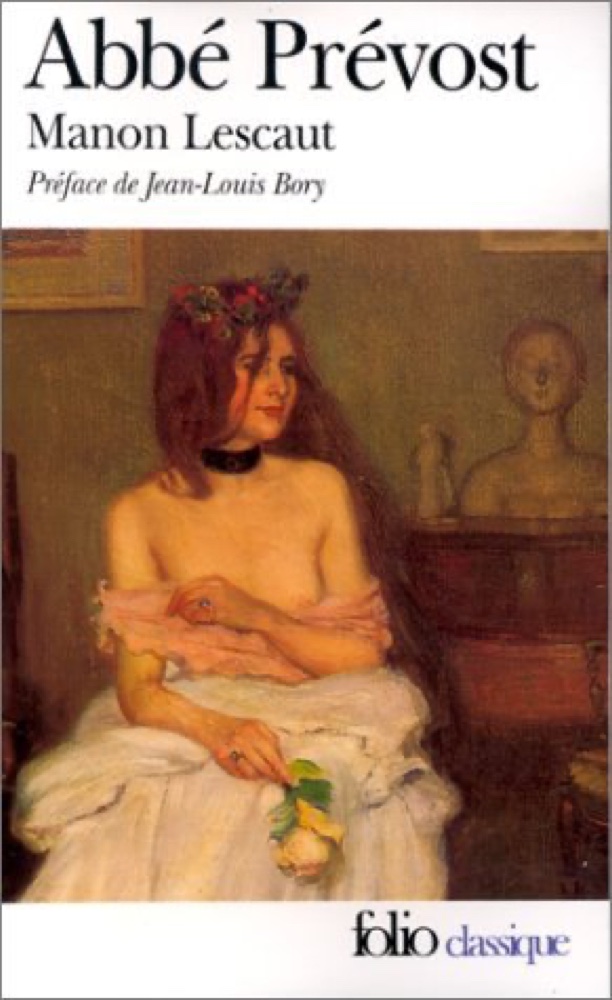 Manon Lescaut
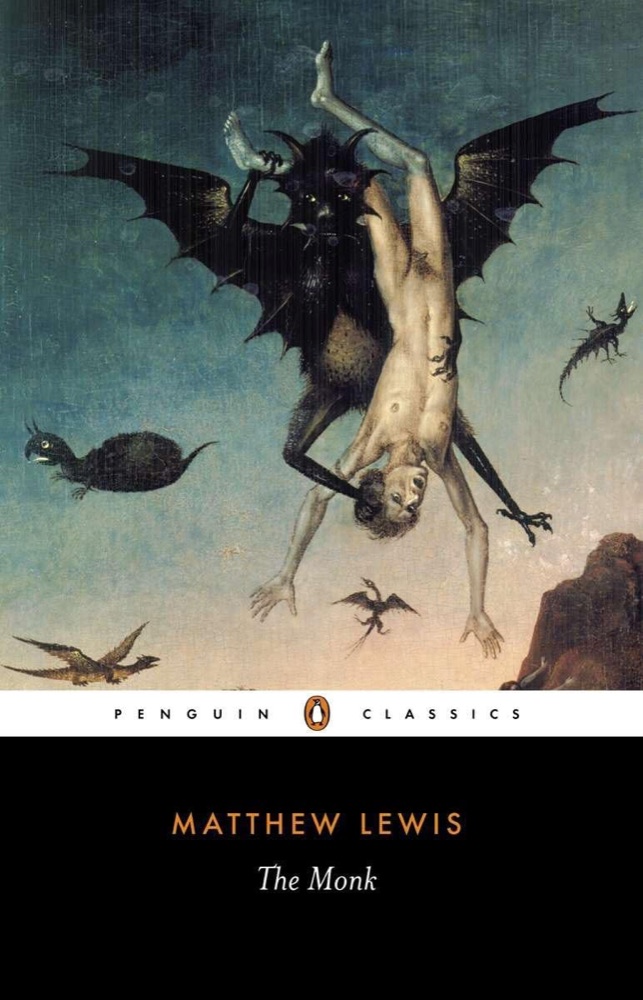 The Monk
 Purgatorio
 Shirley
 La dame aux camélias
 Our Mutual Friend
 The Spanish Tragedy
 A Long Fatal Love Chase
 The Symposium
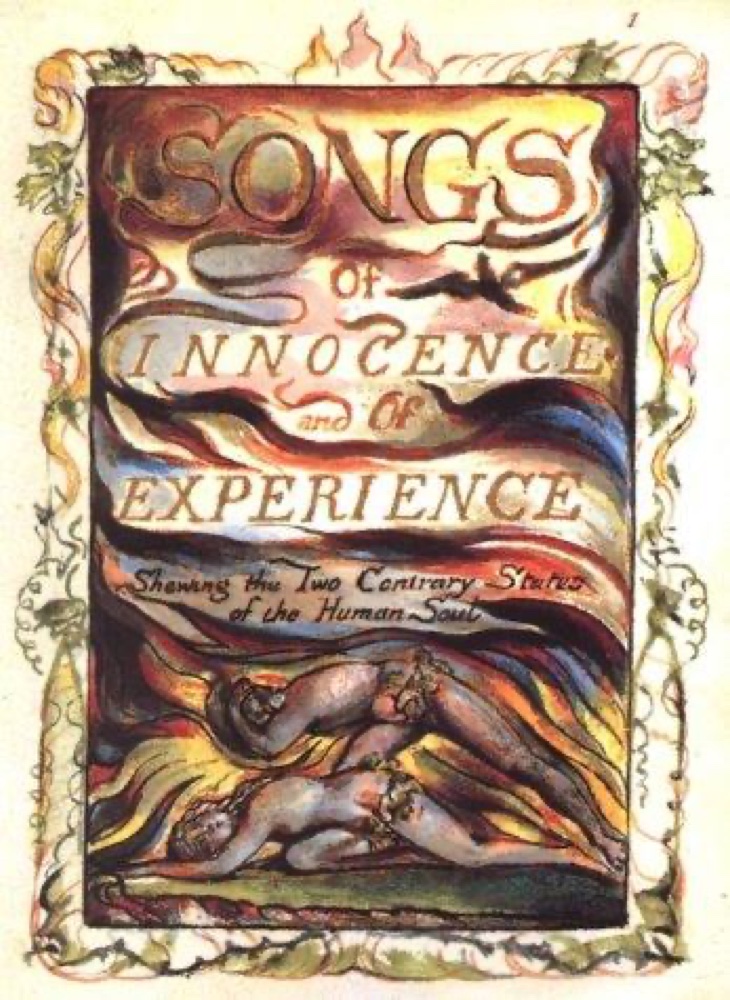 Songs of Innocence and of Experience
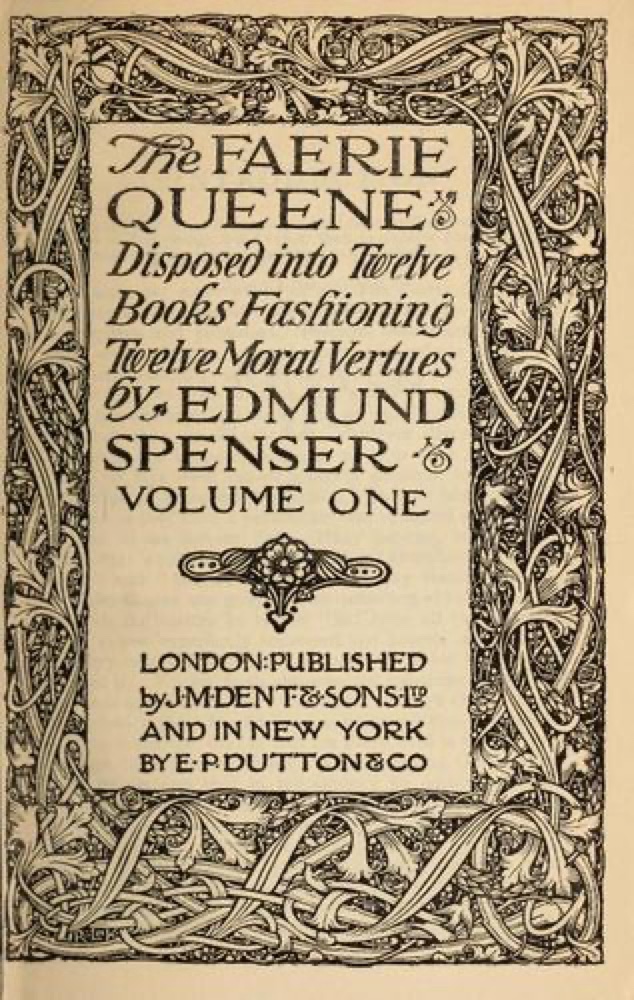 The Faerie Queene
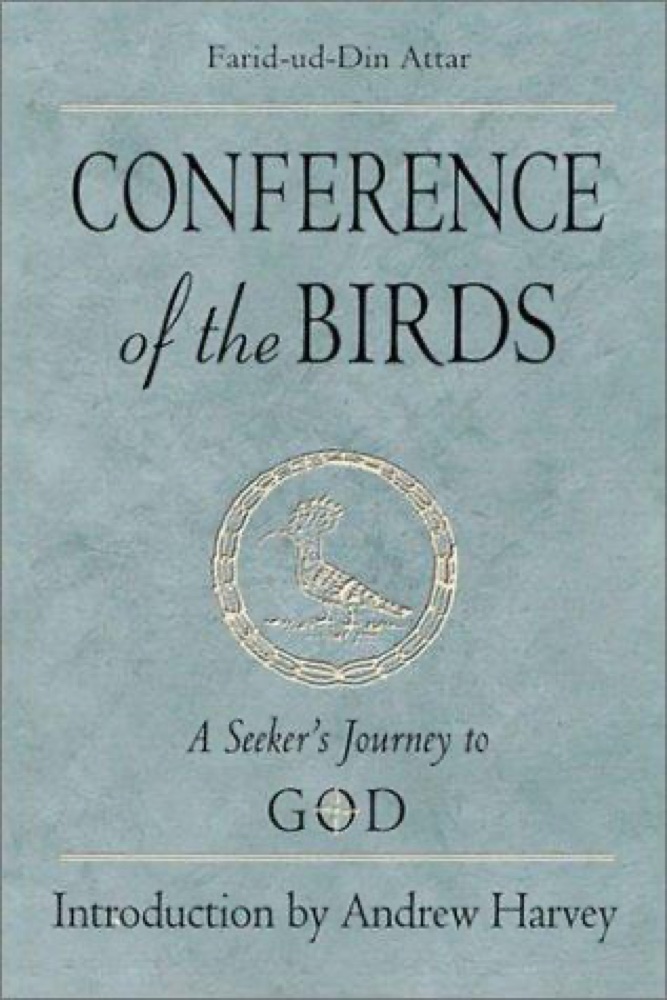 The Conference of the Birds
 The Bloody Chamber and Other Stories
 The Gift
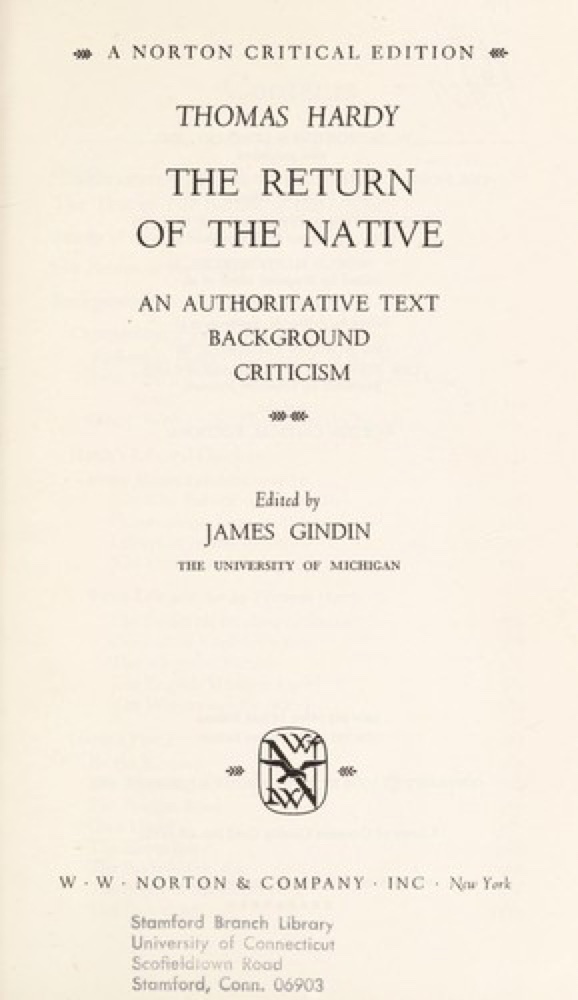 The Return of the Native
 If Not, Winter: Fragments of Sappho
 Les Misérables
 Mythology
 Selected Poems
 Complete Poems
 The Complete Poems
 Carmilla
 The Romance of Tristan and Iseult
 The Last Man
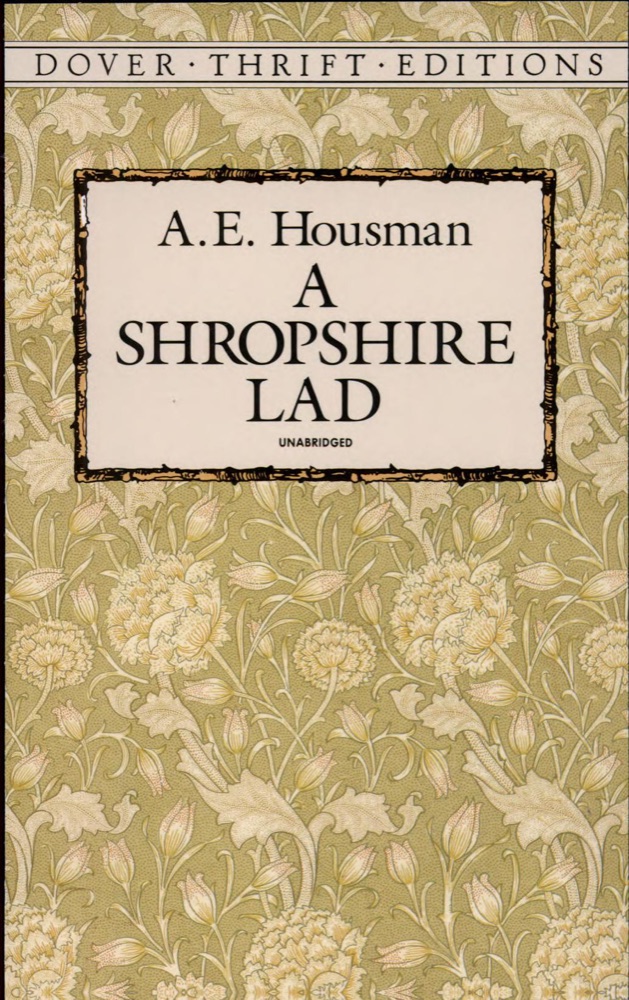 A Shropshire Lad
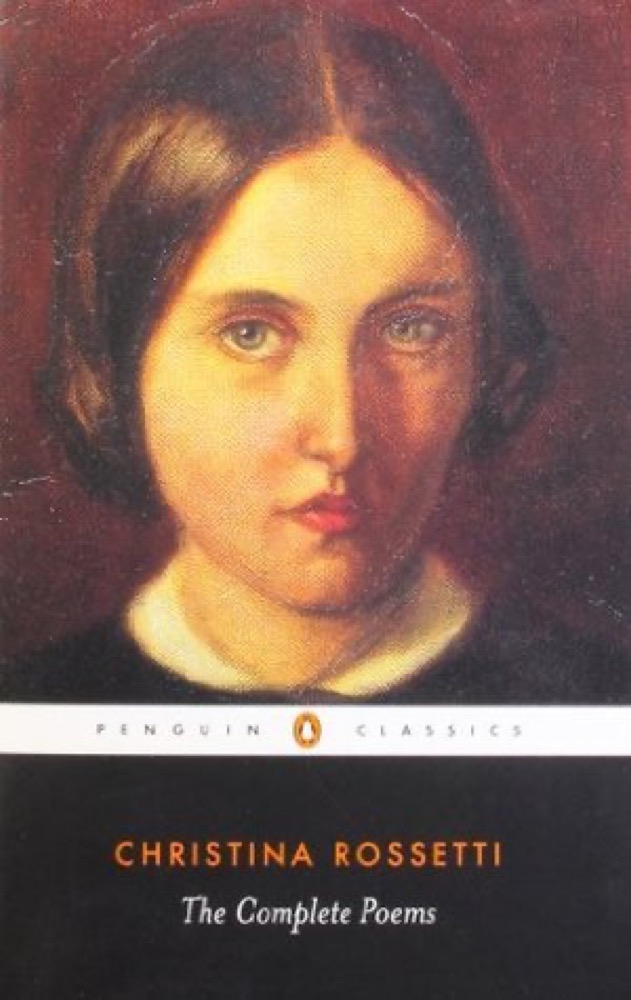 The Complete Poems
 Villette
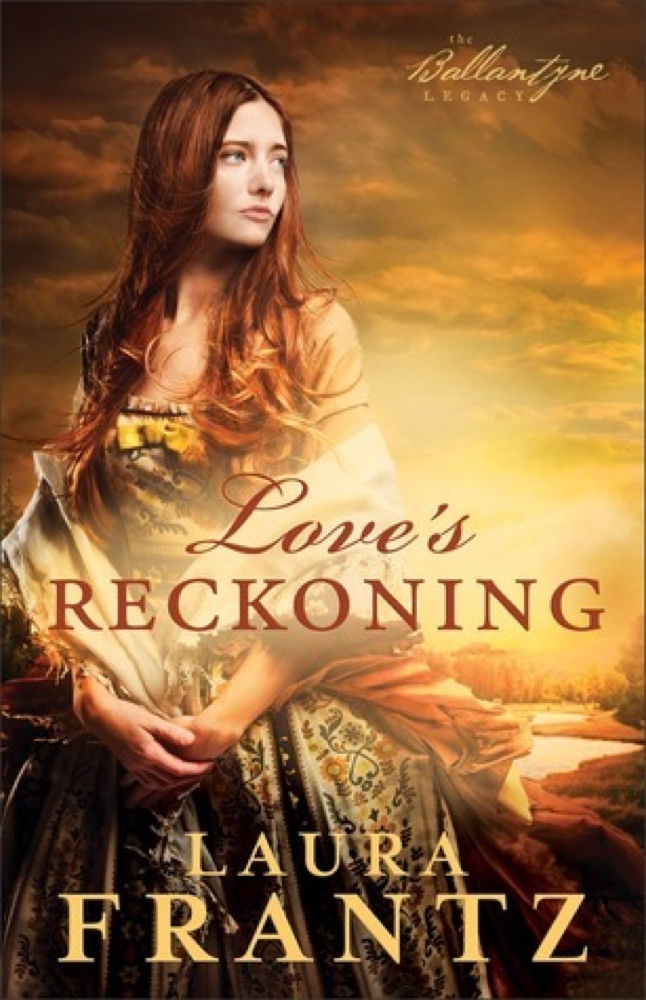 Love's Reckoning
 North and South
 The Complete Stories and Poems
 Paradiso
 Complete Poems and Selected Letters
 The Duchess of Malfi
 Venus in Furs
 The Moon and Sixpence
 The Well of Loneliness