 Uncle Silas
Quotes from the Book
You will think me cruel, very selfish, but love is always selfish; the more ardent the more selfish. How jealous I am you cannot know. You must come with me, loving me, to death; or else hate me, and still come with me, and hating me through death and after. There is no such word as indifference in my apathetic nature.
621
But to die as lovers may - to die together, so that they may live together.
413
For some nights I slept profoundly; but still every morning I felt the same lassitude, and a languor weighed upon me all day. I felt myself a changed girl. A strange melancholy was stealing over me, a melancholy that I would not have interrupted. Dim thoughts of death began to open, and an idea that I was slowly sinking took gentle, and, somehow, not unwelcome possession of me. If it was sad, the tone of mind which this induced was also sweet. Whatever it might be, my soul acquiesced in it.
275
But dreams come through stone walls, light up dark rooms, or darken light ones, and their persons make their exits and their entrances as they please, and laugh at locksmiths.
274
I have been in love with no one, and never shall," she whispered, "unless it should be with you." How beautiful she looked in the moonlight! Shy and strange was the look with which she quickly hid her face in my neck and hair, with tumultuous sighs, that seemed almost to sob, and pressed in mine a hand that trembled. Her soft cheek was glowing against mine. "Darling, darling," she murmured, "I live in you; and you would die for me, I love you so." I started from her. She was gazing on me with eyes from which all fire, all meaning had flown, and a face colorless and apathetic. "Is there a chill in the air, dear?" she said drowsily. "I almost shiver; have I been dreaming? Let us come in. Come; come; come in.
263
If your dear heart is wounded, my wild heart bleeds with yours.
250
You are mine, you shall be mine, you and I are one for ever.
200
Nevertheless, life and death are mysterious states, and we know little of the resources of either.
179
Dearest, your little heart is wounded; think me not cruel because I obey the irresistible law of my strength and weakness; if your dear heart is wounded, my wild heart bleeds with yours. In the rapture of my enormous humiliation I live in your warm life, and you shall die--die, sweetly die--into mine. I cannot help it; as I draw near to you, you, in your turn, will draw near to others, and learn the rapture of that cruelty, which yet is love; so, for a while, seek to know no more of me and mine, but trust me with all your loving spirit.
164
You are afraid to die?' Yes, everyone is.' But to die as lovers may - to die together, so that they may live together. Girls are caterpillars when they live in the world, to be finally butterflies when the summer comes; but in the meantime there are grubs and larvae, don't you see - each with their peculiar propensities, necessities and structures.
109
You must come with me, loving me, to death; or else hate me, and still come with me.
93
Girls are caterpillars while they live in the world, to be finally butterflies when the summer comes; but in the meantime there are grubs and larvae, don't you see - each with their peculiar propensities, necessities and structure.
87
I have never been in love with no one, and never shall," she whispered, "unless it should be with you.
83
...and to this hour the image of Carmilla returns to mind with ambiguous alterations--sometimes the playful, languid, beautiful girl; sometimes the writhing fiend I saw in the ruined church; and often from a reverie I have started, fancying I heard the light step of Carmilla at the drawing room door.
65
Love will have its sacrifices. No sacrifice without blood.
61
Darling, darling. I live in you, and you would die for me. I love you so.
61
I remember everything about it—with an effort. I see it all, as divers see what is going on above them, through a medium, dense, rippling, but transparent.
49
Thus fortified I might take my rest in peace. But dreams come through stone walls, light up dark rooms, or darken light ones, and their persons make their exists and their entrances as they please, and laugh at locksmiths.
47
but curiosity is a restless and scrupulous passion, and no one girl can endure, with patience, that hers should be baffled by another.
45
Sometimes after an hour of apathy, my strange and beautiful companion would take my hand and hold it with a fond pressure, renewed again and again; blushing softly, gazing in my face with languid and burning eyes, and breathing so fast that her dress rose and fell with the tumultuous respiration. It was like the ardor of a lover; it embarrassed me; it was hateful and yet over-powering; and with gloating eyes she drew me to her, and her hot lips traveled along my cheek in kisses; and she would whisper, almost in sobs, "You are mine, you shall be mine, you and I are one for ever." Then she had thrown herself back in her chair, with her small hands over her eyes, leaving me trembling.
29
She was slender, and wonderfully graceful. Except that her movements were languid—very languid—indeed, there was nothing in her appearance to indicate an invalid.
29
Let us look again for a moment; it is the last time, perhaps, I shall see the moonlight with you.
24
Although I felt very weak, I did not feel ill; and strength, one always fancies, is a thing that may be picked up when we please.
24
From these foolish embraces, which were not of very frequent occurrence, I must allow, I used to wish to extricate myself; but my energies seemed to fail me. Her murmured words sounded like a lullaby in my ear, and soothed my resistance into a trance, from which I only seemed to recover myself when she withdrew her arms. In these mysterious moods I did not like her. I experienced a strange tumultuous excitement that was pleasurable, ever and anon, mingled with a vague sense of fear and disgust. I had no distinct thoughts about her while such scenes lasted, but I was conscious of a love growing into adoration, and also of abhorrence. This I know is paradox, but I can make no other attempt to explain the feeling.
23
Mademoiselle De Lafontaine – in right of her father, who was a German, assumed to be psychological, metaphysical and something of a mystic – now declared that when the moon shone with a light so intense it was well known that it indicated a special spiritual activity. The effect of the full moon in such a state of brilliancy was manifold. It acted on dreams, it acted on lunacy, it acted on nervous people; it had marvelous physical influences connected with life. Mademoiselle related that here cousin, who was mate of a merchant ship, having taken a nap on deck on such a night, lying on his back, with his face full in the light of the moon, had wakened, after a dream of an old woman clawing him by the cheek, with his features horribly drawn to one side; and his countenance had never quite recovered its equilibrium.
22
Do you think," I said at length, "that you will ever confide fully in me?" She turned round smiling, but made no answer, only continued to smile on me. "You won't answer that?" I said. "You can't answer pleasantly; I ought not to have asked you." "You were quite right to ask me that, or anything. You do not know how dear you are to me, or you could not think any confidence too great to look for. But I am under vows, no nun half so awfully, and I dare not tell my story yet, even to you. The time is very near when you shall know everything. You will think me cruel, very selfish, but love is always selfish; the more ardent the more selfish.
19
The moon, this night," she said, "is full of idyllic and magnetic influence - and see, when you look behind you at the front of the schloss how all its windows flash and twinkle with that silvery splendor, as if unseen hands had lighted up the rooms to receive fairy guests.
15
There was a coldness, it seemed to me, beyond her years, in her smiling melancholy persistent refusal to afford me the least ray of light. I cannot say we quarreled upon this point, for she would not quarrel upon any. It was, of course, very unfair of me to press her, very ill-bred, but I really could not help it; and I might just as well have let it alone. What she did tell me amounted, in my unconscionable estimation--to nothing.
13
It was long before the terror of recent events subsided; and to this hour the image of Carmilla returns to memory with ambiguous alternations—sometimes the playful, languid, beautiful girl; sometimes the writhing fiend I saw in the ruined church; and often from a reverie I have started, fancying I heard the light step of Carmilla at the drawing room door.
13
Are you glad I came?" "Delighted, dear Carmilla," I answered. "And you asked for the picture you think like me, to hang in your room," she murmured with a sigh, as she drew her arm closer about my waist, and let her pretty head sink upon my shoulder. "How romantic you are, Carmilla," I said. "Whenever you tell me your story, it will be made up chiefly of some one great romance." She kissed me silently. "I am sure, Carmilla, you have been in love; that there is, at this moment, an affair of the heart going on." "I have been in love with no one, and never shall," she whispered, "unless it should be with you." How beautiful she looked in the moonlight! Shy and strange was the look with which she quickly hid her face in my neck and hair, with tumultuous sighs, that seemed almost to sob, and pressed in mine a hand that trembled. Her
12
Did you know?
- Carmilla was first published as a magazine serial in The Dark Blue between 1871 and 1872 before being collected in Le Fanu's anthology In a Glass Darkly.
- It predates Bram Stoker's Dracula by about 25 years and is considered a key influence on vampire fiction.
- The names Carmilla, Millarca, and Mircalla are all anagrams of one another, hinting at the vampire's shifting identities.
- The story is set in Styria, a region of Austria, the same broad locale Stoker used in his short story Dracula's Guest.
- Carmilla is frequently cited as an early and influential portrayal of the female and lesbian vampire in literature.
About J. Sheridan Le Fanu
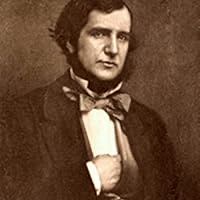
Joseph Sheridan Le Fanu (1814-1873) was an Irish writer of Gothic tales, mystery novels, and ghost stories, regarded as a leading figure of Victorian supernatural fiction. Based in Dublin, he is best known for the novel Uncle Silas and the novella Carmilla.
More about the author →More by J. Sheridan Le Fanu
Uncle Silas
About the book
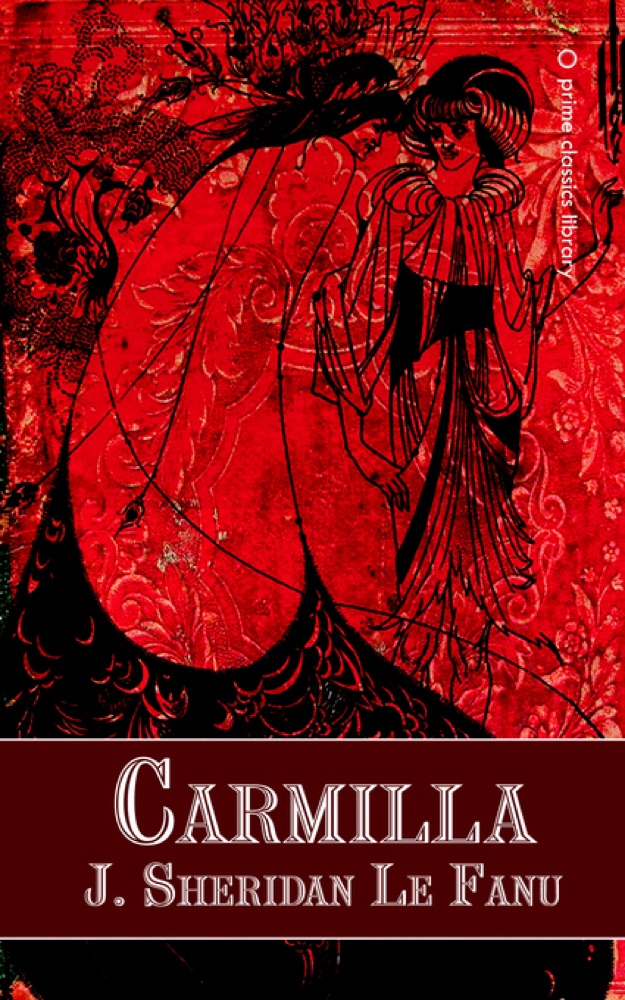
Carmilla is a Gothic novella by the Irish writer Joseph Sheridan Le Fanu, first serialized in the magazine The Dark Blue between 1871 and 1872 and then collected in his volume In a Glass Darkly. Narrated by a young woman named Laura, who lives with her widowed father in a remote castle in the Austrian region of Styria, it recounts the arrival of a mysterious and beautiful guest, Carmilla, after a carriage accident near their home. As an intense and unsettling bond grows between the two young women, Laura begins to suffer strange dreams and a wasting illness, and the household is slowly drawn toward the truth about their visitor.
Beneath its supernatural plot, Carmilla is preoccupied with desire, intimacy, and the blurred line between attraction and dread. The relationship between Laura and Carmilla is charged with an ardor that has made the novella a landmark in discussions of the female and lesbian vampire, while its themes of innocence, isolation, and the predatory bond between guest and host give the horror a distinctly psychological edge. The Styrian setting, with its decaying castles and ancient family portraits, reinforces an atmosphere of buried history and inescapable inheritance.
Carmilla is widely regarded as a foundational work of English-language vampire fiction, predating Bram Stoker's Dracula by roughly a quarter of a century and shaping many of the genre's conventions. Critics have traced its influence on Stoker, M. R. James, and later writers, and the figure of Carmilla has become a recurring archetype in horror. The novella has remained in print and continues to be adapted across film, television, stage, and web media, securing its place as one of the most influential vampire tales ever written.
Key characters
- LauraNarrator and protagonist; the young woman who becomes the vampire's victim
- CarmillaThe mysterious, alluring guest who is revealed to be a vampire
- Laura's fatherThe kindly but ineffectual widower who takes Carmilla in
- General SpielsdorfA grieving friend whose niece died after meeting a girl named Millarca
- Baron VordenburgA vampire expert who helps locate and destroy the vampire
Book details
- First published
- 1872
- Length
- 108 pages
- Reading time
- 2 hours
- Author
- J. Sheridan Le Fanu
- Genre
- Classics
- Goodreads rating
- 3.86 (218k ratings)
- First line
- “In Styria, we, though by no means magnificent people, inhabit a castle, or schloss.”
Critical reception
- Widely regarded as a foundational work of English-language vampire literature.
- Frequently credited as an influence on Bram Stoker's Dracula, which it predates by about 25 years.
- Recognized as an early and influential depiction of the female and lesbian vampire archetype.
Movie & TV adaptations
- IMDb
- IMDb
- IMDb
- IMDb
- IMDb
If you liked this, read…
- 1DraculaBram Stoker's later vampire novel that Carmilla is widely thought to have influenced.
- 2Uncle SilasLe Fanu's own Gothic mystery novel, in a similar suspenseful register.
- 3In a Glass DarklyThe collection in which Carmilla appears, gathering Le Fanu's supernatural tales.
Keep reading
 Affinity
 Merrick
 The Witching Hour
 A River Enchanted
 The Bloody Chamber and Other Stories
 The English Patient
 Sons and Lovers
 A Dowry of Blood
 First Love
 A Day of Fallen Night
 Wings of Starlight
 War for the Oaks
 Daughter of the Forest
 The Midnight Star
 Gods of Jade and Shadow
 Dracula in Love
 Shadowsong
 Lisey's Story
 Briefly, A Delicious Life
 Interview with the Vampire
 Night and Day
 Reckless
 The Last Tale of the Flower Bride
 Women in Love
 Poems, 1962-2012
 Tender Morsels
 A Study in Drowning
 The Beautiful
 Again the Magic
 Arch of Triumph
 The Return of the Native
 All Out: The No-Longer-Secret Stories of Queer Teens throughout the Ages
 Threads That Bind
 A Conjuring of Light
 Midnight Sun
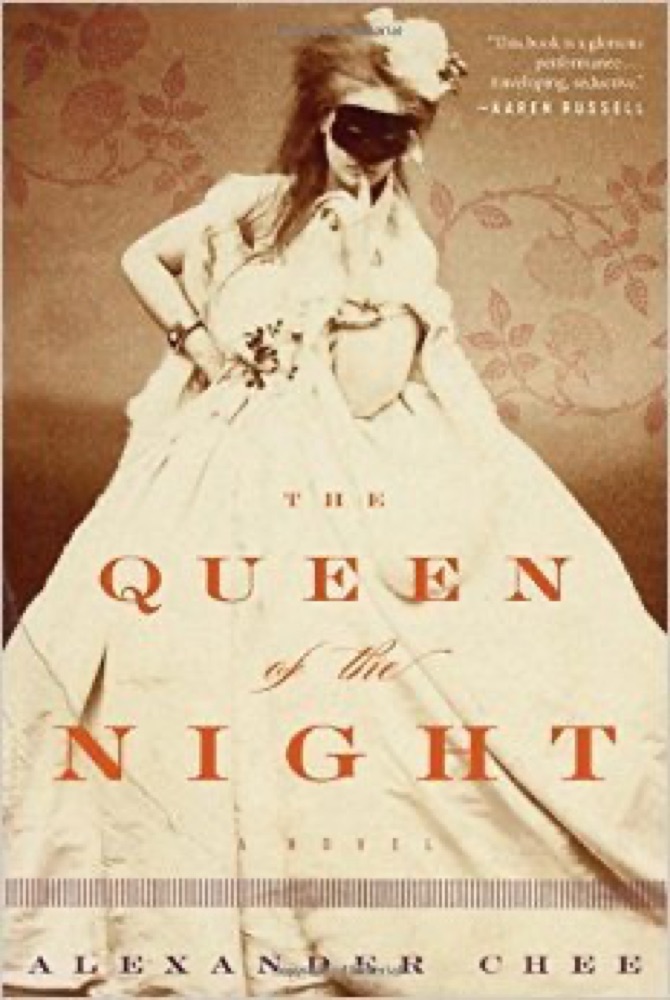 The Queen of the Night
 Dracula, My Love: A Gothic Paranormal Romance – Mina Harker's Forbidden Victorian Passion
 A Long Fatal Love Chase
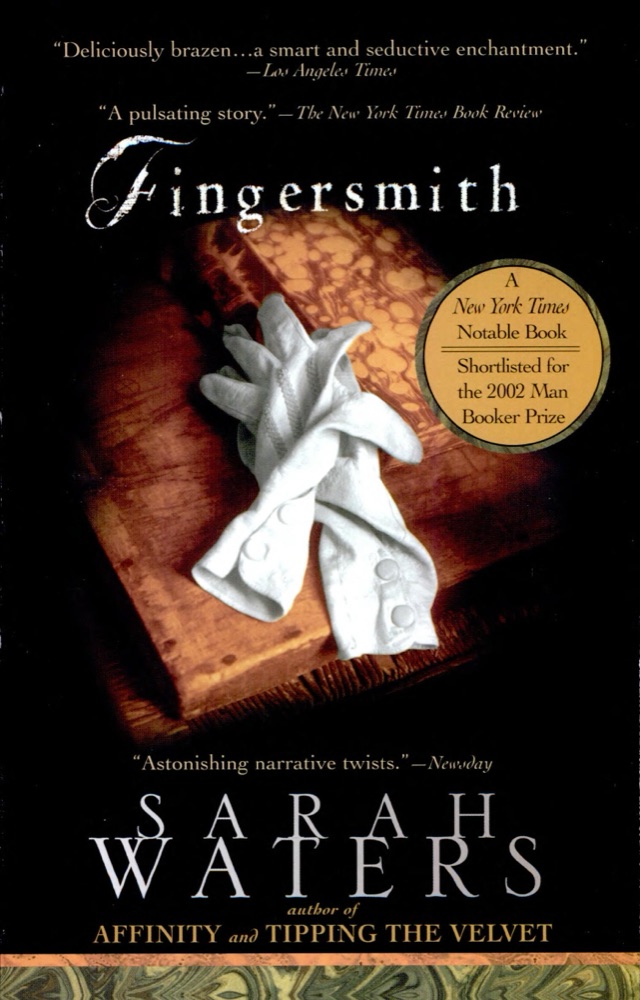 Fingersmith
 Burning Your Boats: The Collected Short Stories
 An Enchantment of Ravens
 The Dark Descent of Elizabeth Frankenstein
 The Van Alen Legacy
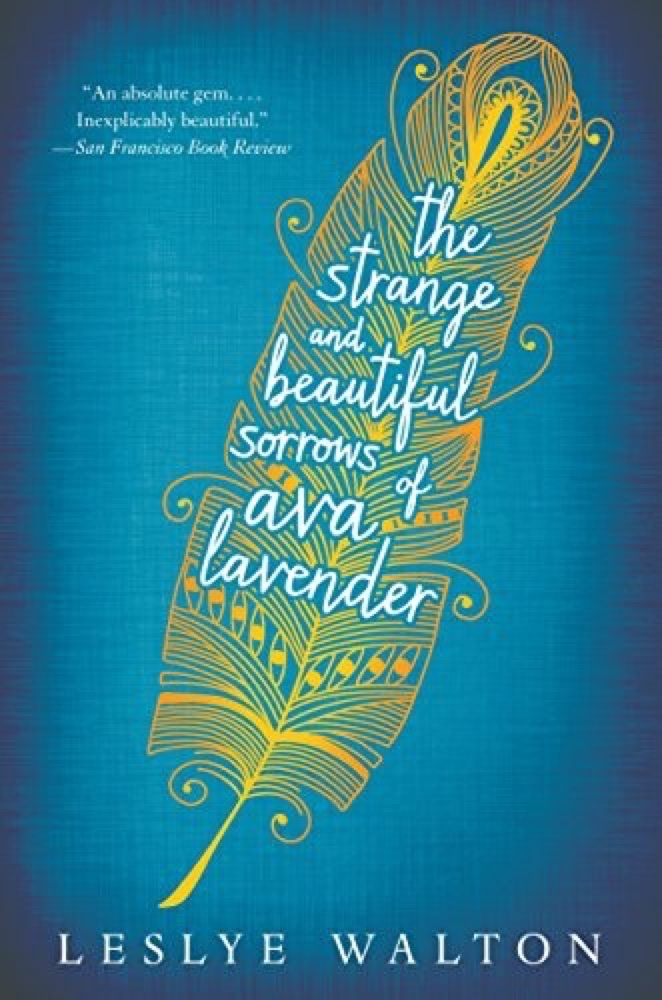 The Strange and Beautiful Sorrows of Ava Lavender
 Days of Blood & Starlight
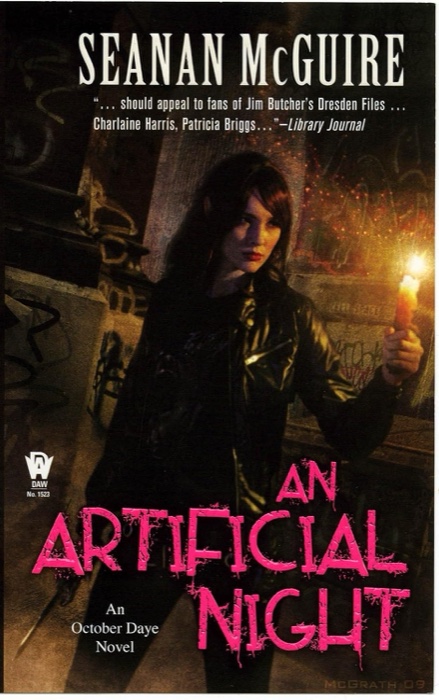 An Artificial Night
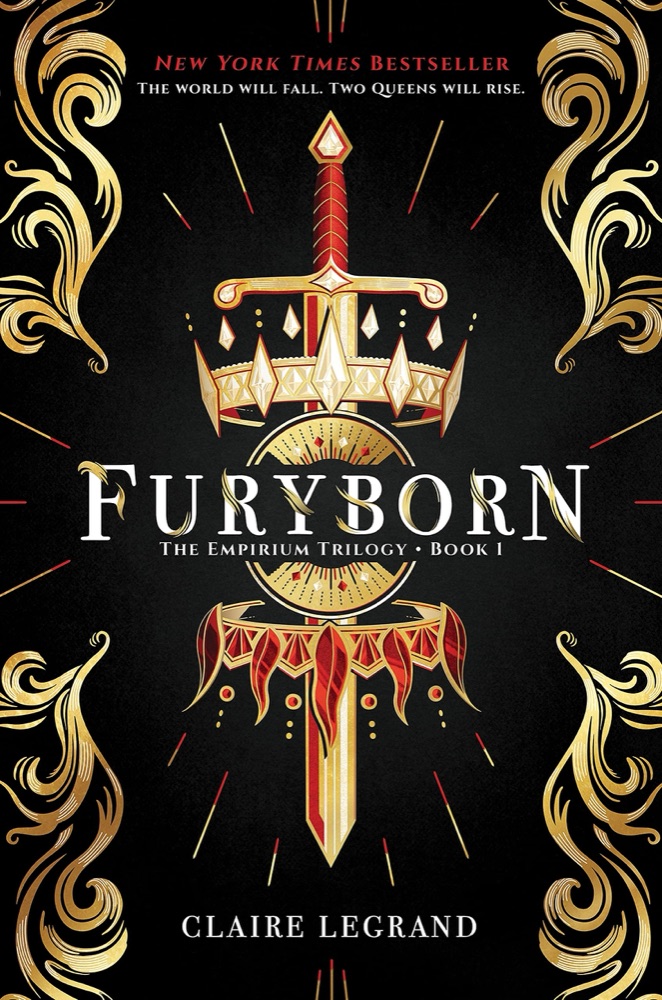 Furyborn
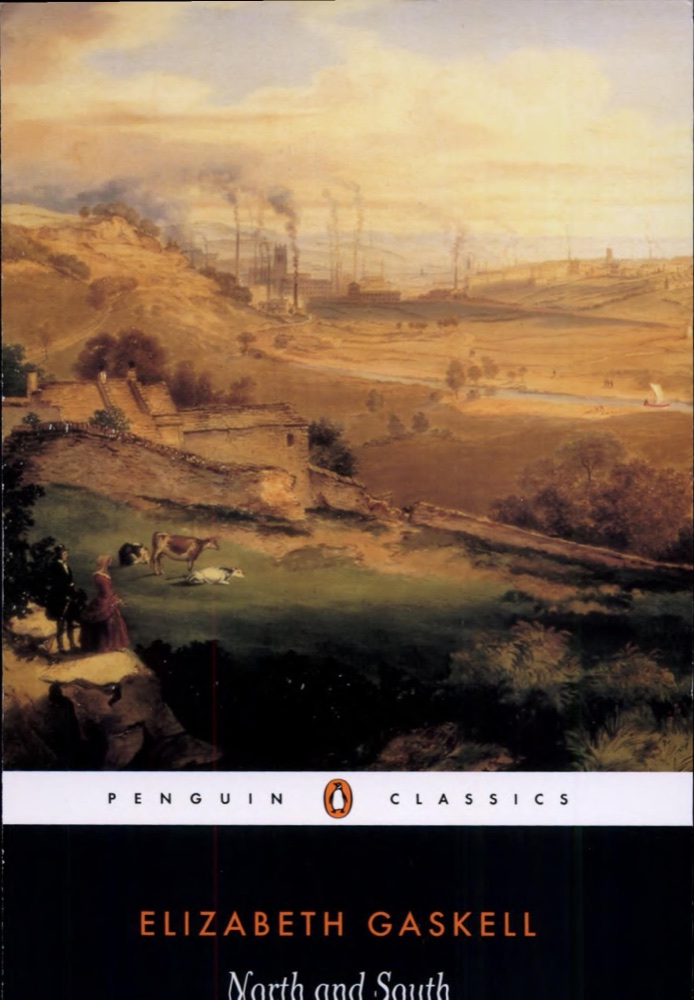 North and South
 Phantastes
 Villette
 Deathless
 The Rose and the Beast: Fairy Tales Retold
 Enshadowed
 Her Fearful Symmetry
 Daughter of Smoke & Bone
 New Moon
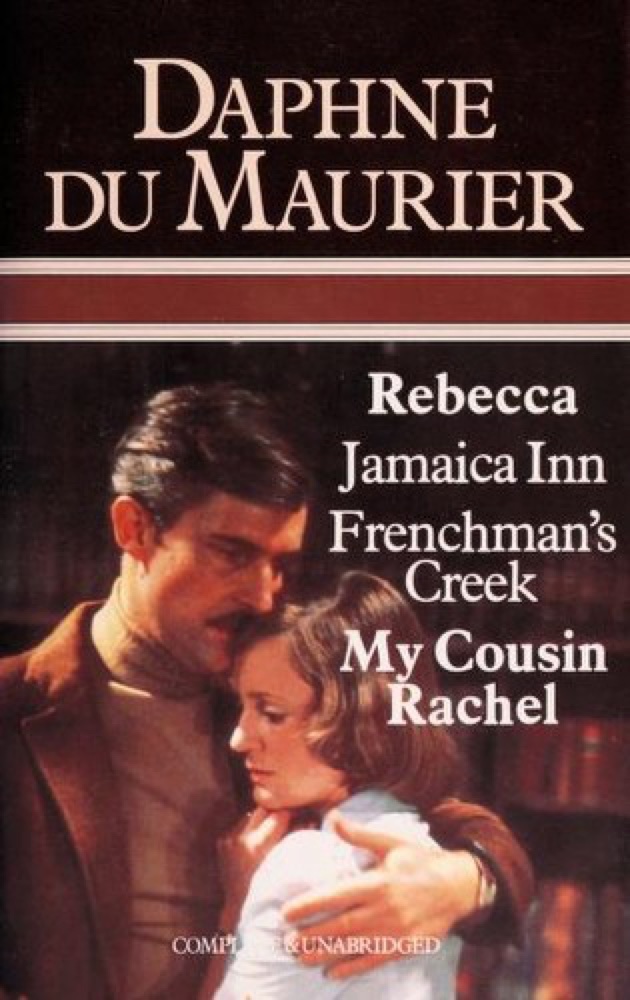 Rebecca
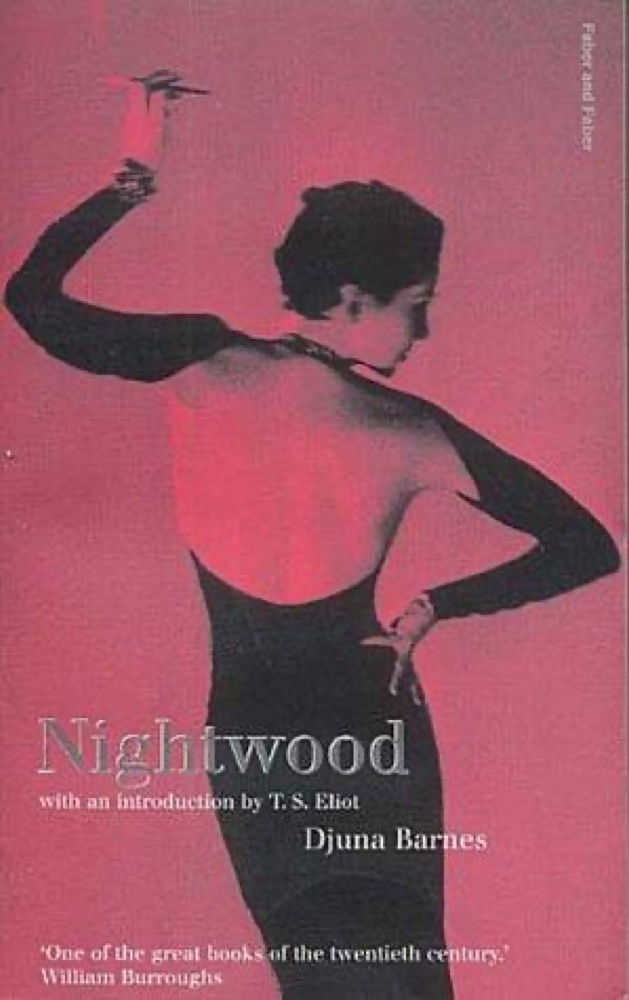 Nightwood
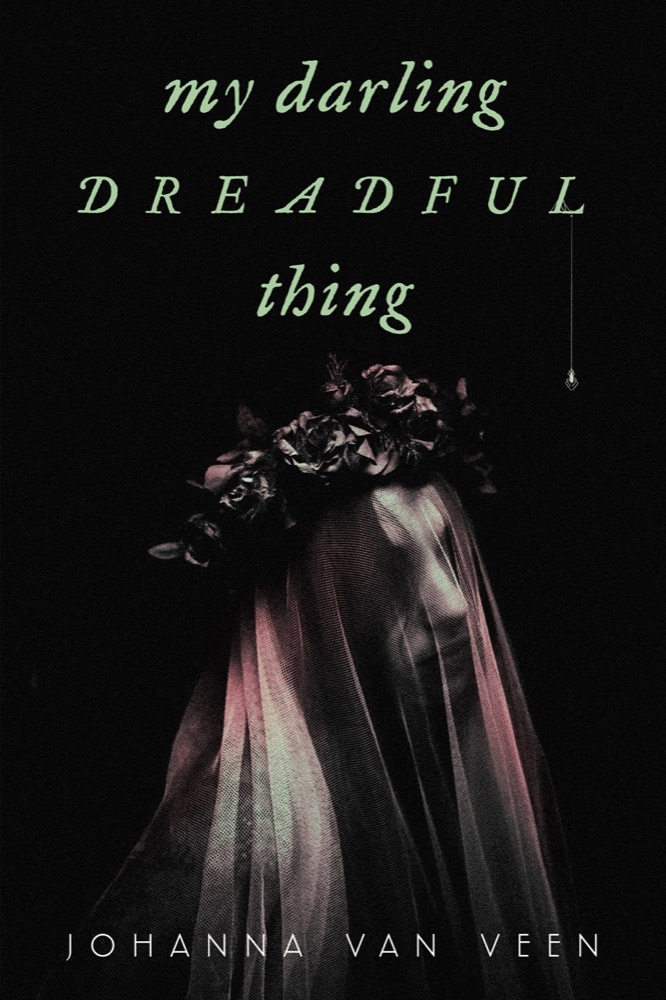 My Darling Dreadful Thing
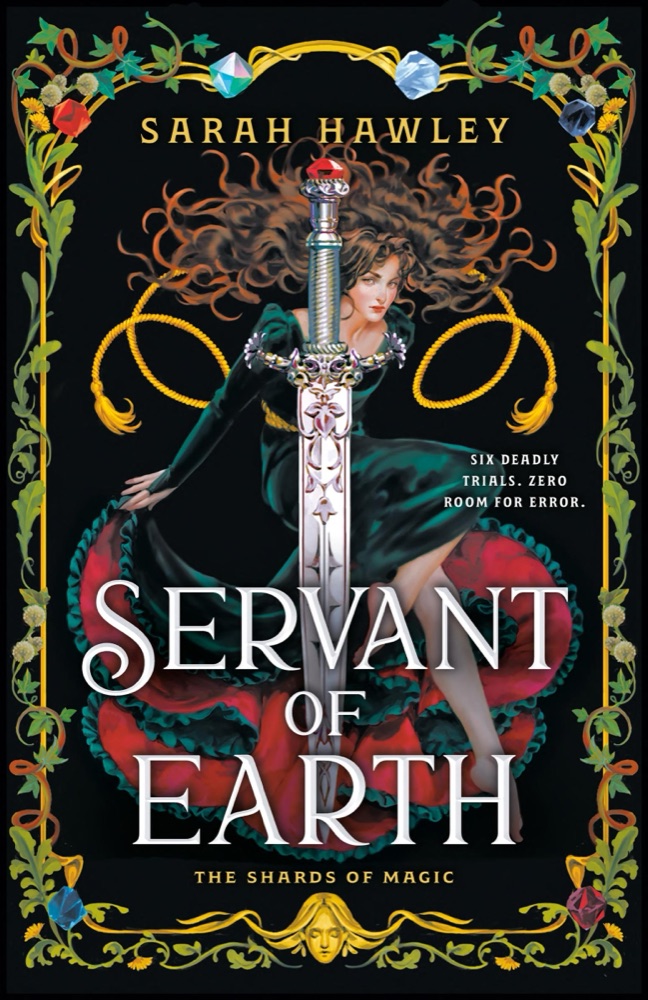 Servant of Earth