
 Othello
Quotes from the Book
They do not love that do not show their love.
1.1k
Banish'd from [those we love] Is self from self: a deadly banishment!
112
That man that hath a tongue, I say is no man, if with his tongue he cannot win a woman.
27
To die, is to be banish'd from myself; And Silvia is myself: banish'd from her, Is self from self: a deadly banishment! What light is light, if Silvia be not seen? What joy is joy, if Silvia be not by? Unless it be to think that she is by, And feed upon the shadow of perfection. Except I be by Silvia in the night, There is no music in the nightingale; Unless I look on Silvia in the day, There is no day for me to look upon; She is my essence, and I leave to be, If I be not by her fair influence Foster'd, illumin'd, cherish'd, kept alive.
26
She dreams of him that has forgot her love; You dote on her that cares not for your love. 'Tis pity love should be so contrary; And thinking of it makes me cry 'alas!
20
O, how this spring of love resembleth The uncertain glory of an April day, Which now shows all the beauty of the sun, And by and by a cloud takes all away!
17
At first I did adore a twinkling star But now I worship a celestial sun
15
You, minion, are too saucy.
14
Nay, 'twill be this hour ere I have done weeping. All the kind of the Launces have this very fault. I have received my proportion, like the prodigious son, and am going with Sir Proteus to the Imperial's court. I think Crab, my dog, be the sourest-natured dog that lives. My mother weeping, my father wailing, my sister crying, our maid howling, our cat wringing her hands, and all our house in a great perplexity, yet did not this cruel-hearted cur shed one tear. He is a stone, a very pebble stone, and has no more pity in him than a dog. A Jew would have wept to have seen our parting. Why, my grandam, having no eyes, look you, wept herself blind at my parting. Nay, I'll show you the manner of it. This shoe is my father. No, this left shoe is my father. No, no, this left shoe is my mother. Nay, that cannot be so neither. Yes, it is so, it is so -- it hath the worser sole. This shoe with the hole in it is my mother, and this my father. A vengeance on't! There 'tis. Now, sir, this staff is my sister, for, look you, she is as white as a lily and as small as a wand. This hat is Nan, our maid. I am the dog. No, the dog is himself, and I am the dog -- O, the dog is me, and I am myself. Ay, so, so. Now come I to my father: 'Father, your blessing.' Now should not the shoe speak a word for weeping. Now should I kiss my father -- well, he weeps on. Now come I to my mother. O, that she could speak now like a wood woman! Well, I kiss her -- why, there 'tis: here's my mother's breath up and down. Now come I to my sister; mark the moan she makes. Now the dog all this while sheds not a tear nor speaks a word!
8
Ay, but hearken, sir; though the chameleon Love can feed on the air, I am one that am nourished by my victuals, and would fain have meat.
7
If you love her, you cannot see her.
6
What, gone without a word? Ay, so true love should do. It cannot speak, For truth hath better deeds than words to grace it." (2.2.17-19)
6
O jest unseen, inscrutable, invisible, As a nose on a man's face, or a weathercock on a steeple! My master sues to her, and she hath taught her suitor, He being her pupil, to become her tutor. O excellent device! was there ever heard a better, That my master, being scribe, to himself should write the letter? Valentine. How now, sir? what are you reasoning with yourself? Speed. Nay, I was rhyming: 'tis you that have the reason.
6
Hope is a lover's staff; walk hence with that And manage it against despairing thoughts.
5
Didst thou but know the inly touch of love Thou wouldst as soon go kindle fire with snow As seek to quench the fire of love with words. (2.7.18-20)
5
Beshrew me, but you have a quick wit. SPEED: And yet it cannot overtake your slow purse.
5
Wilt thou reach stars because they shine on thee?
4
Thou art a votary to fond desire
4
Thus have I shunned the fire for fear of burning, and drenched me in the sea, where I am drowned.
3
Come, shadow, come, and take this shadow up, For 'tis thy rival.
3
Experience is by industry achiev'd, And perfected by the swift course of time.
3
Why, stand-under and under-stand is all one.
3
A man is never undone till he be hang'd.
3
I see things too, although you judge I wink.
3
Love is your master, for he masters you; And he that is so yoked by a fool, Methinks, should not be chronicled for wise.
3
Fire that's closest kept burns most of all.
2
If you love her, you cannot see her […] Because love is blind.
2
Ay, ay; and she hath offer'd to the doom-- Which, unreversed, stands in effectual force-- A sea of melting pearl, which some call tears
2
Is she kind as she is fair? For beauty lives with kindness. Love doth to her eyes repair To help him of his blindness,
2
I have done penance for contemning Love; Whose high imperious thoughts have punish’d me with bitter fasts, with penitential groans, with nightly tears, and daily heart-sore sighs; For, in revenge of my contempt for love, Love hath chaos’s sleep from my enthralled eyes and made them watchers of my own heart’s sorrow.
2
Watch on YouTube
About William Shakespeare
We have collected 956 quotes from 39 books by William Shakespeare on BookQuoters.
More about the author →More by William Shakespeare
All books by William Shakespeare →

About the book
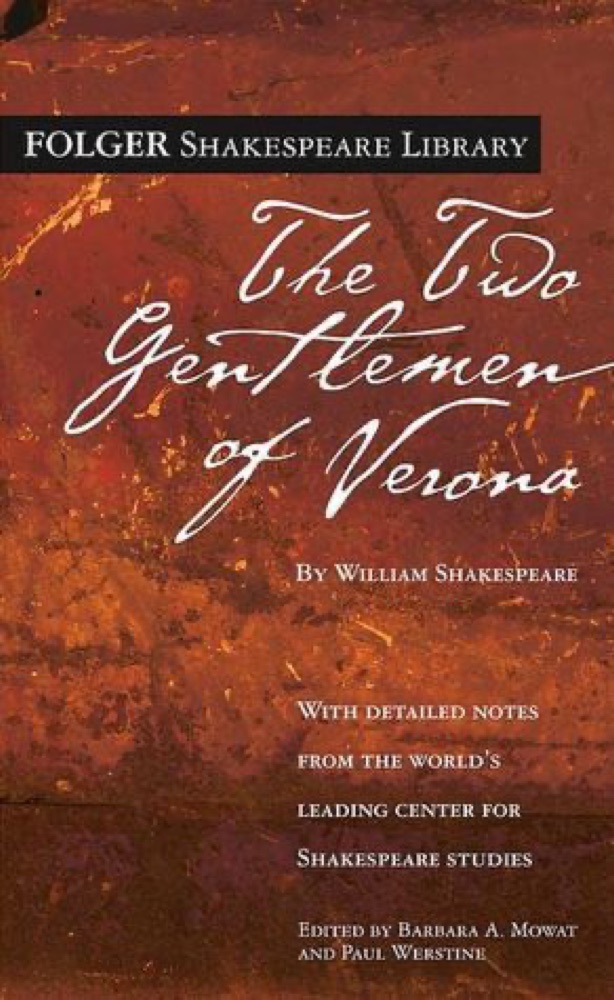
While the word “gentlemen” suggests that its heroes are adults, The Two Gentlemen of Verona is more intelligible if we think of them as boys, leaving home for the first time. One has a crush on a girl, Julia, though he hasn’t yet told her. Sent to court to learn to be “perfect gentlemen,” Valentine and Proteus are derailed by their attraction to Sylvia, the ruler’s daughter. Valentine’s mental denseness does not deter Sylvia from returning his love, but he is caught, and banished, when he tries to elope with her. Proteus’s desire for Sylvia wipes out his former love, leading him into despicable acts that win scorn from Sylvia and wound Julia, who has pursued him disguised as a boy. When Sylvia follows Valentine into banishment, Proteus follows Sylvia, and Julia follows Proteus, the stage is set for a disturbing ending. But the stage is also set for the “gentlemen” to take small steps tow
Book details
- First published
- 1594
- Author
- William Shakespeare
- Genre
- Classics
- Goodreads rating
- 3.39 (18k ratings)
Keep reading
 A Midsummer Night's Dream
 Venus and Adonis
 Twelfth Night
 The Complete English Poems
 The Letters of Abélard and Héloïse
 Our Mutual Friend
 Shirley
 The Monk
 North and South
 Purgatorio
 Phantastes
 The Wrath and the Dawn
 The Conference of the Birds
 Paradiso
 Les Misérables
 Juliet
 Don Juan
 Jude the Obscure
 The Tenant of Wildfell Hall
 Lord Jim
 The Prophet
 The Professor
 Trust: Betrayed
 La dame aux camélias
 The Book of Love: Poems of Ecstasy and Longing
 Sheever's Journal, Diary of a Poison Master
 The Complete Poems of Emily Dickinson
 Great Expectations
 The Duchess of Malfi
 First Love
 Stardust
 Les Fleurs du Mal
 Possession
 Faust
Faust
 The Left Hand of God
 War for the Oaks
 The Bitter Kingdom
 Beloved
 Twenty Years After
 Sons and Lovers
 Gabriel's Inferno
 Sexing the Cherry
 Les Liaisons dangereuses
 Paladin of Souls
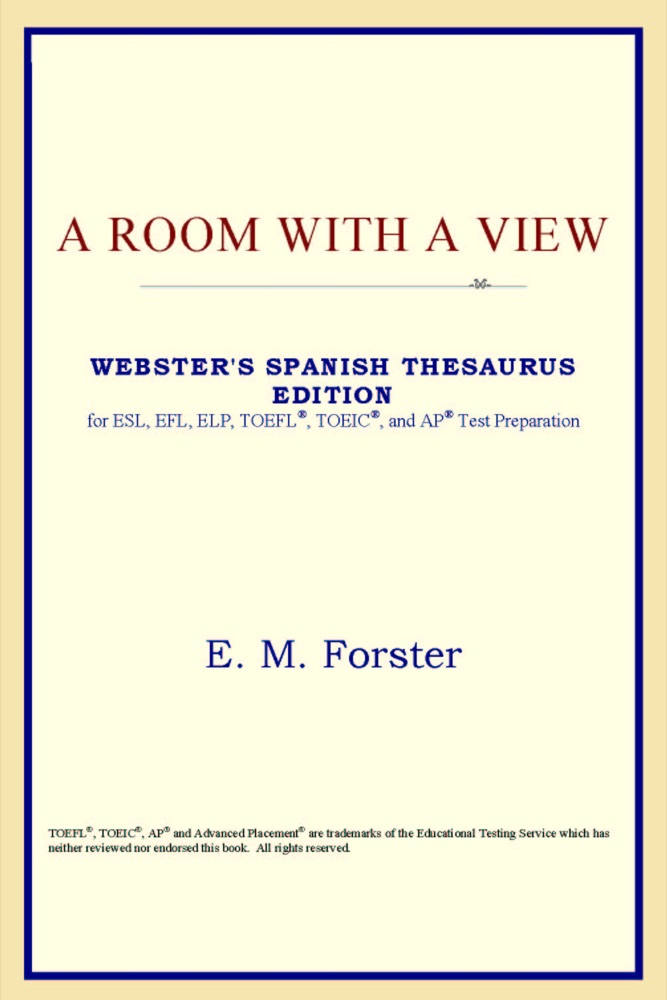 A Room with a View
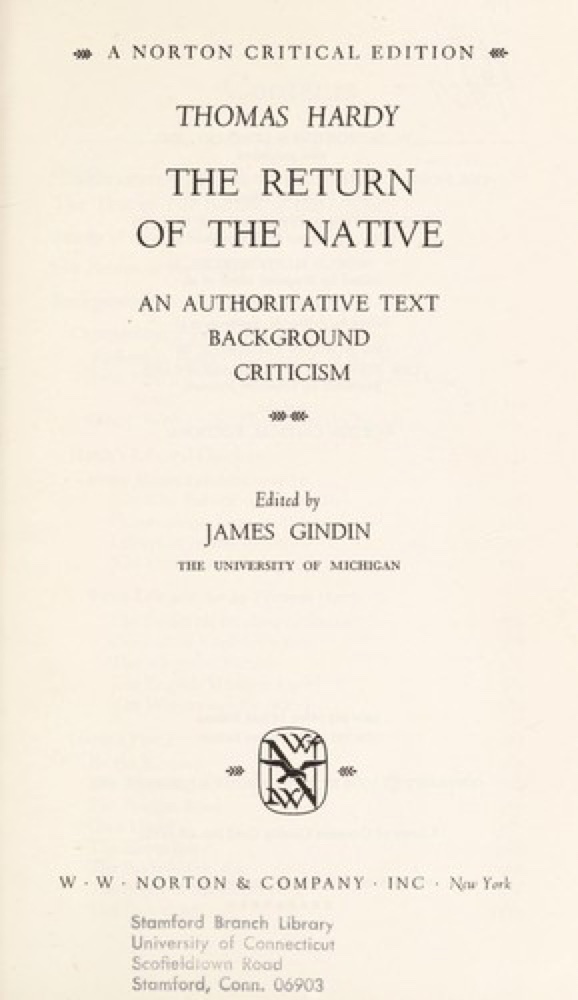 The Return of the Native
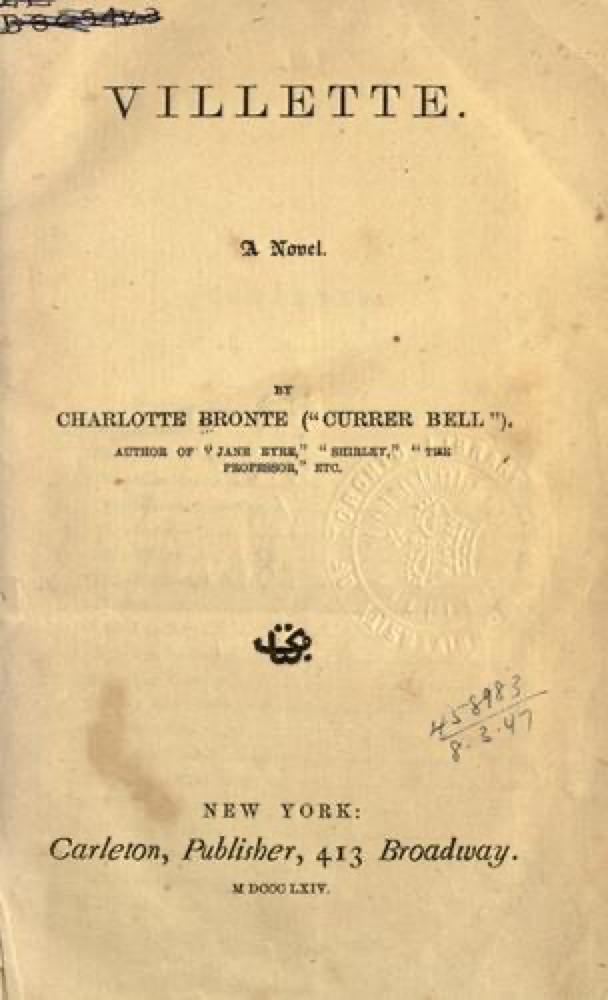 Villette
 The Tale of Genji
 The Painted Veil
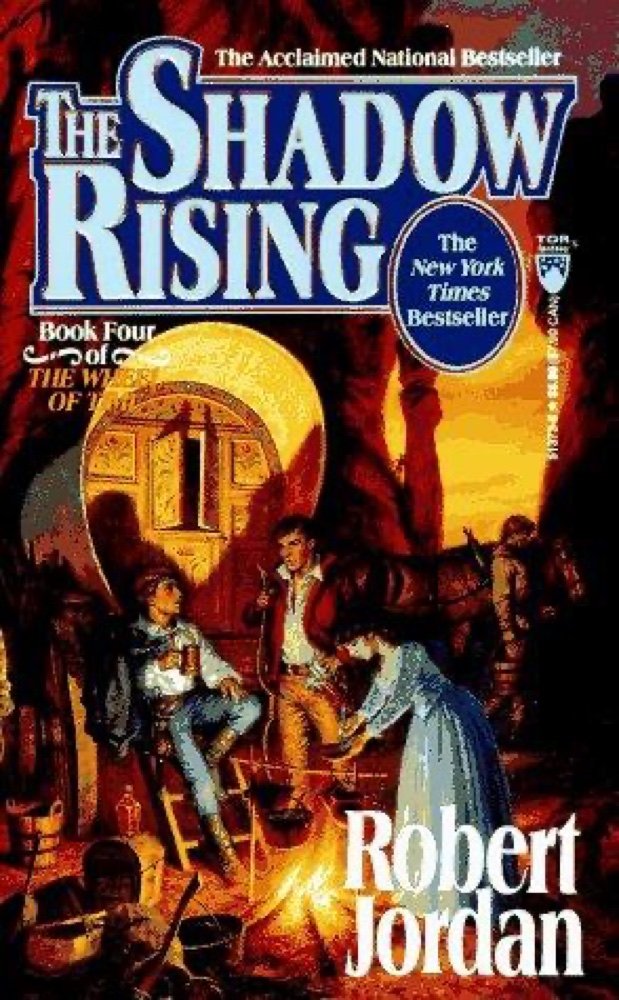 The Shadow Rising
 The Girl of Fire and Thorns
 Wicked Becomes You
 Spoon River Anthology
 Complete Poems
 Confessions
 The Master and Margarita
 Checkmate
 The Infernal Devices: Clockwork Angel
 The Spanish Tragedy
 In the Night Garden