
 Othello
Quotes from the Book
These violent delights have violent ends And in their triump die, like fire and powder Which, as they kiss, consume
My bounty is as boundless as the sea, My love as deep; the more I give to thee, The more I have, for both are infinite.
Don't waste your love on somebody, who doesn't value it.
thus with a kiss I die
Good night, good night! parting is such sweet sorrow, That I shall say good night till it be morrow.
For never was a story of more woe than this of Juliet and her Romeo.
Do not swear by the moon, for she changes constantly. then your love would also change.
Do you bite your thumb at us, sir?
Romeo: If I profane with my unworthiest hand This holy shrine, the gentle fine is this: My lips, two blushing pilgrims, ready stand To smooth that rough touch with a tender kiss. Juliet: Good pilgrim, you do wrong your hand too much, Which mannerly devotion shows in this; For saints have hands that pilgrims' hands do touch, And palm to palm is holy palmers' kiss. Romeo: Have not saints lips, and holy palmers too? Juliet: Ay, pilgrim, lips that they must use in prayer. Romeo: O, then, dear saint, let lips do what hands do; They pray, grant thou, lest faith turn to despair. Juliet: Saints do not move, though grant for prayers' sake. Romeo: Then move not, while my prayer's effect I take. Thus from my lips, by yours, my sin is purged. Juliet: Then have my lips the sin that they have took. Romeo: Sin from thy lips? O trespass sweetly urged! Give me my sin again. Juliet: You kiss by the book.
Wisely and slow; they stumble that run fast.
Two households, both alike in dignity In fair Verona, where we lay our scene From ancient grudge break to new mutiny Where civil blood makes civil hands unclean. From forth the fatal loins of these two foes A pair of star-cross'd lovers take their life Whose misadventured piteous overthrows Do with their death bury their parents' strife.
Love is a smoke made with the fume of sighs.
O teach me how I should forget to think (1.1.224)
Come, gentle night; come, loving, black-browed night; Give me my Romeo; and, when I shall die, Take him and cut him out in little stars, And he will make the face of heaven so fine That all the world will be in love with night...
What's in a name? that which we call a rose By any other name would smell as sweet.
Parting is such sweet sorrow that I shall say goodnight till it be morrow.
See how she leans her cheek upon her hand. O, that I were a glove upon that hand That I might touch that cheek!
Women may fall when there's no strength in men. Act II
Go wisely and slowly. Those who rush stumble and fall.
Why then, O brawling love! O loving hate! O any thing, of nothing first create! O heavy lightness, serious vanity, Misshapen chaos of well-seeming forms, Feather of lead, bright smoke, cold fire, sick health, Still-waking sleep, that is not what it is! This love feel I, that feel no love in this.
Under loves heavy burden do I sink. --Romeo
You are a lover. Borrow Cupid's wings and soar with them above a common bound.
My only love sprung from my only hate.
Love is a smoke raised with the fume of sighs; Being purged, a fire sparkling in lovers' eyes; Being vexed, a sea nourished with loving tears. What is it else? A madness most discreet, A choking gall, and a preserving sweet. *Here’s what love is: a smoke made out of lovers' sighs. When the smoke clears, love is a fire burning in your lover’s eyes. If you frustrate love, you get an ocean made out of lovers' tears. What else is love? It’s a wise form of madness. It’s a sweet lozenge that you choke on.*
A glooming peace this morning with it brings; The sun, for sorrow, will not show his head: Go hence, to have more talk of these sad things; Some shall be pardon'd, and some punished: For never was a story of more woe Than this of Juliet and her Romeo.
Did you know?
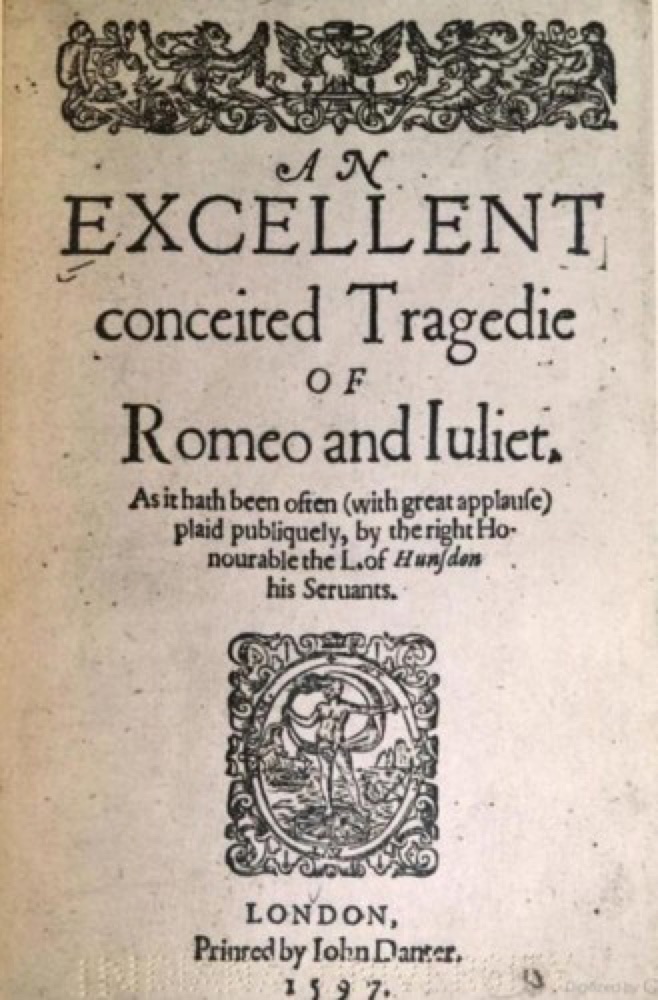
- The play was first published in a quarto version in 1597, printed by John Danter, an edition scholars often call a "bad quarto."
- A superior second quarto (Q2), roughly 800 lines longer, appeared in 1599, printed by Thomas Creede and published by Cuthbert Burby.
- The play opens with a 14-line prologue written in the form of a Shakespearean sonnet, spoken by a Chorus.
- Its phrase "star-cross'd lovers" has entered common English usage to describe couples thwarted by fate.
- Sergei Prokofiev composed a celebrated ballet based on the play, first written in 1935.
- The play ranks among Shakespeare's most performed works, alongside Hamlet.
About William Shakespeare
William Shakespeare (1564-1616) was an English playwright, poet, and actor, widely regarded as the greatest writer in the English language. Born in Stratford-upon-Avon, he wrote some three dozen plays and 154 sonnets during a career largely centred on the London stage.
More about the author →More by William Shakespeare
All books by William Shakespeare →
About the book
Romeo and Juliet is a tragedy by William Shakespeare that dramatizes the doomed romance of two young lovers from feuding households, the Montagues and Capulets, in the city of Verona. A framing sonnet spoken by a Chorus announces the story of a pair of "star-cross'd lovers" whose deaths ultimately reconcile their warring families. First published in a quarto in 1597, it remains one of Shakespeare's most performed and best-known plays.
Beneath its love story, the play interweaves themes of fate versus free will, the tension between youthful passion and adult authority, and the destructive force of an "ancient grudge." Shakespeare threads the drama with recurring imagery of light and dark and with an urgent sense of time, compressing the entire action into a matter of days. The rival poles of love and hate structure the work, and its supporting figures, from the hot-tempered Tybalt to the ribald Nurse and the well-meaning Friar Laurence, sharpen the collision between the lovers and their world.
Written in the mid-1590s, Romeo and Juliet was extremely popular in Shakespeare's own lifetime and has since become one of the most widely adapted works in the Western canon, reimagined in film, ballet, opera, and musical theatre. Its language and situations, from the balcony scene to the phrase "star-cross'd lovers," have permeated popular culture, and the play continues to be a staple of both the stage and the classroom.
Key characters
- RomeoA young Montague who falls instantly in love with Juliet
- JulietA young Capulet, Romeo's beloved and secret wife
- MercutioRomeo's quick-witted friend and a kinsman of Prince Escalus
- TybaltJuliet's hot-tempered cousin whose fighting escalates the feud
- Friar LaurenceA friar who secretly marries the lovers and devises their plan
- The NurseJuliet's bawdy, devoted attendant and confidante
- Count ParisA nobleman and suitor whom Juliet's father favours as her husband
Book details
- First published
- 1597
- Author
- William Shakespeare
- Genre
- Classics
- Goodreads rating
- 3.74 (2.9M ratings) →
- First line
- “Two households, both alike in dignity,”
Movie & TV adaptations
- IMDb
- IMDb
- IMDb
If you liked this, read…
- 1HamletAnother of Shakespeare's most performed tragedies exploring fate and death
- 2A Midsummer Night's DreamA Shakespeare play of the same period turning on young love and lovers at cross-purposes
- 3Wuthering HeightsA later tale of consuming, destructive love set against family conflict
Keep reading
 The Two Gentlemen of Verona
 A Midsummer Night's Dream
 Venus and Adonis
 Juliet
 The Complete English Poems
 Les Misérables
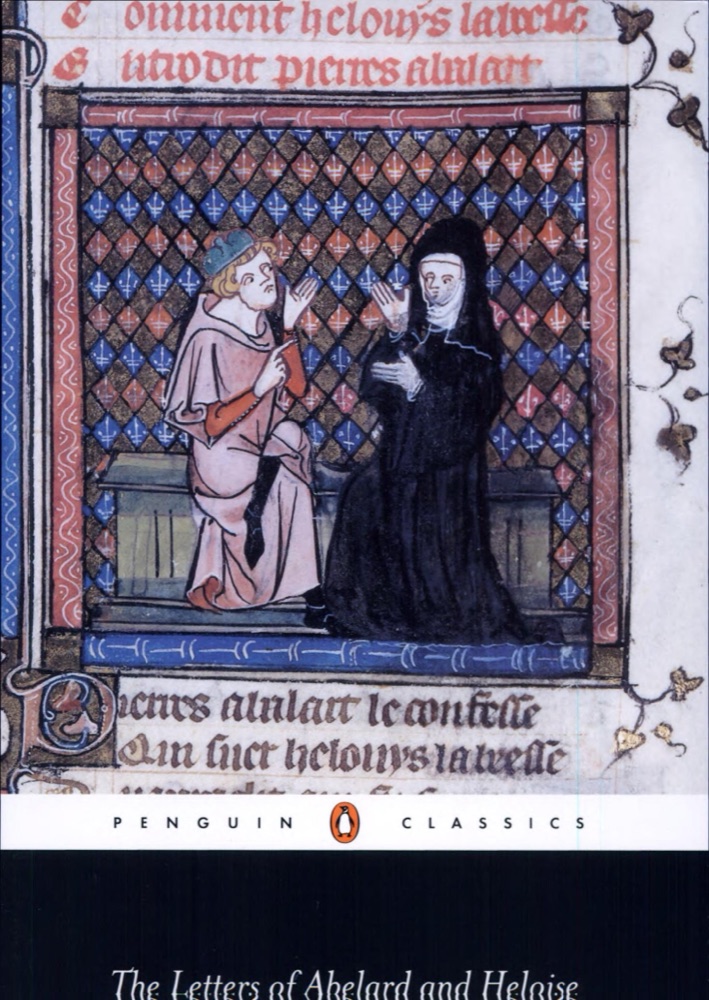 The Letters of Abélard and Héloïse
 Don Juan
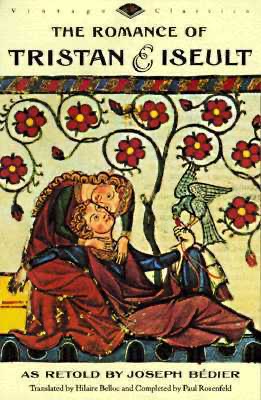 The Romance of Tristan and Iseult
 The Wrath and the Dawn
 Collected Poems
 The Book of Love: Poems of Ecstasy and Longing
 Sons and Lovers
 The Duchess of Malfi
 The Collected Poems of W.B. Yeats
 Women in Love
 Juliet Immortal
 Lovely War
 The Spanish Tragedy
 The Passion
 Great Expectations
 Phantastes
 Shirley
 Wintersong
 The Kiss of Deception
 Les Liaisons dangereuses
 Our Mutual Friend
 The Gift
 Requiem
 Jude the Obscure
 Les Fleurs du Mal
 Wuthering Heights
 If Not, Winter: Fragments of Sappho
 Medea
Medea
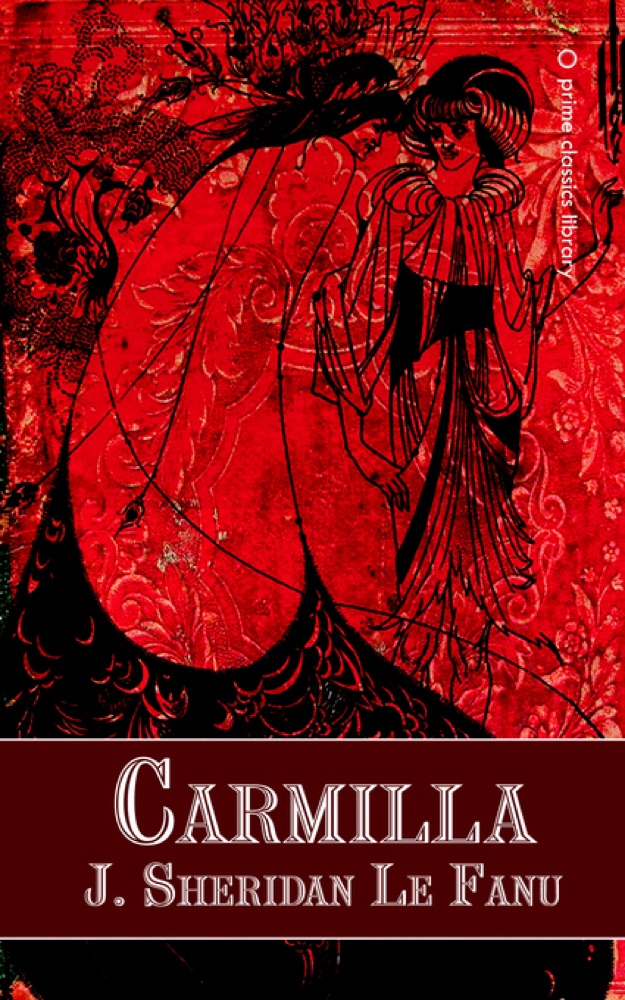 Carmilla
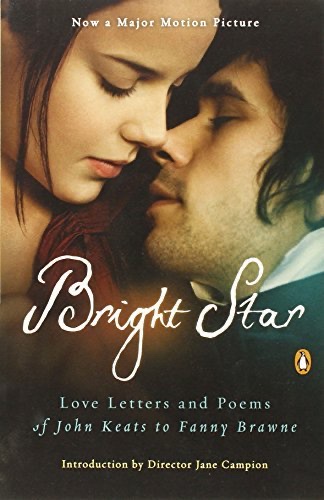 Bright Star: Love Letters and Poems of John Keats to Fanny Brawne
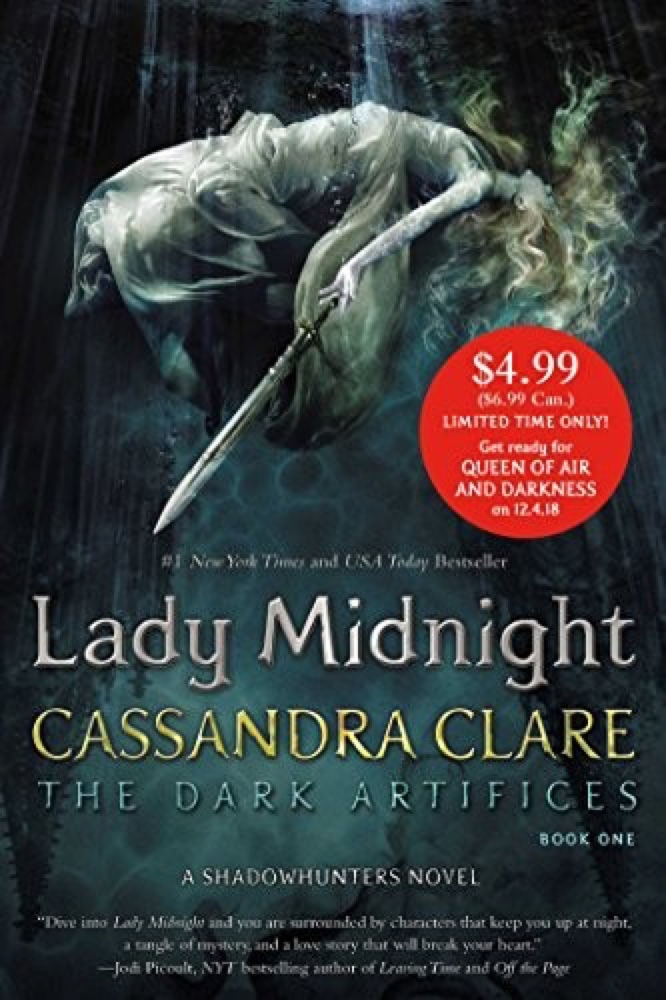 Lady Midnight
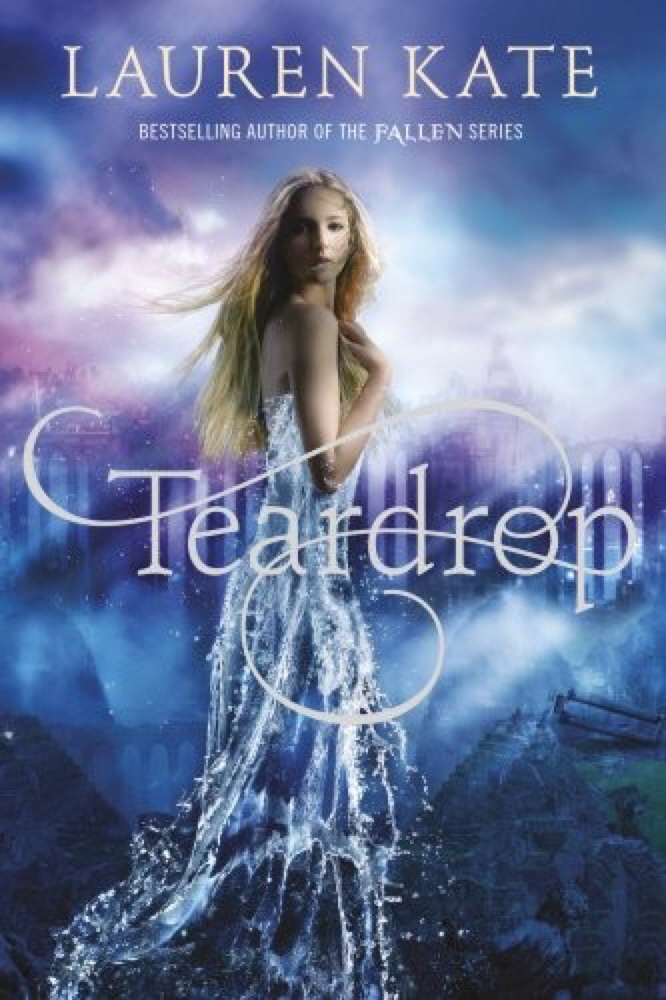 Teardrop
 Play the Piano Drunk Like a Percussion Instrument Until the Fingers Begin to Bleed a Bit
 Gabriel's Inferno
 Stardust
 North and South
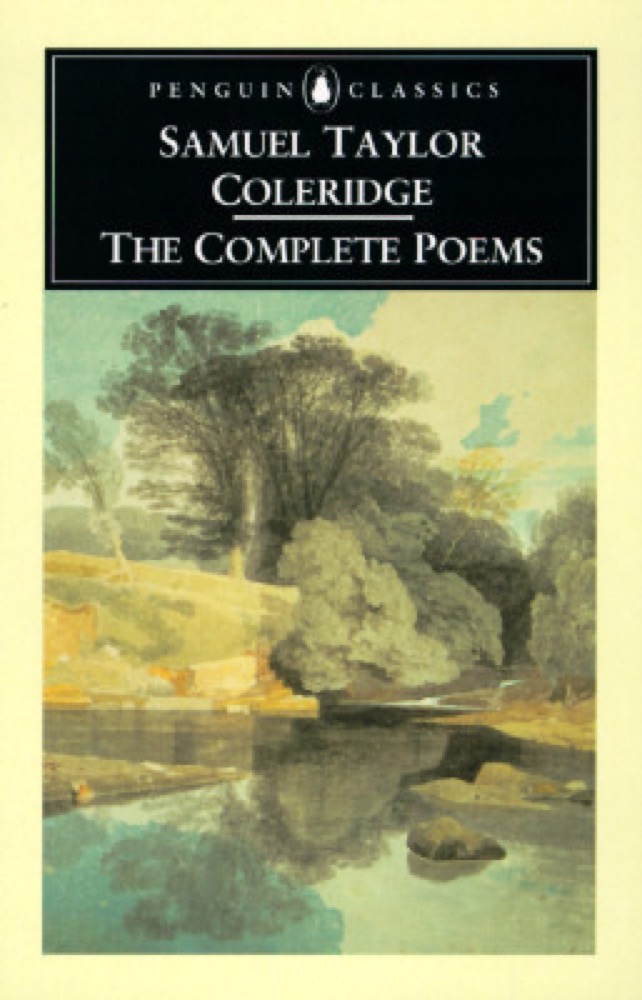 The Complete Poems
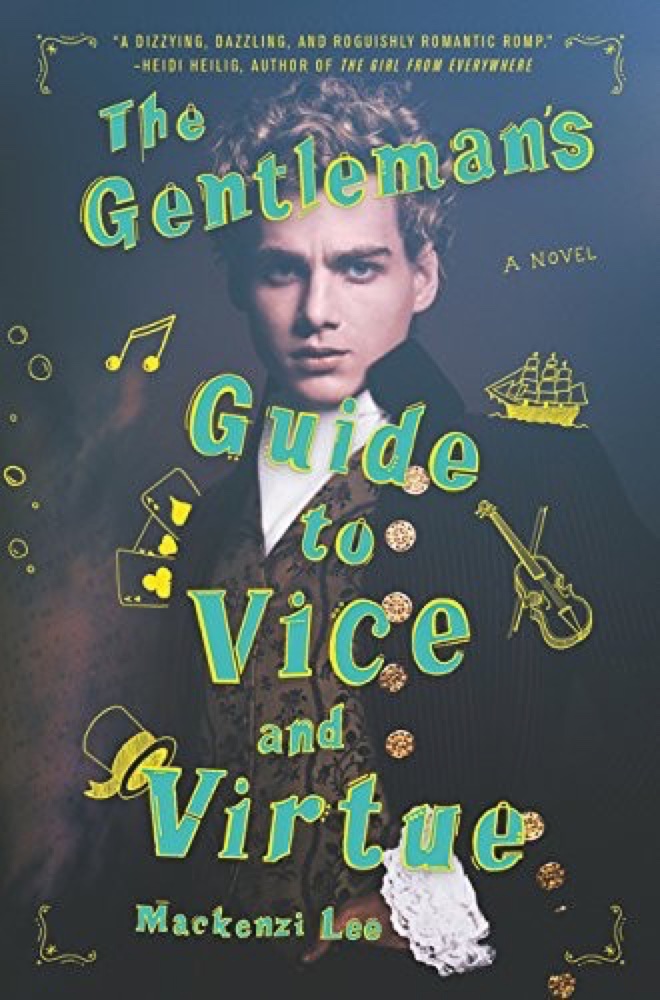 The Gentleman's Guide to Vice and Virtue
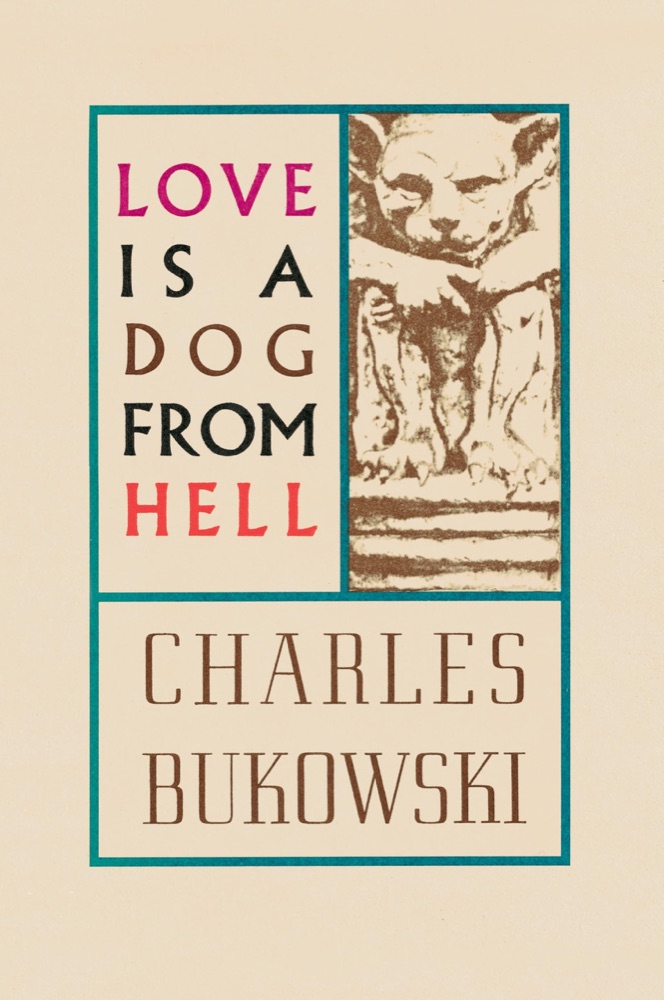 Love Is a Dog from Hell
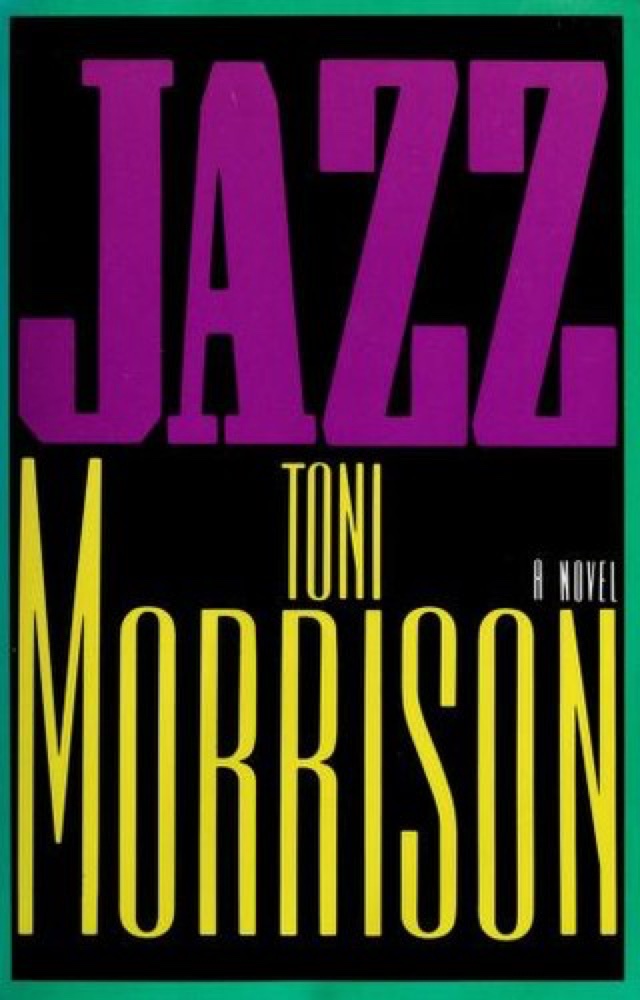 Jazz
Jazz
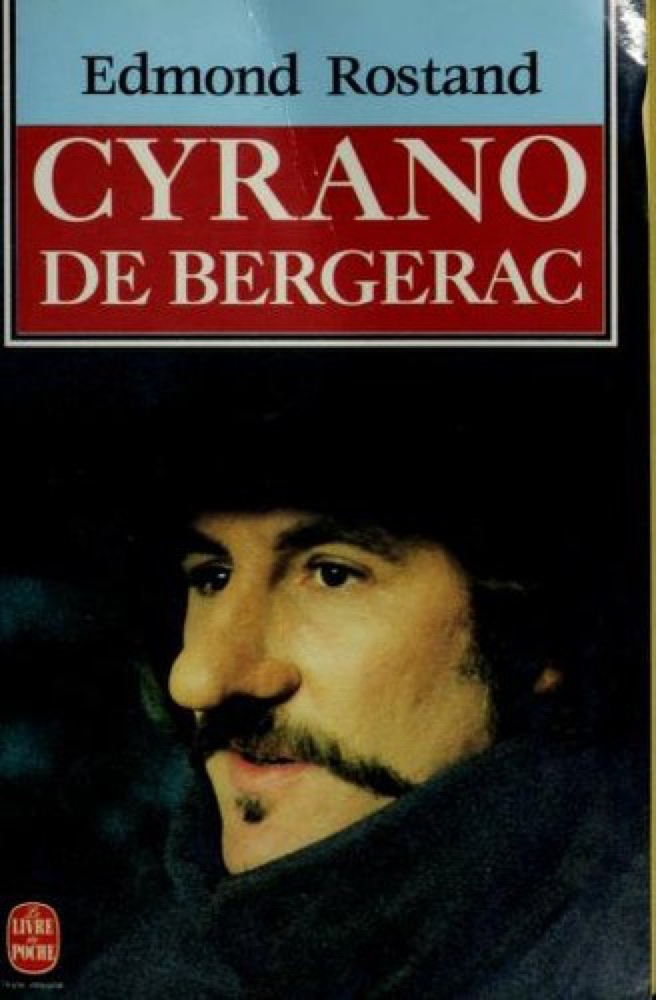 Cyrano de Bergerac
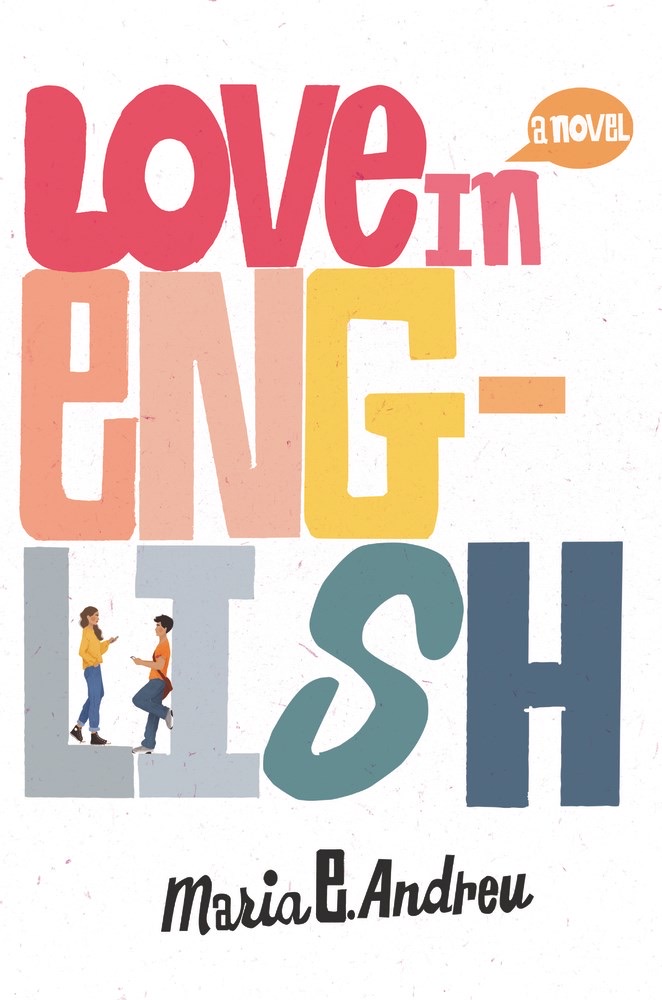 Love, in English
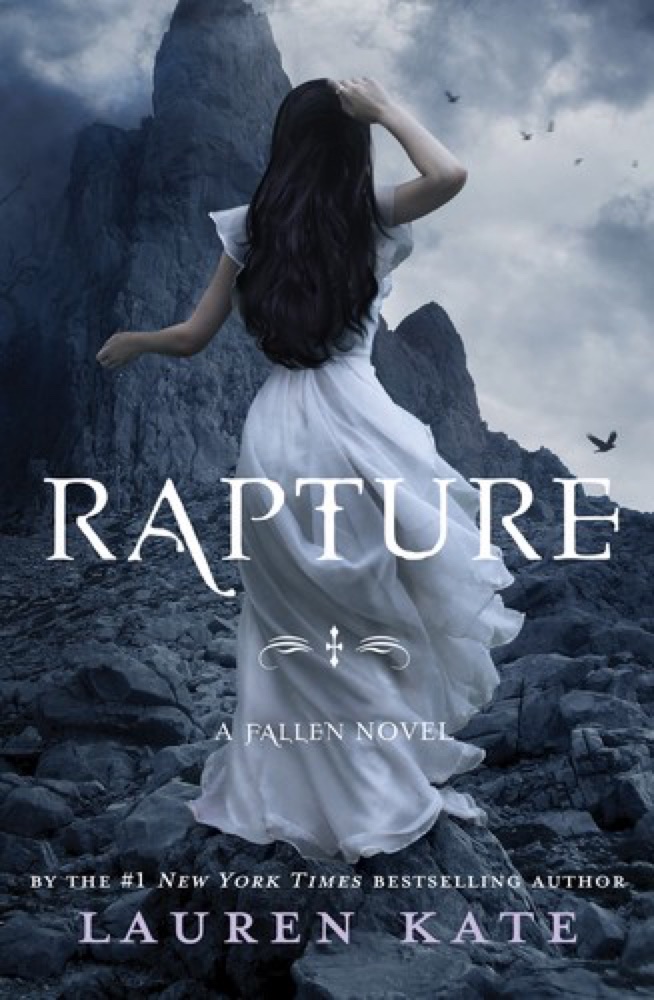 Rapture
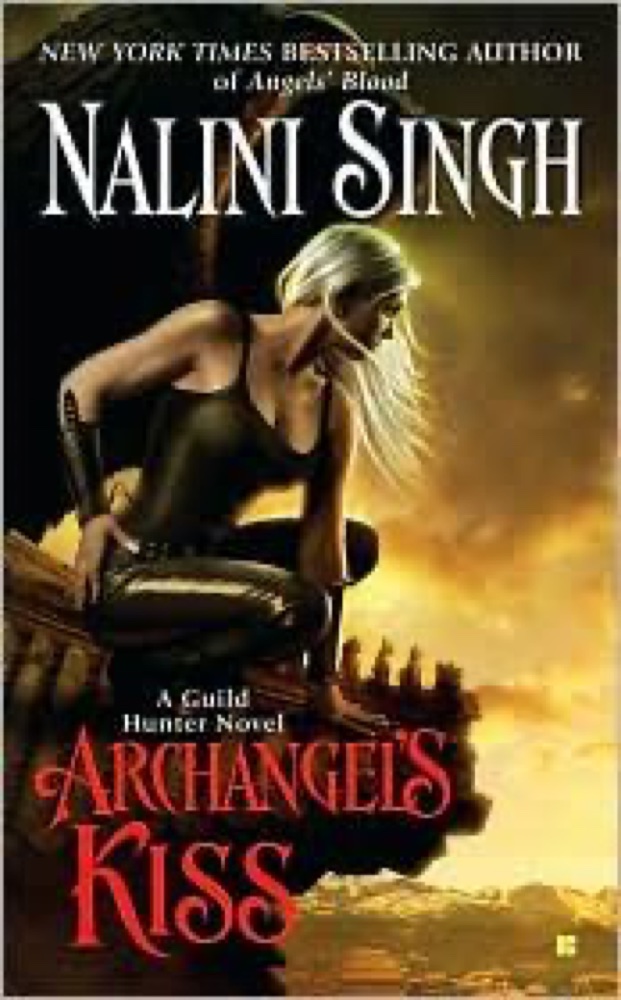 Archangel's Kiss
 The Bitter Kingdom
 Dreams of Gods & Monsters
 First Love
 Arch of Triumph
 The Siren
 The End of the Affair
 The Vampire Lestat
 The Beautiful
 Corelli's Mandolin
 Clockwork Princess