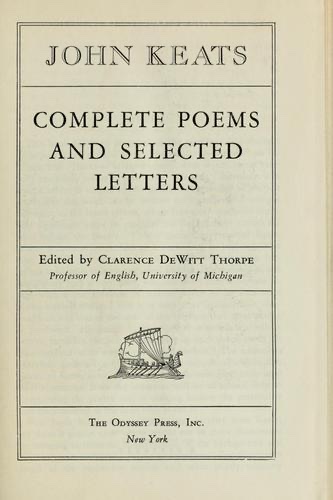
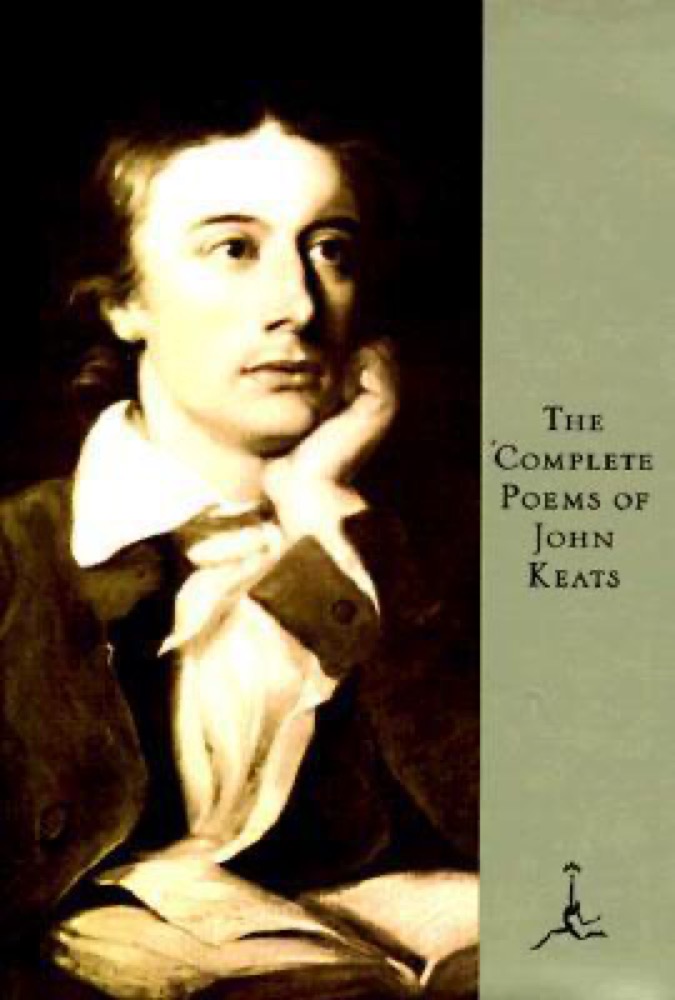
 The Complete Poems
Quotes from the Book
The excellence of every Art is its intensity.
163
Season of mists and mellow fruitfulness, Close bosom-friend of the maturing sun; Conspiring with him how to load and bless With fruit the vines that round the thatch-eves run; To bend with apples the moss’d cottage-trees, And fill all fruit with ripeness to the core; To swell the gourd, and plump the hazel shells With a sweet kernel; to set budding more, And still more, later flowers for the bees, Until they think warm days will never cease, For Summer has o’er-brimm’d their clammy cells.
44
Can death be sleep, when life is but a dream, And scenes of bliss pass as a phantom by? ---"On death
42
Darkling I listen; and, for many a time I have been half in love with easeful Death, Call'd him soft names in many a musèd rhyme, To take into the air my quiet breath.
24
Oh ye! Who have your eye-balls vexed and tired, Feast them upon the wideness of the sea
12
How beautiful, if sorrow had not made Sorrow more Beautiful than Beauty’s self.
7
In passing however I must say of one thing that has pressed upon me lately and encreased my Humility and capability of submission and that is this truth - Men of Genius are great as certain ethereal Chemicals operating on the Mass of neutral intellect - but they have not any individuality, any determined Character - I would call the top and head of those who have a proper self Men of Power.
3
The silvery tears of April? Youth of May? Or June that breathes out life for butterflies?
2
This living hand, now warm and capable Of earnest grasping, would, if it were cold And in the icy silence of the tomb, So haunt thy days and chill thy dreaming nights That thou would wish thine own heart dry of blood So in my veins red life might stream again, And thou be conscience-calmed—see here it is— I hold it towards you. These lines were written by someone who knew, at the moment of writing, that the “warm” hand with which he could touch another person would soon be “cold” and unable to grasp anyone, anything. He reaches out for contact because he can’t stand it. He is distraught, enraged, terrified. He would prove to you, whoever “you” are, that he still exists: “see here it is,” he declares, interrupting himself, urgently holding out his hand: “I hold it towards you.” The fury behind this gesture is immense—the fury of the desire to live, the fury of the consciousness of death, the fury that some love might have assuaged all this suffering. Keats keeps the desperation going in this lyric: he embodies it in a Shakespearean rhetoric. The desperation gives voltage to the well-wrought lines, almost lifting them off the page, almost scorching them. I hear it in the beseeching, agonized, infuriated voice. I feel it incarnated in the physical image of his once-living hand. He holds his hand toward you—toward each of us—in a fierce and plaintive gesture of poetry that tries to go beyond poetry. One imagines his hand moving furiously across the page and then suddenly stopping. The truth was intolerable. The reality that his actual hand would be replaced by these living lines of poetry seems to have given him no comfort. Still, these lines must carry as much of him as possible now; they are all that is left. The poet perceived this in advance. He gave his word for it.
1
I’ll feel my heaven anew,
1
Watch on YouTube
About John Keats
We have collected 52 quotes from 3 books by John Keats on BookQuoters.
More about the author →More by John Keats
The Complete Poems
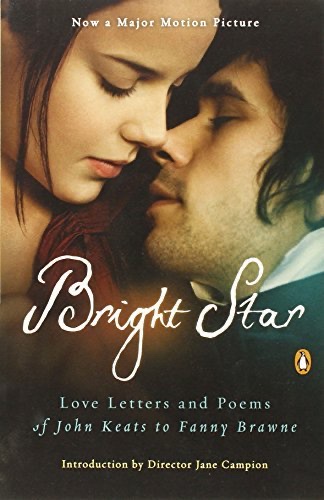 Bright Star: Love Letters and Poems of John Keats to Fanny Brawne
About the book
'I think I shall be among the English Poets after my death,' John Keats soberly prophesied in 1818 as he started writing the blankverse epic Hyperion. Today he endures as the archetypal Romantic genius who explored the limits of the imagination and celebrated the pleasures of the senses but suffered a tragic early death. Edmund Wilson counted him as 'one of the half dozen greatest English writers,' and T. S. Eliot has paid tribute to the Shakespearean quality of Keats's greatness. Indeed, his work has survived better than that of any of his contemporaries the devaluation of Romantic poetry that began early in this century. This Modern Library edition contains all of Keats's magnificent 'Lamia,' 'Isabella,' and 'The Eve of St. Agnes'; his sonnets and odes; the allegorical romance Endymion; and the five-act poetic tragedy Otho the Great. Presented as well are the famous posthumous and fugi
Book details
- First published
- 1975
- Author
- John Keats
- Genre
- Literature
- Goodreads rating
- 4.35 (2k ratings)
Keep reading
The Complete Poems
 The Complete Poems
 Phantastes
 The Complete Poems of Emily Dickinson
 The Complete Poems
 The Collected Poems of W.B. Yeats
 Lyrical Ballads
 100 Selected Poems
 Collected Poems
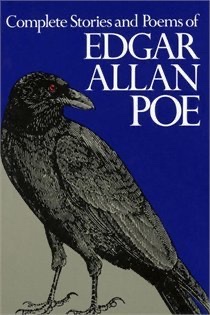 The Complete Stories and Poems
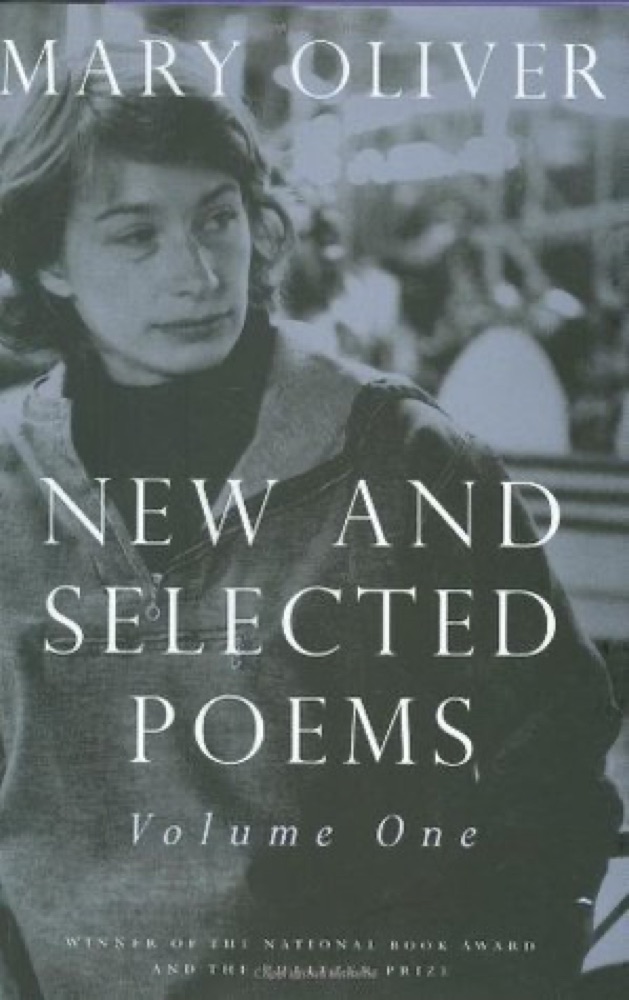 New and Selected Poems, Vol. 2
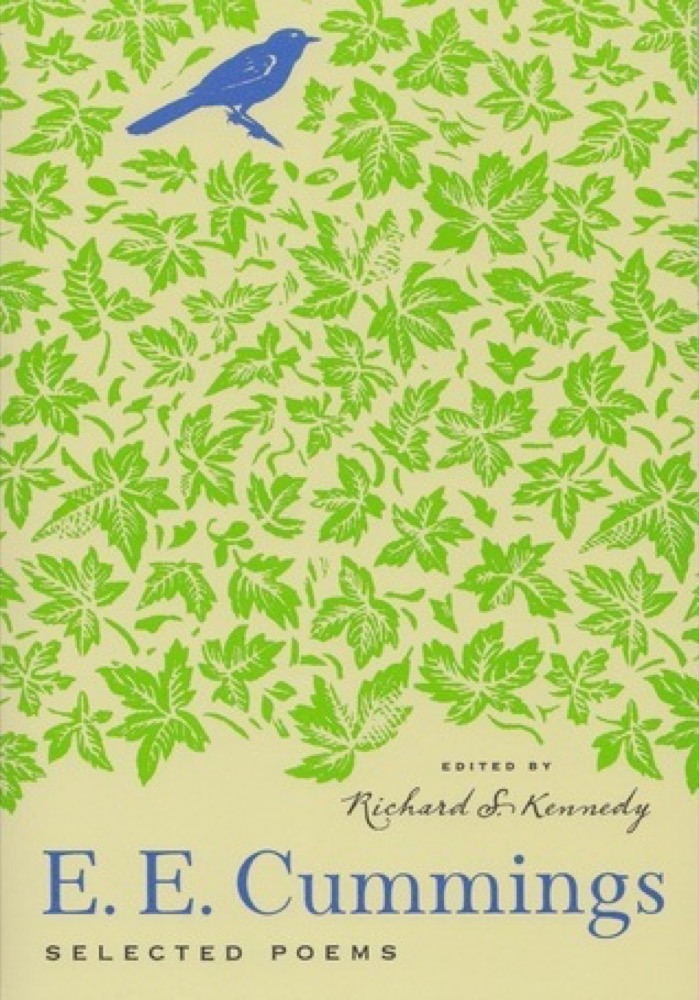 Selected Poems
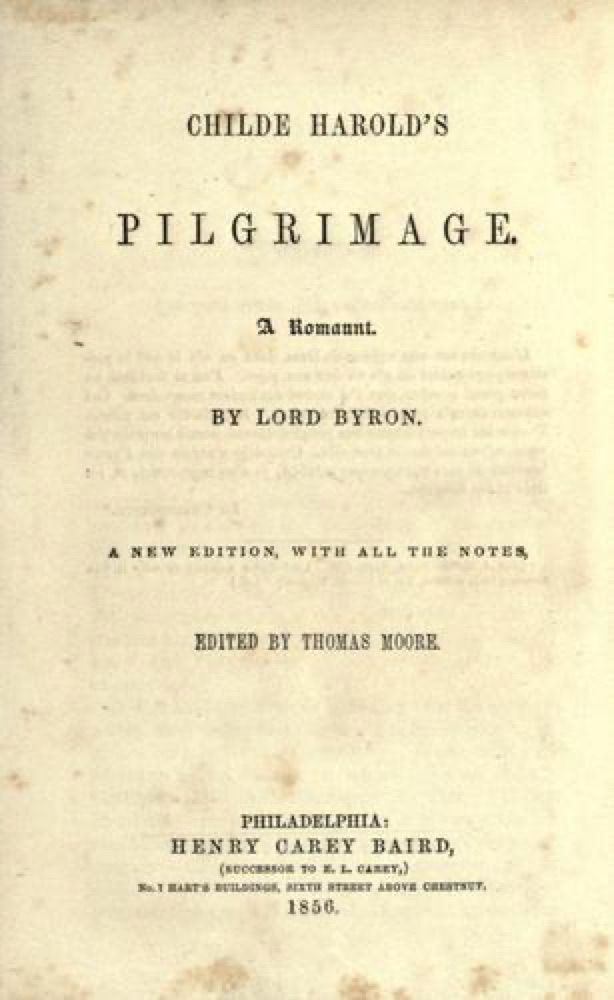 Childe Harold's Pilgrimage
 The Selected Poetry of Rainer Maria Rilke
 Gitanjali
 The Complete English Poems
 Thirst
 The Complete Poetry and Selected Prose
 The Collected Poems of Emily Dickinson
 Red Bird
 Selected Poems
 Spring and All
 The Last Man
 Les Fleurs du Mal
 The Collected Poems
 Selected Stories
 Sonnets to Orpheus
 Howl and Other Poems
 The Complete Works
 Selected Poems
 Oblomov
 The Three-Cornered World
 The Prelude
 A Portrait of the Artist as a Young Man
 The Tale of Genji
 Complete Poems
 Les Misérables
 Swann's Way
 Precious Bane
 Doctor Zhivago
 A Shropshire Lad
 Purgatorio
 Villette
 Meditations in an Emergency
 Shakespeare's Sonnets
 Speak, Memory
 Don Juan
 In Search of Lost Time
Bright Star: Love Letters and Poems of John Keats to Fanny Brawne
In Search of Lost Time
Bright Star: Love Letters and Poems of John Keats to Fanny Brawne
 Wind, Sand and Stars
 Narcissus and Goldmund
 A Soldier of the Great War
 Sonnets from the Portuguese
 The Story of My Life
 Ulysses
 Paradiso
 Duino Elegies
 The Stories of Vladimir Nabokov
 The Divine Comedy
 Johnny Panic and the Bible of Dreams: Short Stories, Prose and Diary Excerpts