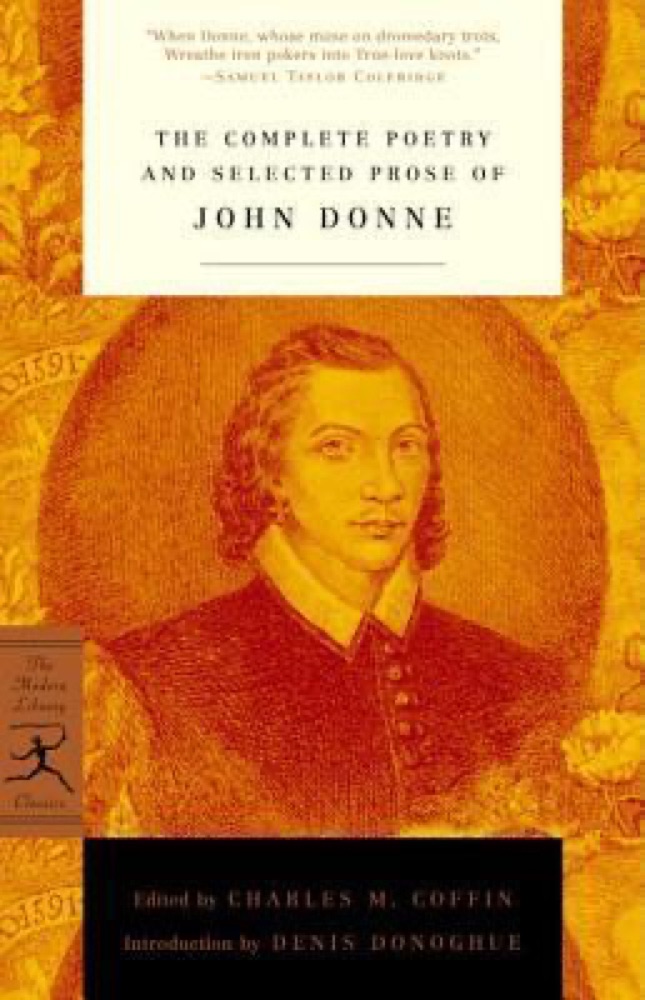
 The Complete Poetry and Selected Prose
Quotes from the Book
I am two fools, I know, For loving, and for saying so.
367
Licence my roving hands, and let them go Before, behind, between, above, below.
153
Love, built on beauty, soon as beauty, dies.
127
The Good-Morrow I wonder by my troth, what thou, and I Did, till we lov'd? Were we not wean'd till then? But suck'd on countrey pleasures, childishly? Or snorted we in the seaven sleepers den? T'was so; But this, all pleasures fancies bee. If ever any beauty I did see, Which I desir'd, and got, 'twas but a dreame of thee. And now good morrow to our waking soules, Which watch not one another out of feare; For love, all love of other sights controules, And makes one little roome, an every where. Let sea-discoverers to new worlds have gone, Let Maps to other, worlds on worlds have showne, Let us possesse one world; each hath one, and is one. My face in thine eye, thine in mine appeares, And true plaine hearts doe in the faces rest, Where can we finde two better hemispheares Without sharpe North, without declining West? What ever dyes, was not mixed equally; If our two loves be one, or, thou and I Love so alike, that none doe slacken, none can die.
82
And to 'scape stormy days, I choose an everlasting night.
79
My face in thine eye, thine in mine appeares, And true plaine hearts doe in the faces rest, Where can we finde two better hemispheares Without sharpe North, without declining West? What ever dyes, was not mixt equally; If our two loves be one, or, thou and I Love so alike, that none doe slacken, none can die.
74
Up then, fair phoenix bride, frustrate the sun; Thyself from thine affection Takest warmth enough, and from thine eye All lesser birds will take their jollity. Up, up, fair bride, and call Thy stars from out their several boxes, take Thy rubies, pearls, and diamonds forth, and make Thyself a constellation of them all; And by their blazing signify That a great princess falls, but doth not die. Be thou a new star, that to us portends Ends of much wonder; and be thou those ends.
71
Love's mysteries in souls do grow, But yet the body is his book.
70
Here lies a she sun, and a he moon there; She gives the best light to his sphere; Or each is both, and all, and so They unto one another nothing owe; And yet they do, but are So just and rich in that coin which they pay, That neither would, nor needs forbear, nor stay; Neither desires to be spared nor to spare. They quickly pay their debt, and then Take no acquittances, but pay again; They pay, they give, they lend, and so let fall No such occasion to be liberal. More truth, more courage in these two do shine, Than all thy turtles have and sparrows, Valentine.
45
The day breaks not: it is my heart.
38
A bride, before a "Good-night" could be said, Should vanish from her clothes into her bed, As souls from bodies steal, and are not spied. But now she's laid; what though she be? Yet there are more delays, for where is he? He comes and passeth through sphere after sphere; First her sheets, then her arms, then anywhere. Let not this day, then, but this night be thine; Thy day was but the eve to this, O Valentine.
29
True and false fears let us refrain, Let us love nobly, and live, and add again Years and years unto years, till we attain To write threescore: this is the second of our reign.
26
Love, all alike, no season knows nor clime, Nor hours, days, months, which are the rags of time.
25
How blest am I in this discovering thee! To enter in these bonds is to be free; Then where my hand is set, my seal shall be. Full nakedness! All joys are due to thee, As souls unbodied, bodies unclothed must be
21
If our two loves be one, or, thou and I Love so alike, that none do slacken, none can die.
21
Only our love hath no decay; This no tomorrow hath, nor yesterday, Running it never runs from us away, But truly keeps his first, last, everlasting day.
14
Love is a growing, or full constant light, And his first minute, after noon, is night.
13
This is joy's bonfire, then, where love's strong arts Make of so noble individual parts One fire of four inflaming eyes, and of two loving hearts.
13
I long to talk with some old lover’s ghost Who died before the god of Love was born.
8
I Wilt thou forgive that sin where I begun, Which was my sin, though it were done before? Wilt thou forgive that sin, though which I run, And do run still: though still I do deplore? When thou hast done, thou hast not done, For, I have more. II Wilt thou forgive that sin which I have won Others to sin? And, made my sin their door? Wilt thou forgive that sin which I did shun A year, or two: but wallowed in, a score? When thou hast done, thou hast not done, For I have more. III I have a sin of fear, that when I have spun My last thread, I shall perish on the shore; But swear by thy self, that at my death thy son Shall shine as he shines now, and heretofore; And, having done that, thou hast done, I fear no more.
7
Annunciation Salvation to all that will is nigh; That All, which always is all everywhere, Which cannot sin, and yet all sins must bear, Which cannot die, yet cannot choose but die, Lo, faithful virgin, yields Himself to lie In prison, in thy womb; and though He there Can take no sin, nor thou give, yet He will wear, Taken from thence, flesh, which death's force may try. Ere by the spheres time was created, thou Wast in His mind, who is thy Son and Brother; Whom thou conceivst, conceived; yea thou art now Thy Maker's maker, and thy Father's mother; Thou hast light in dark, and shuts in little room, Immensity cloistered in thy dear womb.
7
I sing the progress of a deathless soul, Whom Fate, which God made, but doth not control, Placed in most shapes; all times before the law Yoked us, and when, and since, in this I sing. And the great world to his aged evening, From infant morn, through manly noon I draw.
5
Thy sins and hairs may no man equal call, for as thy sins increase, thy hairs do fall.
5
GO AND CATCH A FALLING STAR.
4
I think it mercy if Thou wilt forget.
4
Twice or thrice had I loved thee, Before I knew thy face or name; So in a voice, so in a shapeless flame, Angels affect us oft, and worshipped be; Still when, to where thou wert, I came, Some lovely glorius nothing I did see, But since my soul, whose child love is, Takes limbs of flesh, and else could nothing do, More subtle than a parent is Love must not be, but take a body too, And therefore what thou wert, and who I bid love ask, and now That it assume thy body, I allow, And fix itself in thy lip, eye, and brow.
3
Contemplative and bookish men must of necessity be more quarrelsome than others, because neither do they contend about matters of fact nor can they determine their controversies by any certain witnesses or judges.
3
Send me nor this, nor that, to increase my store, But swear thou think'st I love thee, and no more.
3
Let not my minde be blinder by more light Nor Faith by Reason added, lose her sight.
2
Love was so subtilly catch'd, as a disease; But being got it is a treasure sweet, Which to defend is harder then to get: And ought not be prophan'd on either part, For though 'tis got by chance, 'tis kept by art.
2
Watch on YouTube
About John Donne
We have collected 39 quotes from 2 books by John Donne on BookQuoters.
More about the author →More by John Donne
The Complete Poetry and Selected Prose
About the book
Yet it is only this century that Donne has been indisputably established as a great poet—and even, many feel, the greatest love poet of them all. Jonson went on to remark that 'That Donne, for not keeping of an accent, deserved hanging', yet Donne's rhythms, once thought 'unmusical' are now recognized as the natural rhythms of the speaking voice; his 'eccentricity' as a complex self-doubt; his 'obscurity' the reflection of a brilliantly learned and allusive mind. Poets such as Eliot and Empson have found Donne's poetry profoundly attuned to our modern age, while Yeats' glowing comment will always be true: 'the intricacy and subtlety of his imagination are the length and depth of the furrow made by his passion.'
This volume, superbly edited by Professor Smith, is the first complete edition to make a serious attempt to guide the reader closely through the complexities of Donne's poetry
Book details
- First published
- 1633
- Author
- John Donne
- Genre
- Literature
- Goodreads rating
- 4.15 (10k ratings)
Keep reading
 The Two Gentlemen of Verona
The Complete Poetry and Selected Prose
The Two Gentlemen of Verona
The Complete Poetry and Selected Prose
 Venus and Adonis
 Shakespeare's Sonnets
 Sonnets from the Portuguese
 100 Selected Poems
 The Letters of Abélard and Héloïse
 The Complete Poems
 Collected Poems
 The Complete Poems of Emily Dickinson
 Confessions
 Les Misérables
 Purgatorio
 Gitanjali
 Don Juan
 Phantastes
 A Shropshire Lad
 Our Mutual Friend
 The Collected Poems of W.B. Yeats
 Childe Harold's Pilgrimage
 Selected Poems
 Paradiso
 De Profundis
 The Complete Poems
 Evidence: Poems
 Ben-Hur: A Tale of the Christ
 The Conference of the Birds
 Les Fleurs du Mal
 Songs of Innocence and of Experience
 Faust
Faust
 Villette
 The Complete Poems
 Complete Poems
 Paradise Lost
 The Divine Comedy
 Jane Eyre
 The Prophet
 The Spanish Tragedy
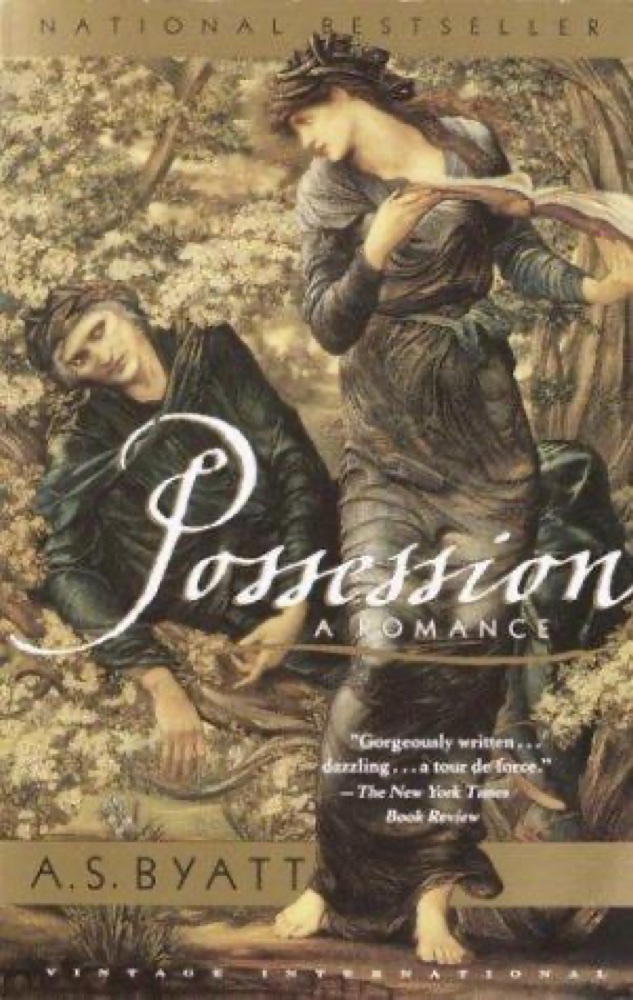 Possession
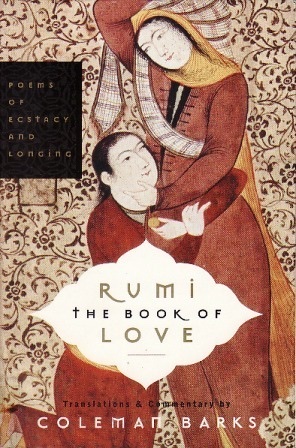 The Book of Love: Poems of Ecstasy and Longing
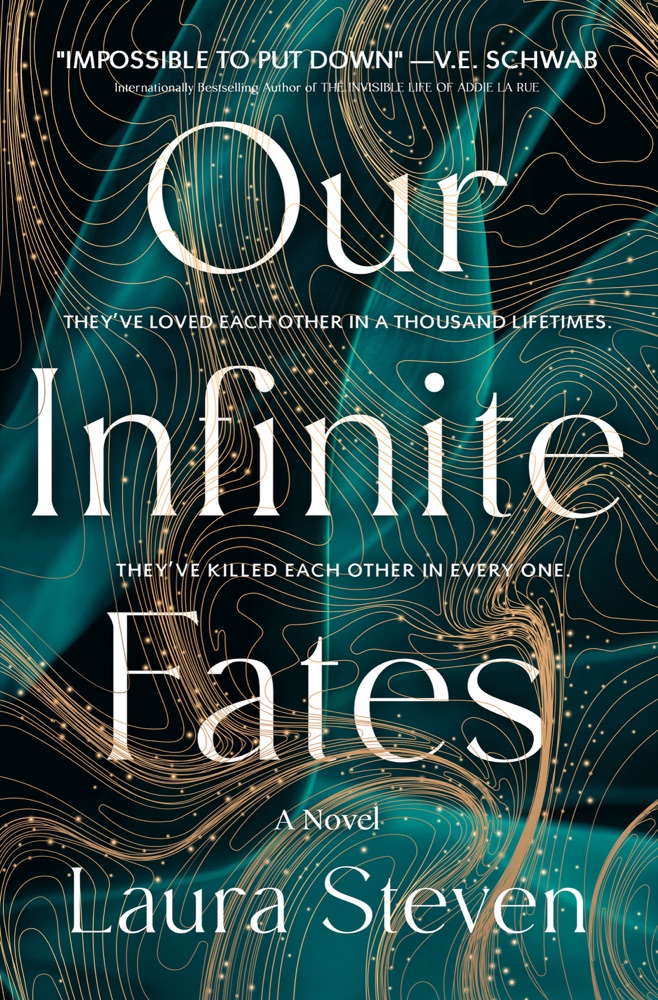 Our Infinite Fates
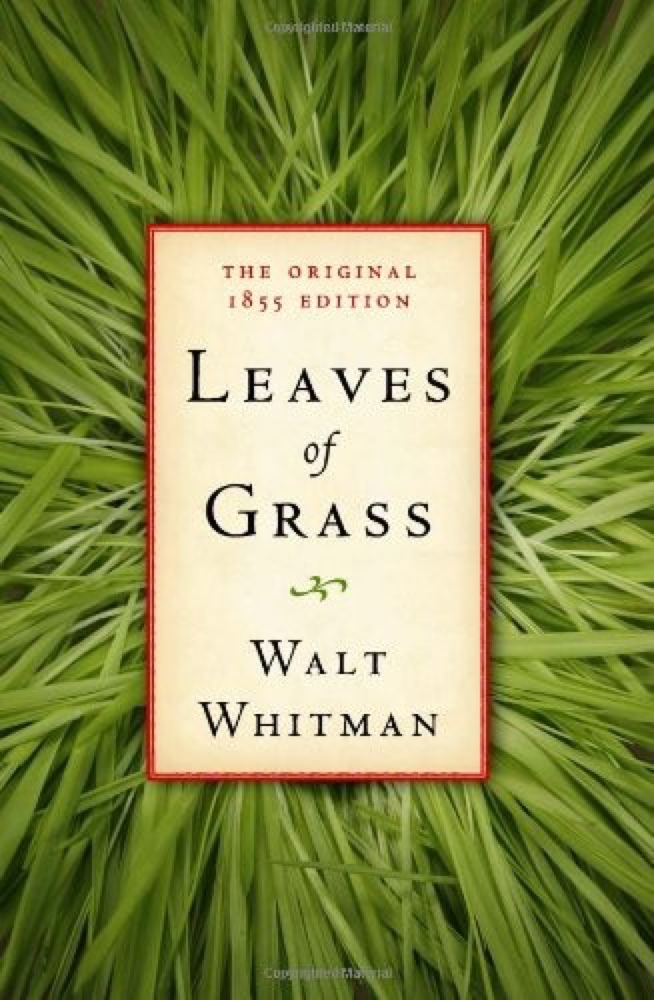 Leaves of Grass
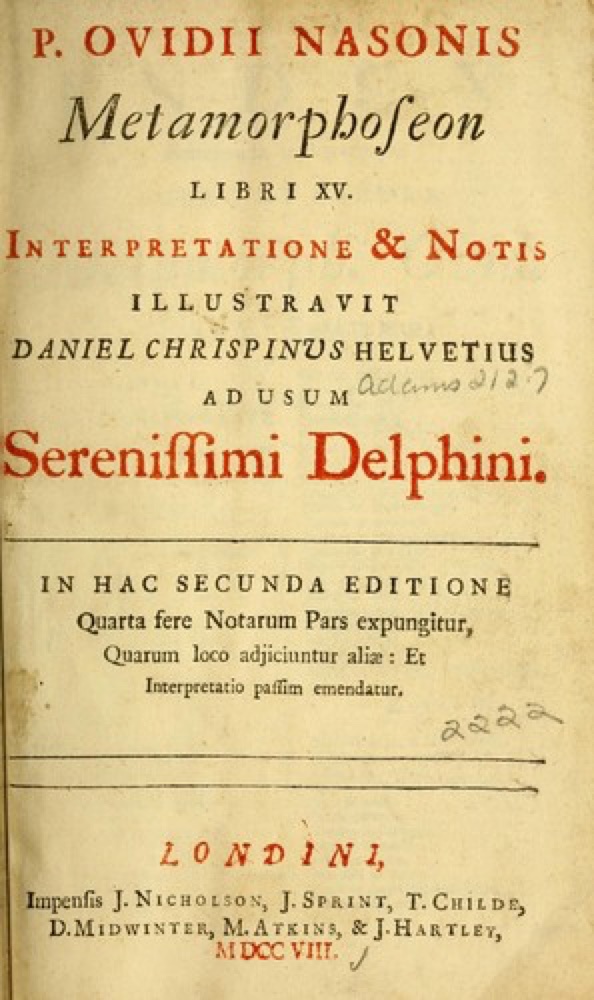 Metamorphoses
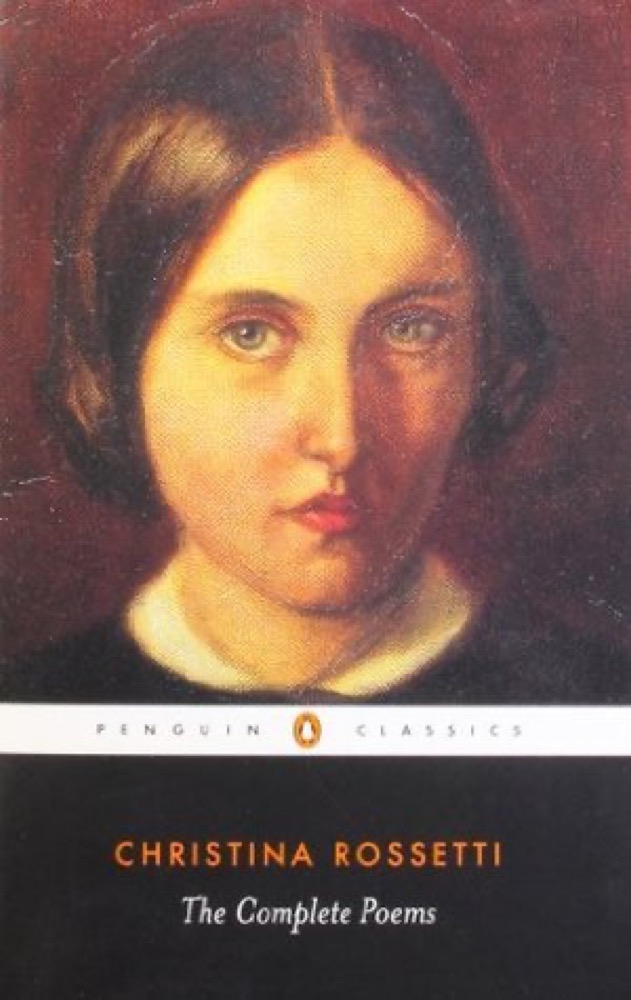 The Complete Poems
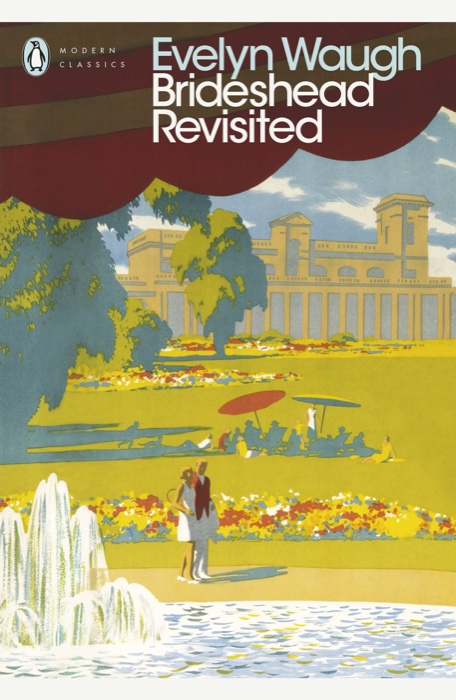 Brideshead Revisited: The Sacred and Profane Memories of Captain Charles Ryder
 Oblomov
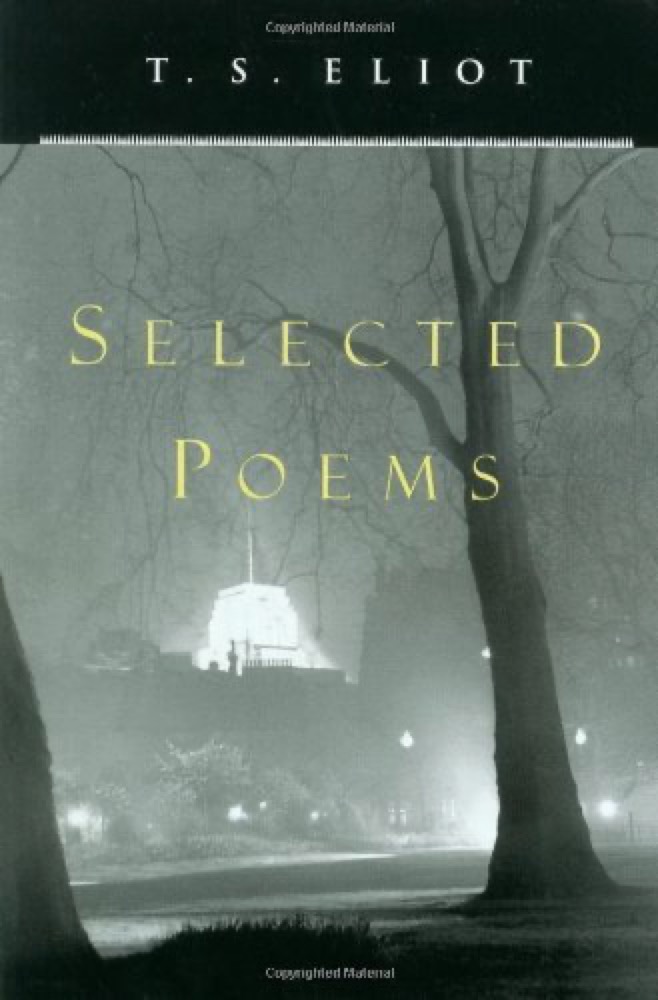 Selected Poems
 The Fiery Cross
 The Symposium
 Wuthering Heights
 The Complete Poems
 Clarissa, or, the History of a Young Lady
 Poems New and Collected
 Selected Poems
 Thirst
 The Brothers Karamazov
 Complete Poems and Selected Letters
 Beneath a Marble Sky
 Sonnets to Orpheus
 The Gift