
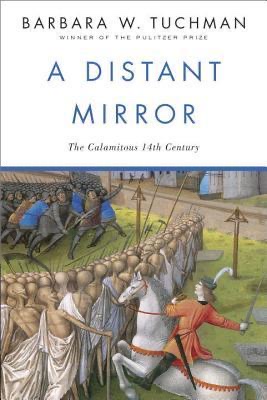
 A Distant Mirror: The Calamitous 14th Century
Quotes from the Book
We, at the present day, can hardly understand the keenness with which a fur coat, a good fire on the hearth, a soft bed, a glass of wine, were formerly enjoyed.
4
Is it surprising that the people could see their fate and that of the world only as an endless succession of evils? Bad governance, exactions, the cupidity and violence of the great, wars and brigandage, scarcity, misery and pestilence—to this is contemporary history nearly reduced in the eyes of the people. The feeling of general insecurity which was caused by the chronic form wars were apt to take, by the constant menace of the dangerous classes, by the mistrust of justice, was further aggravated by the obsession of the coming end of the world, and by the fear of hell, of sorcerers and of devils. The background of all life in the world seems black. Satan covers a gloomy earth with his somber wings.
3
An abundance of pictorial fancy, after all, furnished the simple mind quite as much matter for deviating from pure doctrine as any personal interpretation of Holy Scripture.
2
All the best elements of patriotism—the spirit of sacrifice, the desire for justice and protection for the oppressed—sprouted in the soil of chivalry. It is in the classic country of chivalry,
1
Quarrels and acts of violence go hand in hand with the ceremonious abdication of all pride, of which they are the reverse. Noble families disputed fiercely for that same precedence in church by which they courteously pretended to set little store.
1
Watch on YouTube
About Johan Huizinga
We have collected 5 quotes from 1 book by Johan Huizinga on BookQuoters.
More about the author →About the book
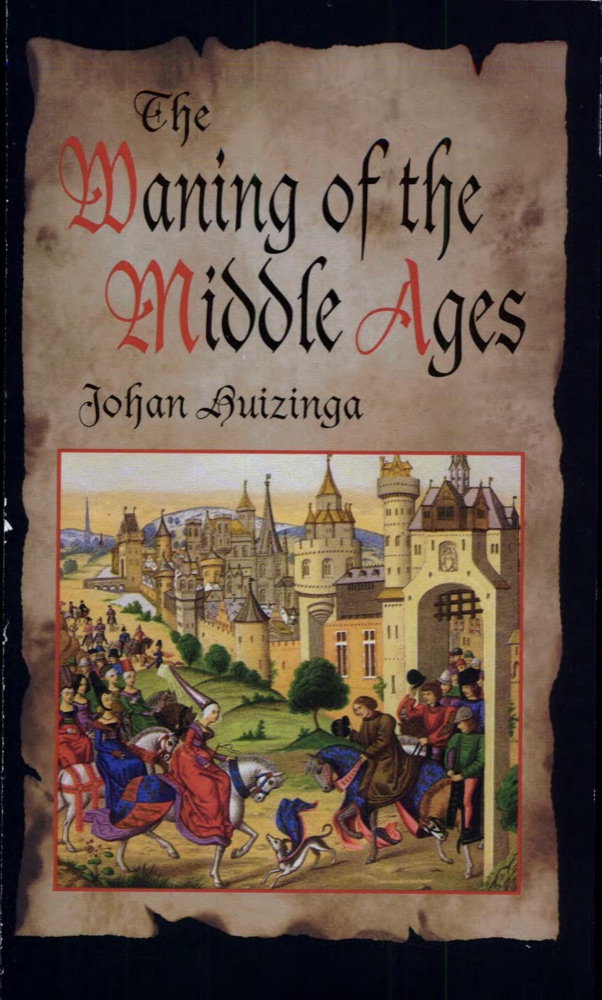
This classic study of art, life, and thought in France and the Netherlands during the fourteenth and fifteenth centuries ranks as one of the most perceptive analyses of the medieval period. A brilliantly creative work that established the reputation of Dutch historian John Huizinga (1872-1945), the book argues that the era of diminishing chivalry reflected the spirit of an age and that its figures and events were neither a prelude to the Renaissance nor harbingers of a coming culture, but a consummation of the old.Among other topics, the author examines the violent tenor of medieval life, the idea of chivalry, the conventions of love, religious life, the vision of death, the symbolism that pervaded medieval life, and aesthetic sentiment. We view the late Middle Ages through the psychology and thought of artists, theologians, poets, court chroniclers, princes, and statesmen of the period,
Book details
- First published
- 1919
- Author
- Johan Huizinga
- Genre
- History
- Goodreads rating
- 4.02 (4k ratings)
Keep reading
A Distant Mirror: The Calamitous 14th Century
 Romola
 The Decline and Fall of the Roman Empire
 Black Lamb and Grey Falcon
 Scenes of Clerical Life
 The History of the Decline and Fall of the Roman Empire Volume I
 From Dawn to Decadence: 500 Years of Western Cultural Life, 1500 to the Present
 The House of the Seven Gables
 Our Oriental Heritage
 The Leopard
 The Swerve: How the World Became Modern
 The World of Yesterday
 Danubia: A Personal History of Habsburg Europe
 Melmoth the Wanderer
 The Discovery of India
 How the Irish Saved Civilization
 Forge of Darkness
 The Jewel in the Crown
 Barchester Towers
 Persian Letters
 Erewhon
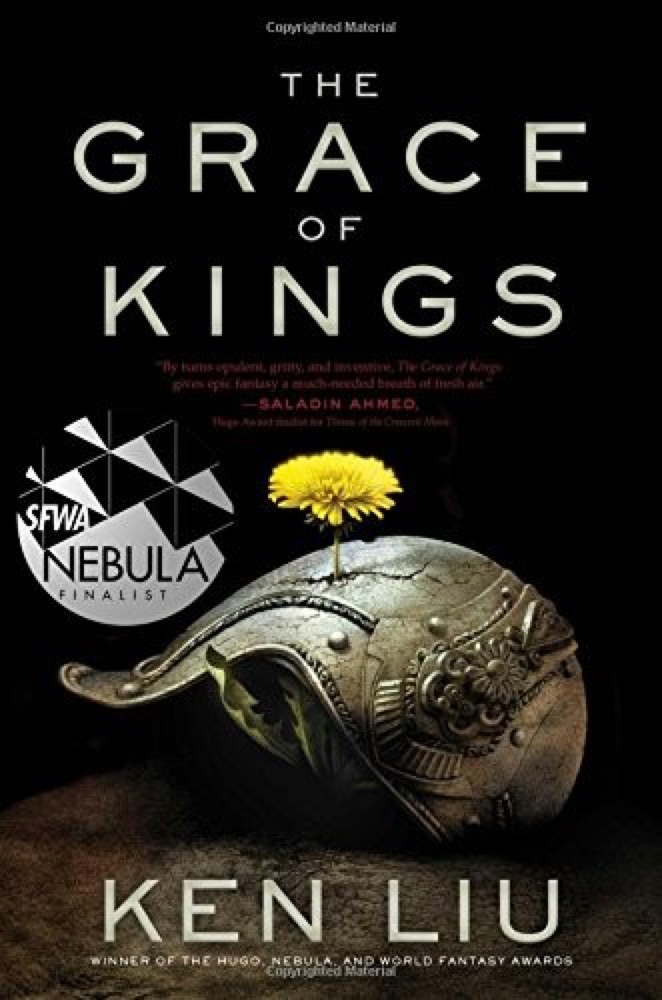 The Grace of Kings
 Victory
 The Proud Tower: A Portrait of the World Before the War, 1890-1914
 The Vicar of Wakefield
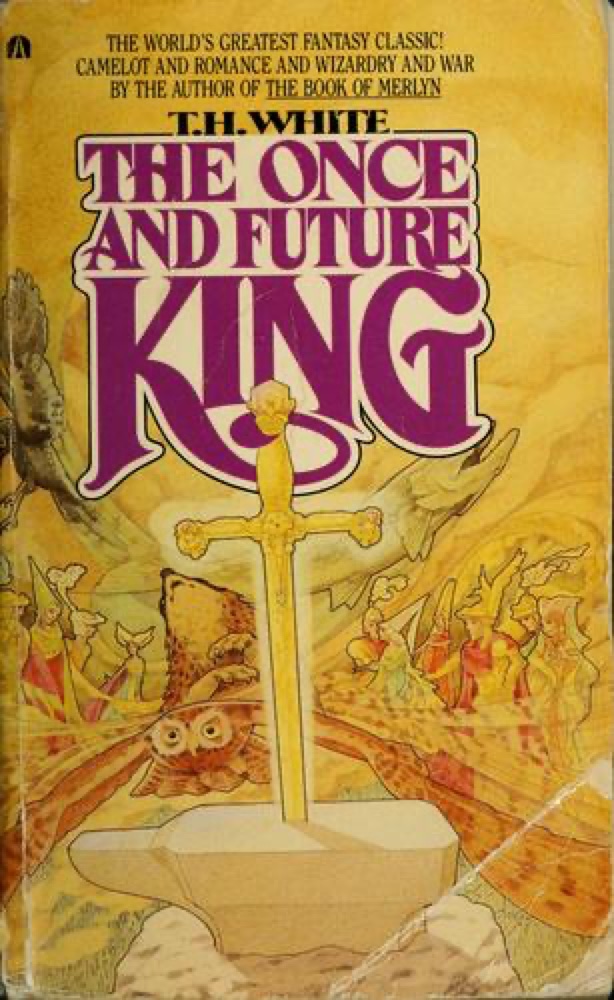 The Once and Future King
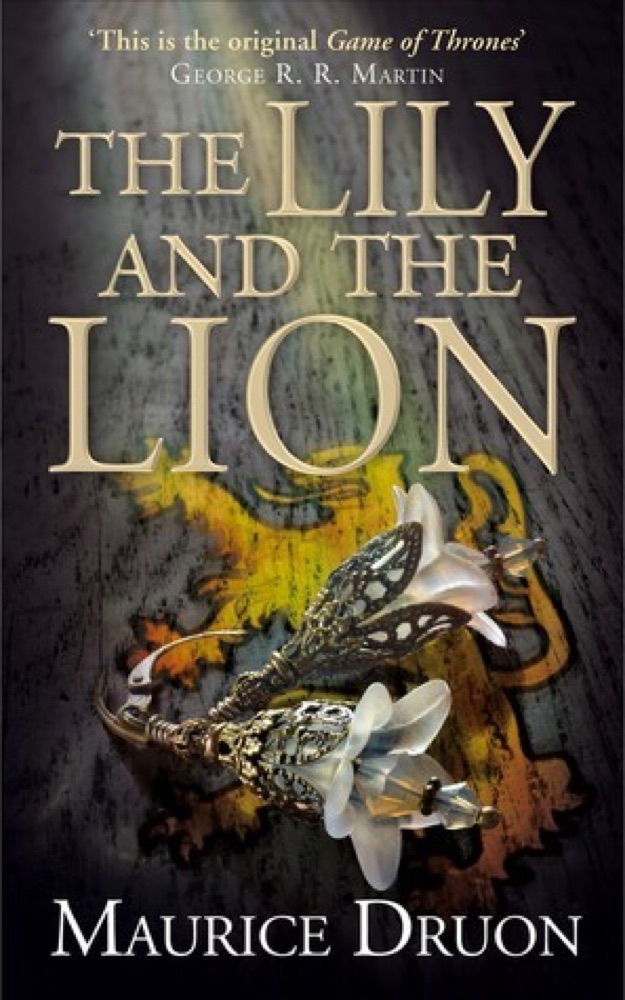 The Lily and The Lion
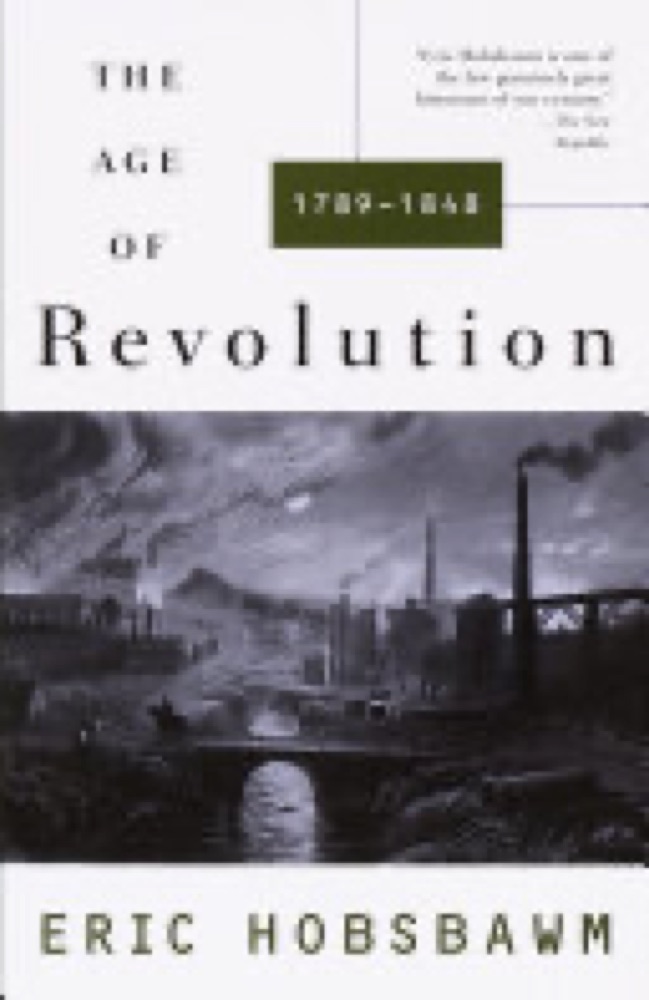 The Age of Revolution, 1789–1848
 The Blithedale Romance
 Warlock
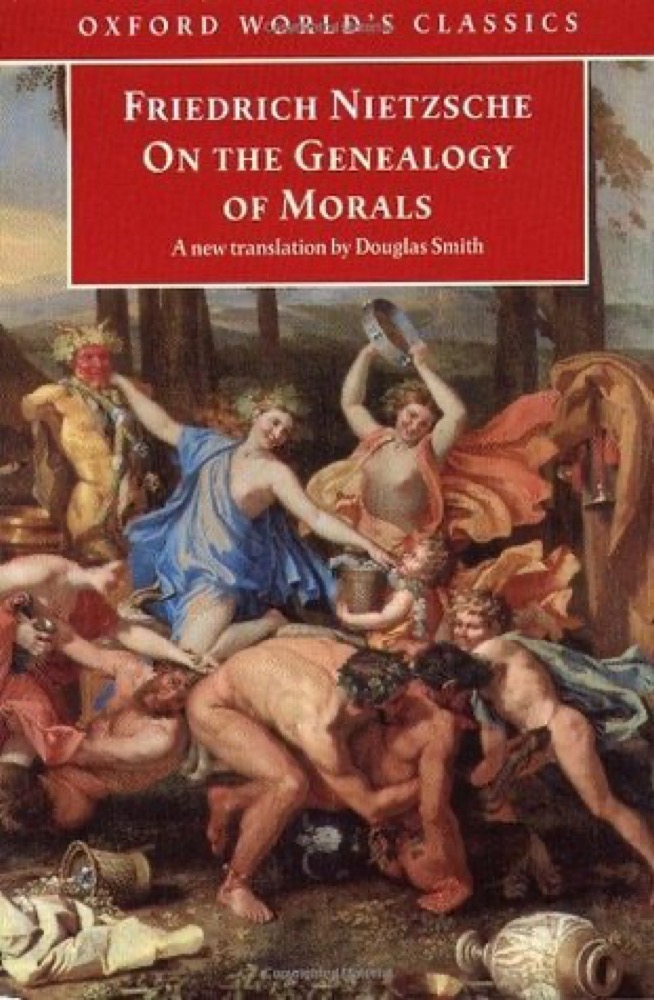 On the Genealogy of Morals
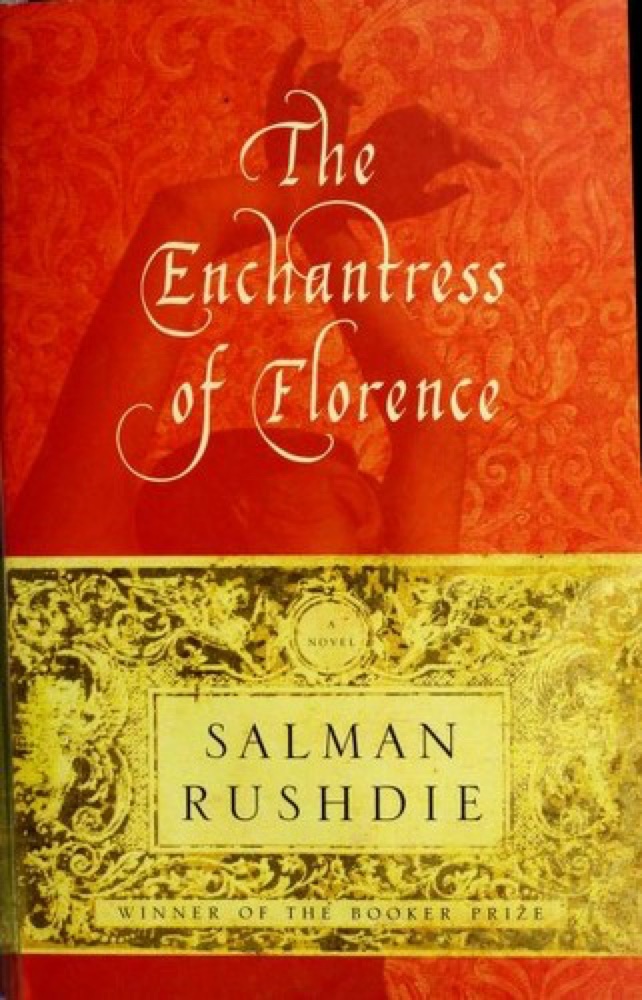 The Enchantress of Florence
 Arguably: Selected Essays
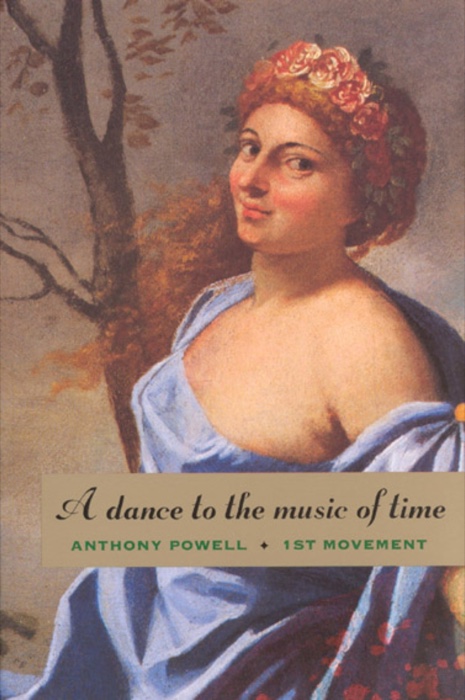 A Dance to the Music of Time: 1st Movement
 The Castle of Crossed Destinies
 The Will to Power
 Under Western Eyes
 Saint Thomas Aquinas
 The History of Tom Jones, a Foundling
 The Devils of Loudun
 The Deerslayer
 The Expedition of Humphry Clinker
 Nostromo
 The Rebel Angels
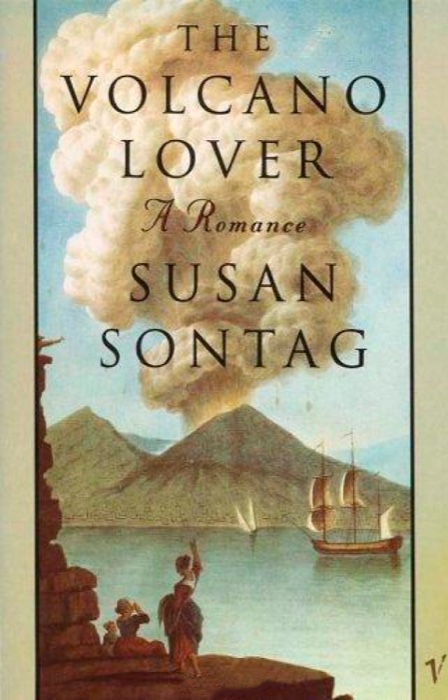 The Volcano Lover: A Romance
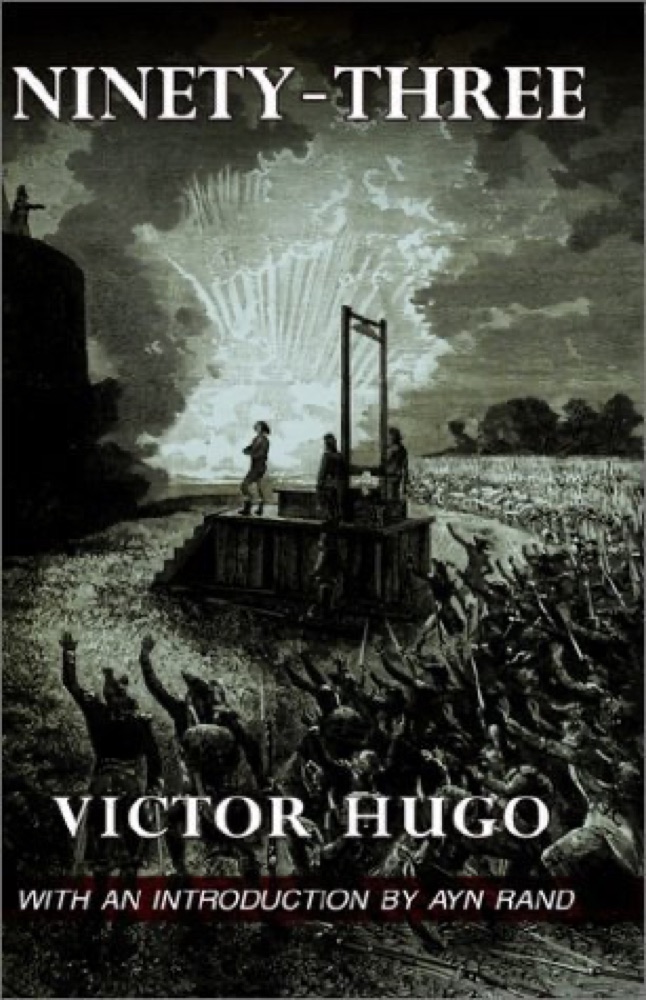 Ninety-Three
 River of Smoke
 History of the Peloponnesian War
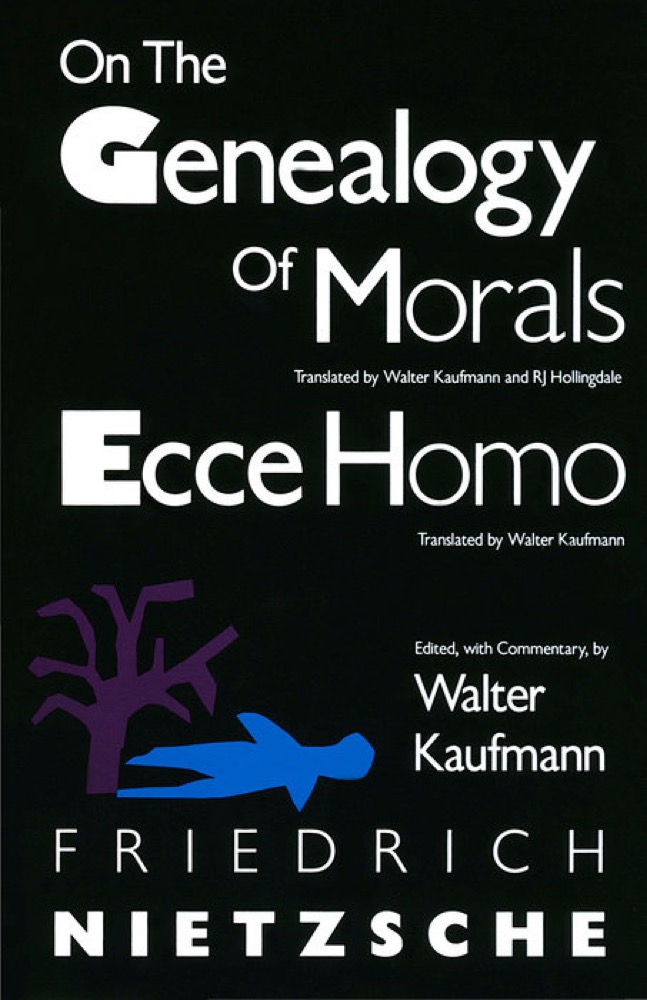 On the Genealogy of Morals/Ecce Homo
 Reflections on the Revolution in France
 Lord of the World
 The Complete Works
 Civilization and Its Discontents
 Ben-Hur: A Tale of the Christ
 The Fall of Babel
 Against Nature
 The Ministry of Fear
 Death Comes for the Archbishop
 When the Sleeper Wakes