
 The Irresistible Revolution: Living as an Ordinary Radical
Quotes from the Book
False conversions are a wart on the face of Christian evangelism.
13
...I realized how naive I was. My aunt Tina was right: this stuff does exist, and it does hurt people, and although there are lots of people at Liberty who condemn violence against gays--including Dr. Falwell himself--the number of students who want to give them the Goliath treatment isn't zero. In fact, the number who live in my room isn't zero.
6
At most schools, the social, intellectual, and spiritual components are confined to separate experiential spheres. We party, we learn, and we contemplate the metaphysical, but we rarely do all three simultaneously and en masse. Maybe most college students aren't looking for spiritual euphoria from their schools, but I can't say I blame the ones who are.
3
A Christian jerk is still a jerk.
3
As frustrating as the battle for purity must be, I suppose it's easier if you've got company.
3
i don't think college is something you should tough out.
2
Christian pop culture can be worthwhile if done well, but bad Christian pop culture isn't redeemed merely by the fact that it's Christian.
2
No community adheres completely to its stereotypes.
2
A recent survey said that 51% of Americans don't know any evangelicals – even casually.
2
If prayers emitted light, you'd see ours (Liberty students') from space.
2
In the irony-in-hindsight department, Dr. Falwell also chided Martin Luther King, Jr. in 1965 for getting involved in public advocacy, saying “preachers are not called to be politicians but soul-winners.
1
It’s hard to watch Liberty students singing along to worship songs during convocation, raising their hands and smiling beatifically, and not wonder whether they’ve tapped into something that makes their lives happier, more meaningful, more consistently optimistic than mine.
1
I’m still adjusting my mind to all the earnest God talk I’m hearing at Liberty. From time to time, it still feels like I walked onto the set of a Lifetime movie. But one thing has become clear: these Liberty students have no ulterior motive. They simply can’t contain their love for God. They’re happy to be believers, and they’re telling the world.
1
When it comes down to it, no matter how pious or like-minded he might be, a Christian jerk is still a jerk.
1
The author's mentor advises the NAKED method of breaking the ice at the first meeting: Name, Address, Kin, Experience, and Dreams.
1
Seen at Liberty University: "I hope the Rapture happens before my student loans are due.
1
In the evangelical world, prying can be an indicator of compassion.
1
Fellowship" is a Christianspeak for "flirt with unsuccessfully".
1
When the author admits to Christians that he was not a Christian himself, he says their dialogue became "distant and rehearsed, like a pitch for Ginsu knives.
1
At the end of the day, the two sides of this culture war still have glaring differences, and those differences are likely to continue to define the relationship between the evangelical community and America at large for decades to come. Humans have always quarreled over their beliefs, and I suppose they always will. But judging from my post-Liberty experience, this particular religious conflict isn’t built around a hundred-foot brick wall. If anything, it’s built around a flimsy piece of cardboard, held in place on both sides by paranoia and lack of exposure. It’s there, no doubt, but it’s hardly forbidding. And more important, it’s hardly soundproof. Religious conflict might be a basic human instinct, but I have faith, now more than ever before, that we can subvert that instinct for long enough to listen to each other.
So who is the real Jerry Falwell? Is he a rabid, hate-spewing fundamentalist? Or is he a dutiful family man, a talented preacher, and a competent administrator? Was John McCain right when he called Dr. Falwell an “agent of intolerance” during the 2000 presidential campaign? Or was the Wall Street Journal right when, in 1978, it described him as a “man of charm, drive, talent, and ambition”? Well, in a way, both are right. In fact, that’s the overwhelming impression I get from the time I’ve spent watching Dr. Falwell this semester and talking to him this afternoon: he’s a complex character, but he’s not hiding anything. He may be a blundering, arch-conservative provocateur, and he may spew anti-gay venom more often than most people brush their teeth, but I honestly think he believes every word he preaches, and I wouldn’t be at all surprised if he really does stay awake at night worrying about the homosexual agenda, the evils of abortion, and the imminent spread of liberalism. He really does think America needs to be saved.
I love the way Pastor Seth’s faith motivates him to help me in my struggles. I admire his compassion and selflessness. I just wish he were calling to see whether I was returning my mom’s phone calls, or whether I had left good tips at restaurants, or whether I had been nice to everyone I met today. Working on masturbation when I have so many other flaws seems like putting fuzzy dice in a car whose transmission is falling apart.
Every day, I’ve heard someone worrying about gay people, praying for gay people, talking about the scientific evidence against the alleged “gay gene.” I’ve heard ten times as many conversations about homosexuality at Liberty than I ever heard any place where gay people existed in the open.
At Liberty, I’ve met hundreds of people whose lives have been made better and more virtuous by their faith. But I’ve also seen a process whereby some reasonable, humble believers are taught to put their religious goals above everything else. This is how you get gentle Christian kids condemning strangers to hell in Daytona Beach, and it’s how you end up with a group of Liberty students sitting around a prayer room talking about the ideological crops that can be reaped from a national tragedy.
I have to say, after talking to my friend, it was hard not to feel like I have the better deal at Liberty. Sure, it’s frustrating not to be able to relieve sexual tension, but with that option off the table, I’m free to be totally transparent. The whole interaction feels more honest, more straightforward. In the words of I Kissed Dating Goodbye, “our entire motivation in relationships is transformed.” I’ve said things to Aimee tonight that I would never say to girls back in the secular world for fear of alienating them. Strange things to say to a girl who looks really beautiful—like, “You look really beautiful.
If the Bible is infallible, my professors all say, and if the parts about Jesus dying for our sins are true, then a host of other things must also be true, including the sinfulness of homosexuality, the pro-life platform, and the imminence of the rapture. In Liberty’s eyes, the ultra-conservative interpretation of scripture carries the same inerrancy as scripture itself, and if you don’t buy it all—if you’re a liberal or moderate Christian—you’re somehow less than faithful. That sort of prix fixe theology, where Christianity comes loaded with a slate of political views, is a big part of the reason I’ve been hesitant to accept Liberty’s evangelicalism this semester. Somewhere down the road, I might be able to believe in Jesus as Lord, but I could never believe that homosexuality is a sinful lifestyle or tell my future wife to submit to me as her husband.
I couldn’t believe Liberty actually had a course that teaches students how to condemn homosexuals and combat feminism. GNED II is the class a liberal secularist would invent if he were trying to satirize a Liberty education. It’s as if Brown offered a course called Godless Hedonism 101: How to Smoke Pot, Cross-dress, and Lose Your Morals.
All week, we’ve heard pep talks like this one from Scott at last night’s post-Razzle’s debrief: “To me, here’s the motivation to evangelize: If I’m a doctor, and I find the cure for a terminal illness, and if I care about people, I’m going to spread that cure as widely as possible. If I don’t, people are going to die.” Leave the comparison in place for a second. If Scott had indeed found the cure to a terminal illness and if this Daytona mission were a vaccination campaign instead of an evangelism crusade, my group members would be acting with an unusually large portion of mercy—much more, certainly, than their friends who spent the break playing Xbox in their sweatpants. And if you had gone on this immunization trip, giving up your spring break for the greater good, and had found the sick spring breakers unwilling to be vaccinated, what would you do? If a terminally ill man said he was “late for a meeting,” you might let him walk away. But—and I’m really stretching here—if you really believed your syringe held his only hope of survival, and you really cared about him, would you ignore the rules of social propriety and try every convincement method you knew?
The reason Dr. Caner’s flameout didn’t make a bigger dent in this school’s spiritual life, I think, is that Liberty students have much more pressing things to do than contemplate the existence of God. There are papers to write, grad school applications to complete, girls to ask out. Even if you were convinced by the Rational Response Squad, entertaining a crisis of faith would mean reevaluating every aspect of your life, from the friends you hang out with to the classes you take to, really, whether you should be at Liberty at all. In a faith system as rigorous and all-encompassing as this, severe doubt is paralyzing. Better just to keep believing, keep living life, and take up the big questions later, when not so much is at stake.
I can’t help believing that Liberty’s conservative evangelicalism is just one of many possible outcomes of a centuries-long process of religious evolution. If Jonathan Edwards had decided to become a blacksmith or a pastry chef instead of leading the Great Awakening, would evangelical Christianity still have become America’s dominant religion? I have a hard time thinking so. When you take the historical view, it seems just as likely that Quakerism would have taken over the country’s religious landscape, and instead of Thomas Road Baptist Church, we’d have Quaker megameetings with TV cameras showing twenty thousand people worshipping in silence.
Watch on YouTube
About Kevin Roose
We have collected 30 quotes from 1 book by Kevin Roose on BookQuoters.
More about the author →About the book
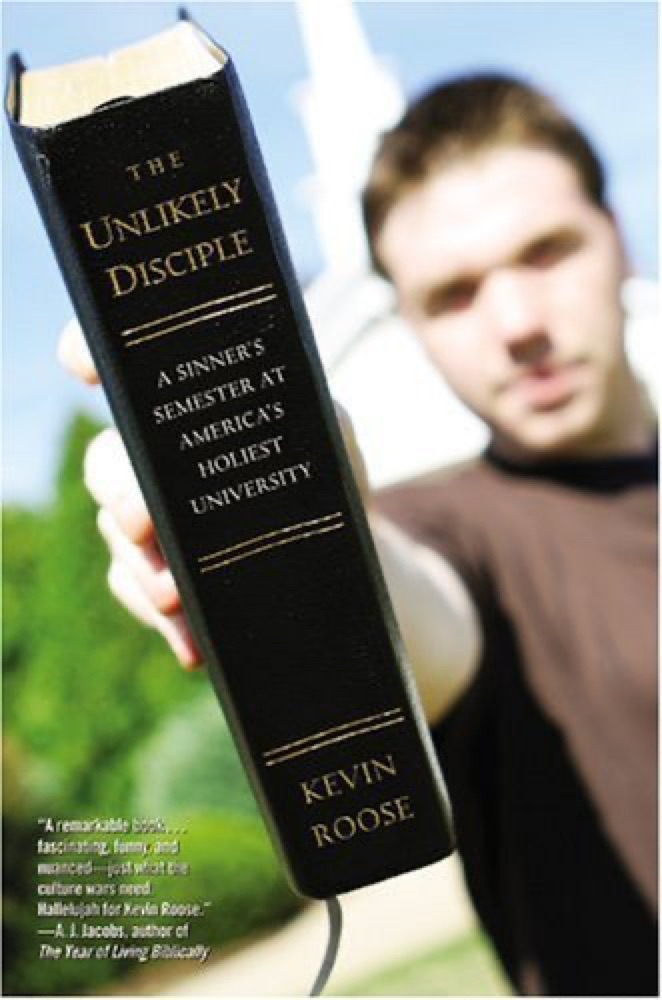
As a sophomore at Brown University, Kevin Roose didn't have much contact with the Religious Right. Raised in a secular home by staunchly liberal parents, he fit right in with Brown's sweatshop-protesting, fair-trade coffee-drinking, God-ambivalent student body. So when he had a chance encounter with a group of students from Liberty University, a conservative Baptist university in Lynchburg, Virginia, he found himself staring across a massive culture gap. But rather than brush the Liberty students off, Roose decided to do something much bolder: he became one of them.
Liberty University is the late Rev. Jerry Falwell's proudest accomplishment - a 10,000-student conservative Christian training ground. At Liberty, students (who call themselves "Champions for Christ") take classes like Introduction to Youth Ministry and Evangelism 101. They hear from guest speakers like Mike Huckabee and K
Book details
- First published
- 2009
- Author
- Kevin Roose
- Genre
- Nonfiction
- Goodreads rating
- 3.98 (12k ratings)
Keep reading
The Irresistible Revolution: Living as an Ordinary Radical
 The Secret Thoughts of an Unlikely Convert: An English Professor's Journey Into Christian Faith
 Holy Envy: Finding God in the Faith of Others
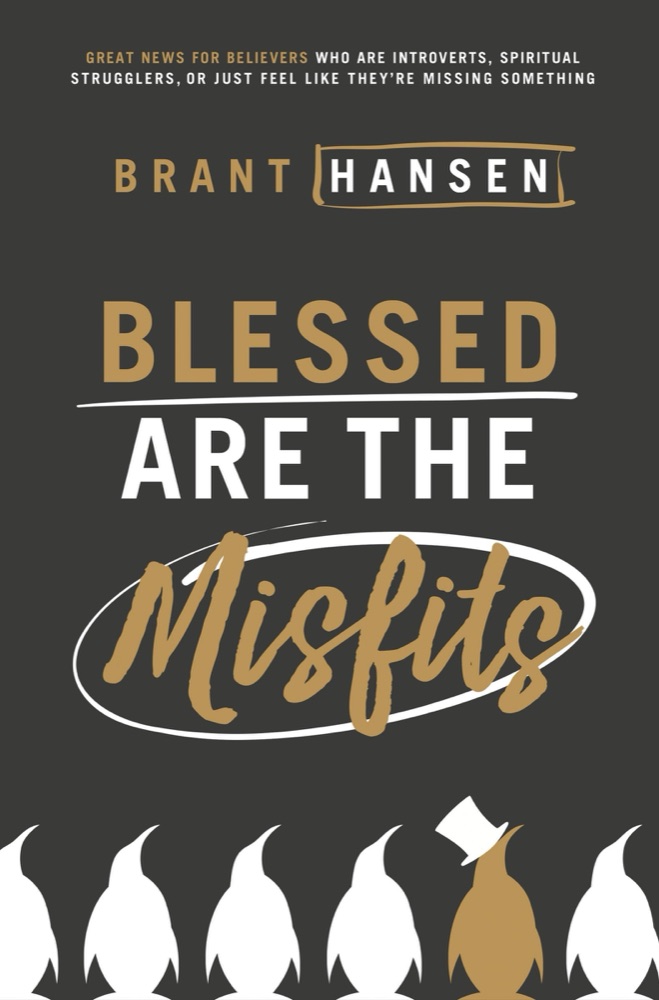 Blessed Are the Misfits: Great News for Believers who are Introverts, Spiritual Strugglers, or Just Feel Like They're Missing Something
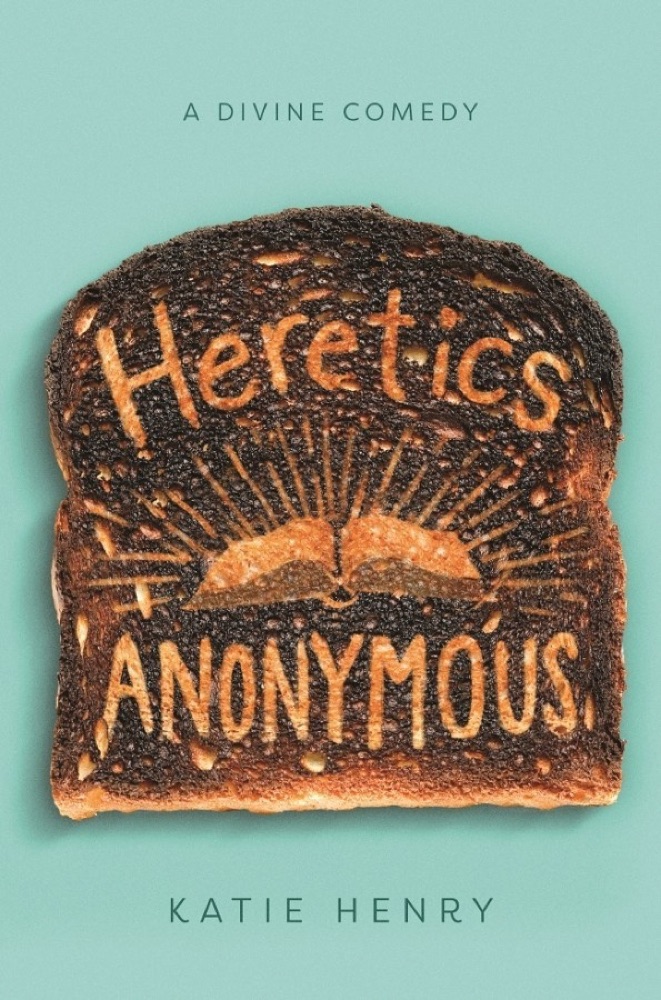 Heretics Anonymous
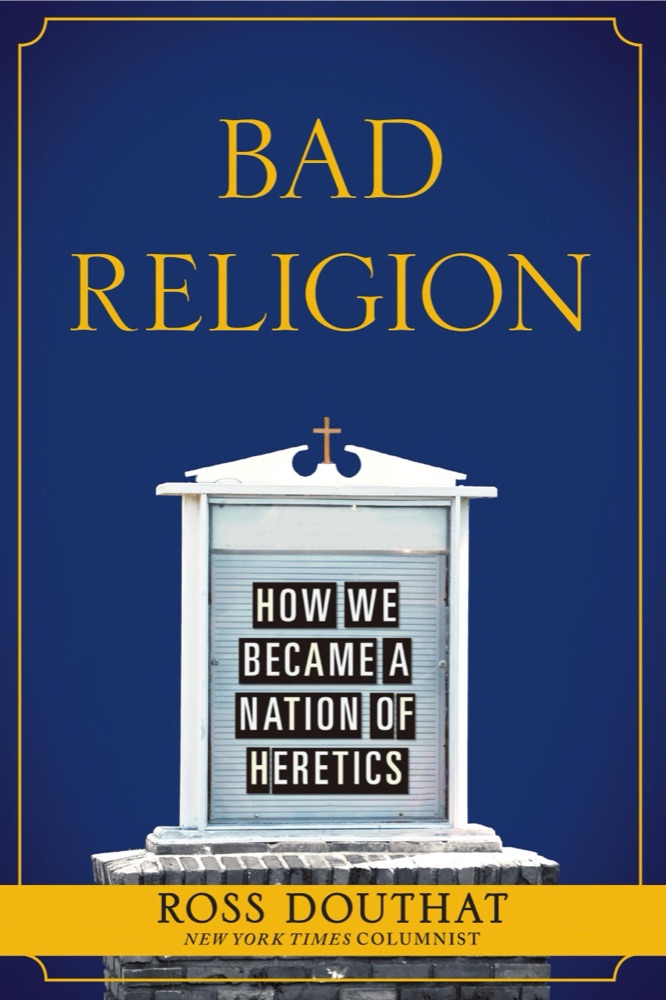 Bad Religion: How We Became a Nation of Heretics
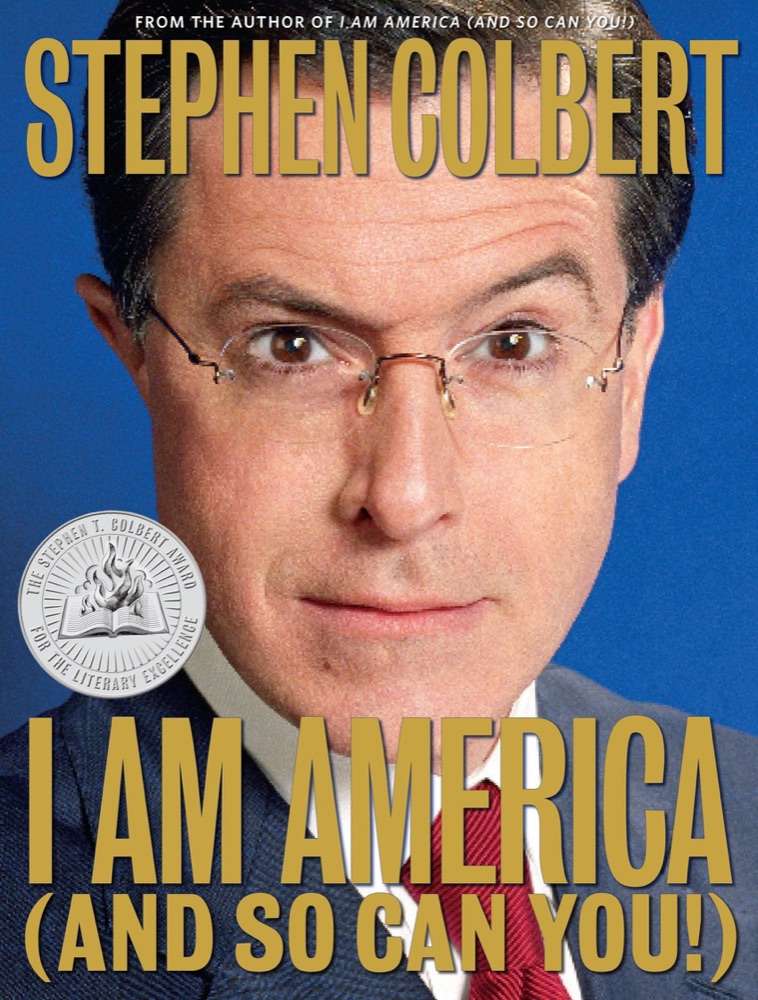 I Am America
 Leaving Church: A Memoir of Faith
 Amazing Grace: A Vocabulary of Faith
 The Benedict Option: A Strategy for Christians in a Post-Christian Nation
 The Rage Against God: How Atheism Led Me to Faith
 Shadow of the Almighty: The Life and Testament of Jim Elliot
 Children of God
 Christless Christianity: The Alternative Gospel of the American Church
 Shameless: A Case for Not Feeling Bad About Feeling Good
 unChristian: What a New Generation Really Thinks about Christianity... and Why It Matters
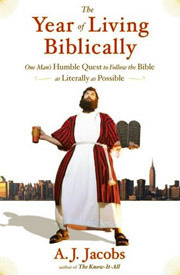 The Year of Living Biblically: One Man's Humble Quest to Follow the Bible as Literally as Possible
 Tactics: A Game Plan for Discussing Your Christian Convictions
 Pure: Inside the Evangelical Movement That Shamed a Generation of Young Women and How I Broke Free
 Velvet Elvis: Repainting the Christian Faith
 Jesus > Religion: Why He Is So Much Better Than Trying Harder, Doing More, and Being Good Enough
 The Explicit Gospel
 Searching for God Knows What
 The Sign
 Letter to a Christian Nation
 The Reason for God: Belief in an Age of Skepticism
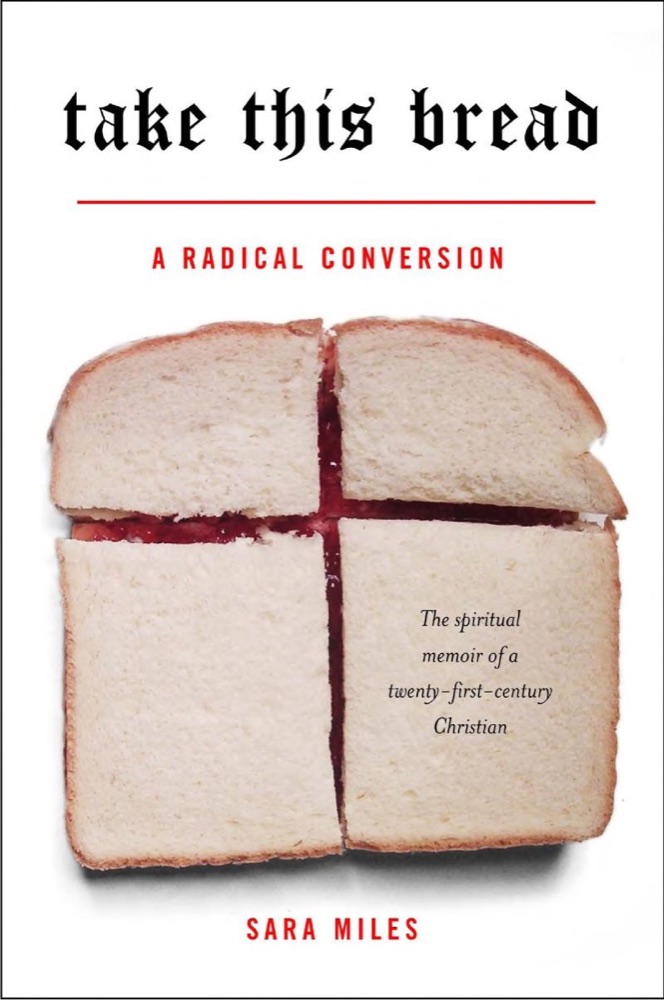 Take This Bread: A Radical Conversion
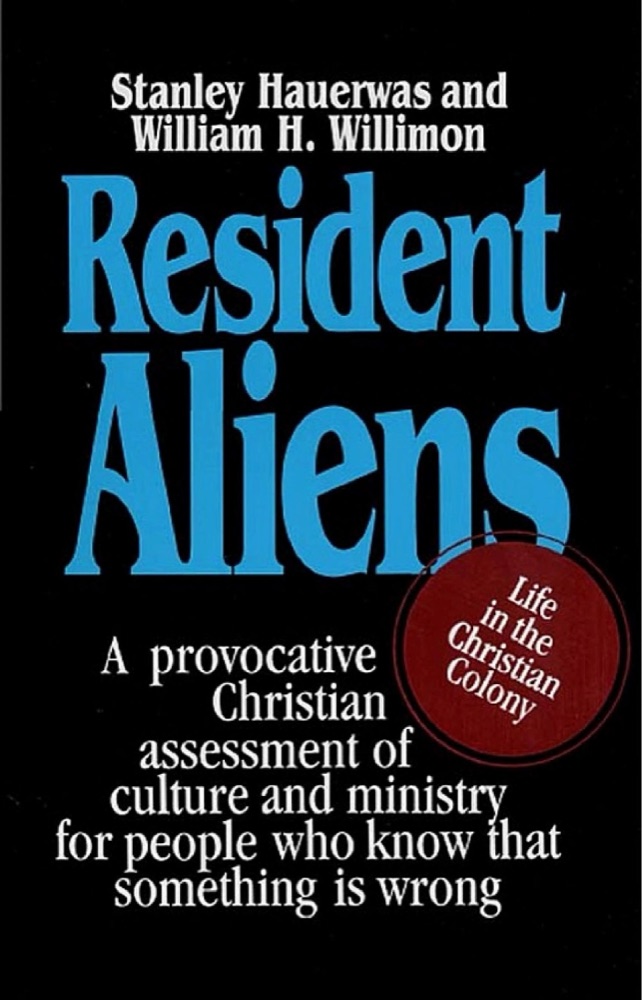 Resident Aliens: Life in the Christian Colony
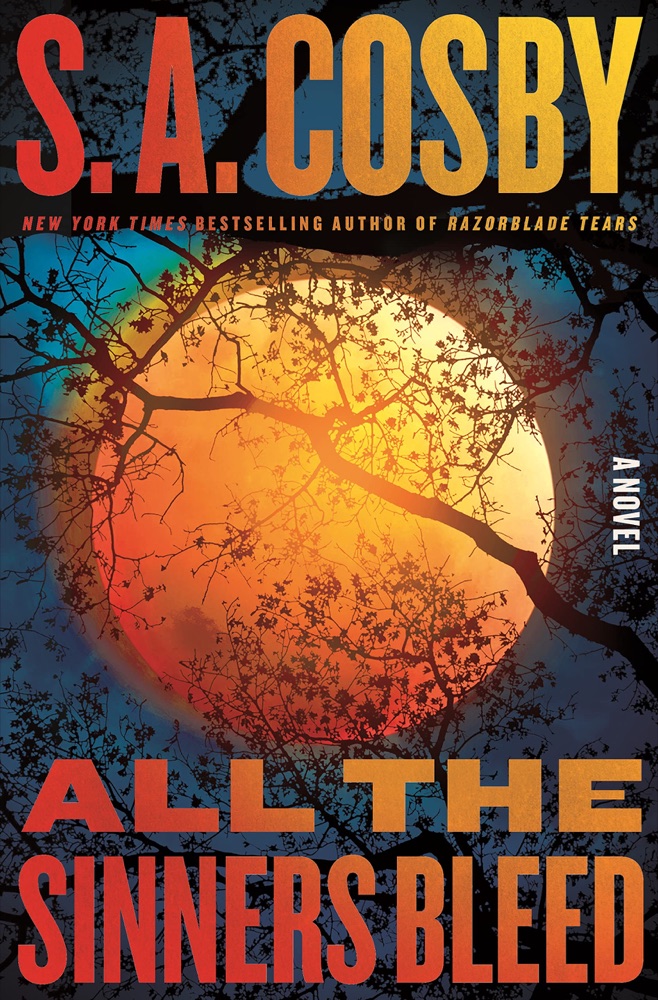 All the Sinners Bleed
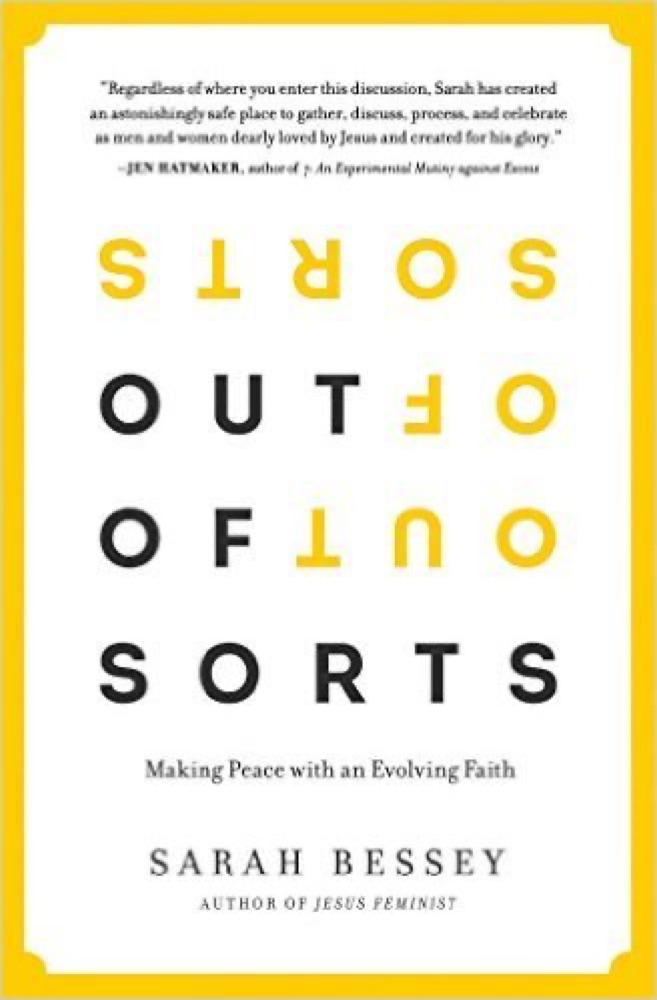 Out of Sorts: Making Peace with an Evolving Faith
 Pastrix: The Cranky, Beautiful Faith of a Sinner & Saint
 Searching for Sunday: Loving, Leaving, and Finding the Church
 The Prodigal God: Recovering the Heart of the Christian Faith
 Finding God in the Waves: How I Lost My Faith and Found It Again Through Science
 The Devil's Advocate
 The God Delusion
 A Generous Orthodoxy
 Bonhoeffer: Pastor, Martyr, Prophet, Spy
 The Habit of Being: Letters of Flannery O'Connor
 Breakfast with Buddha
 Demonspawn
 Under the Banner of Heaven: A Story of Violent Faith
 Building a Bridge: How the Catholic Church and the LGBT Community Can Enter into a Relationship of Respect, Compassion, and Sensitivity
 A Year of Biblical Womanhood
 All My Knotted-Up Life: A Memoir
 Blachart
 The Sparrow
 Some Danger Involved
 God, No! Signs You May Already Be an Atheist and Other Magical Tales
 The Life You've Always Wanted: Spiritual Disciplines for Ordinary People
 God's Smuggler
 A Man Without a Country
 Total Truth: Liberating Christianity from its Cultural Captivity
 When I Was a Child I Read Books
 The Case for Faith: A Journalist Investigates the Toughest Objections to Christianity
 Lectures to My Students
 The Bondage of the Will
 Unprotected: A Memoir
 Studies in the Sermon on the Mount
 Lamb: The Gospel According to Biff, Christ's Childhood Pal