
 Pastrix: The Cranky, Beautiful Faith of a Sinner & Saint
Quotes from the Book
So my argument in this book is this: we should not be more loyal to an idea, a doctrine, or an interpretation of a Bible verse than we are to people. If the teachings of the church are harming the bodies and spirits of people, we should rethink those teachings.
14
Holiness is the union we experience with one another and with God. Holiness is when more than one become one, when what is fractured is made whole. Singing in harmony. Breastfeeding a baby. Collective bargaining. Dancing. Admitting our pain to someone, and hearing them say, "Me too." Holiness happens when we are integrated as physical, spiritual, sexual, emotional, and political beings. Holiness is the song that has always been sung, perhaps even the sound that was first spoken when God said, "Let there be light.
14
My Christian faith tells me that good news is only good if it is for everyone, otherwise it's just ideology.
12
Purity most often leads to pride or to despair, not to holiness. Because holiness is about union with, and purity is about separation from.
12
I need a place to confess that I don't have everything figured out. Christianity is not a program for avoiding mistakes; it is a faith of the guilty. There is no "right" or perfect way to be. We learn from our mistakes; we extend grace to others and ourselves. In the same way a lover who loves your body allows you to have grace for it, so is grace the antithesis of rejection.
8
Our scars are part of our story, but they are not its conclusion. The past is ours and will always be a part of us, and yet it is not all there is. It’s a process, moving from wounds to scars to grief to showing those scars. It takes time, and maybe therapy, and maybe being vulnerable in community, and maybe working through the twelve steps, and maybe making a lot of mistakes, and maybe experiencing a tiny bit of joy.
7
Because sometimes the most holy thing we can say is: No. Not on my watch.
7
If the Gospel is where we find healing from the harm done to us by the messages of the church, then it must also be where we find freedom. Meaning that even if it is the last thing I want to do, I absolutely have to believe the Gospel is powerful enough, transgressive enough, beautiful enough to heal not only the ones who have been hurt but also those who have done the hurting.
7
The religiosity of the prohibition movement was stoked by a genuine desire to lead holy lives pleasing to God. But purity is easier to regulate than holiness.
7
Christians should help one another to silence the voice that accuses. To celebrate a repentance—a snapping out of it, a thinking of new thoughts—which leads to possibilities we never considered. To love one another as God loves us. To love ourselves as God loves us. To remind each other of the true voice of God. And there’s only one way to do this: by being unapologetically and humbly ourselves. By not pretending. By being genuine. Real. Our actual, non-ideal selves.
6
I hate that this is God’s economy. That the salvation of my enemy is tied up in my own. Which is why I sometimes say that the Gospel is like, the worst good news I’ve ever heard in my life.
6
A sexual ethic that includes concern means seeing someone as a whole person and not just a willing body.
5
God isn’t waiting for you to become thinner or heterosexual or married or celibate or more ladylike or less crazy or more spiritual or less of an alcoholic in order to love you. Also, I would argue that since your ideal self doesn’t actually exist, it would follow that the “you” everyone in your life loves is your actual self, too.
5
What God claims to love, do not deem unworthy of that love. What God has called good, do not call anything other than good. What God has animated with God’s own breath and endowed with a soul and God’s own image, do not treat with anything less than dignity.
4
In my pastoral work I've started to suspect that the more someone was exposed to religious messages about controlling their desires, avoiding sexual thoughts, and not lusting in their hearts, the less likely they are to be integrated physically, emotionally, sexually, and spiritually.
4
In ancient Greek, the root of demon means "to throw apart." That which causes us to fracture, to become less whole, is demonic. ... I like to think that when Jesus sent the disciples to cast out demons in his name, he intended for them to look with so much love upon those who had become fractured that their neglected pieces returned to the center of their being.
4
But here's the problem with capital T total abstinence: when our country made drinking illegal and instilled fear in children about the evils of alcohol, it led, not to increase of holiness, but to a culture of secrecy, hypocrisy, and double standards.
4
In the ten years I've been pastor at HFASS, I've known young married couples who did what the church told them and "waited," only to discover that they could not, on the day of their wedding, flip a switch in their brains and in their bodies and suddenly go from relating to sex as sinful and dirty and dangerous to relating to sex as joyful and natural and God-given.
4
For all the misguided harmful messages of my religious upbringing, I still cherish that I was raised in a family where things mattered. Our lives bore a continual inflection of faith. I belonged to a community that connected the events in our lives to the divine. We searched ancient scripture for meaning and guidance. We sang our hearts out. We called each other “brother” and “sister.” We belonged to each other. I learned that from the church of my past, and I bring all of it into the church of my present.
3
And then I remember: it doesn’t matter. The fact that I sometimes don’t get it is my shit, and I should not confuse my shit with my job. My job is to just love my parishioners. And I do. Not perfectly, but I do.
3
Our purity systems, even those established with the best of intentions, do not make us holy.*4 They only create insiders and outsiders.
2
we should not be more loyal to an idea, a doctrine, or an interpretation of a Bible verse than we are to people. If the teachings of the church are harming the bodies and spirits of people, we should rethink those teachings.
2
But that so rarely works. And if our hearts and brains don’t acknowledge these kinds of truths, they don’t just go away. They burrow into our bodies. For me, any truth I try to push aside seems to seek asylum in my lumbar curve. Ignoring it doesn’t make it go away; it just makes it a refugee. And the refugee camp that establishes itself in my low back grows and gets more and more painful over time. There is a cost to trying to deny pain, to trying to deny ourselves the process of grieving. Eventually our bodies must process it, and there will be, in the end, an emotional balloon payment that comes due.
2
It doesn't feel very difficult to draw a direct line between the messages many of us received from the church and the harm we've experienced in our bodies and spirits as a result. So my argument in this book is this: we should not be more loyal to an idea, a doctrine, or an interpretation of a Bible verse than we are to people. If the teachings of the church are harming the bodies and spirits of people, we should rethink those teachings.
2
The Gospels are the canon within the canon. The Bible, as martin Luther said, is the cradle that holds Christ. The point of gravity is the story of Jesus, the Gospel. The closer a text of the Bible is to that story or to the heart of that story's message, the more authority it has. The father away it is, the less its authority. It's a story of how the God who spoke through prophets and poets was the same God who showed up later in a human body and walked around like he didn't understand the rules. Jesus said God's would is like a father running into the road to meet his no-good child as if the child's no-goodness was no matter. Jesus' stories seemed like nonsense, but then they also seemed like absolute truth at the same time. He just kept saying that the things we think are so important rarely are: things like holding grudges and making judgments and hoarding wealth and being first. Then one night, this Jesus got all weird at dinner and said a loaf of bread was his body and a cup of wine was his blood, and all of it is for forgiveness. All of it means our no-goodness is no matter. Then he went and got himself killed in a totally preventable way. Three days later he blew his friends' minds by showing back up and being all like, "You guys have any snacks? I'm starving.
2
To God, everyone is different but no one is special. You're not special for being straight. Or gay. Or male. Or cis. Or trans. Or asexual. Or married. Or sexually prodigious. Or a virgin. We all have the same God who placed the same image and likeness within us and entrusted us imperfect human beings with such mind blowing things as sexuality and creativity and the ability as individuals to love and be loved as we are.
1
Holiness is the thing I never saw coming that makes me catch my breath because I know the sacred has interrupted my isolation.
1
Many of us were taught that if you do not fit inside the circle of the church’s behavioral codes, God is not pleased with you, so we whittled ourselves down to a shape that could fit those teachings, or we denied those parts of ourselves entirely.
1
I was slightly irritated to be reminded of Jesus’ message by a new Christian when what I rather would’ve done was rant about the shit that was making me hate people.
1
Watch on YouTube
About Nadia Bolz-Weber
We have collected 59 quotes from 2 books by Nadia Bolz-Weber on BookQuoters.
More about the author →More by Nadia Bolz-Weber
Pastrix: The Cranky, Beautiful Faith of a Sinner & Saint
About the book
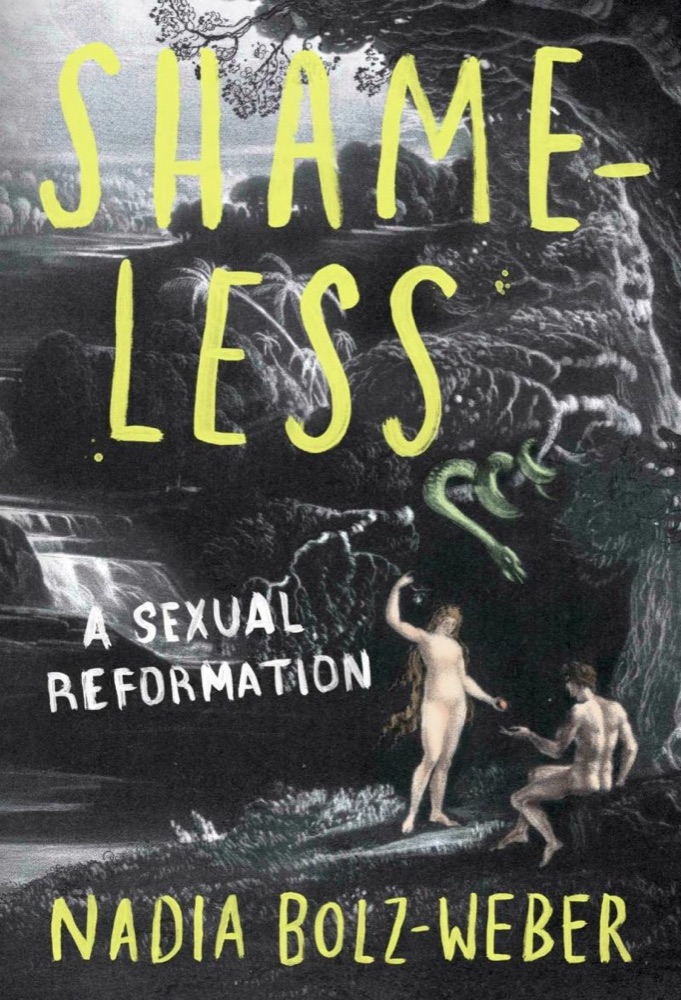
"Nothing gives church folk anxiety quite like the subject of sex. And that's why in Shameless, Pastor Nadia sets out to reclaim the conversation for a new generation. In the spirit of Martin Luther, Bolz-Weber calls for a reformation of the way believers understand and express their sexuality. To make her case, Bolz-Weber draws on experiences from her own life as well as her parishoners', then puts them side by side with biblical narrative and theology to explore what the church has taught and about sex, and the harm that has often come as a result. Along the way, Bolz-Weber reexamines patriarchy, gender, and sexual orientation with candor but also with hope--because, as she writes, "I believe that the Gospel can heal the pain that even the church has caused." As with her previous books, Bolz-Weber offers an honest, affirming and intellectually robust experience on the pages that speak t
Book details
- First published
- 2019
- Author
- Nadia Bolz-Weber
- Genre
- Nonfiction
- Goodreads rating
- 4.20 (9k ratings)
Keep reading
 Amazing Grace: A Vocabulary of Faith
 The Prodigal God: Recovering the Heart of the Christian Faith
 Gay Girl, Good God: The Story of Who I Was and Who God Has Always Been
Pastrix: The Cranky, Beautiful Faith of a Sinner & Saint
Gay Girl, Good God: The Story of Who I Was and Who God Has Always Been
Pastrix: The Cranky, Beautiful Faith of a Sinner & Saint
 Jesus > Religion: Why He Is So Much Better Than Trying Harder, Doing More, and Being Good Enough
 The Reason for God: Belief in an Age of Skepticism
 Searching for God Knows What
 The Secret Thoughts of an Unlikely Convert: An English Professor's Journey Into Christian Faith
 Jesus Over Everything: Uncomplicating the Daily Struggle to Put Jesus First
 Washed and Waiting: Reflections on Christian Faithfulness and Homosexuality
 The Explicit Gospel
 Leaving Church: A Memoir of Faith
 Searching for Sunday: Loving, Leaving, and Finding the Church
 Emotionally Healthy Spirituality: Unleash A Revolution In Your Life in Christ
 Discipline: The Glad Surrender
 The Holy Longing: The Search for a Christian Spirituality
 A Long Obedience in the Same Direction: Discipleship in an Instant Society
 Velvet Elvis: Repainting the Christian Faith
 The Ragamuffin Gospel
 The Holiness of God
 Life Together: The Classic Exploration of Christian Community
 What We Talk about When We Talk about God
 How People Change
 Pure: Inside the Evangelical Movement That Shamed a Generation of Young Women and How I Broke Free
 Inside Out
 Jesus Is: Find a New Way to Be Human
 Holy Envy: Finding God in the Faith of Others
 Out of Sorts: Making Peace with an Evolving Faith
 Studies in the Sermon on the Mount
 A Generous Orthodoxy
 Girl Meets God
 7: An Experimental Mutiny Against Excess
 King's Cross: The Story of the World in the Life of Jesus
 What's So Amazing About Grace?
 The Irresistible Revolution: Living as an Ordinary Radical
 Barking to the Choir: The Power of Radical Kinship
 Love Wins Low Price CD: Love Wins Low Price CD
 Christless Christianity: The Alternative Gospel of the American Church
 Blessed Are the Misfits: Great News for Believers who are Introverts, Spiritual Strugglers, or Just Feel Like They're Missing Something
 Simply Christian
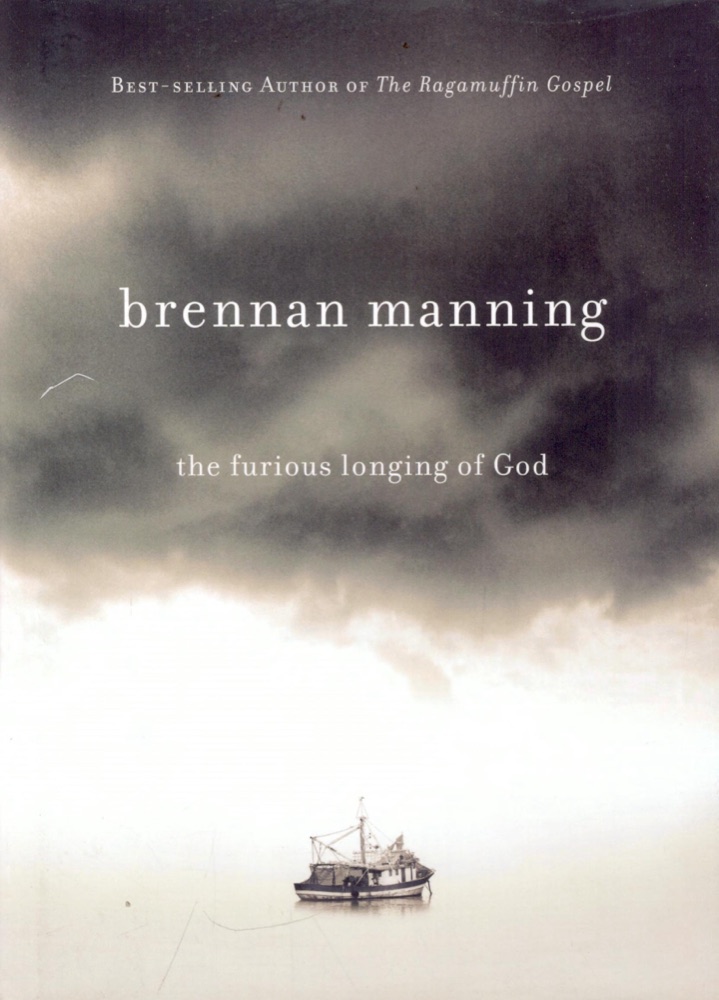 The Furious Longing of God
 It's Not What You Think: Why Christianity is About So Much More Than Going to Heaven When You Die
 A Year of Biblical Womanhood
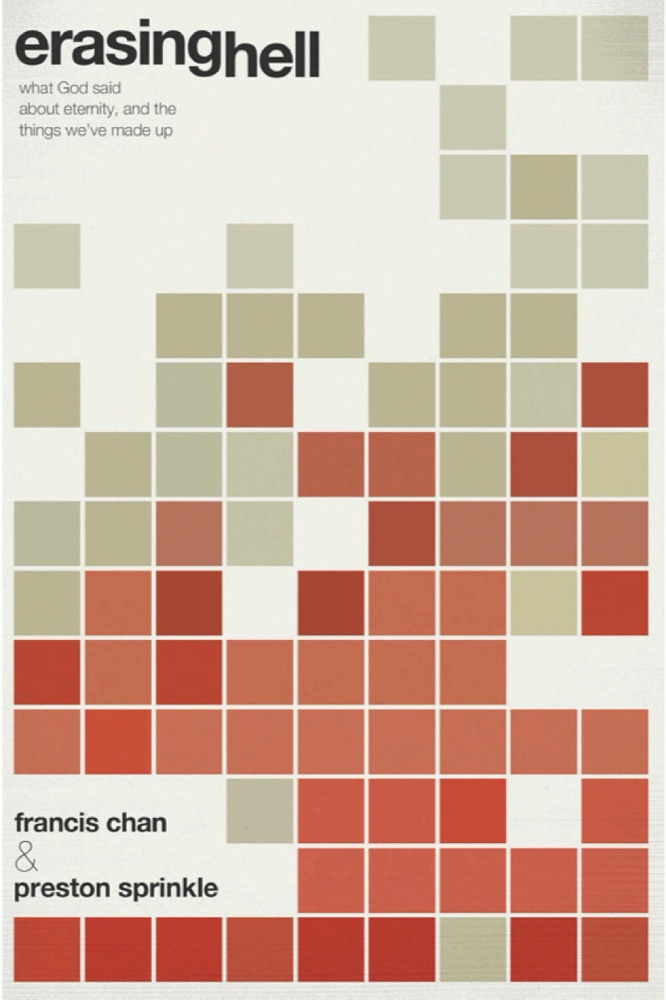 Erasing Hell: What God Said About Eternity, and the Things We've Made Up
 All In: You Are One Decision Away From a Totally Different Life
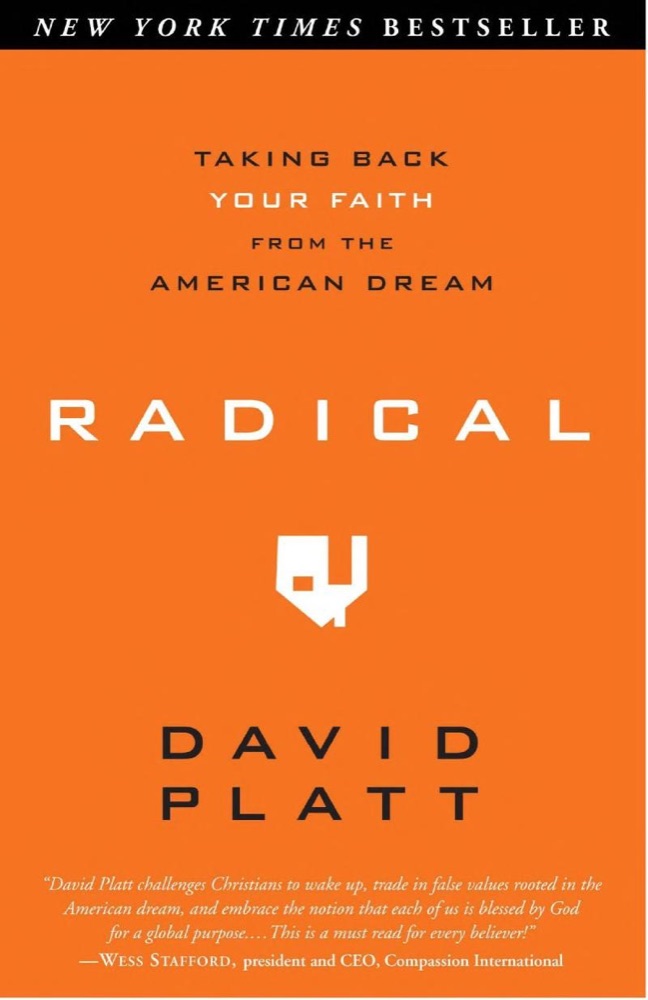 Radical: Taking Back Your Faith from the American Dream
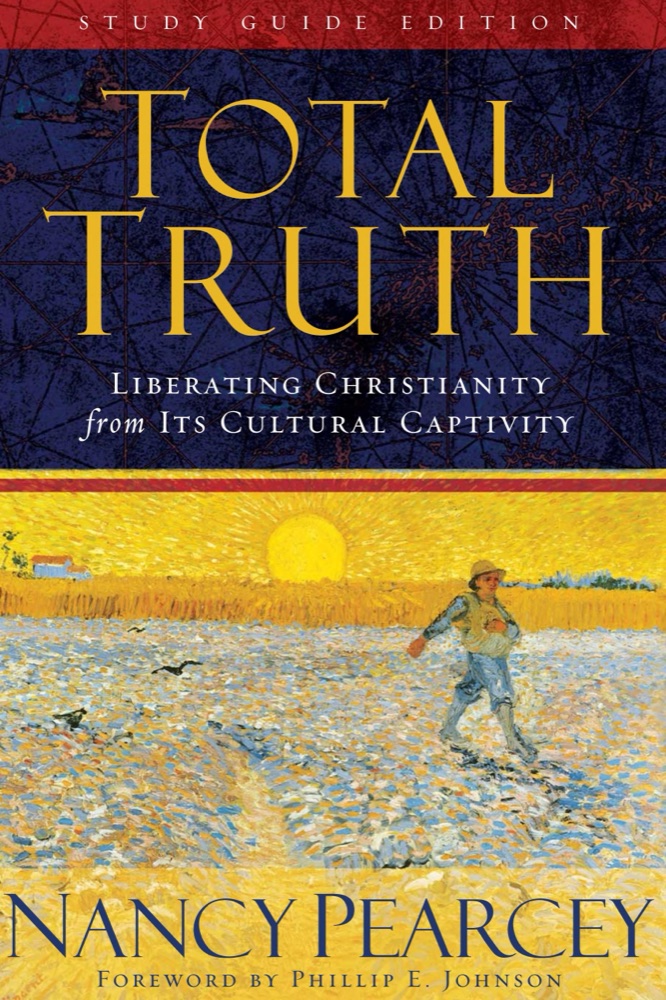 Total Truth: Liberating Christianity from its Cultural Captivity
 The Message Remix
 The Life You've Always Wanted: Spiritual Disciplines for Ordinary People
 Building a Bridge: How the Catholic Church and the LGBT Community Can Enter into a Relationship of Respect, Compassion, and Sensitivity
 Speaking of Jesus: The Art of Not-Evangelism
 The Cross of Christ
 Disciplines of a Godly Man
 Anything: The Prayer That Unlocked My God and My Soul
 The Normal Christian Life
 Waking the Dead: The Glory of a Heart Fully Alive
 Celebration of Discipline: The Path to Spiritual Growth
 Wholehearted Faith
 Renovation of the Heart: Putting On the Character of Christ