
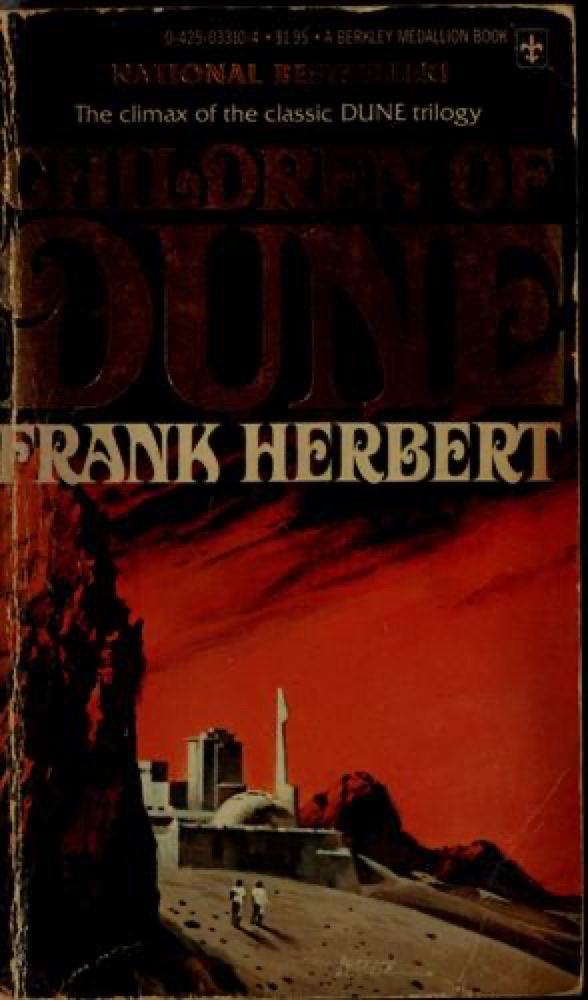
 Children of Dune
Quotes from the Book
I must not fear. Fear is the mind-killer. Fear is the little-death that brings total obliteration. I will face my fear. I will permit it to pass over me and through me. And when it has gone past I will turn the inner eye to see its path. Where the fear has gone there will be nothing. Only I will remain.
Deep in the human unconscious is a pervasive need for a logical universe that makes sense. But the real universe is always one step beyond logic.
The mystery of life isn't a problem to solve, but a reality to experience.
What do you despise? By this are you truly known.
It is so shocking to find out how many people do not believe that they can learn, and how many more believe learning to be difficult.
The mind can go either direction under stress—toward positive or toward negative: on or off. Think of it as a spectrum whose extremes are unconsciousness at the negative end and hyperconsciousness at the positive end. The way the mind will lean under stress is strongly influenced by training.
He who controls the spice controls the universe.
Without change something sleeps inside us, and seldom awakens. The sleeper must awaken.
Whether a thought is spoken or not it is a real thing and it has power," Tuek said. "You might find the line between life and death among the Fremen to be too sharp and quick.
The mind commands the body and it obeys. The mind orders itself and meets resistance.
Try looking into that place where you dare not look! You'll find me there, staring out at you!
It is impossible to live in the past, difficult to live in the present and a waste to live in the future.
Greatness is a transitory experience. It is never consistent. It depends in part upon the myth-making imagination of humankind. The person who experiences greatness must have a feeling for the myth he is in. He must reflect what is projected upon him. And he must have a strong sense of the sardonic. This is what uncouples him from belief in his own pretensions. The sardonic is all that permits him to move within himself. Without this quality, even occasional greatness will destroy a man.
The people who can destroy a thing, they control it.
Survival is the ability to swim in strange water.
What has mood to do with it? You fight when the necessity arises—no matter the mood! Mood's a thing for cattle or making love or playing the baliset. It's not for fighting.
The Fremen were supreme in that quality the ancients called "spannungsbogen" -- which is the self-imposed delay between desire for a thing and the act of reaching out to grasp that thing.
Grave this on your memory, lad: A world is supported by four things..." she held up four big-knuckled fingers. "...the learning of the wise, the justice of the great, the prayers of the righteous and the valor of the brave. But all of these things are as nothing..." She closed her fingers into a fist. "...without a ruler who knows the art of ruling. Make that the science of your tradition!
Arrakis teaches the attitude of the knife - chopping off what's incomplete and saying: 'Now, it's complete because it's ended here.' - from "Collected Sayings of Maud'Dib'' by the Princess Irulan
Highly organized research is guaranteed to produce nothing new.
Proper teaching is recognized with ease. You can know it without fail because it awakens within you that sensation which tells you this is something you have always known.
The willow submits to the wind and prospers until one day it is many willows - a wall against the wind.
Any road followed precisely to its end leads precisely nowhere. Climb the mountain just a little bit to test that it's a mountain. From the top of the mountain, you cannot see the mountain.
There should be a science of discontent. People need hard times to develop psychic muscles. -- Muad'Dib
My father once told me that respect for truth comes close to being the basis for all morality. 'Something cannot emerge from nothing,' he said. This is profound thinking if you understand how unstable 'the truth' can be.
Give as few orders as possible," his father had told him once long ago. "Once you've given orders on a subject, you must always give orders on that subject.
Did you know?
- Dune first appeared as serialized fiction in Analog magazine as 'Dune World' (1963-64) and 'The Prophet of Dune' (1965).
- The completed novel was rejected by more than twenty publishers before Chilton Books accepted it in 1965.
- It won the inaugural Nebula Award for Best Novel and shared the 1966 Hugo Award with Roger Zelazny's This Immortal.
- It has sold nearly 20 million copies and been translated into dozens of languages, making it one of the best-selling science fiction novels of all time.
- Herbert deliberately kept advanced technology in the background to focus on the politics of humanity rather than its machines.
- The novel is frequently described as the first planetary ecology novel on a grand scale.
About Frank Herbert
Franklin Patrick Herbert Jr. (1920-1986) was an American science-fiction author best known for his 1965 novel Dune and its five sequels, a series that became one of the most influential works in the genre.
More about the author →More by Frank Herbert
All books by Frank Herbert →
About the book
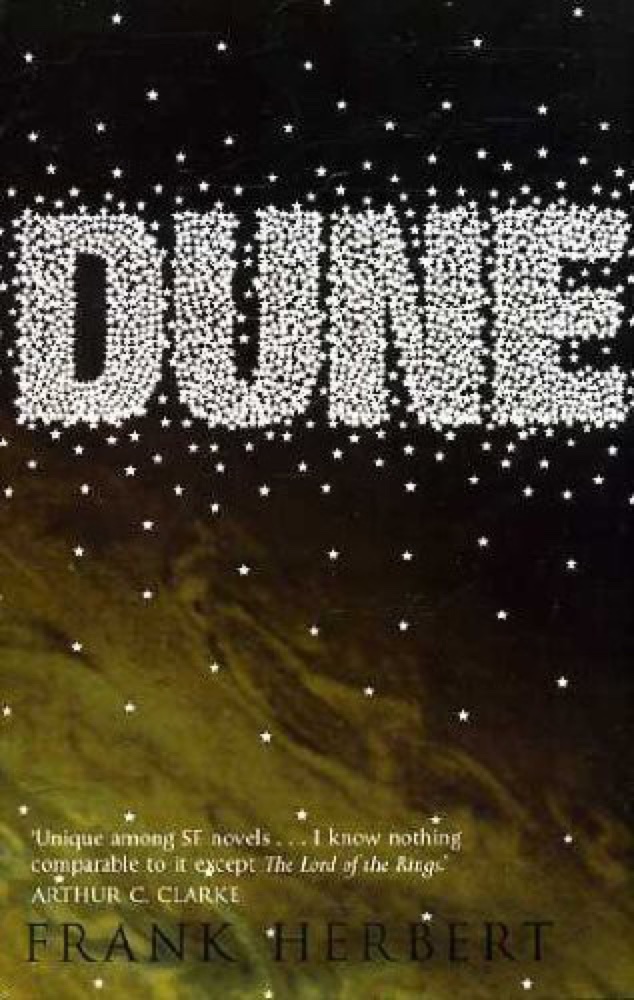
Dune is Frank Herbert's landmark 1965 science fiction novel, set in a far-future interstellar feudal society. It follows young Paul Atreides, whose noble family accepts stewardship of the desert planet Arrakis, the only source of melange, a valuable spice essential to space navigation and prized across the empire. When political betrayal shatters House Atreides, Paul and his mother Lady Jessica flee into the deep desert, where Paul rises among the native Fremen and confronts a destiny bound up with prophecy, power, and the fate of the planet.
At its heart the book is a dense weave of ecology, religion, and politics. Herbert deliberately suppressed advanced technology to concentrate on human institutions and the politics of humanity rather than machines, and Dune is often called the first planetary ecology novel on a grand scale. Its recurring concern is how humans and their institutions change over time, and it treats messianic leadership with wariness, examining the dangers of charismatic power and religious fervor as much as their allure.
Dune's path to publication was famously difficult: it first appeared serialized in Analog magazine as Dune World and The Prophet of Dune before being rejected by more than twenty publishers and finally accepted by Chilton Books in 1965. It went on to win the inaugural Nebula Award and share the Hugo Award, and despite slow early sales it became one of the best-selling science fiction novels ever written, spawning five sequels by Herbert and a lasting legacy across film, television, and the wider genre.
Key characters
- Paul AtreidesYoung heir to House Atreides and the novel's protagonist
- Duke Leto AtreidesPaul's father, given stewardship of Arrakis
- Lady JessicaPaul's mother, a Bene Gesserit and Leto's concubine
- Baron Vladimir HarkonnenRuthless rival lord and chief antagonist
- ChaniFremen woman who becomes Paul's beloved
- StilgarLeader of the Fremen sietch who allies with Paul
Book details
- First published
- 1965
- Length
- 412 pages
- Reading time
- 25 hours
- Author
- Frank Herbert
- Genre
- Classics
- Goodreads rating
- 4.29 (1.7M ratings) →
Series & reading order
- 1 Dune
- 2 Dune Messiah
- 3 Children of Dune
- 4 God Emperor of Dune
- 5 Heretics of Dune
- 6 Chapterhouse: Dune
Movie & TV adaptations
- IMDb
- IMDb
- IMDb
- IMDb
If you liked this, read…
- 1FoundationIsaac Asimov's sweeping galactic epic of politics and the shaping of history
- 2HyperionDan Simmons's richly built far-future universe blending religion, empire, and myth
- 3The Left Hand of DarknessUrsula K. Le Guin's anthropological science fiction exploring alien culture and politics
Keep reading
Children of Dune
 Chapterhouse: Dune
 House Harkonnen
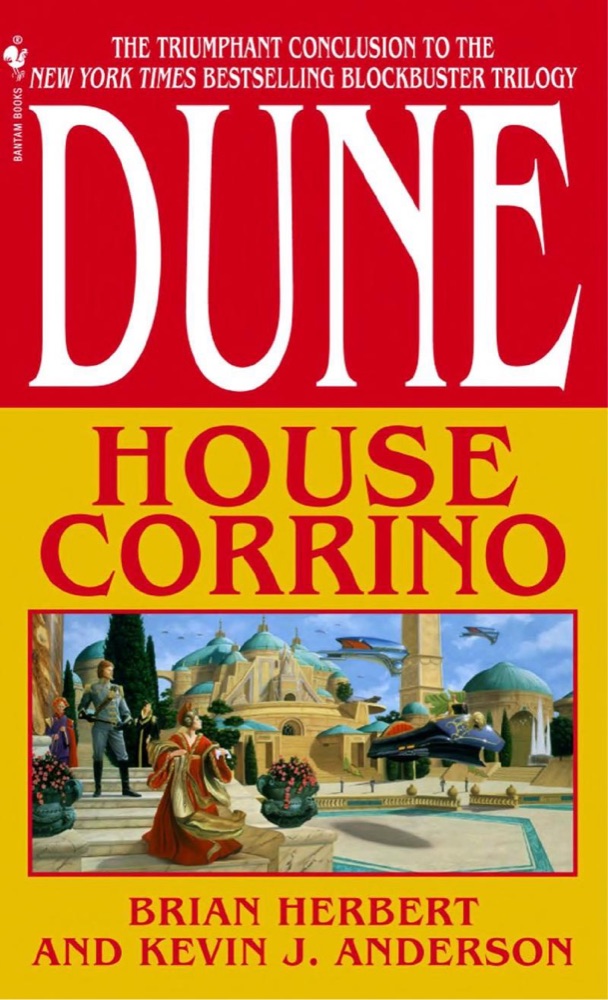 House Corrino
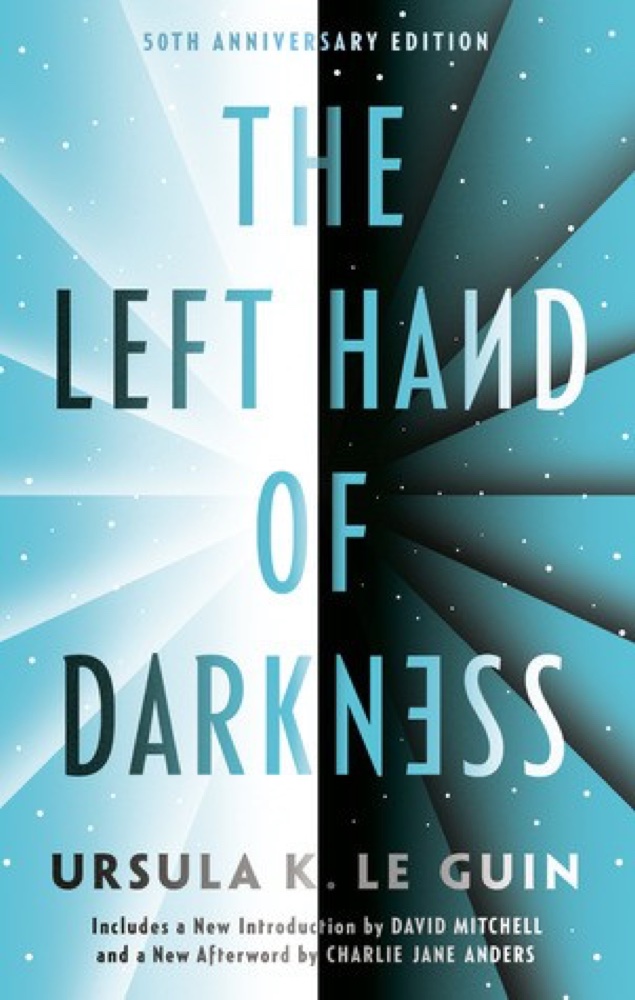 The Left Hand of Darkness
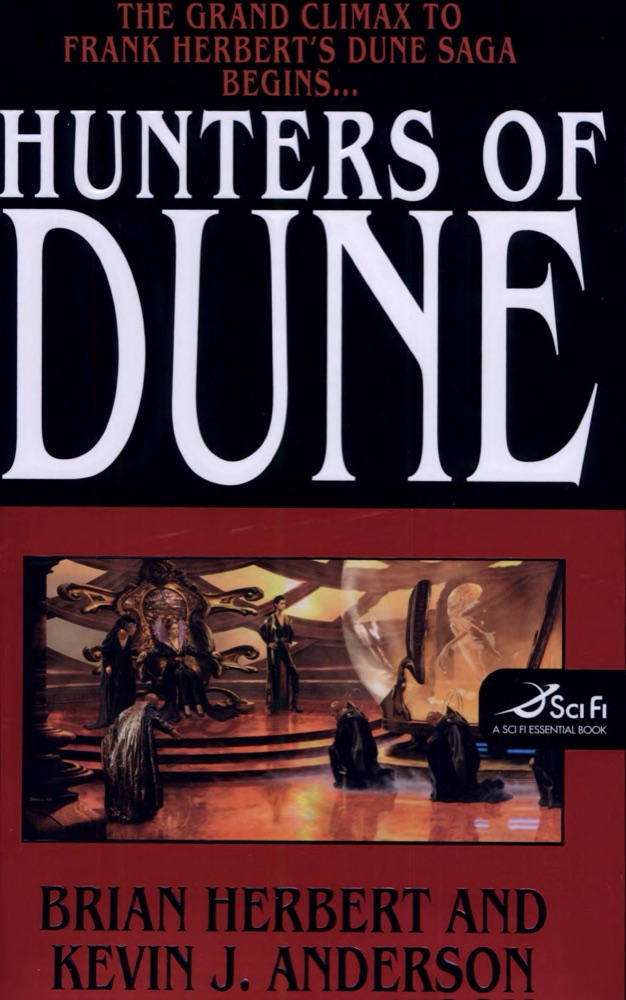 Hunters of Dune
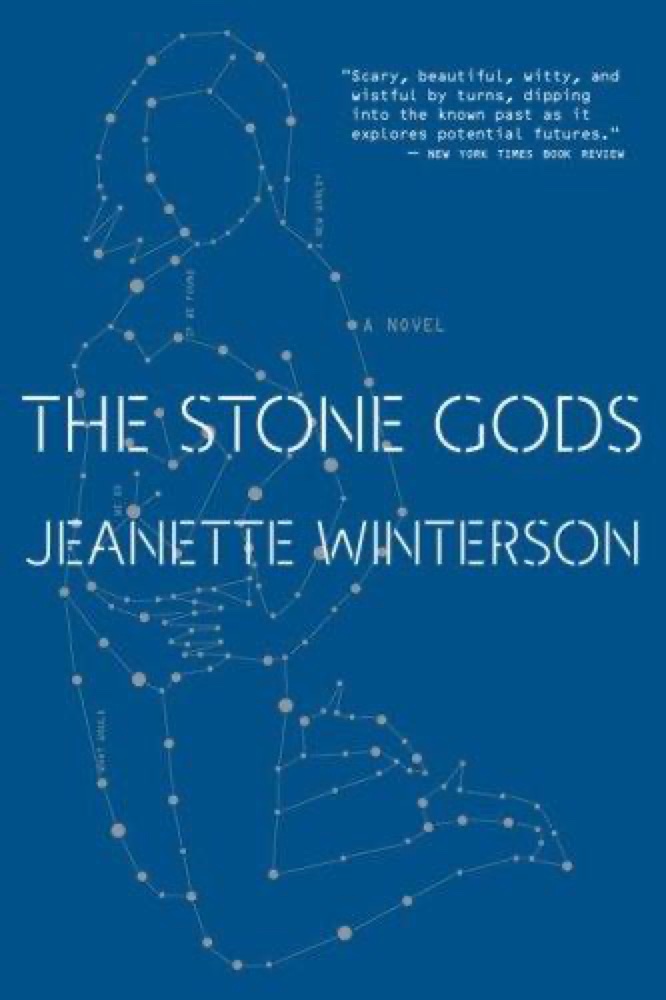 The Stone Gods
 Genesis
 The Fall
 God Emperor of Dune
 Island
 The Magic Mountain
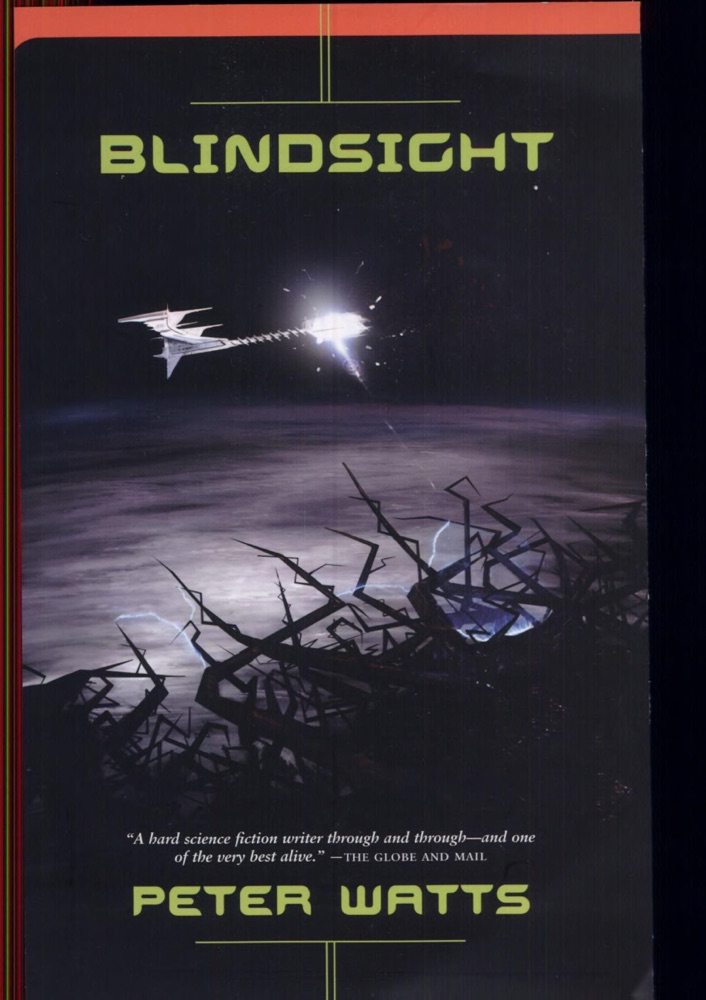 Blindsight
 Blade of Tyshalle
 The Man in the High Castle
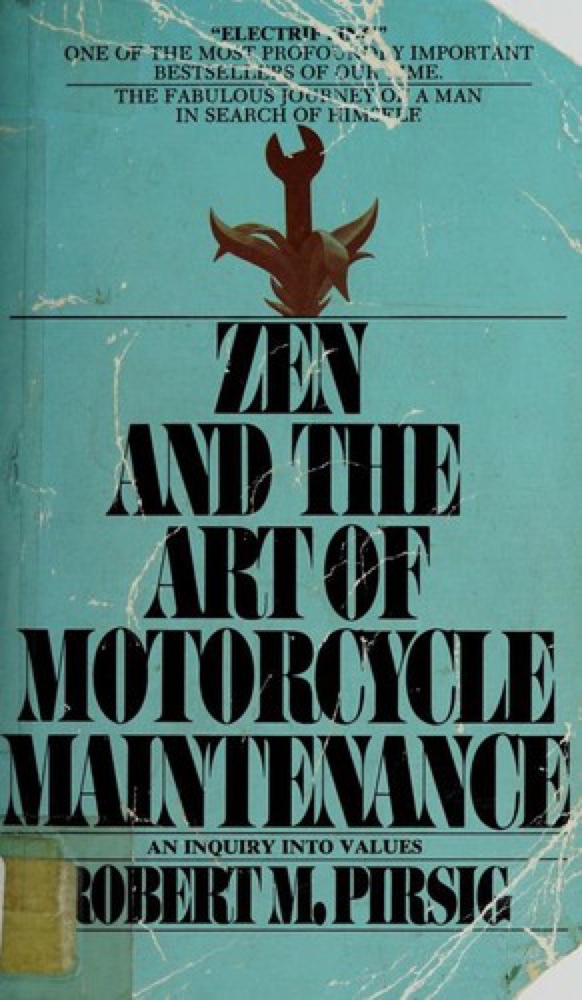 Zen and the Art of Motorcycle Maintenance
 Hard-Boiled Wonderland and the End of the World
 The Dark Forest
 Inferno
 Robopocalypse
 That Hideous Strength
 Tao Te Ching
 Even Cowgirls Get the Blues
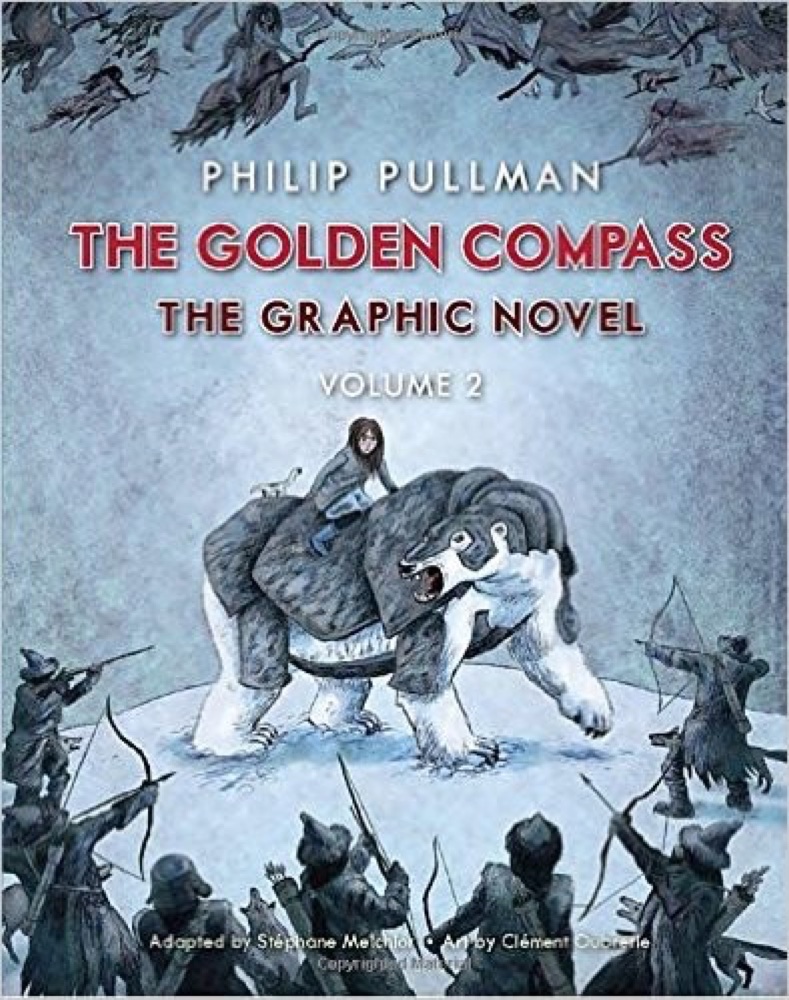 The Golden Compass
 The Gone-Away World
 Hyperion
 The Resistance
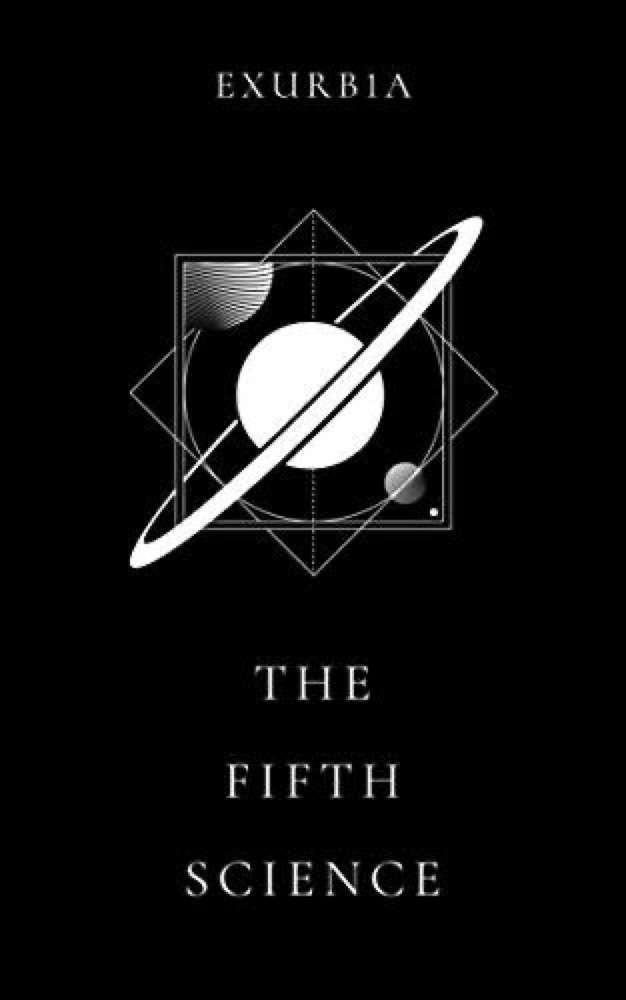 The Fifth Science
 Fragments
 A Darkness At Sethanon
 Shōgun
 Arm of the Sphinx
 Jurassic Park
 Angle of Repose
 Everyone Burns
 Wings of Fire: An Autobiography
 The Future
 The Gay Science
 Drive Your Plow Over the Bones of the Dead
 Libra
Libra
 The Quiet Game
 Sacred Journey of the Peaceful Warrior
 Daniel Deronda
 Weight: The Myth of Atlas and Heracles
 The First Circle
 Rosewater
 Soul Music
 Rapture
 Red Mars
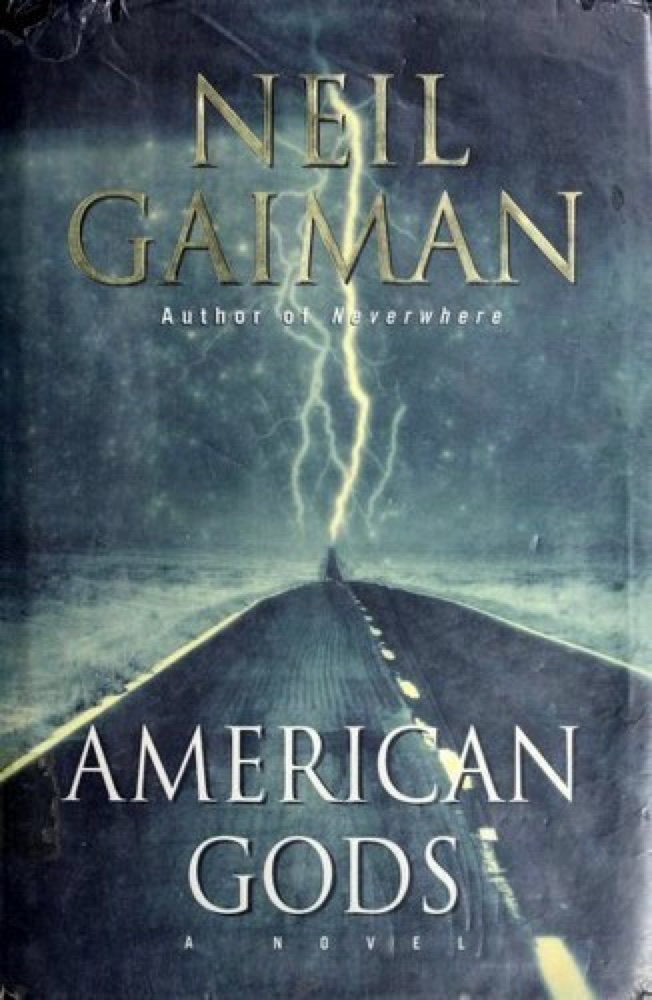 American Gods
 A Sudden Light
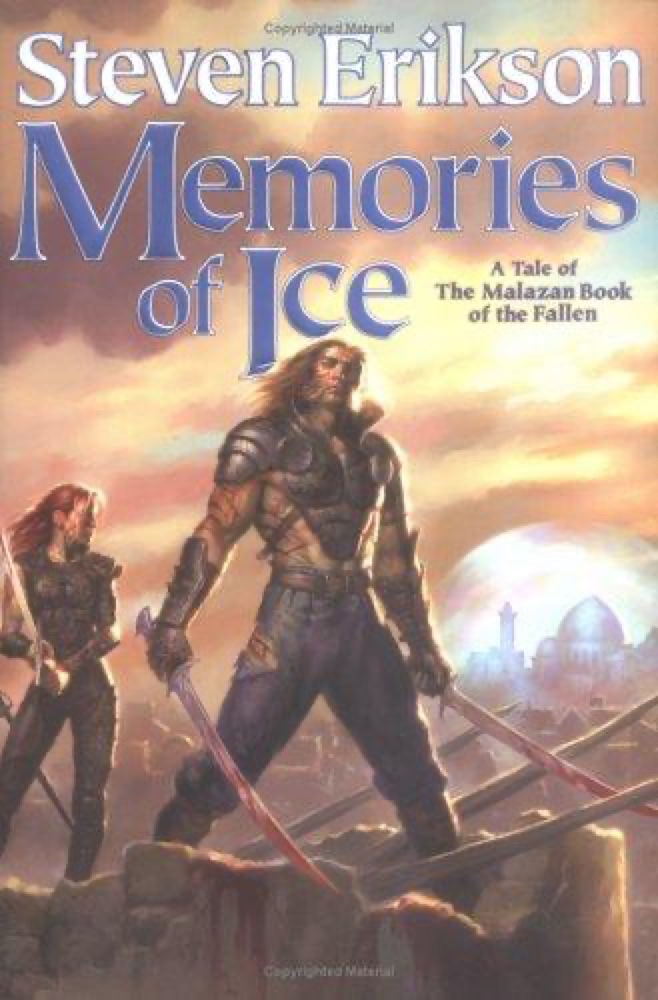 Memories of Ice
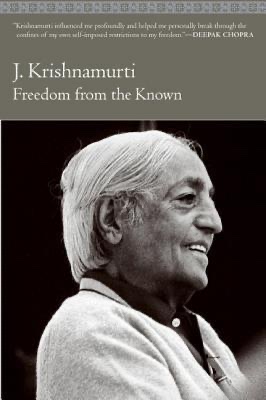 Freedom from the Known
 The Magus
 The Handmaid's Tale
 Kafka on the Shore
 The Hydrogen Sonata
 Oathbringer
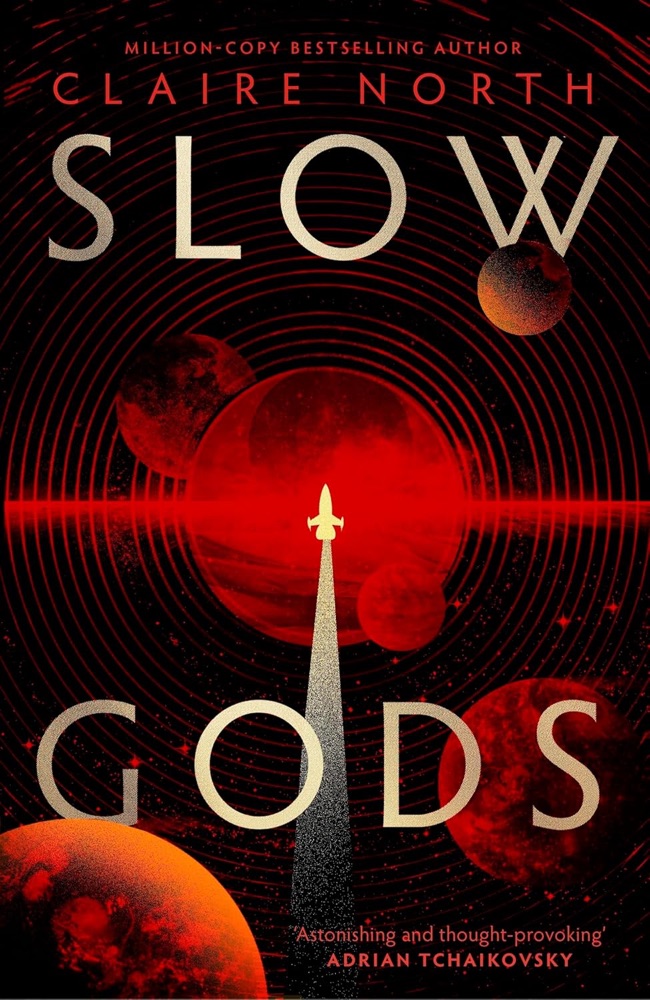 Slow Gods
 Death's End