
 The Horse and His Boy
Quotes from the Book
She's the sort of woman who lives for others - you can tell the others by their hunted expression.
Indeed the safest road to Hell is the gradual one--the gentle slope, soft underfoot, without sudden turnings, without milestones, without signposts,...Your affectionate uncle, Screwtape.
It is funny how mortals always picture us as putting things into their minds: in reality our best work is done by keeping things out.
Courage is not simply one of the virtues but the form of every virtue at the testing point, which means at the point of highest reality.
The more often he feels without acting, the less he will be able ever to act, and, in the long run, the less he will be able to feel.
[God] will not be used as a convenience. Men or nations who think they can revive the Faith in order to make a good society might just as well think they can use the stairs of heaven as a shortcut to the nearest chemist's shop.
Do not be deceived, Wormwood. Our cause is never more in danger than when a human, no longer desiring, but still intending, to do our Enemy's will, looks round upon a universe from which every trace of Him seems to have vanished, and asks why he has been forsaken, and still obeys.
Gratitude looks to the Past and love to the Present; fear, avarice, lust, and ambition look ahead.
For the Present is the point at which time touches eternity.
Suspicion often creates what it suspects.
When He [God] talks of their losing their selves, He means only abandoning the clamour of self-will; once they have done that, He really gives them back all their personality, and boasts (I am afraid, sincerely) that when they are wholly His they will be more themselves than ever.
I live in the Managerial Age, in a world of "Admin." The greatest evil is not now done in those sordid "dens of crime" that Dickens loved to paint. It is not done even in concentration camps and labour camps. In those we see its final result. But it is conceived and ordered (moved, seconded, carried, and minuted) in clean, carpeted, warmed and well-lighted offices, by quiet men with white collars and cut fingernails and smooth-shaven cheeks who do not need to raise their voices. Hence, naturally enough, my symbol for Hell is something like the bureaucracy of a police state or the office of a thoroughly nasty business concern." [From the Preface]
The Future is, of all things, the thing least like eternity. It is the most temporal part of time--for the Past is frozen and no longer flows, and the Present is all lit up with eternal rays.
Prosperity knits a man to the world. He feels that he is finding his place in it, while really it is finding its place in him.
Whatever their bodies do affects their souls. It is funny how mortals always picture us as putting things into their minds: in reality our best work is done by keeping things out...
Above all, do not attempt to use science (I mean, the real sciences) as a defence against Christianity. They will positively encourage him to think about realities he can’t touch and see.
Humans are amphibians...half spirit and half animal...as spirits they belong to the eternal world, but as animals they inhabit time. This means that while their spirit can be directed to an eternal object, their bodies, passions, and imaginations are in continual change, for to be in time, means to change. Their nearest approach to constancy, therefore, is undulation--the repeated return to a level from which they repeatedly fall back, a series of troughs and peaks.
A woman means by Unselfishness chiefly taking trouble for others; a man means not giving trouble to others...thus, while the woman thinks of doing good offices and the man of respecting other people’s rights, each sex, without any obvious unreason, can and does regard the other as radically selfish.
It does not matter how small the sins are provided that their cumulative effect is to edge the man away from the Light and out into the Nothing. Murder is no better than cards if cards can do the trick. Indeed the safest road to Hell is the gradual one--the gentle slope, soft underfoot, without sudden turnings, without milestones, without signposts.
Music. A meaningless acceleration in the rhythm of celestial experience.
When two humans have lived together for many years it usually happens that each has tones of voice and expressions of face which are almost unendurably irritating to the other. Work on that. Bring fully into the consciousness of your patient that particular lift of his mother's eyebrows which he learned to dislike in the nursery, and let him think how much he dislikes it. Let him assume that she knows how annoying it is and does it to annoy - if you know your job he will not notice the immense improbability of the assumption. And, of course, never let him suspect that he has tones and looks which similarly annoy her. As he cannot see or hear himself, this easily managed.
Your patient has become humble; have you drawn his attention to the fact? All virtues are less formidable to us once the man is aware that he has them, but this is specially true of humility.
When they have really learned to love their neighbours as themselves, they will be allowed to love themselves as their neighbours.
There is nothing like suspense and anxiety for barricading a human's mind against the Enemy. He wants men to be concerned with what they do; our business is to keep them thinking about what will happen to them.
No man who says, 'I'm as good as you,' believes it. He would not say it if he did.
Pilate was merciful till it became risky.
Be not deceived, Wormwood, our cause is never more in jeopardy than when a human, no longer desiring but still intending to do our Enemy's will, looks round upon a universe in which every trace of Him seems to have vanished, and asks why he has been forsaken, and still obeys.
By this method thousands of humans have been brought to think that humility means pretty women trying to believe they are ugly and clever men trying to believe they are fools. And since what they are trying to believe may, in some cases, be manifest nonsense, they cannot succeed in believing it and we have the chance of keeping their minds endlessly revolving on themselves in an effort to achieve the the impossible.
Did you know?
- The book is dedicated to Lewis's friend and fellow Inkling J. R. R. Tolkien.
- The letters were first serialized weekly in the Anglican periodical The Guardian in 1941 before appearing as a book in 1942.
- Every letter but the last opens with the salutation 'My dear Wormwood.'
- In the devils' inverted vocabulary, God is referred to throughout as 'the Enemy.'
- Lewis wrote a companion piece, 'Screwtape Proposes a Toast,' published in 1959 and often included with the letters.
About C.S. Lewis
C. S. Lewis (1898-1963) was a British writer and scholar who taught at Oxford and Cambridge and is best known for The Chronicles of Narnia and for Christian works such as Mere Christianity and The Screwtape Letters.
More about the author →More by C.S. Lewis
All books by C.S. Lewis →
About the book
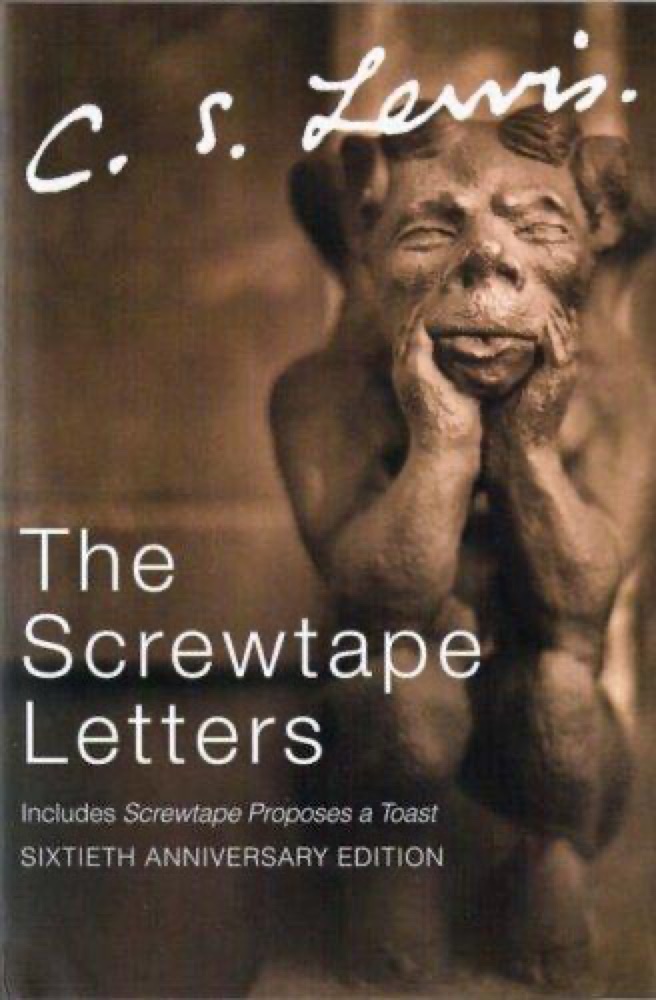
The Screwtape Letters is a satirical Christian apologetic novel by C. S. Lewis, first published in 1942. It is written as a series of thirty-one letters from Screwtape, a senior devil in Hell's bureaucracy, to his young nephew Wormwood, a junior tempter charged with securing the damnation of an ordinary Englishman known only as 'the Patient.' Through Screwtape's worldly-wise instruction, Lewis inverts conventional moral perspective: God is referred to as 'the Enemy,' virtue is treated as a threat, and everyday human weaknesses become the raw material of temptation.
Working in an epistolary and ironic mode, Lewis uses the correspondence to explore how faith is eroded not by dramatic sin but by distraction, pride, self-deception, and the small compromises of daily life. The letters range across prayer, love, war, pleasure, time, and habit, always seen upside down from the devils' point of view, so that the reader is invited to reconstruct the moral truth Screwtape means to obscure. The book was originally serialized in the Anglican periodical The Guardian in 1941 before its publication in book form.
Dedicated to Lewis's friend J. R. R. Tolkien, The Screwtape Letters became one of Lewis's most popular and enduring works and a landmark of twentieth-century Christian writing. Its blend of wit and theological seriousness has kept it continuously in print and inspired stage, audio, and comic adaptations, while its central conceit has made phrases such as 'My dear Wormwood' widely recognizable. Lewis later added a companion piece, Screwtape Proposes a Toast, often printed together with the original letters.
Key characters
- ScrewtapeSenior devil who writes the letters, mentoring his nephew in the art of temptation
- WormwoodScrewtape's inexperienced nephew, a junior tempter assigned to the Patient
- The PatientAn ordinary young Englishman whose soul the devils are trying to win
- The EnemyThe devils' name for God, whose love they cannot comprehend
Book details
- First published
- 1942
- Length
- 160 pages
- Reading time
- 2 hours
- Author
- C.S. Lewis
- Genre
- Fiction
- Goodreads rating
- 4.27 (542k ratings) →
- First line
- “My dear Wormwood, I note what you say about guiding your patient's reading and taking care that he sees a good deal of his materialist friend.”
Series & reading order
- 1 The Screwtape Letters
- 2 Screwtape Proposes a Toast
Movie & TV adaptations
- IMDb
If you liked this, read…
- 1Mere ChristianityLewis's accessible defense of core Christian belief, in a direct rather than satirical voice
- 2The Great DivorceAnother imaginative Lewis fable dramatizing heaven, hell, and human self-deception
- 3Letters from a StoicA classic collection of instructive letters offering moral guidance on how to live
Keep reading
 The Gay Science
 Beyond Good and Evil
 The Story of My Experiments With Truth
 The Secret Scripture
 East of Eden
 The Fall
 Man and Superman
 The First Circle
 The Man in the High Castle
 Human, All Too Human
 The Schopenhauer Cure
 The Fall of Babel
 Shōgun
 The Magic Mountain
 Libra
Libra
 That Hideous Strength
 Daniel Deronda
 Death Comes as the End
 Anthills of the Savannah
 Children of Dune
 An Instance of the Fingerpost
 Odd Hours
 The Burning White
 A Room with a View
 The Count of Monte Cristo
 The Seven Storey Mountain
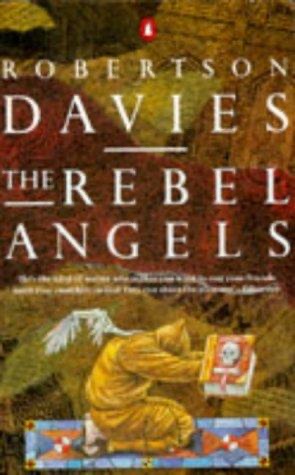 The Rebel Angels
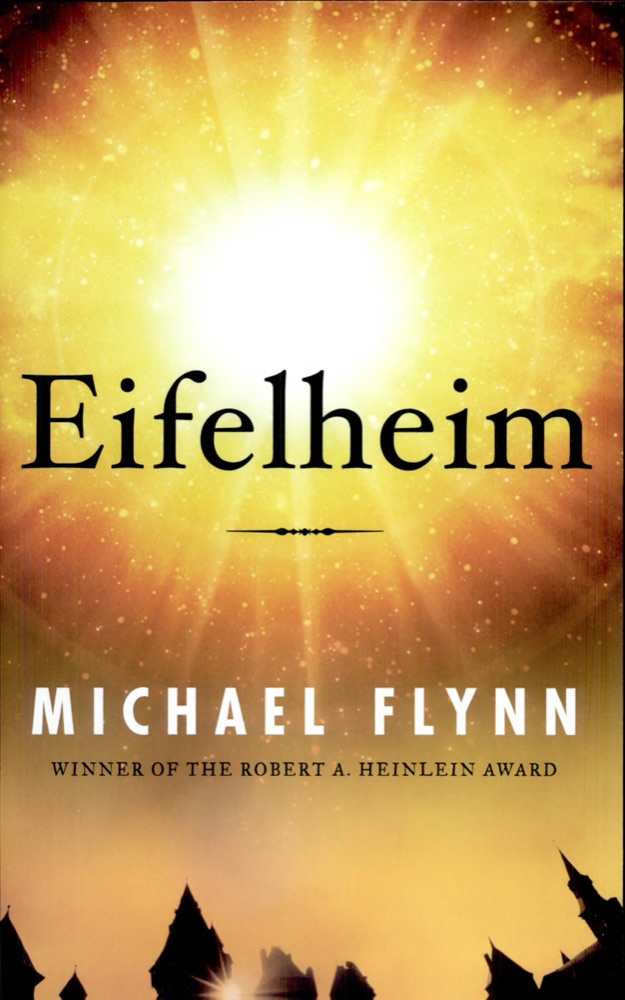 Eifelheim
 Crime and Punishment
 Angle of Repose
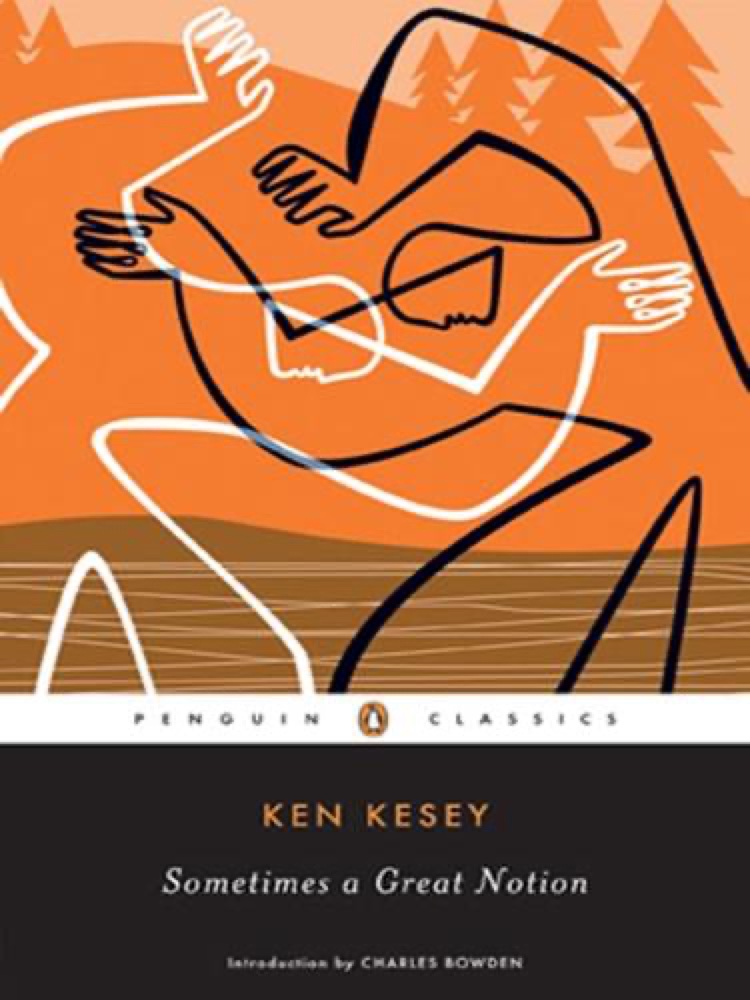 Sometimes a Great Notion
 Wolf Hall
 A Canticle for Leibowitz
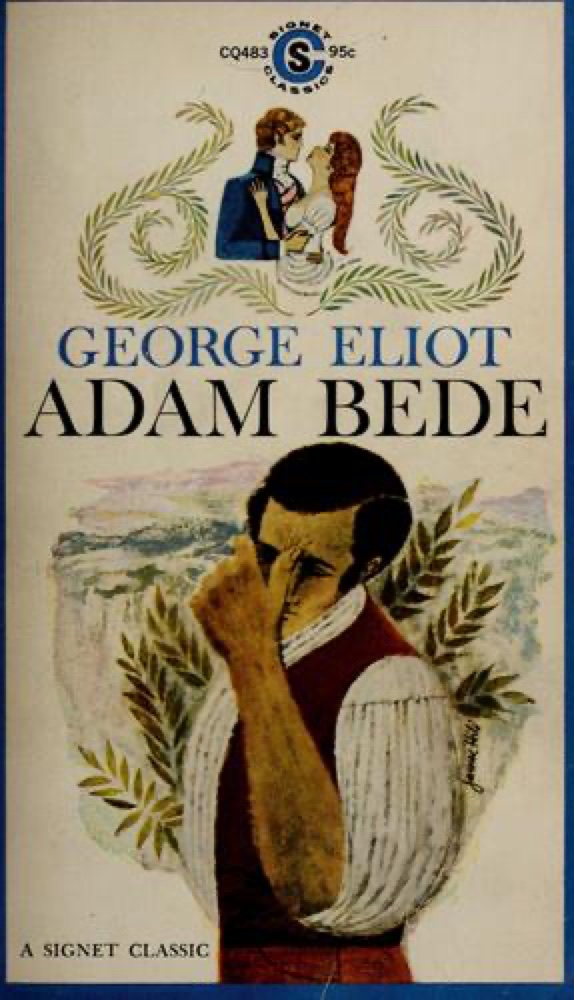 Adam Bede
 The World's Last Night: And Other Essays
 Xenocide
 Silas Marner
 Confessor
 The Grace of Kings
 The Consolation of Philosophy
 The Jewel in the Crown
 The Resistance
 Heretics
 Self-Reliance and Other Essays
 The Home and the World
 Arm of the Sphinx
 Children of God
 Letters and Papers from Prison
 The Everlasting Man
 Bring Up the Bodies
 Lord Jim
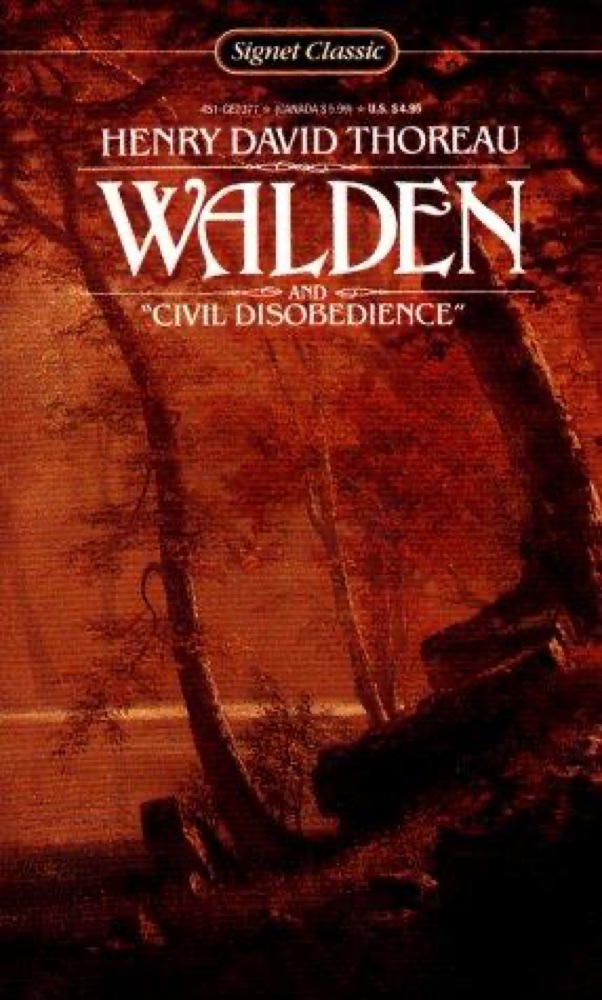 Walden & Civil Disobedience
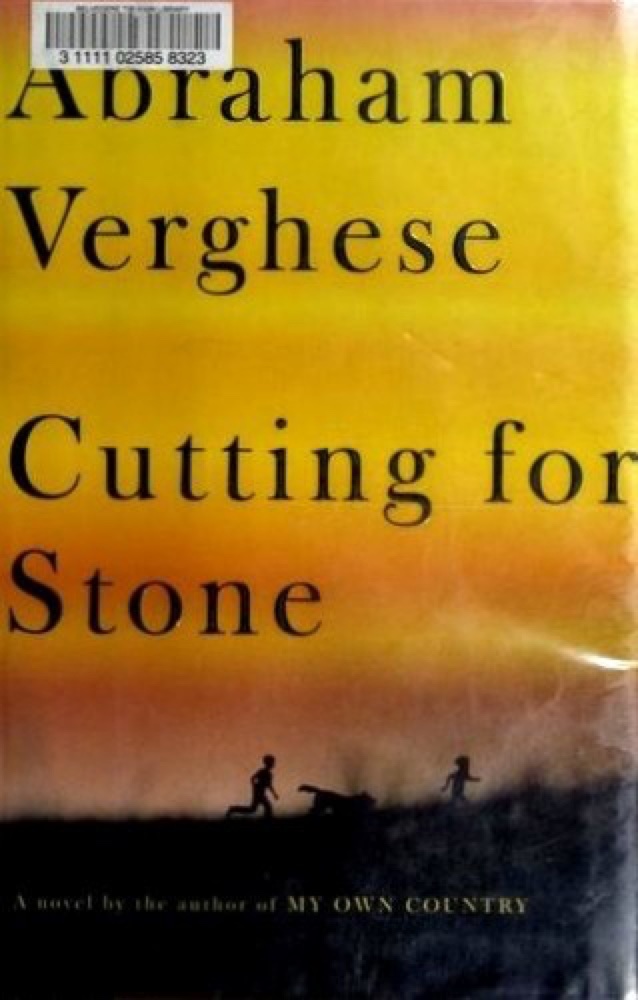 Cutting for Stone
 The Mirror & the Light
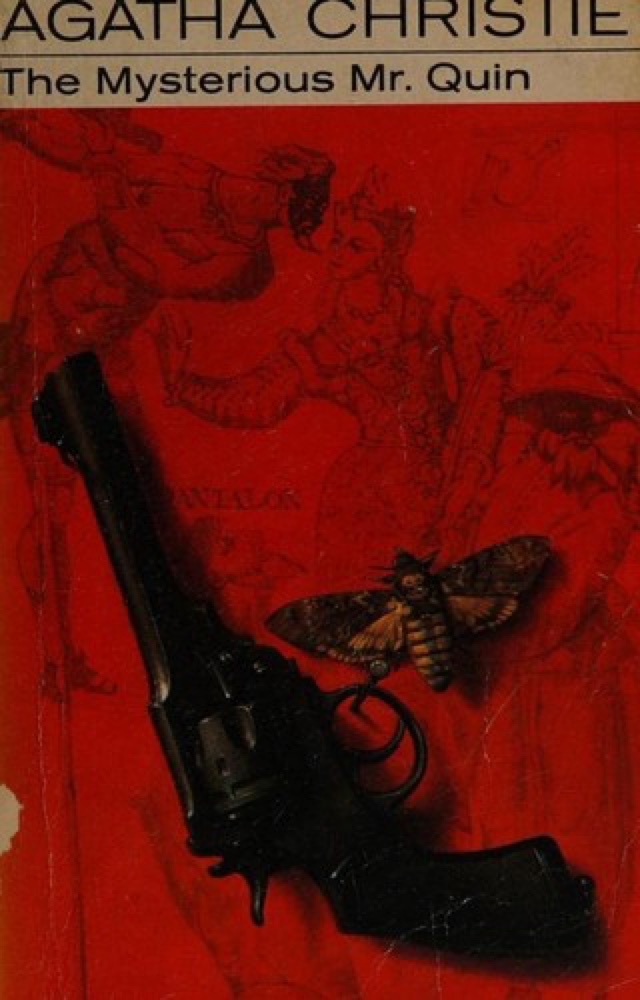 The Mysterious Mr. Quin
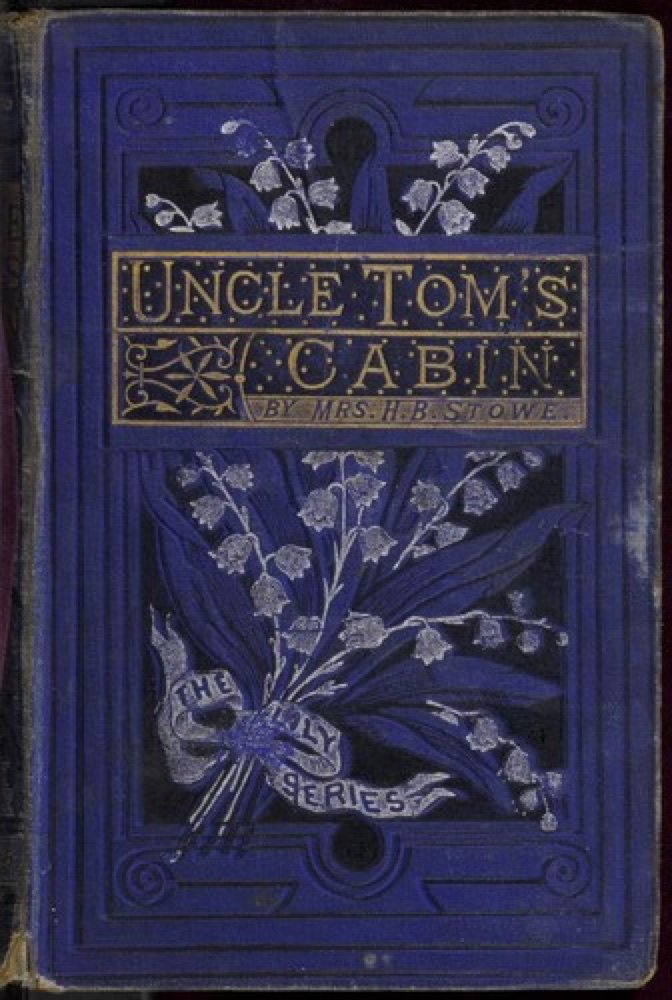 Uncle Tom's Cabin
 When Nietzsche Wept
 Julian
 Shadow of the Almighty: The Life and Testament of Jim Elliot
 Everyone Burns