

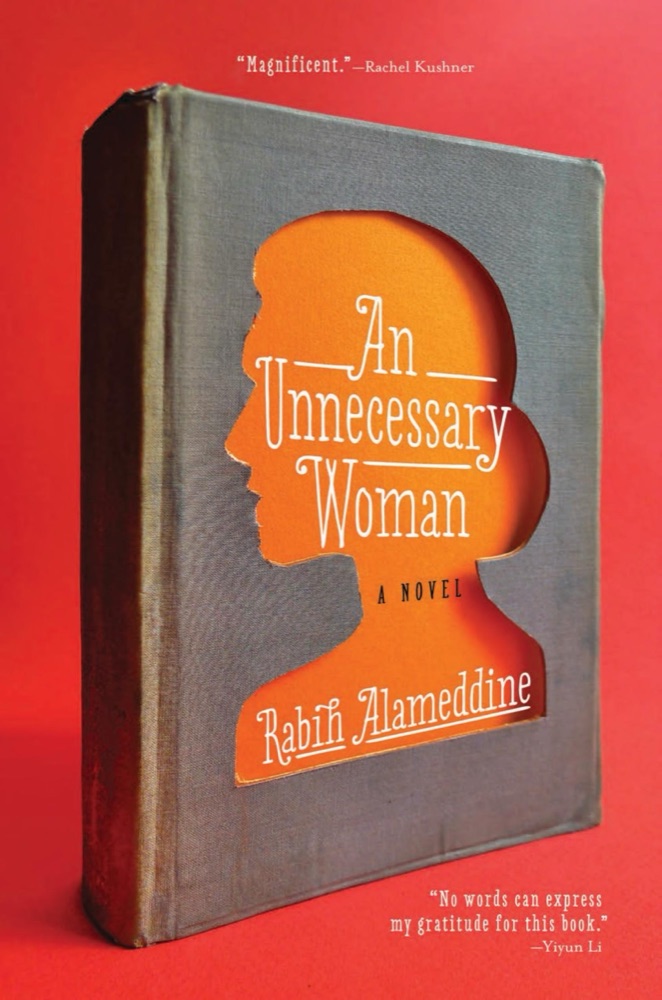
 An Unnecessary Woman
Quotes from the Book
...What happens is of little significance compared with the stories we tell ourselves about what happens. Events matter little, only stories of events affect us.
164
By nature, a storyteller is a plagiarist. Everything one comes across—each incident, book, novel, life episode, story, person, news clip—is a coffee bean that will be crushed, ground up, mixed with a touch of cardamom, sometimes a tiny pinch of salt, boiled thrice with sugar, and served as a piping-hot tale.
27
Me? I was lost for long time. I didn’t make any friends for few years. You can say I made friends with two trees, two big trees in the middle of the school […]. I spent all my free time up in those trees. Everyone called me Tree Boy for the longest time. […]. I preferred trees to people. After that I preferred pigeons, but it was trees first.
12
I was a lonely boy. I spent all my time reading books and watching the world. [some] tried to draw me out at first, but their hearts weren't in it. And after all, they had enough troubles of their own.
9
Like all cities, Beirut has many layers, and I had been familiar with one or two. What I was introduced to that day with Ali and Kamal was the Beirut of its people. You take different groups, put them on top of each other, simmer for a thousand years, keep adding more and more strange tribes, simmer for another few thousand years, salt and pepper with religion, and what you get is a delightful mess of a stew that still tastes delectable and exotic, no matter how many times you partake of it.
4
Belief is the enemy of a storyteller
4
A hakawati is a teller of tales, myths, and fables. A storyteller, and entertainer. A troubadour of sorts, someone who earns his keep by beguiling an audience with yarns. Like the word “hekayah” story, fable, news, hakawati is derived from the Lebanese word “haki”, which means talk or conversation. This suggests that in Lebanese the mere act of talking is storytelling.
4
You can say that Lebanese has hundreds of lexemes for family relations. Family to the Lebanese is as snow to the Inuit.
4
She can be ornery now and then, vain for sure, petulant and impetuous, silly at times, ill disposed toward the help, even malicious and malevolent when angry, but, still, she has always been the one for me.
3
Hope, the great deceiver, seduced her that morning.
3
Neither father nor son moved, but stayed face to face for hours and hours, neither looking away nor surrendering, until the sun finished its daily pilgrimage, for no day is so long that it is not ended by nightfall.
2
I want a God that makes me twirl.' I jumped off the couch. I untucked and unbuttoned my shirt so it would flow like a robe. 'Like this. I can do this for God.' I held my hands out. I twirled and twirled and twirled. 'Look,' I said. 'Look.
2
Reality never meets our wants, and adjusting both is why we tell stories.
2
Nick commenced a monologue explaining the impossibility of such a phenomenon: the subordination of content to the aesthetics of language in Arabic literature, the dominance of panegyrics and eulogies as an art form, etc.
2
Listen. Allow me to be your god. Let me take you on a journey beyond imagining. Let me tell you a story.
1
I was a tourist in a bizarre land. I was home.
1
Fate's schedule is not always naked and clear.
1
No matter how good a story is, there is more at stake in the telling.
1
Delete the need to understand. In this world and that of tales, the need is naught more than a hindrance.
The girl strolled past, indifferently, seductively, her eyes hidden by cheap sunglasses. The old man sat up when the girl passed him. “Don’t you think your pants are too tight?” he asked. “Kiss my ass, Uncle,” she replied. He leaned forward. She kept going. “No one listens anymore,” he said quietly.
Never wear clothes that are bigger than you are unless you intend to grow into them. If you want to wear a great suit, either you believe it belongs to you or you'll look like you're thirteen and wearing your mother's clothes. Doesn't that make sense? It's the same in life. Never live a life too big for you. You either grow bigger to encompass it or shrink it to fit you.
In the grand scheme of stories, he was nothing, almost an unmentionable, for he was not an odd character or an interesting one. He was a thread, one of many, without which the tapestry would crumble, the yarn fray, and the tale unravel.
When I asked my father why Mademoiselle Finkelstein was such a cruel woman, he said it was because she was unmarried, which caused women to be come bitter, harsh, and unforgiving after they reached the age of thirty. of course, he explained, they made wonderful teachers, because they had the unfettered time to dedicate to their profession and they knew how to instill discipline. on the other hand, unmarried men, like his younger brother, Uncle Jihad, were simply eccentrics and did not suffer accordingly. The difference, he elaborated, was that men chose to be unmarried, whereas women had to live with never having been chosen.
Watch on YouTube
About Rabih Alameddine
We have collected 65 quotes from 3 books by Rabih Alameddine on BookQuoters.
More about the author →More by Rabih Alameddine
An Unnecessary Woman
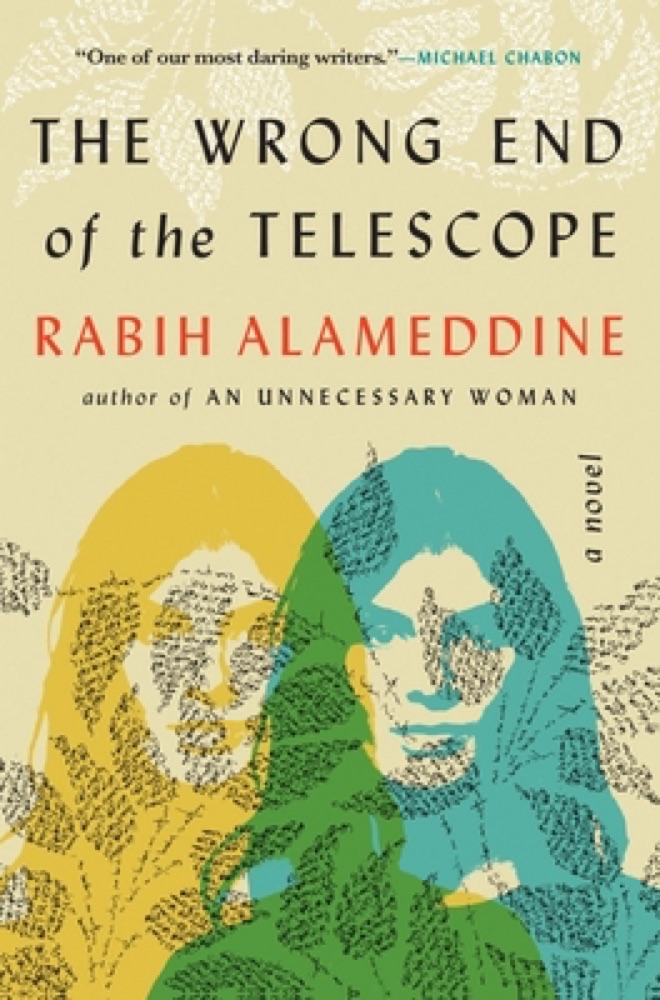 The Wrong End of the Telescope
About the book
An inventive, exuberant novel that takes us from the shimmering dunes of ancient Egypt to the war-torn streets of twenty-first-century Lebanon.
In 2003, Osama al-Kharrat returns to Beirut after many years in America to stand vigil at his father’s deathbed. The city is a shell of the Beirut Osama remembers, but he and his friends and family take solace in the things that have always sustained them: gossip, laughter, and, above all, stories.
Osama’s grandfather was a hakawati, or storyteller, and his bewitching stories—of his arrival in Lebanon, an orphan of the Turkish wars, and of how he earned the name al-Kharrat, the fibster—are interwoven with classic tales of the Middle East, stunningly reimagined. Here are Abraham and Isaac; Ishmael, father of the Arab tribes; the ancient, fabled Fatima; and Baybars, the slave prince who vanquished the Crusaders. Here, too, are contemporary L
Book details
- First published
- 2008
- Author
- Rabih Alameddine
- Genre
- Fiction
- Goodreads rating
- 3.95 (5k ratings)
Keep reading
 Haroun and the Sea of Stories
 In Arabian Nights: A Caravan of Moroccan Dreams
 The Map of Salt and Stars
 Everything Sad Is Untrue
 Smoke and Mirrors: Short Fiction and Illusions
 My Friends
 The Kite Runner
 Hiddensee: A Tale of the Once and Future Nutcracker
 The Thirteenth Tale
 Arm of the Sphinx
 Sexing the Cherry
 Fragile Things: Short Fictions and Wonders
 Two Years Eight Months and Twenty-Eight Nights
 The Neverending Story
 The Cat's Table
 The Wolf Gift
 The Telling
 Moth Smoke
 The Mime Order
 Stories: All-New Tales
 Lighthousekeeping
 Warlight
 The Story of the Lost Child
 The Clockmaker's Daughter
 Sixty Stories
An Unnecessary Woman
Sixty Stories
An Unnecessary Woman
 The Fall of Babel
 Thrust
 The Enchantress of Florence
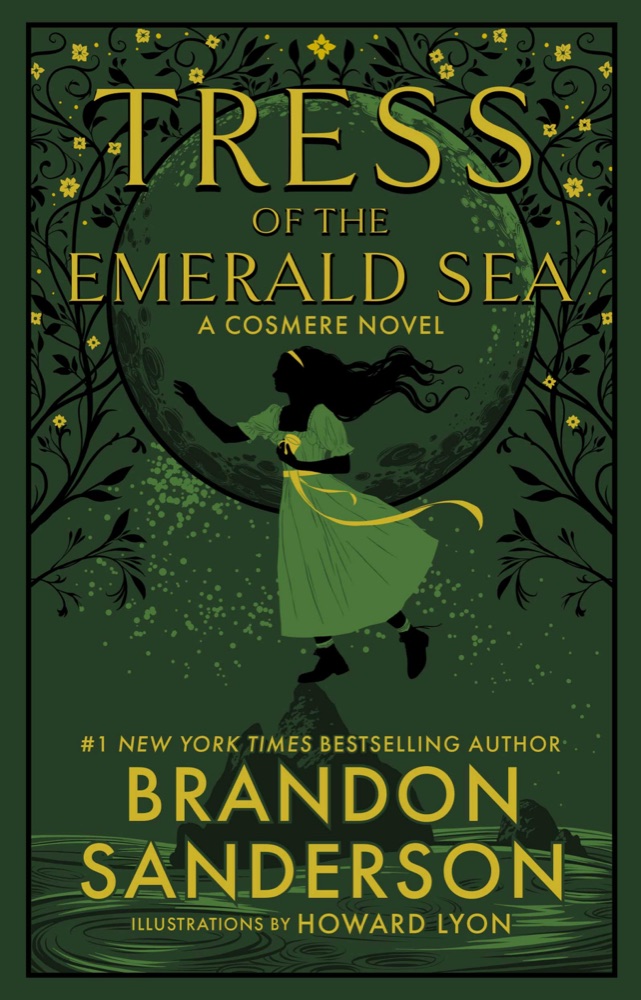 Tress of the Emerald Sea
 Asymmetry
 The Name of the Wind
 The Book of Dreams
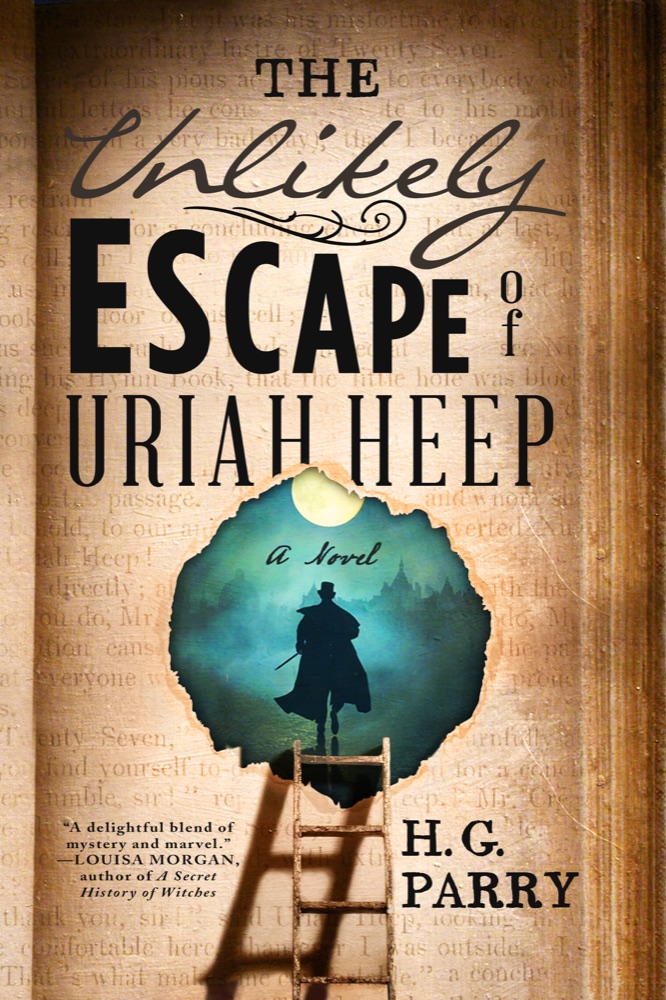 The Unlikely Escape of Uriah Heep
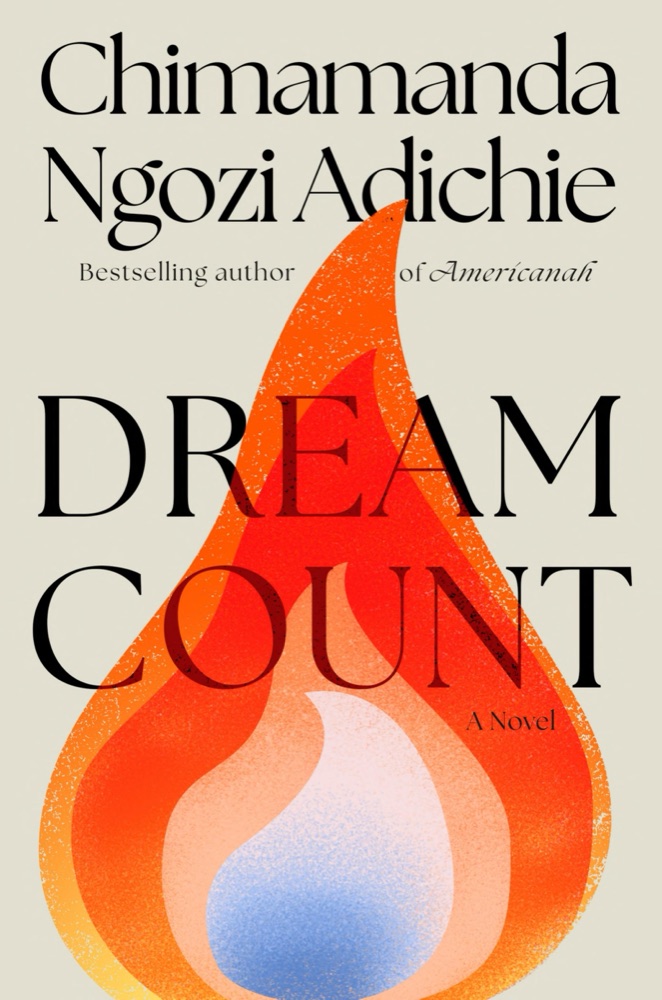 Dream Count
 The Storyteller
 Selected Stories
 The Joke
 Once Upon a River
 Plainwater: Essays and Poetry
 The Book of Salt
 Out of Oz
 A Fisherman of the Inland Sea
 A Tale of Love and Darkness
 Flights
 The Arabian Nights
 Conviction
 Too Much Happiness: Stories
 The God of Small Things
 Enchanted
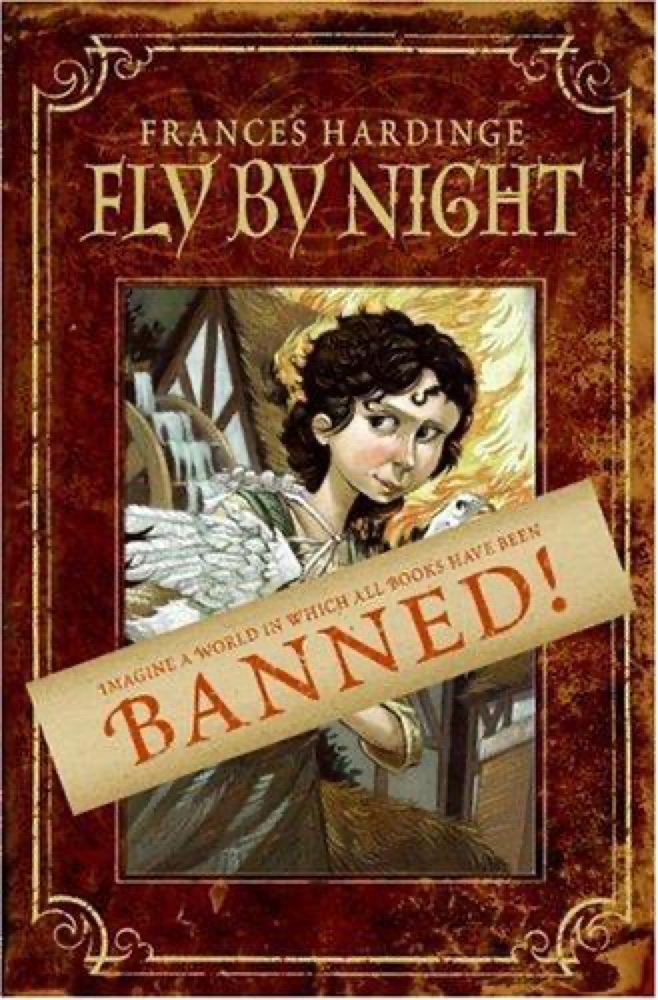 Fly by Night
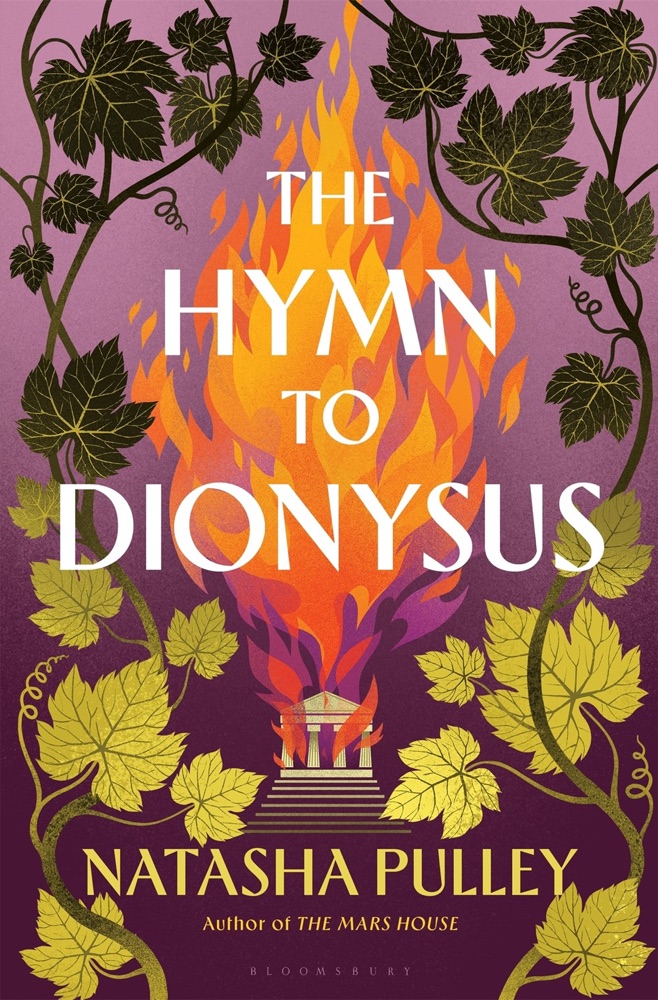 The Hymn to Dionysus
 Redemption in Indigo
 Alif the Unseen
 The Ten Thousand Doors of January
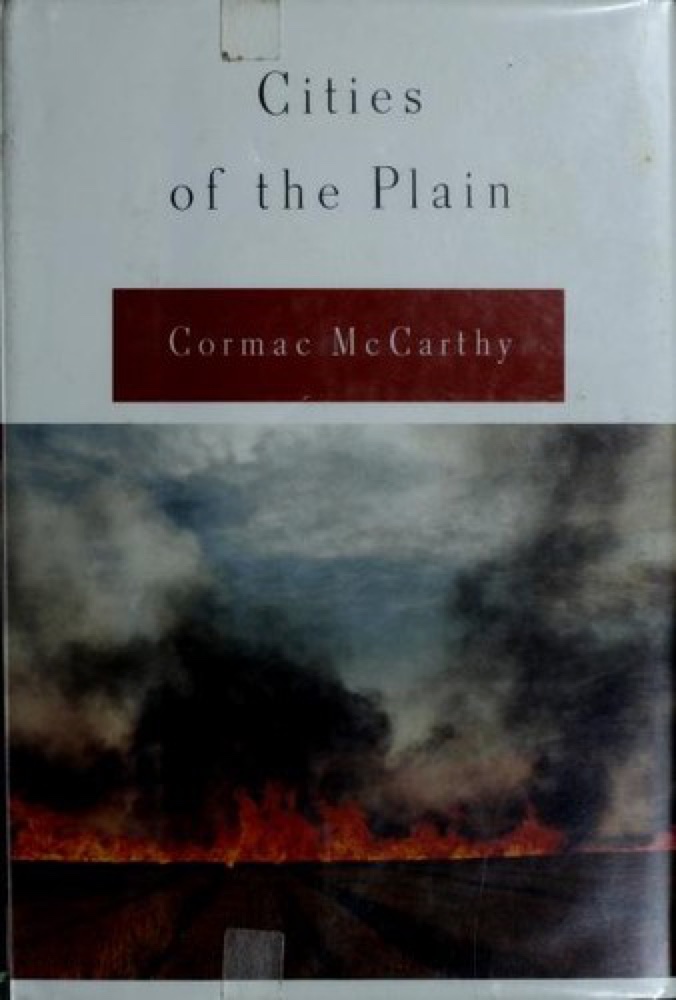 Cities of the Plain
 Radiance
 I Cheerfully Refuse
 Embers
 The Crane Wife