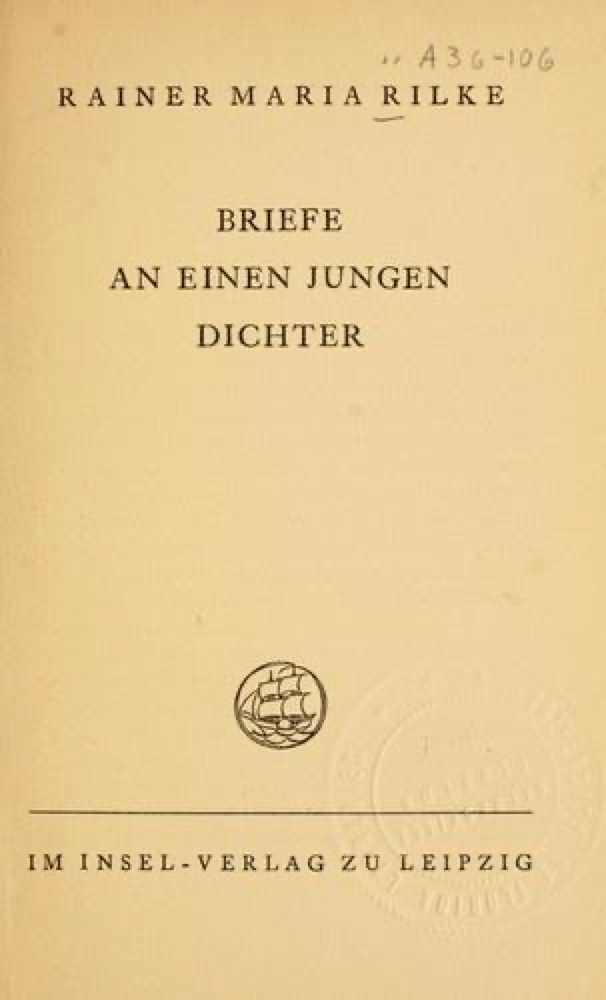
 Letters to a Young Poet
Quotes from the Book
Quiet friend who has come so far, feel how your breathing makes more space around you. Let this darkness be a bell tower and you the bell. As you ring, what batters you becomes your strength. Move back and forth into the change. What is it like, such intensity of pain? If the drink is bitter, turn yourself to wine. In this uncontainable night, be the mystery at the crossroads of your senses, the meaning discovered there. And if the world has ceased to hear you, say to the silent earth: I flow. To the rushing water, speak: I am. - Let This Darkness Be a Bell Tower
97
Want the change. Be inspired by the flame where everything shines as it disappears. The artist, when sketching, loves nothing so much as the curve of the body as it turns away. What locks itself in sameness has congealed. Is it safer to be gray and numb? What turns hard becomes rigid and is easily shattered. Pour yourself like a fountain. Flow into the knowledge that what you are seeking finishes often at the start, and, with ending, begins. Every happiness is the child of a separation it did not think it could survive. And Daphne, becoming a laurel, dares you to become the wind. - Sonnets To Orpheus, Part Two, XII
53
For among these winters there is one so endlessly winter that only by wintering through it will your heart survive.
33
Please don’t, above all, plant me in your heart. I grow too quick.
25
And if the world has ceased to hear you, say to the silent earth: I flow. To the rushing water, speak: I am.
19
Amid these fading and decaying things, be the glass that rings out as it's breaking.
13
when you go to bed, don't leave bread or milk on the table: it attracts the dead. [sonnet 6]
11
Only he whose bright lyre has sounded in shadows may, looking onward, restore his infinite praise. Only he who has eaten poppies with the dead will not lose ever again the gentlest chord. Though the image upon the pool often grows dim: Know and be still. Inside the Double World all voices become eternally mild.
10
In spite of all the farmer's work and worry, he can't reach down to where the seed is slowly transmuted into summer. The earth bestows.
8
The trees which you planted as a child Have long since grown too heavy; you do not deceive them. But the winds ... but the spaces ... Raise no monument. For it is the roses Which salute Him year by year with their petals. This, you see, is Orpheus
5
Sonnets to Orpheus, Part One, XII Bless the spirit that makes connections, for truly we live in what we imagine. Clocks move along side our real life with steps that are ever the same. Though we do not know our exact location, we are held in place by what links us. Across trackless distances antennas sense each other. Pure attention, the essence of the powers! Distracted by each day's doing, how can we hear the signals? Even as the farmer labors there where the seed turns into summer, it is not his work. It is Earth who gives.
5
Your smile more enduring, when it illuminates your sorrow.
4
It is all about praising. Created to praise, his heart is a winepress destined to break, that makes for us an eternal wine. His voice never chokes with dust when words for the sacred come through. All becomes vineyard. All becomes grape, ripening in the southland of his being. Nothing, not even the rot in royal tombs, or the shadow cast by a god, gives the lie to his praising. He is ever the messenger, venturing far through the doors of the dead, bearing a bowl of fresh-picked fruit.
4
In this vast night, be the magic power at your senses’ intersection, the meaning of their strange encounter. And if the earthly has forgotten you, say to the still earth: I flow. To the rushing water speak: I am. from “Sonnet 29
3
How the bird cry seizes us … The creation once, of any cry. But even the children, playing in the open air, Cry out, beyond all true cries. Chance cries out. Into the spaces between All of these vastnesses of a world, (where the broken Bird cry insinuates itself, like men in dreams -) They drive and pound in their screeching, like wedges. So where on earth are we then? We break freer and freer, Hunting, like kites which have snapped loose Half way up, with laughing borders, Shredded by the wind. – Array all those who cry out, Oh god who sings! that they may awaken with a roar, Bearing upon them as a current the head and the lyre.
2
Call me to you when the hour turns away, The one which always opposes you: It is as close to you as a dog’s face But then it wavers, forever eluding you
2
But the rage passes and leaves no trace behind. The curves of flight through the air, and those that ply them, Perhaps none is without purpose. But only as memory.
2
Fate measures us perhaps with the breadth of being, Which is strange to us; Just think how much distance there is between a girl and a man When she is avoiding him or thinking of him.
2
Oh, what shrivelled teachers are we to things, Which have succeeded at eternal youth.
2
Every blessed space is both child and grandchild of dissolution, for that which is stored up drains away. And Daphne, in her metamorphosis, as she feels herself becoming a laurel, wishes that you evanesce into the wind.
2
Just as the sheet nearest to hand takes from a master The true hasty stroke, just so The mirror often takes into itself The sole, the divine laugh of a girl, As she experiences the morning, alone - Or in the radiance of attendant candlelight. And later, when this visage actually breathes, Gives back only a reflection. What eyes have not upon occasion gazed Into the long-smoking embers that fade in the fire: Life-glimpses, lost forever?
2
And often the reflection in the pool Dissolves us asunder: Know the image!
2
True singing is breath of another kind. A breath that aims nowhere. Pneuma within the god. A zephyr.
2
Suffering is not discerned, neither has love been learned, and what removes us in death, nothing unveils. Only the song's high breath hallows and hails.
2
We are the driven ones. But the march of time Is but a trifle In our perpetual enduring. All this hastening Will soon be done; For only lingering Can consecrate our being. Young men, don’t throw Your energies into tests of Speed or aerial flight. Know that all is in repose: The darkness, the brilliantly luminous, The flower, the book
2
All that we have gained, the machine threatens- once a tool assumes a force of its own. Instead of letting us get used to mastery, for buildings more severe it cuts the stone.
2
And if the earthly no longer knows your name, whisper to the silent earth: I’m flowing. To the flashing water say: I am.
1
And if what is of earth forgets you, Say to that earth of silence: I flow. Say to the rushing waters: I am.
1
Oh arrive and leave. You were still half a child, Completing a dancing pose for but a moment, The pure form of a star constellation, which is One of the ways in which we overcome the mindless random order Of Nature, also just for a moment. For it was only when Orpheus sang That Nature awoke and heard, was quickened in alertness. Though far away in time, this stirred you. And you were somewhat Surprised that a tree considered so slowly and hesitated To join with you in hearing it. You sensed the very place where the lyre Raised itself aloft -; the mid-point which has never been heard. For you ventured your beautiful steps And you hoped, one day in holy celebration To alter the course and countenance of your friend. (Her friend is himself.)
1
Watch on YouTube
About Rainer Maria Rilke
We have collected 163 quotes from 6 books by Rainer Maria Rilke on BookQuoters.
More about the author →More by Rainer Maria Rilke
Letters to a Young Poet
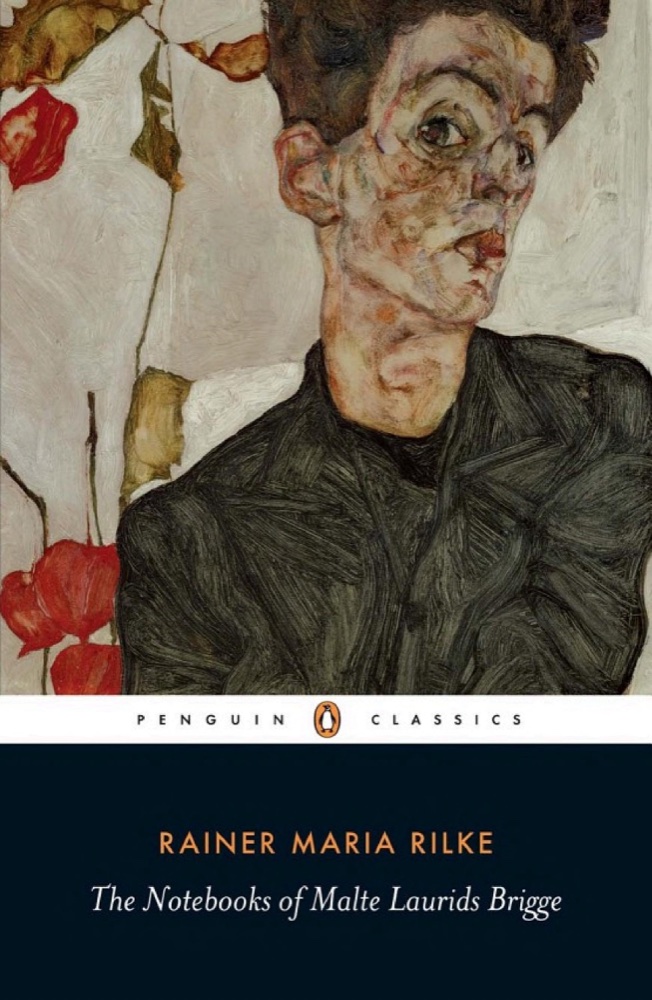 The Notebooks of Malte Laurids Brigge
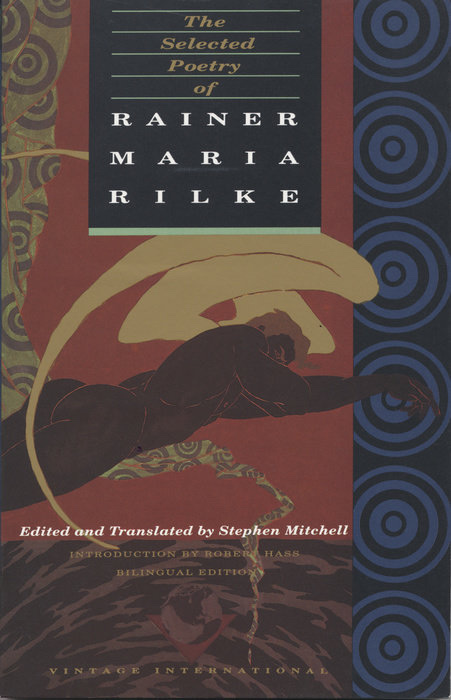 The Selected Poetry of Rainer Maria Rilke
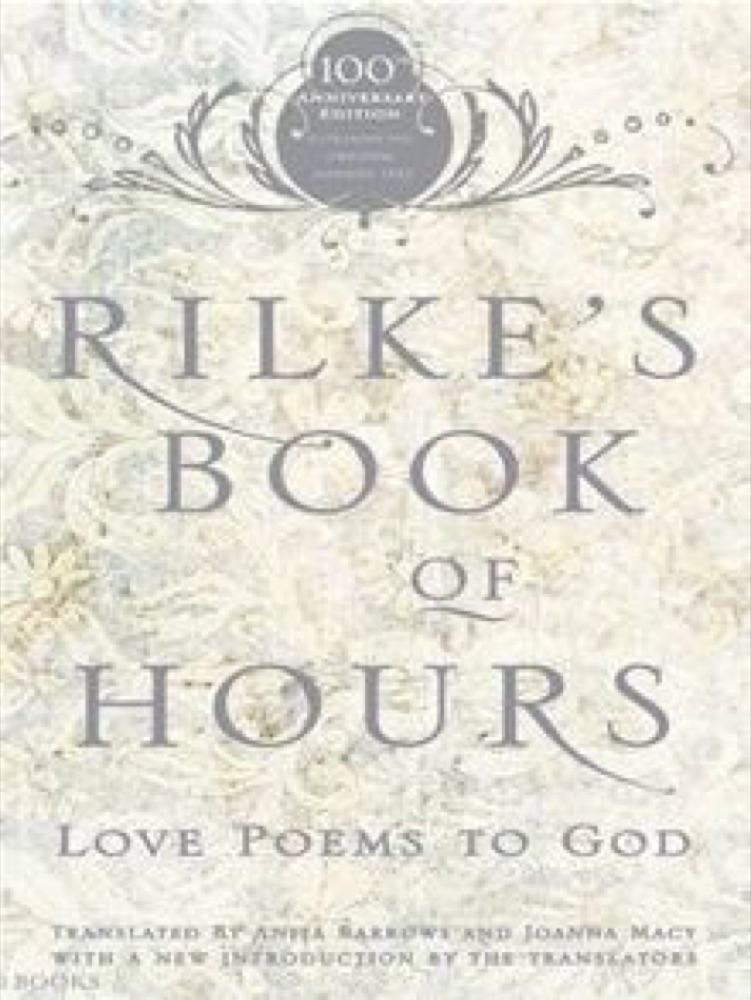 Rilke's Book of Hours: Love Poems to God
About the book
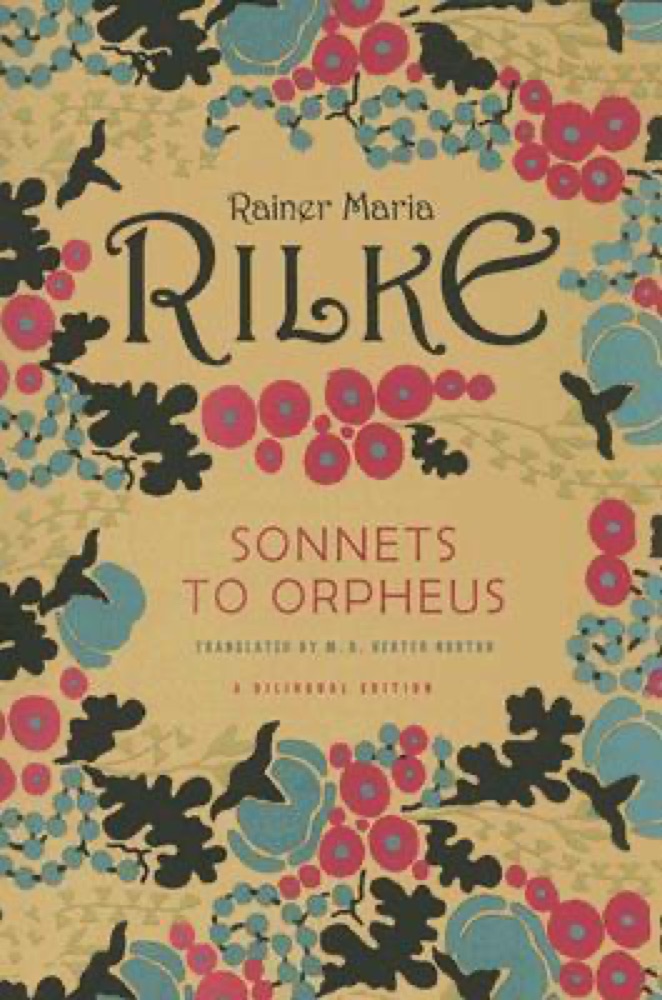
One of the literary masterpieces of the century, this translation is now presented with facing-page German. To Rilke himself the Sonnets to Orpheus were "perhaps the most mysterious in the way they came up and entrusted themselves to me, the most enigmatic dictation I have ever held through and achieved; the whole first part was written down in a single breathless act of obedience, between the 2nd and 5th of February, without one word being doubtful or having to be changed." With facing-page German.
Book details
- First published
- 1923
- Author
- Rainer Maria Rilke
- Genre
- Literature
- Goodreads rating
- 4.24 (4k ratings)
Keep reading
The Selected Poetry of Rainer Maria Rilke
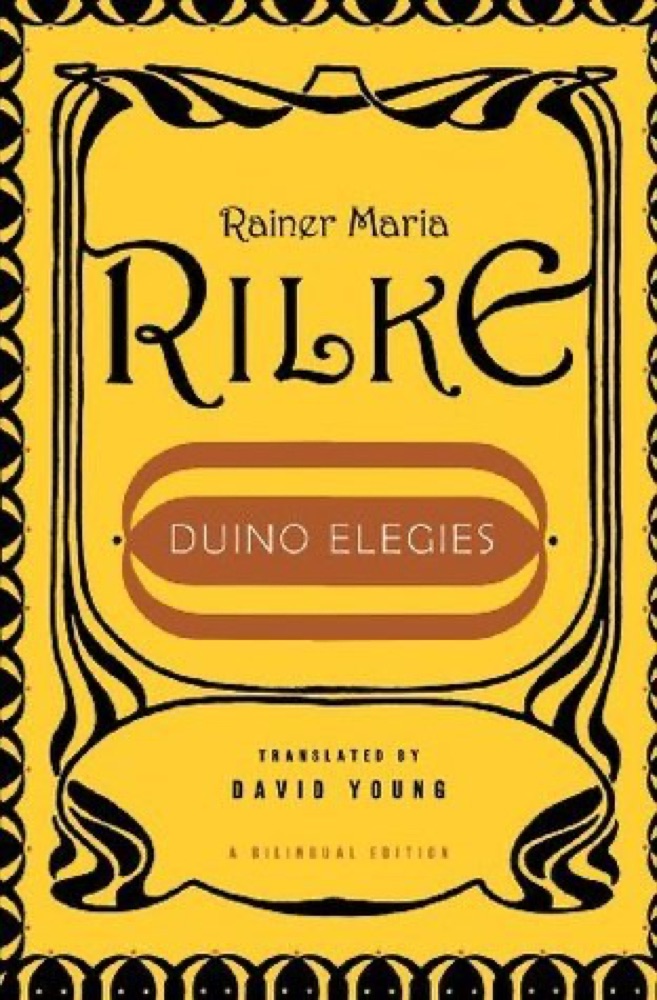 Duino Elegies
 Collected Poems
 The Complete Poems of Emily Dickinson
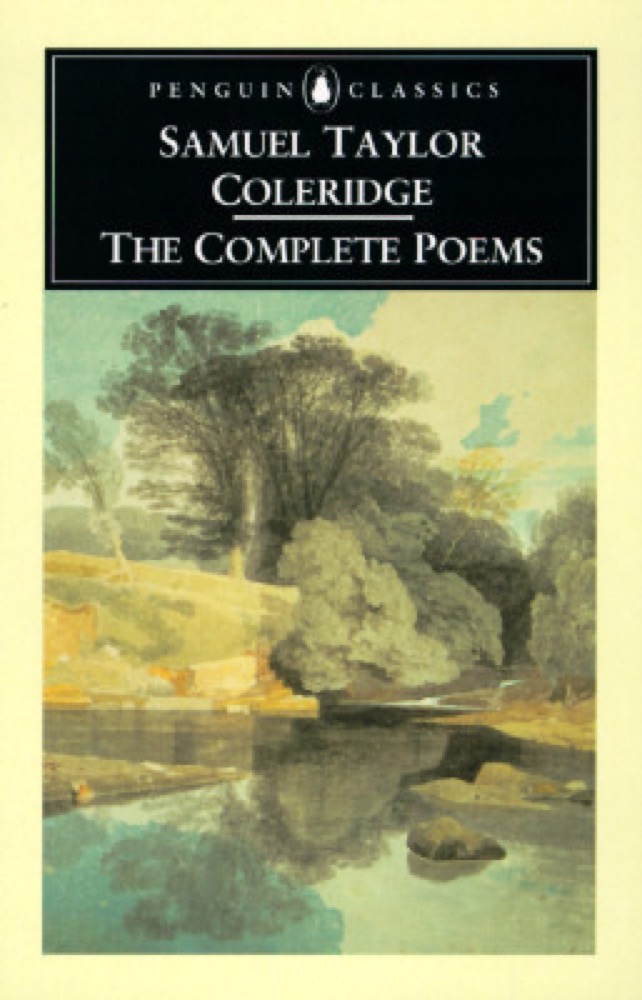 The Complete Poems
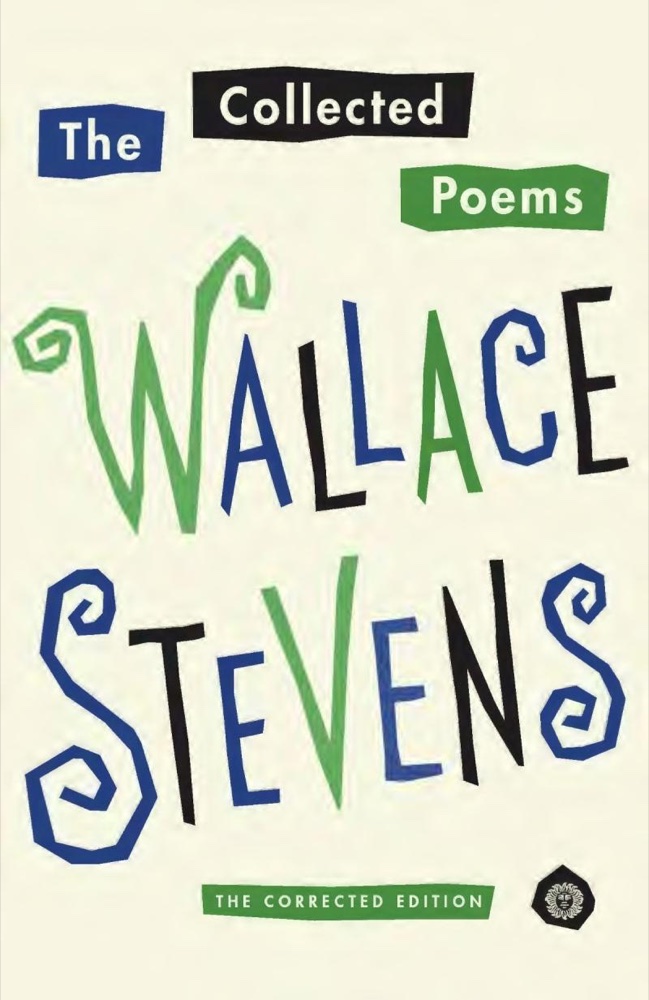 The Collected Poems
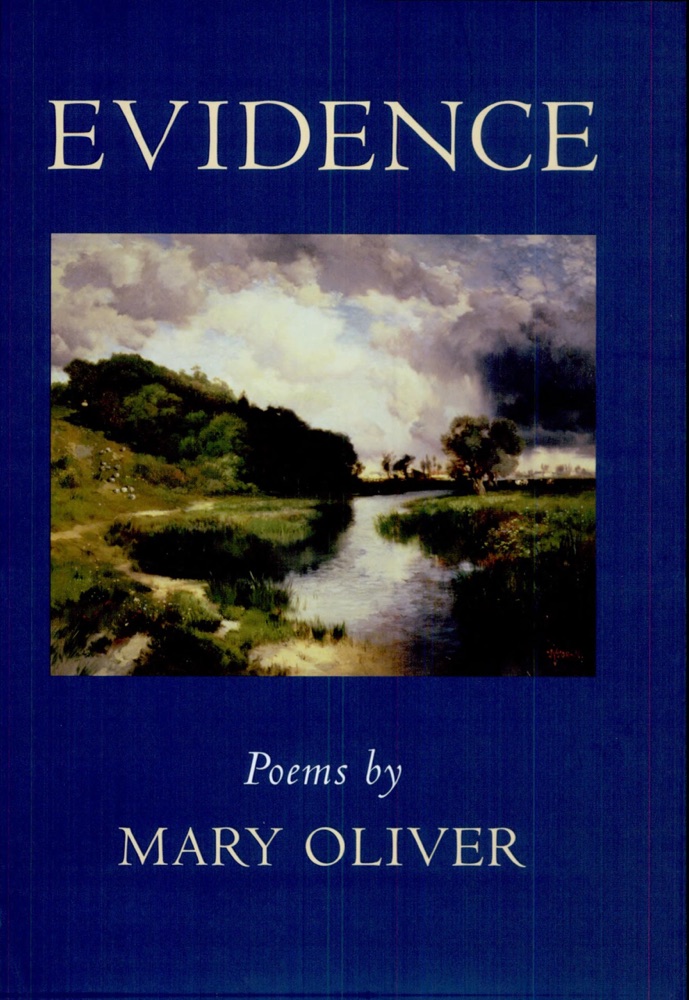 Evidence: Poems
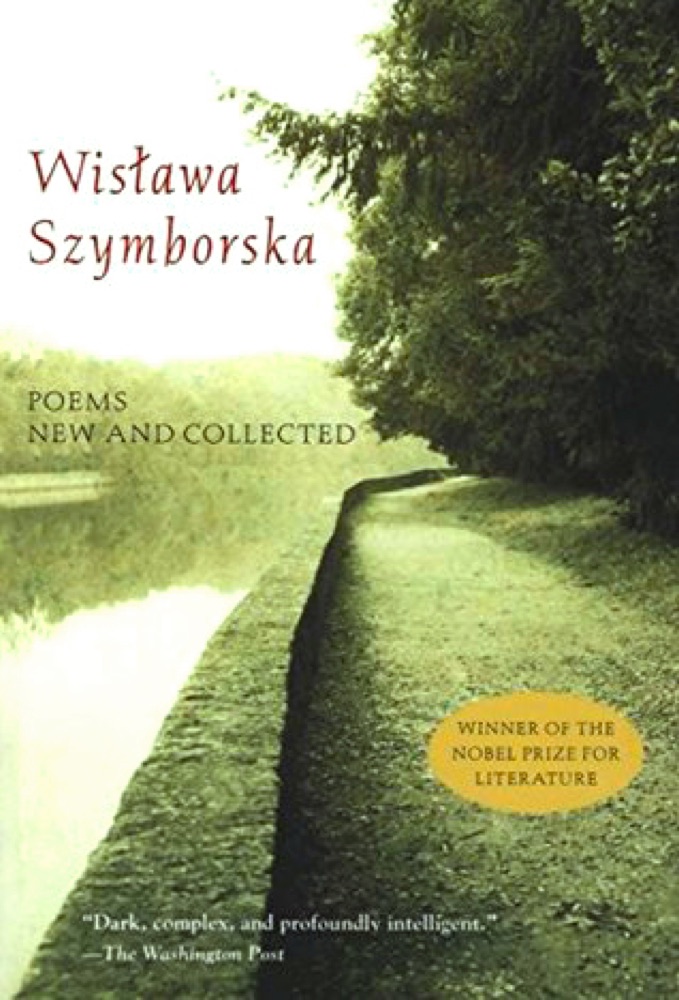 Poems New and Collected
 Phantastes
 Dearly
 Plainwater: Essays and Poetry
Rilke's Book of Hours: Love Poems to God
Plainwater: Essays and Poetry
Rilke's Book of Hours: Love Poems to God
 The Waste Land and Other Poems
 Selected Poems
 Selected Poems
 Poems, 1962-2012
 The Soul of Rumi: A New Collection of Ecstatic Poems – Coleman Barks's Sublime Renderings of the 13th-Century Sufi Mystic's Insights into Divine Love and the Human Heart
 Selected Poems
 Gitanjali
 Fugitive Pieces
 The Complete Poems 1927-1979
 The Conference of the Birds
 The Waves
 The Collected Poems of W.B. Yeats
 The Collected Poems
 New and Selected Poems, Vol. 2
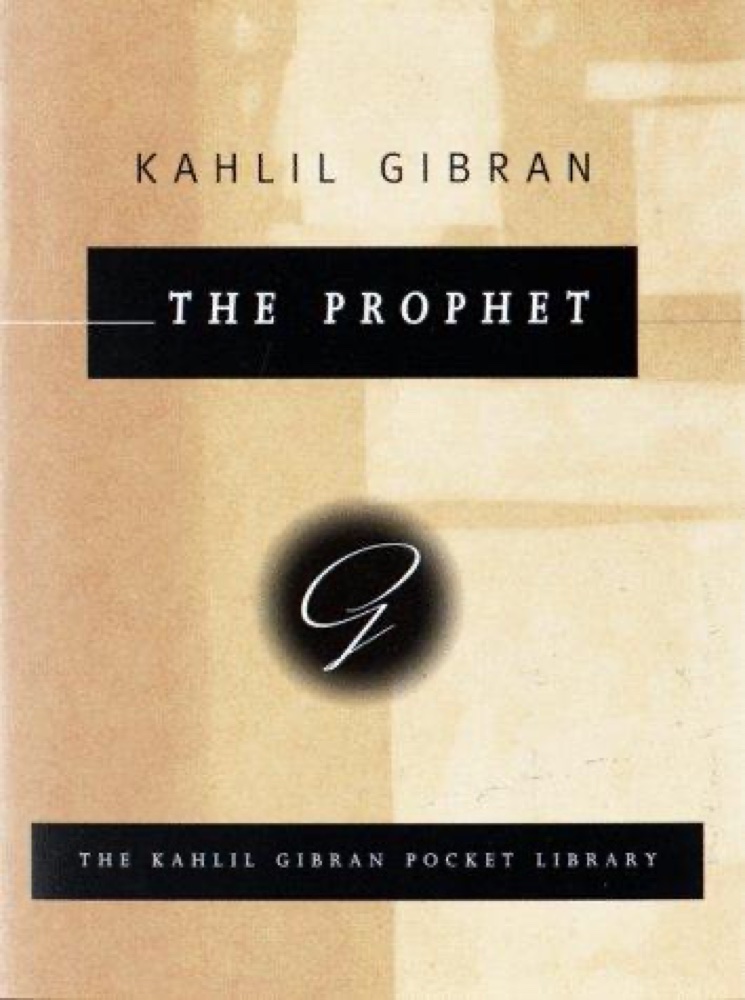 The Prophet
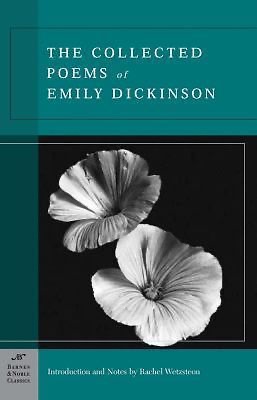 The Collected Poems of Emily Dickinson
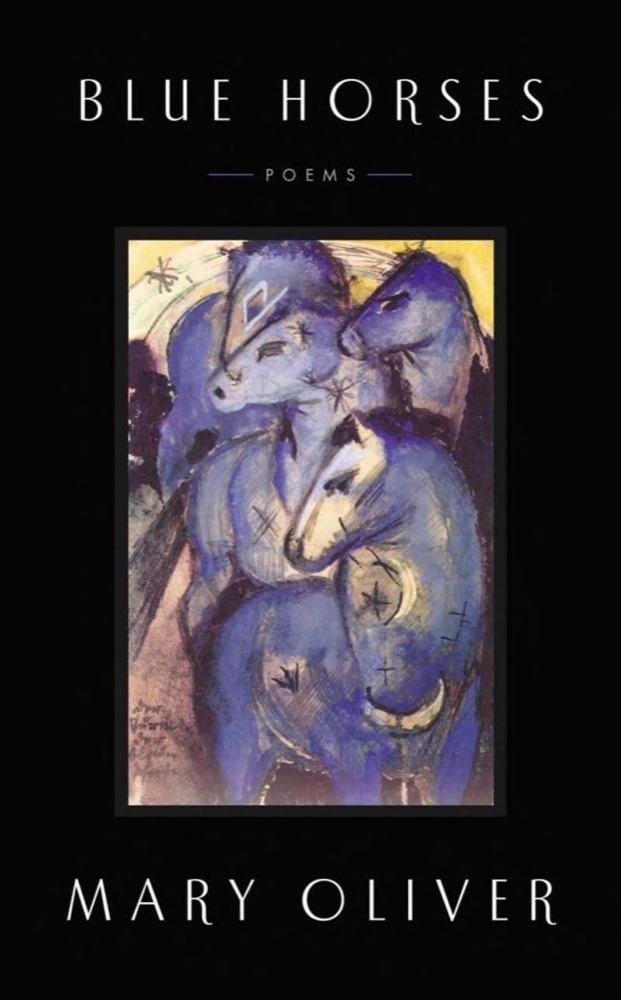 Blue Horses
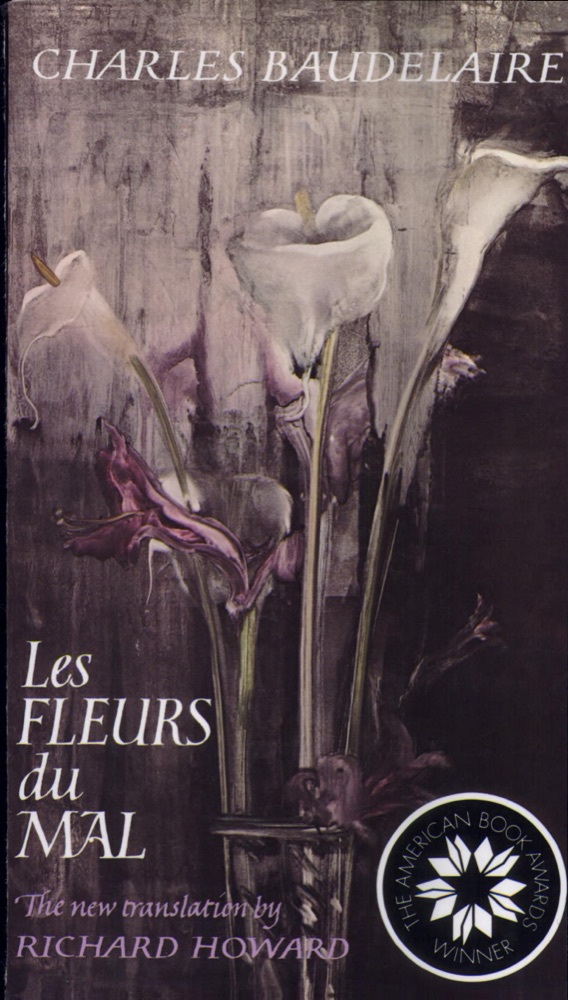 Les Fleurs du Mal
 Faust
Faust
 Wind, Sand and Stars
 Narcissus and Goldmund
 100 Selected Poems
 The Divine Comedy
 Sexing the Cherry
 The Complete Poems
 Selected Poems
 She
She
 Childe Harold's Pilgrimage
 Autumn
 Conflict Resolution for Holy Beings: Poems
 House of Leaves
 Leaves of Grass
 Possession
 Ulysses
 Spring and All
 Swann's Way
 Light Years
 Collected Poems
 Sacred Journey of the Peaceful Warrior
 A Soldier of the Great War
 Paradiso
 Poems of Paul Celan
 Collected Poems
 Extracting the Stone of Madness: Poems 1962 - 1972
 M Train
 The Essential Neruda: Selected Poems
 The Vampire Lestat
 Lord Jim