
 Jesus for President: Politics for Ordinary Radicals
Quotes from the Book
Spiritual people use religion to become better people. Fundamentalists use religion to pretend they’re better than other people.
22
remember—if your church isn’t telling you to love your enemies but keeps telling you who your enemies are, you’re not really in a church.
12
Jesus was: A peaceful, radically nonviolent revolutionary Who wasn’t American and never spoke English Who hung around lepers, hookers, and crooks Never sought tax cuts for rich Nazarenes Was anti-wealth and anti–death penalty Anti–public prayer, too (Matthew 6:5) Never asked lepers for a co-pay Never called poor people “lazy” Never even slightly antigay Never mentioned abortion Supported paying taxes
8
Jesus asserts that his true followers are the people and societies who care for the poor, the sick, the marginalized, the immigrants, and the incarcerated. And he tells you who his fake followers are—the ones who are openly religious but indifferent to the poor, the sick, the marginalized, the immigrants, and the incarcerated, the lowest of the low. How we treat them is how we treat him.
7
And that’s the point. We’re called to follow Christ, not the Bible. In fact, please understand this: the Bible does not tell us to follow the Bible. The Bible tells us to follow Christ. But Biblical Christians follow the Bible. They do not, in fact, attempt to follow Christ.
5
All four Gospel writers specifically cite Jesus rejecting the accepted cultural norms and treating women with respect. Not only did he break rabbinic laws of his day by teaching and talking to women, but he allowed women to touch him—including those considered “unclean” by the culture at large.
4
If you want to trigger and enrage Christian nationalists, Jesus will show the way. Stand up for the oppressed, welcome the stranger, love your enemy, fight poverty and injustice, resist violence, and choose compassion. Or just ask them which Jesus teachings justify their politics.
4
Christianity is under attack—but by divisive right-wing fundamentalists who publicly worship Jesus while fighting against, voting against, and legislating against his actual commandments.
4
And if there’s one thing the Bible shows us, it’s that authoritarian government, aligned with some extreme conservative religious fundamentalists, literally killed Jesus.
4
In focusing on what cannot be proven, many Christians fall into the trap of a Christianity that’s more about defending the supernatural than embodying the moral teachings of Jesus. It’s not the miracles driving people away from religion, it’s the Christians who don’t live by Jesus’s words about how we’re supposed to treat each other.
4
I generally trust people who are seeking the truth; I tend to be wary of those who claim they’ve found it.
4
It’s not the miracles driving people away from religion, it’s the Christians who don’t live by Jesus’s words about how we’re supposed to treat each other.
4
if your church isn’t telling you to love your enemies but keeps telling you who your enemies are, you’re not really in a church.
4
The primary driver of most global conflict, oppression of women, suppression of science, persecution of gay people, and abuse of power is not religion. It’s the extreme fundamentalist wings of all the world’s religions that provide all these dramas for the rest of humanity.
4
Imagine the hecklers: “Meh, I didn’t trudge all the way up Mount of Beatitudes just to hear some virtue signaling from Woke Jesus.
3
Care for the sick? No. Turn the other cheek? No. Render one’s taxes? No, sucker. Be kind to the incarcerated? Hell no. Welcome the stranger? Bitch, please. Modern right-wing Christians have been suckered into an anti-Christian trap of aligning with power, instead of challenging it. But conservative power was what Jesus stood up to—not for—time and time again:
3
Under Rome, Christianity transitioned from a persecuted little faith into a force powerful enough to persecute others. Once the empire got their hands on Jesus’s movement, they enacted huge changes in its theology, narrative, organization, and relationship with political power. Gone was the simple, direct message of love from the homeless Jewish faith healer. In its place sprung up new hierarchies, ecclesiastical institutions, and endless dogma and doctrines. More importantly, the merger of Christianity with imperial power led to it becoming a tool for political control, with countless spiritual teachings twisted for authoritarian purposes. Emperor Theodosius issued a series of decrees that enforced Christian rule—and suppressed pagan practices. As religion merged with empire, pagan temples were destroyed, pagans were executed for heresy, and marginalized pagans faced persecution for not conforming to the new normal. Jesus’s movement was now officially being used to justify violence, oppression, and authoritarian control.
3
Not only are Christians supposed to prioritize following Jesus’s words above the other parts of the Bible, that’s also quite literally why this religion got its name.
3
The New Covenant established by Jesus marks a massive shift from the religious law and customs Jesus was raised with, to a different kind of faith-based user experience. It’s Jesus’s software update, from Law 1.0 to Love 1.0. Calling oneself “Christian” is to accept the new terms and conditions.
3
Trump defenders may be intrigued to know that while Jesus never once condemned abortions, immigrants, or gay people, he was seriously not a fan of adultery, and spoke out against the divorce laws of Moses because he thought it should be harder for men to dump their wives.
3
And I was taught—relentlessly—that Christianity was about the things Jesus prioritized: Service to others. Forgiveness. Caring for the poor, the sick, the stranger, the prisoner. Fighting injustice with nonviolence, like Dr. King and Gandhi. Standing up for the less fortunate, like Dorothy Day and Catholic Charities. Love. Empathy. Compassion.
3
But Christian nationalists are here to fight for Jesus—not listen to him.
2
Kristin Kobes Du Mez is professor of history and gender studies at Calvin University and author of Jesus and John Wayne: How White Evangelicals Corrupted a Faith and Fractured a Nation. I asked her about this Christian obsession with power. “Conservative evangelicals have tended to prioritize interpretations that justify exercising power over others—men’s power over women, and Christians’ power over society,” Du Mez says. “Many theologians argue that Jesus rejected this approach to power. He emptied himself and refused to claim earthly power, which was very much within his reach. He said the first must be last, and that to follow him meant to take up one’s cross, to sacrifice oneself for others. These are hard teachings, however. If you want to build a movement and claim power for yourself, these teachings will get in the way.” Christian nationalists want the US to be a Christian nation, but they don’t want to follow the words of Christ. It’s like irony and hypocrisy having violent hate-sex. It’s also the culmination of what Rome did to the Jesus movement—the triumph of Christian dominance over Christ teachings. And because Christian nationalists believe that God really does support anything they do, they’re quite possibly the most dangerously entitled non-billionaires in America today.
2
We’ve all known conservatives who were capable of being inclusive. Right-wing people, not so much. But Jesus was a revolutionary, and calling out the ultraconservative hypocrites among the religious authorities is part of what led to his death.
2
Jesus’s admonition to not look on women lustfully is not anti-sex—it’s anti–sexual harassment.
2
Jesus taught love for all humanity, regardless of their nationality, ethnicity, or religious affiliation. But Christian nationalists are here to fight for Jesus—not listen to him.
2
It’s a gospel of control over caring, power over humility, and judgment over mercy. They won’t fight for the words of Jesus, but they’re profoundly committed to stuff they believe he said.
2
It’s hypocrisy to call yourself a Christian and chase away a refugee or someone seeking help
1
Watch on YouTube
About John Fugelsang
We have collected 28 quotes from 1 book by John Fugelsang on BookQuoters.
More about the author →About the book
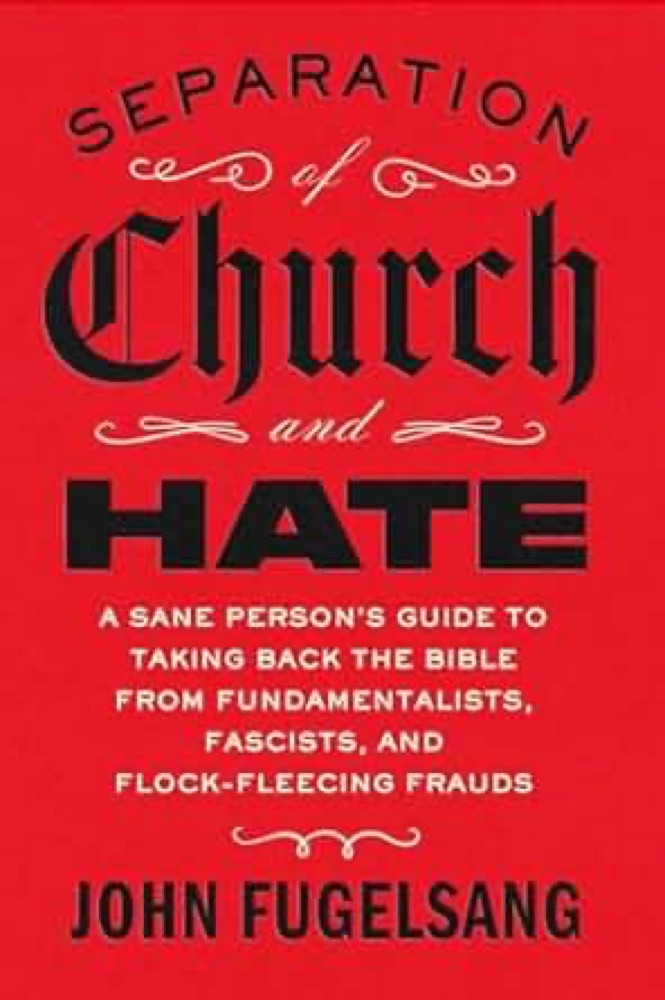
A deeply irreverent and Biblically correct takedown of the far-right and their co-opting of religion, and guide to engaging them in effective conversational combat
For more than two centuries the United States constitution has given Americans the right to live in a society where church and state exist independently and without conflict. So why is Christianity suddenly being co-opted by far-right groups, politicians, friends, and family members to justify oppressive and unequal policies? And how do we fight back against those acting—literally—in bad faith?
Separation of Church and Hate, by comedian and TV and radio host John Fugelsang—himself the child of a former Catholic nun and Franciscan brother—finally offers the answers. In this informative, perspective-shifting guide, Fugelsang takes readers through common talking points and arguments—God condemns abortion, gay marriage is a
Book details
- First published
- 2025
- Author
- John Fugelsang
- Genre
- Nonfiction
- Goodreads rating
- 4.41 (15k ratings)
Keep reading
Jesus for President: Politics for Ordinary Radicals
 Speaking of Jesus: The Art of Not-Evangelism
 Jesus > Religion: Why He Is So Much Better Than Trying Harder, Doing More, and Being Good Enough
 The Prodigal God: Recovering the Heart of the Christian Faith
 Not a Fan: Becoming a Completely Committed Follower of Jesus
 unChristian: What a New Generation Really Thinks about Christianity... and Why It Matters
 Resident Aliens: Life in the Christian Colony
 Compassion (&) Conviction: The AND Campaign's Guide to Faithful Civic Engagement
 Christless Christianity: The Alternative Gospel of the American Church
 The Reason for God: Belief in an Age of Skepticism
 The Politics of Jesus
 Jesus and the Disinherited
 Shameless: A Case for Not Feeling Bad About Feeling Good
 The Irresistible Revolution: Living as an Ordinary Radical
 Sinners in the Hands of a Loving God: The Scandalous Truth of the Very Good News
 King's Cross: The Story of the World in the Life of Jesus
 Total Truth: Liberating Christianity from its Cultural Captivity
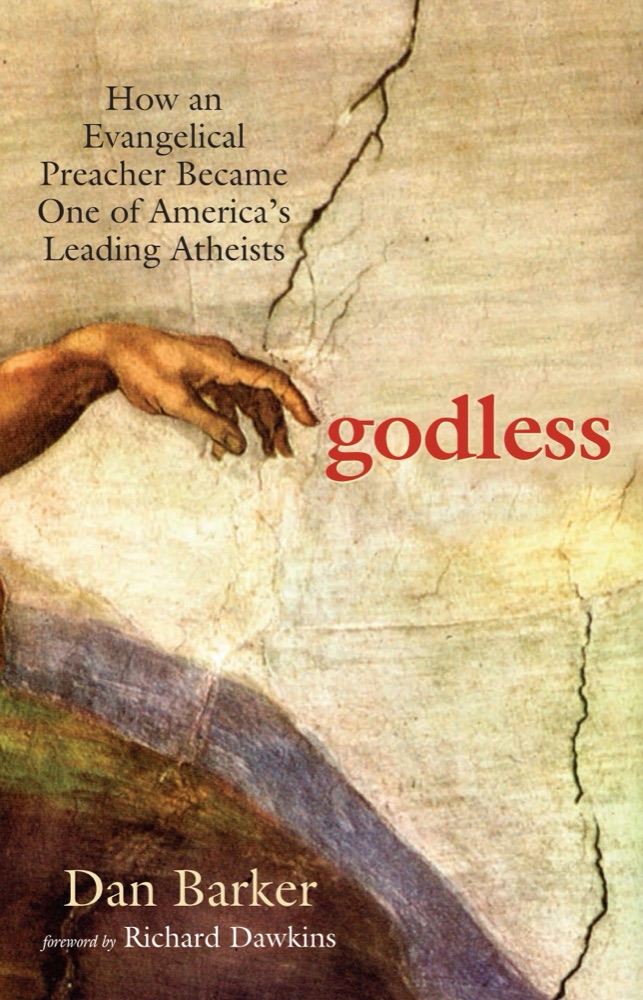 Godless: How an Evangelical Preacher Became One of America's Leading Atheists
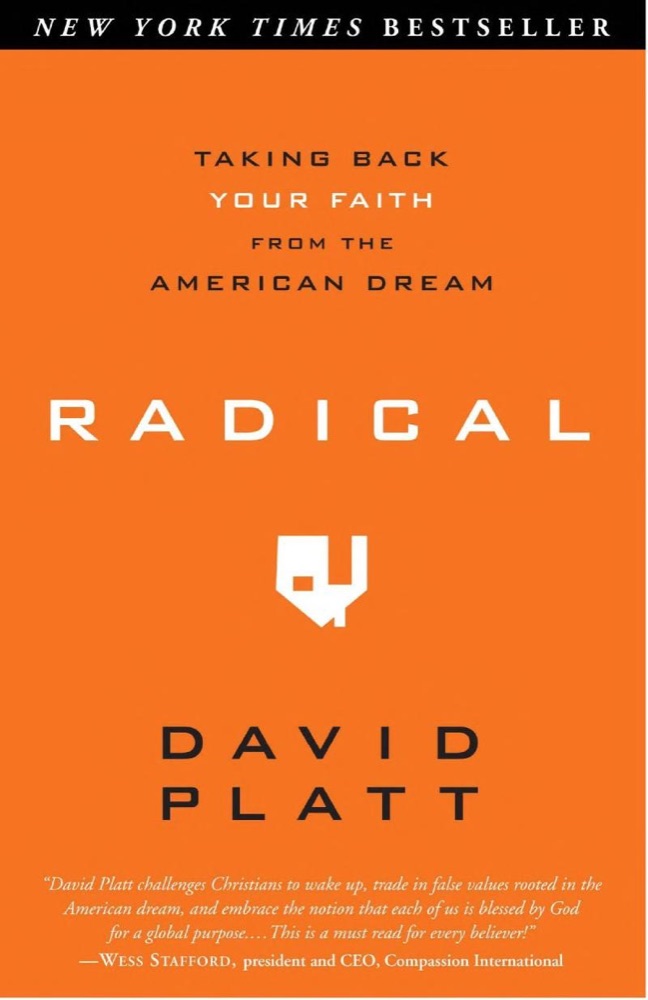 Radical: Taking Back Your Faith from the American Dream
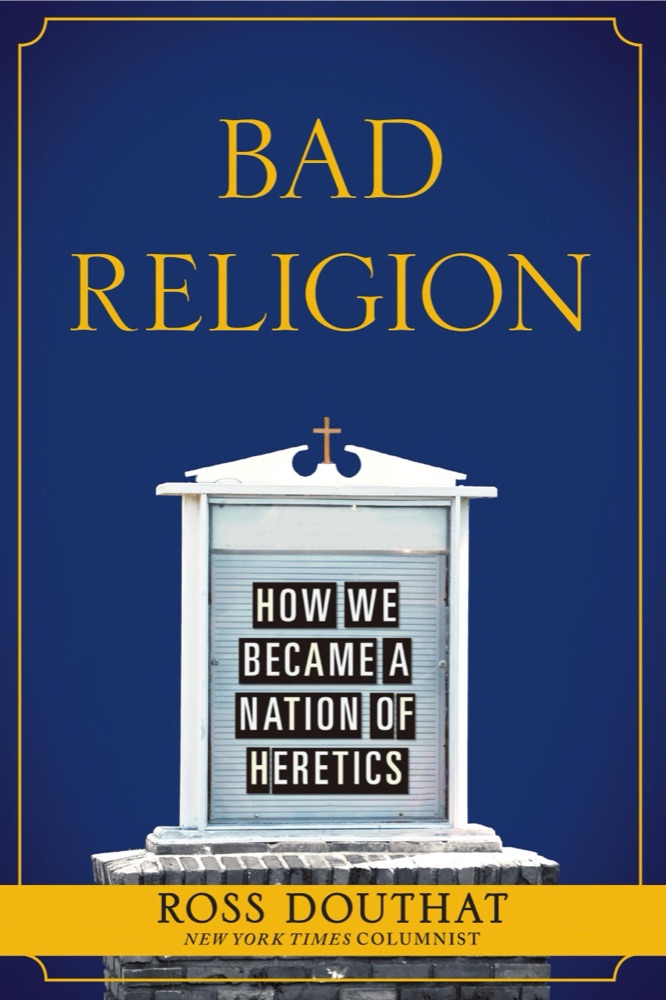 Bad Religion: How We Became a Nation of Heretics
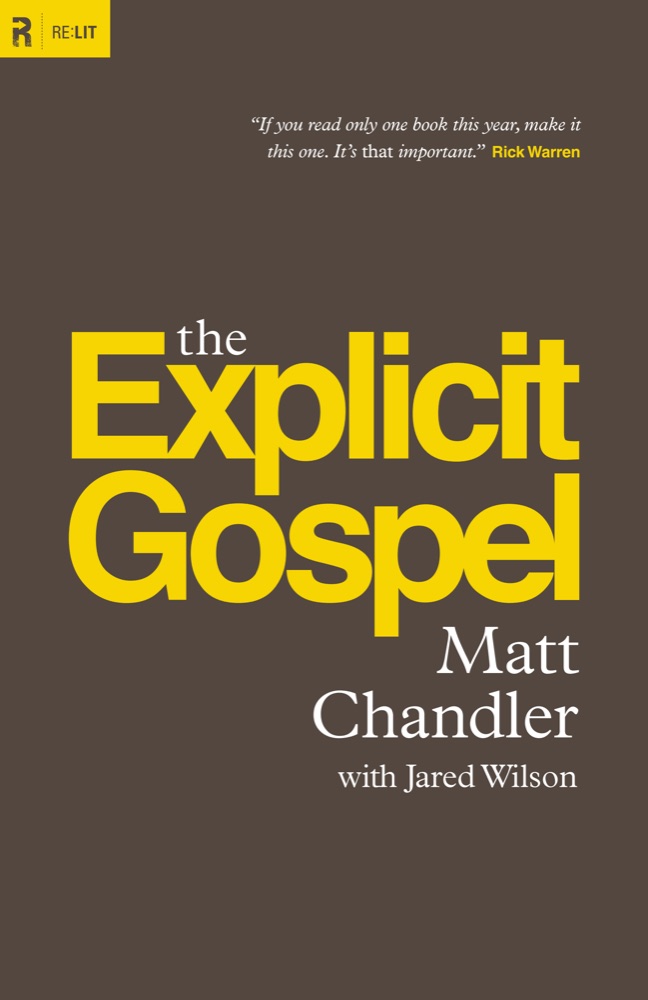 The Explicit Gospel
 Zealot: The Life and Times of Jesus of Nazareth
 Tortured for Christ
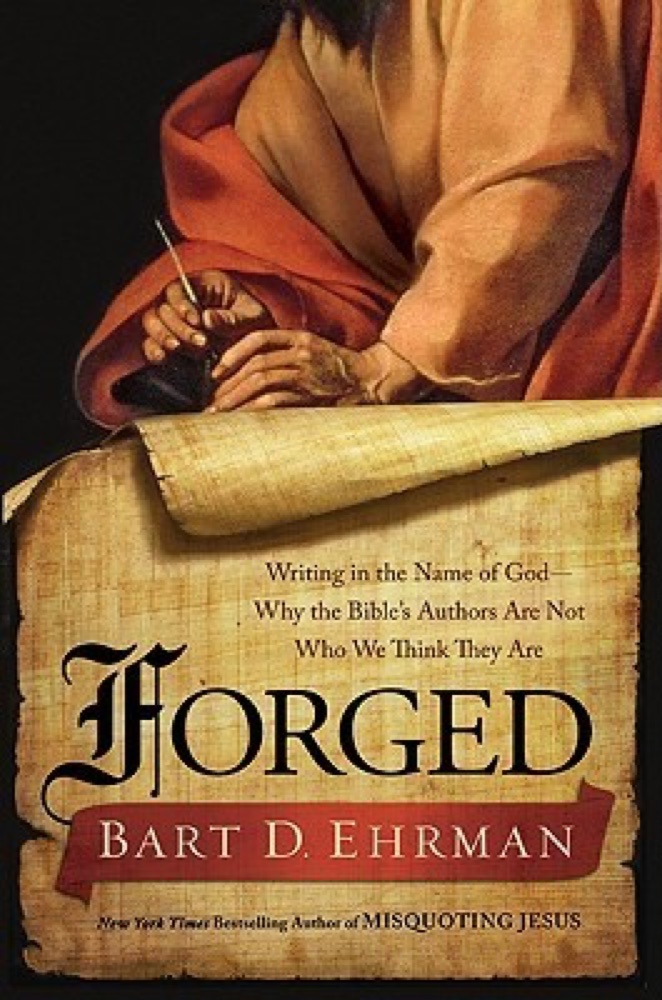 Forged: Writing in the Name of God—Why the Bible's Authors Are Not Who We Think They Are
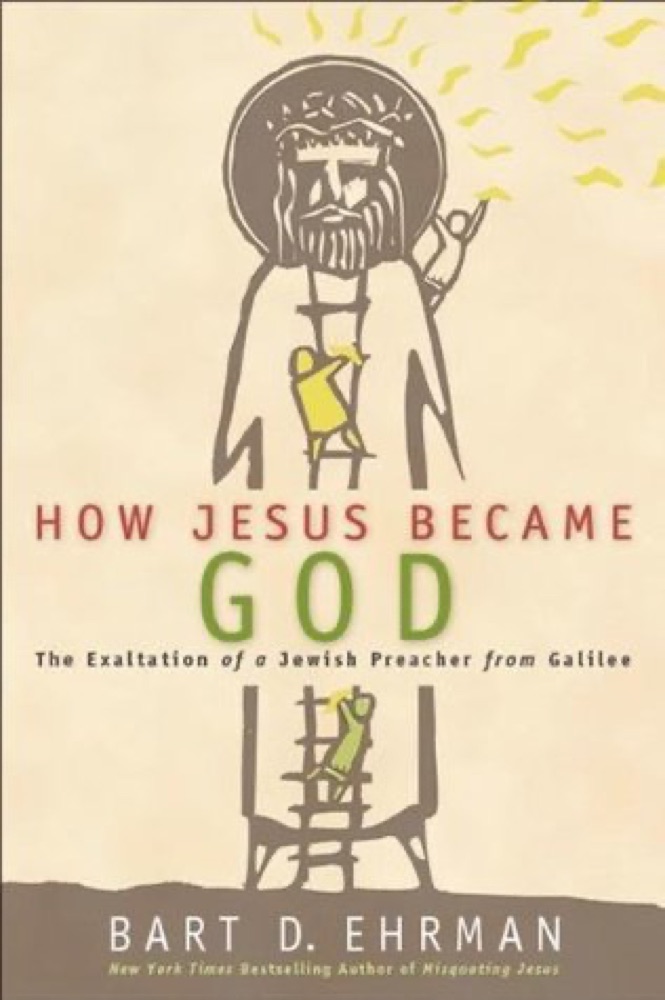 How Jesus Became God: The Exaltation of a Jewish Preacher from Galilee
 The Benedict Option: A Strategy for Christians in a Post-Christian Nation
 Velvet Elvis: Repainting the Christian Faith
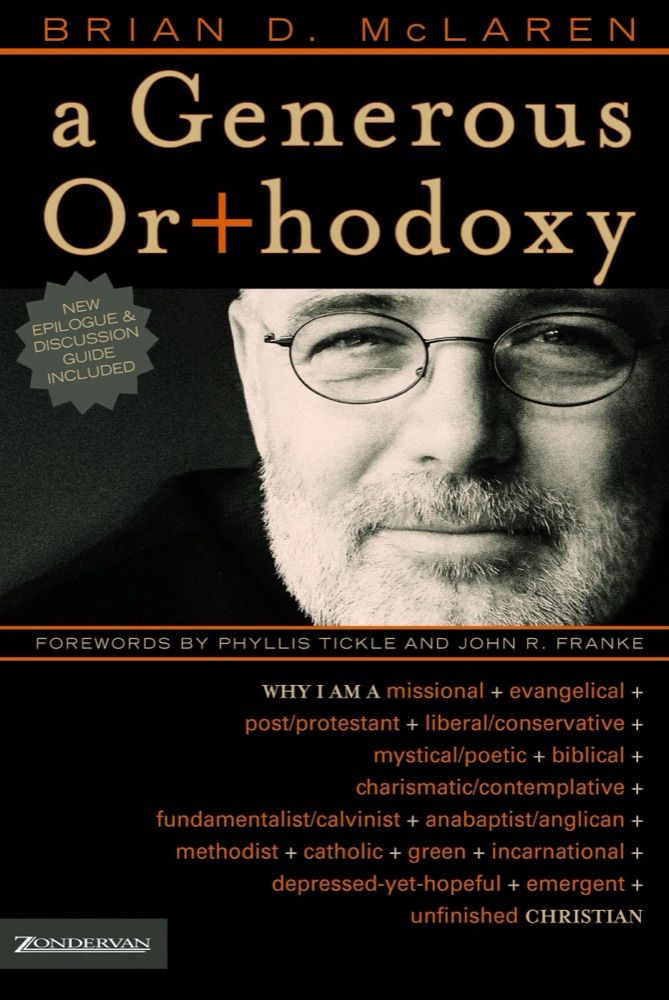 A Generous Orthodoxy
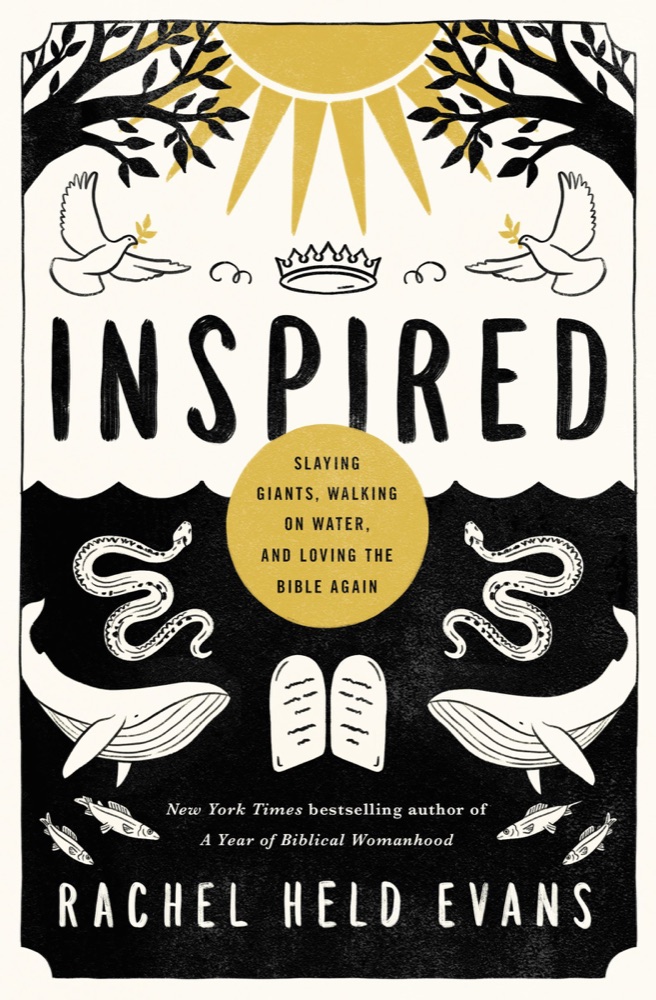 Inspired: Slaying Giants, Walking on Water, and Loving the Bible Again
 Simply Christian
 Jesus and John Wayne: How White Evangelicals Corrupted a Faith and Fractured a Nation
 The Heavenly Man: The Remarkable True Story of Chinese Christian Brother Yun
 No God but One: Allah or Jesus?: A Former Muslim Investigates the Evidence for Islam and Christianity
 The Jesus I Never Knew
 Amazing Grace: A Vocabulary of Faith
 What Is the Bible?: How an Ancient Library of Poems, Letters, and Stories Can Transform the Way You Think and Feel About Everything
 Fault Lines: The Social Justice Movement and Evangelicalism's Looming Catastrophe
 Jesus Among Other Gods: The Absolute Claims of the Christian Message
 The Cost of Discipleship
 The Bible Tells Me So: Why Defending Scripture Has Made Us Unable to Read It
 Holy Envy: Finding God in the Faith of Others
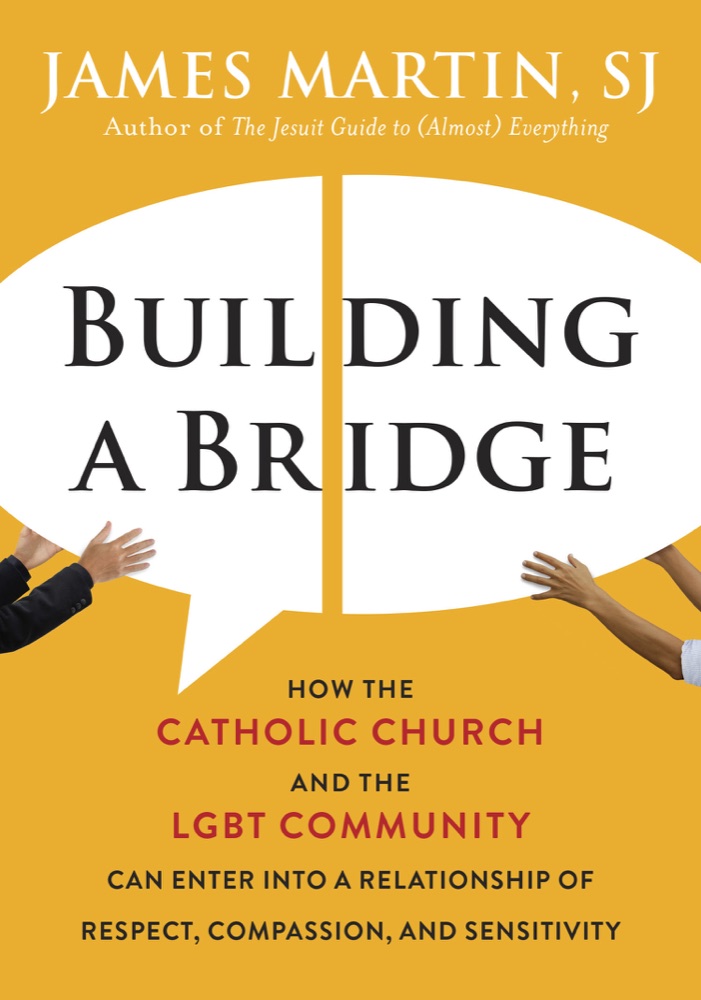 Building a Bridge: How the Catholic Church and the LGBT Community Can Enter into a Relationship of Respect, Compassion, and Sensitivity
 Pastrix: The Cranky, Beautiful Faith of a Sinner & Saint
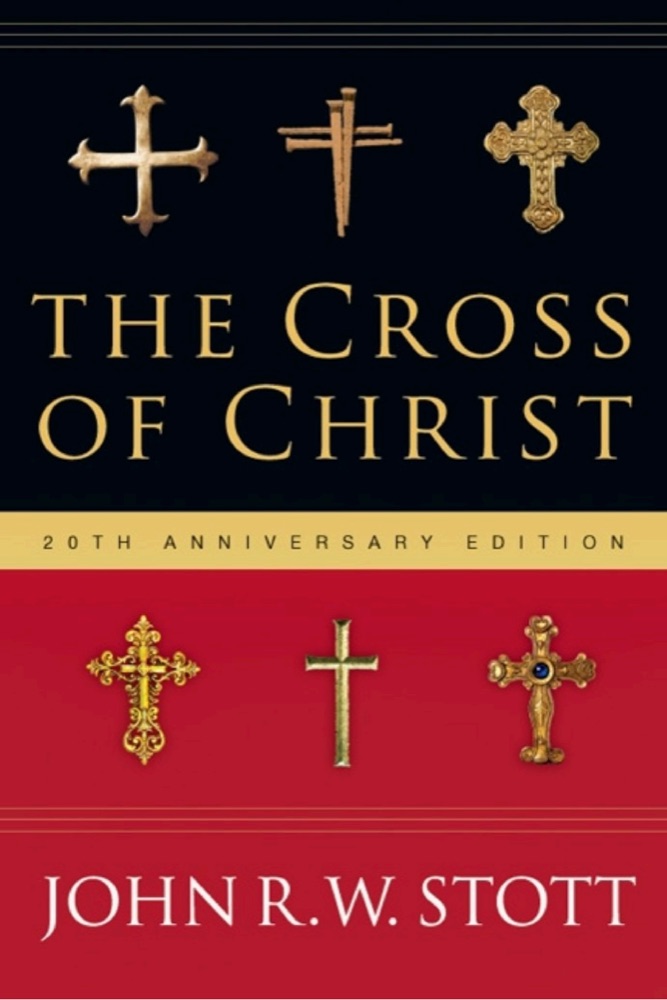 The Cross of Christ
 The Great Omission: Reclaiming Jesus's Essential Teachings on Discipleship
 The Secret Thoughts of an Unlikely Convert: An English Professor's Journey Into Christian Faith
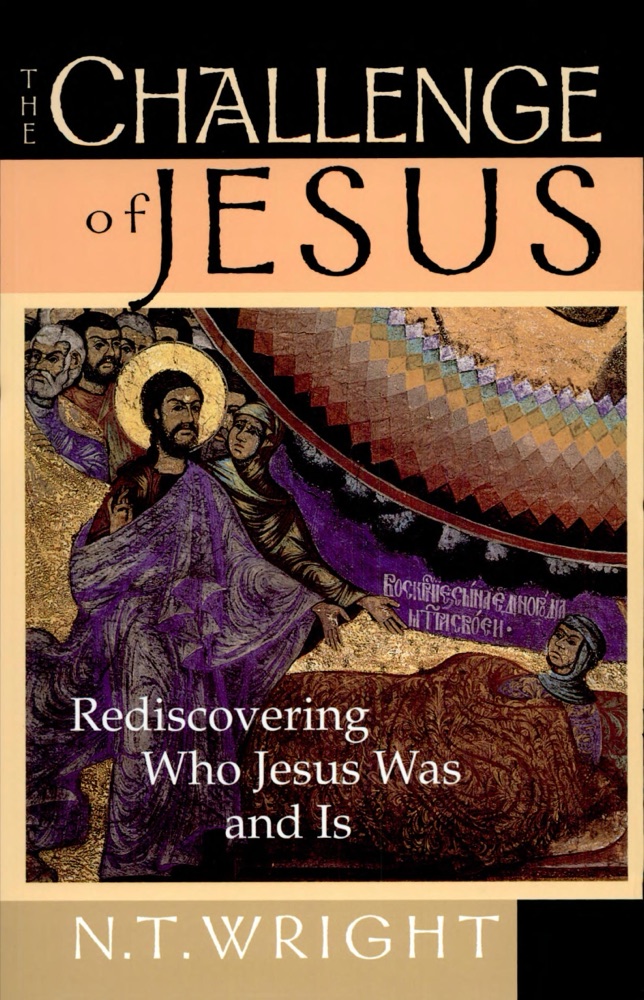 The Challenge of Jesus: Rediscovering Who Jesus Was & Is
 Adopted for Life: The Priority of Adoption for Christian Families & Churches
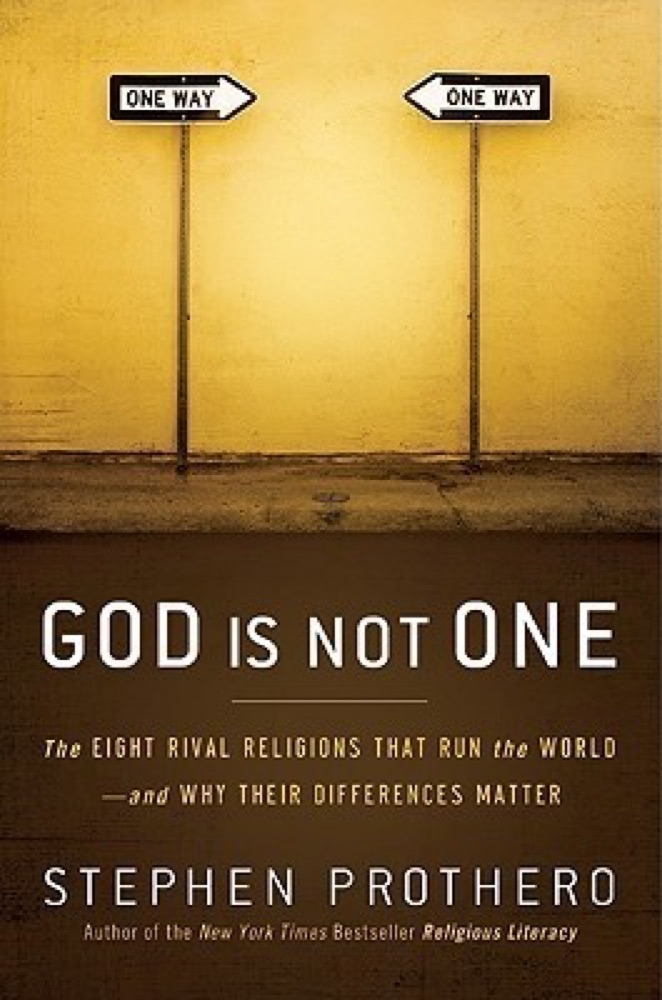 God Is Not One: The Eight Rival Religions That Run the World--and Why Their Differences Matter
 Tactics: A Game Plan for Discussing Your Christian Convictions
 Love Wins Low Price CD: Love Wins Low Price CD
 Letter to a Christian Nation
 Studies in the Sermon on the Mount
 Toxic Empathy: How Progressives Exploit Christian Compassion
 The Kingdom of God Is Within You
 Seeking Allah, Finding Jesus: A Devout Muslim Encounters Christianity
 The Divine Conspiracy: Rediscovering Our Hidden Life in God
 Life of Christ
 Live Not by Lies: A Manual for Christian Dissidents
 The Case for Faith: A Journalist Investigates the Toughest Objections to Christianity