
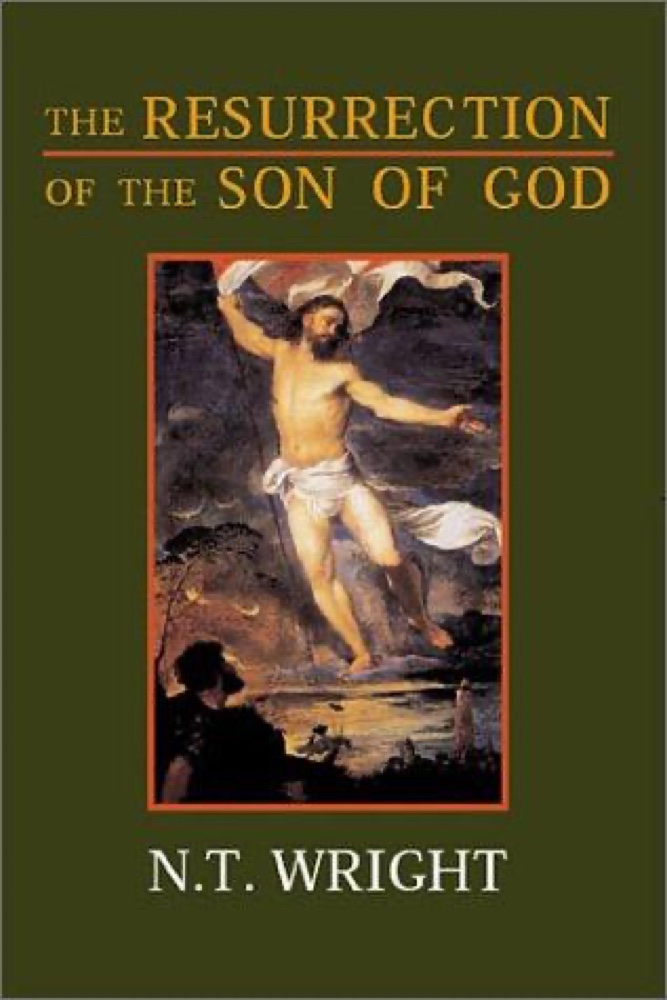
 The Resurrection of the Son of God
Quotes from the Book
Traditions tell us where we have come from. Scripture itself is a better guide as to where we should now be going.
9
We read scripture in order to be refreshed in our memory and understanding of the story within which we ourselves are actors, to be reminded where it has come from and where it is going to, and hence what our own part within it ought to be.
6
Many in the church have turned their back on serious study, and have embraced an anti-intellectualism which refuses to learn anything from scholarship at all lest it corrupt their pure faith. It is time to end this standoff, and to reestablish a hermeneutic of trust (itself a sign of the gospel!) in place of the hermeneutic of suspicion which the church has so disastrously borrowed from the postmodern world.
3
The gospel by which individuals come to personal faith, and so to that radical transformation of life spoken of so often in the new Testament, is the personalizing of the larger challenge just mentioned: the call to every child, woman, and man to submit in faith to the lordship of the crucified and risen Jesus and so to become, through baptism and membership in the body of Christ, a living, breathing anticipation of the final new creation itself
3
If the Bible is not simply “revelation,” neither is it simply a devotional aid, even the primary devotional aid.
2
the authority of God exercised through scripture’.
1
Scripture is there to be a means of God’s action in and through us – which will include, but go far beyond, the mere conveying of information.
An over-authoritarian church, paying no attention to experience, solves the problem by paving the garden with concrete. An over-experiential church solves the (real or imagined) problem of concrete (rigid and “judgmental” forms of faith) by letting anything and everything grow unchecked, sometimes labeling concrete as “law” and so celebrating any and every weed as “grace.
The familiar phrase “the authority of scripture” thus turns out to be more complicated than it might at first sight appear. This hidden complication may perhaps be the reason why some current debates remain so sterile. This kind of problem, though, is endemic in many disciplines, and we ought to be grown-up enough to cope with it. Slogans and clichés are often shorthand ways of making more complex statements. In Christian theology, such phrases regularly act as “portable stories”—that is, ways of packing up longer narratives about God, Jesus, the church and the world, folding them away into convenient suitcases, and then carrying them about with us. (A good example is the phrase “the atonement.” This phrase is rare in the Bible itself; instead, we find things like “The Messiah died for our sins according to the scriptures”; “God so loved the world that he gave his only son,” and so on. But if we are to discuss the atonement, it is easier to do so with a single phrase, assumed to “contain” all these sentences, than by repeating one or more of them each time.) Shorthands, in other words, are useful in the same way that suitcases are. They enable us to pick up lots of complicated things and carry them around all together. But we should never forget that the point of doing so, like the point of carrying belongings in a suitcase, is that what has been packed away can then be unpacked and put to use in the new location. Too much debate about scriptural authority has had the form of people hitting one another with locked suitcases. It is time to unpack our shorthand doctrines, to lay them out and inspect them. Long years in a suitcase may have made some of the contents go moldy. They will benefit from fresh air, and perhaps a hot iron.
A fully Christian view of the Bible includes the idea of God’s self-revelation but, by setting it in a larger context, transforms it. Precisely because the God who reveals himself is the world’s lover and judge, rather than its absentee landlord, that self-revelation is always to be understood within the category of God’s mission to the world, God’s saving sovereignty let loose through Jesus and the Spirit and aimed at the healing and renewal of all creation.
And we must not confuse the idea of God speaking, in this or any other way, with the notion of authority. Authority, particularly when we locate it within the notion of God’s Kingdom, is much more than that. It is the sovereign rule of God sweeping through creation to judge and to heal. It is the powerful love of God in Jesus Christ, putting sin to death and launching new creation. It is the fresh, bracing and energizing wind of the Spirit.
sovereignty let loose through Jesus and the Spirit and aimed at the healing and renewal of all creation.
has made, and particularly to and within his people Israel.
Of course, there is a much older notion of “revelation,” according to which God is continually revealing himself to and within the world he
revelation” in the sense of “conveying information”; more even than “divine self-communication”; more, certainly, than simply a “record of revelation.” Those categories come to us today primarily from an older framework of thought, in which the key question was conceived to be about a mostly absent God choosing to send the world certain messages about himself and his purposes. That usurped the richer biblical picture of a present, albeit transcendent, God, celebrating with the rich dynamic life of his creation and grieving over its shame and pain.
Transcending “Revelation” All this alerts us to the fact that scripture is more than simply
even an accurate running commentary upon, the work of God in salvation and new creation, but as taking an active part within that ongoing purpose. If we are to discover a fully rounded—and itself biblical!—meaning of “the authority of scripture,” it will be within this setting. Short-circuiting the question of biblical authority by ignoring these opening moves is one of the root causes of our continuing puzzles and polarizations. Scripture is there to be a means of God’s action in and through us—which will include, but go far beyond, the mere conveying of information.
What role does scripture play within God’s accomplishment of this goal? It is enormously important that we see the role of scripture not simply as being to provide true information about, or
the ultimate future hope and the way it is anticipated in the present, and of course the nature of the church. Failure to pay attention to all of these in discussing how scripture functions is part of the problem, as we can see when people, hearing the word “scripture,” instantly think of a rule-book—and then, according to taste, either assume that all the rules are to be followed without question or assume that they can all now be broken.
But in scripture itself God’s purpose is not just to save human beings, but to renew the whole world. This is the unfinished story in which readers of scripture are invited to become actors in their own right. “The authority of scripture” is thus a sub-branch of several other theological topics: the mission of the church, the work of the Spirit,
This emerges clearly in the gospels, where Jesus’s “authority” consists both in healing power and in a different kind of teaching, all of which the gospel writers—and Jesus himself—understood as part of the breaking-in of God’s Kingdom.
Since these are themselves “scriptural” statements, that means that scripture itself points—authoritatively, if it does indeed possess authority!—away from itself and to the fact that final and true authority belongs to God himself, now delegated to Jesus Christ.
In what sense is the Bible authoritative in the first place? How can the Bible be appropriately understood and interpreted? How can its authority, assuming such appropriate interpretation, be brought to bear on the church itself, let alone on the world?
Anyone who has worked within biblical scholarship knows, or ought to know, that we biblical scholars come to the text with just as many interpretative strategies and expectations as anyone else, and that integrity consists not of having no presuppositions but of being aware of what one’s presuppositions are and of the obligation to listen to and interact with those who have different ones.
This uncertainty in turn, of course, begets a new and anxious eagerness for certainty: hence the appeal of fundamentalism, which in today’s world is not so much a return to a premodern worldview but precisely to one form of modernism (reading the Bible within the grid of a quasi-or pseudoscientific quest for “objective truth
Thus (a) understanding the world, (b) understanding reality, and (c) understanding myself all threaten to collapse into a morass, a smog of unknowing, of not even knowing what “knowing” itself might mean.
Heisenberg’s uncertainty principle, which boils down in popular discourse to saying that the very act of observing things changes the things you observe, works just as well, worryingly, when you look in the mirror.
Since the Bible has quite a lot to say about truth—and since it also has plenty to say about how particular individuals relate to that truth—it has become easy to imagine that its claims can and should be reduced to particular, and highly relative and situational, angles of vision.
Watch on YouTube
About N.T. Wright
We have collected 212 quotes from 9 books by N.T. Wright on BookQuoters.
More about the author →More by N.T. Wright
The Resurrection of the Son of God
 Simply Christian
 Surprised by Hope: A Study of Christian Hope and Resurrection
 Evil and the Justice of God
About the book
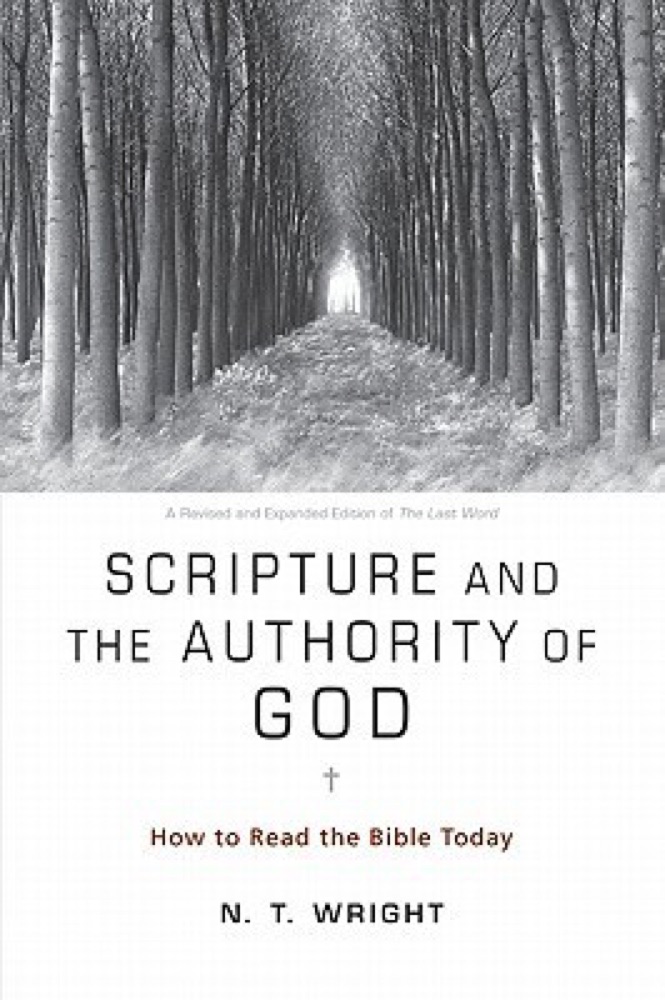
In Scripture and the Authority of God: How to Read the Bible Today, Widely respected Bible and Jesus scholar, N. T. Wright gives new life to the old, tattered doctrine of the authority of scripture, delivering a fresh, helpful, and concise statement on the current “battles for the Bible,” and restoring scripture as the primary place to find God’s voice.
In this revised and expanded version of The Last Word, leading biblical scholar N. T. Wright shows how both evangelicals and liberals are guilty of misreading Scripture and reveals a new model for understanding God’s authority and the Bible.
Book details
- First published
- 2005
- Author
- N.T. Wright
- Genre
- Nonfiction
- Goodreads rating
- 4.06 (3k ratings)
Keep reading
 Systematic Theology: An Introduction to Biblical Doctrine
 Taking God At His Word: Why the Bible Is Knowable, Necessary, and Enough, and What That Means for You and Me
 How to Read the Bible for All Its Worth
 The Bible Tells Me So: Why Defending Scripture Has Made Us Unable to Read It
 The Gospel in a Pluralist Society
 Inspired: Slaying Giants, Walking on Water, and Loving the Bible Again
Simply Christian
Inspired: Slaying Giants, Walking on Water, and Loving the Bible Again
Simply Christian
 The Challenge of Jesus: Rediscovering Who Jesus Was & Is
 Total Truth: Liberating Christianity from its Cultural Captivity
 How God Became King: The Forgotten Story of the Gospels
 The Sovereignty of God
 Velvet Elvis: Repainting the Christian Faith
 Jesus of Nazareth: The Infancy Narratives
 On Christian Doctrine
 The Crucible of Doubt: Reflections On the Quest for Faith
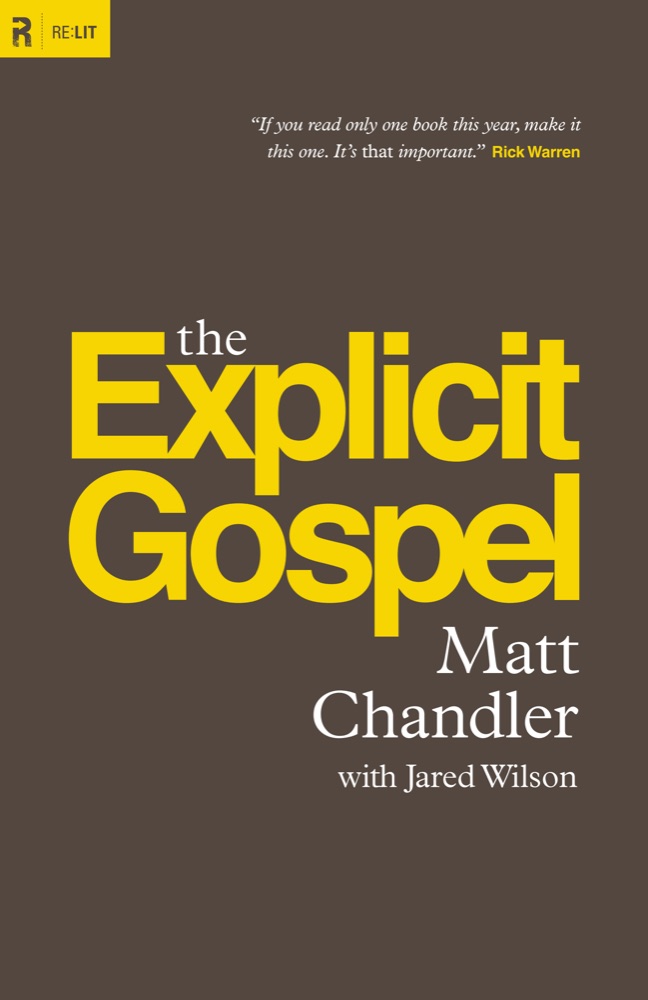 The Explicit Gospel
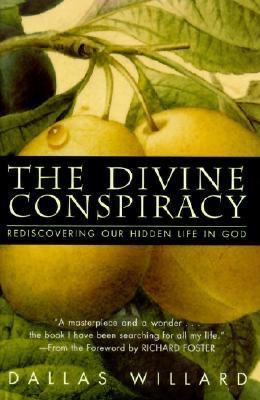 The Divine Conspiracy: Rediscovering Our Hidden Life in God
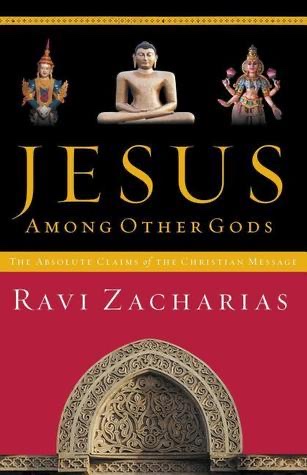 Jesus Among Other Gods: The Absolute Claims of the Christian Message
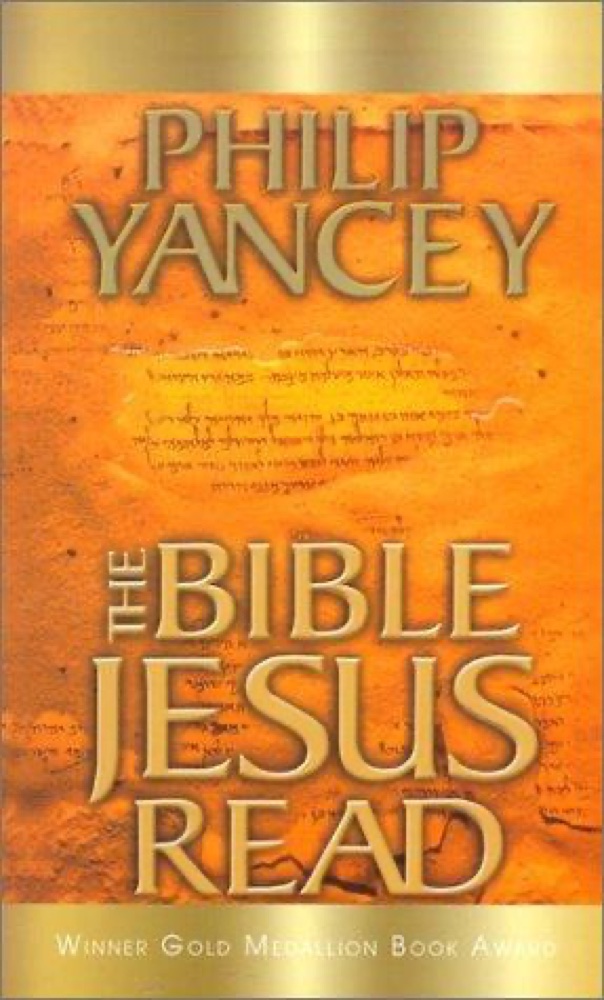 The Bible Jesus Read
 Evangelism & the Sovereignty of God
 Knowing God
 What Is the Bible?: How an Ancient Library of Poems, Letters, and Stories Can Transform the Way You Think and Feel About Everything
 Escape from Reason
 Studies in the Sermon on the Mount
 What We Talk about When We Talk about God
 Misquoting Jesus: The Story Behind Who Changed the Bible and Why
 Amazing Grace: A Vocabulary of Faith
 Christless Christianity: The Alternative Gospel of the American Church
 The Sermon on the Mount: The Key to Success in Life
 Hearing God: Developing a Conversational Relationship with God
 The Prophetic Imagination
 Instruments in the Redeemer's Hands: People in Need of Change Helping People in Need of Change
 On the Incarnation
 The Reason for God: Belief in an Age of Skepticism
 Misreading Scripture with Western Eyes: Removing Cultural Blinders to Better Understand the Bible
 The Hope of Glory: Reflections on the Last Words of Jesus from the Cross
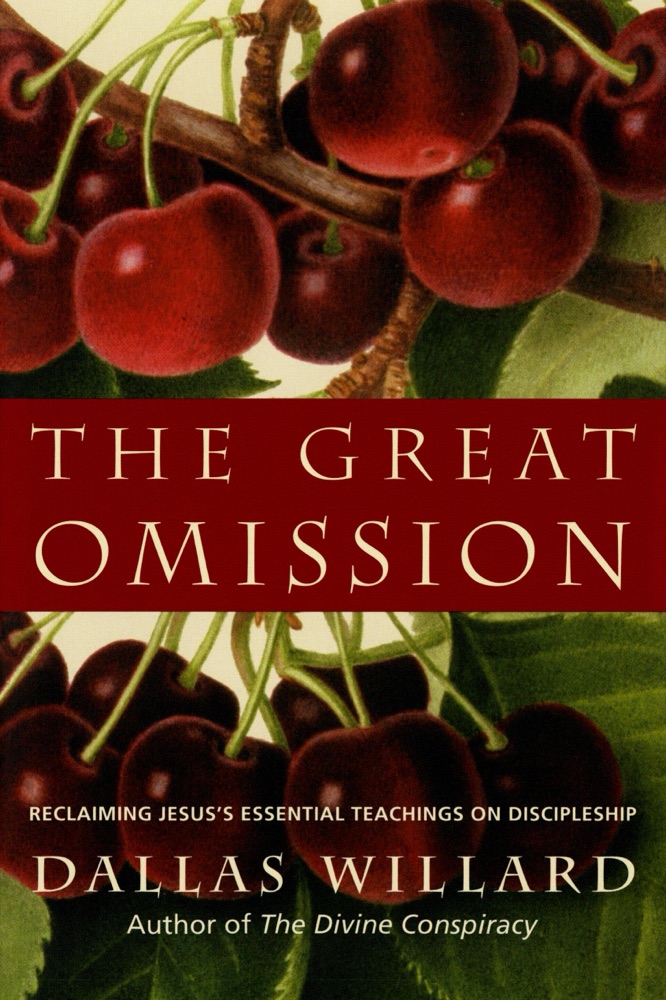 The Great Omission: Reclaiming Jesus's Essential Teachings on Discipleship
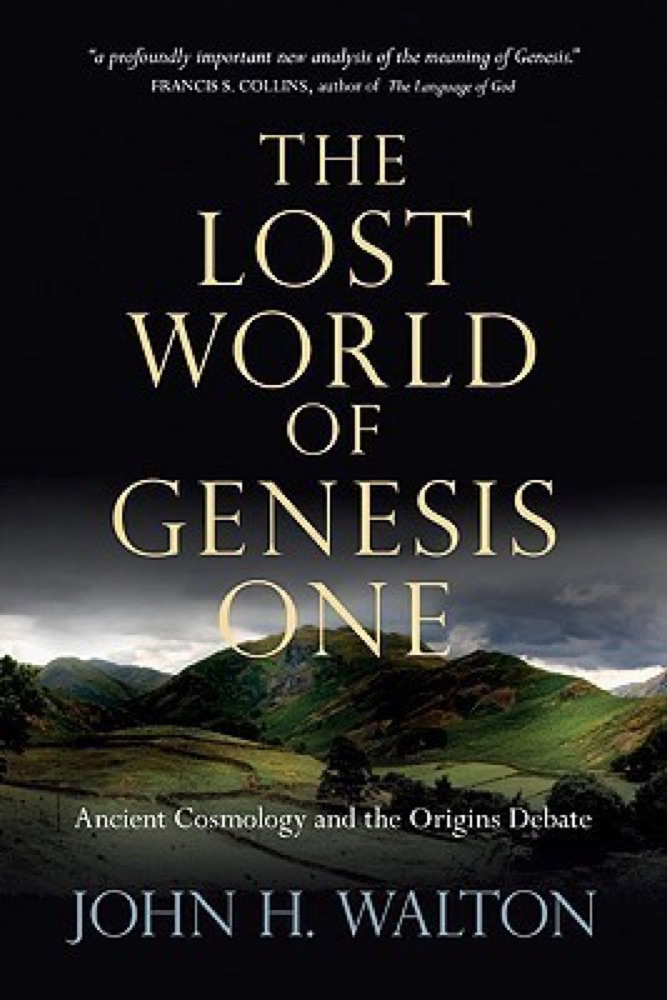 The Lost World of Genesis One: Ancient Cosmology and the Origins Debate (Volume 2)
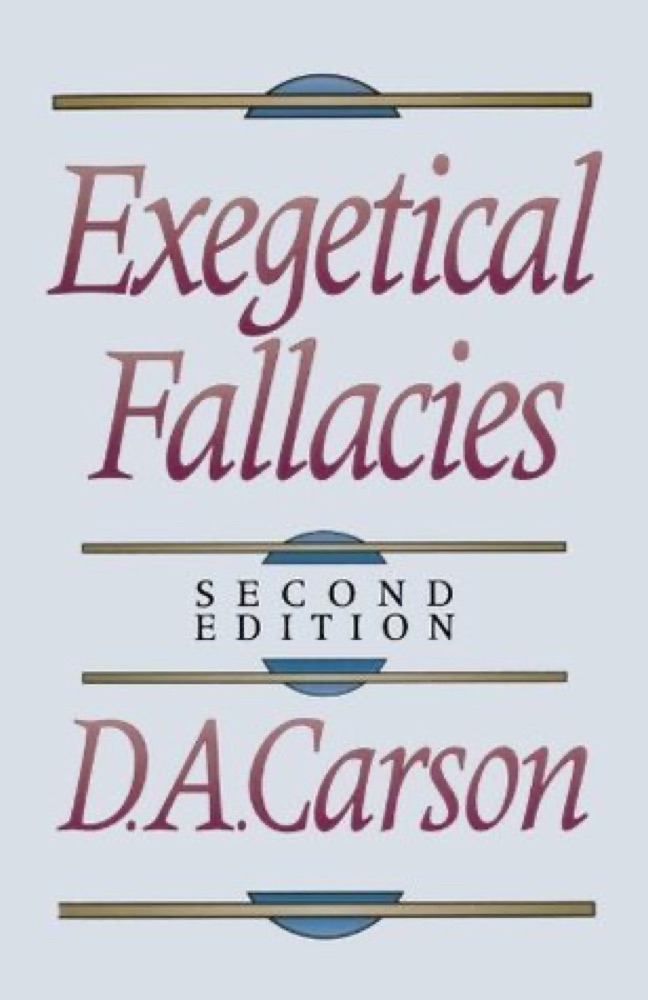 Exegetical Fallacies
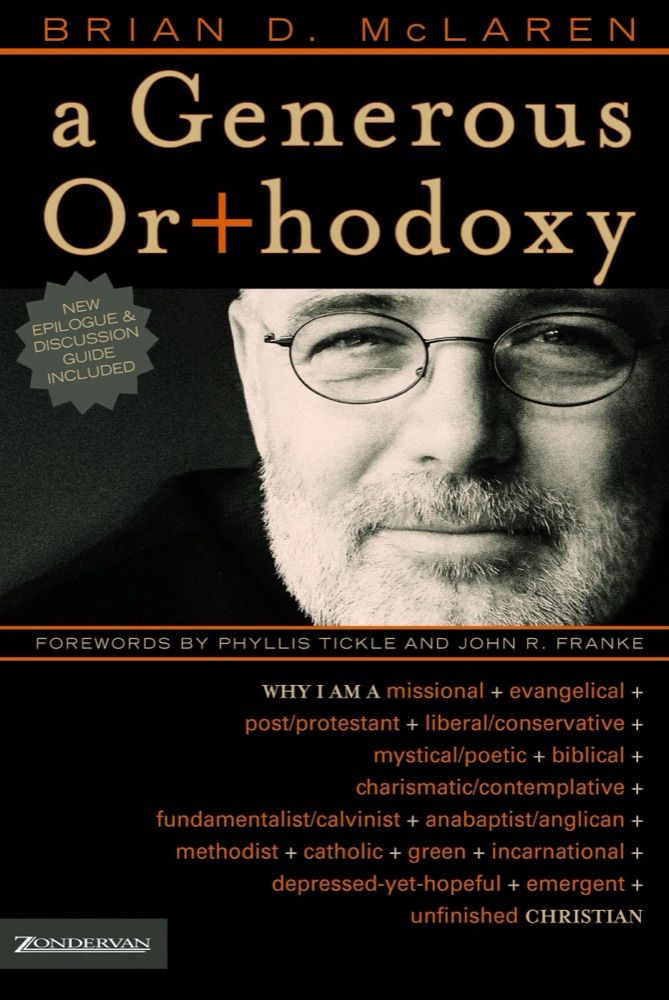 A Generous Orthodoxy
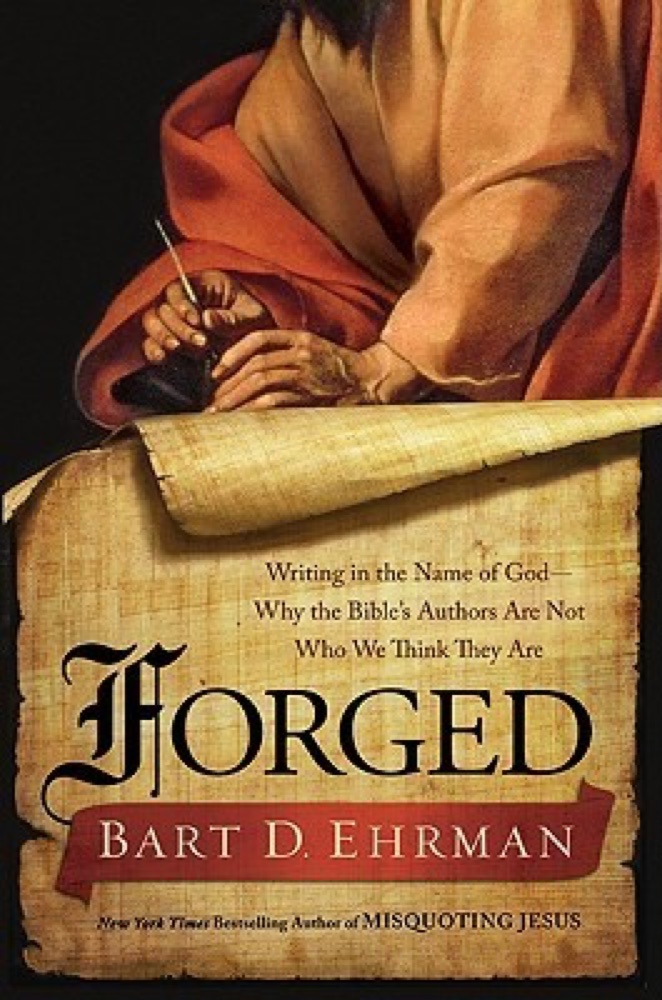 Forged: Writing in the Name of God—Why the Bible's Authors Are Not Who We Think They Are
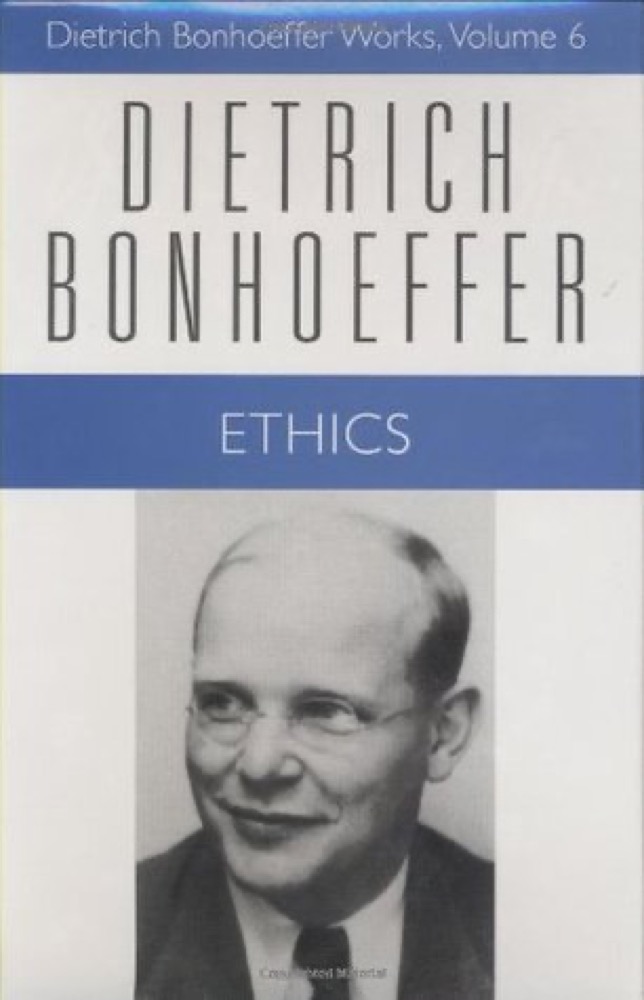 Ethics
 Sinners in the Hands of a Loving God: The Scandalous Truth of the Very Good News
 The Knowledge of the Holy
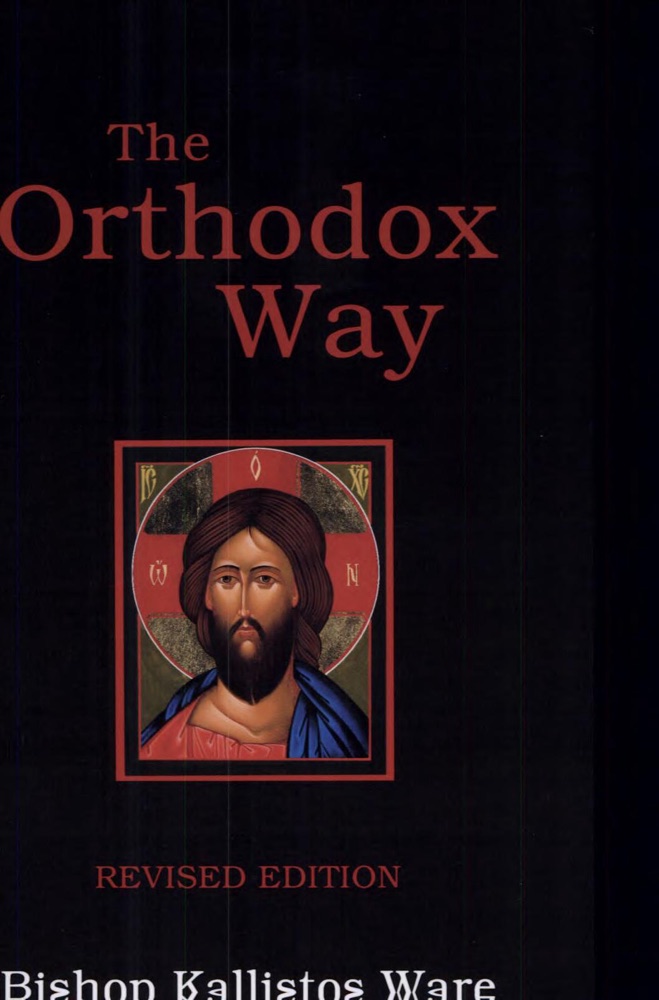 The Orthodox Way
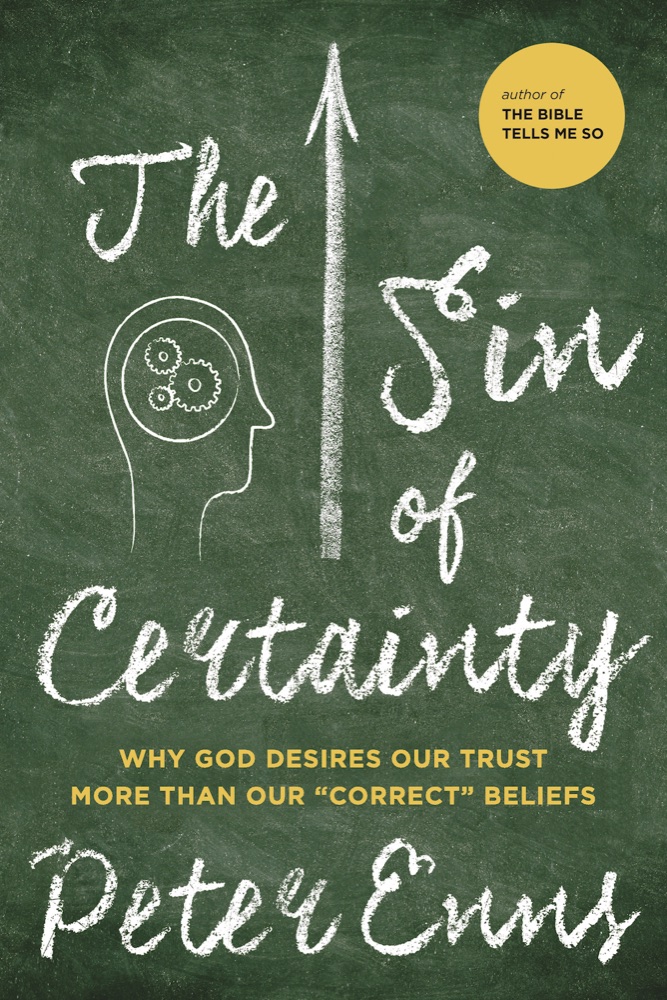 The Sin of Certainty: Why God Desires Our Trust More Than Our "Correct" Beliefs
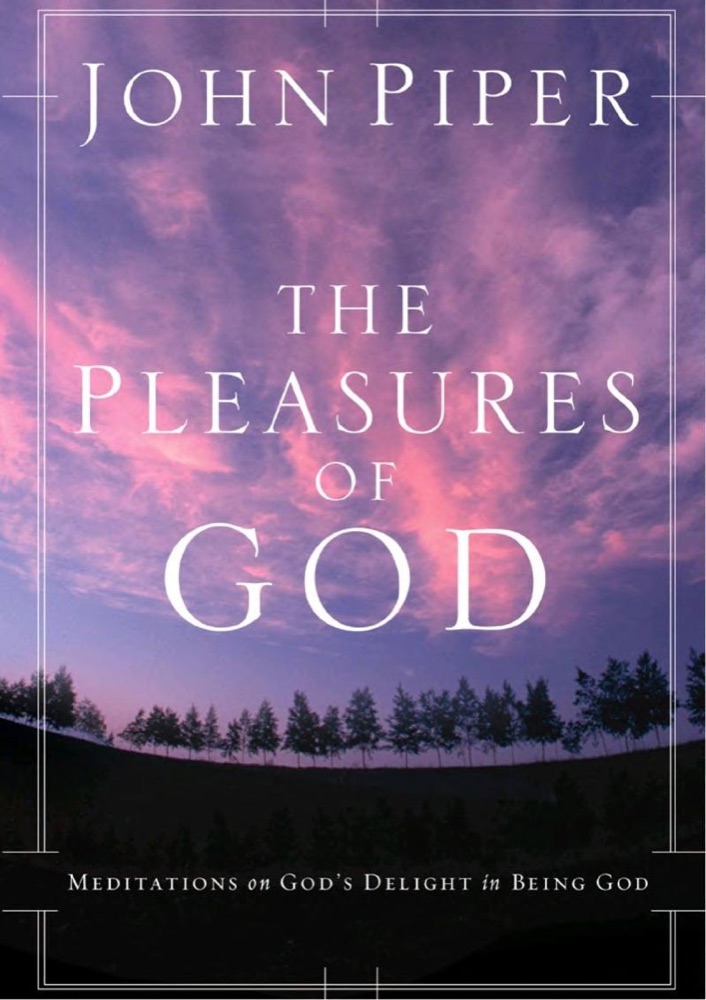 The Pleasures of God: Meditations on God's Delight in Being God
 The Normal Christian Life
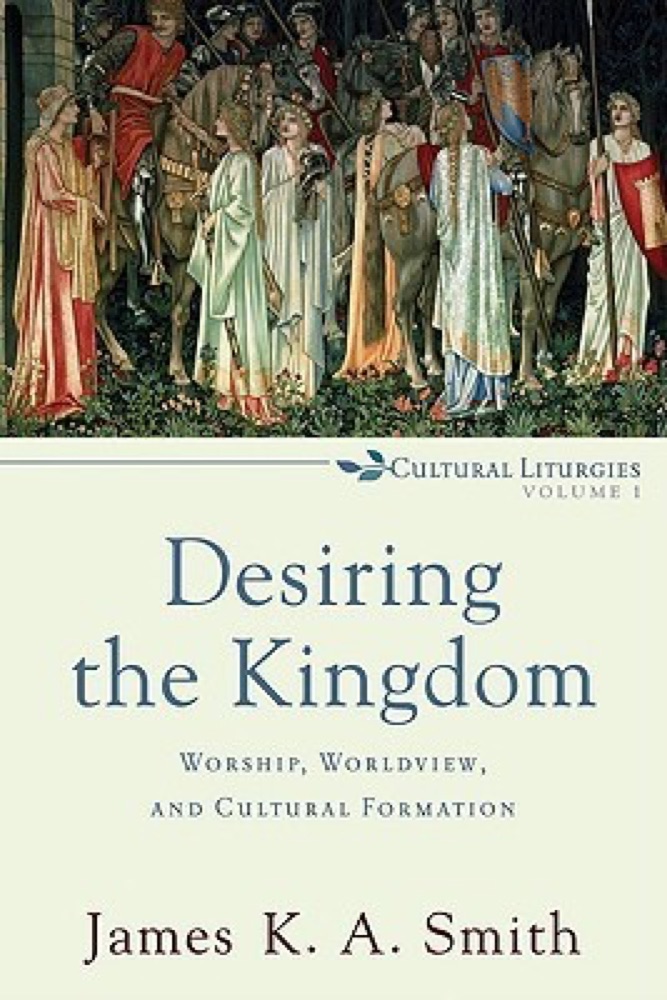 Desiring the Kingdom: Worship, Worldview, and Cultural Formation
 Sitting at the Feet of Rabbi Jesus: How the Jewishness of Jesus Can Transform Your Faith
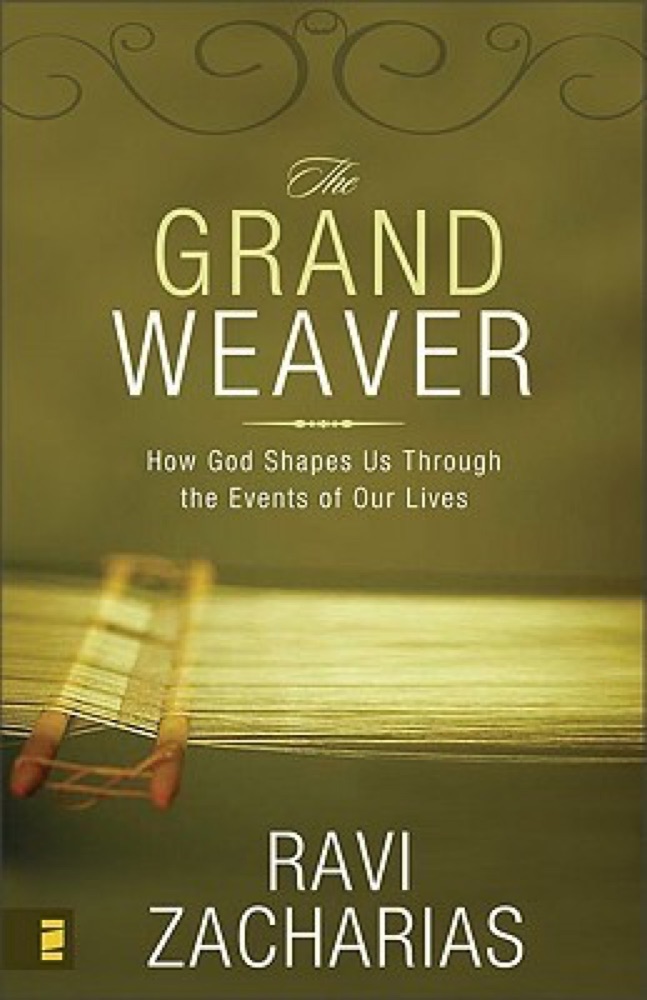 The Grand Weaver: How God Shapes Us through the Events in Our Lives
 How People Change
 Believing God
 Ten Words to Live By: Delighting in and Doing What God Commands
 Encounters with Jesus: Unexpected Answers to Life's Biggest Questions
 Resident Aliens: Life in the Christian Colony
 Institutes of the Christian Religion, 2 Vols
 The Prodigal God: Recovering the Heart of the Christian Faith