 The Great Omission: Reclaiming Jesus's Essential Teachings on Discipleship
Quotes from the Book
This is the heart of prayer—not getting things from God, but getting God.
4
…A good instinct to develop on the threshold of significant purchases is to ask what this expenditure reveals about our heart. What desire am I trying to fulfill?
2
When our life in him is healthy and vibrant, we do not only ache to keep sinking our roots down deep in him, but we also want to stretch out our branches and extend his goodness to others.
2
Chosen before time. Called with effect. United to Jesus in faith and repentance. Adopted and forgiven. Justified. Sanctified. Glorified. And satisfied forever. This is grace gone wonderfully wild. This is the flood of God’s favor in which we discover the power and practice of the means of grace. Put
2
But we must see his listening to us in prayer in relation to our listening to him in his word.
1
Christian meditation is less about the posture of our bodies and more about the posture of our souls.
1
Nothing shows our hearts like sacrifice. When we are willing not only to give from our excess, but to embrace some personal loss or disadvantage for the sake of showing generosity toward others, we say loudly and clearly…that we have a greater love than ourselves and our comforts.
1
The waters of good preaching are always running downhill to the stream of Christ, who he is, and how he has loved us.
1
The grace of God cannot be quarantined to individuals.
1
It shouldn’t surprise us…to find that prayer is not finally about getting things from God, but getting God.
1
God designed the church to be a community of lifelong learners under the earthly guidance of leaders who are teachers at heart. The Christian faith is not a finite course of study for the front-end of adulthood. Our mind-set shouldn’t be to first do our learning and then spend the rest of our lives drawing from that original deposit of knowledge. Rather, ongoing health in the Christian life is inextricably linked to ongoing learning.
1
The Bible is gloriously for us, but it is not mainly about us.
1
…Take every word as spoken to yourself, with this essential anchor in place: Seek to understand first how God’s words fell on the original hearers, and how they relate to Jesus’ person and work, and then bring them home to yourself.
1
It is grace to be forgiven of sinful acts, and grace to be supplied the heart for righteous ones.
1
The battleground is between our ears. What is it that is capturing your idle thoughts? What fear or frustration is filling your spare moments? Will you just listen to yourself, or will you start talking? No, preaching—not letting your concerns shape you, but forming your concerns by the power of the gospel.
1
To be a “disciple” means literally to be a “learner.” Our Master is the consummate teacher, and the central task of his undershepherds in the local church is teaching
Work out your salvation, because God is at work in you” (see Phil. 2:12–13). God’s work does not make our work unnecessary; it makes it possible. “I worked harder than any of them, though it was not I, but the grace of God that is with me” (1 Cor. 15:10). Grace does not just pardon our failures; it empowers our successes—like successfully enjoying Jesus more than life.
The primary mission of the Spirit—and his people—is to show that Jesus is more glorious than anyone or anything else. It cannot be done by those who find this world more enjoyable than Jesus. They make the world look great. Therefore, the ultimate aim of the Christian life—and the universe—hangs on the people of God enjoying the Son of God.
David is writing a book to help you enjoy Jesus. In doing that, he is not trying to be nice. He’s trying to be nuclear. His way of thinking about enjoying Jesus is explosive. If you enjoy Jesus more than life (Matt. 10:38), you will live with a radical abandon for Jesus that will make the world wonder.
La meditación cristiana no se refiere tanto a la postura de nuestro cuerpo, sino más bien a la postura de nuestra alma.
This is why it is so essential that preaching be preoccupied not with the preacher or the listeners, but with Jesus. Only in perceiving him is there true power for change. Only through him and his gospel is our faith strengthened and renewed. And only in knowing and enjoying him is our soul truly satisfied.
God’s regular channels of grace, as we will see, are his voice, his ear, and his body.
The hands of the clock are ever in the hands of God. It is arrogant to plan without planning for God.
It is the grace of God that frees a soul from selfishness and empowers not just generosity, but sacrifice. And such sacrifice God will not overlook. In faith our giving to meet others’ needs becomes an occasion for more divine grace to flood our souls.
One of the effects of the gospel going deeper into our souls is that it frees our fingers to loosen their grasp on our goods.
For the Christian, the issue is not just that we give, but how. ‘God loves a cheerful giver’ (2 Cor. 9:7). And giving gladly rests on the great why of Christian generosity: that Christ himself—our Savior, Lord, and greatest treasure—demonstrated the ultimate in generosity in coming to buy us back. ‘Though he was rich, yet for your sake he became poor, so that you by his poverty might become rich’ (2 Cor. 8:9). If Jesus is in us, then increasingly such an open-handed tendency will be in us as well.
Good disciplemaking requires both intentionality and relationality. It means being strategic and being social. Most of us are bent one way or the other. We’re naturally relational, but lacking in intentionality. Or we find it easy to be intentional, but not relational. We typically tip (or sometimes lean) one way or the other as we begin the disciplemaking process. But tipping and leaning won’t cover the full picture of what life-on-life disciplemaking requires. It’s not just friend-to-friend, and it’s not just teacher-to-student. It’s both. There is the sharing of ordinary life (relationship) and seeking to initiate and make the most of teachable moments (intentionality). There are the long walks through Galilee and the sermons on the mount. Disciplemaking is both organic and engineered, relational and intentional, with shared context and shared content, quality and quantity time.
Few practices will energize and affect your Christian life as much as sitting attentively under faithful preaching.
In our sin, we’d rather trust in ourselves than another, amass our own righteousness than receive another’s, speak our own mind rather than listen to someone else.
The great purpose of prayer is not getting things from God but getting God.
Watch on YouTube
About David Mathis
About the book
Hear his voice. Have his ear. Belong to his body.
Three seemingly unremarkable principles shape and strengthen the Christian life: listening to God's voice, speaking to him in prayer, and joining together with his people as the church. Though often viewed as normal and routine, the everyday "habits of grace" we cultivate give us access to these God-designed channels through which his love and power flow--including the greatest joy of all: knowing and enjoying Jesus.
A study guide for individual and group study is also available.
Book details
- First published
- 2016
- Author
- David Mathis
- Genre
- Nonfiction
- Goodreads rating
- 4.29 (4k ratings)
Keep reading
The Great Omission: Reclaiming Jesus's Essential Teachings on Discipleship
 A Long Obedience in the Same Direction: Discipleship in an Instant Society
 Hearing God: Developing a Conversational Relationship with God
 The Normal Christian Life
 Having a Mary Heart in a Martha World: Finding Intimacy with God in the Busyness of Life
 To Live Is Christ: Joining Paul's Journey of Faith
 Knowing God
 Gospel: Recovering the Power that Made Christianity Revolutionary
 My Utmost for His Highest
 The Divine Conspiracy: Rediscovering Our Hidden Life in God
 When Strivings Cease: Replacing the Gospel of Self-Improvement with the Gospel of Life-Transforming Grace
 In His Image: 10 Ways God Calls Us to Reflect His Character
 New Morning Mercies: A Daily Gospel Devotional
 The Pursuit of God: The Human Thirst for the Divine
 A Little Book on the Christian Life
 The Explicit Gospel
 The Rare Jewel of Christian Contentment
 Jesus Is: Find a New Way to Be Human
 The Message Remix
 Praying Like Monks, Living Like Fools: An Invitation to the Wonder and Mystery of Prayer
 With Christ in the School of Prayer
 The Grand Weaver: How God Shapes Us through the Events in Our Lives
 What's So Amazing About Grace?
 Celebration of Discipline: The Path to Spiritual Growth
 Discipline: The Glad Surrender
 How People Change
 The Pursuit of Holiness
 Sitting at the Feet of Rabbi Jesus: How the Jewishness of Jesus Can Transform Your Faith
 Desiring God: Meditations of a Christian Hedonist
 Instruments in the Redeemer's Hands: People in Need of Change Helping People in Need of Change
 Believing God
 All of Grace
 Daily in His Presence: A Classic Devotional from One of the Most Powerful Voices of the Nineteenth Century
 Liturgy of the Ordinary: Sacred Practices in Everyday Life
 The Cost of Discipleship
 Studies in the Sermon on the Mount
 Simply Christian
 Radical: Taking Back Your Faith from the American Dream
 Breaking Free: Discover the Victory of Total Surrender
 What Is a Healthy Church Member?
 Life Together: The Classic Exploration of Christian Community
 Disciplines of a Godly Man
 Systematic Theology: An Introduction to Biblical Doctrine
 When I Don't Desire God: How to Fight For Joy
 Practicing the Way: Be with Jesus, Become Like Him, Do As He Did
 The Practice of the Presence of God
 The Me I Want to Be: Becoming God's Best Version of You
 Because He Loves Me: How Christ Transforms Our Daily Life
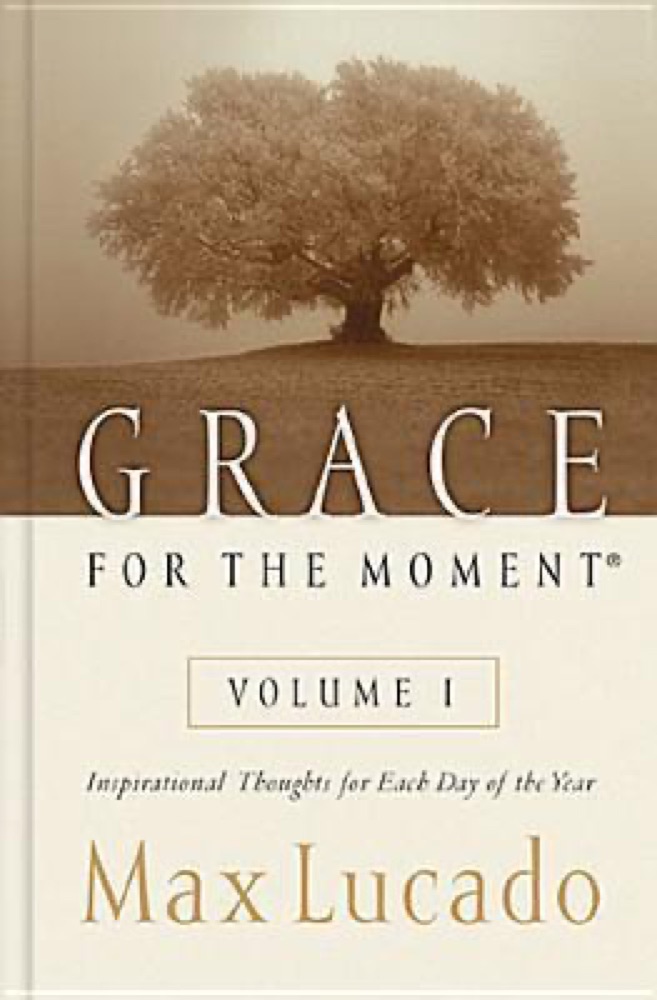 Grace for the Moment: Inspirational Thoughts for Each Day of the Year, Volume 1
 The Life You've Always Wanted: Spiritual Disciplines for Ordinary People
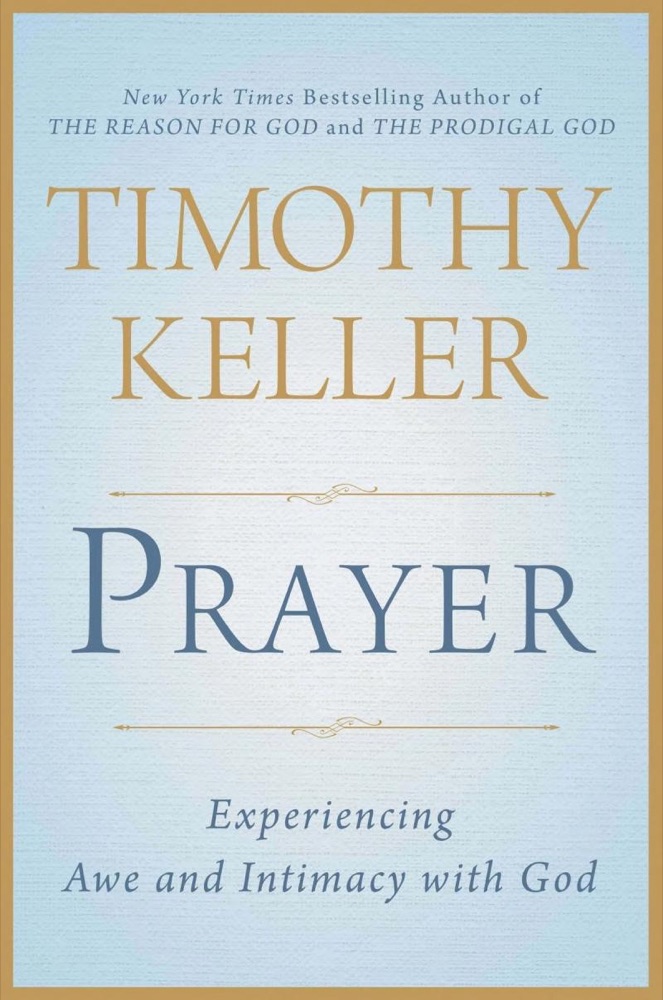 Prayer: Experiencing Awe and Intimacy with God
 Jesus Over Everything: Uncomplicating the Daily Struggle to Put Jesus First
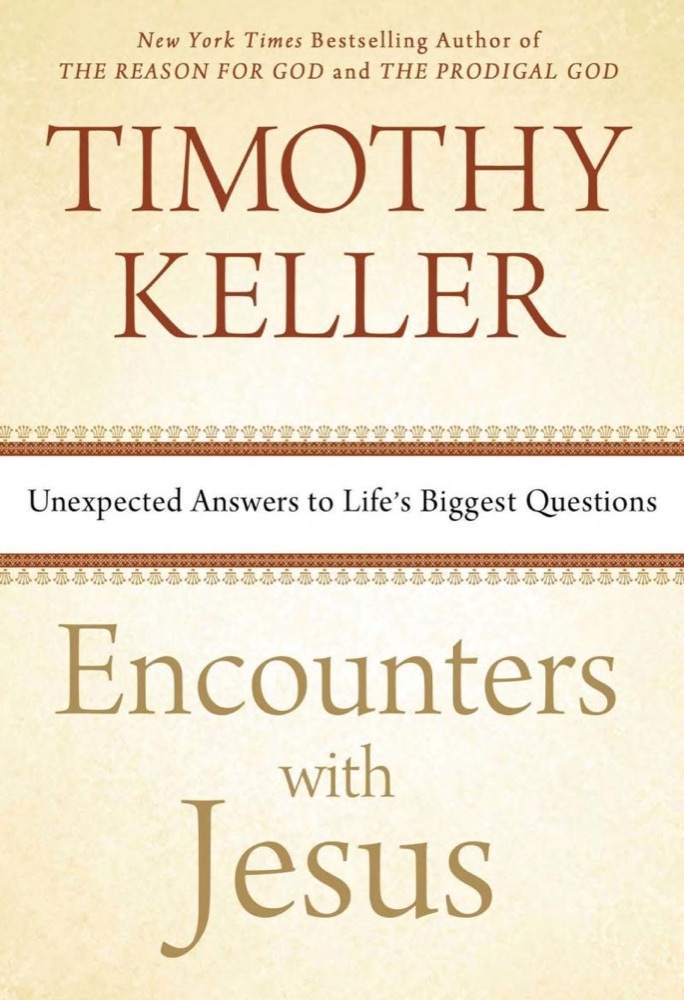 Encounters with Jesus: Unexpected Answers to Life's Biggest Questions
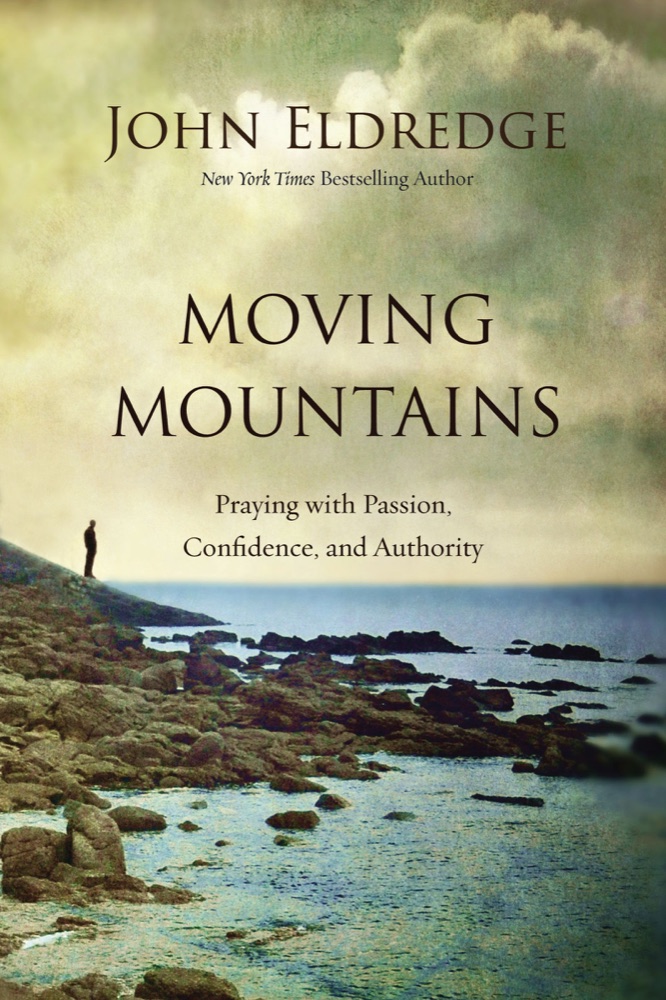 Moving Mountains: Praying with Passion, Confidence, and Authority
 Love Wins Low Price CD: Love Wins Low Price CD
 The Secret Thoughts of an Unlikely Convert: An English Professor's Journey Into Christian Faith
 None Like Him: 10 Ways God Is Different from Us
 The Pleasures of God: Meditations on God's Delight in Being God