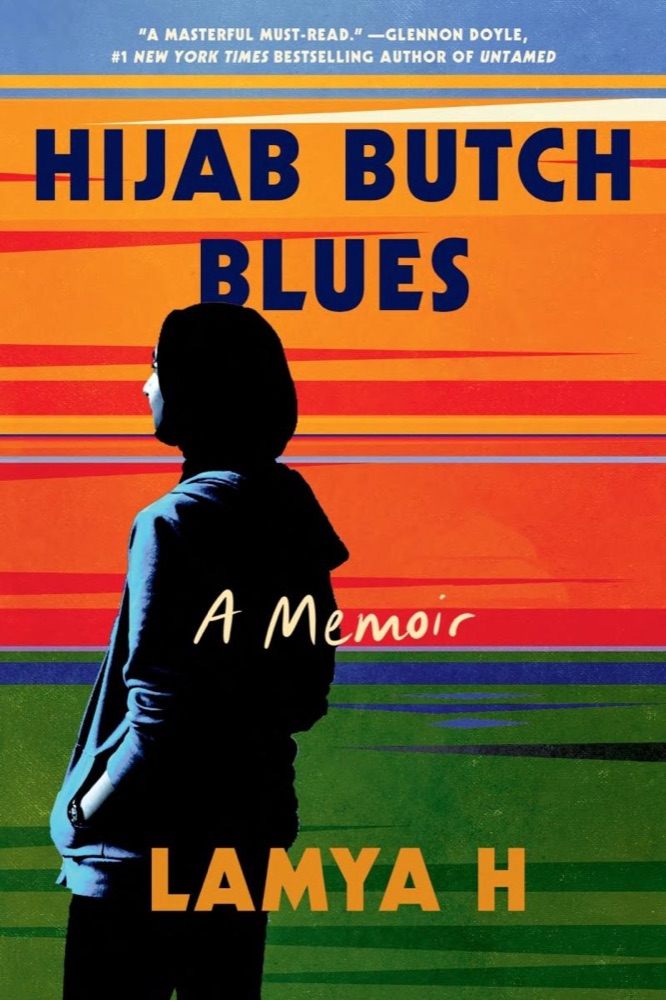
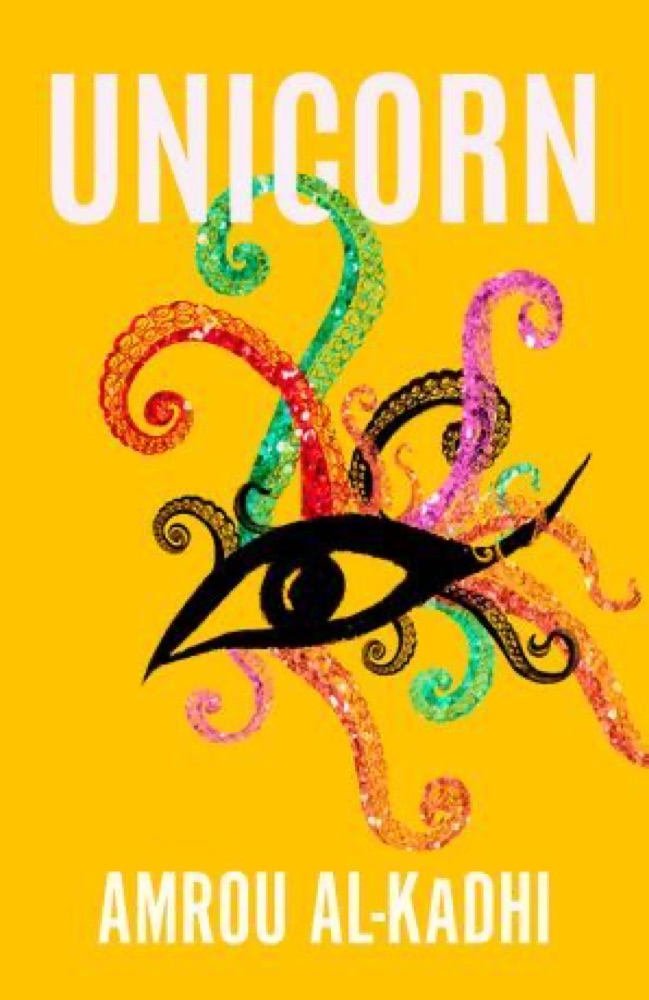
 Unicorn: The Memoir of a Muslim Drag Queen
Quotes from the Book
Queer indispensability?” Manal asks. “It’s a concept I heard about at a play I went to a few months ago—a solo performance piece by a queer Sri Lankan trans man,” I tell her. “At one point, he talked about something he noticed, not only in himself, but in his queer friends and com“community—this way in which queer people tend to make themselves indispensable in their relationships and friendships. They’re so afraid of being left that they make themselves unleavable.
21
You all know I’m queer, but I still have to play the cool hijabi[…] The not too religious hijabi, the hijabi who can rock it with the alternative crowd, who won’t judge you, who will be accepting and tolerant, the Good Muslim. I’m in full on silent rant mode now. Unlike those Bad Muslims, the religious ones, the ones who are inconvenient in their practice, the ones you have to pause for as they break their fasts, the ones who have to step out to pray. The marginalized ones you would fight for, organize for, protest for, but would never be friends with, who you would studiously avoid at a brunch. I’m the cool hijabi only because you’re projecting your xenophobic narrow-mindedness, your lack of imagination of Muslims into me. You’re still projecting them. Your prejudices are still in the room.
18
This better world—that is the world I’m fighting for from inside the whale, this world I want to be birthed into. A world that is kinder, more generous, more just. A world that takes care of the marginalized, the poor, the sick. Where wealth and resources are redistributed, where reparations are made for the harms of history, where stolen land is given back. Where the environment is cared for and respected, and all species are cared for and respected. Where conflicts are dealt with in gentleness. Where people take care of each other and feel empowered to be their truest selves. Where anger is allowed and joy is allowed and fun is allowed and quietness is allowed and loudness is allowed and being wrong is allowed and everything, everything, everything is rooted in love. And maybe that’s an unattainable utopia.But I’ve found a few smaller versions of this world—in the ground rules Liv and I set on the bus en route to meeting my family; in the grace Cara showed me when I came out to her; in the patience with which Zu mentored me. I’m not naïve enough to think we’ll reach this utopia in my lifetime or possibly ever, but I’m also not faithless enough to think that the direction in which I strive doesn’t matter, that these smaller versions of the world aren’t leading us there.
15
The question feels so patronizing: as if I’ve never thought about gender and how I choose to present myself, how I dress, how I stand, how I crop my hair short, and what this means. As if I’ve never thought about what it would be like to live as a man instead, the relief that would come from passing, with not having to face the everyday violence and humiliations of living in my body. As if I’ve never thought about how I don’t want that, how every cell in my body recoils at that thought of being a man, and yet how harrowing it is that the only way I can get out of my bed and make it through the day is by wearing masculinity on my body. As if I’ve never held dear my feminist rage, never thought about how I feel so politically aligned with womanhood and yet hate inhabiting it, hate it when my body is read as such. As if the only way to be trans is to transition to a binary gender, as if I can’t exist as I have been, in some space in between or beyond, using she or they pronouns and seething when people call me a woman and laughing when people tell me I should transition.
10
I’ve learned to reframe telling people as inviting in, instead of coming out - inviting into a place of trust, a place for building - and it feels like a waste of emotional energy to tell straight people whom I don’t expect to understand my queerness, don’t intend to count on for advice or support in this area. But what I’ve been noticing about people I haven’t invited into my queerness is that it introduces a barrier between us. What do I talk to these people about? How do I share feelings and intimacies without revealing this huge part of myself? Who am I without this queerness that now pervades my life, my politics, my everything?
8
But what I've been noticing about people I haven't invited into my queerness is that it introduces a barrier between us. What do I talk to these people about? How do I share feelings and intimacies without revealing this huge part of myself? Who am I without this queerness that now pervades my life, my politics, my everything?
6
...even after all of this, my saying the truth out loud is not enough to prove who I am to a world that doesn't believe me.
6
I don’t really feel anything. I haven’t felt anything in months. It’s fascinating how busy my friends are with being the center of their own worlds, and my parents have never been very involved or perceptive of my inner life. I get good grades and I don’t act up, so they’ve never needed to understand me. Unlike my brother, who gets mediocre grades and struggles with making friends and therefore gets all of their focus and attention and energy. Decades later my mother will throw out a casual remark about how easy I was as a teenager. And I’ll be shocked anew that she never knew, that she never even tried to know.
5
This is the world fourteen-year-old me couldn’t even begin to imagine. I’m already here.
5
As I bite into the banana bread, I realize if all around me is the evidence of what happens without my asking, doesn’t that mean that there’s possibility for more? A more trusting love where I could let myself ask for things, let myself be vulnerable and imperfect and even dispensable? A more magnanimous, forgiving kind of love where sometimes people give me what I ask for and sometimes they don’t and it’s okay? Where it’s okay to be disappointed and it’s okay to be disappointing—where we can love each other and ourselves regardless?
5
I want to figure her out, this girl, and I want to know everything about her.
4
Sort of?” she says, but there’s a gap between the way she’s responding and the way this concept of queer indispensability gutted me that day in the theater, still guts me to this day. And I know, I know why she doesn’t get it—it’s because I’m intellectualizing, I’m not telling her how I cried that night, quiet hot tears that I hid from the friends I was sitting next to. How my entire being seemed to implode, how I held every muscle tight to silence my sobs. How shocking and overwhelming this recognition felt.
3
And just like that, the medical exam is over. I pass. . I have owned my queerness, and in doing so, accepted it for what it is: a miracle. A difficult miracle, like Musa's. One that I didn't ask for, had no choice but to receive. Sent from God, who made the heavens and the earth and who does not make mistakes. God, who has my back. God, who answered.
3
Decades later, my mother will throw out a casual remark about how easy I was as a teenager and I'll be shocked anew that she never knew, that she never even tried to know.
2
I just don't want to do this thing called living anymore, and this feeling both creates and fills up an emptiness inside me.
2
There is an inherent quietness to reading that I hoped would create space for people to absorb, reflect, consider. Or, if they shared my views, to feel a little less alone in the crushing powerlessness of pointless fights.
2
I feel tired. Or reckless. Or maybe brave.
2
Let's say Yusuf never let his guard down. After the whole well situation, he decides he's never going to open himself to loving or trusting anyone again. Let's say he keeps to himself at the minister's and Zulekha doesn't try to seduce him and he doesn't go to prison. But then what? He trades pain and betrayal for loneliness? For never experiencing intimacy or connection or feeling seen? You think that's preferable?
1
don’t need a partner: I have my friends, my queer Muslim community, my cat. I have my work, my writing, and a reliable vibrator. I don’t need a partner. I’ve tried everything, and I’m done. I need to escape from the cycles I’m caught in. I need to start over.
1
And I. I gather my resentment, my fury that there's nowhere in the world that's magically free of racism and Islamophobia, homophobia and transphobia. I take that burning question and channel it toward new different questions: How can I fight injustices in this place where I have community, where I'm choosing to stay? How can I build a life here that feels, rooted in my principles, even if it will never be perfect?
1
Why can't people see the everyday overlaps of our lives? Difficult work situations and queer shame. The newfound deliciousness of frozen yogurt. Navigating the uncannily similar experiences of Irish Catholic guilt and brown diasporic guilt. Instead, it's only the contrasts that people see.
1
She's white, she's pretty, but this sense of being wrong has never left her, and she still carries herself like an outsider. I don't understand how she manages to be brilliant and brash and insecure at the same time. I am intrigued.
1
I spot a mirror on the opposite wall, where everyone else in the reflection is talking, eating, happy. I position myself near a corner of the reflection and slowly edge myself out. Slowly move out of the frame inch by inch, to the left at first and then down, slouching lower and lower on my chair so I’m no longer in the reflection and the scene is left intact. Looking at the scene in the mirror - everyone else still gathered, talking, eating, happy - makes me feel strangely relieved. As if these people never knew me, as if I had never come to this party, as I’d I had never been born.
1
I’ve been so afraid for so long that I will lose everything if I come out. I’ve spent decades living on the brink of this loss—of my family, of my friends, my Muslim community. This feeling lives in my body. It makes me want to do everything possible to prevent this loss in relationships that I can—or think I can—control. It makes me make myself invaluable. It’s why I glorify self-sufficiency, have a hard time asking people for help. It’s why I minimize my own needs so I can spend all my time and energy taking care of others, so they love me, so they won’t leave me. It’s a way of making myself indispensable. It’s a way of making myself unleavable.
That is the year that I’ve had enough of best friends. I make friends, but I make lots and lots of them so I never have to worry about being crushed by any one of them leaving. I crack jokes and pull pranks to draw people toward me, to entertain friends without ever having to share anything intimate. I keep everyone at a bit of a distance, so it’s not as crushing when they do inevitably leave. And I stop using the word “best” to describe any of my friends.
Rejection from straight girls is so much easier than rejection from my entire family and religion.
I had courted Zu as my Queer Life Mentor precisely because they’re so perceptive and astute and don’t hold back saying exactly what they think. Now, though, these qualities are annoying.
Why can’t people see the everyday overlaps of our lives? Difficult work situations and queer shame. The newfound deliciousness of frozen yogurt. Navigating the uncannily similar experiences of Irish Catholic guilt and brown diasporic guilt.
We’ll do gay things together,” he said, and lived up to his promise with things we decided were gay enough: dosas every Thursday evening; watching the soccer World Cup and picking which teams to cheer for based on anti-imperialism; cooking brussels sprout pasta; walking his dog.
I’m still hesitant about sharing something so intimate about myself with others. Each time I tell someone feels like a complicated calculation. Why am I telling this person? Will I derive emotional support from them? Will I have to do a lot of explaining? Can I trust that this person won’t tell others? Can I trust that it won’t get back to my parents, my Muslim community, my classmates in grad school?
Watch on YouTube
About Lamya H.
About the book
A queer hijabi Muslim immigrant survives her coming-of-age by drawing strength and hope from stories in the Quran in this daring, provocative, and radically hopeful memoir.
When fourteen-year-old Lamya H realizes she has a crush on her teacher--her female teacher--she covers up her attraction, an attraction she can't yet name, by playing up her roles as overachiever and class clown. Born in South Asia, she moved to the Middle East at a young age and has spent years feeling out of place, like her own desires and dreams don't matter, and it's easier to hide in plain sight. To disappear. But one day in Quran class, she reads a passage about Maryam that changes everything: when Maryam learned that she was pregnant, she insisted no man had touched her. Could Maryam, uninterested in men, be . . . like Lamya?
From that moment on, Lamya makes sense of her struggles and triumphs by comparin
Keep reading
Unicorn: The Memoir of a Muslim Drag Queen
 Girls Can Kiss Now: Essays
 Love, Hate & Other Filters
 A Burst of Light
 Notes To Self
 Piecing Me Together
 Felix Ever After
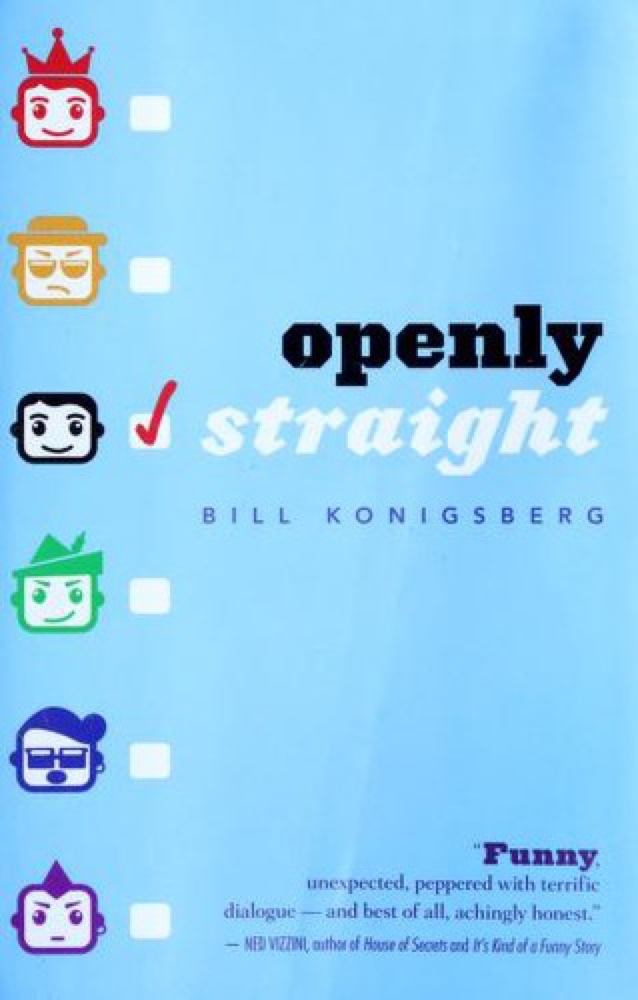 Openly Straight
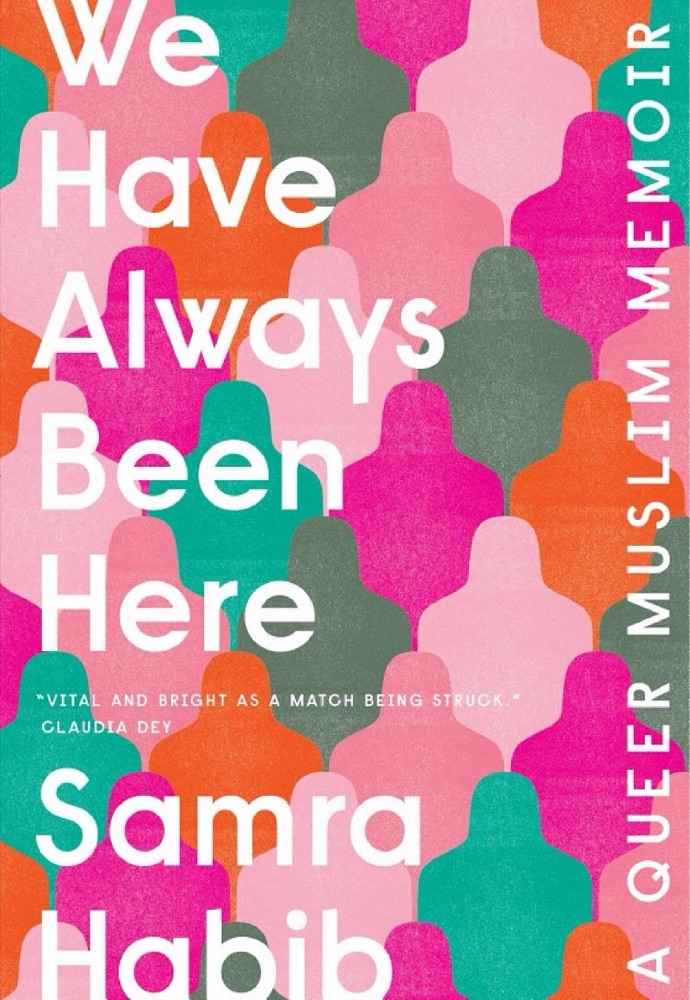 We Have Always Been Here: A Queer Muslim Memoir
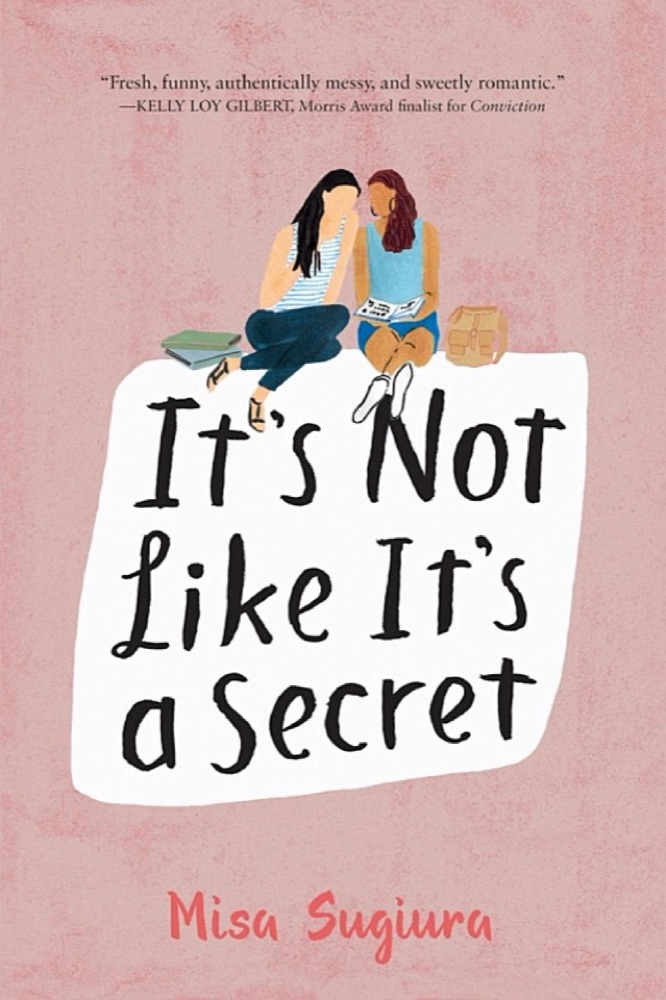 It's Not Like It's a Secret
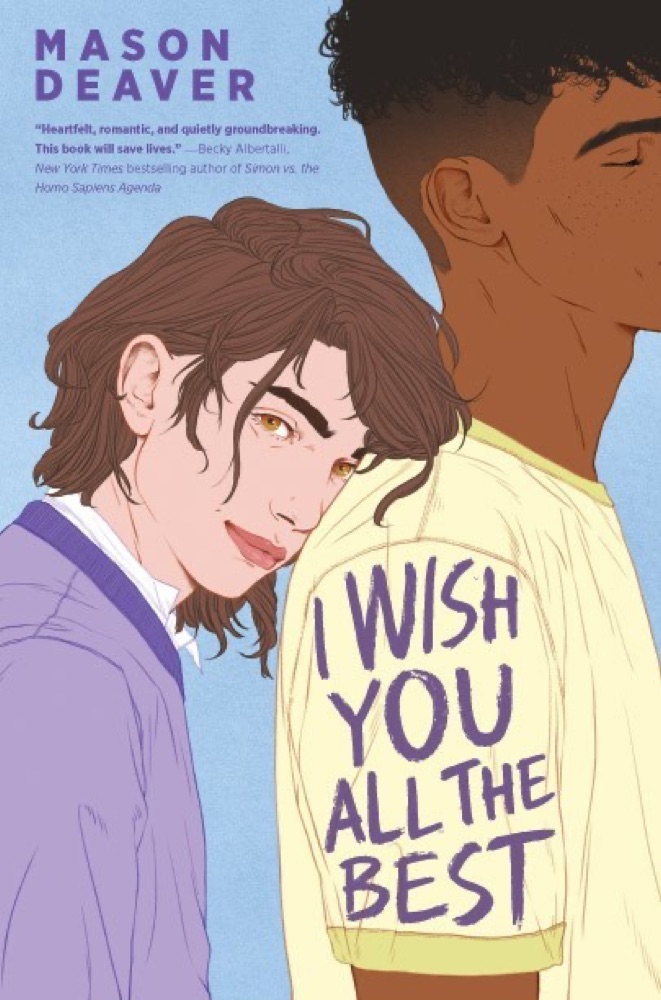 I Wish You All the Best
 So Sad Today: Personal Essays
 The Taking of Jake Livingston
 Imogen, Obviously
 Down the Drain
 Stone Butch Blues
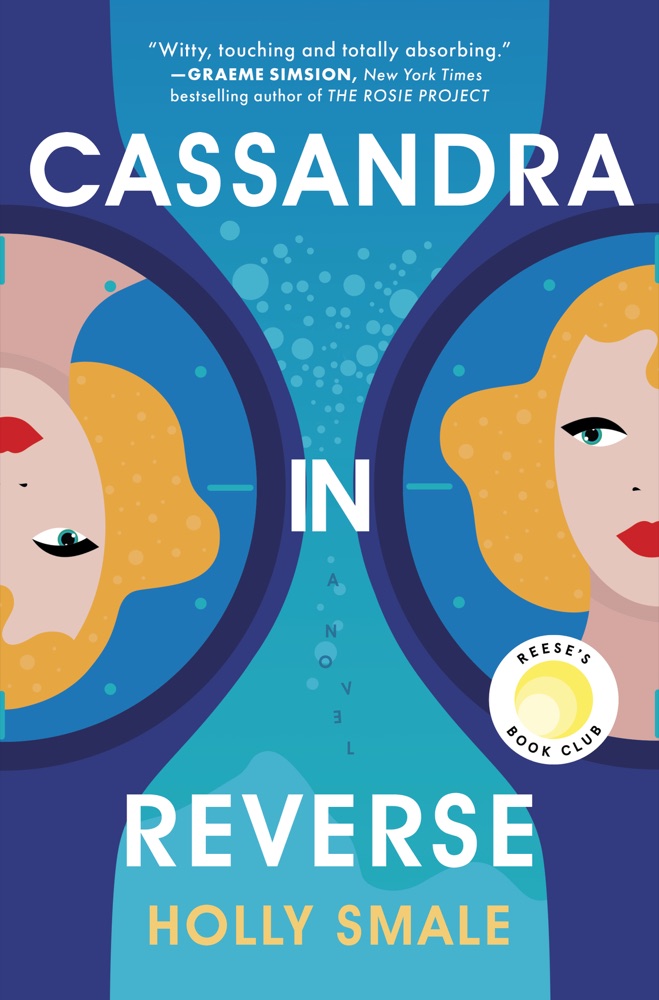 Cassandra in Reverse
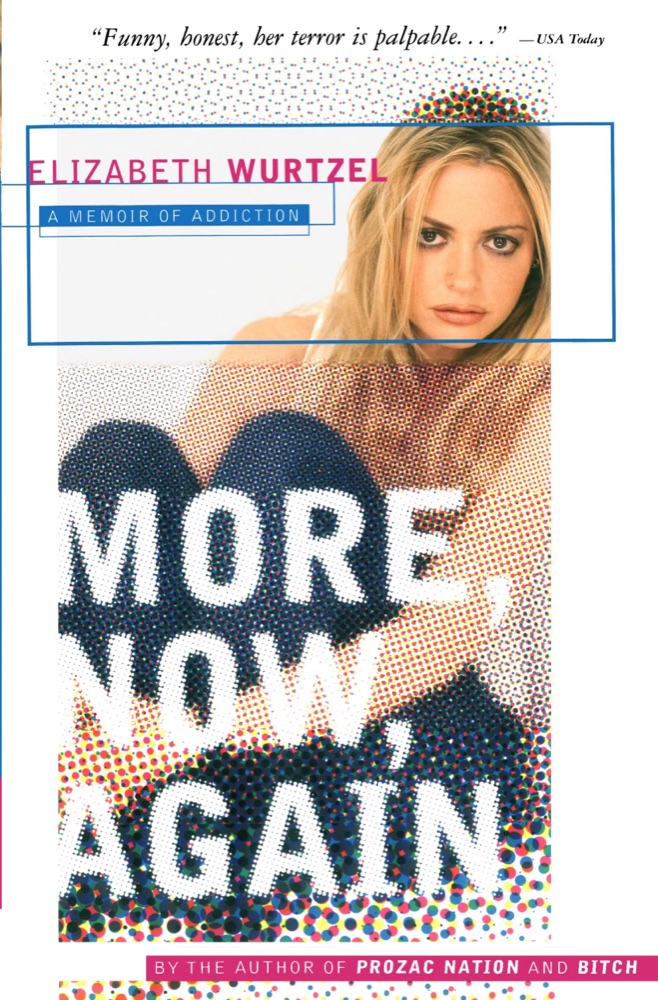 More, Now, Again: A Memoir of Addiction
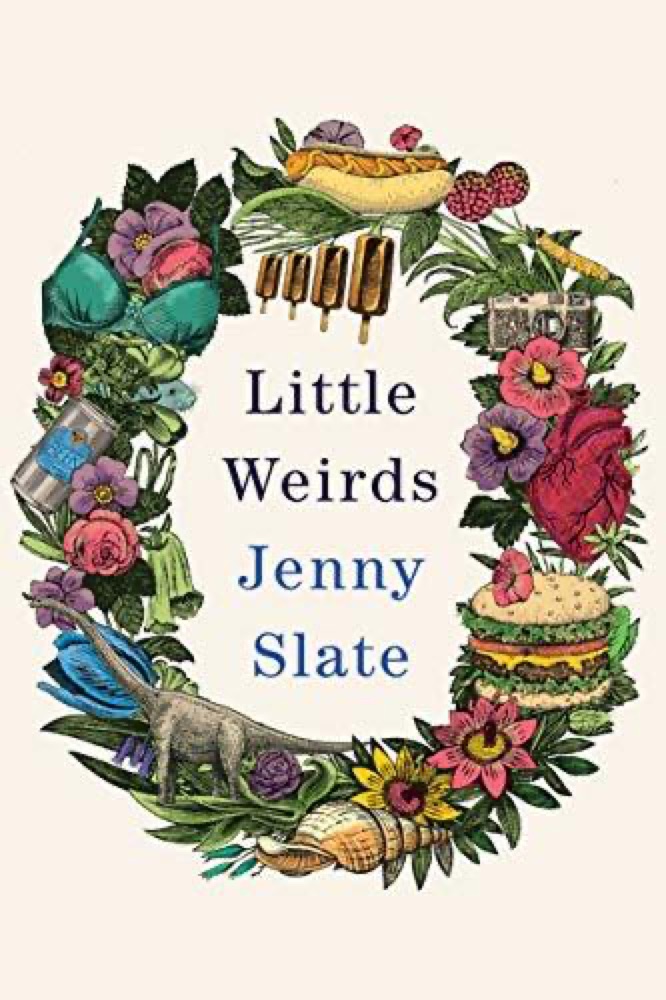 Little Weirds
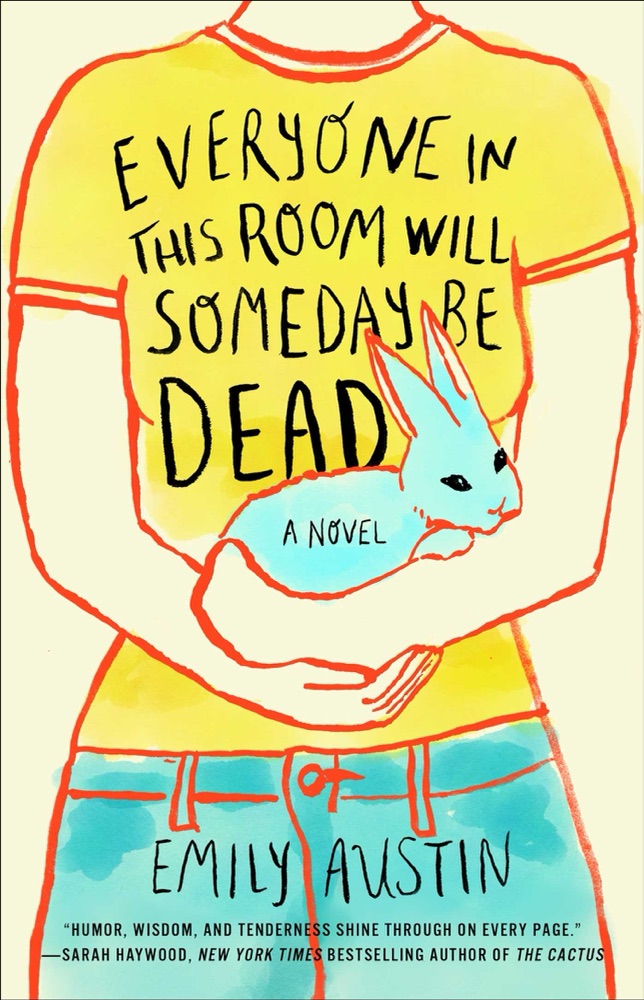 Everyone in This Room Will Someday Be Dead
 Unorthodox: The Scandalous Rejection of My Hasidic Roots
 Tweak: Growing Up On Methamphetamines
 Like a Love Story
 Sissy: A Coming-of-Gender Story
 Brave Face
 Terminal Boredom: Stories
 Dear Medusa
 Simon vs. the Homo Sapiens Agenda
 I Love Dick
 Dear Senthuran: A Black Spirit Memoir
 Anthropology of an American Girl
 Love from A to Z
 The Black Flamingo
 Managing Expectations: A Memoir in Essays – A Poignant Collection of Personal Stories on Acting, Failure, and Motherhood's Joy
 Charmed Thirds
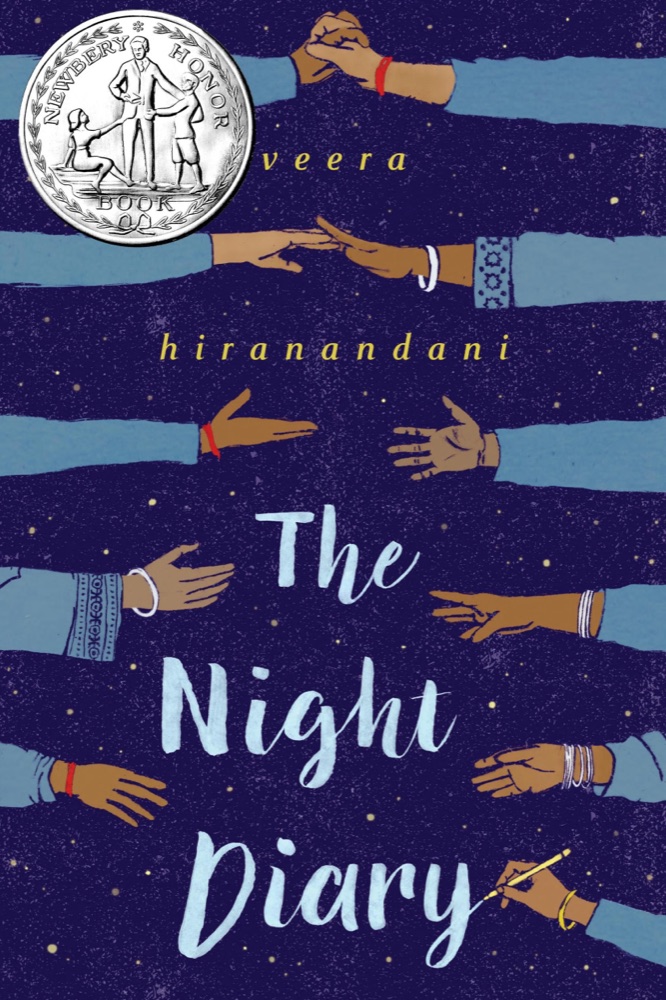 The Night Diary
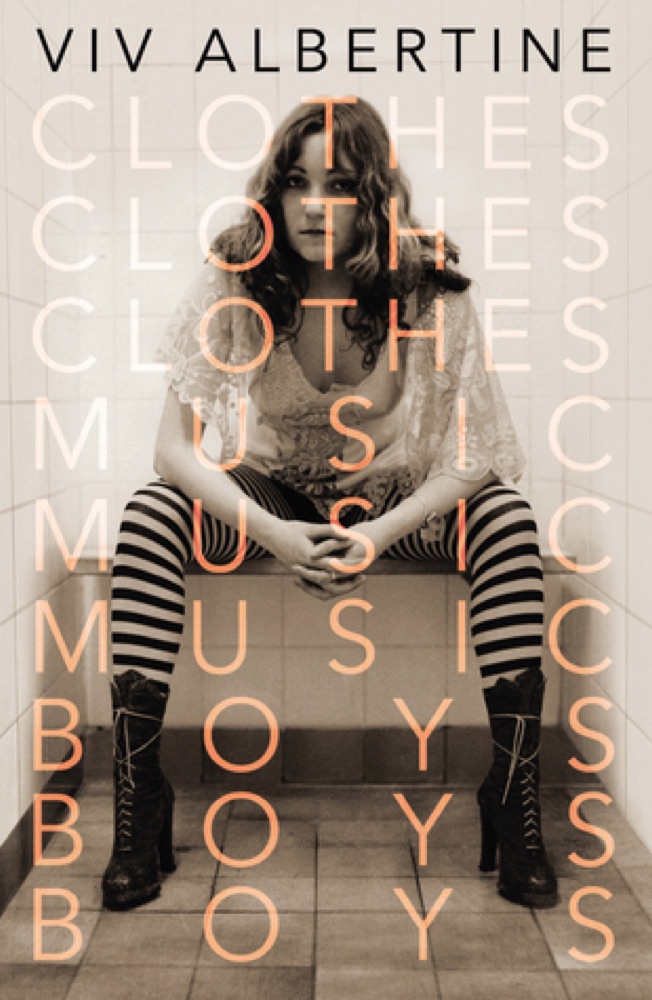 Clothes, Clothes, Clothes. Music, Music, Music. Boys, Boys, Boys
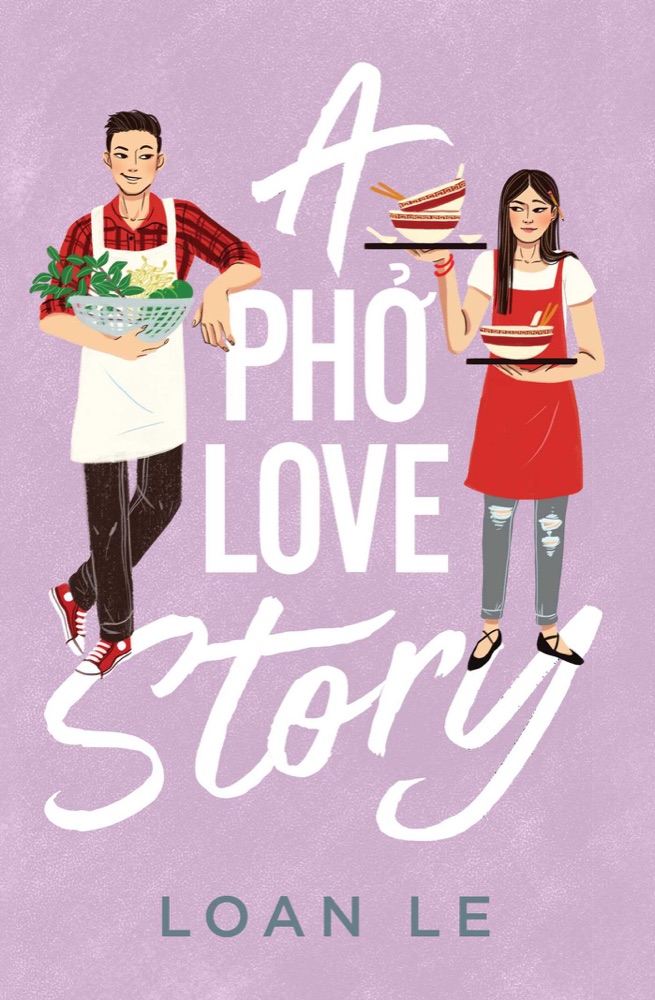 A Pho Love Story
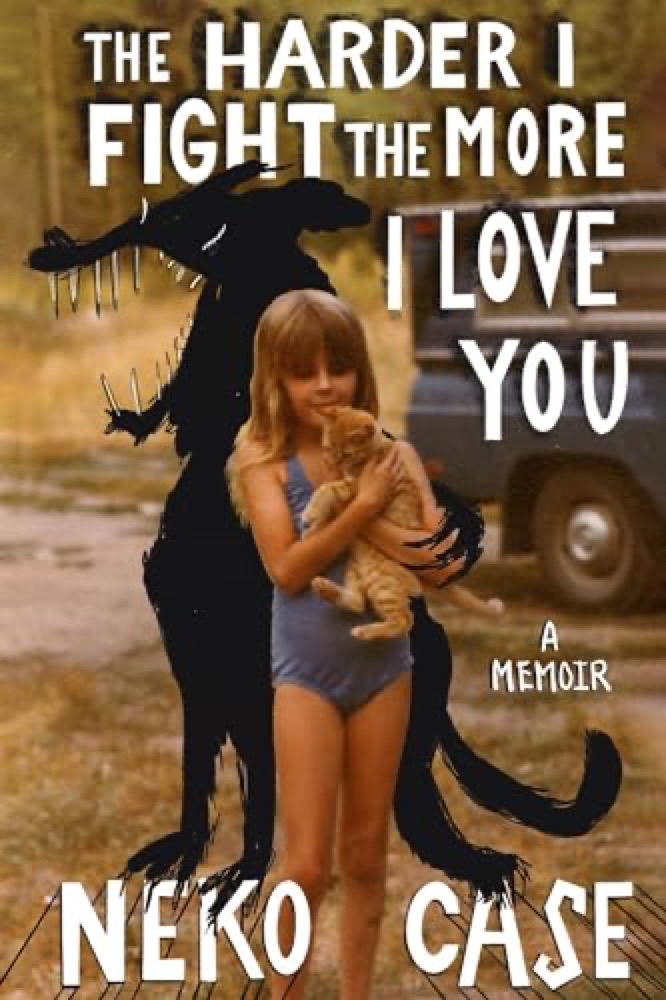 The Harder I Fight the More I Love You: A Memoir
 I Don't Want To Be Crazy
 The House of Hidden Meanings
 The Unabridged Journals of Sylvia Plath
 The Crane Wife: A Memoir in Essays
 Inferno
 Spilling Open: The Art of Becoming Yourself
 The Girl with the Lower Back Tattoo
 A History of My Brief Body
 A Room Called Earth
 Speak No Evil
 The Folded Clock: A Diary
 That's a Great Question, I'd Love to Tell You
 Nothing but My Body
 Strong Female Character
 The Argonauts
 Prep
Prep
 Skin: Talking About Sex, Class And Literature
 A Line Made By Walking
 Walking Practice
 The Return
 To Throw Away Unopened