 The Yellow Birds
Quotes from the Book
There was no harm in taking aim, even if the target was a dream.
I felt that I was not, never had been and never would be a living part of this overpoweringly solid and deeply meaningful world around me.
Everyone has a moment in history which belongs particularly to him. It is the moment when his emotions achieve their most powerful sway over him, and afterward when you say to this person "the world today" or "life" or "reality" he will assume that you mean this moment, even if it is fifty years past. The world, through his unleashed emotions, imprinted itself upon him, and he carries the stamp of that passing moment forever.
What I mean is, I love winter, and when you really love something, then it loves you back, in whatever way it has to love.
Nothing endures. Not a tree. Not love. Not even death by violence.
It seemed clear that wars were not made by generations and their special stupidities, but that wars were made instead by something ignorant in the human heart
I began to know that each morning reasserted the problems of night before, that sleep suspended all but changed nothing, that you couldn’t make yourself over between dawn and dusk.
Sarcasm... the protest of those who are weak.
Everything has to evolve or else it perishes.
All of them, all except Phineas, constructed at infinite cost to themselves these Maginot Lines against this enemy they thought they saw across the frontier, this enemy who never attacked that way-if he ever attacked at all; if he was indeed the enemy.
So the more things remained the same, the more they changed after all. Nothing endures. Not love, not a tree, not even a death by violence.
But I was used to finding something deadly in things that attracted me; there was always something deadly lurking in anything I wanted, anything I loved.
Everyone has a moment in history which belongs particularly to him.
This was the tree, and it seemed to me standing there to resemble those men, the giants of your childhood, whom you encounter years later and find that they are not merely smaller in relation to your growth, but they are absolutely smaller, shrunken by age. In this double demotion the old giants have become pygmies while you were looking the other way.
But something held me back. Perhaps I was stopped by that level of feeling, deeper than thought, which contains the truth.
When you love something it loves you back in whatever way it has to love.
Always say some prayers at night because it might turn out that there is a God.
You have to do what you think is the right thing, but just make sure it’s the right thing in the long run, and not just for the moment.
Looking back now across fifteen years I could see with great clarity the fear I had lived in, which must mean that in the interval I had succeeded in a very important undertaking: I must have made my escape from it.
I did no know everything there was to know about myself, and knew that I did not know it.
It was hard to remember in the heavy and sensual clarity of these mornings; I forgot whom I hated and who hated me. I wanted to break out crying from stabs of hopeless joy, or intolerable promise, or because these mornings were too full of beauty for me, because I knew of too much hate to be contained in a world like this.
Gene, on the desire to be Finny: "I lost part of myself to him then, and a soaring sense of freedom revealed that this must have been my purpose from the first: to become a part of Phineas.
I never killed anybody and I never developed an intense level of hatred for the enemy. Because my war ended before I ever put on a uniform; I was on active duty all my time at school; I killed my enemy there.
As I said, this was my sarcastic summer. It was only long after that I recognized sarcasm as the protest of people who are weak.
Never say you are five feet nine when you are five feet eight and a half" was the first one I encountered. Another was, "Always say some prayers at night because it might turn out that there is a God.
So the more things remain the same, the more they change after all—plus c'est la même chose, plus ça change. Nothing endures, not a tree, not love, not even a death by violence.
I think we reminded them of what peace was like, we boys of sixteen. We were registered with no draft board, we had taken no physical examinations. No one had ever tested us for hernia or color blindness. Trick knees and punctured eardrums were minor complaints and not yet disabilities which would separate a few from the fate of the rest. We were careless and wild, and I suppose we could be thought of as a sign of the life the war was being fought to preserve. Anyway, they were more indulgent toward us than at any other time; they snapped at the heels of seniors, driving and molding and arming them for the war. They noticed our games tolerantly. We reminded them of what peace was like, of lives which were not bound up with destruction.
Stranded in this mill town railroad yard while the whole world was converging elsewhere, we seemed to be nothing but children playing among heroic men.
...I alone was a dream, a figment which had never really touched anything. I felt that I was not, never had been and never would be a living part of this overpoweringly solid and deeply meaningful world around me.
Did you know?
- A Separate Peace was John Knowles's first published novel.
- The fictional Devon School is based on Phillips Exeter Academy, which Knowles attended.
- It won the inaugural William Faulkner Foundation Award.
- The novel was first published in London in 1959, a year before its U.S. release in 1960.
- Knowles said the story grew out of his own experiences, including a secret society and jumping from a tree.
- The book has become a widely assigned coming-of-age text in American schools.
About John Knowles
John Knowles (1926-2001) was an American novelist born in Fairmont, West Virginia. He attended Phillips Exeter Academy and graduated from Yale University, and drew on his prep-school years for A Separate Peace, his acclaimed first novel.
More about the author →About the book
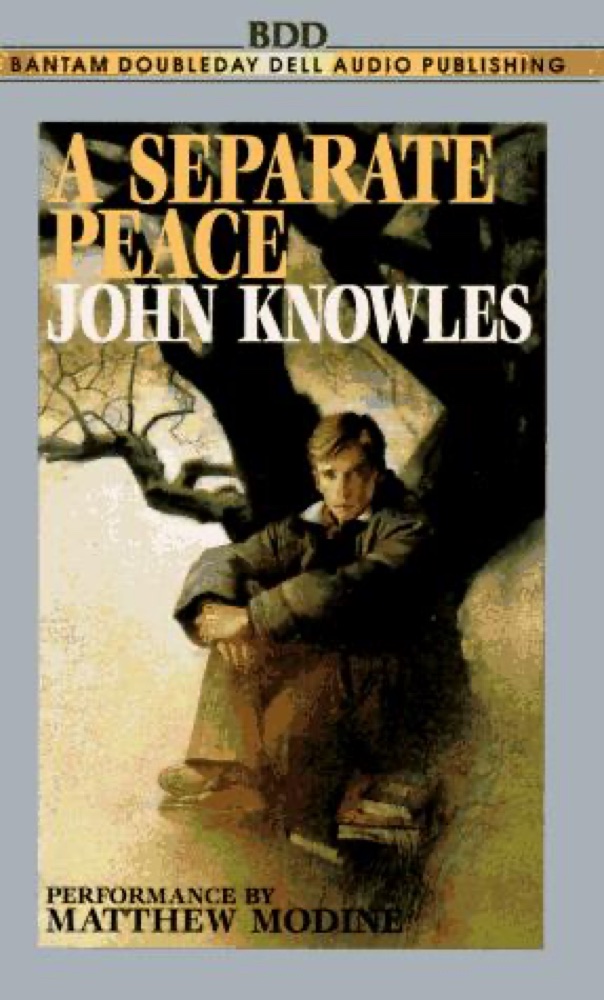
A Separate Peace is John Knowles's first novel, published in London in 1959 and in the United States in 1960. Narrated by Gene Forrester, who returns years later to the Devon School he attended in New England, it recalls the summer of 1942 and the intense friendship between the studious Gene and his charismatic, athletic roommate Phineas, nicknamed Finny. During a game at a tree by the river, Gene jounces the branch and Finny falls, shattering his leg, an act whose intent, accident or impulse, the novel leaves painfully ambiguous.
The book unfolds against the backdrop of World War II, which presses in on the boys as they approach the age of enlistment. Knowles explores the loss of innocence, rivalry and codependency within friendship, guilt, and the enemy each person carries inside. The Devon School, a fictionalized version of Phillips Exeter Academy where Knowles himself was a student, becomes a fragile refuge, the 'separate peace' the boys try to hold on to before the war and adulthood claim them.
Widely taught in American schools, A Separate Peace became a coming-of-age classic and Knowles's most enduring work. It won the first William Faulkner Foundation Award and was a finalist for the National Book Award. Its restrained, elegiac prose and its refusal to resolve Gene's culpability have kept it a staple of discussions about memory, morality, and the passage from youth to a harder adult world.
Key characters
- Gene ForresterIntrospective narrator who causes Finny's fall
- Phineas (Finny)Charismatic, athletic best friend and roommate
- Brinker HadleyClass leader who organizes an inquiry into the accident
- Elwin 'Leper' LepellierSolitary classmate, first to enlist, and a key witness
Book details
- First published
- 1959
- Length
- 236 pages
- Reading time
- 3 hours
- Author
- John Knowles
- Genre
- Classics
- Goodreads rating
- 3.60 (235k ratings) →
- First line
- “I went back to the Devon School not long ago, and found it looking oddly newer than when I was a student there fifteen years before.”
Movie & TV adaptations
- IMDb
- IMDb
If you liked this, read…
- 1The Catcher in the RyeAnother mid-century coming-of-age classic centered on adolescent alienation
- 2Lord of the FliesExplores the darkness and rivalry lurking beneath youthful innocence
- 3Dead Poets SocietyNew England prep-school setting and the loss of a treasured youth
Keep reading
The Yellow Birds
 The Magus
 Chances Are...
 I Am Pilgrim
 The Likeness
 The Wars
 And the Mountains Echoed
 A Long Way Gone
 How I Live Now
 The People in the Trees
 The Lords of Discipline
 World's Fair
 Light in August
 Three Comrades
 Middlesex
 All But My Life: A Memoir
 Testament of Youth
 The Lies About Truth
 The Void
 The Hour I First Believed
 The Brothers K
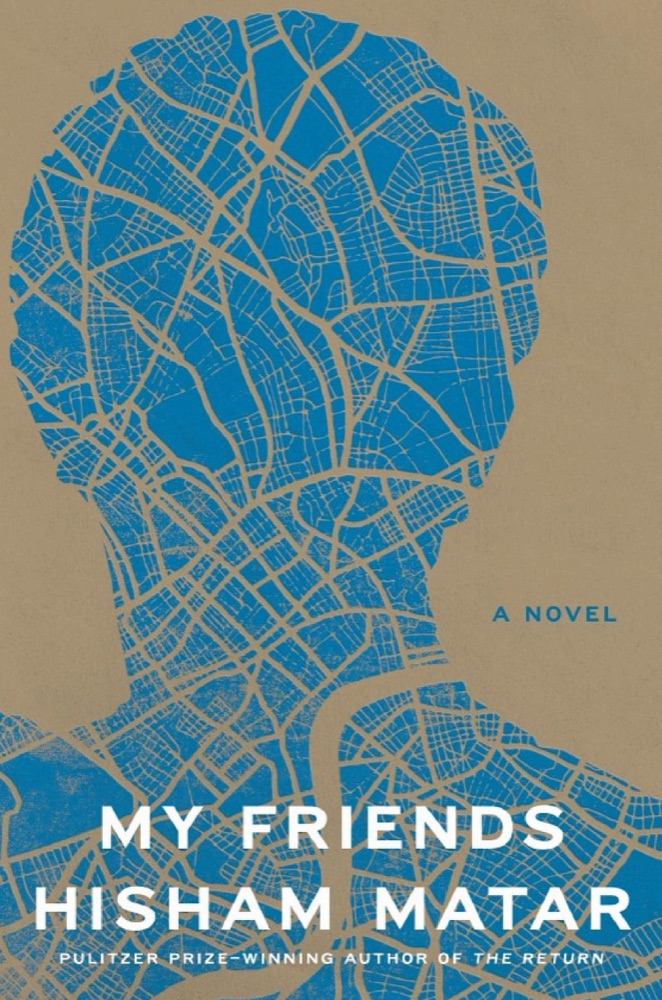 My Friends
 Absalom, Absalom!
 The Son
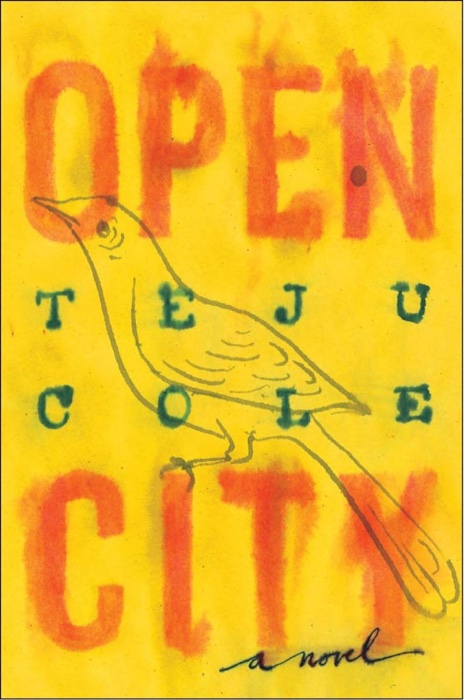 Open City
 Wayward
 The Jewel in the Crown
 A Thousand Moons
 A Death in the Family
 The Quiet American
 Invisible Man
 Revolutionary Road
 Killing Commendatore
 Embers
 The Story of a New Name
 Fool's Fate
 A House in the Sky
 When We Were Animals
 Brideshead Revisited: The Sacred and Profane Memories of Captain Charles Ryder
 Hollow City
 The Mandarins
 Life After Life
 Mother Night
 The Mill on the Floss
 The Stranger
 Snow Falling on Cedars
 The Butterfly Garden
 Freedom
 The Valley of Amazement
 1Q84
1Q84
 A Rule Against Murder
 All the King's Men
 The Sweet Hereafter
 The Whisper Man
 The Illustrated Man
 Mayflies
 In Cold Blood
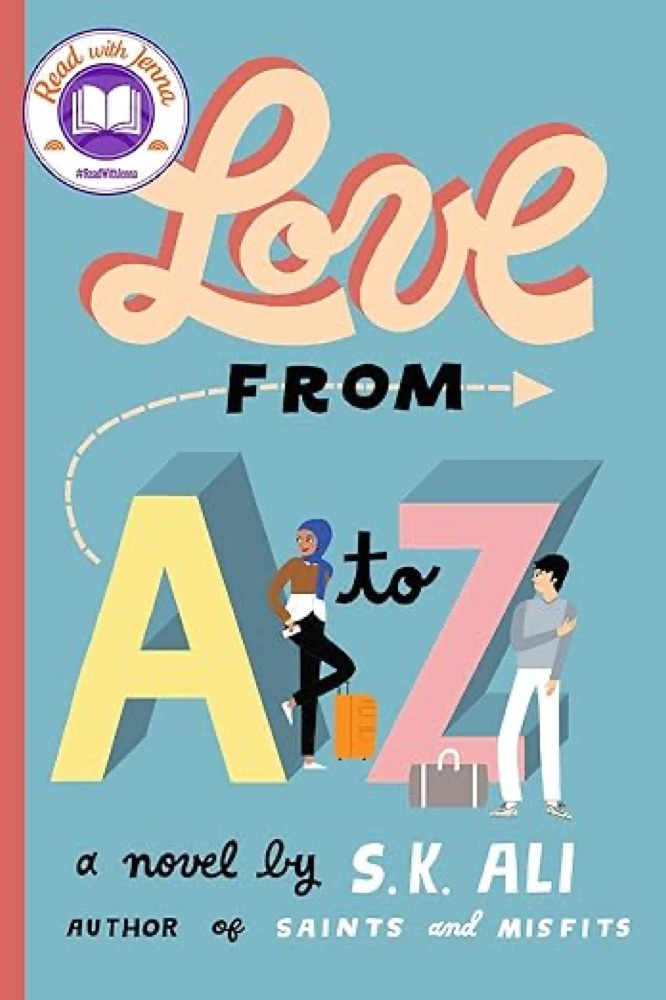 Love from A to Z
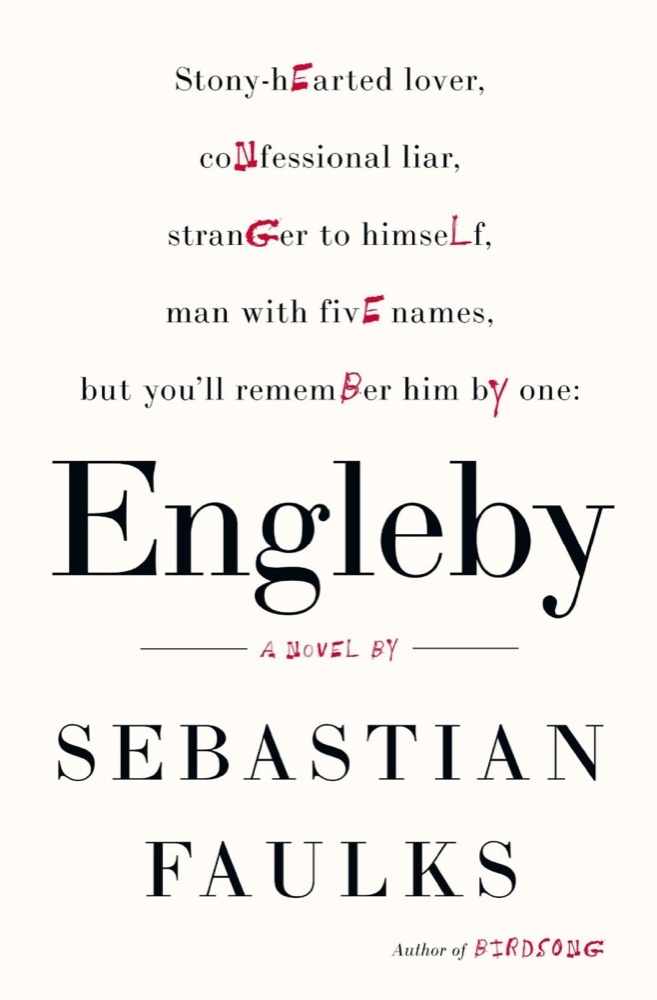 Engleby
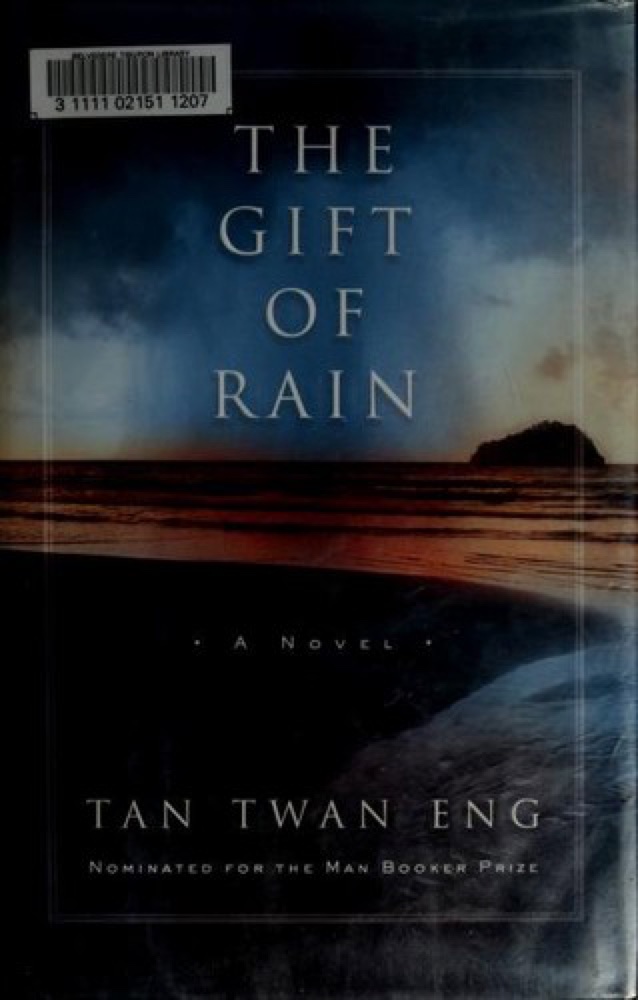 The Gift of Rain