

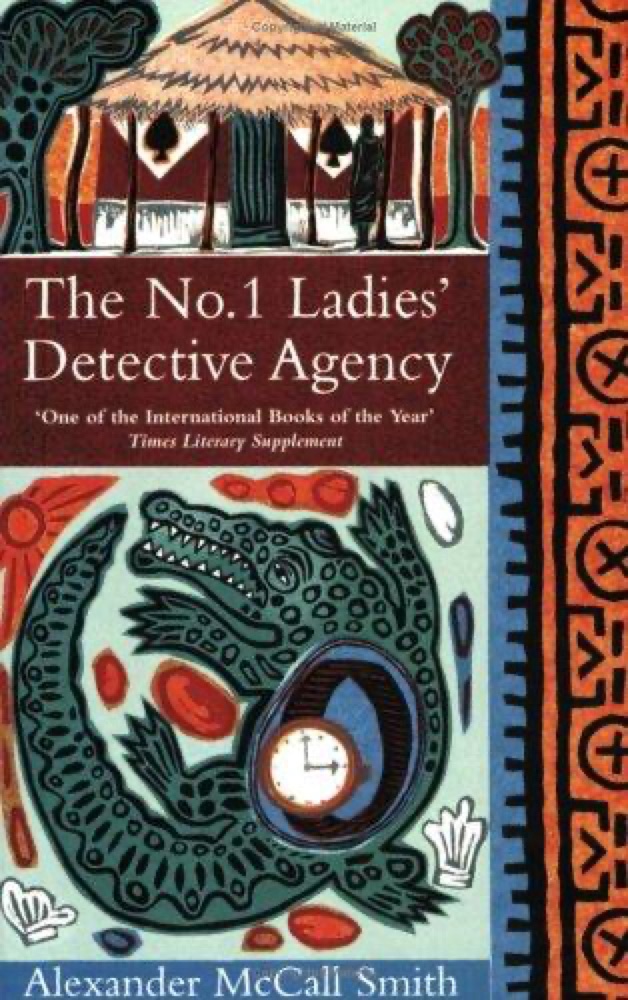
 The No. 1 Ladies' Detective Agency
Quotes from the Book
She had not made a lot of money, but she had not made a loss, and she had been happy and entertained. That counted for infinitely more than a vigorously healthy balance sheet. In fact, she thought, annual accounts should include an item specifically headed Happiness, alongside expenses and receipts and the like.
20
Sometimes she thought that the people overseas had no room in their heart for Africa, because nobody had ever told them that African people were just the same as they were
16
There was far too much interest in the past, she thought. People were forever digging up events that had taken place a long time ago. And what was the point in doing this if the effect was merely to poison the present?
12
Mma Ramotswe reflected on how easy it was to find oneself committed to a course of action simply because one lacked the courage to say no.
8
Mma Ramotswe had a gift for the American woman, a basket which on her return journey from Bulawayo she had bought, on impulse, from a woman sitting by the side of the road in Francistown. The woman was desperate, and Mma Ramotswe, who did not need a basket, had bought it to help her. It was a traditional Botswana basket, with a design worked into the weaving. "These little marks here are tears," she said. "The giraffe gives its tears to the women and they weave them into the basket." The American woman took the basket politely, in the proper Botswana way of receiving a gift with both hands. How rude were people who took a gift with one hand, as if snatching it from the donor; she knew better. You are very kind, Mma," she said. "But why did the giraffe give its tears?" Mma Ramotswe shrugged; she had never thought about it. "I suppose that it means that we can all give something," she said. "A giraffe has nothing else to give--only tears." Did it mean that? she wondered. And for a moment she imagined that she saw a giraffe peering down through the trees, its strange stilt-borne body among the leaves; and its moist velvet cheeks and liquid eyes; and she thought of all the beauty that there was in Africa, and of the laughter, and the love. The boy looked at the basket. "Is that true, Mma?" Mma Ramotswe smiled. "I hope so," she said.
8
Mma Ramotswe found it difficult to imagine what it would be like to have no people. There were, she knew, those who had no others in this life, who had no uncles, or aunts, or distant cousins of any degree; people who were just themselves. Many white people were like that, for some unfathomable reason; they did not seem to want to have people and were happy to be just themselves. How lonely they must be -- like spacemen deep in space, floating in darkness, but without even that silver, unfurling cord that linked the astronauts to their little metal womb of oxygen and warmth. For a moment, she indulged the metaphor, and imagined the tiny white van in space, slowly spinning against a background of stars and she, Mma Ramotswe, of the No. 1 Ladies' Space Agency, floating weightless, head over heels, tied to the tiny white van with a thin washing line.
6
Perhaps if you don't know there's a gap, you don't worry about it. If you were a millipede, a tshongololo, crawling along the ground would you look at the birds and worry about not having wings? Probably not.
6
It was easy to make a difference to other people’s lives, so easy to change the little room in which people lived their life.
4
You say that you lost your child. You know how I feel then. You know that, don't you? It's a sadness that never goes away.
4
Then there was Mr Mandela. Everybody knew about Mr Mandela and how he had forgiven those who had imprisoned him. They had taken away years and years of his life simply because he wanted justice. They had set him to work in a quarry and his eyes had been permanently damaged by the rock dust. But at last, when he had walked out of the prison on that breathless, luminous day, he had said nothing about revenge or even retribution. He had said that there were more important things to do than to complain about the past, and in time he had shown that he meant this by hundreds of acts of kindness towards those who had treated him so badly. That was the real African way, the tradition that was closest to the heart of Africa. We are all children of Africa, and none of us is better or more important than the other. This is what Africa could say to the world: it could remind it what it is to be human.
3
Hospitals were to her a memento mori in bricks and mortar; an awful reminder of the inevitable end that was coming to all of us but which she felt was best ignored while one got on with the business of life.
3
If the lord came back today, [Mr. J.L.B. Matekoni] thought, he would probably be a mechanic, he reflected. That would be a great honour for mechanics everywhere. And there is no doubt but that e would choose Africa: Israel was far too dangerous these days. In fact, the more one thought about it, the more likely it was that he would choose Botswana, and Gabarone in particular. Now that would be a wonderful honour for the people of Botswana; but it would not happen, and there was no point in thinking about it any further. The Lord was not going to come back; we had had our chance and we had not made very much of it, unfortunately.
3
All our human endeavours are like that, she reflected, and it is only because we are too ignorant to realize it, or are too forgetful to remember it, that we have the confidence to build something that is meant to last.
2
Africa had a way of coming back and simply covering everything up again.
2
The Americans were very clever; they sent rockets into space and invented machines which could think more quickly than any human being alive, but all this cleverness could also make them blind. They did not understand other people. They thought that everyone looked at things in the same way as Americans did, but they were wrong. Science was only part of the truth. There were also many other things that made the world what it was, and the Americans often failed to notice these things, although they were there all the time, under their noses.
2
...as she made her way back to the tiny white van she listened to her own breathing and felt her own heart thumping wildly. She had no idea where she had found the courage, but it had been there, like the water at the bottom of a disused quarry--unfathomably deep.
2
But remember, that for every cheating wife in Botswana, there are five hundred and fifty cheating husbands." Mma Makutsi whistled. "That is an amazing figure," she said. "Where did you read that?" "Nowhere," chuckled Mma Ramotswe. "I made it up. But that doesn't stop it from being true.
2
Perhaps one day she would find a place where she would stay. That would be good. To know that the place you were in was your own place—where you should be.
2
I am glad you are pleased," said Mma Ramotswe. "You have broken the glass ceiling that stops secretaries from reaching their full potential." Mma Makutsi looked up, as if to search for the ceiling that she had broken. There were only the familiar ceiling boards, fly-tracked and buckling from the heat. But the ceiling of the Sistine Chapel itself could not at that moment have been more glorious in her eyes, more filled with hope and joy.
2
A man who is well looked after becomes fatter. They are just like cattle
1
had been too young, and too infatuated with the plausible
1
People were forever digging up events that had taken place a long time ago. And what was the point in doing this if the effect was merely to poison the present? There were many wrongs in the past, but did it help to keep bringing them up and giving them a fresh airing?
1
Places had echoes- and if one were sensitive, one might just pick up some resonance from the past, some feeling for what had happened.
1
The night is a very bad time for questions to which there are no answers.” Mr Badule looked at her. “You are very right, my sister. There is
1
It was inconsiderate not to have a gardener if, like Dr Ranta, you were in a well-paid white-collar job. It was a social duty to employ domestic staff, who were readily available and desperate for work. Wages were low – unconscionably so, thought Mma Ramotswe – but at least the system created jobs. If everybody with a job had a maid, then that was food going into the mouths of the maids and their children. If everybody did their own housework and tended their own gardens, then what were the people who were maids and gardeners to do?
1
Mma Ramoswe shaded her eyes with a hand. "All that work," she mused. "And now this." Mma Potsane shrugged her shoulders. "But that is always true, Mma," she said. "Even Gaborone. Look at all those buildings. How do we know that Gaborone will still be there in fifty years' time? Have the ants not got their plans for Gaborone as well?" Mma Ramotswe smiled. It was a good way of putting it. All our human endeavors are like that, she reflected, and it is only because we are too ignorant to realize it, or are too forgetful to remember it, that we have the confidence to build something that is meant to last.
1
If you have been feeding him so well, then why is he thin. A man who is well looked after becomes fatter. They are just like cattle
I hope so," she said.
Watch on YouTube
About Alexander McCall Smith
We have collected 451 quotes from 19 books by Alexander McCall Smith on BookQuoters.
More about the author →More by Alexander McCall Smith
The No. 1 Ladies' Detective Agency
 Dream Angus: The Celtic God of Dreams
 The Geometry of Holding Hands
 The Uncommon Appeal of Clouds
About the book
Librarian note: Older cover edition of 9780349116655.
In 1999 The No. 1 Ladies' Detective Agency received two Booker Judges' Special Recommendations and was voted one of the ‘International Books of the Year and the Millennium' by the Times Literary Supplement.
Tears of the Giraffe takes us further into the life of the engaging and sassy Precious Ramotswe, the owner and detective of Botswana's only Ladies' detective agency. Among her cases are wayward wives, unscrupulous maids and a challenge to resolve a mother's pain for her son, who is long lost on the African plains. Mma Ramotswe's own impending marriage to that most gentlemanly of men, Mr. J. L. B. Matekoni, the promotion of her secretary to the dizzy heights of Assistant Detective and new additions to the Matekoni family, all brew up the most humorous and charmingly entertaining of tales.
Book details
- First published
- 2000
- Author
- Alexander McCall Smith
- Genre
- Mystery
- Goodreads rating
- 3.98 (62k ratings)
Keep reading
The No. 1 Ladies' Detective Agency
 Blue Shoes and Happiness
 The Woman Who Walked in Sunshine
 Petals of Blood
 The Old Drift
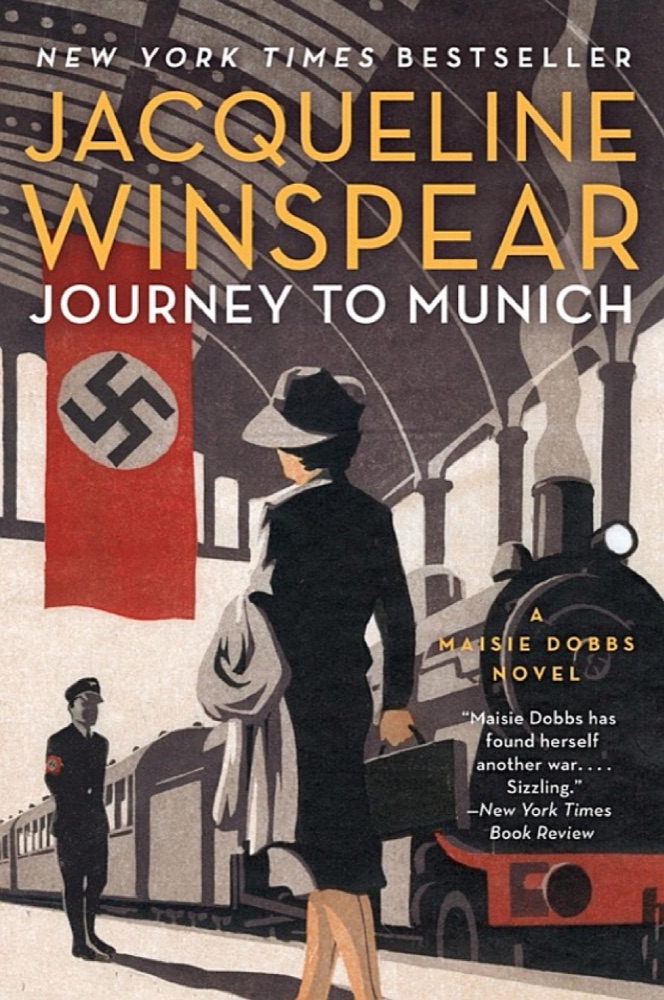 Journey to Munich
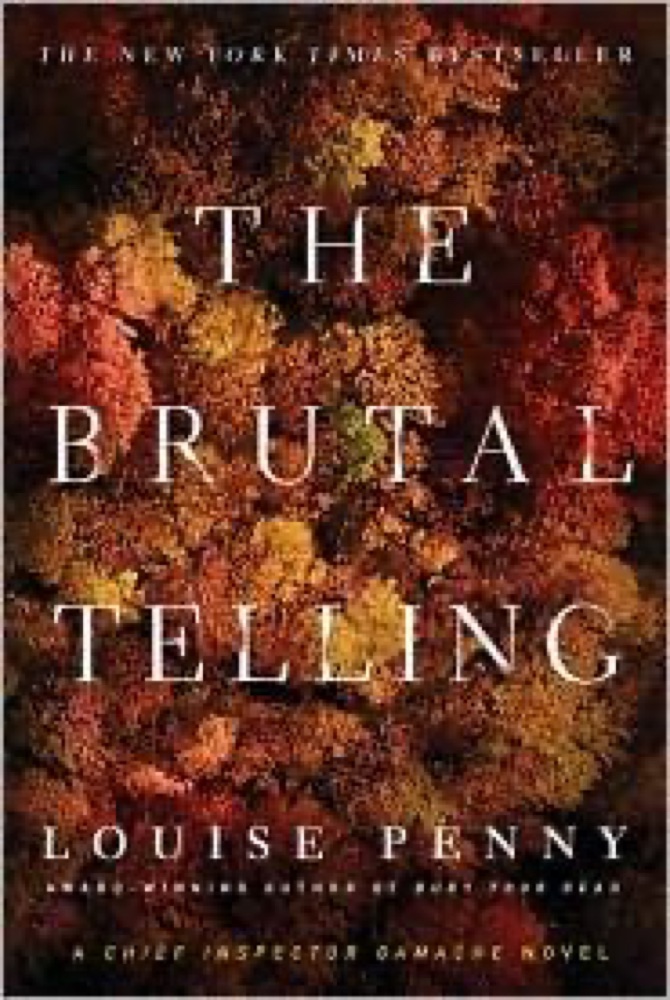 The Brutal Telling
 Too Much Happiness: Stories
 The Night Watchman
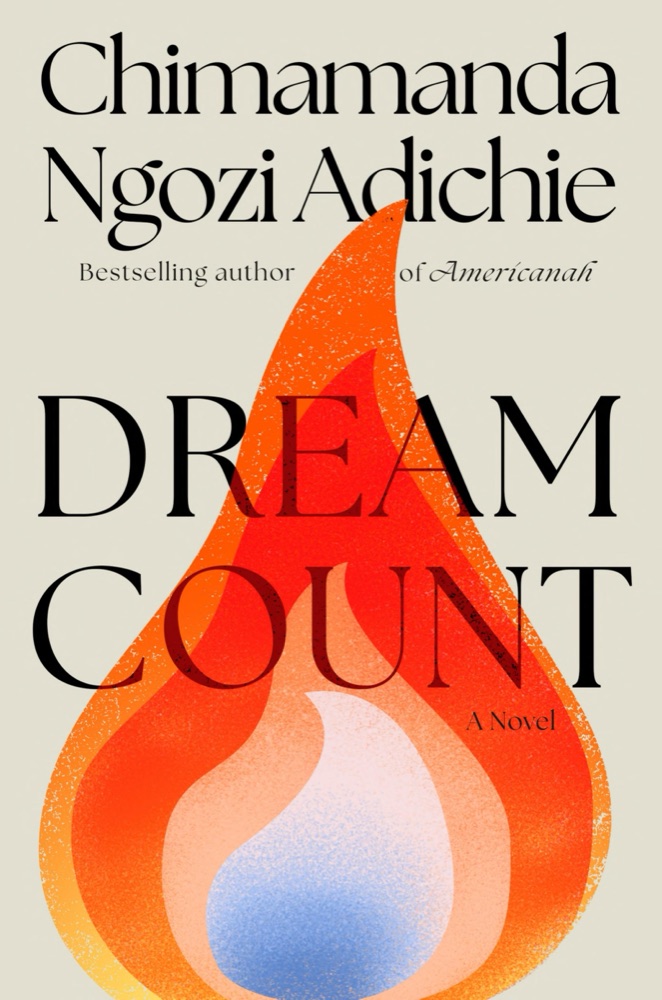 Dream Count
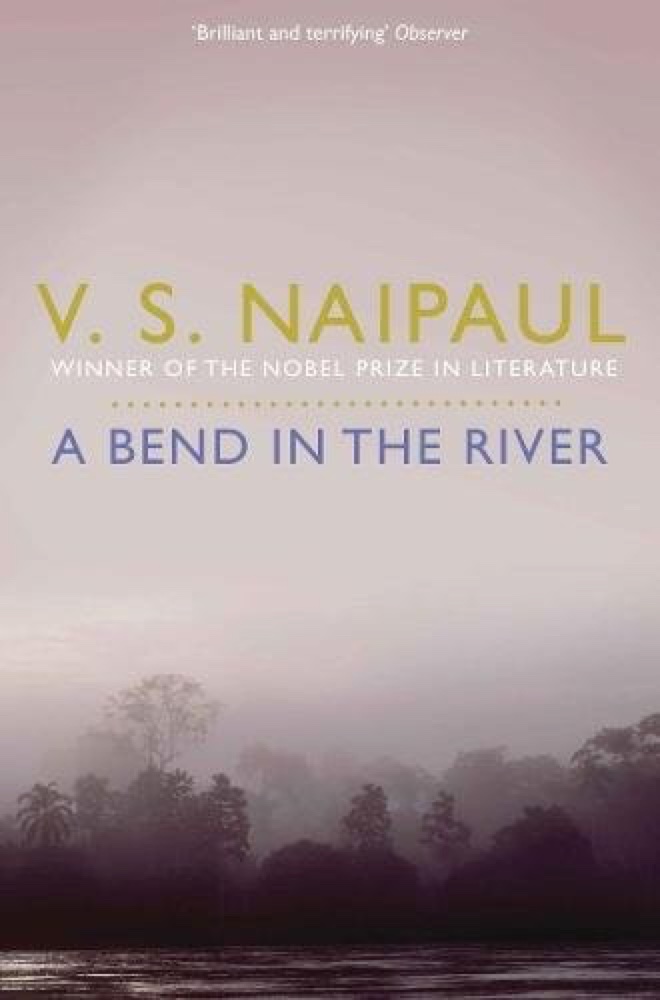 A Bend in the River
 The Ministry of Utmost Happiness
 A Song Flung Up to Heaven
 Homecoming
 Homeseeking
 State of Wonder
 Another Country
 The Fraud
 Shadows of the Workhouse
 The Book of Love
 Lakewood
 Leaving Before the Rains Come
 The Madness of Crowds
 Out of Oz
 Old Babes in the Wood: Stories
 Half of a Yellow Sun
 The Cat's Table
 The Clockmaker's Daughter
 The Invasion of the Tearling
 Honor
Honor
 Now Is the Time to Open Your Heart
 10 Minutes 38 Seconds in This Strange World
 Dust
Dust
 Bury Your Dead
 What Is Not Yours Is Not Yours
 House of Trelawney
 The Round House
 Homegoing
 Little Monsters
 The Jewel in the Crown
 Summer Island
 Nervous Conditions
 Anthills of the Savannah
 TransAtlantic
 Of Women and Salt
 All God's Children Need Traveling Shoes
 The Book of the Unnamed Midwife
 A Slow Fire Burning
 The Bedlam Stacks
 Ammonite
 The Office of Historical Corrections
 The Day of the Scorpion
 The Quick and the Dead
 Down Cemetery Road
 The Sea Keeper's Daughters
 No One Is Talking About This
 Sky Full of Elephants
 How Beautiful We Were
 NW
NW
 Behold the Dreamers