
 Of Mice and Men
Quotes from the Book
In the deep spring when the grass was green on fields and foothills, when the lupines and poppies made a splendid blue and gold earth, when the great trees awakened in yellow-green young leaves, then there was no more lovely place in the world. It was no beauty you could ignore by being used to it. It caught you in the throat in the morning and made a pain of pleasure in the pit of your stomach when the sun went down over it.
9
Her father was frightened by a strange bed or a foreign language or a political party he didn't belong to. Her father truly believed that the Democratic party was a subversive organization whose design would destroy the United States and put it in the hands of bearded communists.
4
Her father considered the young women who danced naked at stags depraved, but it would never have occurred to him that he who watched and applauded and paid the girls was in any way associated with depravity.
3
She loved him. She really did. And he knew it. And you can’t leave a thing like that. It’s a structure and it has an architecture, and you can’t leave it without tearing off a piece of yourself.
3
He hated old women. They frightened him. There was a smell about them that gave him the willies. They were fierce and they had no price. They never gave a damn about making a scene. They got what they wanted. Louie's grandmother had been a tyrant. She had got whatever she wanted by being fierce.
3
The truth was that she didn’t want to go to Mexico. She just wanted to come back to her friends having been to Mexico.
2
She knew he was seeing her, not as an angry woman who darkened the world, but as one of thousands of angry women to be studied, inspected, and, yes, even enjoyed. This was the cold, lonely horror to her.
2
The freedom of women in any room where there was a toilet, a mirror, and a washbowl had interested her for a long time. She had once written a paper in college, which had been considered daring, in which she had maintained that women lost their inhibitions when their skirts were up. It must be either that, she thought, or the certainty that man, the enemy, could never invade this territory. It was the one place in the world where women could be certain there would be no men. And so they replaced and became outwardly the people they were inwardly.
2
He did not want to stand out from his group. He would like to have risen to the top of it and be admired by it; but it would not occur to him to leave it.
2
It seems to me that young people have lost their faith in America. Our ancestors had faith.
2
The walls, where there was room, were well decorated with calendars and posters showing bright, improbable girls with pumped-up breasts and no hips - blondes, brunettes and redheads, but always with this bust development, so that a visitor of another species might judge from the preoccupation of artist and audience that the seat of procreation lay in the mammaries. Alice Chicoy...who worked among the shining girls, was wide-hipped and sag-chested and she walked well back on her heels...She was not in the least jealous of the calendar girls and the Coca-Cola girls. She had never seen anyone like them, and she didn't think anyone ever had.
2
This was a man, she thought, a man of complete manness. This was the kind of a man that a pure woman would want to have because he wouldn’t even want to be part woman. He would be content with his own sex. He wouldn’t ever try to understand women and that would be a relief. He would just take what he wanted from them.
1
And he died wondering
The freedom of women in any room where there was a toilet
It must be either that, she thought, or the certainty that man, the enemy, could never invade this territory. It was the one place in the world where women could be certain there would be no men. And so they relaxed and became outwardly the people they were inwardly. She had thought a great deal about it. Women were more friendly or more vicious to one another in public toilets, but on personal terms. Perhaps that was because there were no men. Because, where there were no men, there was no competition, and their poses dropped from them.
hinted and believed that he had considerable knowledge of the world, and his complete knowledge, besides hearsay, was his one visit to the parlor house, the stags, and the dry, unresponding acquiescence of his wife.
Her husband’s beginning libido she had accepted and then gradually by faint but constant reluctance had first molded and then controlled and gradually strangled, so that his impulses for her became fewer and fewer and until he himself believed that he was reaching an age when such things did not matter.
Norma was even more submerged than an iceberg. Only the tiniest part of Norma showed above the surface.
Thus Juan as a child had loved her very deeply and had trusted her, and his father had told him that she was the one set aside especially to watch over Mexicans. When he saw German or Gringo children in the streets he knew that his Virgin didn’t give a damn about them because they were not Mexicans. When you add to this the fact that Juan did not believe in her with his mind and did with every sense, you have his attitude toward Our Lady of Guadalupe.
She didn't understand stags or what satisfaction the men got out of them, but there they were, and she made fifty dollars for taking off her clothes and that was better than having them torn off in an office.
Watch on YouTube
About John Steinbeck
We have collected 423 quotes from 18 books by John Steinbeck on BookQuoters.
More about the author →More by John Steinbeck
All books by John Steinbeck →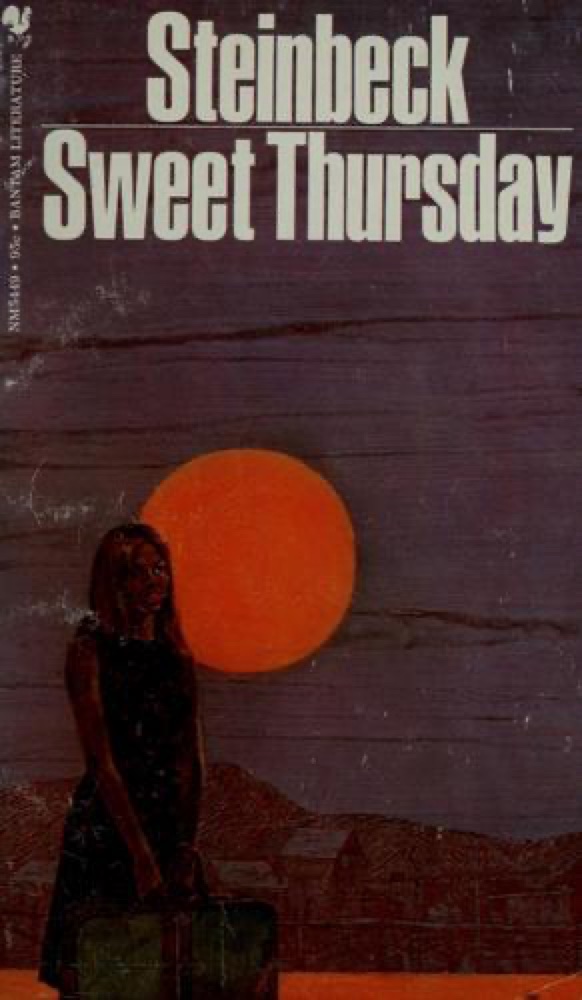


About the book
In his first novel to follow the publication of his enormous success, The Grapes of Wrath, Steinbeck’s vision comes to life in this imaginative and unsentimental chronicle of a bus traveling California’s back roads, transporting the lost and the lonely, the good and the greedy, the stupid and the scheming, the beautiful and the vicious away from their shattered dreams and, possibly, toward the promise of the future. This edition features an introduction by Gary Scharnhorst.
Book details
- First published
- 1947
- Author
- John Steinbeck
- Genre
- Fiction
- Goodreads rating
- 3.88 (15k ratings)
Keep reading
 Mislaid
 The Daughter of Doctor Moreau
 A Reliable Wife
 Green Dolphin Street
 The Mermaid, the Witch, and the Sea
 The Wings of the Dove
 The Orchardist
 Shrines of Gaiety
 Everything That Rises Must Converge: Stories
 Upright Women Wanted
 The Custom of the Country
 The Complete Stories
 When We Lost Our Heads
 Another Country
 Ink Blood Sister Scribe
 Too Much Happiness: Stories
 The Sweetness of Water
 Mexican Gothic
 The Brutal Telling
 Fool Me Twice
 The Group
 The Children Act
 Unaccustomed Earth
 Anna and the King of Siam
 In a Lonely Place
 Parade
 Under the Skin
 One of Ours
 Tar Baby
 The Stories of John Cheever
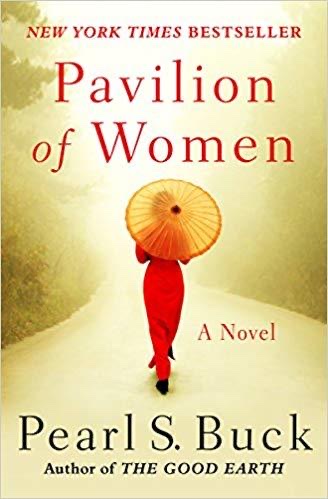 Pavilion of Women: A Novel of Life in the Women's Quarters
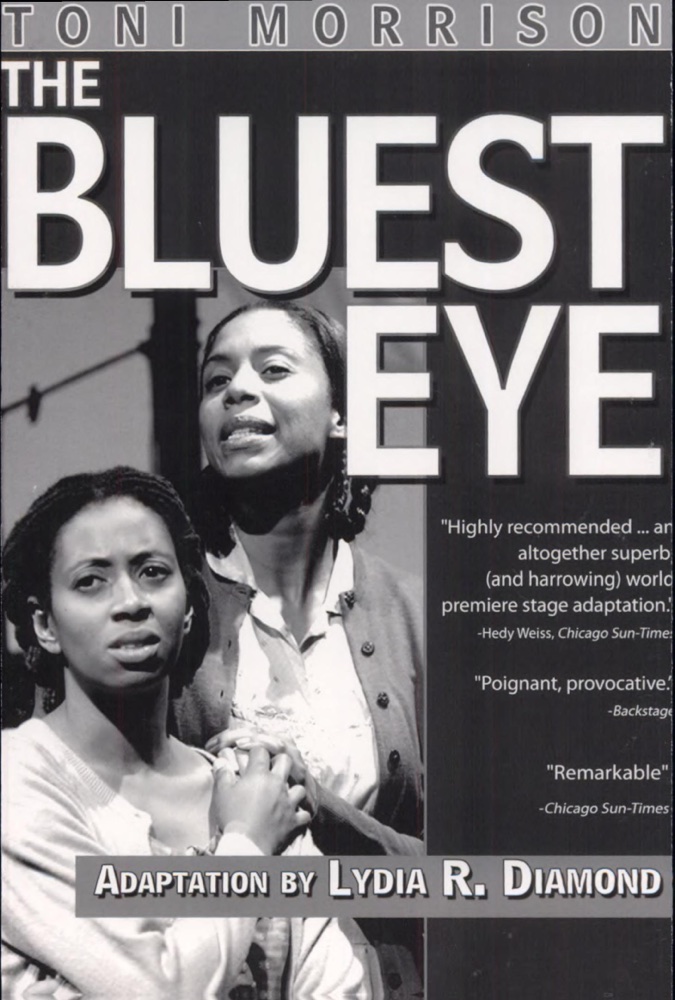 The Bluest Eye
 A Slow Fire Burning
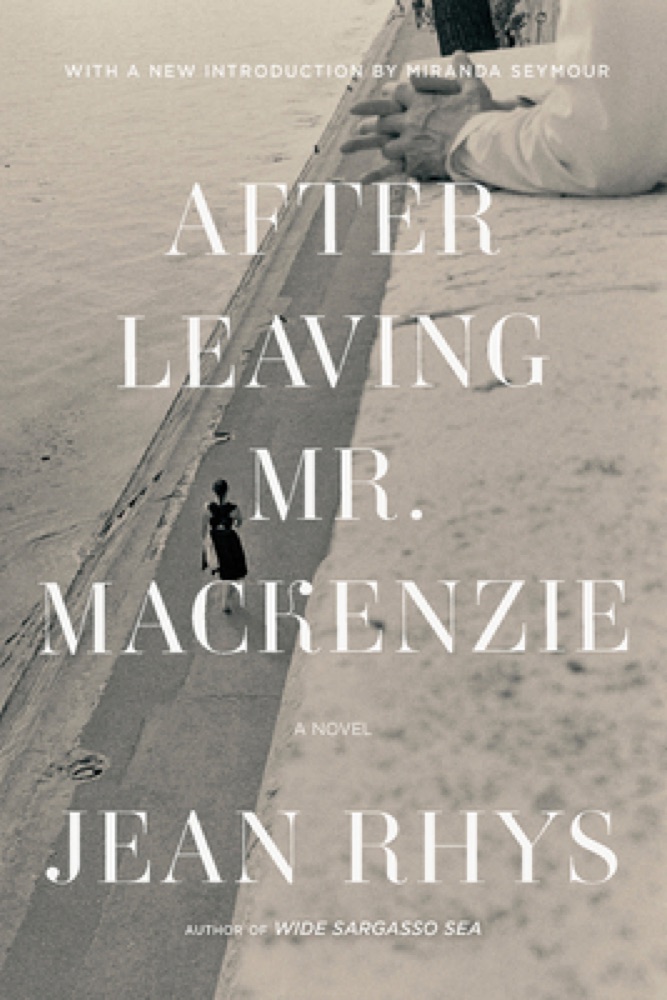 After Leaving Mr. Mackenzie
 Down Cemetery Road
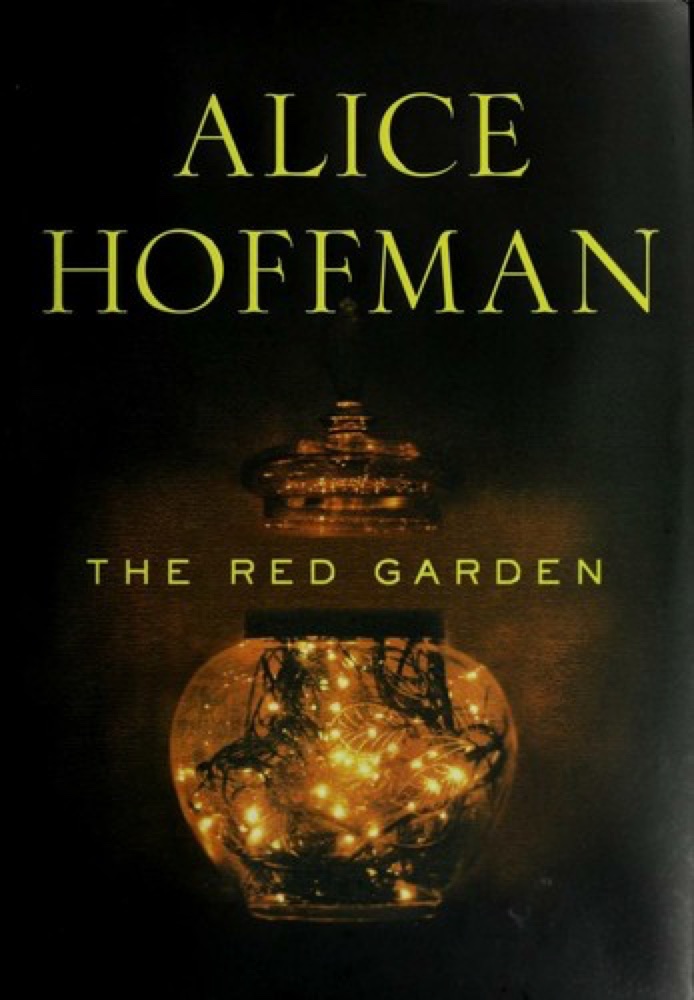 The Red Garden
 Lone Women
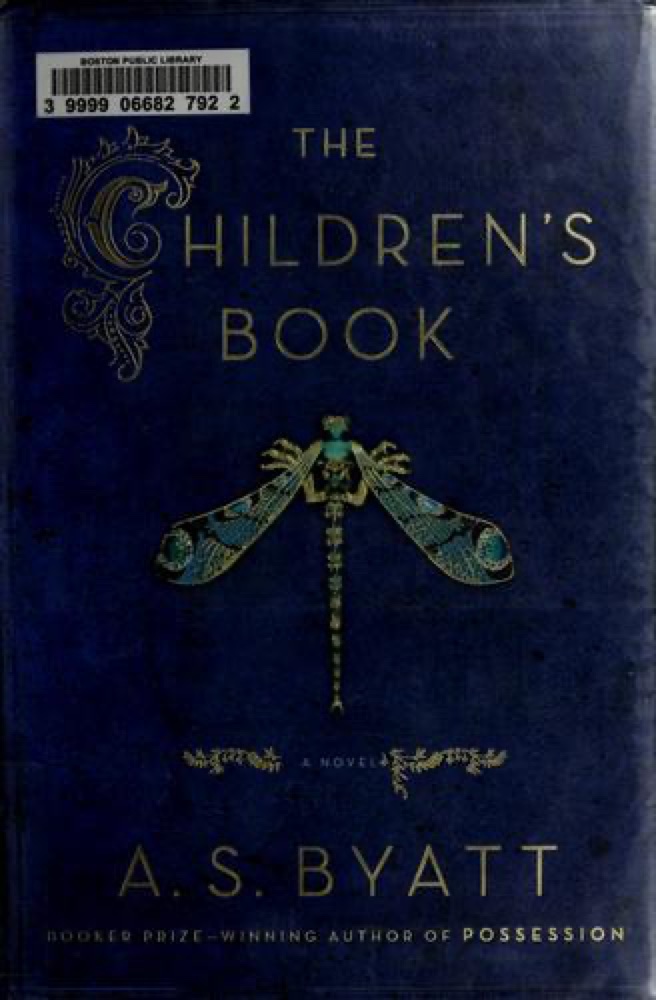 The Children's Book
 Career of Evil
 The Devil and the Dark Water
 The Enchanted April
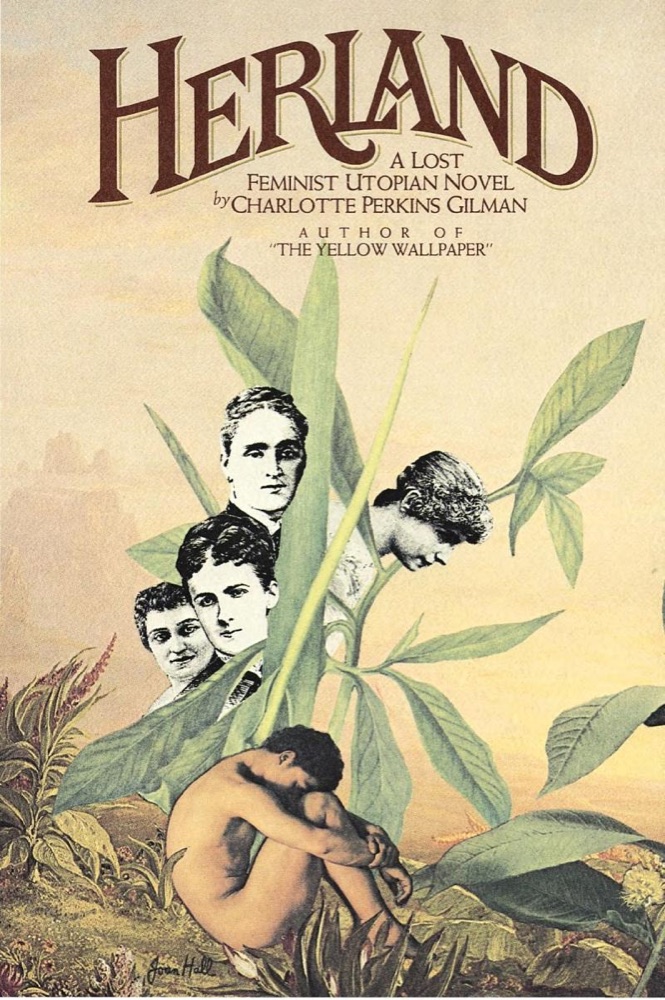 Herland
 A Good Man is Hard to Find and Other Stories
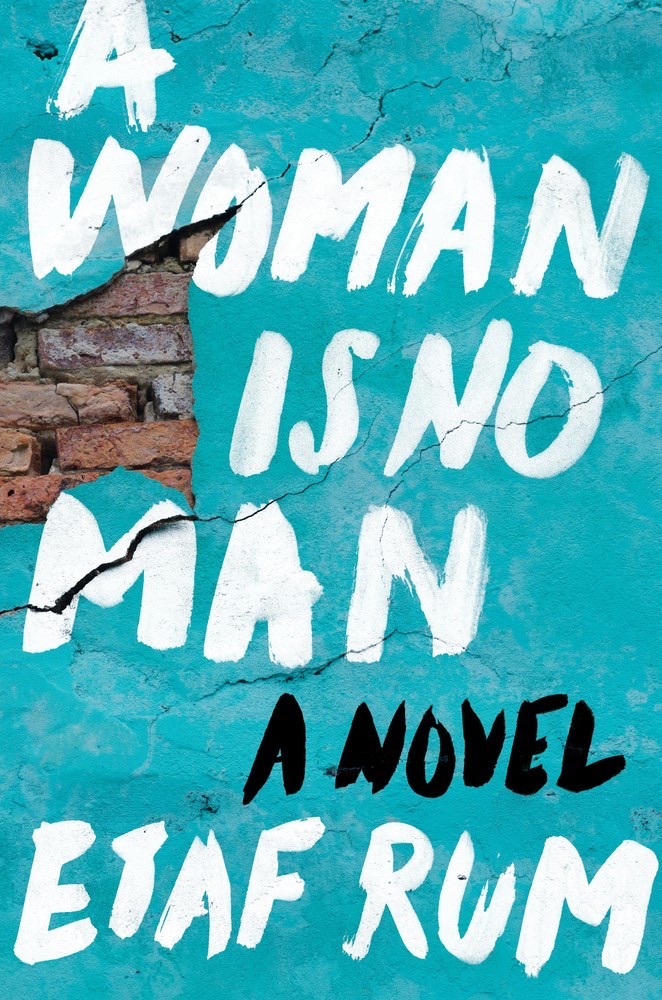 A Woman Is No Man
 The Paying Guests
 Clear Light of Day
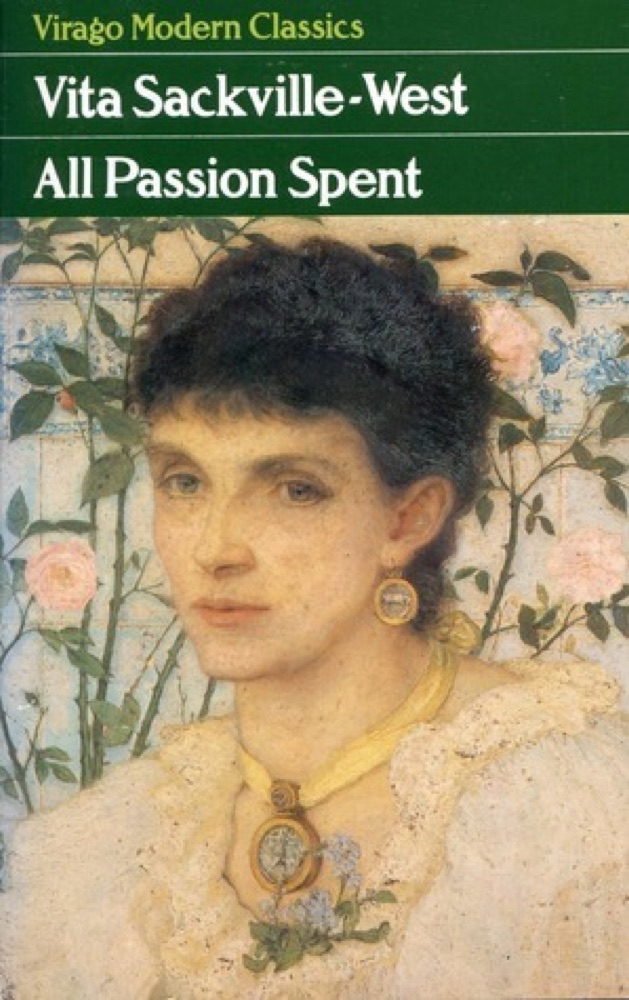 All Passion Spent
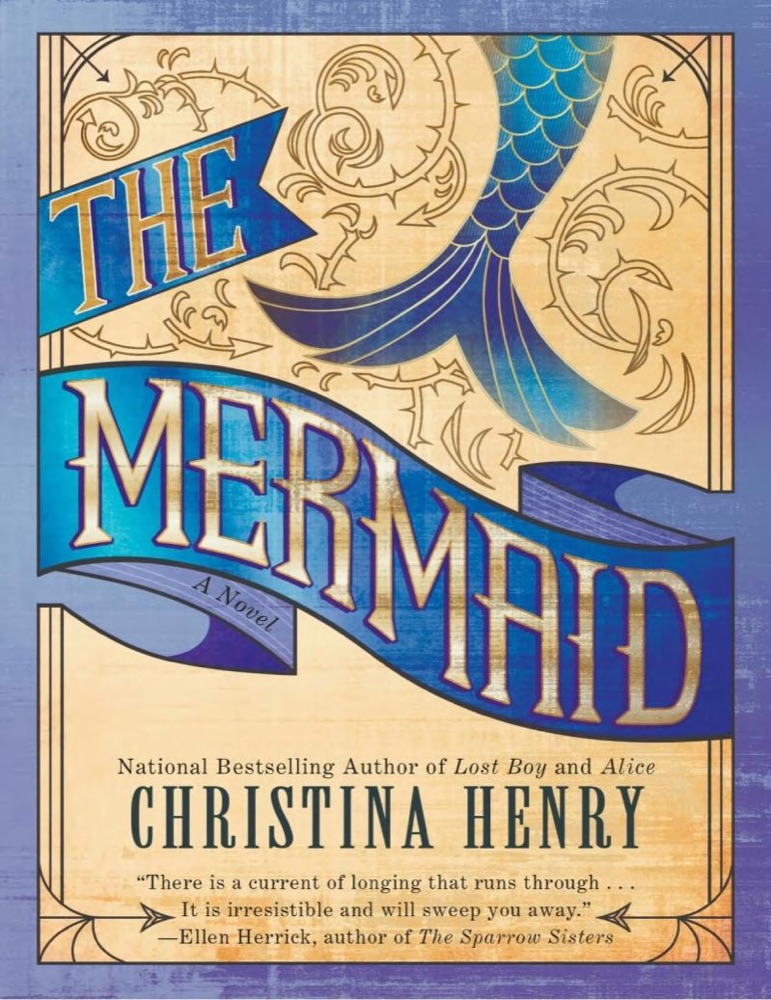 The Mermaid
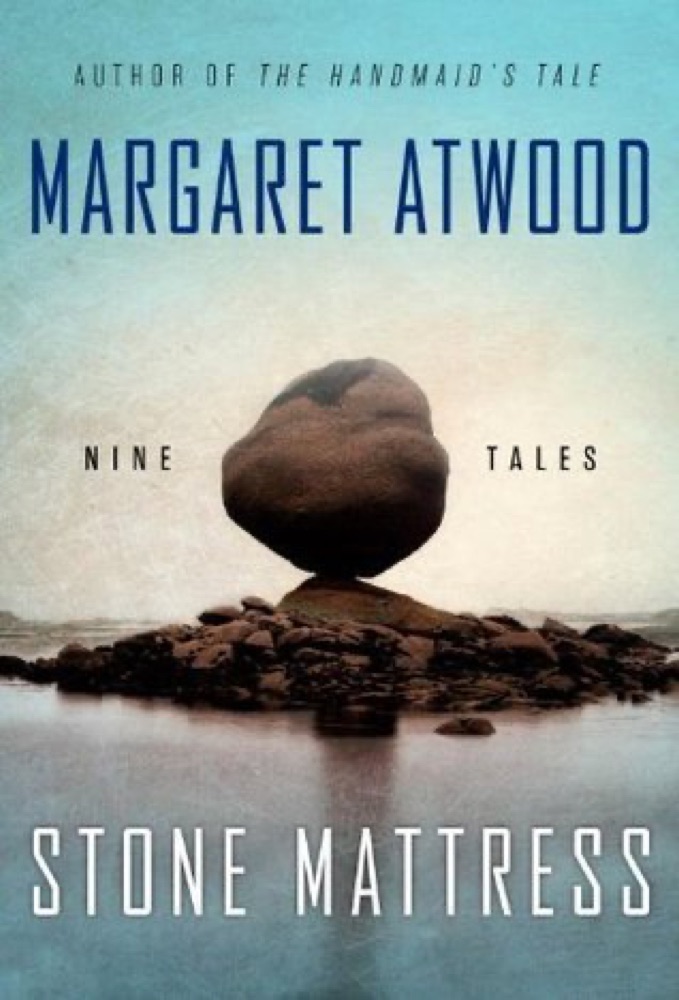 Stone Mattress: Nine Tales
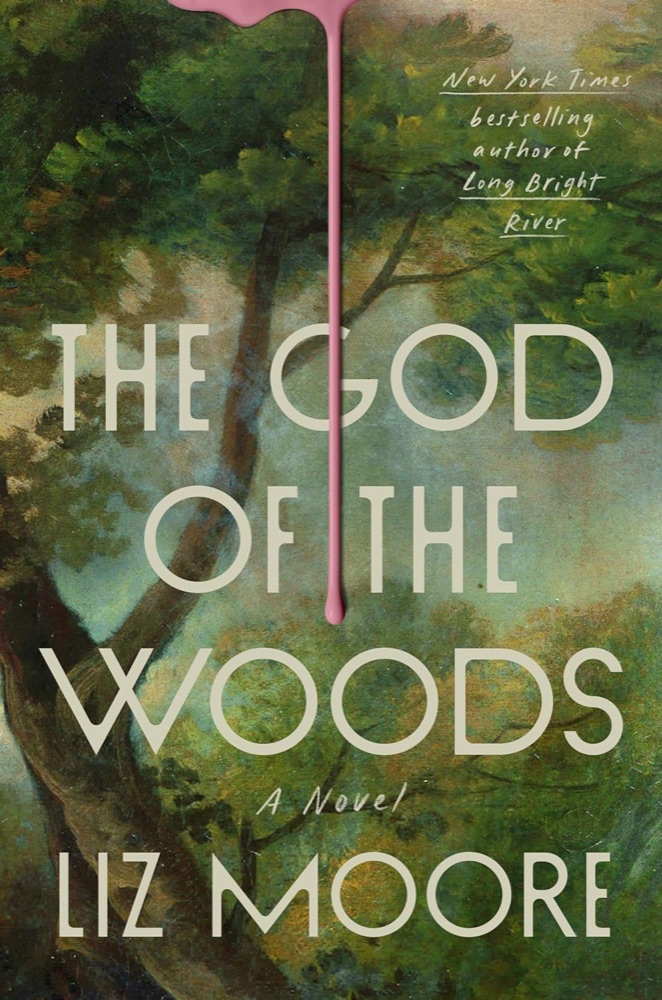 The God of the Woods
 The Robber Bride
 The Fraud
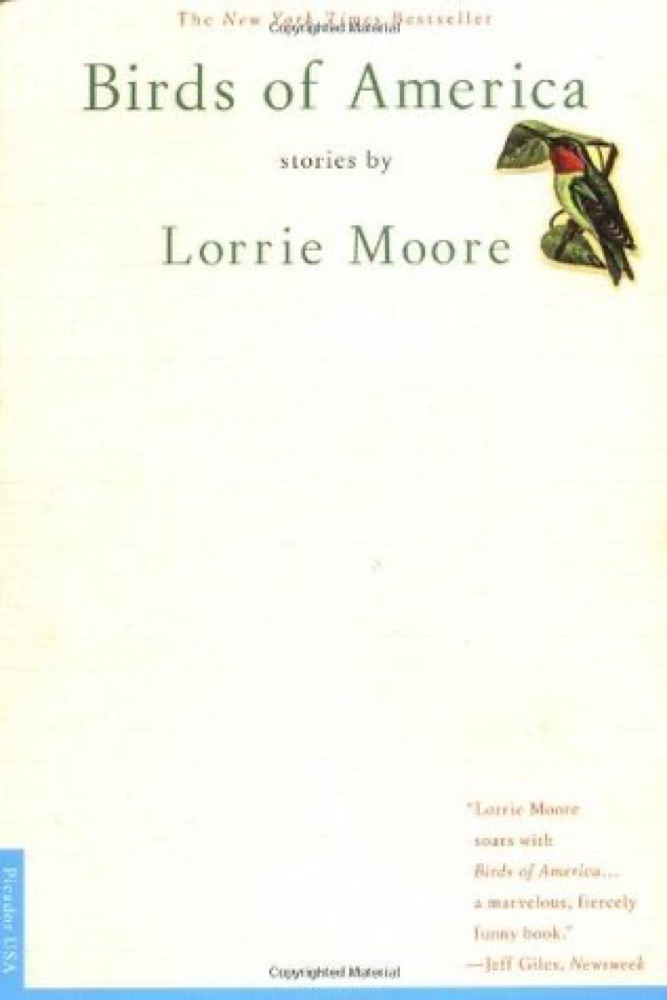 Birds of America
 Case Histories
 Ship of Fools
 Juliet, Naked
 The Broken Girls
 My Brilliant Friend
 What Is Not Yours Is Not Yours
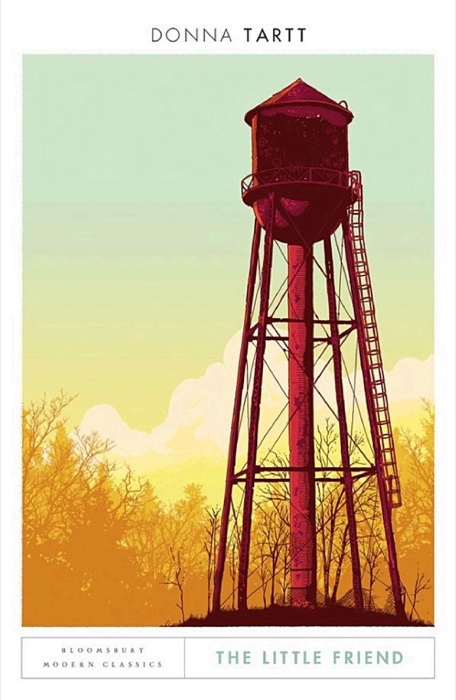 The Little Friend