
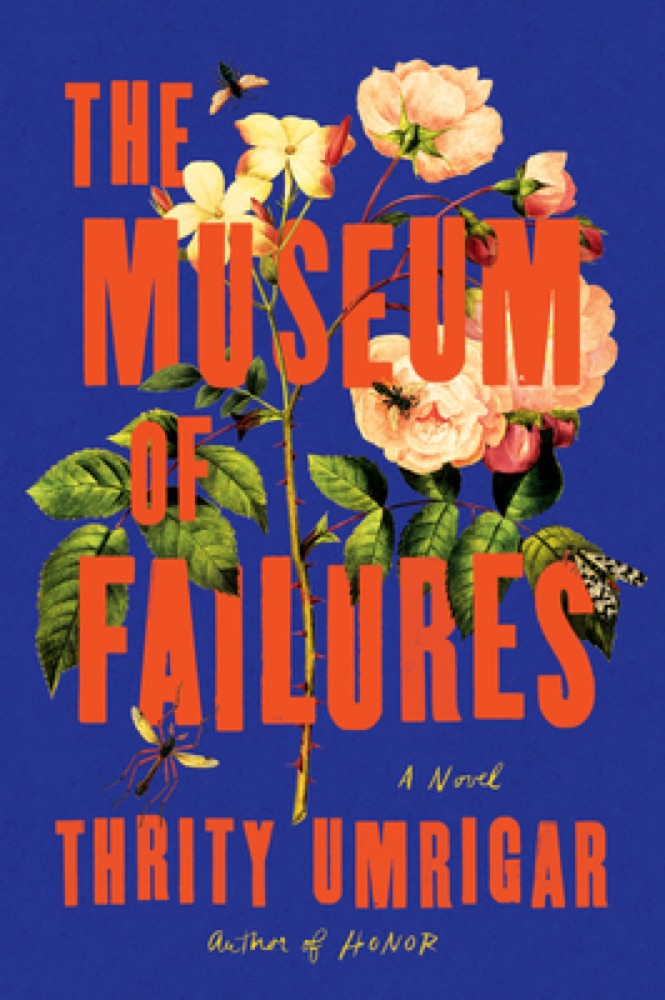
 The Museum of Failures
Quotes from the Book
Maybe, in the end, that's all that love was - doing the hard thing. Not roses and valentines and walks on the beach, but simply being present, day after ordinary day. The extraordinary romanticism of ordinary life.
35
As children, we were taught to be afraid of tigers and lions. Nobody taught us what I know today - the most dangerous animal in this world is a man with wounded pride.
30
Human beings could apparently be turned into killers as effortlessly as turning a key. All one had to do was use a few buzzwords: God. Country, Religion. Honor.
19
But you don’t love something because you’re blind to its faults, right? You love it despite its flaws.
16
Because a woman can live in one of two houses—fear or love. It is impossible to live in both at the same time.
10
Being uncomfortable is good, beta. It’s in discomfort that growth happens.
9
If her years as a reporter had taught her anything, it was these two things: One, the world was filled with people who were adrift, rudderless, and untethered. And two, the innocent always paid for the sins of the guilty.
8
Because traditions are like eggs—once you break one, it is impossible to put it back inside its shell.
6
Look to the future, child,” her father used to say. “This is why our feet point forward, not back.
4
What to do, Smita? She had everything but the gift of years. Nothing we can do. What cannot be cured must be endured.
3
Look, I know it’s a risk. But at some point, you have to jump. I’ll either land on my feet or I’ll land on my face. But either way, I’ll own the fall.
3
When Radha and I were children, we used to play a game. She would ask, “What is the true color of the world, Didi?” And I would say, “Green.” “Why green?” “Because the trees are green. Grass is green. The new buds on the plants are green. Even the parrots are green. Green is the color of the world.” “But, Didi,” Radha would argue, “the wheat stalks are brown. My body is brown. The field mice are brown. No, the world is brown.” “What about blue?” I would say. “The sky is blue. And it covers the whole world, like a mother who loves and embraces all her children. Radha would fall silent, and I would remember that she had known our mother’s love for even fewer years than I did. So I would take her in my arms and hold her, to make her know what it feels like to be loved. Today I know the truth: The true color of the world is black. Anger is black. Shame and scandal are black. Betrayal is black. Hatred is black. And a roasted, smoking body is Black, Black, Black. The world, after witnessing such cruelty, goes black. The waking up to a changed world is black.
3
Maybe, in the end, that’s all that love was—doing the hard thing. Not roses and valentines and walks on the beach, but simply being present, day after ordinary day. The extraordinary romanticism of ordinary life.
3
She saw this in the US after every school shooting: a flurry of news stories, the sanctimonious tweets about thoughts and prayers, the predictable calls for gun control reform and then—silence. Parents and other survivors were left to their private lifelong grief, permanently out of step with a world that had moved on. Bloodstains were scrubbed from school walls before the students returned.
2
you have to learn to look inside yourself. It’s a new way of looking, to see the true you. The fire took away a lot, but it also left a lot behind. Do you understand?
2
But surely, she argued with herself, life was more than this relentless getting ahead? Surely, there was more to life than self-actualization and ambition and success? What was wrong with linking one’s happiness to that of another human being? Why should fifty years of peak capitalism eradicate something that the Eastern philosophers had taught for thousands of years—that life is about interconnectedness, interdependence, and yes, even sacrifice?
1
She thought of the self-help books preaching the importance of gratitude that millions of Americans bought each year. How many of them could muster gratitude for a cup of tea?
1
While Meena had been battling for her life and, later, fighting against crippling social ostracizing, Smita had been sitting in cafés in Brooklyn with her friends, sipping her cappuccinos, all of them feeling aggrieved as they talked about acts of microaggression and instances of cultural appropriation, about being ghosted by a boyfriend or being overlooked for a promotion. How trivial those concerns now seemed. How foolish she had been to join that chorus of perceived slights and insults. How American she had become to not see America for what it had been for her family—a harbor, a shelter, a refuge.
1
She heard the pride --- no, it was more than that, the ownership, in his voice --- and was touched by it. She longed to ask him about his life, how much he earned, what his living conditions were like, but noticed that the restaurant was getting even more crowded.
today—the most dangerous animal in this world is a man with wounded pride.
Atterrerò in piedi oppure prenderò una facciata. In entrambi i casi, sarà stata una mia scelta. Capisci cosa intendo?»
Steel, she said, is forged from fire.
This time, she held herself still, as if her body were a clay pot filled to the brim with grief. One false move, and all her emotions would spill over.
Nobody taught us what I know today—the most dangerous animal in this world is a man with wounded pride.
About Thrity Umrigar
We have collected 54 quotes from 2 books by Thrity Umrigar on BookQuoters.
More about the author →More by Thrity Umrigar
The Museum of Failures
About the book
In this riveting and immersive novel, bestselling author Thrity Umrigar tells the story of two couples and the sometimes dangerous and heartbreaking challenges of love across a cultural divide. Indian American journalist Smita has returned to India to cover a story, but reluctantly: long ago she and her family left the country with no intention of ever coming back. As she follows the case of Meena—a Hindu woman attacked by members of her own village and her own family for marrying a Muslim man—Smita comes face to face with a society where tradition carries more weight than one’s own heart, and a story that threatens to unearth the painful secrets of Smita’s own past. While Meena’s fate hangs in the balance, Smita tries in every way she can to right the scales. She also finds herself increasingly drawn to Mohan, an Indian man she meets while on assignment. But the dual love stories of H
Book details
- First published
- 2022
- Author
- Thrity Umrigar
- Genre
- Fiction
- Goodreads rating
- 4.35 (77k ratings) →
Keep reading
 Now Is the Time to Open Your Heart
 The Ministry of Utmost Happiness
 What Is Not Yours Is Not Yours
 10 Minutes 38 Seconds in This Strange World
 The Small Backs of Children
 Babylonia
 Red Sister
 Dream Count
 Sign Here
 Sunbringer
 God Help the Child
 The Summer Children
 Good Dirt
 The Kite Runner
 Home Fire
 The Invasion of the Tearling
 Come Tumbling Down
 The Woman Who Walked in Sunshine
 Of Women and Salt
 The Story of the Lost Child
 Embers
 Betty
Betty
 The Weight of Ink
 White Teeth
 A Woman Is No Man
 Simply Love
 A Tempest of Tea
 Wicked: The Life and Times of the Wicked Witch of the West
 The Daughter of Doctor Moreau
 Chances Are...
 The Forest of Enchantments
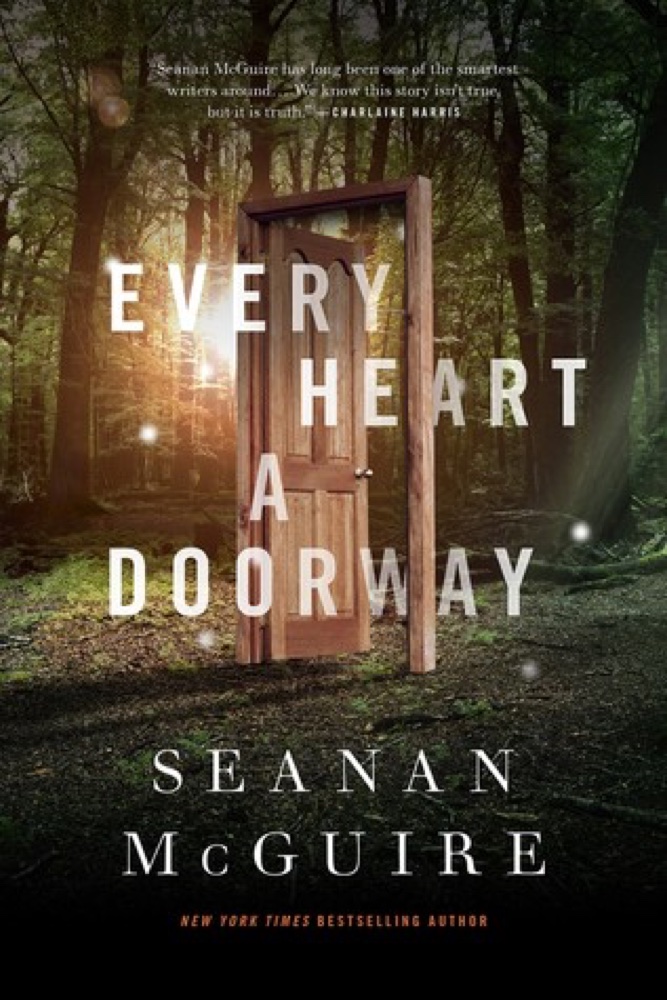 Every Heart a Doorway
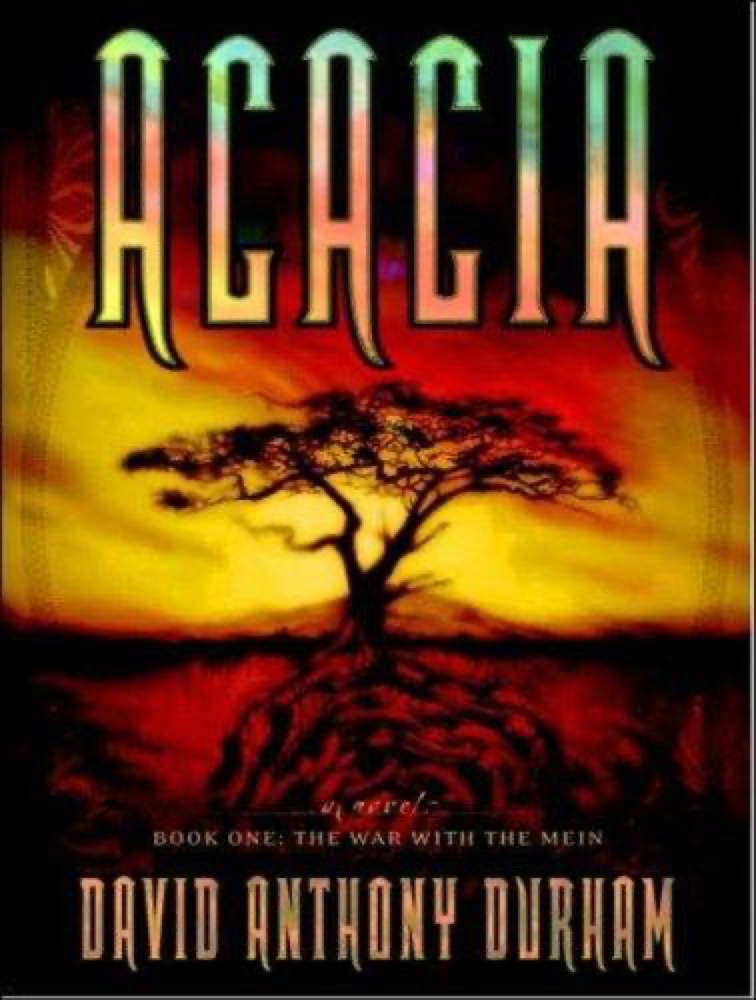 Acacia: The War with the Mein
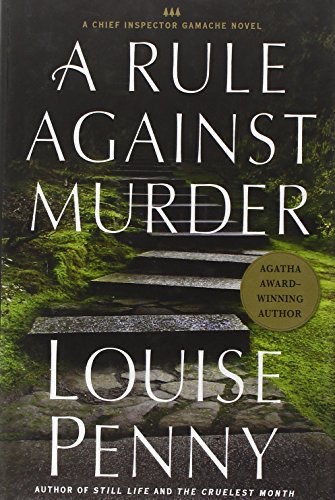 A Rule Against Murder
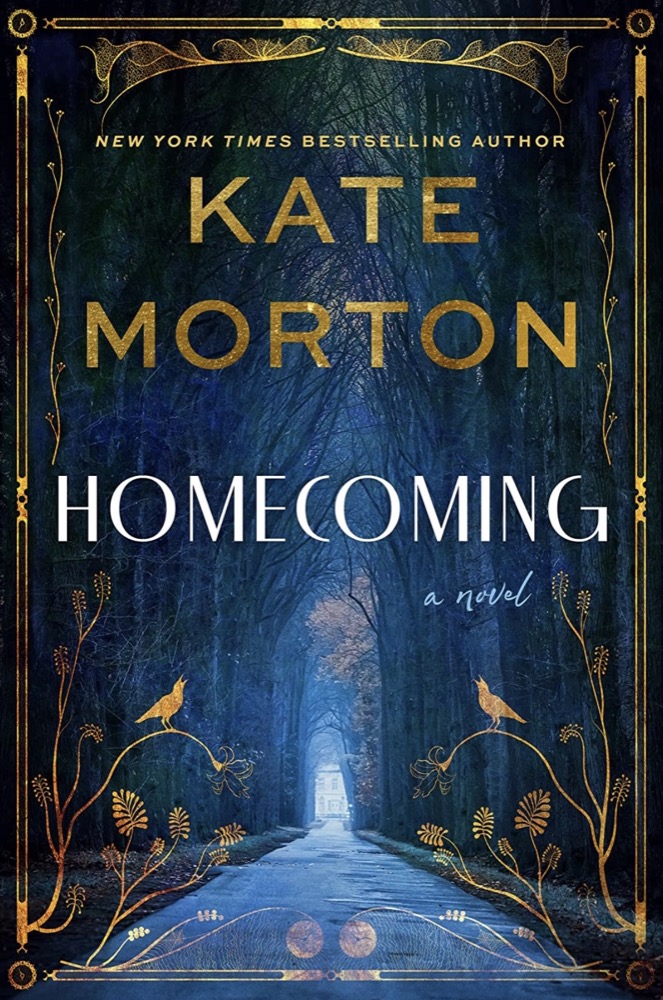 Homecoming
 The Girl and the Goddess: Stories and Poems of Divine Wisdom
 The Nightingale
 The Paris Secret
 The Lives of Others
 The Book That Broke the World
 America Is Not the Heart
 When Women Were Dragons
 Too Much Happiness: Stories
 The God of Small Things
 The Bee Sting
 The Cost of Living: A Working Autobiography
 Varina
 Speaking Bones
 The Night Mark
 Colorless Tsukuru Tazaki and His Years of Pilgrimage
 Nine Perfect Strangers
 Winter Garden
 The Proposal
 A Well-Tempered Heart
 Knife: Meditations After an Attempted Murder
 Still Life
 Birds of America
 Disgrace
 The Beautiful