

 The No. 1 Ladies' Detective Agency
Quotes from the Book
That young man will go far, she said. I don’t know in what direction, but he will go far.
5
There is a difference between a challenge and a burden. One is something you can carry on your shoulders easily enough—the other is something, a big sack, that bends you double.
5
We must not eat dripping any more,’ warned Mma Makutsi from behind a healthy living magazine. ‘We must give up such things, Mma.’ This advice had been accompanied by a stern look in Mma Ramotswe’s direction. Mma Ramotswe had not taken that lying down. ‘Soon they will be telling us not to eat anything,’ she countered. ‘They will say that only air is good for you. Air and water.’ Mma Makutsi had not approved. ‘You cannot fight science, Mma. Science is telling us that many of the things we like to eat in this country are not good for us. They say that these things are making us too large.’ ‘I am not fighting science, Mma,’ replied Mma Ramotswe. ‘I am just saying that we have to have some things that we like, otherwise we shall be very unhappy. And if you are very unhappy you can die – we all know that.’ She allowed that to sink in before she continued. ‘There are many people who have been thinking a lot about science who are now late. It would have been better for them to spend more time being happy while they had the chance. That is well known, Mma – it is very well known.’ Mma Makutsi had become silent.
5
The size of one’s house might bear a relationship to the size of one’s opinion of oneself, but it had nothing to do with one’s real worth.
4
Being loved and admired by a man like that—and she knew that this man, this mechanic, this fixer of machines with their broken hearts, did indeed love and admire her—was like walking in the sunshine; it gave the same feeling of warmth and pleasure to bask in the love of one who has promised it, publicly at a wedding ceremony, and who is constant in his promise that such love will be given for the rest of his days. What more could any woman ask? None of us, she thought, not one single one of us, could ask for anything more than that.
4
Everything, it seemed to Mma Ramotswe, had a waiting list—except the government taxman and the call, when it came, to leave this world. You could not argue with the agents of either of these: you paid, and you went. But I am just on the waiting list…No, there is no waiting list for these things…
4
The trouble with the world today, she thought, was that people were not prepared to stand up to bad behaviour. They looked away,
4
I worry about you a great deal, Mma. I worry that you will take all the cares of the world on your shoulders and that you will collapse under the weight. I worry that you will open your heart to so many people that eventually it will be full—crowded—and it will stop because there is no room for the blood to go round. I am worried that you will look after so many people that you will forget that there is one person who also needs looking after, and that person is you, Mma. I am worried about all these things.
4
Late people do not altogether leave us, she thought; they are still with us in memories such as that, wherever we are, no matter what time of day it was or how we were feeling, they were there, still shining the light of their love upon us.
3
People who do that sort of thing may reap what they sow, but they also destroy the harvest of those who are around them.
3
I shall go and sit under a tree…. Which tree, Mma?... Oh, there are many trees in this life, she said. It does not matter which tree you choose, as long as you choose the right one.
3
I am just saying that we have to have some things that we like, otherwise we shall be very unhappy. And if you are very unhappy you can die – we all know that.
3
Truth had a way of coming out on top—and it was just as well for everybody that it did. If there ever came a day when truth was so soundly defeated that it never emerged, but sank, instead, under the sheer volume of untruth that the world produced, then that would be a sad day for Botswana, and for the people who lived in Botswana. It would be a sad day for the whole world, that day.
2
We forget, she thought. We think that we were always the way we are now, but we were not. —
2
Chapter Eleven She did not spend long in the supermarket at Riverwalk, confining her purchases to supplies she would need for the next few days. There was beef for stew, a large pumpkin, a packet of beans, a dozen eggs, and two loaves of bread. The pumpkin looked delicious—almost perfectly round and deep yellow in colour, it sat on the passenger seat beside her so comfortably as she drove out of the car park, so pleased to be what it was, that she imagined conducting a conversation with it, telling it about the Orphan Farm and Mma Potokwane and her concerns over Mma Makutsi. And the pumpkin would remain silent, of course, but would somehow indicate that it knew what she was talking about, that there were similar issues in the world of pumpkins. She smiled. There was no harm, she thought, in allowing your imagination to run away with you, as a child’s will do, because the thoughts that came in that way could be a comfort, a relief in a world that could be both sad and serious. Why not imagine a talk with a pumpkin? Why not imagine going off for a drive with a friendly pumpkin, a companion who would not, after all, answer back; who would agree with everything you said, and would at the end of the day appear on your plate as a final gesture of friendship? Why not allow yourself a few minutes of imaginative silliness so that you could remember what it was like when you believed such things, when you were a child at the feet of your grandmother, listening to the old Setswana tales of talking trees and clever baboons and all the things that made up that world that lay just on the other side of the world we knew, the world of the real Botswana. Mma Ramotswe
2
You must not think that because one thing happens after another thing, then it is the first thing that causes the second thing. You must not think that, because it might not be true.
2
It shall be an offence for any man, either a husband or other person of the male sex, married or otherwise, being over the age of twelve years, to throw any item of clothing having been worn by the said person for whatever length of time, upon the floor of any bathroom or any room adjacent to and connected to a bathroom, without good cause.
2
Putting Mr. Polopetsi in charge of the investigation is like putting a rabbit in charge of the airport.
2
If you did not keep your yard in reasonable order, then your whole life would be similarly untidy. A messy yard told Mma Ramotswe everything she needed to know about its owner.
2
Words that are full of hurt sometimes need to be left in the air where they have been spoken.
2
If people came at you and started to scratch you, then of course you had the right to sit on them.
2
she imagined what it would be like to live with somebody who had secrets. Instead of a comfortable atmosphere of trust there would be a nagging insecurity, like a corrosive crust, eating away at the fabric of the marriage. Doubts would spread like weeds, making it impossible to relax, spoiling everything.
1
Make a list of what you know, what you don’t know, and what you’d like to know. Make a list of possible outcomes. Choose the outcome you think is best, then go for that!
1
She gazed at her husband. Being loved and admired by a man like that—and she knew that this man, this mechanic, this fixer of machines with their broken hearts, did indeed love and admire her—was like walking in the sunshine; it gave the same feeling of warmth and pleasure to bask in the love of one who has promised it, publicly at a wedding ceremony, and who is constant in his promise that such love will be given for the rest of his days. What more could any woman ask? None of us, she thought, not one single one of us, could ask for anything more than that.
1
Being loved and admired by a man like that - and she knew that this man, this mechanic, this fixer of machines with their broken hearts, did indeed love and admire her - was like walking in the sunshine; it gave the same feeling of warmth and pleasure to bask in the love of one who has promised it, publicly at a wedding ceremony, and who is constant in his promise that such love will be given for the rest of his days. What more could any woman ask? None of us, she thought, not one single one of us, could ask for anything more than that.
1
Why not imagine a talk with a pumpkin? Why not imagine going off for a drive with a friendly pumpkin, a companion who would not, after all, answer back; who would agree with everything you said, and would at the end of the day appear on your plate as a final gesture of friendship?
1
She was proud of her build, which was in accordance with the old Botswana ideas of beauty, and she would not pander to the modern idea of slenderness. That was an importation from elsewhere, and it was simply wrong. How could a very thin woman do all the things that women needed to do: to carry children on their backs, to pound maize into flour out at the lands or the cattle post, to cart around the things of the household—the pots and pans and buckets of water? And how could a thin woman comfort a man? It would be very awkward for a man to share his bed with a person who was all angles and bone, whereas a traditionally built lady would be like an extra pillow on which a man coming home tired from his work might rest his weary head. To do all that you needed a bit of bulk, and thin people simply did not have that.
1
It was not edifying to dwell on the failings of others.
1
There was a great deal of progress being made, right under their noses, particularly in Africa, and this progress was good. Life was much harder for tyrants than it had been before.
1
There are many more kind people than not-so-kind people,” said Mma Ramotswe.
1
Watch on YouTube
About Alexander McCall Smith
We have collected 451 quotes from 19 books by Alexander McCall Smith on BookQuoters.
More about the author →More by Alexander McCall Smith
The No. 1 Ladies' Detective Agency
 Dream Angus: The Celtic God of Dreams
 The Geometry of Holding Hands
 The Uncommon Appeal of Clouds
About the book
In this latest installment of the beloved and best-selling series, Mma Ramotswe must contend with her greatest challenge yet—a vacation! Business is slow at the No. 1 Ladies’ Detective Agency, so slow in fact that for the first time in her estimable career Precious Ramotswe has reluctantly agreed to take a holiday. The promise of a week of uninterrupted peace is short-lived, however, when she meets a young boy named Samuel, a troublemaker who is himself in some trouble. Once she learns more about Samuel’s sad story, Mma Ramotswe feels compelled to step in and help him find his way out of a bad situation. Despite this unexpected diversion, Mma Ramotswe still finds herself concerned about how the agency is faring in her absence. Her worries grow when she hears that Mma Makutsi is handling a new and rather complicated case. A well-respected Botswanan politician is up for a major public hono
Book details
- First published
- 2015
- Author
- Alexander McCall Smith
- Genre
- Mystery
- Goodreads rating
- 4.08 (14k ratings)
Keep reading
 The Limpopo Academy of Private Detection
 The Joy and Light Bus Company
The No. 1 Ladies' Detective Agency
The Joy and Light Bus Company
The No. 1 Ladies' Detective Agency
 Too Much Happiness: Stories
 The Invasion of the Tearling
 The Book of Love
 Can You Forgive Her?
 Journey to Munich
 What Is Not Yours Is Not Yours
 Honor
Honor
 Nine Perfect Strangers
 The Christie Affair
 Fool Me Once
 A Fatal Grace
 Homecoming
 The Bean Trees
 The Ladies' Room
 The Wish Collector
 From the Mixed-Up Files of Mrs. Basil E. Frankweiler
 The Madness of Crowds
 The Rescue
 Plain Truth
 The Ministry of Utmost Happiness
 Snake-Eater
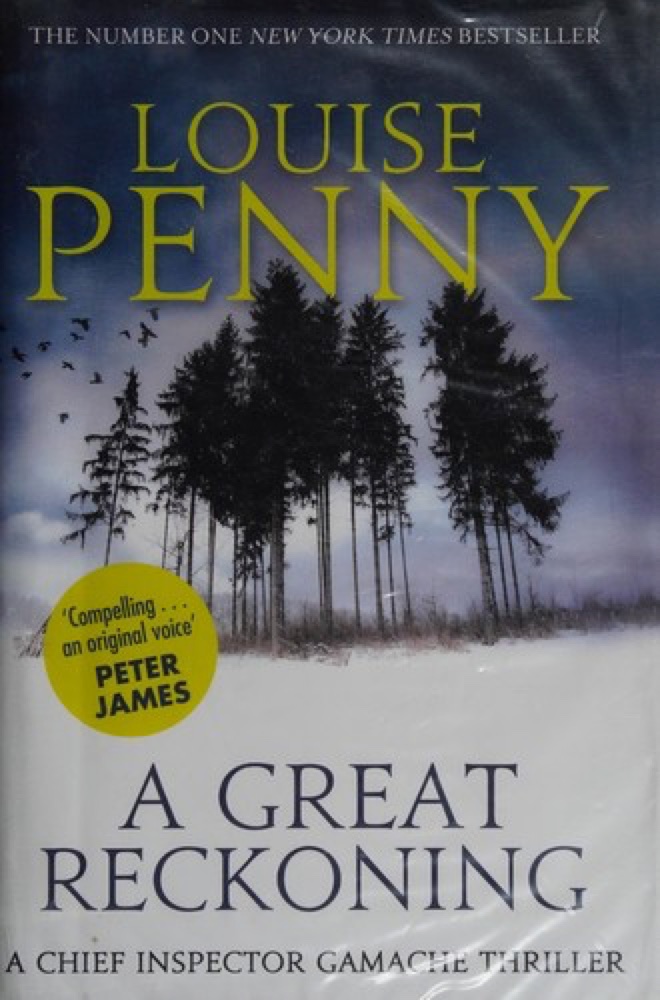 A Great Reckoning
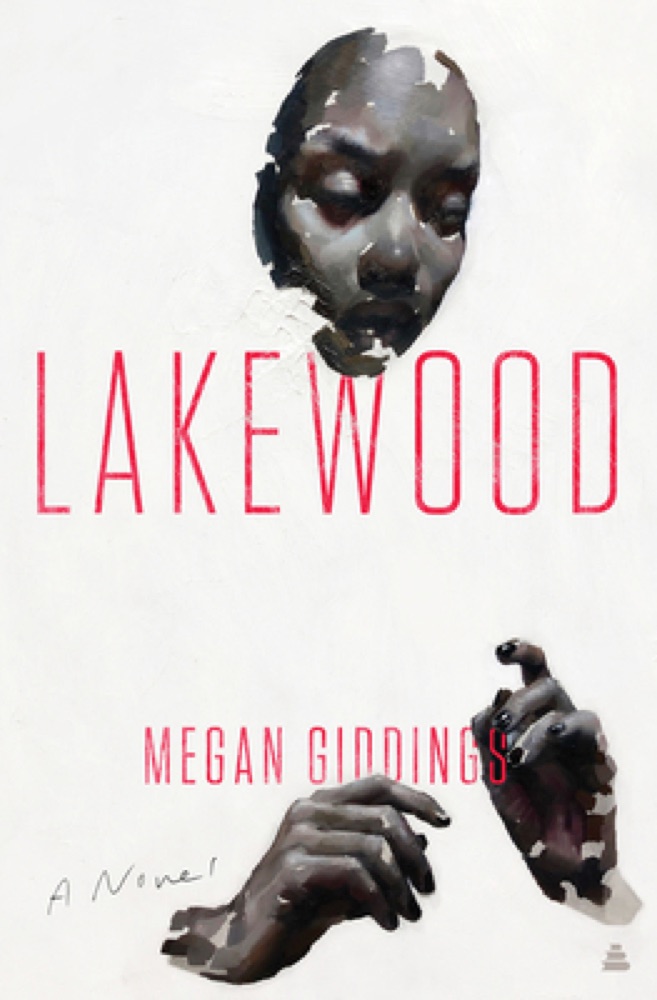 Lakewood
 The Bullet That Missed
 Lila
Lila
 Nervous Conditions
 Behold the Dreamers
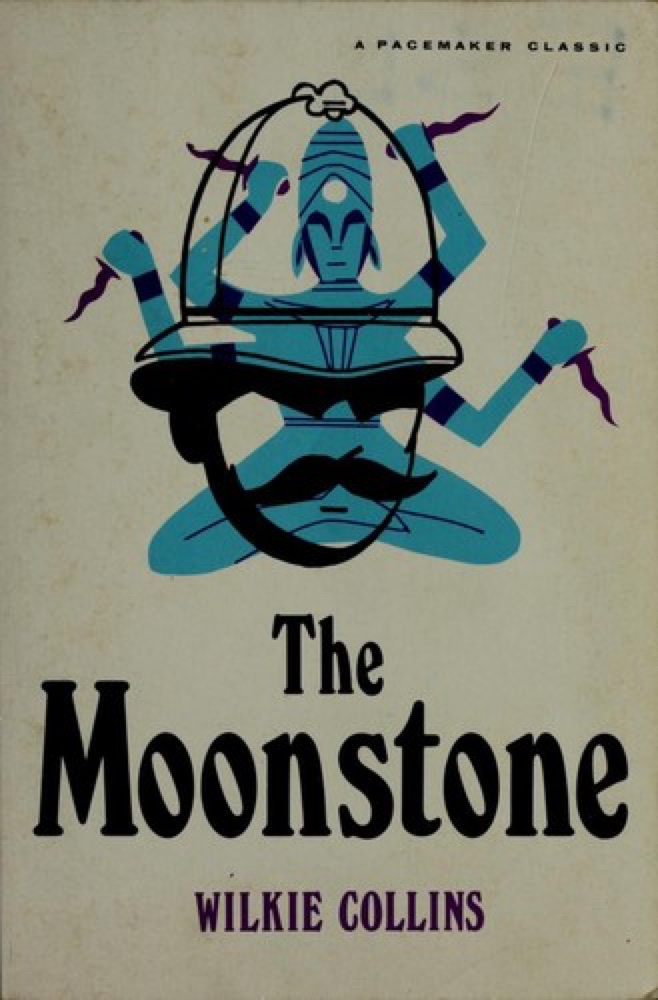 The Moonstone
 The Summer Children
 State of Wonder
 Come Tumbling Down
 Confessions on the 7:45
 A Song Flung Up to Heaven
 The Sisterhood of the Traveling Pants
 Under the Udala Trees
 Flight Behavior
 NW
NW
 Good Dirt
 Say Goodbye for Now
 Cold Mountain
 One Fifth Avenue
 What It Means When a Man Falls from the Sky
 Dream Count
 The Probability of Miracles
 The Thing Around Your Neck
 Now Is the Time to Open Your Heart
 Familiaris
 Wayfarer
 The Jewel in the Crown
 How Beautiful We Were
 Somebody Else's Daughter
 Wives and Daughters
 Half of a Yellow Sun
 Milkman
 The Robber Bride
 Of Women and Salt
 We Are Not Ourselves