
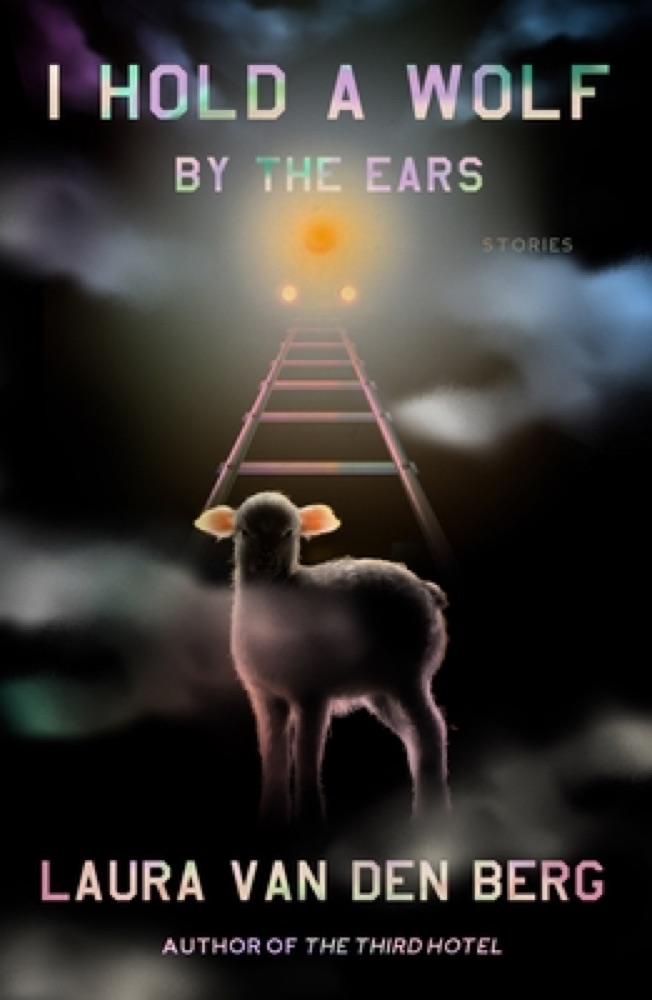
 I Hold a Wolf by the Ears: Stories
Quotes from the Book
every story - love or war - is a story about looking left when we should have been looking right.
It is the story that lies around the edges of the photographs, or at the end of newspaper account. It's about the lies we tell others to protect them, and about the lies we tell ourselves in order not to acknowledge what we can't bear: that we are alive, for instance, and eating lunch, while bombs are falling, and refugees are crammed into camps, and the news comes toward us every hour of the day. And what, in the end, do we do?
It began, as it often does, with a woman putting her ducks in a row.
It gets you thinking about all the parts in a story we never see" --he cleared his throat-- "the parts around the edges. You bring someone like that boy so alive before us and there he is set loose in our world so that we can't stop thinking of him. But then the report is over, the boy disappears. He was just a boy in a story and we never know the ending, we never get to close the book. It makes you wonder what happens to the people in them after the story stops--all the stories you've reported for instance. Where are they all now?
She imagined she could pull Time like taffy, stretching it longer and longer between her hands until the finest point had been reached, the point just before breaking, and she could live there. A point at the center of time with no going forward, no going back. Clasped in this way, without speaking, walking into no discernible ending, she could almost believe they tread on time.
Some stories don't get told. Some stories you hold on to. To stand and watch and hold it in your arms was not cowardice. To look straight at the beast and feel its breath on your flanks and not to turn--one could carry the world that way. They sat together, the four of them, a little longer, before Harry rose slowly to his feet. It was Thursday. It was the end of the afternoon. It was time to pick up and carry on to the other side of the day.
We can't change what is coming. Something is always coming.
Long ago, I believed that, given a choice, peple would turn to good as they would turn to light. I believed that reporting-honest, unflinching pictutes of the truth-could be a becon to lead us to deamand that worongs be righted, injustices puniches, and the weak and inncoent cared for. I must have believed, when I started out, that the shoulder of public opinion could be put up against the door of public indifference and would, when given the proper direction, shove it wide with the power of wanting to stand on the side of angel. (Frances Bard)
Most people he knew, his wife included, wouldn't make it through an hour on the promise of four sentences. But Frankie Bard was like a camel. She could hold her words for days--as long as she could watch the goings-on.
And one day I got it. I lifted my head from the child's chest I was listening to and realized, with a shock of relief: whatever is coming, comes. That's what holds it all together. We are all of us here in the mess. There's no way around it. And all that I am in the face of it is a single voice and a pair of hands...Anonymous but necessary. Vital.
ONE DAY SOMEONE you saw every day was there and the next he was not. This was the only way Frankie had found to report the Blitz. The small policeman on the corner, the grocer with a bad eye, the people you walked to work with, in the shops, on the bus: the people you didn’t know but who walked the same route as you, who wove the anonymous fabric of your life. Buildings, gardens, the roofline, one could describe their absence. But for the disappearance of a man, or a little boy, or the woman who used to wait for the bus at the same time as she did, Frankie had found few words: Once they were here. And I saw them
Like a stone tossed into a flock of birds, talk startled swiftly into flight whenever the new postmaster was mentioned.
And then Frankie understood that the boy was going on alone. Perhaps there had been only one sponsor in another country for the child. There were many perhaps. But it was clear now that the mother was sending her son onward. ... She drew him to her and kissed him on one cheek and then the other cheek, so slowly, looking at every bit of his face, and then she reached and folded him to her. The train stopped with a jerk and went quiet. ...
I am old. And tired of the terrible clarity of the young.
Bombers flew above the wattles, over an England filled with songs of linnets and thrush. There were things being broken we had no American names for.
Watch on YouTube
About Sarah Blake
We have collected 15 quotes from 1 book by Sarah Blake on BookQuoters.
More about the author →Book details
- Author
- Sarah Blake
- Genre
- Fiction
- Goodreads rating
- 3.36 (46k ratings) →
Keep reading
I Hold a Wolf by the Ears: Stories
 Birds of America
 The Passage
 The Brutal Telling
 Falling Man
 The Hour I First Believed
 Too Much Happiness: Stories
 We Were the Mulvaneys
 The Clockmaker's Daughter
 Out of Oz
 State of Wonder
 The Distant Hours
 Olive Kitteridge
 Homecoming
 The Ministry of Utmost Happiness
 Just After Sunset
 Warlight
 The Yellow Birds
 Wayward
 Wolves of the Calla
 The Stone Diaries
 The Testaments
 The Night in Question
 Lisey's Story
 No One Is Talking About This
 TransAtlantic
 Sixty Stories
 The Crying of Lot 49
 The Collected Stories
 The Jewel in the Crown
 The Probable Future
 Gliff
Gliff
 Hamnet
 The Children Act
 The Wars
 The Grass Harp, Including A Tree of Night and Other Stories
 The Twelve
 The Voyage Out
 The Day of the Scorpion
 I Cheerfully Refuse
 The Book of the Unnamed Midwife
 The Mime Order
 The Years
 The Complete Stories
 The Cat's Table
 The Ground Beneath Her Feet
 Notes on an Execution
 The Promise
 The Robber Bride
 The Round House
 One Hundred Names
 A Widow for One Year
 Atonement
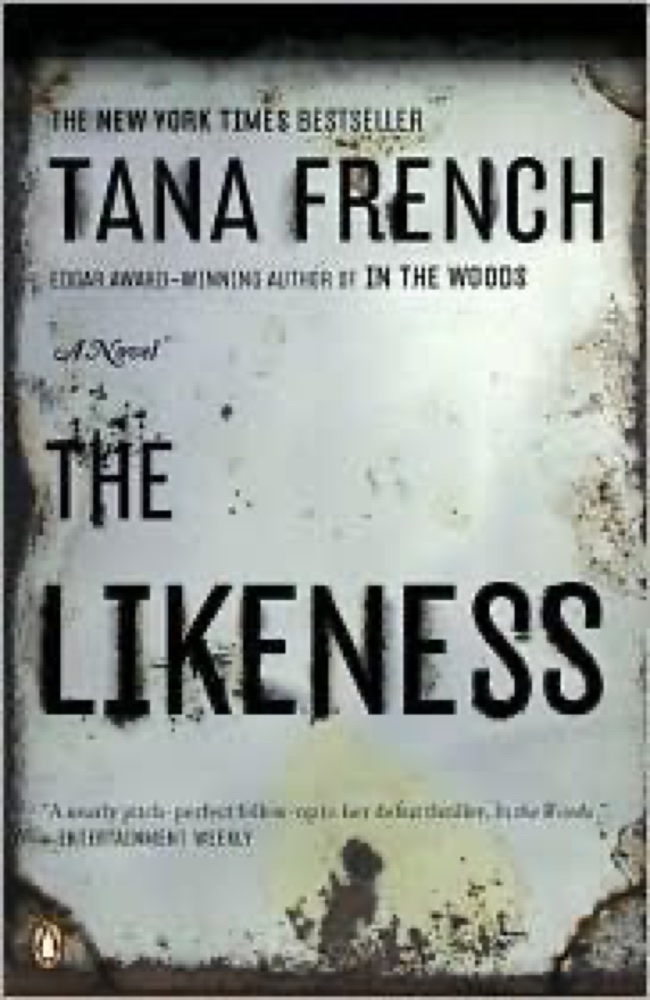 The Likeness
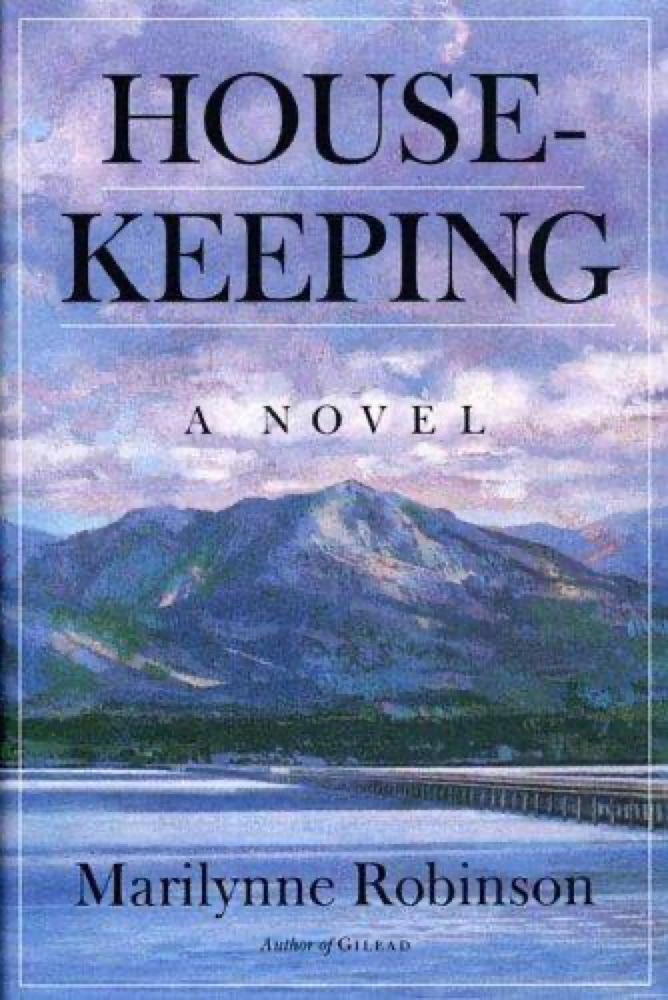 Housekeeping
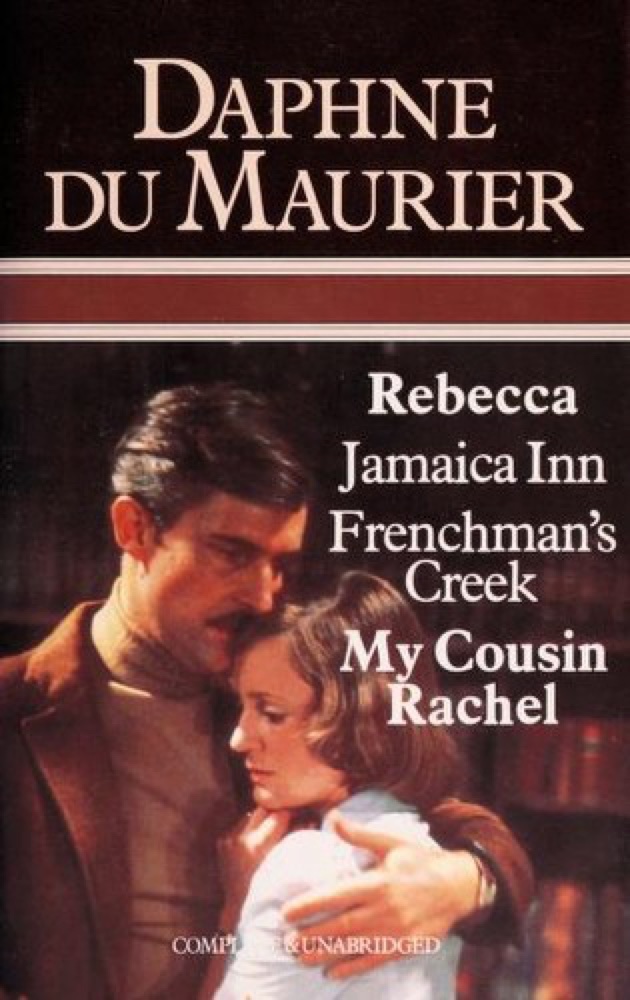 Rebecca
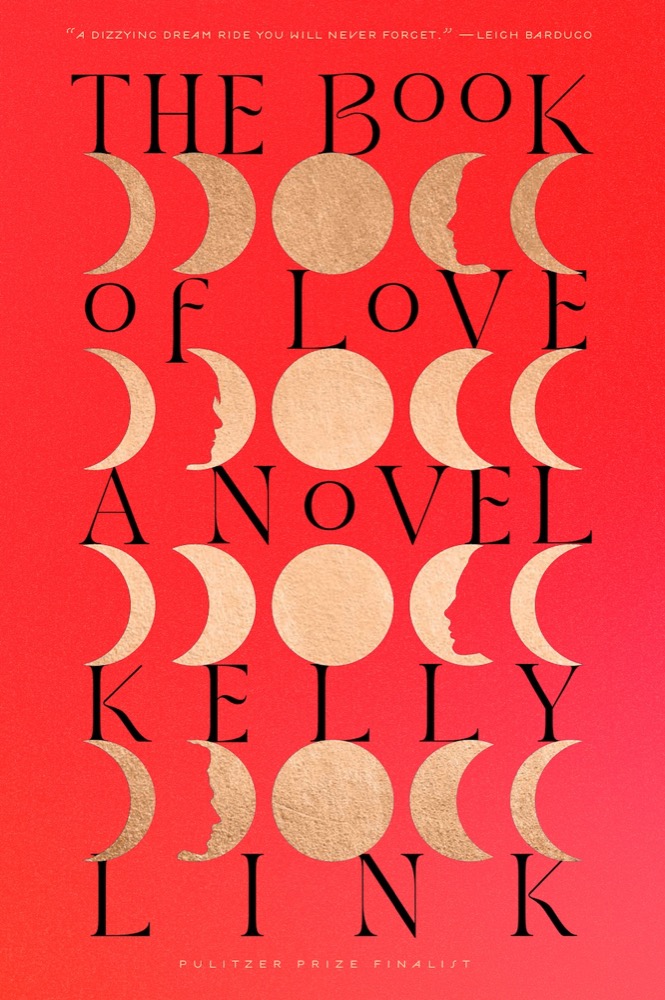 The Book of Love
 The Shipping News
 The Story Sisters