
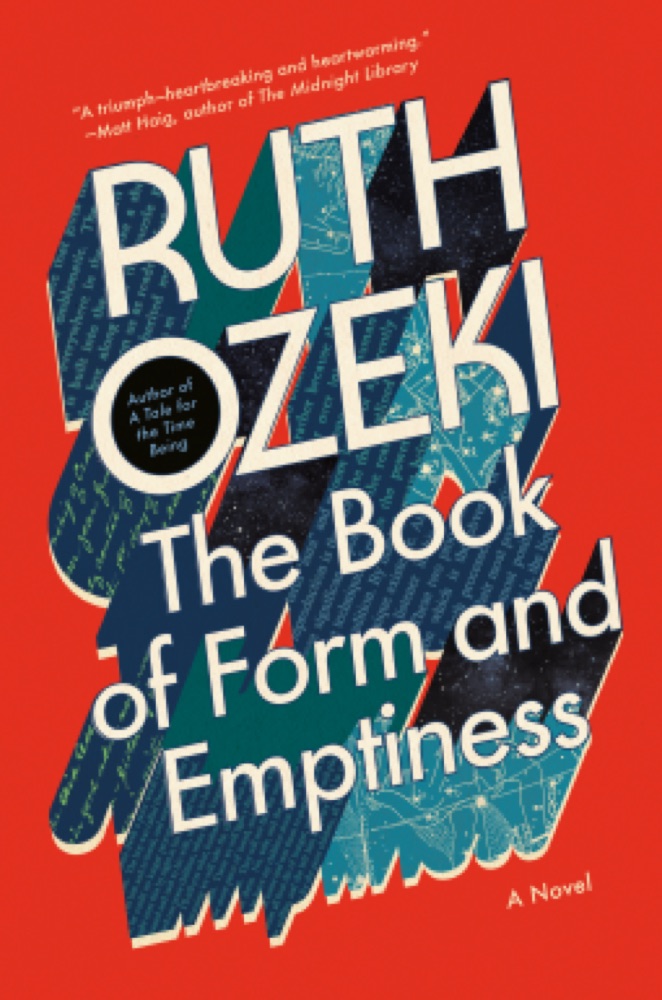
 The Book of Form and Emptiness
Quotes from the Book
Sometimes when she told stories about the past her eyes would get teary from all the memories she had, but they weren't tears. She wasn't crying. They were just the memories, leaking out.
Am I crazy?" she asked. "I feel like I am sometimes." "Maybe," he said, rubbing her forehead. "But don't worry about it. You need to be a little bit crazy. Crazy is the price you pay for having an imagination. It's your superpower. Tapping into the dream. It's a good thing not a bad thing.
Life is fleeting. Don't waste a single moment of your precious life. Wake up now! And now! And now!
I am a time being. Do you know what a time being is? Well, if you give me a moment, I will tell you. A time being is someone who lives in time, and that means you, and me, and every one of us who is, or was, or ever will be.
Print is predictable and impersonal, conveying information in a mechanical transaction with the reader’s eye. Handwriting, by contrast, resists the eye, reveals its meaning slowly, and is as intimate as skin.
She smiled. “Life is full of stories. Or maybe life is only stories. Good night, my dear Nao.
That's what it feels like when I write, like I have this beautiful world in my head, but when I try to remember it in order to write it down, I change it, and I can't ever get it back.
Information is a lot like water; it's hard to hold on to, and hard to keep from leaking away.
Do all kids have to worry about their parents’ mental health? The way society is set up, parents are supposed to be the grown-up ones and look after the kids, but a lot of times it’s the other way around.
But memories are time beings, too, like cherry blossoms or ginkgo leaves; for a while they are beautiful, and then they fade and die.
Do not think that time simply flies away. Do not understand “flying” as the only function of time. If time simply flew away, a separation would exist between you and time. So if you understand time as only passing, then you do not understand the time being. To grasp this truly, every being that exists in the entire world is linked together as moments in time, and at the same time they exist as individual moments of time. Because all moments are the time being, they are your time being.
I believe it doesn't matter what it is, as long as you can find something concrete to keep you busy while you are living your meaningless life.
What if I travel so far away in my dreams that I can't get back in time to wake up?
It made me sad when I caught myself pretending that everybody out there in cyberspace cared about what I thought, when really nobody gives a shit. And when I multiplied that sad feeling by all the millions of people in their lonely little rooms, furiously writing and posting to their lonely little pages that nobody has time to read because they’re all so busy writing and posting, it kind of broke my heart.
And if you decide not to read anymore, hey, no problem, because you're not the one I was waiting for anyway. But if you decide to read on, then guess what? You're my kind of time being and together we'll make magic!
For the time being Words scatter Are they fallen leaves?
The past is weird. I mean, does it really exist ? It feels like it exists, but where is it ? And if it did exists, but doesn’t now, then where did it go ?
Both life and death manifest in every moment of existence. Our human body appears and disappears moment by moment, without cease, and this ceaseless arising and passing away is what we experience as time and being. They are not separate. They are one thing, and in even a fraction of a second, we have the opportunity to choose, and to turn the course of our action either toward the attainment of truth or away from it. Each instant is utterly critical to the whole world.
For the time being, the entire earth and the boundless sky.
She sat back on her heels and nodded. The thought experiment she proposed was certainly odd, but her point was simple. Everything in the universe was constantly changing, and nothing stays the same, and we must understand how quickly time flows by if we are to wake up and truly live our lives. That’s what it means to be a time being, old Jiko told me, and then she snapped her crooked fingers again. And just like that, you die.
No matter how much bullying they inflict on my body, as long as I have this hope, I can endure any pain.
I find myself drawn to literature more now than in the past; not the individual works as much as the idea of literature—the heroic effort and nobility of our human desire to make beauty of our minds—which moves me to tears, and I have to brush them away, quickly, before anyone notices.
Assumptions and expectations will kill any relationship, so let’s you and me not go there, okay?
There are lots of superheroes with different superpowers, and some of them are big and flashy, like super strength and super speed, and molecular restructuring, and force fields. But these abilities are really not so different from the superpower stuff that old Jiko could do, like moving superslow, or reading people's minds, or appearing in doorways, or making people feel okay about themselves by just being there.
Yes," I told her. "I'm angry, so what?" ..... I went on, giving her an executive summary of my crappy life. .... "So of course I feel angry," I said angrily. "What do you expect? It was a stupid thing to ask." "Yes," she agreed. "It was a stupid thing to ask. I see that you're angry. I don't need to ask such a stupid thing to understand that." "So why did you ask?" Slowly she turned herself around, pivoting on her knees, until finally she was facing me, "I asked for you," she said. "For me?" So you could hear the answer.
An unfinished book. left unattended, turns feral, and she would need all her focus, will and ruthless determination to tame it again.
The important thing was that we were being polite and not saying all the things that were making us unhappy, which was the only way we knew how to love each other.
She missed the built environment of New York City. It was only in an urban landscape, amid straight lines and architecture, that she could situate herself in human time and history. She missed people. She missed human intrigue, drama and power struggles. She needed her own species, not to talk to, necessarily, but just to be among, as a bystander in a crowd or an anonymous witness.
At first I was like, No way am I saying that, but when you hang out with people who are always being supergrateful and appreciating things and saying thank you, in the end it kind of rubs off, and one day after I'd flushed, I turned to the toilet and said, "Thanks, toilet," and it felt pretty natural. I mean, it's the kind of thing that's okay to do if you're in a temple on the side of a mountain, but you'd better not try it in your junior high school washroom, because if your classmates catch you bowing and thanking the toilet they'll try to drown you in it. I explained this to Jiko, and she agreed it wasn't such a good idea, but that it was okay just to feel grateful sometimes, even if you don't say anything. Feeling is the important part. You don't have to make a big deal about it.
He's got this thing about Canada. He says it's like America only with health care and no guns, and you can live up to your potential there and not have to worry about what society thinks or about getting sick or getting shot.
About Ruth Ozeki
Ruth Ozeki, born in New Haven, Connecticut, is a Japanese American novelist, filmmaker, and Zen Buddhist priest. The daughter of anthropologist Floyd Lounsbury, she published her debut novel My Year of Meats in 1998, followed by All Over Creation in 2003 and A Tale for the Time Being in 2013. Married to Canadian land artist Oliver Kellhammer, she divides her time between New York City and Vancouver.
More about the author →More by Ruth Ozeki
About the book
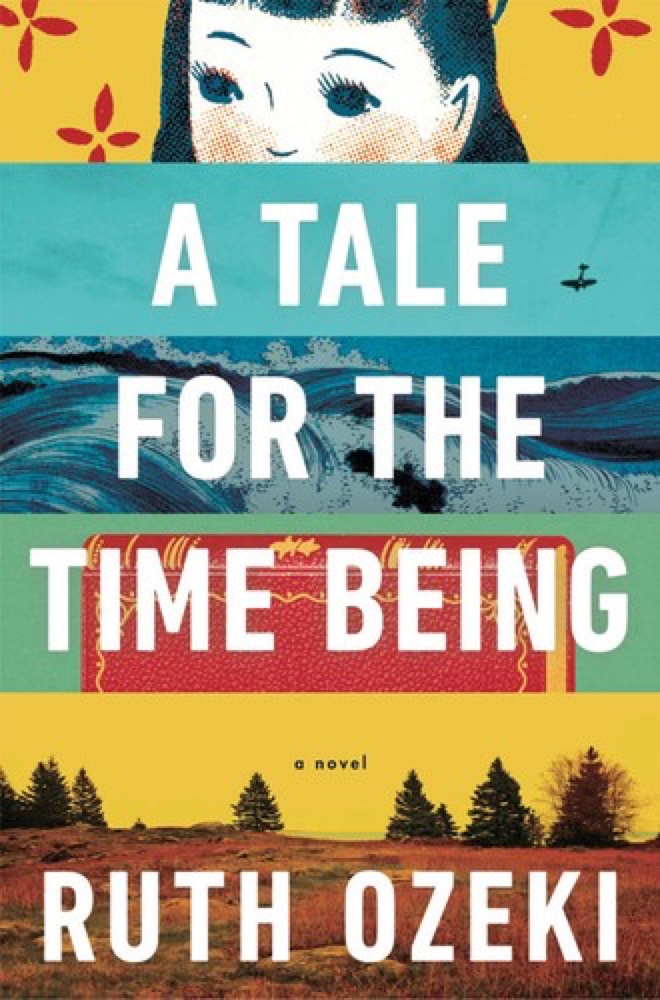
A Tale for the Time Being is a metafictional novel by Ruth Ozeki, narrated across two intertwined strands. In Tokyo, sixteen-year-old Nao Yasutani, a Japanese American girl uprooted from Silicon Valley and relentlessly bullied at her new school, decides to keep a diary before ending her life, using it to document the century-plus life of her great-grandmother Jiko, a Buddhist nun. Across the Pacific, Ruth, a novelist on a remote island off British Columbia, discovers a Hello Kitty lunchbox washed ashore, possibly debris from the 2011 tsunami, and inside finds Nao's diary. As Ruth is pulled into Nao's story and her unknown fate, the two lives converge across ocean and time.
The book is deeply engaged with the relationship between writer and reader, past and present, and fact and fiction. Its themes range across biculturalism and the disorientation of being seen as "the other," Zen Buddhism and the practice of zazen, time and impermanence, depression and suicide, bullying, and the aftermath of the 2011 Japanese tsunami. The title itself is a pun: "the time being" is both the present moment we are stuck with and a Buddhist notion of each human entrapped in time, echoed in the suicidal schoolgirl who is "a creature of time." Nao's summer with Jiko in Sendai introduces her to spiritual solace and a stronger connection to Japan, including her family's history in World War II.
Reviewers widely praised the novel's storytelling and its philosophical ambition. The Washington Post called it "as contemporary as a Japanese teenager's slang but as ageless as a Zen koan," combining great storytelling with a probing investigation into the purpose of existence, while The New York Times highlighted Nao's "lively voice, by turns breezy, petulant, funny, sad and teenage-girl wise." The Guardian catalogued its sweep of themes, from biculturalism and the female predicament to ecological collapse and a 105-year-old anarchist nun, and NPR noted the huge pun in its title. The novel was a finalist for the 2013 Man Booker Prize.
Book details
- Author
- Ruth Ozeki
- Genre
- Fiction
- Goodreads rating
- 4.06 (139k ratings) →
Keep reading
 The Dream of Perpetual Motion
 Hard-Boiled Wonderland and the End of the World
 Kafka on the Shore
 How to Stop Time
 The Gap of Time
 1Q84
1Q84
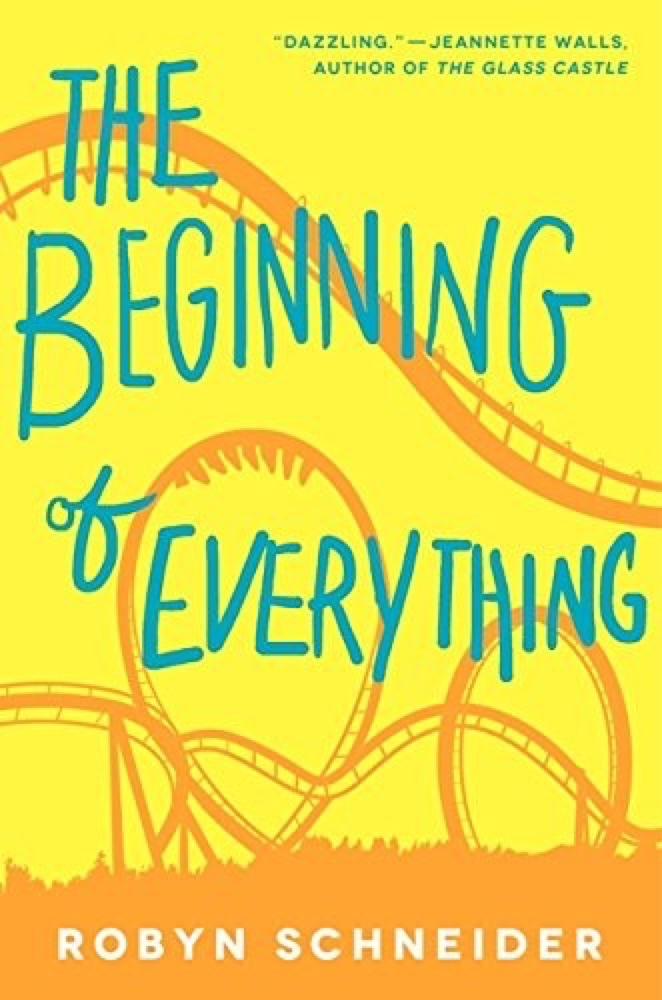 The Beginning of Everything
 Invisibility
 The Shock of the Fall
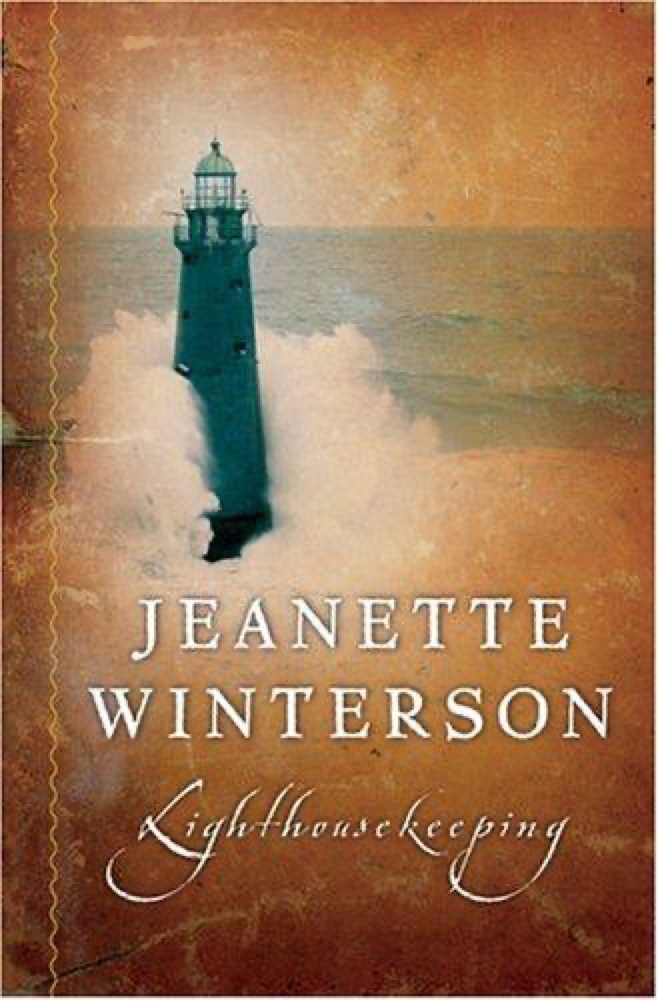 Lighthousekeeping
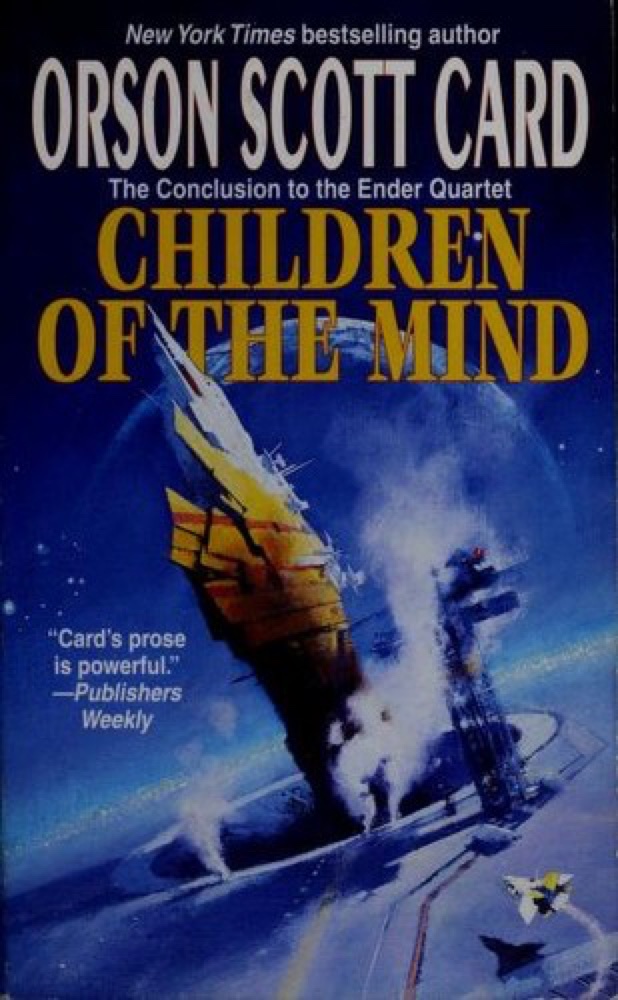 Children of the Mind
 The Handmaid's Tale
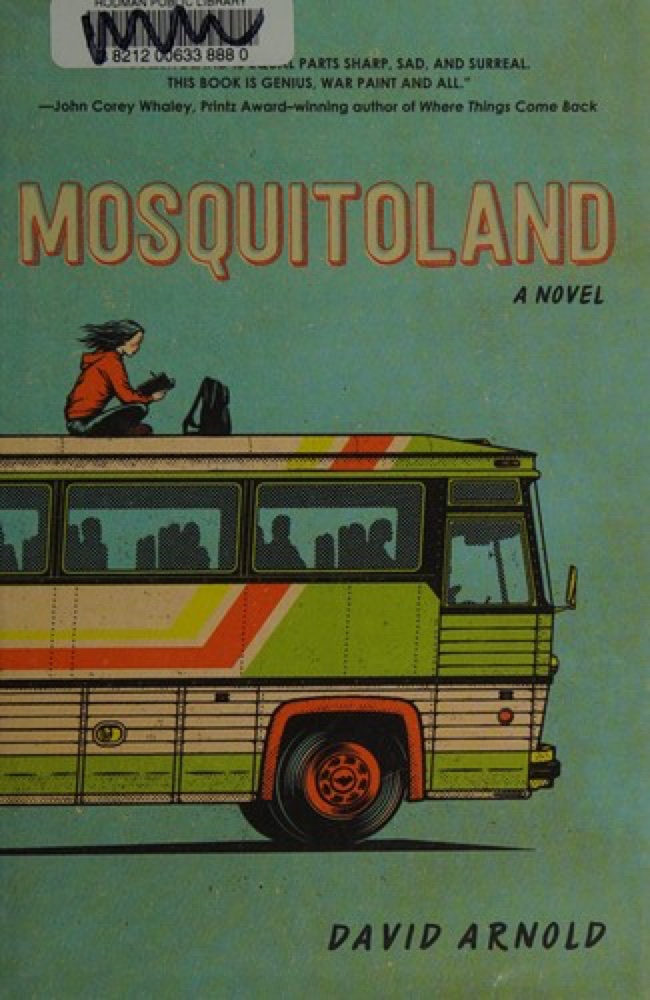 Mosquitoland
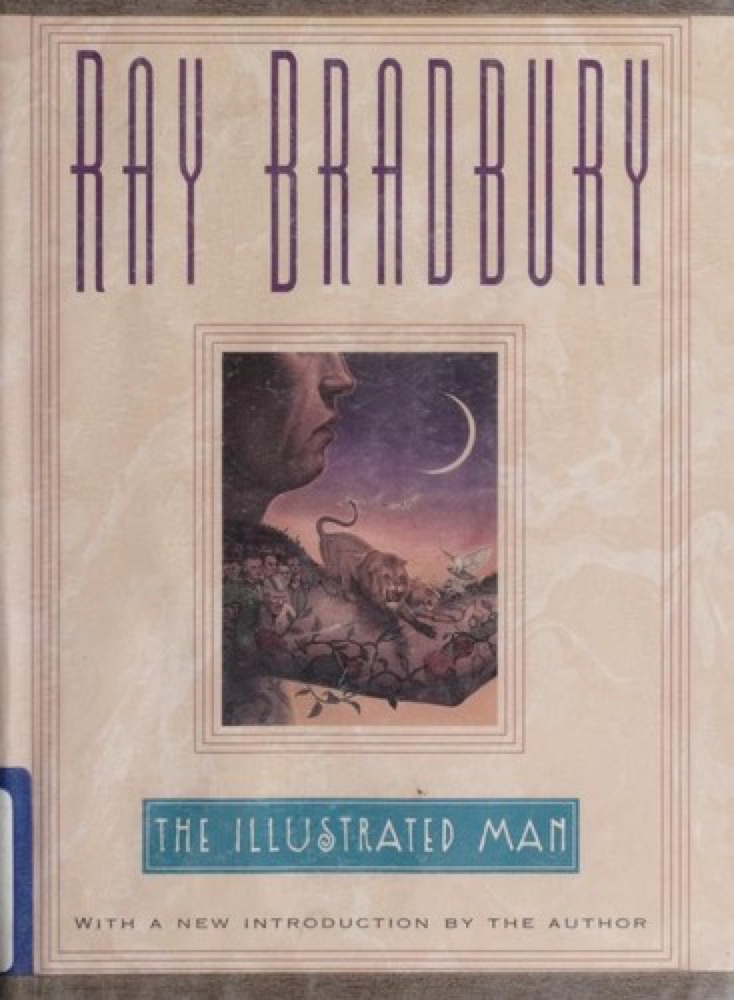 The Illustrated Man
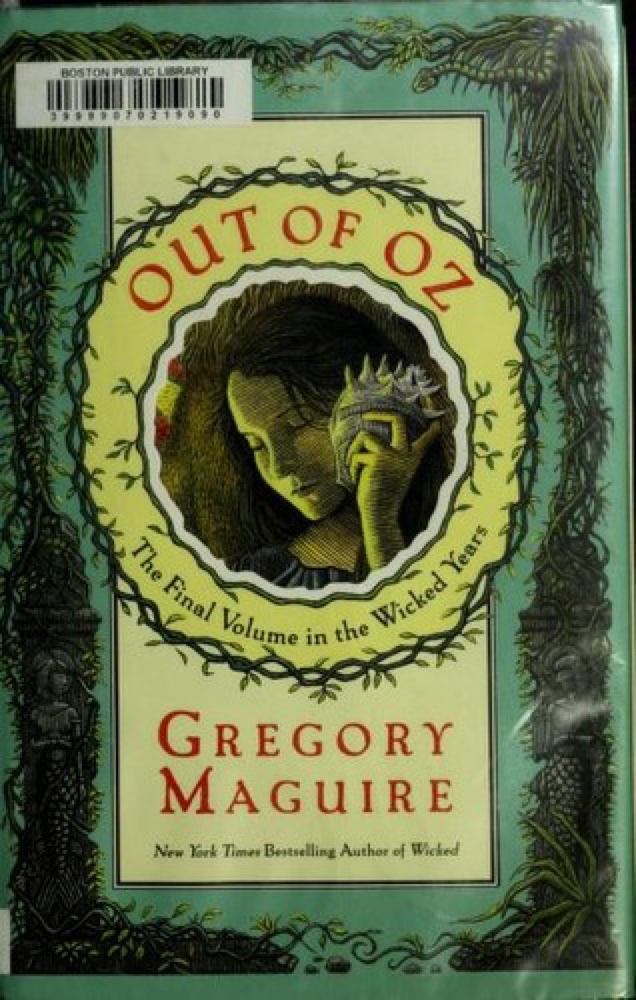 Out of Oz
 S.
S.
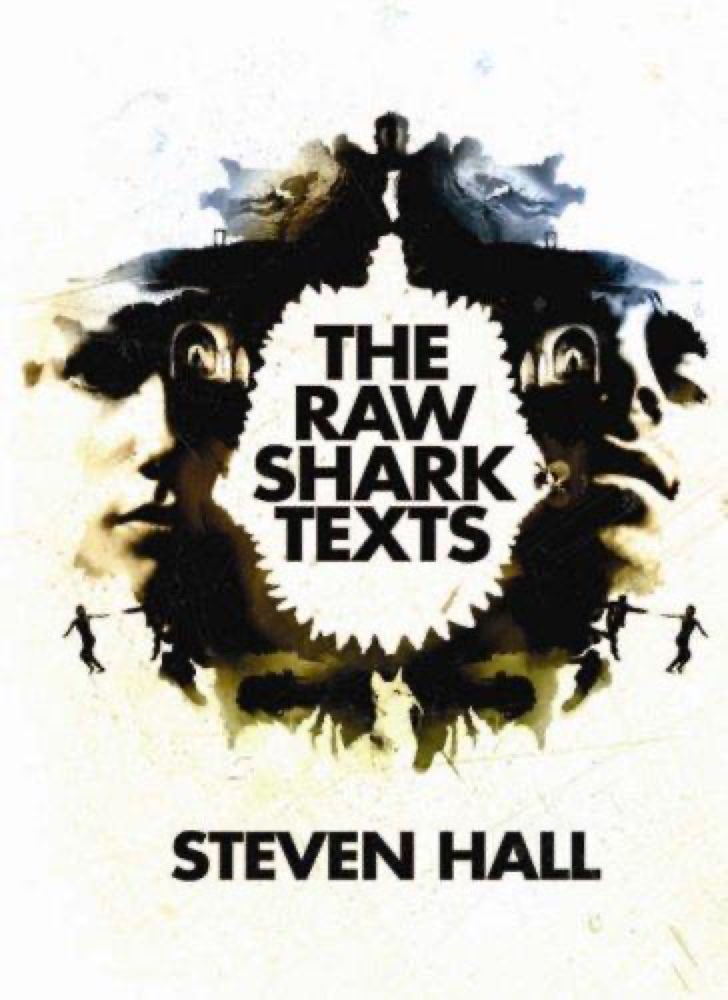 The Raw Shark Texts
 The Reader
 The Tent
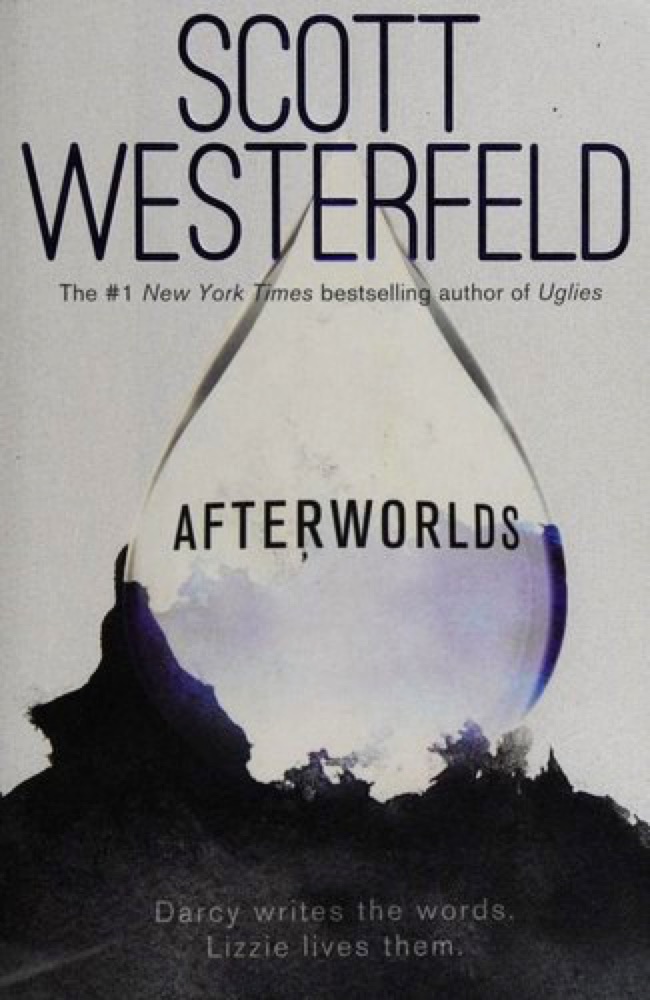 Afterworlds
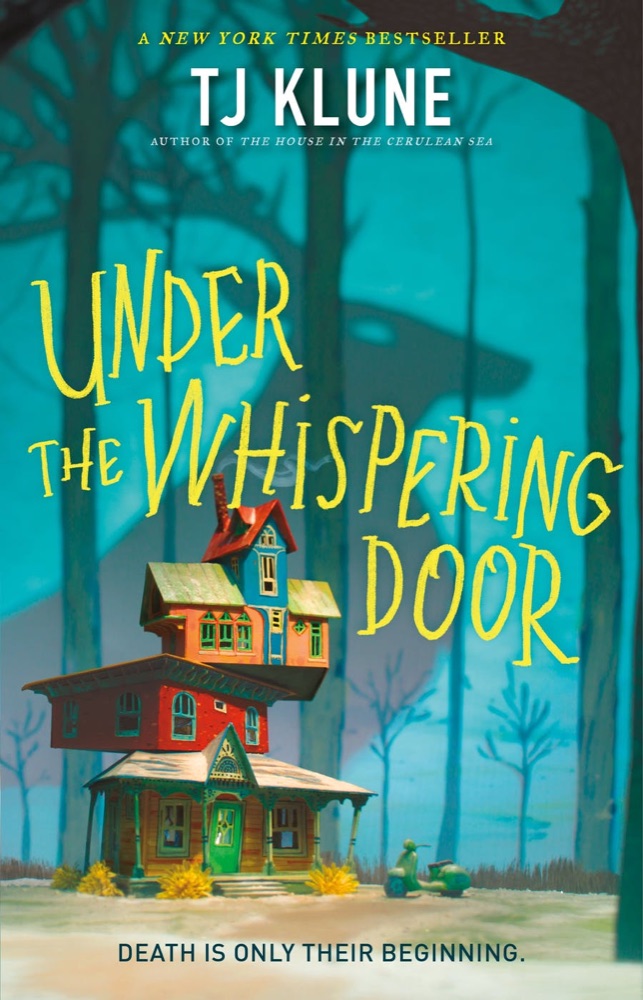 Under the Whispering Door
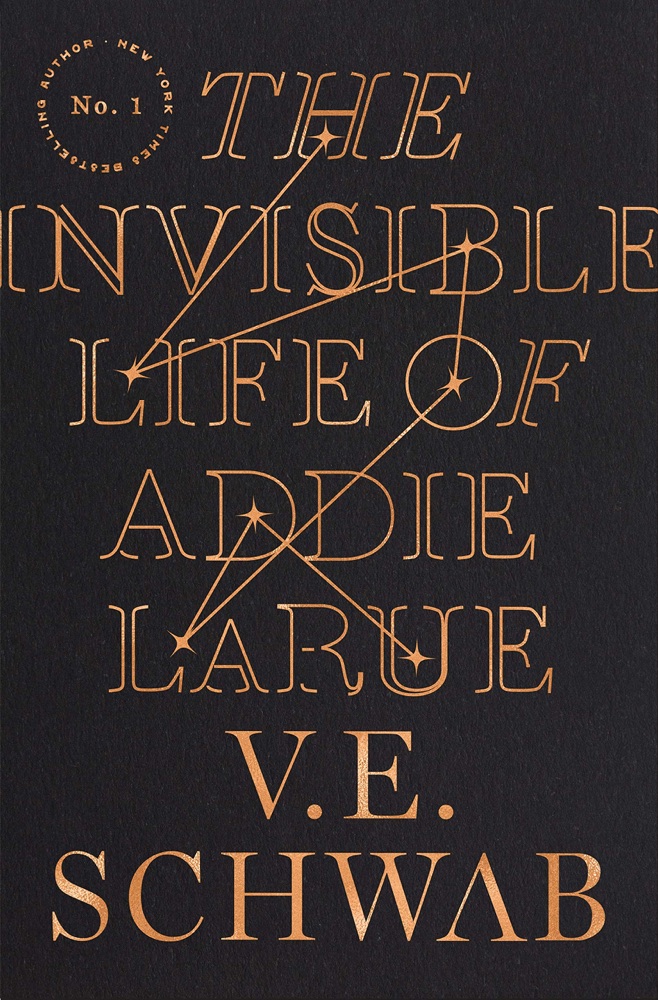 The Invisible Life of Addie LaRue
 Smoke and Mirrors: Short Fiction and Illusions
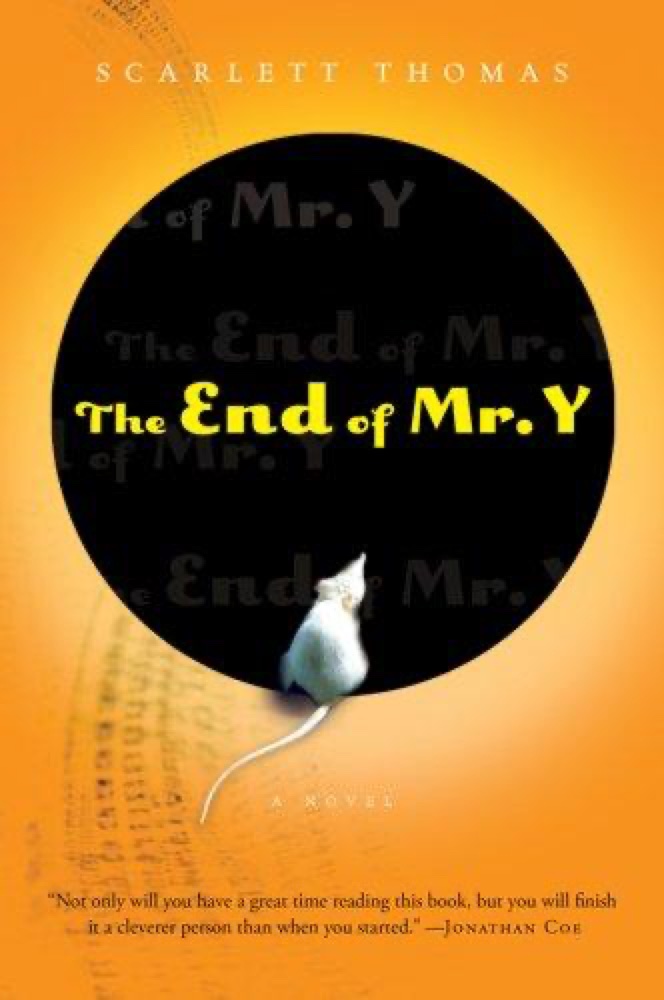 The End of Mr. Y
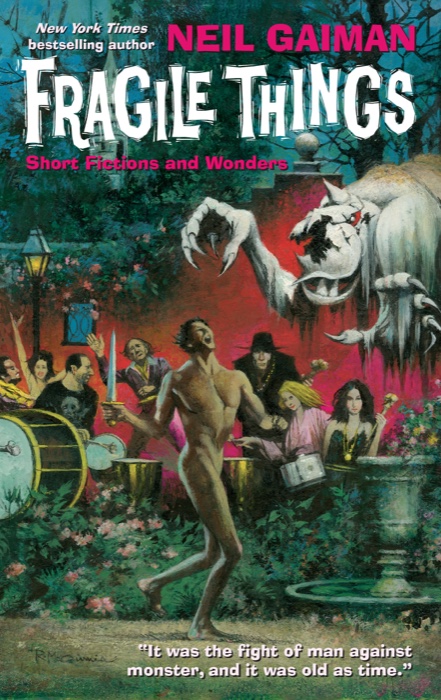 Fragile Things: Short Fictions and Wonders
 Before Ever After
 Goodbye Days
 Liberation Day
 Holding Up the Universe
 This Is Where the World Ends
 Sexing the Cherry
 M Train
 The Toll
 The Sportswriter
 Belong to Me
 House of Leaves
 A Fraction of the Whole
 Leaving Time
 Extraordinary Means
 Q & A
Q & A
 Girlfriend in a Coma
 How to be Both
 The Glass Hotel
 The Book of Love
 What Is the What
 Perfect
 What I Loved
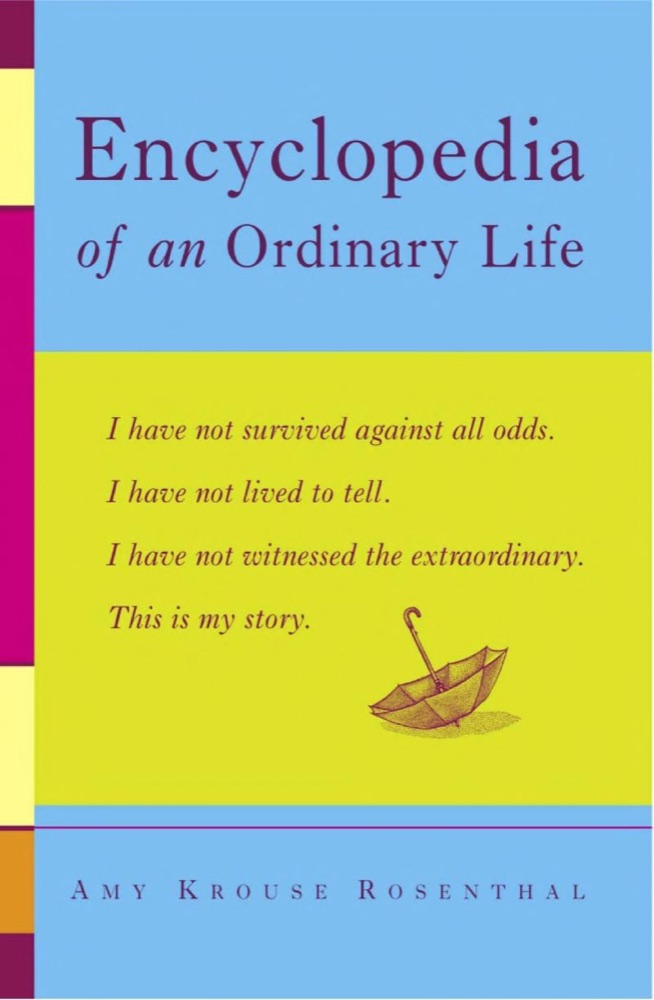 Encyclopedia of an Ordinary Life
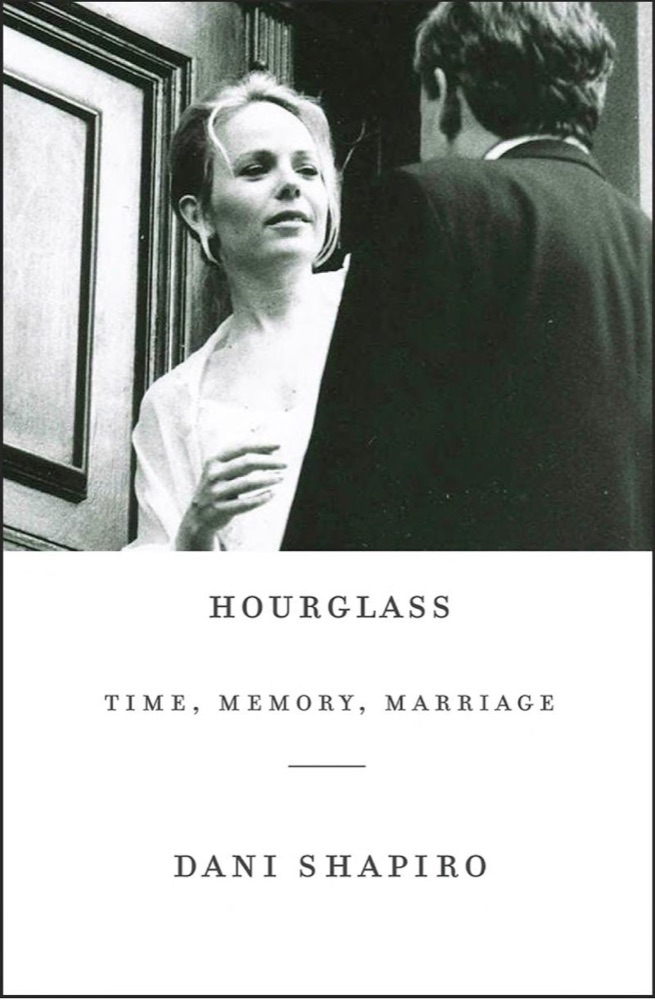 Hourglass: Time, Memory, Marriage
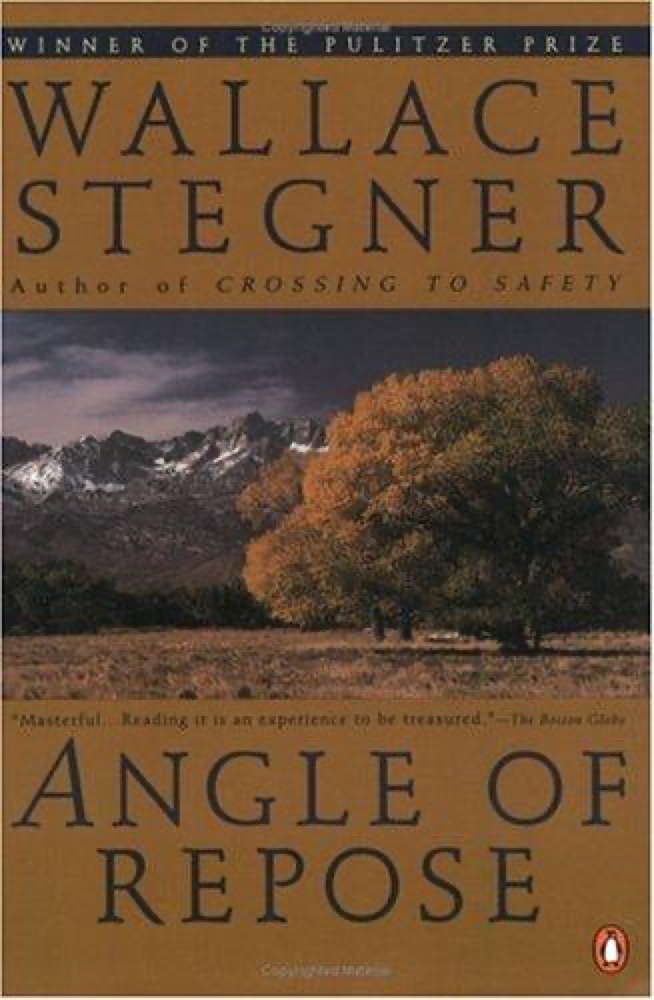 Angle of Repose
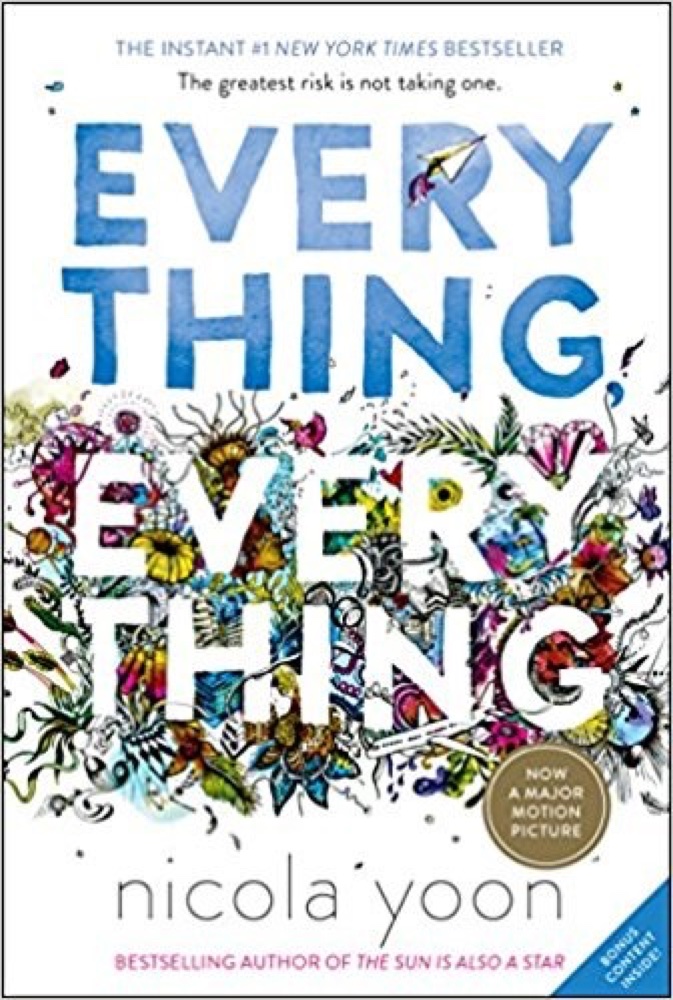 Everything, Everything
 Gliff
Gliff
 The Secret History
 Canada
 Love from A to Z
 Flights
 Mostly Void, Partially Stars
 The Book of Tomorrow
 Blue Nights