

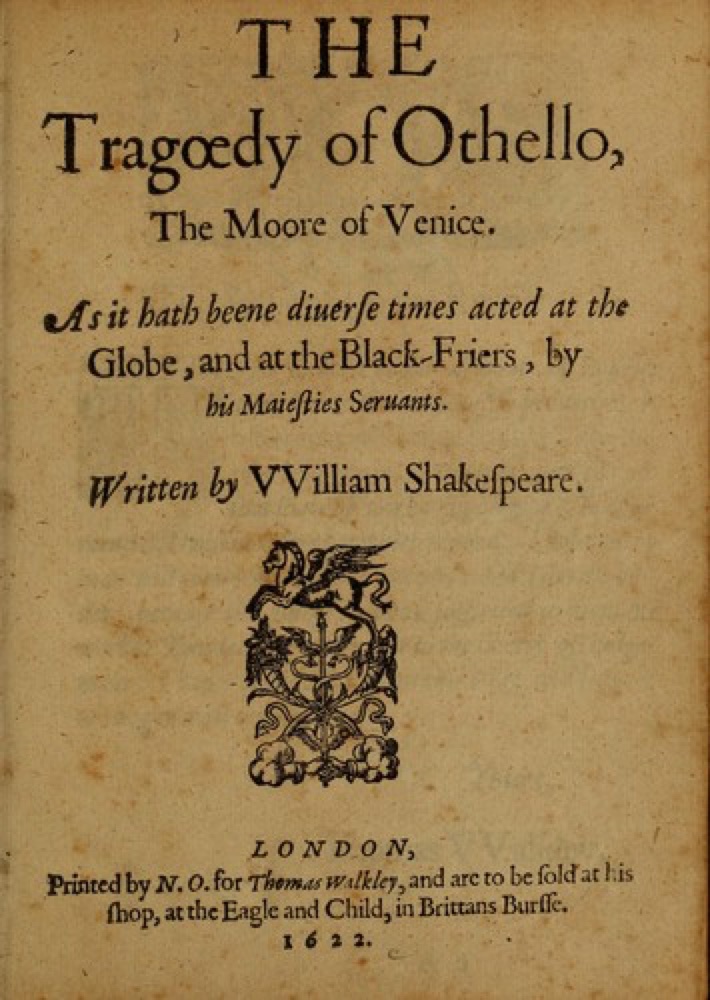
 Othello
Quotes from the Book
Men's evil manners live in brass; their virtues we write in water.
189
We all are men, in our own natures frail, and capable of our flesh; few are angels.
82
My drops of tears I'll turn to sparks of fire.
44
Nor shall this peace sleep with her; but as when The bird of wonder dies, the maiden phoenix, Her ashes new-create another heir As great in admiration as herself.
33
Heat not a furnace for your foe so hot That it do singe yourself.
20
Verily, I swear, 'tis better to be lowly born, and range with humble livers in content, than to be perk'd up in a glistering grief, and wear a golden sorrow.
13
I charge thee, fling away ambition. By that sin fell the angels.
12
I do believe, induced by potent circumstances That thou art mine enemy.
8
And 'tis a kind of good deed to say well: And yet words are no deeds.
5
So farewell to the little good you bear me Farewell! a long farewell, to all my greatness!
5
Tis ten to one this play can never please All that are here. Some come to take their ease And sleep an act or two; but those, we fear, W' have frighted with our trumpets.
5
And when he thinks, good easy man, full surely His greatness is a-ripening, nips his root, And then he falls, as I do. I have ventured, Like little wanton boys that swim on bladders, This many summers in a sea of glory, But far beyond my depth. My high-blown pride At length broke under me and now has left me, Weary and old with service, to the mercy Of a rude stream that must forever hide me. Vain pomp and glory of this world, I hate you. I feel my heart new opened. O, how wretched Is that poor man that hangs on princes’ favors! There is betwixt that smile we would aspire to, That sweet aspect of princes, and their ruin, More pangs and fears than wars or women have; And when he falls, he falls like Lucifer, Never to hope again.
3
Had I but served my God with half the zeal I served my king, He would not in mine age Have left me naked to mine enemies.
1
Y' are welcome, my fair guests. That noble lady, Or gentleman that is not freely merry, Is not my friend. This, to confirm my welcome, And to you all, good health. [Drinks] Lord Sands. Your grace is noble. Let me have such a bowl may hold my thanks, And save me so much talking. Cardinal Wolsey. My Lord Sands, I am beholding to you; cheer your neighbours. Ladies, you are not merry. Gentlemen, Whose fault is this? Lord Sands. The red wine first must rise In their fair cheeks, my lord, then we shall have 'em Talk us to silence. Anne Bullen. You are a merry gamester, My Lord Sands. Lord Sands. Yes, if I make my play. Here's to your ladyship: and pledge it, madam, For 'tis to such a thing,— Anne Bullen. You cannot show me. Lord Sands. I told your grace they would talk anon. [Drum and trumpet; chambers discharg'd] Cardinal Wolsey. What's that? Lord Chamberlain. Look out there, some of ye. [Exit Servant] Cardinal Wolsey. What warlike voice, And to what end is this? Nay, ladies, fear not; By all the laws of war y' are privileg’d.
1
Cromwell, I charge thee, fling away ambition! By that sin fell the angels;
1
How soon this mightiness meets misery; And if you can be merry then, I'll say A man may weep upon his wedding-day.
1
Watch on YouTube
About William Shakespeare
We have collected 956 quotes from 39 books by William Shakespeare on BookQuoters.
More about the author →More by William Shakespeare
All books by William Shakespeare →
About the book
Henry VIII is a history play generally believed to be a collaboration between William Shakespeare and John Fletcher, based on the life of Henry VIII of England. An alternative title, All is True, is recorded in contemporary documents, the title Henry VIII not appearing until the play's publication in the First Folio of 1623. Stylistic evidence indicates that individual scenes were written by either Shakespeare or his collaborator and successor, John Fletcher. It is also somewhat characteristic of the late romances in its structure. It is noted for having more stage directions than any of Shakespeare's other plays.[1]
During a performance of Henry VIII at the Globe Theatre in 1613, a cannon shot employed for special effects ignited the theatre's thatched roof (and the beams), burning the original building to the ground.
Book details
- First published
- 1613
- Author
- William Shakespeare
- Genre
- Classics
- Goodreads rating
- 3.49 (10k ratings)
Keep reading
 King Lear
 King Henry IV, Part 1
 Henry V
 The Spanish Tragedy
 Ivanhoe
 The Duchess of Malfi
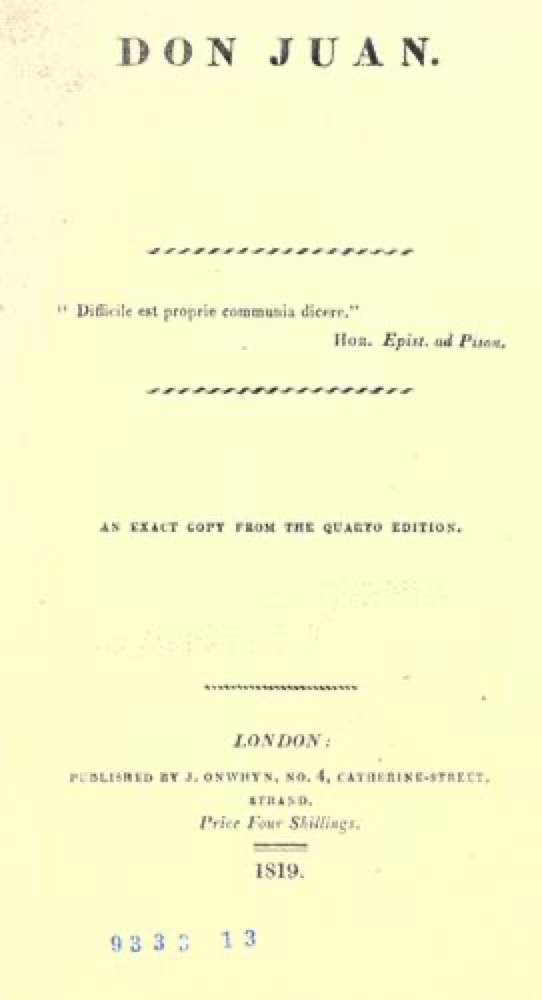 Don Juan
 Poems and Songs
 The White Devil
 Faust
Faust
 Uncle Tom's Cabin
 The History of Tom Jones, a Foundling
 Iphigenia in Aulis
 Twenty Years After
 Oedipus Rex
 Medea
Medea
 Agamemnon
 Edward II
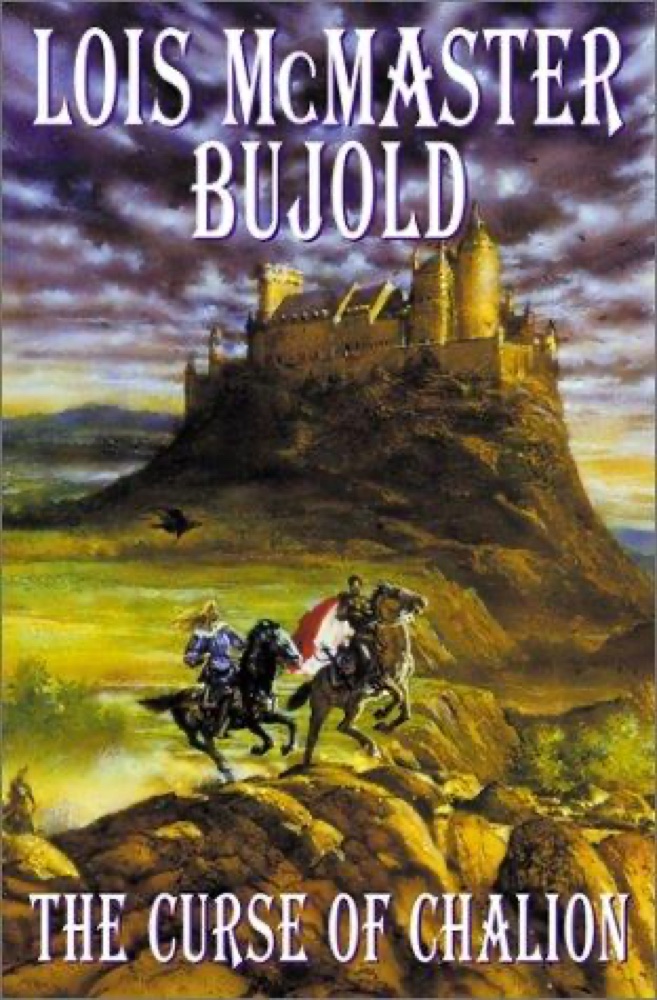 The Curse of Chalion
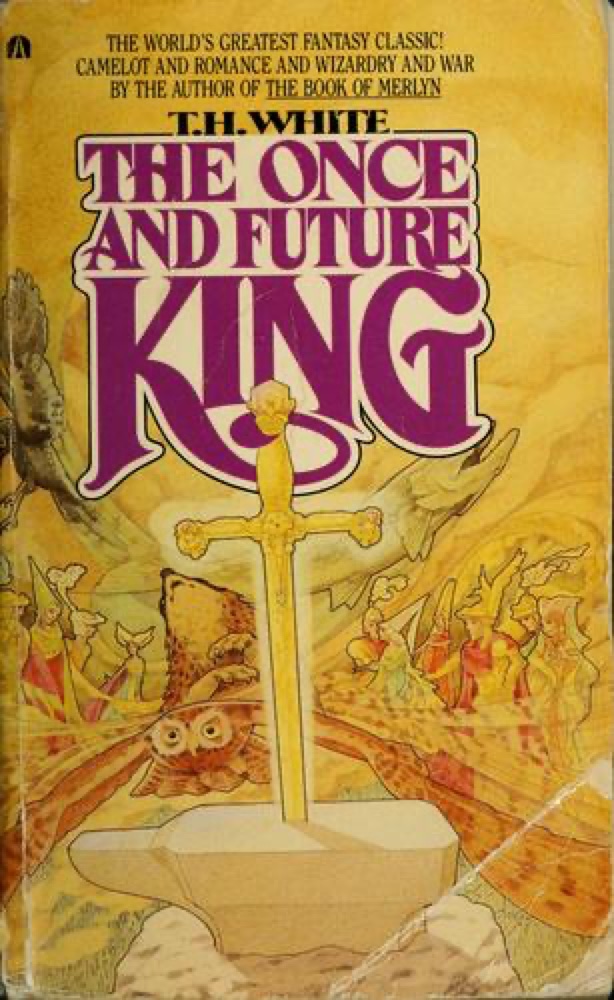 The Once and Future King
 Shirley
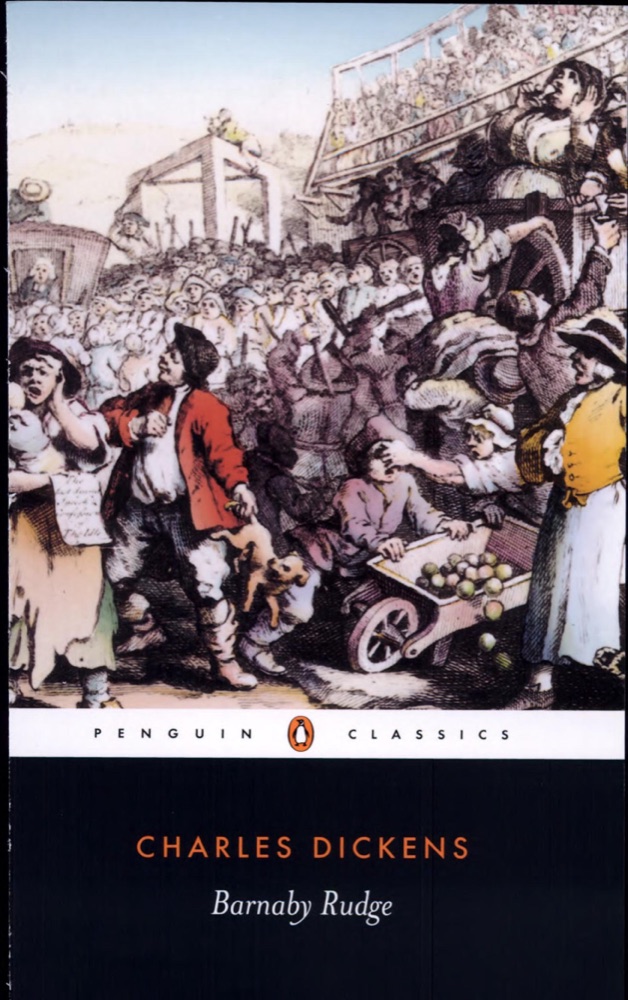 Barnaby Rudge
 The Canterbury Tales
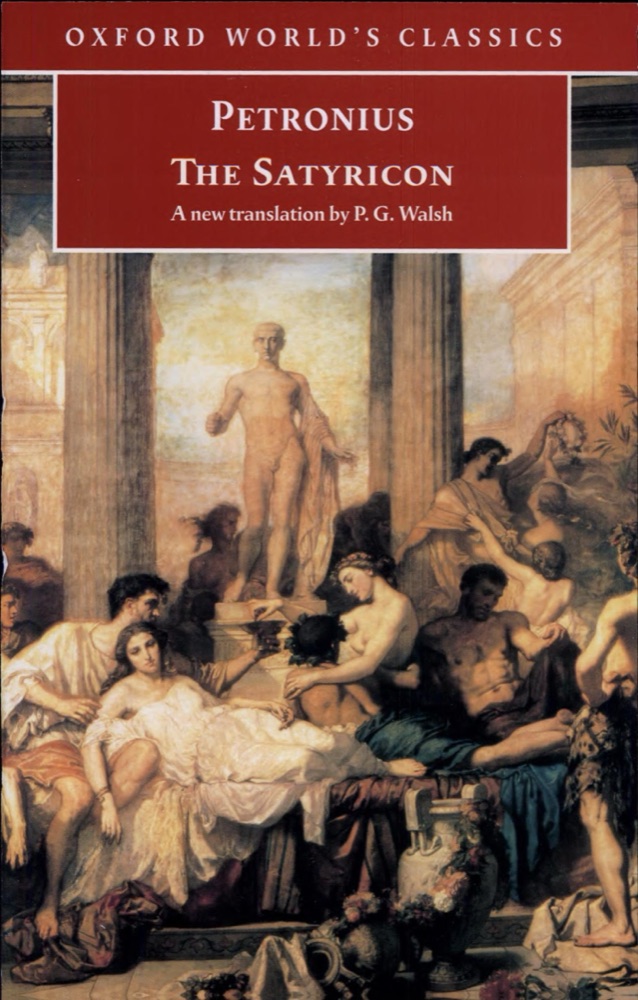 The Satyricon
 The Fires of Heaven
 Electra
 The Gadfly
 Empire of the Vampire
 Purgatorio
 Here be Dragons
 Paladin of Souls
 The Letters of Abélard and Héloïse
 The Oresteia
 March
March
 Our Mutual Friend
 The Faerie Queene
 Paradise Lost
 Don Quixote
 Half a War
 The Mirror & the Light
 The Monk
 A Tale of Two Cities
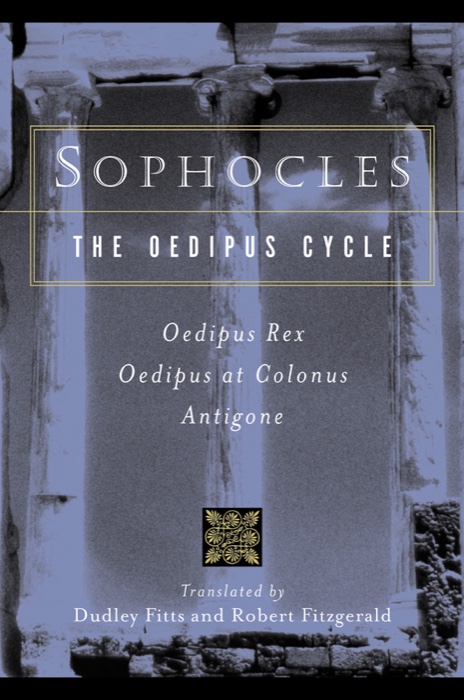 The Oedipus Cycle: Oedipus Rex/Oedipus at Colonus/Antigone
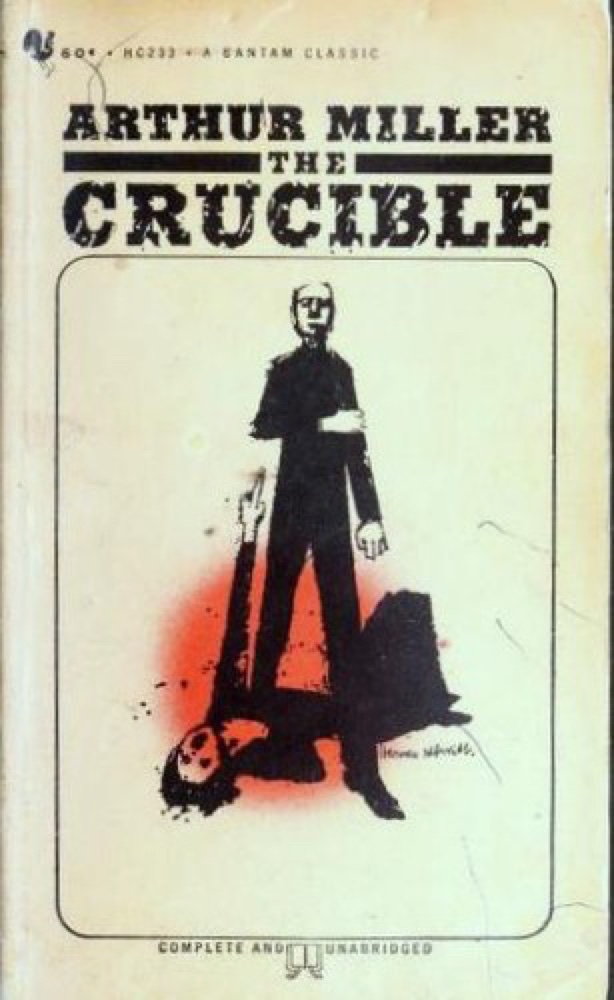 The Crucible
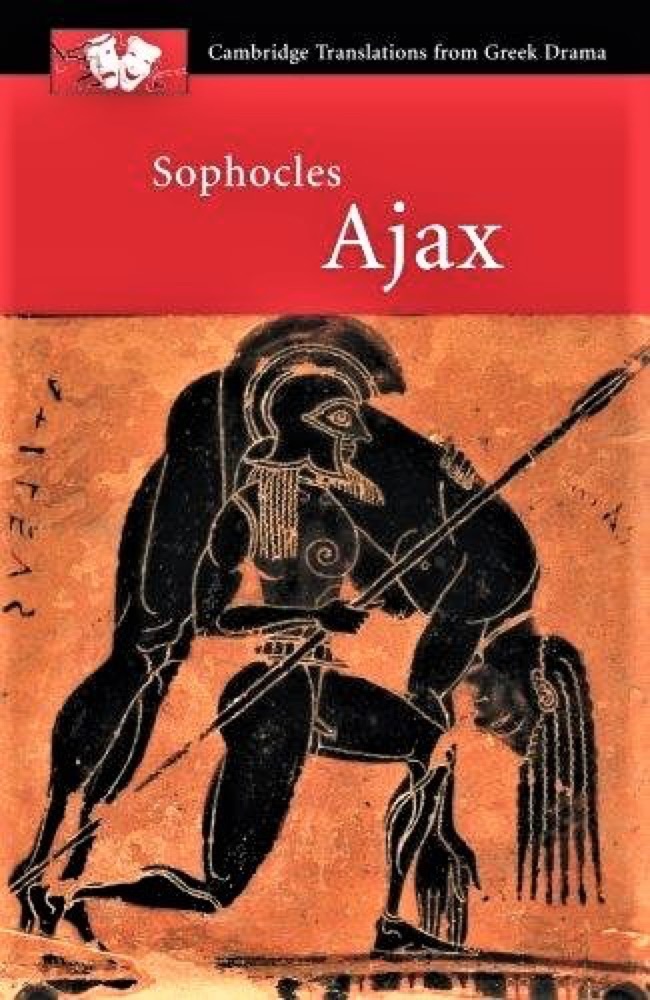 Ajax
Ajax
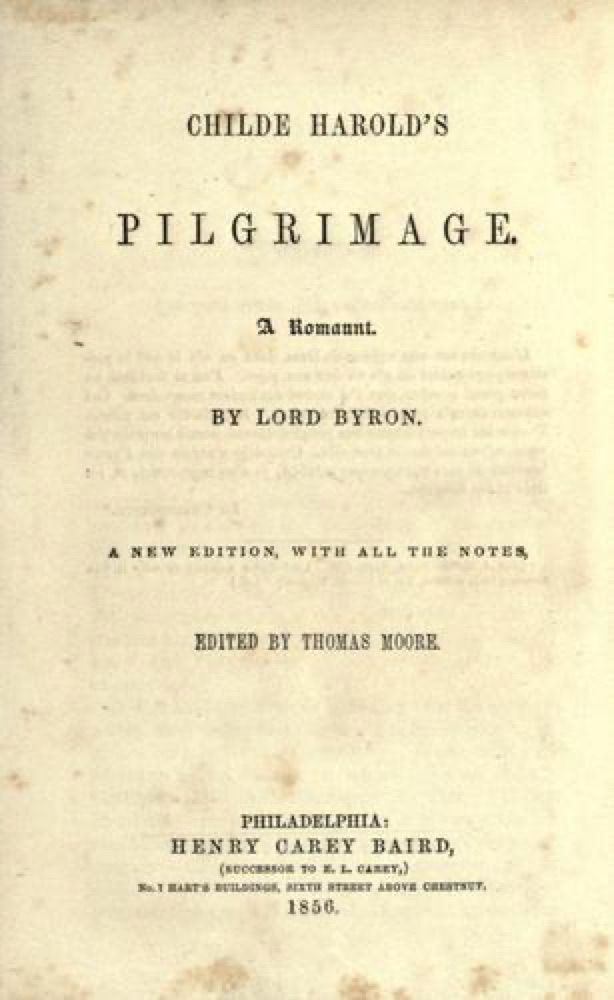 Childe Harold's Pilgrimage
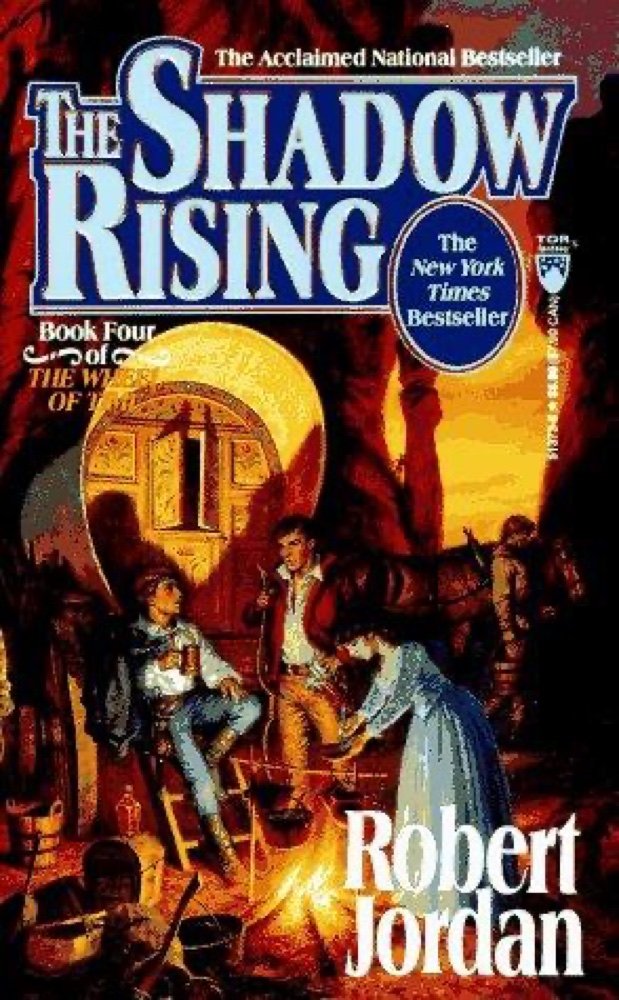 The Shadow Rising
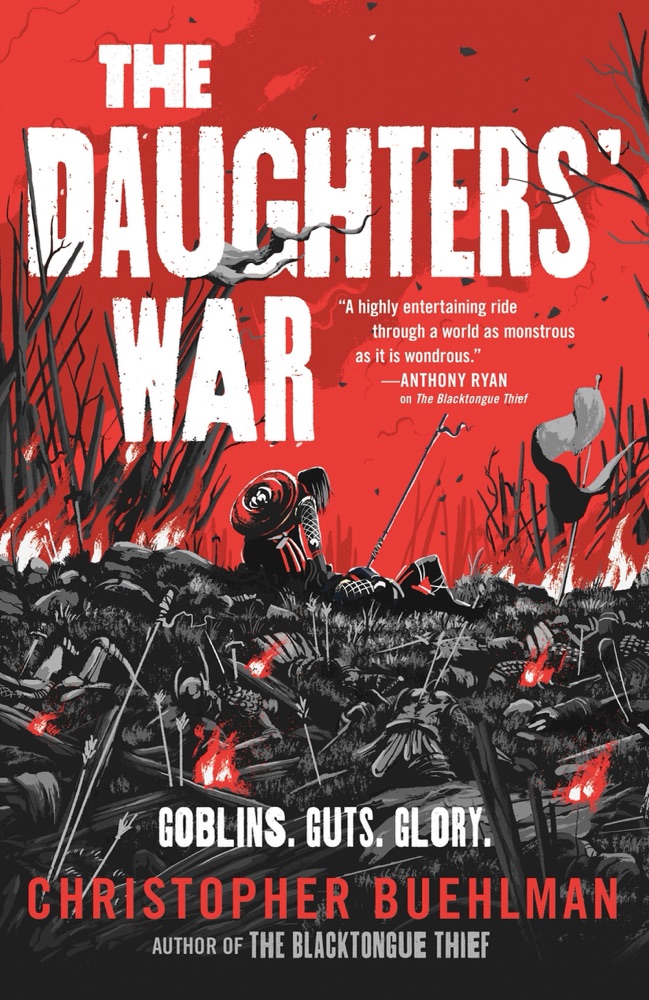 The Daughters' War
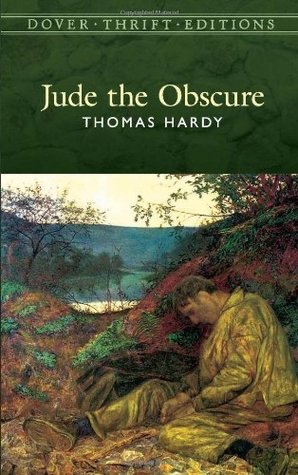 Jude the Obscure
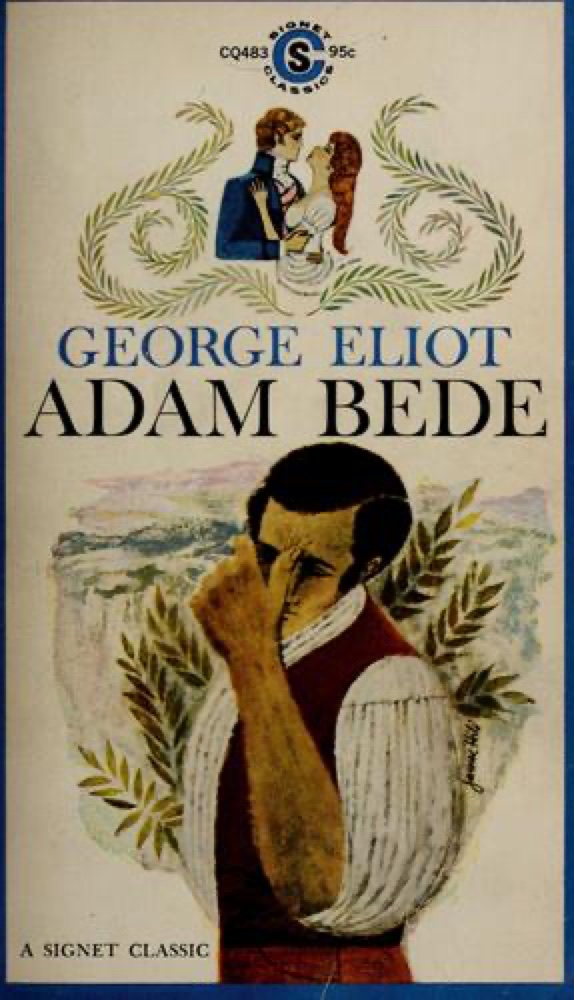 Adam Bede
 The Virginian
 Checkmate
 The Persian Boy
 The Sixteen Satires
 Lord Jim
 Allan Quatermain
 The Way of Kings
 Sheever's Journal, Diary of a Poison Master
 Murder in the Cathedral
 The Iliad