 Go Set a Watchman
Quotes from the Book
Forgive my asking you to use your mind. It is a thing which no novelist should expect of his reader...
When a man ain't got no ideas of his own, he'd ought to be kind o' careful who he borrows 'em from.
It was through the Declaration of Independence that we Americans acknowledged the eternal inequality of man. For by it we abolished a cut-and-dried aristocracy. We had seen little men artificially held up in high places, and great men artificially held down in low places, and our own justice-loving hearts abhorred this violence to human nature. Therefore, we decreed that every man should thenceforth have equal liberty to find his own level. By this very decree we acknowledged and gave freedom to true aristocracy, saying, "Let the best man win, whoever he is." Let the best man win! That is America's word. That is true democracy. And true democracy and true aristocracy are one and the same thing
When a man is kind to dumb animals, I always say he has got some good in him.
Here in flesh and blood was a truth which I had long believed in words, but never met before. The creature we call a gentleman lies deep in the heart of thousands that are born without chance to master the outward graces of the type.
I thought there should in truth be heavy damages for malpractice on human souls.
When you call me that, smile.
The cowboy has now gone to worlds invisible; the wind has blown away the white ashes of his campfires; but the empty sardine box lies rusting over the face of the Western earth.
All America is divided into two classes - the quality and the equality. The latter will always recognize the former when mistaken for it.
I reckon some parsons have a right to tell you to be good. The bishop of this hyeh territory has a right. But I'll tell yu' this: a middlin' doctor is a pore thing, and a middlin' lawyer is a pore thing; but keep me from a middlin' man of God.
Science! He [Dr. MacBride] doesn't know what Christianity is yet. I've entertained many guests, but none - The whole secret," broke off Judge Henry, "Lies in the way you treat people. As soon as you treat men as your brothers, they are ready to acknowledge you - if you deserve it - as their superior. That's the whole bottom of Christianity, and that's what our missionary will never know.
But no earthly foot can step between a man and his destiny.
Providence makes use of instruments I'd not touch with a ten-foot pole.
she would watch him with eyes that were fuller of love than of understanding.
But if I had lived to be twenty-nine years old like I am, and with all my chances made no enemy, I'd feel myself a failure.
Ah, me," she sighed. "If marriage were as simple as love!
When a man ain't got no ideas of his own," said Scipio, "he'd ought to be kind o' careful who he borrows 'em from.
He possessed that quality in his profanity of not offending by it.
the letter means nothing until the spirit gives it life
He looked pleased. "I reckon," he said, "I couldn't be so good if I wasn't bad onced in a while
It was through the Declaration of Independence that we Americans acknowledged the eternal quality of man. For by it we abolished a cut-and-dried aristocracy. We had seen little men artificially held up in high places, and great men artificially held down in low places, and our own justice-loving hearts abhorred this violence to human nature. Therefore, we decreed that every man should thenceforth have equal liberty to find his own level. By this very decree we acknowledged and gave freedom to true aristocracy, saying, "Let the best man win, whoever he is." Let the best man win! That is America's word. That is true democracy. And true democracy and true aristocracy are one and the same thing. If anybody cannot see this, so much the worse for his eyesight.
I don't think I like you," said she. "That's all square enough. You're goin' to love me before we get through
There can be no doubt of this: All America is divided into two classes,- the quality and the equality.
They're pretty near the color of your eyes." "Never mind my eyes." "Can't help it, ma'am. Not since South Fork
Go on so! I don't reckon yu' know what you're sayin'. Yu' might as well ask fruit to stay green. If the way we are now can keep bein' enough for you, it can't for me. A pleasure to you, is it? Well, to me it is—I don't know what to call it. I come to yu' and I hate it, and I come again and I hate it, and I ache and grieve all over when I go. No! You will have to think of some other way than just invitin' me to keep green
She spoke in accents light and well intrenched. "I wish to say that I have never liked any man better than you. But I expect to!" He must have drawn small comfort from such an answer as that. But he laughed out indomitably: "Don't yu' go betting on any such expectation!
Who is he?" "Nobody!" cried Molly, with indignation. "Then you shouldn't answer so loud," said the great-aunt
You are speakin' low like me," he answered. "But we have no dream we can wake from
Well, he took dying as naturally as he took living. Like a man should. Like I hope to." Again he looked at the pictures in his mind. "No play-acting nor last words. He just told good-by to the boys as we led his horse under the limb
Now back East you can be middling and get along. But if you go to try a thing on in this Western country, you've got to do it WELL. You've got to deal cyards WELL; you've got to steal WELL; and if you claim to be quick with your gun, you must be quick, for you're a public temptation, and some man will not resist trying to prove he is the quicker. You must break all the Commandments WELL in this Western country
For out of the eyes of every stranger looks either a friend or an enemy, waiting to be known.
5
In no company had I ever felt so much an outsider. Yet I liked the company, and wished that it would like me.
3
Often when I have camped here, it has made me want to become the ground, become the water, become the trees, mix with the whole thing. Not know myself from it. Never unmix again.
3
But this I can say: to call any act evil, instantly begs the question. Many an act that man does is right or wrong according to the time and place which form, so to speak, its context; strip it of its surrounding circumstances, and you tear away its meaning.
2
Every good man in this world has convictions about right and wrong. They are his soul's riches, his spiritual gold. When his conduct is at variance with these, he knows that it is a departure, a falling; and this is a simple and clear matter. If falling were all that ever happened to a good man, all his days would be a simple matter of striving and repentance. But it is not all. There come to him certain junctures, crises, when life, like a highwayman, springs upon him, demanding that he stand and deliver his convictions in the name of some righteous cause, bidding him do evil that good may come.
2
Many an act that man does is right or wrong according to the time and place which form, so to speak, its context; strip it of its surrounding circumstances, and you tear away its meaning. Gentlemen reformers, beware of this common practice of yours! Beware of calling an act evil on Tuesday because that same act was evil on Monday!
2
We all know what birds of a feather do. And it may be safely surmised that if a bird of any particular feather has been for a long while unable to see other birds of its kind, it will flock with them all the more assiduously when they happen to alight in its vicinity.
2
Has any botanist set down what the seed of love is? Has it anywhere been set down in how many ways this seed may be sown? In what various vessels of gossamer it can float across wide spaces? Or upon what different soils it can fall, and live unknown, and bide its time for blooming?
2
Watch on YouTube
About Owen Wister
We have collected 38 quotes from 1 book by Owen Wister on BookQuoters.
More about the author →About the book
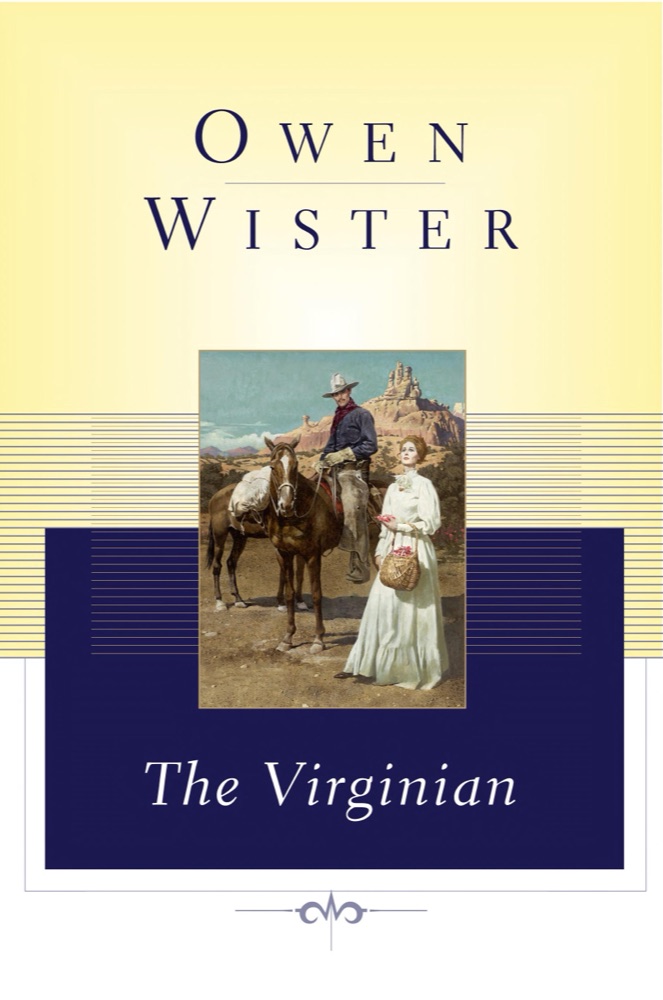
In the untamed West, pioneers came to test their fortunes - and their wills. The Wyoming territory was a harsh, unforgiving land, with its own unwritten code of honor by which men lived and died. Into this rough landscape rides the Virginian, a solitary man whose unbending will is his only guide through life. The Virginian's unwavering beliefs in right and wrong are soon tested as he tries to prove his love for a woman who cannot accept his sense of justice; at the same time, a betrayal by his most trusted friend forces him to fight against the corruption that rules the land.
Still as exciting and meaningful as it was when first published one hundred years ago, Owen Wister's epic tale of a man caught between his love for a woman and his quest for justice exemplifies one of the most significant and enduring themes in all of American literature. With remarkable character depth and vivi
Book details
- First published
- 1902
- Author
- Owen Wister
- Genre
- Classics
- Goodreads rating
- 3.92 (10k ratings)
Keep reading
Go Set a Watchman
 Uncle Tom's Cabin
 The Gadfly
 Sackett's Land
 The Broken Eye
 True Grit
 The History of Tom Jones, a Foundling
 The Moonstone
 A Perilous Undertaking
 The Deerslayer
 The Princess and Curdie
 A Civil Campaign
 Man and Superman
 Phineas Finn
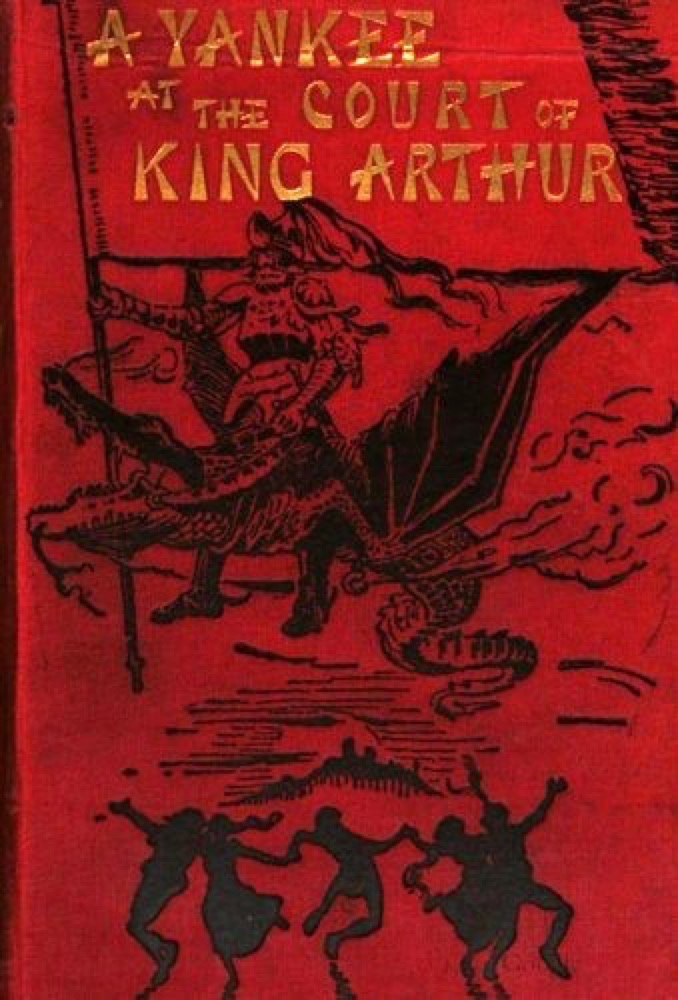 A Connecticut Yankee in King Arthur's Court
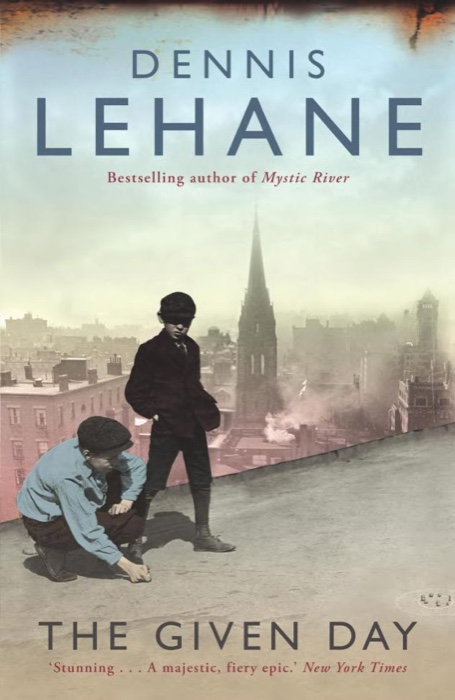 The Given Day
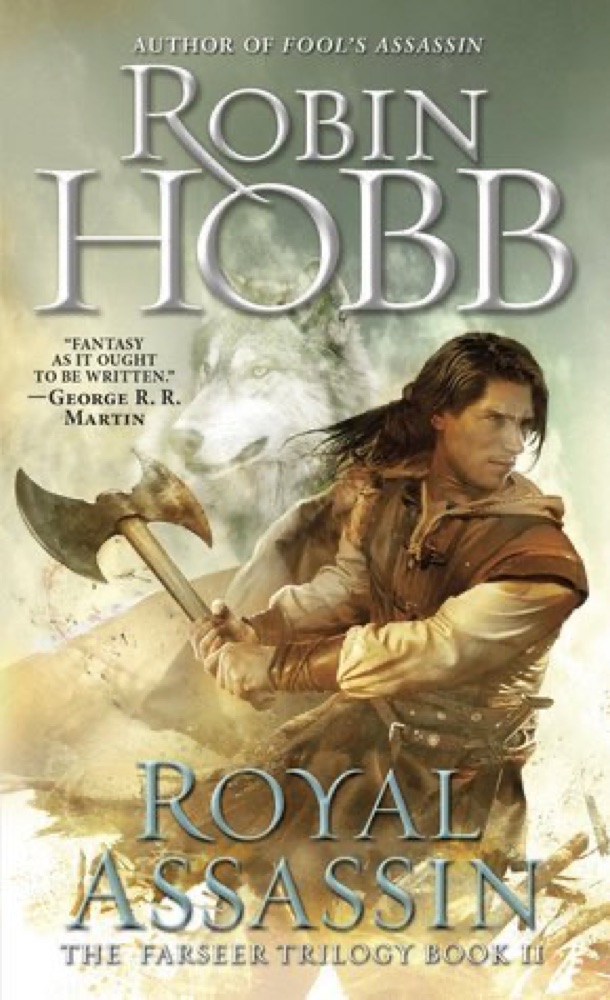 Royal Assassin
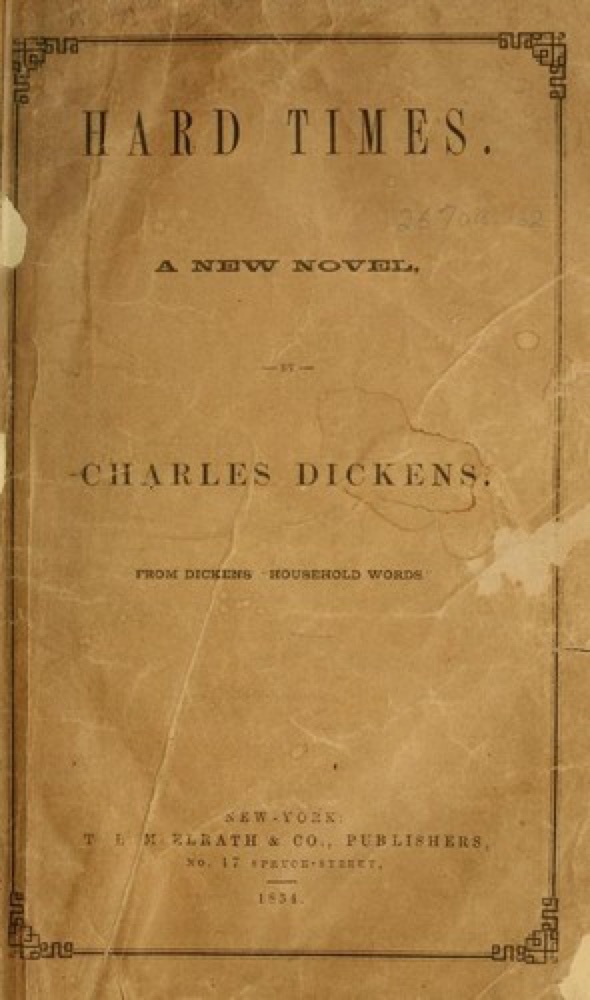 Hard Times
 That Hideous Strength
 The Grace of Kings
 Shōgun
 Lonesome Dove
 New York
 The Lost World
 Silas Marner
 Best Served Cold
 March
March
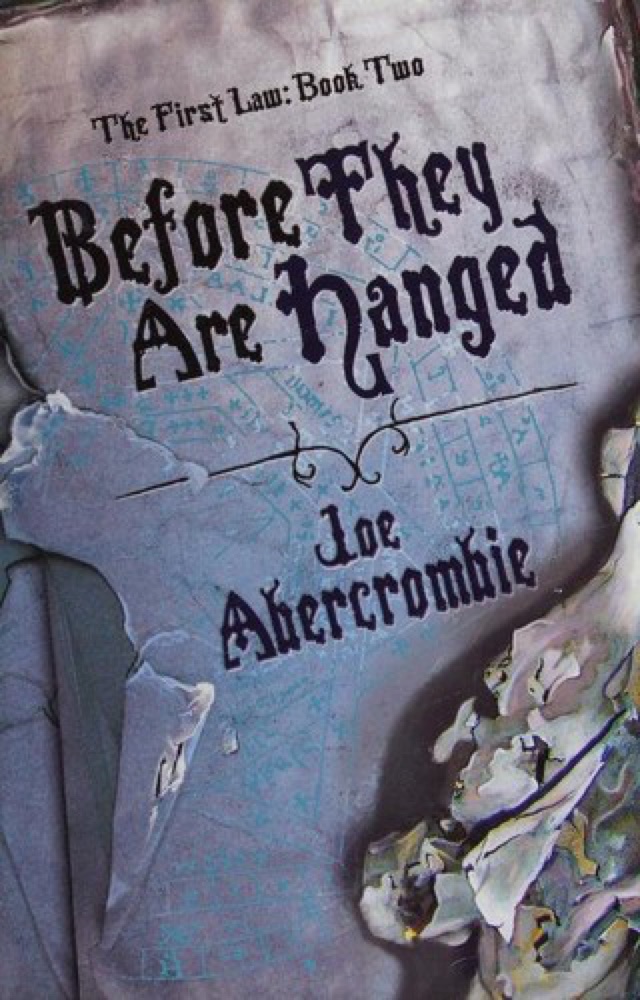 Before They Are Hanged
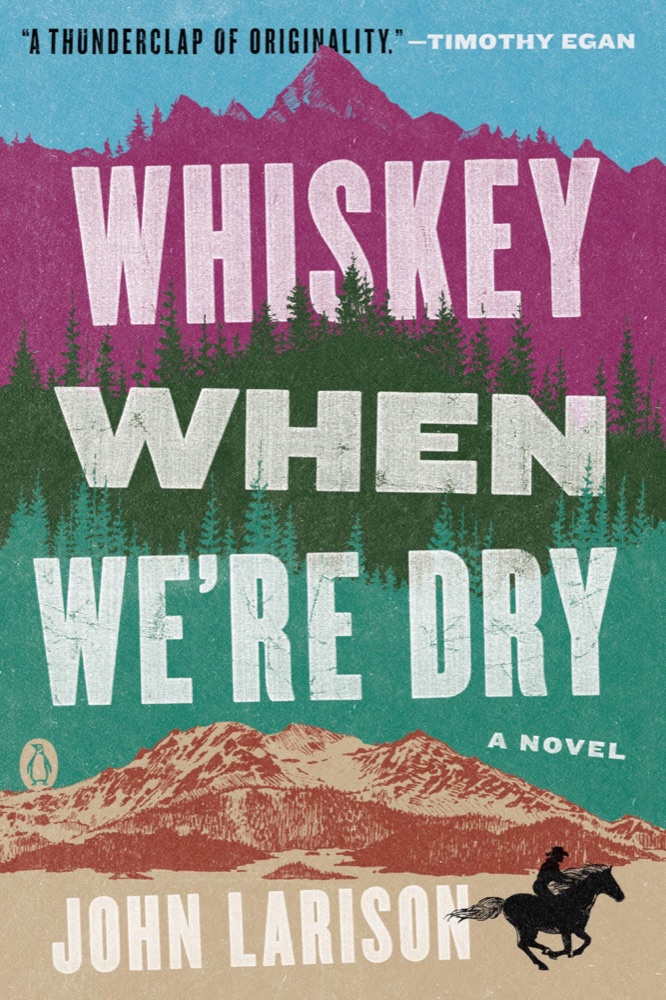 Whiskey When We're Dry
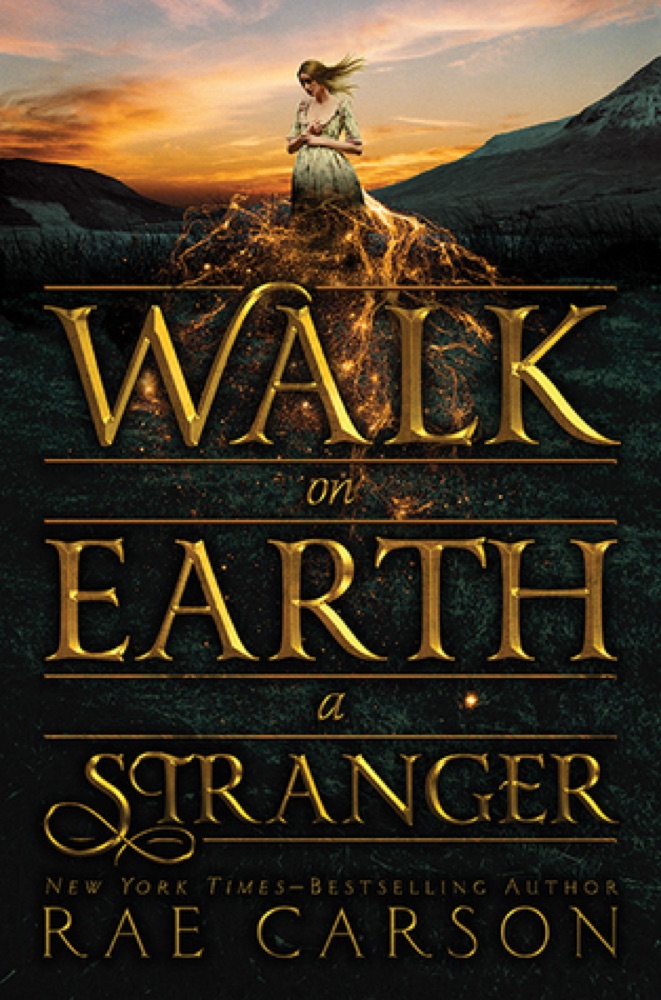 Walk on Earth a Stranger
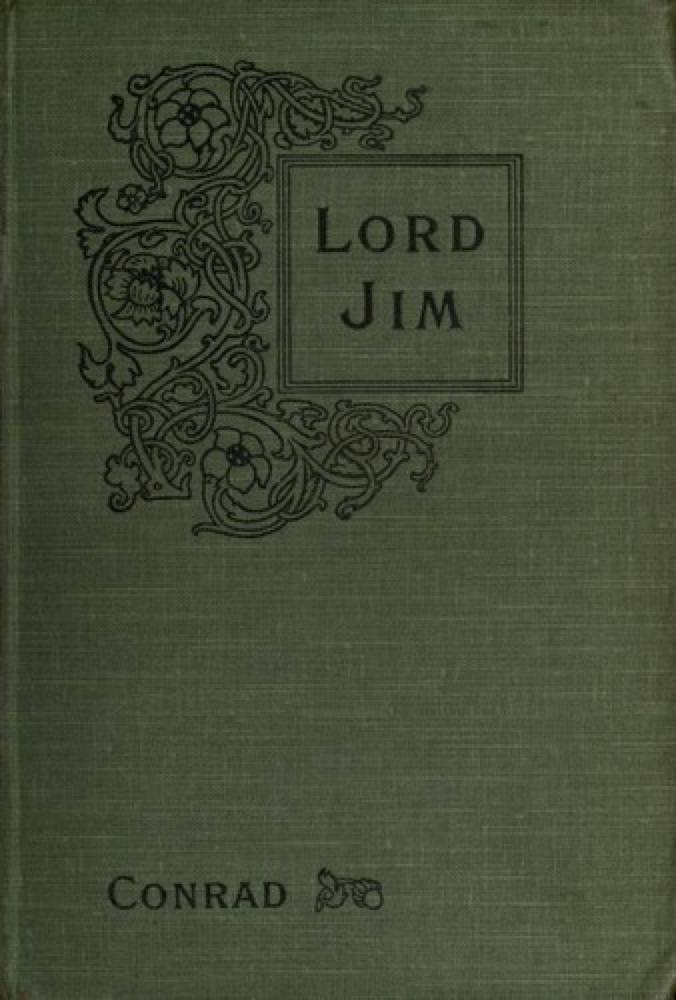 Lord Jim
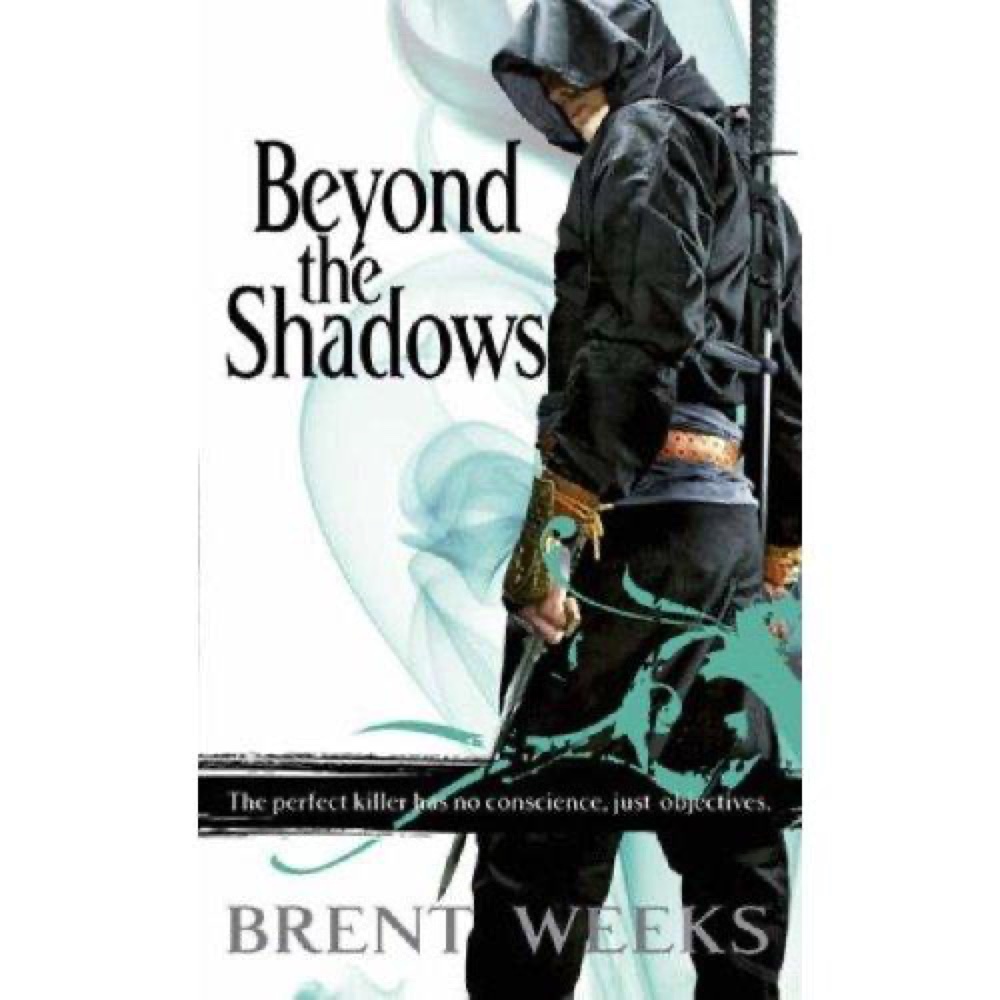 Beyond the Shadows
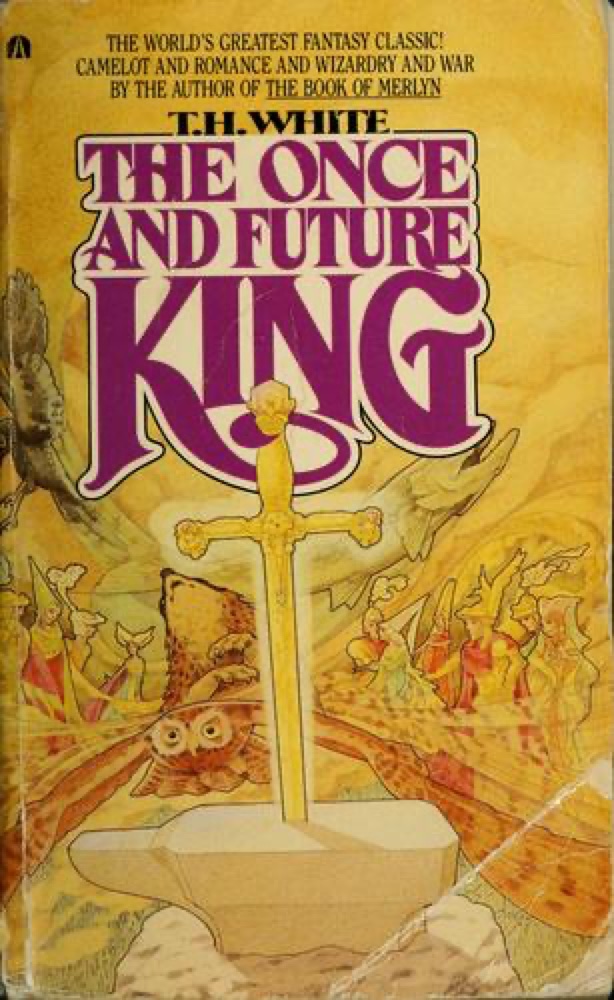 The Once and Future King
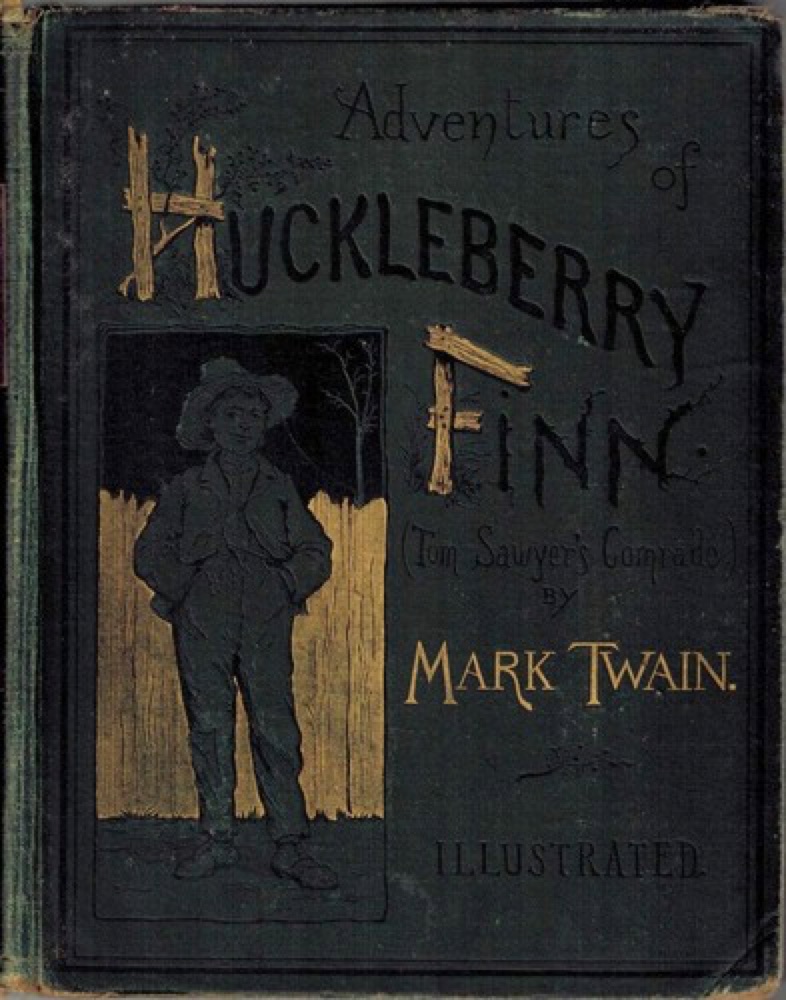 Adventures of Huckleberry Finn
 Our Mutual Friend
 From Here to Eternity
 The Blinding Knife
 The Last of the Mohicans
 The Good Lord Bird
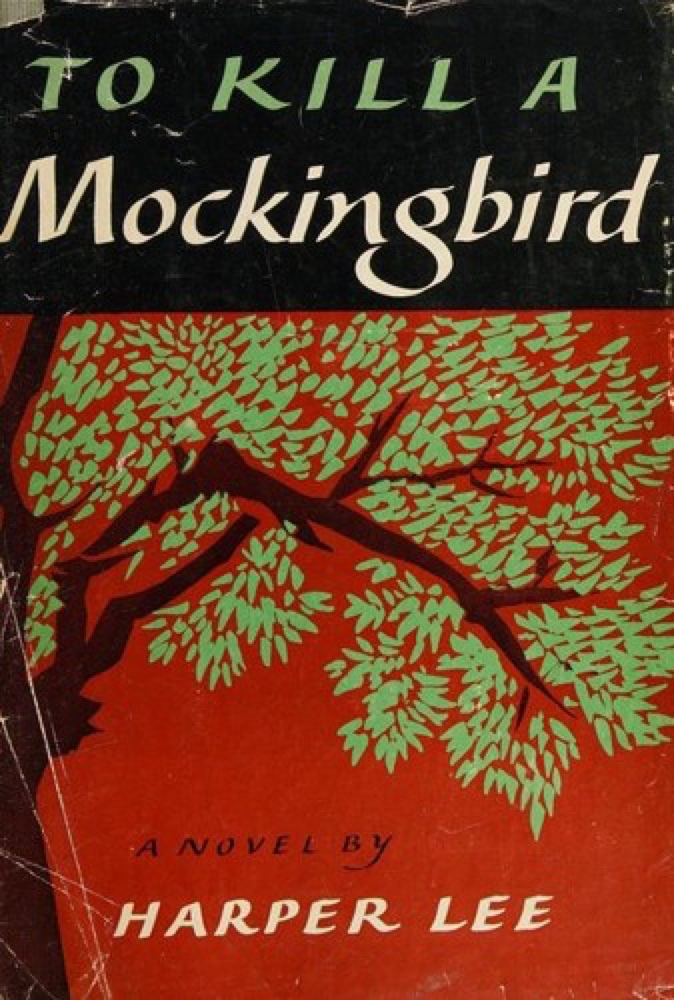 To Kill a Mockingbird
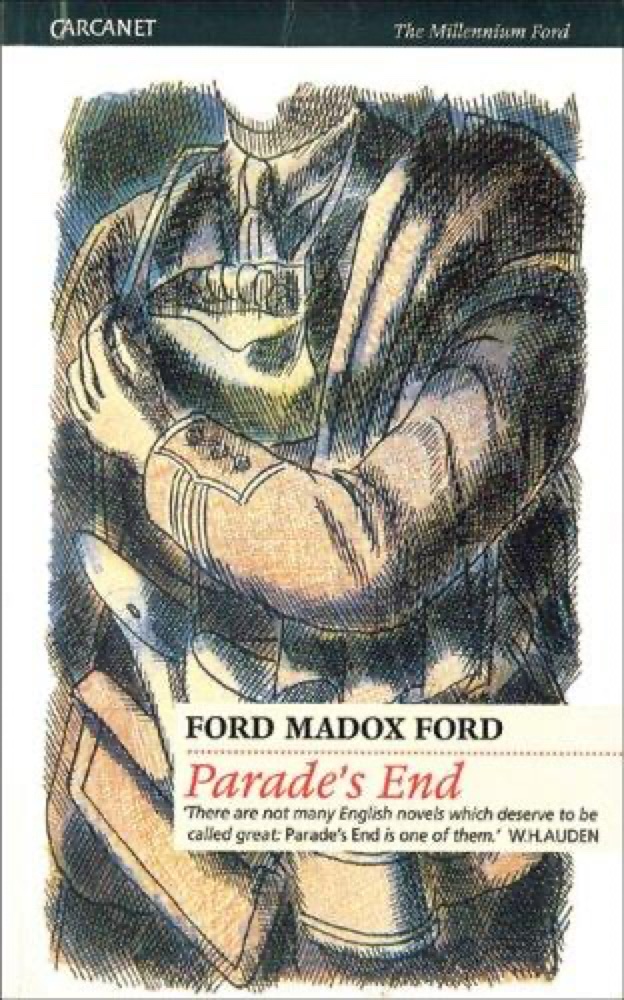 Parade's End
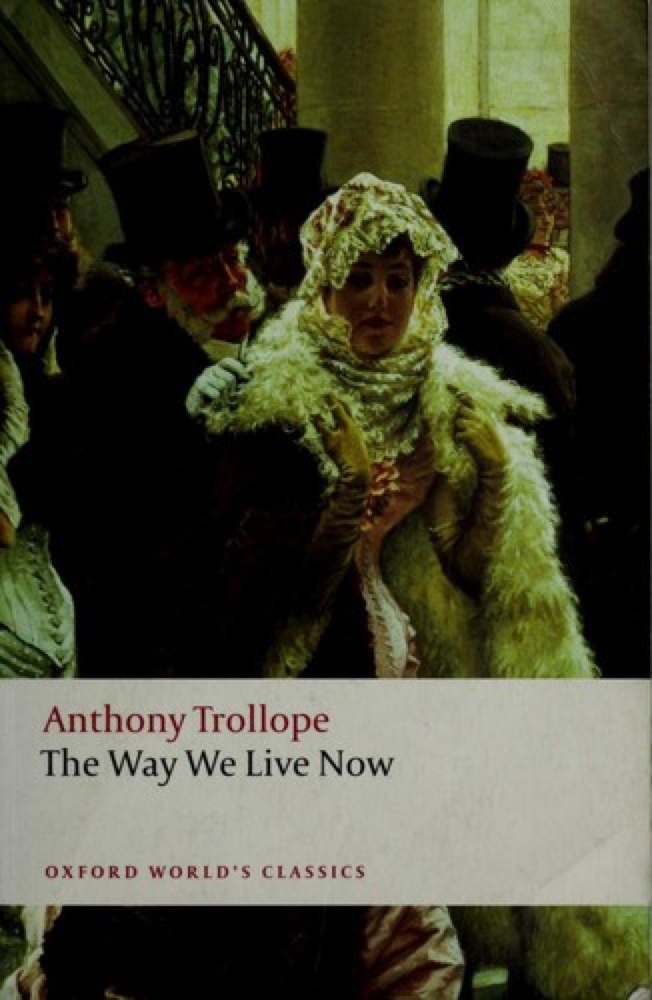 The Way We Live Now
 All's Well That Ends Well
 Hawaii
 Wives and Daughters
 Warlock
 Abraham Lincoln: Vampire Hunter
 The Screwtape Letters
 Foundation and Empire
 Golden Fool
 Bring Up the Bodies
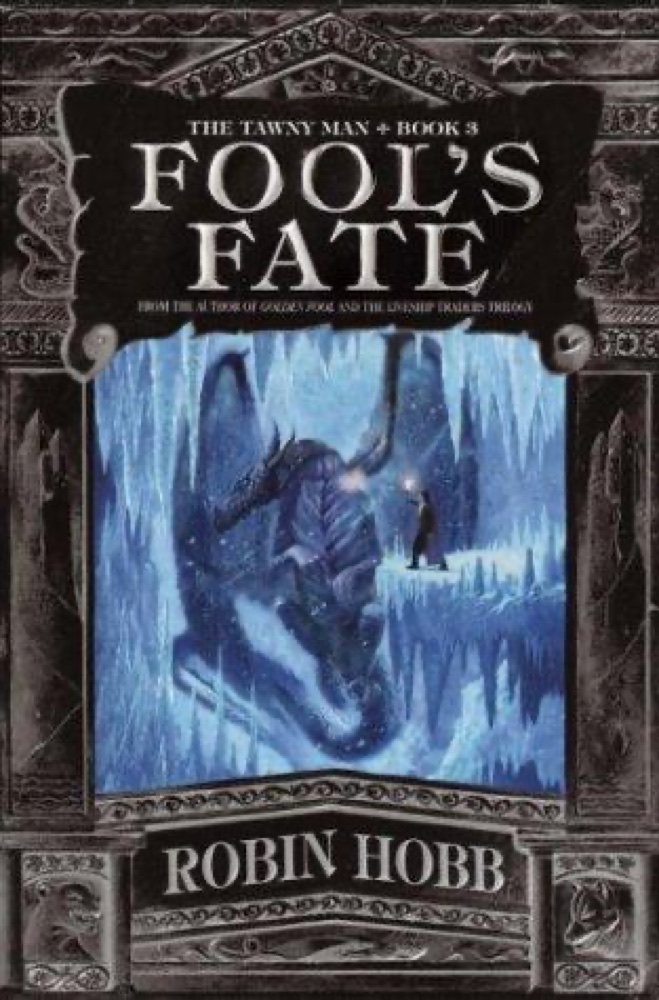 Fool's Fate
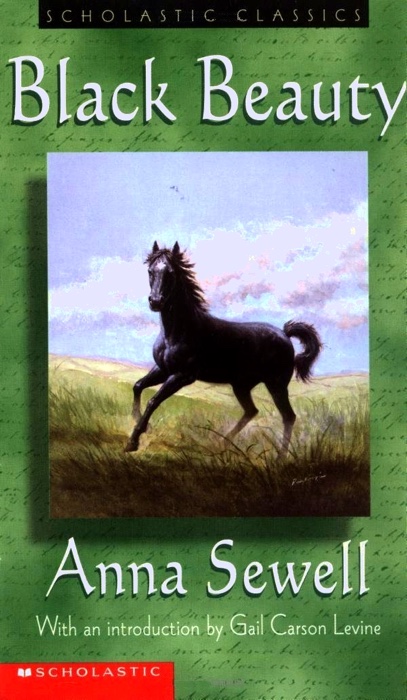 Black Beauty
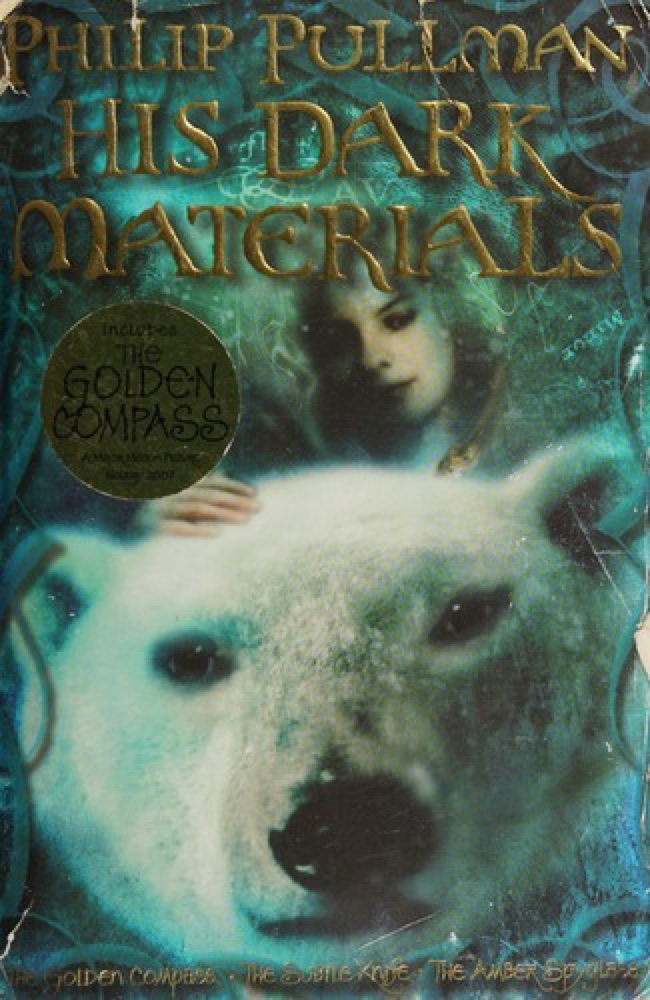 His Dark Materials
 The Unvanquished
 Barnaby Rudge
 James
James
 Red Country
 The Man Who Was Thursday