
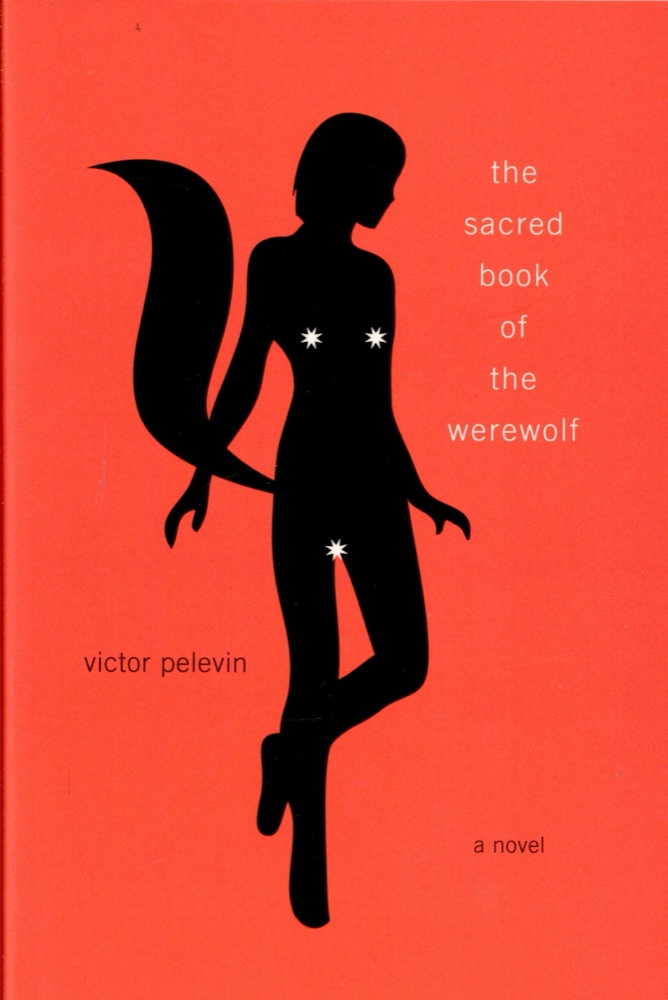
 The Sacred Book of the Werewolf
Quotes from the Book
In order for him to believe sincerely in eternity, others had to share in this belief, because a belief that no one else shares is called schizophrenia.
58
How can non-existence get sick of itself? Everytime you wake up, you appear again out of nowhere. And so does everything else. Death just means the replacement of the usual morning waking with something else, something quite impossible even to think about. We don't even have the instrument to do it, because our mind & our world are the same thing.
33
Of course, you don't turn into a shit just because you buy a Mercedes-600. It's the other way round: the reason you can afford to buy a Mercedes-600 is that you turn into a shit.
17
Comrades in the struggle! The position of modern man is not merely lamentable; one might even say that there is no condition, because man hardly exists. Nothing exists to which one could point and say: 'There, that is Homo Zapiens.' HZ is simply the residual luminescence of a soul fallen asleep; it is a film about the shooting of another film, shown on a television in an empty house.
2
There’s nothing that identifies someone as belonging to the lower classes of society so clearly as knowing all about expensive watches and cars, Babe.
Things are different now. Nowadays the client wants to show the big guys who keep a careful eye on what’s happening on screen and in real life that he can simply flush a million dollars down the tubes; and for that, the worse his advert is, the better. The viewer is left with the feeling that the client and the producers are absolute idiots, but then the signal indicating how much money it costs reaches the viewer’s brain. The final conclusion about the client is as follows – he may be a total cretin, but his business is doing so well he can afford to put out any old crap over and over again. And that’s the best kind of advertising there can possibly be. A man like that will get credit anywhere, no sweat.
First you try to understand what people will like, and then you hand it to them in the form of a lie. But what people want is for you to hand them the same thing in the form of the truth.
It happens so often: you step outside on a summer’s morning and come face to face with this immense, beautiful world hastening on its way to some unknown destination and filled with mysterious promise, and the blue sky is awash with happiness, and suddenly your heart is pierced by a feeling, compressed into a single split second, that there life is in front of you and you can follow it on down the road without a backwards glance, gamble on yourself and win, go coursing across life’s seas on a white speedboat and hurtling along her roads in a white Mercedes; and your fists tighten and clench of their own accord, and the muscles on your temples stand out in knots, and you promise yourself that you will rip mountains of money out of this hostile void with your bare teeth and you’ll brush aside anybody you have to, and nobody will ever dare to use that American word ‘loser’ about you. That is how the oral wow-factor manifests itself in our hearts. But as Tatarsky wandered towards the underground with a folder under his arm, he was indifferent to its insistent demands. He felt exactly like a ‘loser’ — that is, not only a complete idiot, but a war criminal as well, not to mention a failed link in the biological evolution of humanity.
Let us draw our first conclusion. Corresponding to the object of the second type, that is, to a television that is switched on, we have a subject of the second type — that is, a virtual viewer, who manages his or her attention in exactly the same way as a programme production crew does. Feelings and thoughts, as well as the secretion of adrenalin and other hormones in the viewer’s organism, are dictated by an external operator and determined by the calculations of another individual. And of course, the subject of the first type does not notice the moment when he is displaced by the subject of the second type, since following this displacement there is no longer anyone to notice it, as the subject of the second type is unreal.
From one point of view, of course, it’s obvious: intuition. No need to inquire about what to do and how to do it - when you reach a certain degree of despair, you just start to intuit things for yourself. Yousense the dominant tendency, so to speak, with your empty stomach.But where does the tendency come from? Who thinks it up, if — as I’m con — vinced — everyone in the world is simply trying to catch it and sell it, like Ed and me, or to guess what it is and print it, like the editors of those glossy magazines?
To be honest, even thinking about the topic was a bit frightening, but after reading Sasha Blo’s article, Tatarsky suddenly realised that it wasn’t being implanted by some demonic spy or some fallen spirit who had assumed human form, but by Ed and himself.
Tatarsky felt a sensation of instantaneous, piercing recognition. The shoes had pointed toes and high heels and were made of good leather. They were a light yellowish-brown, stitched with a light-blue thread and decorated with large gold buckles in the form of harps. It wasn’t that they were simply in bad taste, or vulgar; they were the clear embodiment of what a certain drunken teacher of Soviet literature from the Literary Institute used to call ‘our gestalt’, and the sight was so pitiful, laughable and touching (especially the harp buckles) that tears sprang to Tatarsky’s eyes. The shoes were covered by a thick layer of dust: the new era obviously had no use for them.
Meanwhile the television was still showing the same old repulsive physiognomies that had been sickening the viewers for the last twenty years. Now they were saying exactly the same things they used to jail other people for, except that they were far bolder, far more decisive and radical. Tatarsky often found himself imagining Germany in 1946, with Doktor Goebbels shrieking hysterically on the radio about the abyss into which fascism had led the nation,
Watch on YouTube
About Victor Pelevin
We have collected 42 quotes from 4 books by Victor Pelevin on BookQuoters.
More about the author →More by Victor Pelevin
About the book
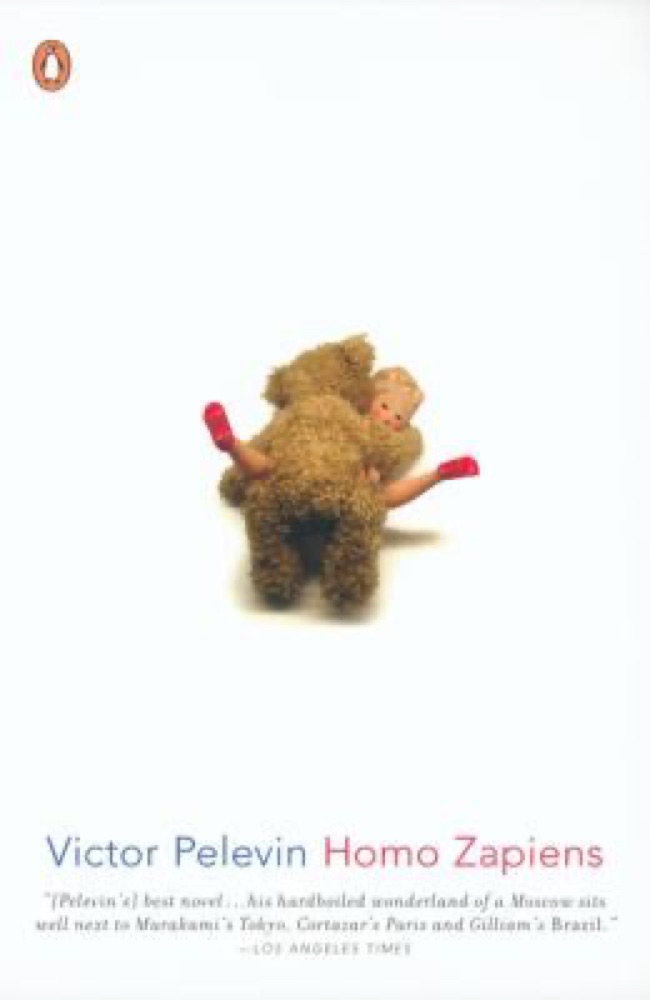
The collapse of the Soviet Union has opened up a huge consumer market, but how do you sell things to a generation that grew up with just one type of cola? When Tatarsky, a frustrated poet, takes a job as an advertising copywriter, he finds he has a talent for putting distinctively Russian twists on Western-style ads. But his success leads him into a surreal world of spin doctors, gangsters, drug trips, and the spirit of Che Guevera, who, by way of a Ouija board, communicates theories of consumer theology. A bestseller in Russia, Homo Zapiens displays the biting absurdist satire that has gained Victor Pelevin superstar status among today's Russian youth, disapproval from the conservative Moscow literary world, and critical acclaim worldwide.
Book details
- First published
- 1999
- Author
- Victor Pelevin
- Genre
- Fiction
- Goodreads rating
- 3.87 (7k ratings)
Keep reading
 Creation Lake
 The Empusium
 Drive Your Plow Over the Bones of the Dead
 The Man Without Qualities
 Oblivion
 Villa Incognito
 Our Country Friends
 The Tsar of Love and Techno
 Ravelstein
 The Gone-Away World
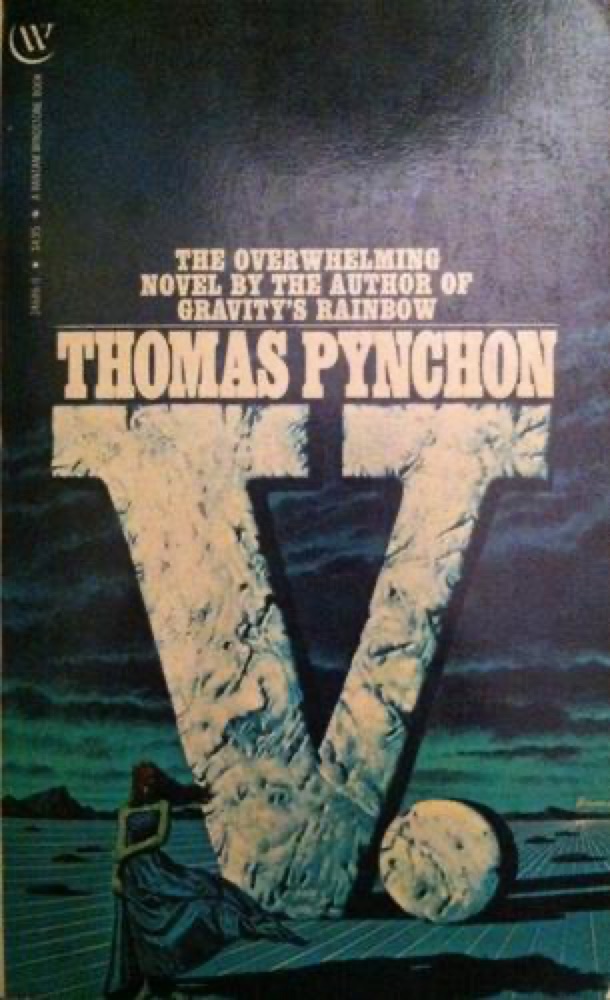 V.
V.
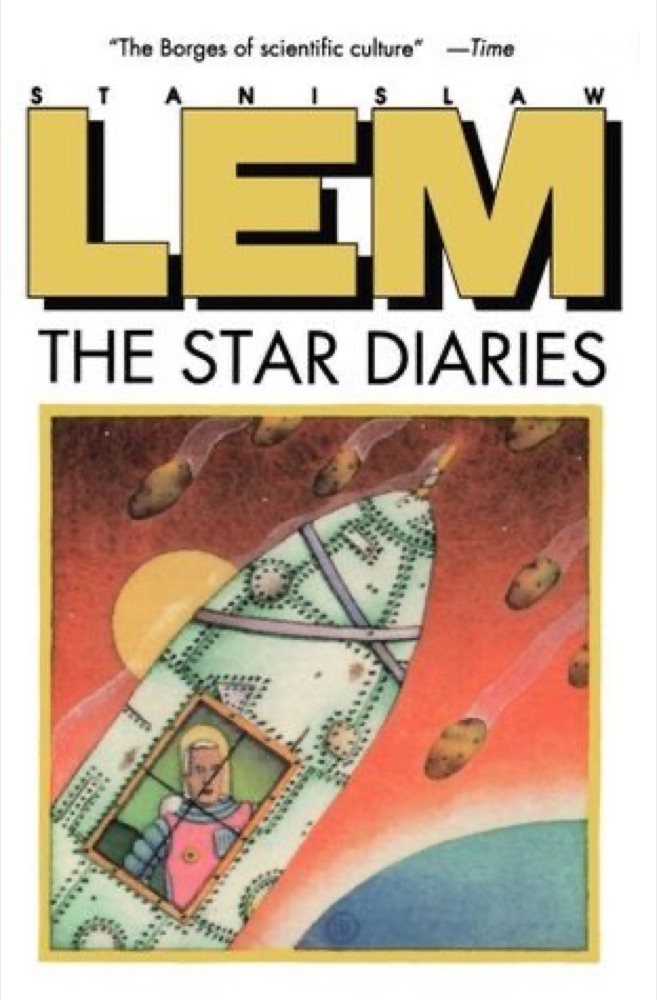 The Star Diaries
 Girl with Curious Hair
 The Western Lands
 Mao II
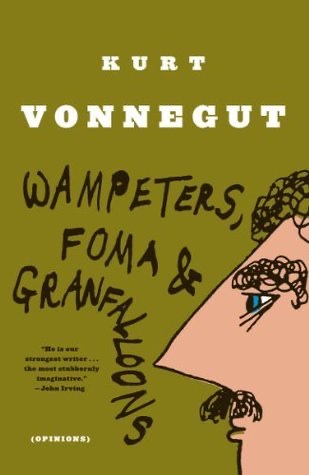 Wampeters, Foma and Granfalloons
 The State of the Art
 The Mark and the Void
 Eyeless in Gaza
 Infinite Jest
 Ayoade on Top
 Fall; or, Dodge in Hell
 Cocaine
 Make Something Up: Stories You Can't Unread
 The Fall of Babel
 The Devil's Star
 Underground: The Tokyo Gas Attack and the Japanese Psyche
 The Fall
 If This Book Exists, You're in the Wrong Universe
 Gnomon
 The Elementary Particles
 Hitch-22: A Memoir
 The Gambler
 The Mask of Dimitrios
 Half Asleep in Frog Pajamas
 That Hideous Strength
 The Golden House
 Red Russia
 Skinny Legs and All
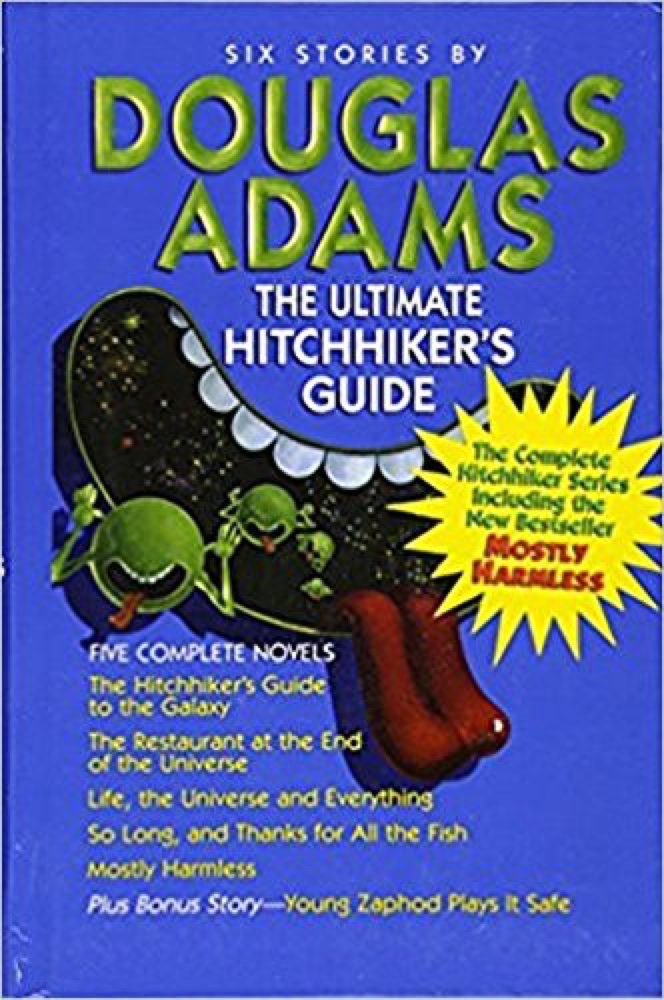 The Ultimate Hitchhiker's Guide
 Gravity's Rainbow
 Blackfish City
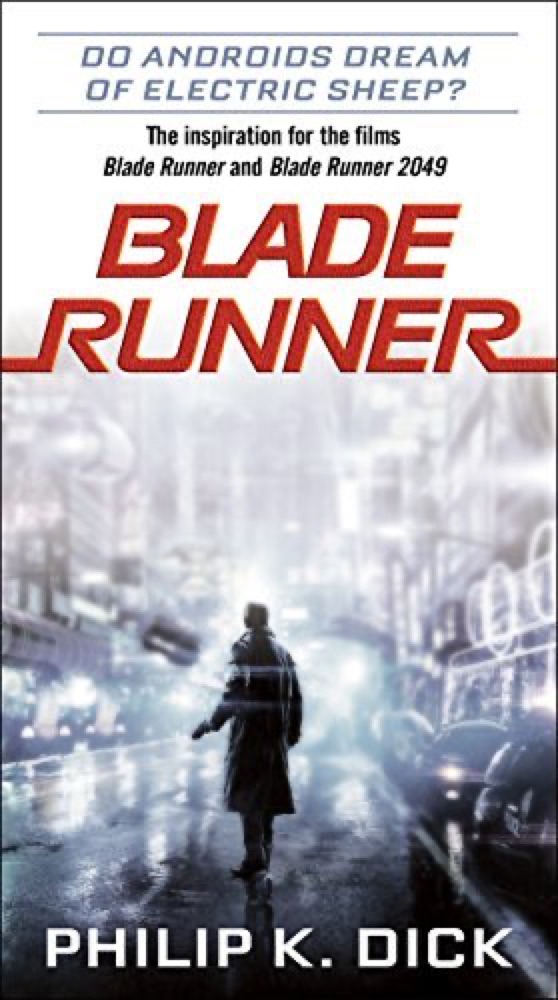 Do Androids Dream of Electric Sheep?
 American Pastoral
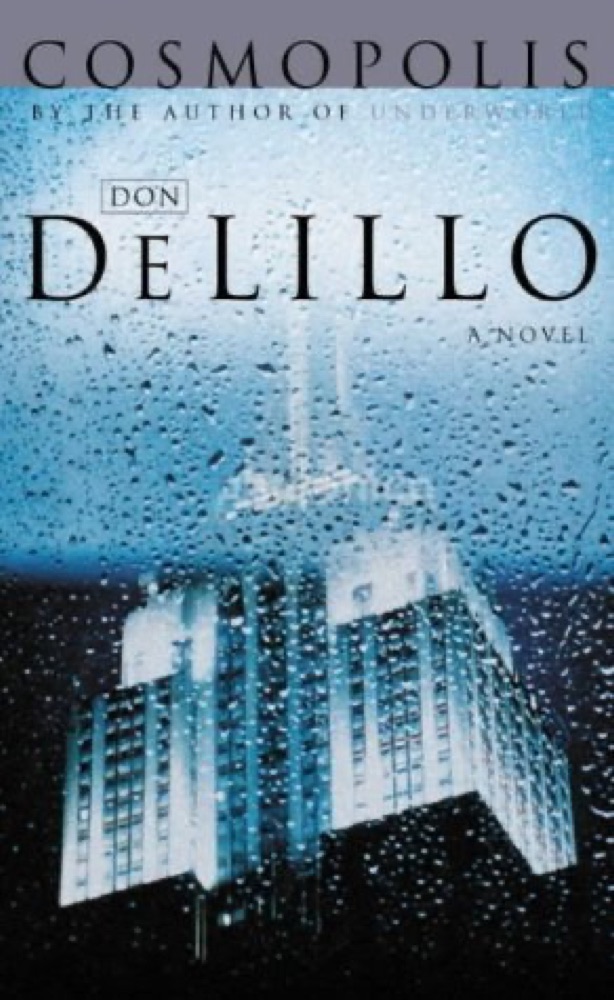 Cosmopolis
 The Naked and the Dead
 Just a Couple of Days
 Moravagine
 Eating the Dinosaur
 The Shockwave Rider
 Ragtime
 Stella Maris
 Selected Stories of Anton Chekhov
 Lila: An Inquiry Into Morals
 Life for Sale
 Past Imperfect
 The Futurological Congress: From the Memoirs of Ijon Tichy
 Man and His Symbols
 The Man in the High Castle
 The Human Stain