 Independent People
Quotes from the Book
Have you ever seen a child sitting on its mother’s knee listening to fairy stories? As long as the child is told of cruel giants and of the terrible suffering of beautiful princesses, it holds its head up and its eyes open; but if the mother begins to speak of happiness and sunshine, the little one closes its eyes and falls asleep with its head against her breast. . . . I am a child like that, too. Others may like stories of flowers and sunshine; but I choose the dark nights and sad destinies.
50
... I see the green earth covered with the works of man or with the ruins of men’s work. The pyramids weigh down the earth, the tower of Babel has pierced the sky, the lovely temples and the gray castles have fallen into ruins. But of all those things which hands have built, what hasn’t fallen nor ever will fall? Dear friends, throw away the trowel and mortarboard! Throw your masons’ aprons over your heads and lie down to build dreams! What are temples of stone and clay to the soul? Learn to build eternal mansions of dreams and visions!
9
We are the poem's ancient band of twelve that proceeds through the ages. There were twelve of us, when we ruled the world on the cloud-covered top of Olympus, and twelve when we lived as birds in Ygdrasil's green crown. Wherever poetry went forth, there we followed. Did we not sit, twelve men strong, at King Arthur's round table, and did twelve paladins not go in Charles the Twelfth's great army? On of us has been Thor, another Jupiter, as any man should be able to see in us yet today. The divine splendor can be sensed under the rags, the lion's mane under the donkey hide. Time has treated us badly, but when we are there, the smithy becomes Mount Olympus and the cavalier's wing a Valhalla.
5
Old butterflies should have the sense to die while the summer sun is shining,
4
She does not see that he is old. She only sees his eyes, his eyes.
2
Or if this did not help, one stormy night I would let the fire approach the buckling wooden walls and let it ravage everything, so that people might no longer be enticed to dwell in this home of misfortune. Then no one would be able to enter this doomed place, only the church steeple's black jackdaws would found a colony in the large chimney, rising, blackened and eerie, over the desolate ground. Yet I would surely be anxious when I saw the flames intertwined over the roof, when thick smoke, reddened by the firelight and interspersed with sparks, poured forth out of the old count's estate. In the crackling and sighing I would think I heard the lament of homeless people; at the blue tips of the flames I would think I saw disturbed phantasms hovering. I would think about how sorrow beautifies, how misfortune adorns, and weep, as if a temple to old gods had been doomed to disintegration.
2
¿Crees que para estar muerto se necesita hallarse encerrado en una caja de madera, rígido y frío? Hace mucho que has muerto y ahora contemplo tu cadáver Veo sobre tus hombros una repugnante calavera y se me figura estar viendo los gusanos entrar y salir por tus cuencas vacías. ¿No ves que tienes la boca llena de tierra? ¿No oyes cómo te crujen los huesos cuando te mueves?
1
Esperaba encontrar un Saulo, mas he aquí que ese Saulo habíase transformado en un San Pablo, cuyo ejemplo edificaba a los presentes.
1
Where are the gods of the east, the strong heroes who carried lightning as a weapon, those who on the shores of sacred rivers took offerings of honey and milk? They are dead. Dead is Bel, the strong warrior, and Thot, the hawk-headed champion. Dead are the magnificents who rested on the cloud beds of Olympus, as are the adventurers who lived in walled Valhalla. All the gods of the ancients are dead except Eros, the all-governing.
1
I thought about this boat with its cargo of saints, gliding across the surface of Loven one quiet summer evening. The fellow who was rowing made slow strokes of the oar and cast shy glances at the unusual passengers who were lying at the prow and stern, but Count Dohna, who was also there, was not afraid. He took them one by one with upraised hands and threw them into the water. His forehead was clear, and he breathed deeply. He felt like a champion of the pure evangelical doctrine. And no miracle occurred for the glory of the old saints. Silent and dispirited, they sank down into annihilation.
1
The Broby minister sat in his desolate home and wept in desperation. She had made him young. Would he now get old? Would the evil spirit come back, and would he become despicable, as despicable as he had been?
1
The young woman remained lying on her sofa a long while after the countess had left her. She fought her battle. Earth rose up against heaven, love against love, but her childhood's beloved won the victory. Where she lay, right here on the sofa, she saw the western sky glowing with a magnificent sunset. She thought that this was a greeting from the good king, and as she would not have been able to remain faithful to him if she had lived, she decided to die. She could do nothing else, when her mother wanted her to belong to one who could not be the good king's servant.
1
But now the sickness and fever were gone. She was again cold and sensible. To her it was as though she alone was wise in this world of madmen. She neither hated nor loved. She understood her father; she understood them all. Anyone who understands does not hate.
1
And while Marianne was looking at herself with all those staring eyes of ice, all original feelings insider her died. She was lying there, pretending to be sick; she was lying there, pretending to be unhappy, pretending to be in love, pretending to be vengeful. She was all of that, and yet it was only pretend. Everything turned to pretense and unreality under the eyes of ice that were watching her, while they in turn were watched by a pair behind them, who were watched by another pair in an infinite perspective.
1
There was one of the people of that time too, who had opened her soul to the spirit with the eyes of ice. He sat by one of them, keeping watch at the source of action, smiling scornfully at evil and good, fathoming everything, judging nothing, investigating, searching, picking apart, paralysing the movements of the heart and the force of thought by smiling scornfully without return. The lovely Marianne carried the spirit of self-observation within her. She felt his eyes of ice and scornful smile follow every step, every word. Her life had turned into a play, where he was the only spectator. She was no longer a person: she did not suffer, she did not rejoice, she did not love, she performed the role of the lovely Marianne Sinclaire, and self-observation sat with staring eyes of ice and diligent, disassembling fingers and watched her perform. She was divided into two halves. Pale, unsympathetic, and scornful, one half of herself sat and watched how the other half acted, and never did the peculiar spirit that picked apart her being have a word of feeling or sympathy.
1
It is only under the plane trees of Granada that la cachucha is danced by eternally young gypsies. Eternally young, like the roses are, because every spring there are new ones.
1
La cachucha, is that for us, maestro? Will it be danced across the tottering floorboards of the cavaliers' wing, between cramped walls, blackened with smoke and greasy with grime, under its low ceiling? Curse you, the way you play! La cachucha, is that for us, for us cavaliers? Outside the snowstorm howls. Do you mean to teach the snowflakes to dance in rhythm, are you playing for the light-footed children of the blizzard? Female bodies, which tremble under the pulse beat of hot blood, small sooty hands, which have thrown aside the cooking pot to grasp the castanets, naked feet under tucked-up skirts, yard coated with flakes of marble, crouching gypsies with bagpipe and tambourine, Moorish arcades, moonlight and black eyes, do you have those, maestro? If not, let the fiddle rest! Cavaliers are drying their wet clothes by the fire. Should they swirl around in their tall boots with iron-shod heels and thumb-thick soles? They have waded through the ell-deep snow the whole day to reach the bear's winter lair. Do you think they should dance in their wet, steaming homespun clothes, with the shaggy bruin as a partner? Evening sky, glittering with stars, red roses in dark female hair, tormenting sweetness in the evening air, untaught grave in the movements, love rising out of the earth, raining from the sky, hovering in the air, do you have this, maestro? If not, why force us to long for such things? Cruelest of men, are you sounding the attack for a tethered warhorse? Rutger von Orneclou is lying in his bed, imprisoned by gout pains. Spare him the torment of sweet memories, maestro! He too has worn a sombrero and a gaudy hairnet, he too has owned a velvet jacket and a sash with a dagger tucked in it. Spare old Orneclou, maestro!
1
Watch on YouTube
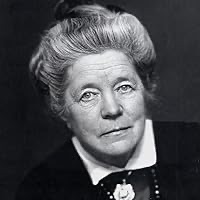
About Selma Lagerlöf
We have collected 17 quotes from 1 book by Selma Lagerlöf on BookQuoters.
More about the author →About the book
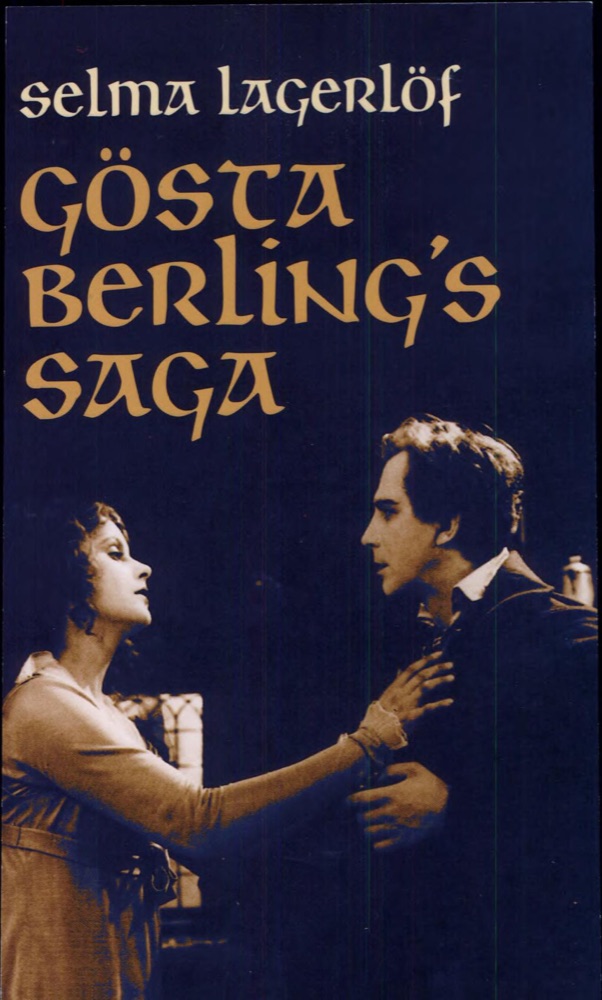
The first woman to receive the Nobel Prize for literature, Lagerlöf assured her place in Swedish letters with this 1891 novel. The eponymous hero, a country pastor whose appetite for alcohol and indiscretions ends his career, falls in with a dozen vagrant Swedish cavaliers and enters into a power struggle with the richest woman in the province.
The book has a Faustian theme revolving around a possible deal with the Devil. It also deals with social issues such as poverty and depression, as well as mixing in elements of myths and humorous love stories.
Book details
- First published
- 1891
- Author
- Selma Lagerlöf
- Genre
- Classics
- Goodreads rating
- 3.63 (7k ratings)
Keep reading
Independent People
 Green Dolphin Street
 Titus Groan
 The Enchantress of Florence
 Phantastes
 House Made of Dawn
 Sword & Citadel
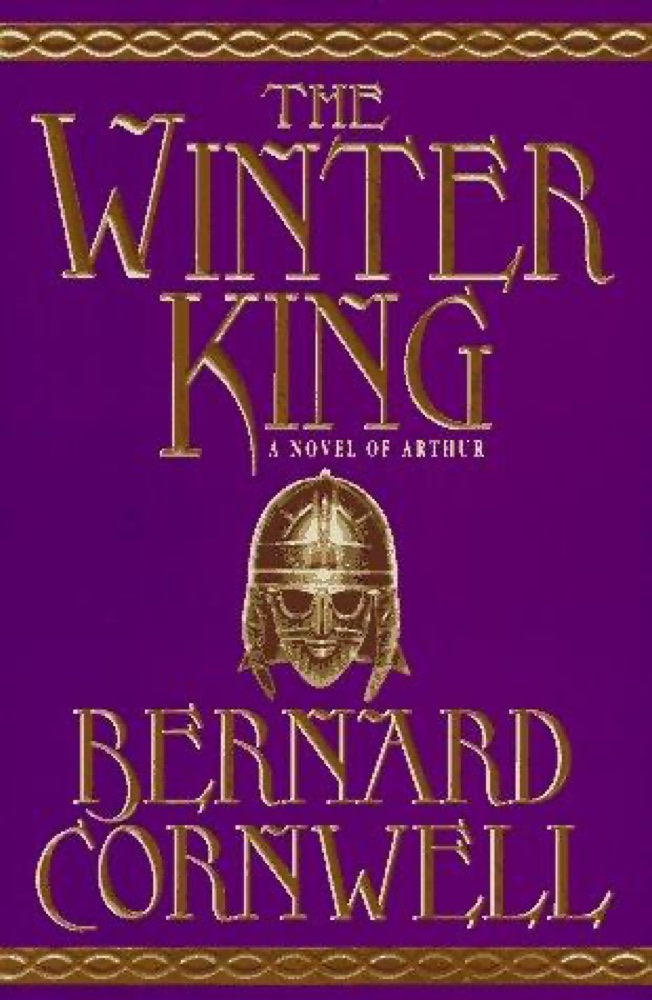 The Winter King
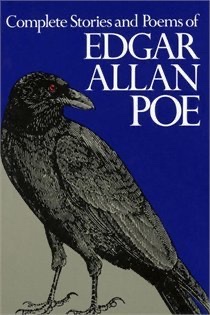 The Complete Stories and Poems
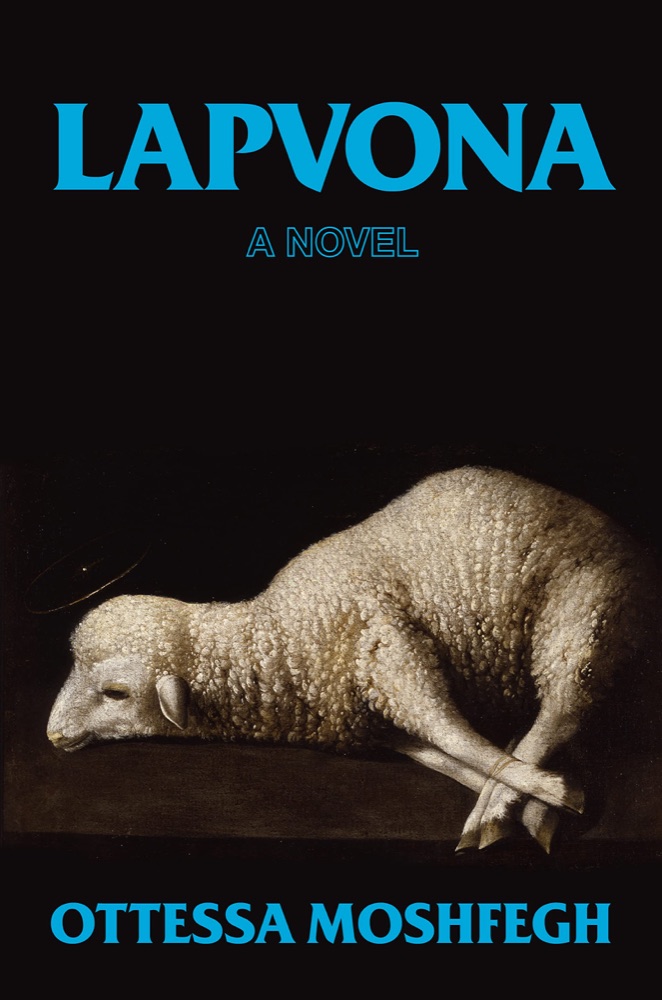 Lapvona
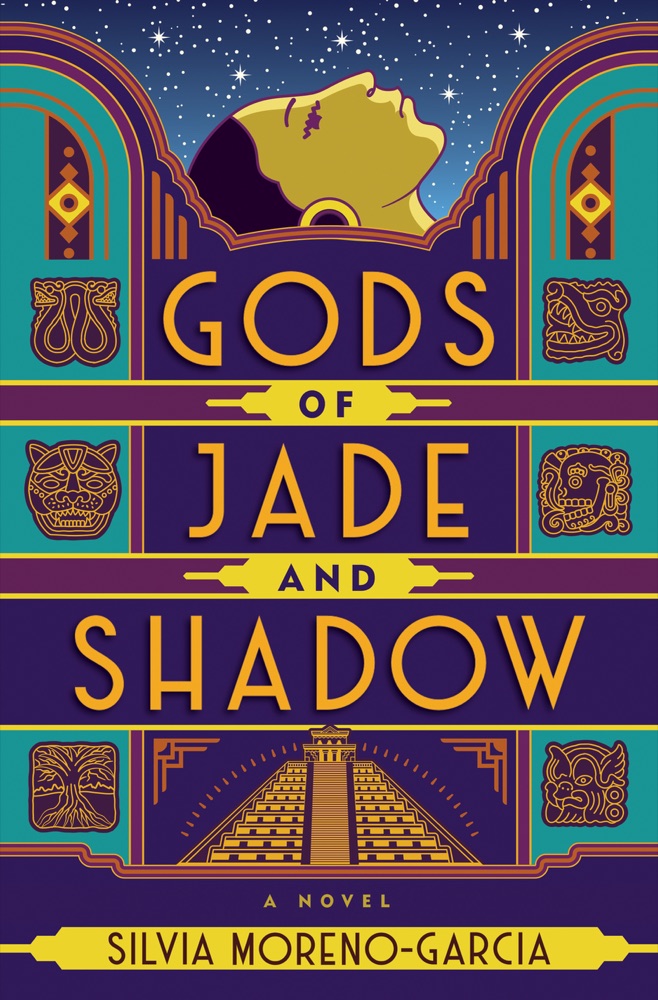 Gods of Jade and Shadow
 All Passion Spent
 In the Night Garden
 The Ladies of Grace Adieu and Other Stories
 Beasts and Beauty: Dangerous Tales
 Victoria
 The Collected Poems of W.B. Yeats
 A Day of Fallen Night
 Good Bones and Simple Murders
 Spring Snow
 The Blue Hour
 Omensetter's Luck
 Abarat
 The House of the Spirits
 The Gormenghast Novels
 Plainwater: Essays and Poetry
 Suttree
 Mythology
 The Complete Poems
 Vampires in the Lemon Grove
 Shirley
 Three Parts Dead
 The Dean's Watch
 Arch of Triumph
 Christmas Holiday
 The Moor's Last Sigh
 Look Homeward, Angel
 Glass, Irony and God
 Rain and Other South Sea Stories
 By Grand Central Station I Sat Down and Wept
 The Adventures of China Iron
 The Complete Poems and Plays, 1909-1950
 Ghana Must Go
 Morning in the Burned House: Poems
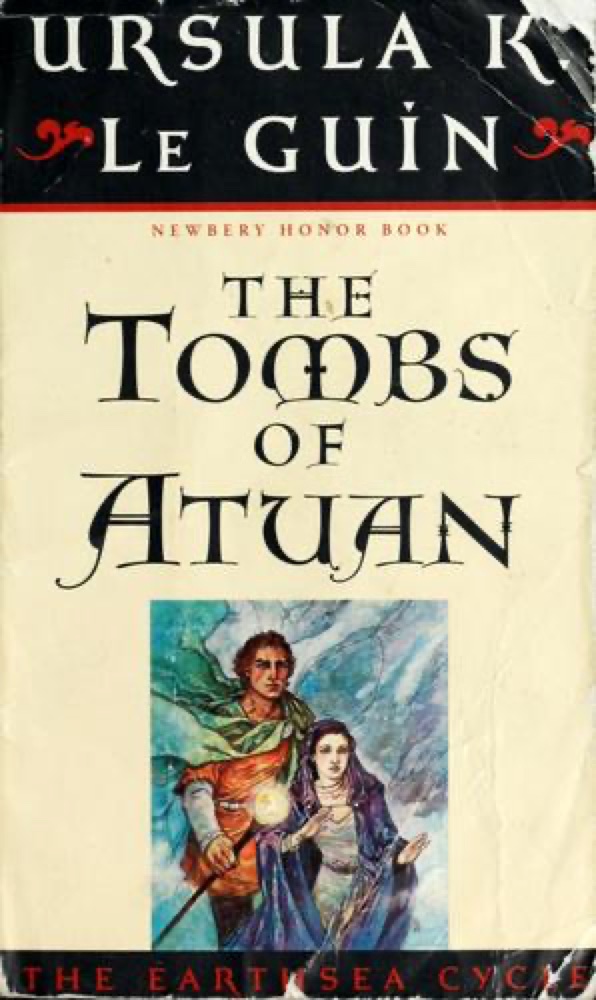 The Tombs of Atuan
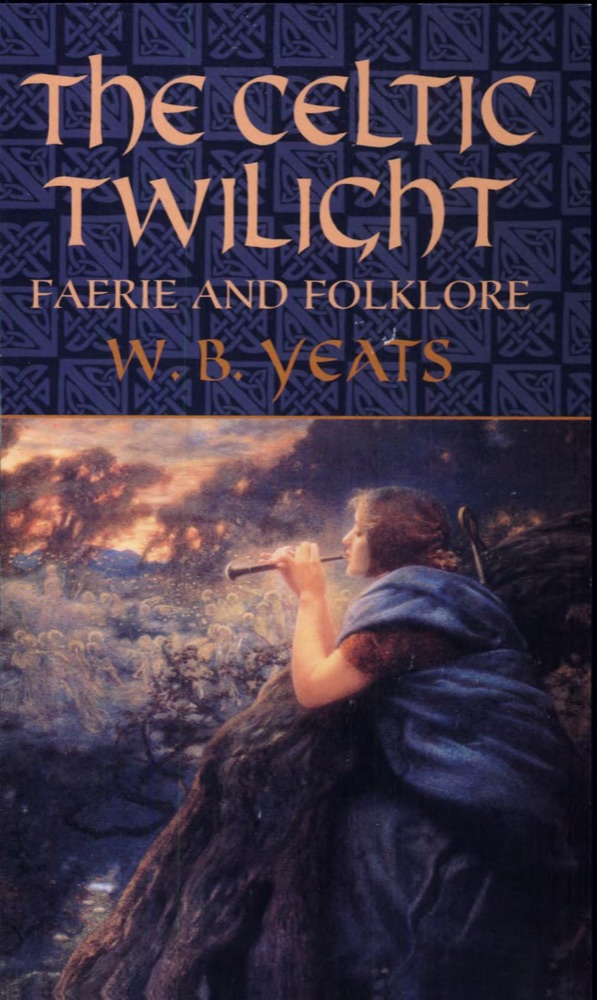 The Celtic Twilight: Faerie and Folklore
 Tristessa
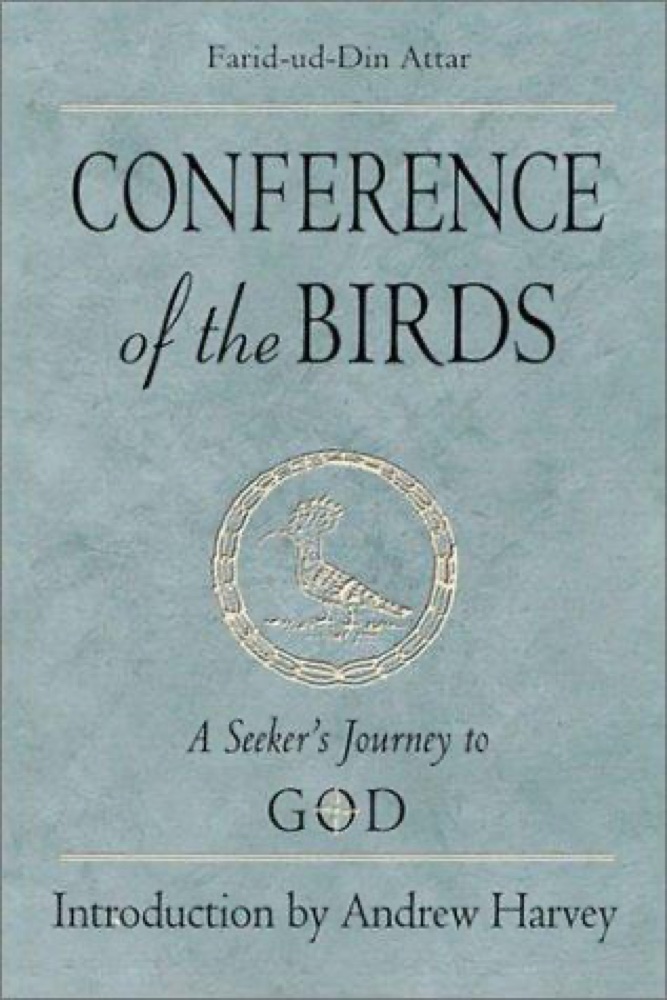 The Conference of the Birds
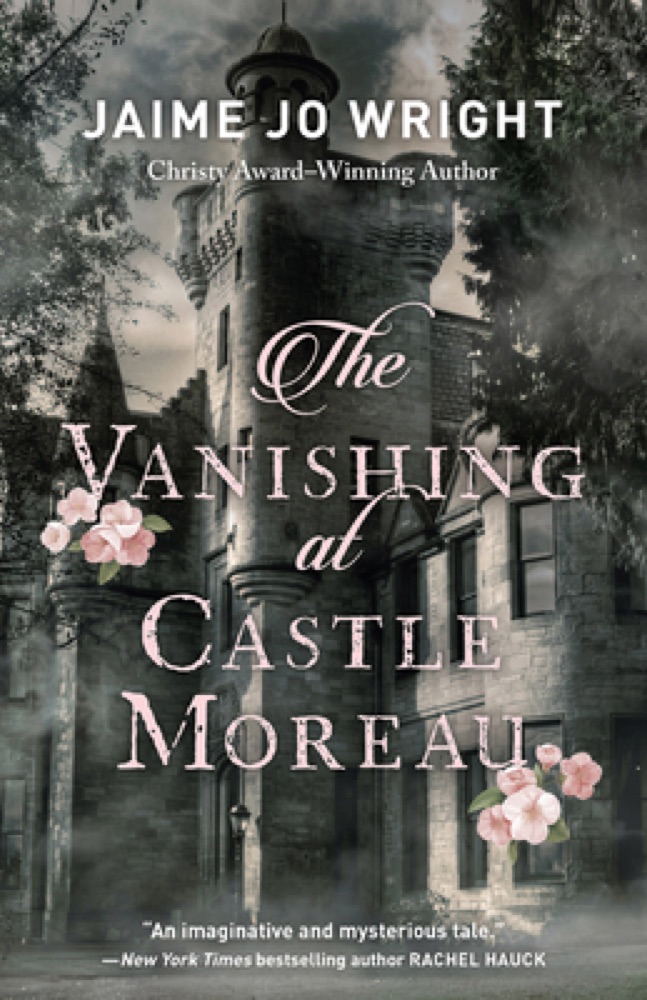 The Vanishing at Castle Moreau
 North! or Be Eaten
 Black Lamb and Grey Falcon
 Salomé
 The Bloody Chamber and Other Stories
 In the Heart of the Heart of the Country and Other Stories
 The Curse of the Wendigo
 The Sandman: Endless Nights
 Keturah and Lord Death
 The King Must Die
 Sword Song
 She
She