
 Piranesi
Quotes from the Book
Magic, madam, is like wine and, if you are not used to it, it will make you drunk.
The governess was not much liked in the village. She was too tall, too fond of books, too grave, and, a curious thing, never smiled unless there was something to smile at.
He smiles but rarely and watches other men to see when they laugh and then does the same.
With characteristic exuberance Tom named this curiously constructed house Castel des Tours saunz Nowmbre, which means the Castle of Innumerable Towers. David Montefiore had counted the innumerable towers in 1764. There were fourteen of them.
I was told once by some country people that a magician should never tell his dreams because the telling will make them come true. But I say that is great nonsense.
Beautiful flames, can destroy so many things—prison walls that hold you, stitches that bind you fast.
Saints, such as me, ought always to listen attentively to the prayers of poor, dirty, ragged men, such as you. No matter how offensively those prayers are phased.
Above all remember this: that magic belongs as much to the heart as to the head and everything which is done, should be done from love or joy or righteous anger.
She had been a comet; and her blazing descent through dark skies had been plain for all to see.
In the moonlight David saw that Thoresby had become very peculiar indeed. Figs nestled among the leaves of beech-trees. Elder-trees were bowed down with pomegranates. Ivy was almost torn from walls by the weight of ripe blackberries growing upon it. Anything which had ever possessed any sort of life had sprung fruitfulness. Ancient, dried up frames had become swollen with sap and we putting out twigs, leaves, blossoms and fruit. Door-frames and doors were so distorted that bricks had been pushed out of place and some houses were in danger of collapsing altogether. The cart in the middle of the high street was a grove of silver birches. Its broken wheels put forth briar roses and nightingales sang on it.
Now toasted cheese is a temptation few men can resist, be they charcoal burners or kings. John Uskglass reasoned thus: all of Cumbria belonged to him – therefore this wood belonged to him – therefore this toasted cheese belonged to him.
Let us see,” said Saint Oswald. “A man in black clothes, with powerful magic and ravens at his command, and the hunting rights of a king. This suggests nothing to you? No apparently it does not. Well, it so happens that I think I know the person you mean. He is indeed very arrogant and perhaps the time has come to humble him a little. If I understand you aright, you are angry because he does not speak to you?” “Yes.” “Well then, I believe I shall loosen his tongue a little.” “What sort of punishment is that?” asked the Charcoal Burner. “I want you to make Blencathra [hill] fall on his head!
Mr Hawkins said nothing; the Hawkins' domestic affairs were arranged upon the principle that Fanny supplied the talk and he the silence.
Did you ever look into an English novel? Well, do not trouble yourself. It is nothing but a lot of nonsense about girls with fanciful names getting married.
I hope there may be bogs and that John McKenzie may drown in them.
I was always amazed at Cambridge how quickly people appeared to take offence at everything I said, but now I see plainly that it was not my words they hated - it was this fairy face. The dark alchemy of this face turns all my gentle human emotions into fierce fairy vices. Inside I am all despair, but this face shows only fairy scorn. My remorse becomes fairy fury and my pensiveness is turned to fairy cunning.
In 1819 the proudest man in all of England was , without a doubt , the Duke of Wellington . This was not particularly surprising ; when a man has twice defeated the armies of the wicked French Emperor , Napoleon Bonaparte , it is only natural that he should have a rather high opinion of himself .
And are you married, sir?" Mrs Winstanley asked Tom. "Oh no, madam!" said Tom. "Yes," David reminded him. "You are, you know." Tom made a motion with his hand to suggest that it was a situation susceptible to different interpretations. The truth was that he had a Christian wife. At fifteen she had had a wicked little face, almond-shaped eyes and a most capricious nature. Tom had constantly compared her to a kitten. In her twenties she had been a swan; in her thirties a vixen; and then in rapid succession a bitch, a viper, a cockatrice and, finally, a pig. What animals he might have compared her to now no one knew. She was well past ninety now and for forty years or more she had been confined to a set of apartments in a distant part of the Castel des Tours saunz Nowmbre under strict instructions not to shew herself, while her husband waited impatiently for someone to come and tell him she was dead.
David was the son of a famous Venetian rabbi. From his youth he had been accustomed to debate good principles and right conduct with all sorts of grave Jewish persons. These conversations had formed his own character and he naturally supposed that a small measure of the same could not help but improve other people's. In short he had come to believe that if only one talks long enough and expresses oneself properly, it is perfectly possible to argue people into being good and happy. With this aim in mind he generally took it upon himself to quarrel with Tom Brightwind several times a week -- all without noticeable effect.
Watch on YouTube
About Susanna Clarke
We have collected 97 quotes from 4 books by Susanna Clarke on BookQuoters.
More about the author →More by Susanna Clarke

Book details
- Author
- Susanna Clarke
- Genre
- Fiction
- Goodreads rating
- 3.87 (24k ratings) →
Keep reading
 Armadale
 Jonathan Strange & Mr Norrell
 Barchester Towers
 The Complete Works of Charles Dickens
 Bleak House
 The Complete Works
 The Magician's Nephew
 Uncle Silas
 Busman's Honeymoon
 The History of Tom Jones, a Foundling
 Don Juan
 Fly by Night
 The Arabian Nights
 The Enchantress of Florence
 The Gormenghast Novels
 Lord Arthur Savile's Crime and Other Stories
 Barnaby Rudge
 Sword & Citadel
 Gaudy Night
 Post Captain
 The Moonstone
 In the Night Garden
 Titus Groan
 Can You Forgive Her?
 Zuleika Dobson
 Jude the Obscure
 Fifth Business
 Manalive
 When Christ and His Saints Slept
 Cakes and Ale
 The Moving Finger
 How the Marquess Was Won
 Bring Up the Bodies
 The Children's Book
 The Satyricon
 The Napoleon of Notting Hill
 Shirley
 Allan Quatermain
 Competence
 The Volcano Lover: A Romance
 Emily of New Moon
 The Left-Handed Booksellers of London
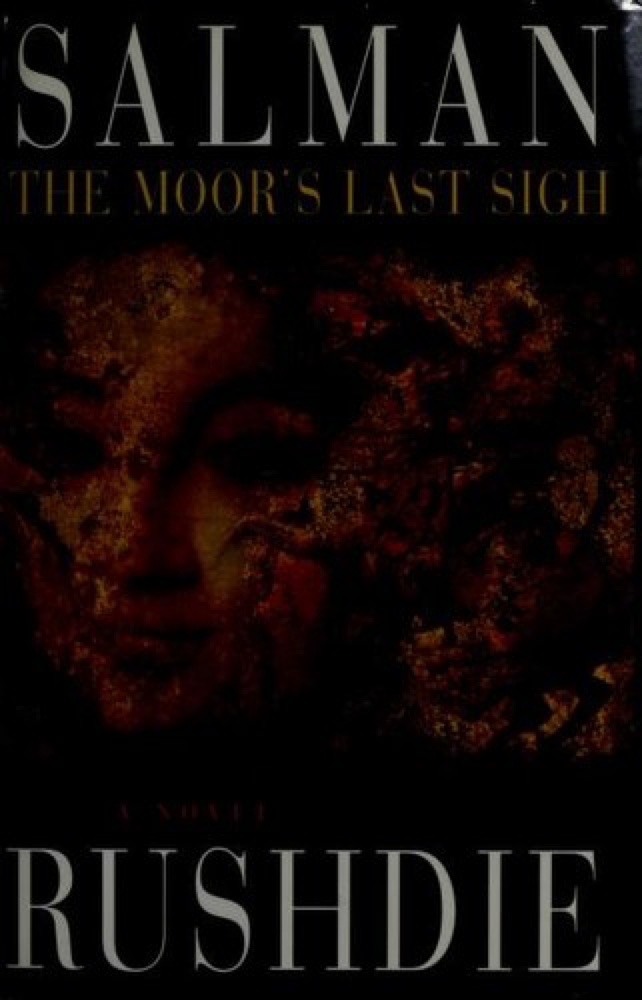 The Moor's Last Sigh
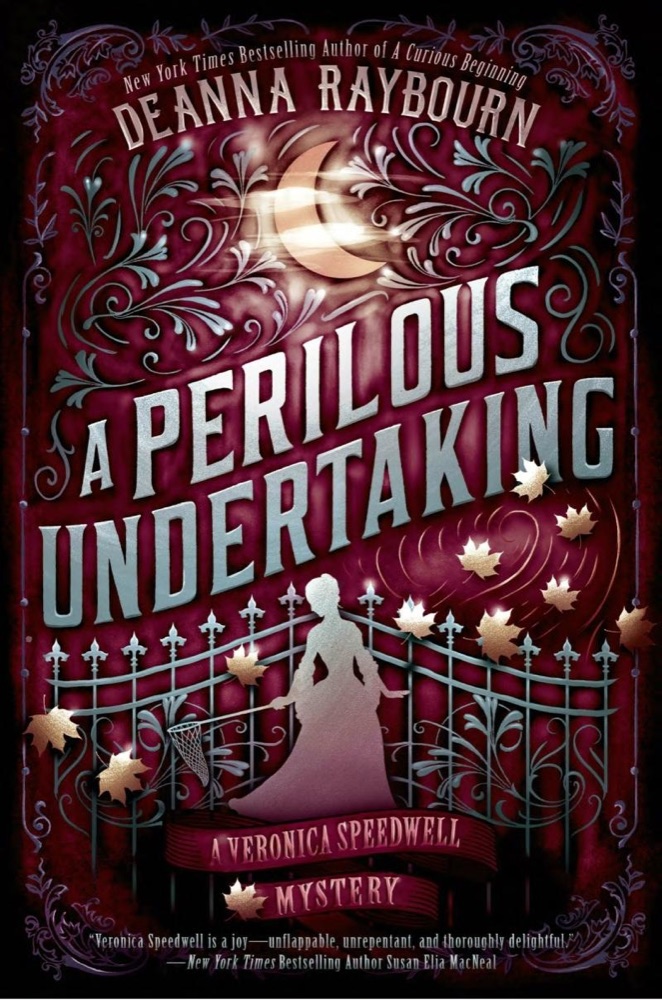 A Perilous Undertaking
 The Blacktongue Thief
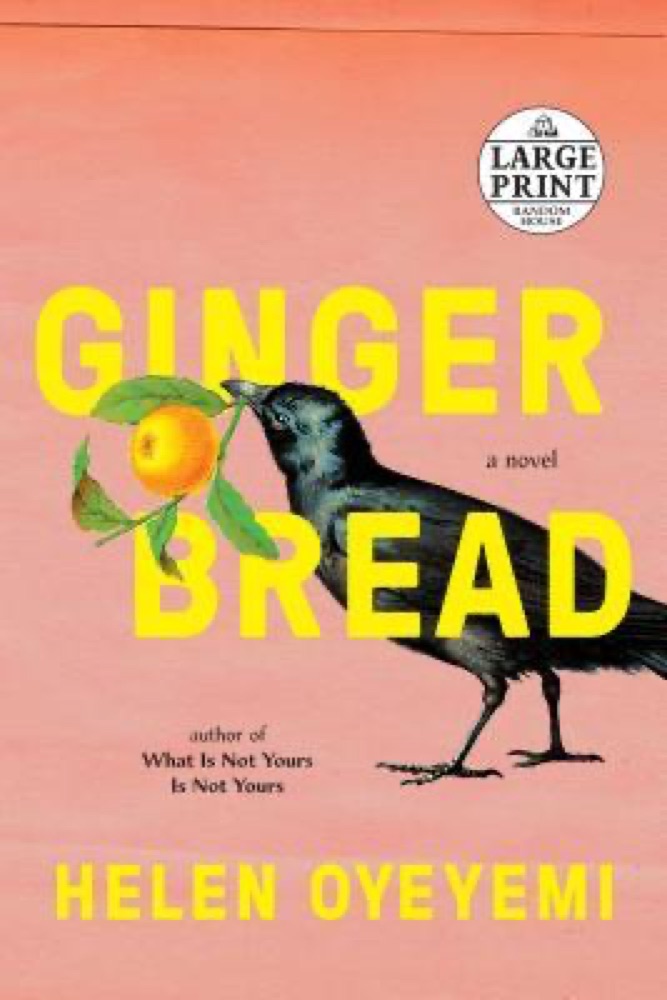 Gingerbread
 The Complete Stories and Poems
 The Complete Father Brown
 Unseen Academicals
 The Blue Castle
 Wintersmith
 Selected Stories
 The Complete Saki
 Clouds of Witness
 Emily Climbs
 Black Lamb and Grey Falcon
 The Canterbury Tales
 The Queen of the Tearling
 House of Chains
 The Golden Tresses of the Dead