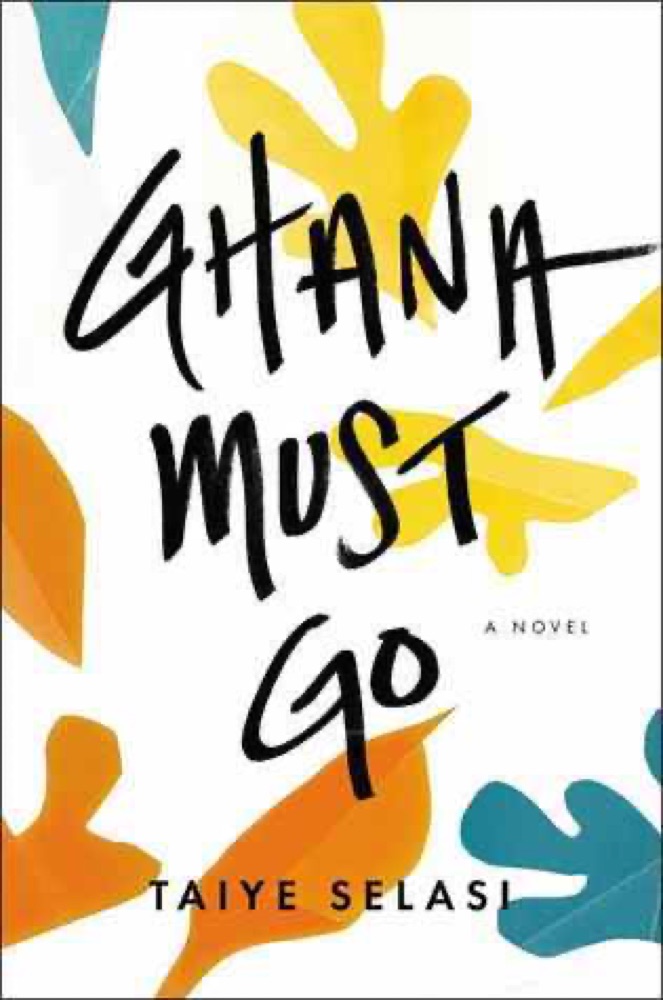

 The Enchantress of Florence
Quotes from the Book
They were doers and thinkers and lovers and seekers and givers, but dreamers, most dangerously of all. They were dreamer-women. Very dangerous women. Who looked at the world through their wide dreamer-eyes and saw it not as it was, "brutal, senseless," etc., but worse, as it might be or might yet become. So, insatiable women. Un-pleasable women.
37
And what happens to daughters whose mothers betray them? They don’t become huggable like Sadie, Taiwo thinks. They don’t become giggly, adorable like Ling. They grow shells. Become hardened. They stop being girls. Though they look like girls and act like girls and flirt like girls and kiss like girls—really, they’re generals, commandos at war, riding out at first light to preempt further strikes. With an army behind them, their talents their horsemen, their brilliance and beauty and anything else they may have at their disposal dispatched into battle to capture the castle, to bring back the Honor. Of course it doesn’t work. For they burn down the village in search of the safety they lost, every time, Taiwo knows.
9
He feels a second pang now for the existence of perfection, the stubborn existence of perfection in the most vulnerable of things and in the face of his refusal-logical-admirable refusal-to engage with this existence in his heart, in his mind. For the comfortless logic, the curse of clear sight, no matter which string he pulls on the same wretched knot: (a) the futility of seeing given the fatality in a place such as this where a mother still bloody must bury her newborn, hose off, and go home to pound yam into paste; (b) the persistence of beauty, in fragility of all places!, in a dewdrop at daybreak, a thing that will end, and in moments, and in a garden, and in Ghana, lush Ghana, soft Ghana, verdant Ghana, where fragile things die.
8
Sight is subjective. We learned that in class.
6
loss” is a notion. No more than a thought. Which one forms or one doesn’t. With words. Such that one cannot lose, nor ever say he has lost, what he does not permit to exist in his mind.
6
Then Ghana, and the smell of Ghana, a contradiction, a cracked clay pot: the smell of dryness, wetness, both, the damp of earth and dry of dust. The airport. Bodies pushing, pulling, shouting, begging, touching, breathing. He'd forgotten the bodies. The proximity of bodies. In America the bodies were distant. The warmth of it ...... Why had he hated this view? Of this beach, of the backs of these fishermen, glistening brown, of the long wooden boats, evangelical names in bright tricolor paint on their splintering sides, Black Star Jesus, Jah Reign, Christ the Fisher of Men, in the red, yellow, green of the national flag and the national spirit of open-source ethos, this mixing of Anglican, Rastafarian, Ghanaian? What was there to hate in this? There was only openness. As far as he could see. A cheerful openness. An innocence. An innocent beach on the road to Kokrobite at seven A.M. November 1975, little country lurching, cheerful, unaware, to revolution. Little taxi lurching, blasting revolution, to grief.
5
There was the one basic storyline, which everyone knew, with the few custom endings to choose now and again. Basic: humming grandmas and polycentric dancing and drinks made from tree sap and patriarchy.
3
She sleeps like a cocoyam. A thing without senses. She sleeps like his mother, unplugged from the world.
3
Death must take place in the heart to be believed in. After love dies man believes in his death.
2
So, the women he's loved. Who knew nothing of satisfaction. Who having gotten what they wanted always promptly wanted more. Not greedy. Never greedy... They were doers and thinkers and lovers and seekers and givers, but dreamers, most dangerously of all. They were dreamer-women. Very dangerous women. Who looked at the world through their wide dreamer-eyes and saw it not as it was, "brutal, senseless," etc., but worse, as it might be or might yet become. So, insatiable women. Un-pleasable women. Who wanted above all things that could not be had. Not what THEY could not have--no such thing for such women--but what wasn't there to be had in the first place.
2
L'unico scopo di una relazione è quello di inscenare, in miniatura, tutto lo stramaledetto dramma della vita e della morte. L'amore nasce come nasce un bambino. L'amore cresce come cresce un bambino. Un uomo sa bene che deve morire, ma non avendo conosciuto altre realtà che la vita non crede veramente nella propria morte. E poi, un giorno, il suo amore si raffredda. Il cuore dell'amore smette di battere. L'amore muore. In questo modo, l'uomo impara che la morte è la realtà: che la morte può esistere nell'essenza di una persona, la "sua" morte. La perdita di un animale domestico o di una rosa o di un genitore può farlo soffrire, ma non sono convincenti, non abbastanza. La morte deve avvenire nel cuore per essere creduta. Dopo la morte dell'amore, l'uomo riesce a credere nella propria morte.
2
It is broken in four places. Just the cracks in the beginning, left untreated now for years. His mother in Kokrobité, Olu in Boston, Kofi in Jamestown, Folasadé all over. That woman, all over him, deep in the fascia, in the muscle, in the tissue, in the matter, in the blood. He is dying of a broken heart. He cannot help but laugh at this.
1
A vida dela até aquele momento tinha parecido tão original, um conto tecido elegantemente, com um elenco brilhante de personagens - ela: a princesa sem mãe de um palácio vertical, o apartamento de quatro andares na Ilha Victoria; eles: amigos fervorosos e glamurosos de seu pai, os empregados; ele: o rei viúvo do castelo. Se tivesse tido uma morte apropriada à vida deles como ela a conhecia - em um acidente de carro, por exemplo, em seu amado Deux Chevaux, ou de câncer de fígado ou pulmão, até o fim fumando Caos e engolindo rum -, ela poderia ter tolerado a perda. Teria ficado em luto. Teria se descoberto uma órfã em um apartamento de quatro andares, depois de perder ambos os pais aos treze anos, mas teria sido, enlutada dessa forma, uma coisa que ela reconheceria (trágica) em vez daquilo que se tornou: uma parte da história (genérica).
1
Looking back at a world that considered her irrelevant with a look that said she considered the world irrelevant, too.
1
Your baby is crying," says the driver to Taiwo, the Ghanian way of saying your cell phone is ringing.
1
Never success, because what were its units of measurement (U.S. dollars? Framed diplomas?) and what quantity was enough?
The mind-boggling speed of a death. (Or was it the other way around? Mind-boggling speed of a life?)
It was the reason, he thought, they built churches so big and investment banks so impressive. To dazzle the faithful. Arrogance by association. The machine was in control. And so he was in control who belonged to it.
Between “the way things were” and “when everything changed,” a moment within which one notices nothing, about which one remembers all.
Frustration/pity, that the world is both too beautiful and more beautiful than he knows, than he’s noticed, that he’s missed it, and that he might be missing more but that he might never know and that it might be too late; that it can be too late, that there is such a thing, a Too Late in the first place, that time will run out, and that it might not even matter in the end what he’s noticed, for how can it matter when it all disappears?
That still farther, past "free," there lay "loved," in her laughter, lay "home" in her touch, in the soft of her Afro? He almost can't fathom it. Had never dared dream of it, believing such endings unavailable to him, or to them, who walked shoeless, who smiled in their deaths and who sang in their dreams and who didn't much matter. That he found her and loved her and made their love flesh four times over—it matters, if only to him.
It was all he was after in the end, a human story, a way to be Kweku beyond being poor. To have somehow unhooked his little story from the larger ones, the stories of Country and of Poverty and of War that had swallowed up the stories of the people around him and spat them up faceless, nameless Villagers, cogs; to have fled, thus unhooked, on the small SS Sai for the vastness and smallness of life free of want: the petty triumphs and defeats of the Self (profession, family) versus those of the State (grinding work, civil war)—yes, this would have been quite enough, Kweku thinks. Born in dust, dead in grass. Progress. Distant shore reached.
He drove around the pond, the sun beginning its descent. He drove without looking, without needing to, from memory. Seeing instead of looking. He drove home by heart. Past the little public school, abandoned in the evening time, seen instead of looked at looking lonely somehow. Past the sprawling mansions—were they always this massive? Their house seeming suddenly so modest, compared. Past the teeming trees—were there always this many? Like ladies-in-waiting along the side of the road. Around the third of four rotaries (the pride of Brookline, gratuitous rotaries). Past a man and dog jogging. Past some point of no return.
Watch on YouTube
About Taiye Selasi
We have collected 23 quotes from 1 book by Taiye Selasi on BookQuoters.
More about the author →About the book
Kweku Sai is dead. A renowned surgeon and failed husband, he succumbs suddenly at dawn outside his home in suburban Accra. The news of Kweku’s death sends a ripple around the world, bringing together the family he abandoned years before. Ghana Must Go is their story. Electric, exhilarating, beautifully crafted, Ghana Must Go is a testament to the transformative power of unconditional love, from a debut novelist of extraordinary talent.
Moving with great elegance through time and place, Ghana Must Go charts the Sais’ circuitous journey to one another. In the wake of Kweku’s death, his children gather in Ghana at their enigmatic mother’s new home. The eldest son and his wife; the mysterious, beautiful twins; the baby sister, now a young each carries secrets of his own. What is revealed in their coming together is the story of how they came the hearts broken, the lies told, the crimes co
Book details
- First published
- 2013
- Author
- Taiye Selasi
- Genre
- Fiction
- Goodreads rating
- 3.84 (12k ratings)
Keep reading
The Enchantress of Florence
 The Narrow Road to the Deep North
 Absalom, Absalom!
 Parade
 Tar Baby
 Green Dolphin Street
 Arch of Triumph
 The God of Small Things
 Dream Count
 Thirst for Love
 London Fields
 The Inheritance of Loss
 Another Country
 Plainwater: Essays and Poetry
 The High Mountains of Portugal
 Just Above My Head
 Rain and Other South Sea Stories
 Homeseeking
 V.
V.
 The Tunnel
 Light Years
 Spring Snow
 Lincoln in the Bardo
 The Ministry of Utmost Happiness
 Held
Held
 Independent People
 The Devil in the Flesh
 The Story of the Lost Child
 NW
NW
 The Brutal Telling
 The Quick and the Dead
 The Passage
 Eyeless in Gaza
 You Can't Go Home Again
 Howards End
 Moth Smoke
 Home Fire
 Christmas Holiday
 The Lover
 The Signature of All Things
 All Passion Spent
 Flights
 Look Homeward, Angel
 Oblomov
 The Empusium
 Identity
 The Book of Laughter and Forgetting
 The Emperor of Gladness
 The Impossible Lives of Greta Wells
 In Search of Lost Time
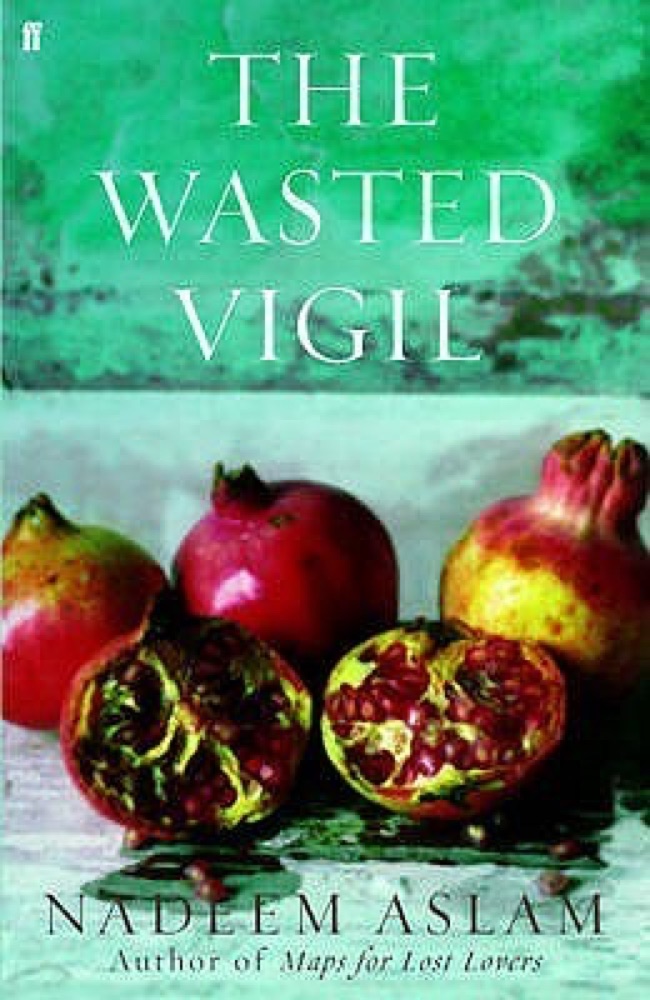 The Wasted Vigil
 Brideshead Revisited: The Sacred and Profane Memories of Captain Charles Ryder
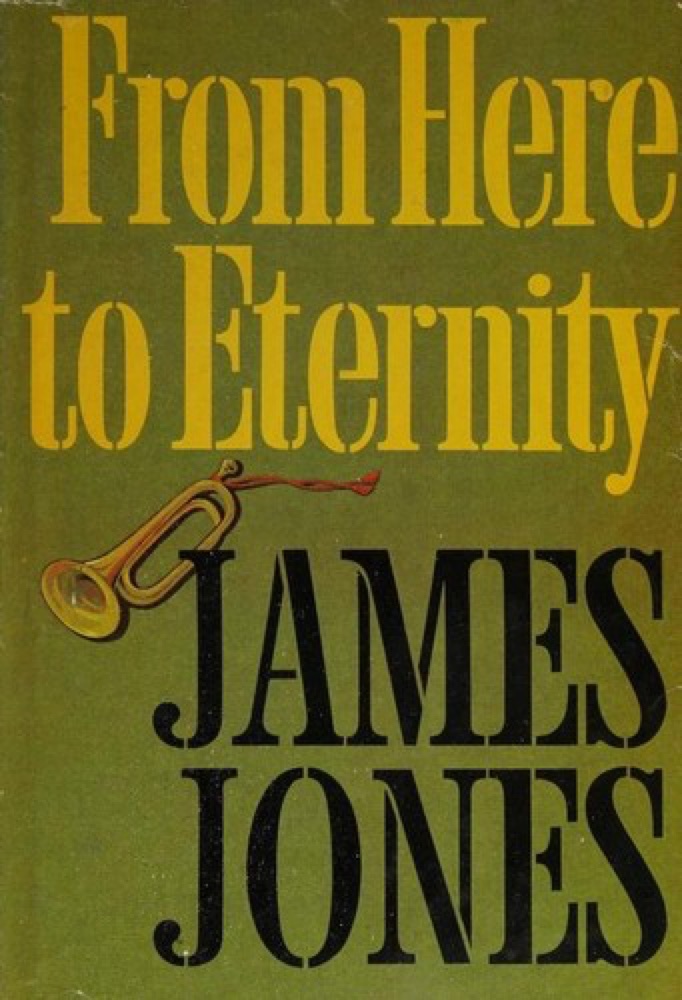 From Here to Eternity
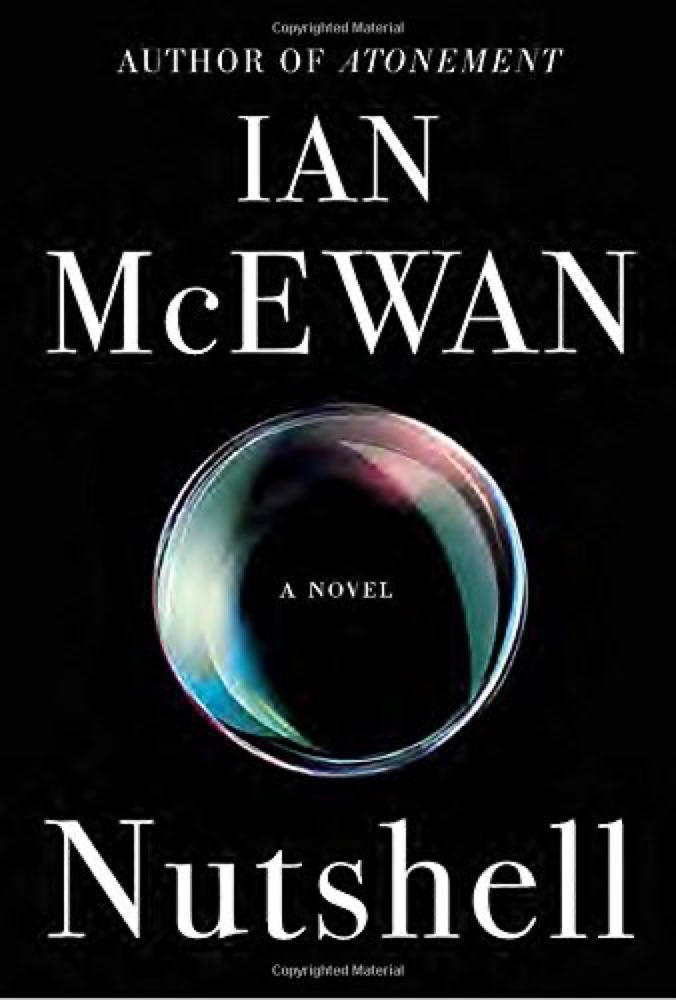 Nutshell
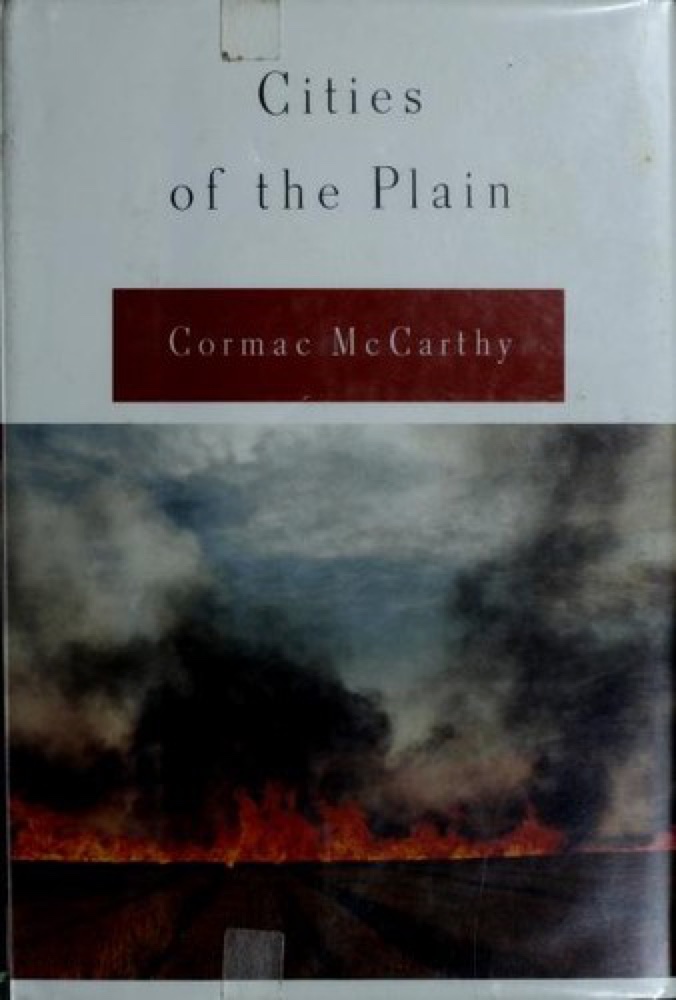 Cities of the Plain
 The Book of My Lives
 Love
Love
 Notes on an Execution
 Palimpsest
 The Djinn Waits a Hundred Years