

 What My Bones Know
Quotes from the Book
Having DID is, for many people, a very lonely thing. If this book reaches some people whose experiences resonate with mine and gives them a sense that they aren't alone, that there is hope, then I will have achieved one of my goals. A sad fact is that people with DID spend an average of almost seven years in the mental health system before being properly diagnosed and receiving the specific help they need. During that repeatedly misdiagnosed and incorrectly treated, simply because clinicians fail to recognize the symptoms. If this book provides practicing and future clinicians certain insight into DID, then I will have accomplished another goal. Clinicians, and all others whose lives are touched by DID, need to grasp the fundamentally illusive nature of memory, because memory, or the lack of it, is an integral component of this condition. Our minds are stock pots which are continuously fed ingredients from many cooks: parents, siblings, relatives, neighbors, teachers, schoolmates, strangers, acquaintances, radio, television, movies, and books. These are the fixings of learning and memory, which are stirred with a spoon that changes form over time as it is shaped by our experiences. In this incredibly amorphous neurological stew, it is impossible for all memories to be exact. But even as we accept the complex of impressionistic nature of memory, it is equally essential to recognize that people who experience persistent and intrusive memories that disrupt their sense of well-being and ability to function, have some real basis distress, regardless of the degree of clarity or feasibility of their recollections. We must understand that those who experience abuse as children, and particularly those who experience incest, almost invariably suffer from a profound sense of guilt and shame that is not meliorated merely by unearthing memories or focusing on the content of traumatic material. It is not enough to just remember. Nor is achieving a sense of wholeness and peace necessarily accomplished by either placing blame on others or by forgiving those we perceive as having wronged us. It is achieved through understanding, acceptance, and reinvention of the self.
15
Janna knew - Rikki knew — and I knew, too — that becoming Dr Cameron West wouldn't make me feel a damn bit better about myself than I did about being Citizen West. Citizen West, Citizen Kane, Sugar Ray Robinson, Robinson Crusoe, Robinson miso, miso soup, black bean soup, black sticky soup, black sticky me. Yeah. Inside I was still a fetid and festering corpse covered in sticky blackness, still mired in putrid shame and scorching self-hatred. I could write an 86-page essay comparing the features of Borderline Personality Disorder with those of Dissociative Identity Disorder, but I barely knew what day it was, or even what month, never knew where the car was parked when Dusty would come out of the grocery store, couldn't look in the mirror for fear of what—or whom—I'd see. ~ Dr Cameron West describes living with DID whilst studying to be a psychologist.
8
We must understand that those who experience abuse as children, and particularly those who experience incest, almost invariably suffer from a profound sense of guilt and shame that is not meliorated merely by unearthing memories or focusing on the content of traumatic material. It is not enough to just remember. Nor is achieving a sense of wholeness and peace necessarily accomplished by either placing blame on others or by forgiving those we perceive as having wronged us. It is achieved through understanding, acceptance, and reinvention of the self. At this point in time there are people who question the validity of the DID diagnosis. The fact is that DID has its own category in the Diagnostic and Statistical Manual of Mental Disorders because, as with all psychiatric conditions, a portion of society experiences a cluster of recognizable symptoms that are not better accounted for by any other diagnosis.
7
... sexual abuse by the mother is considered to he one of the most traumatic forms of abuse. In some ways it's the ultimate betrayal.
3
Rikki looked over at me. “Why now?" she asked, looking back at Arly. “Why is this happening now?" "Hard to say." Arly [therapist] replied. "DID usually gets diagnosed in adulthood. Something happens that triggers the alters to come out. When Cam's father died and he came in to help his brother run the family business he was in close contact with his mother again. Maybe it was seeing Kyle around the same age when some of the abuse happened. Cam was sick for a long time and finally got better. Maybe he wasn't strong enough until now to handle this. It's probably a combination of things. But it sure looks like some of the abuse Cam experienced involved his mother. And sexual abuse by the mother is considered to he one of the most traumatic forms of abuse. In some ways it's the ultimate betrayal.
3
Love yourself and others, appreciate beauty, art and music, laugh as often as possible, empathize with others’ pain so that it may be diminished even if only for a moment, appreciate the flavors and textures of a finely cooked meal, let a cool breeze caress your skin on a warm summer night and drift off to a peaceful sleep. Thank
1
Watch on YouTube
About Cameron West
We have collected 6 quotes from 1 book by Cameron West on BookQuoters.
More about the author →About the book
A Note from Dr. Cameron West
... First of all, for those of you who have read First Person Plural, thank you. Rikki, Kyle, and I have been very moved by the kind words many of you have sent, and for the stories some of you have shared about overcoming your own challenges.
I'd like to share something with you that Leonardo da Vinci wrote, which I think of as "Leonardo's Rule." He said, "Every object yields to effort." I remind myself of that every day, and when I'm having a difficult time, Rikki reminds me that this rule applies not only to the obstacles "out there," but to the more important ones-the ones we face in our own minds. Rikki lives by Leonardo's Rule; it comes to her naturally. Even though they are Leonardo's words, it is Rikki's actions that guide me and inspire me to work toward becoming a healthier and better person.
Book details
- First published
- 1999
- Author
- Cameron West
- Genre
- Nonfiction
- Goodreads rating
- 4.13 (3k ratings)
Keep reading
What My Bones Know
 Complex PTSD: From Surviving to Thriving
 Today I'm Alice: Nine Personalities, One Tortured Mind
 Good Morning, Monster: A Therapist Shares Five Heroic Stories of Emotional Recovery
 Loud in the House of Myself: Memoir of a Strange Girl
 The Trauma Cleaner: One Woman's Extraordinary Life in the Business of Death, Decay, and Disaster
 Hollywood Park
 The Courage to Heal: A Guide for Women Survivors of Child Sexual Abuse
 All Is Not Forgotten
 The Center Cannot Hold: My Journey Through Madness
 What Happened To You?: Conversations on Trauma, Resilience, and Healing
 Good Morning, Destroyer of Men's Souls: A Memoir of Women, Addiction, and Love
 Hello I Want to Die Please Fix Me: Depression in the First Person
![It's Not OK to Feel Blue [and other lies]](/i/book/g/ed/its-not-ok-to-feel-blue-and-other-lies.jpg) It's Not OK to Feel Blue [and other lies]
It's Not OK to Feel Blue [and other lies]
 The Bedwetter: Stories of Courage, Redemption, and Pee
 The Boy Who Was Raised as a Dog: And Other Stories from a Child Psychiatrist's Notebook
 Beautiful Boy: A Father's Journey Through His Son's Addiction
 Get Me Out of Here: My Recovery from Borderline Personality Disorder
 The House of My Mother: A Daughter's Quest for Freedom
 A Mother's Reckoning: Living in the Aftermath of Tragedy
 Any Ordinary Day
 The Beauty of Living Twice
 The Art of Starving
 Imagine Me Gone
 Are You My Mother?: A Comic Drama
 I Don't Want to Talk About It: Overcoming the Secret Legacy of Male Depression
 In the Dream House
 To Throw Away Unopened
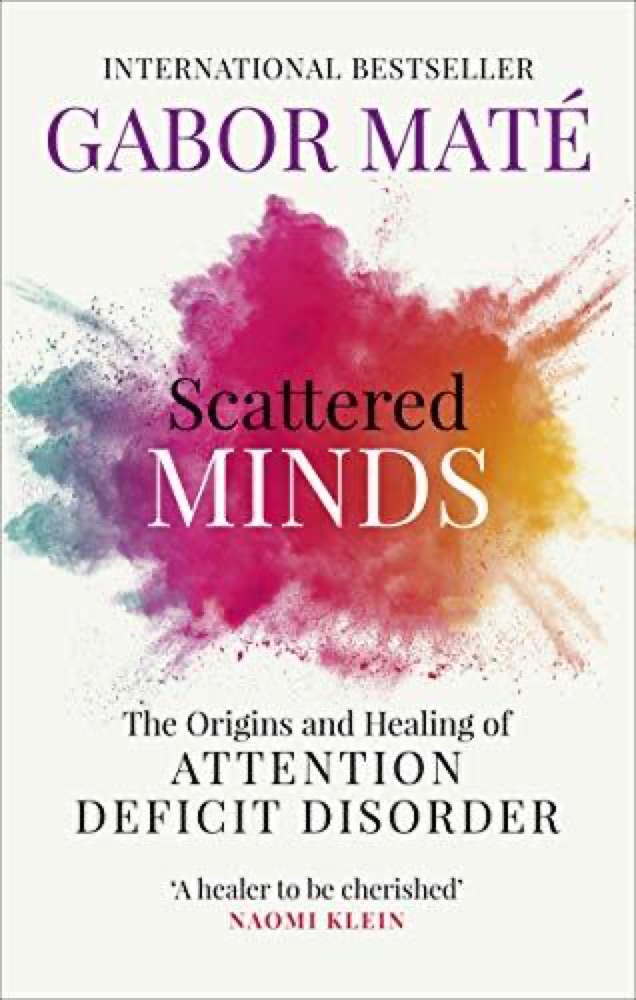 Scattered Minds: The Origins and Healing of Attention Deficit Disorder
 The Collected Schizophrenias: Essays
 All the Way to the River
 The Color of Everything: A Journey to Quiet the Chaos Within
 Ten Steps to Nanette
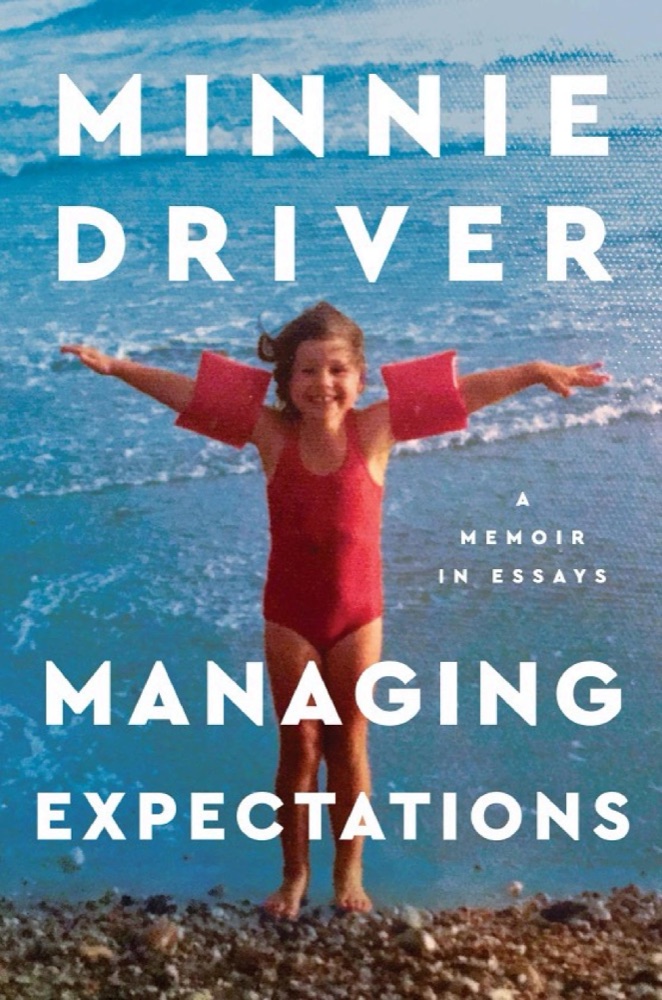 Managing Expectations: A Memoir in Essays – A Poignant Collection of Personal Stories on Acting, Failure, and Motherhood's Joy
 More, Now, Again: A Memoir of Addiction
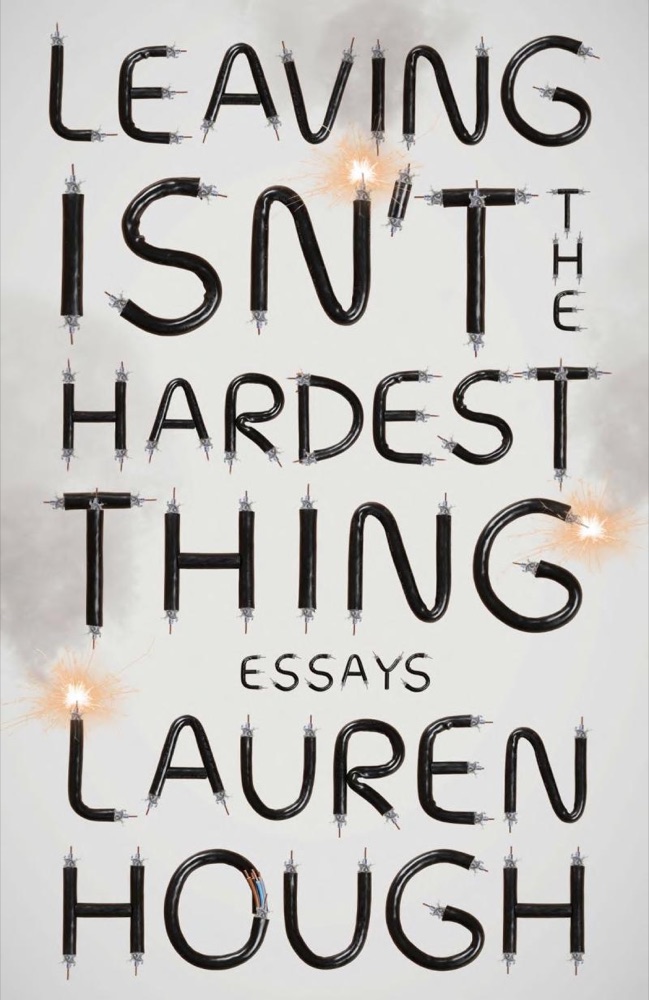 Leaving Isn't the Hardest Thing
 Shoot the Damn Dog: A Memoir of Depression
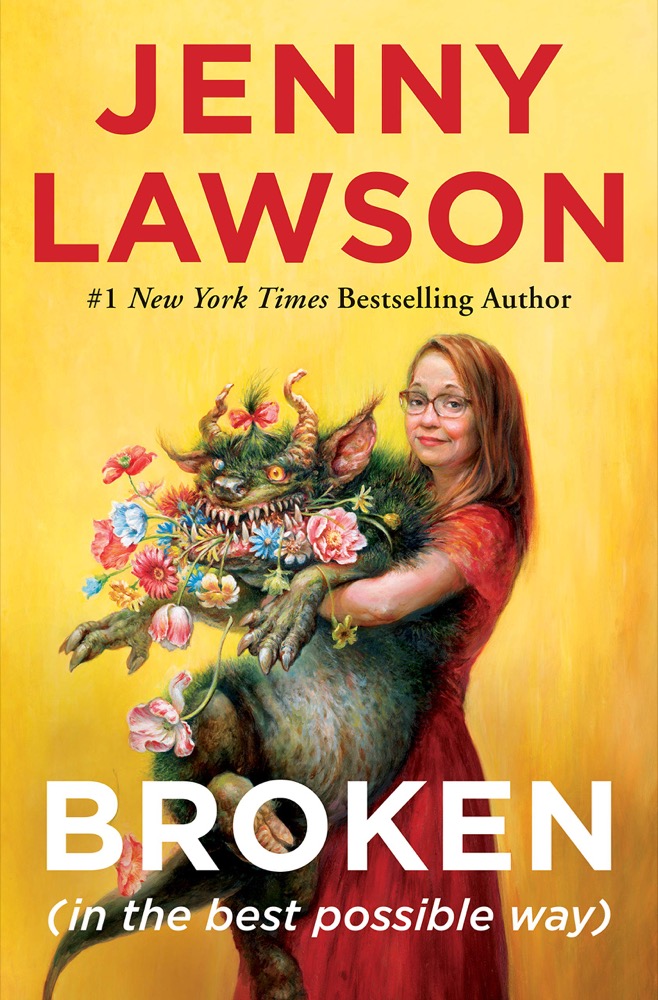 Broken
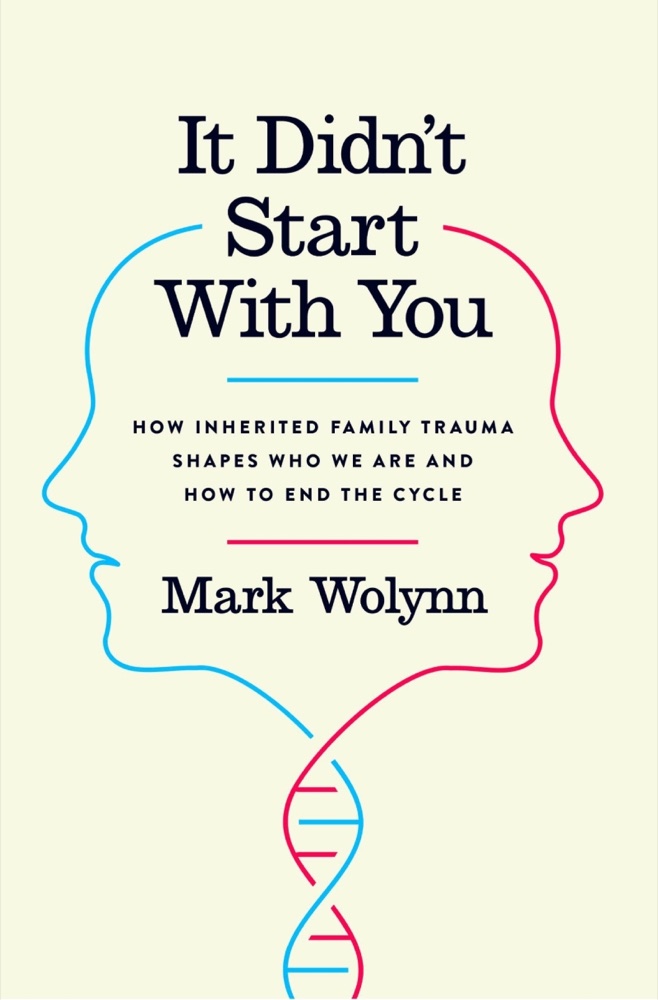 It Didn't Start with You: How Inherited Family Trauma Shapes Who We Are and How to End the Cycle
 The Drama of the Gifted Child: The Search for the True Self
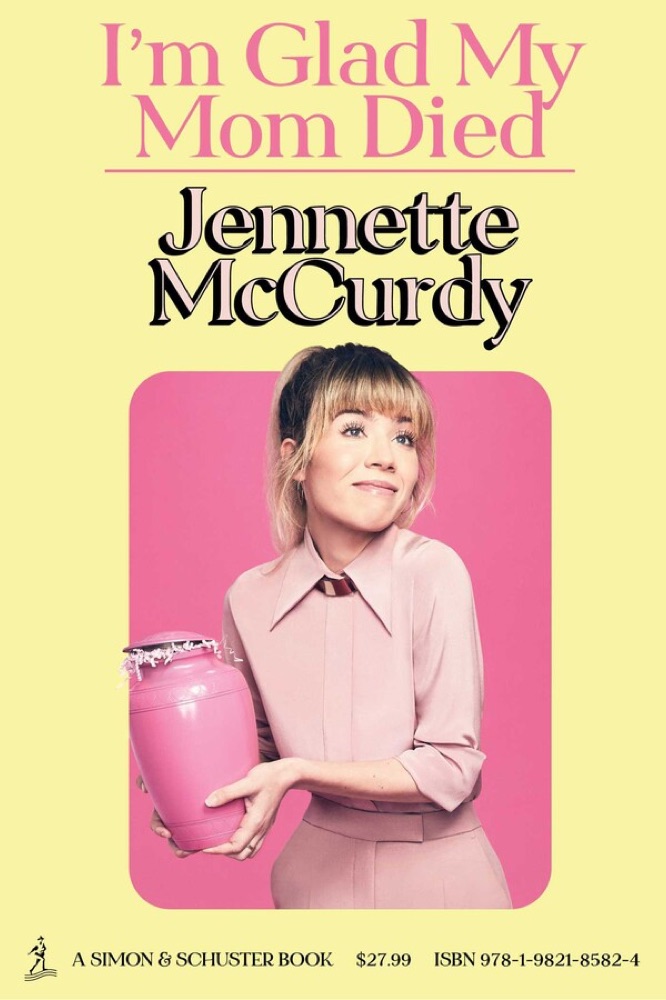 I'm Glad My Mom Died
 Dyscalculia: A Love Story of Epic Miscalculation
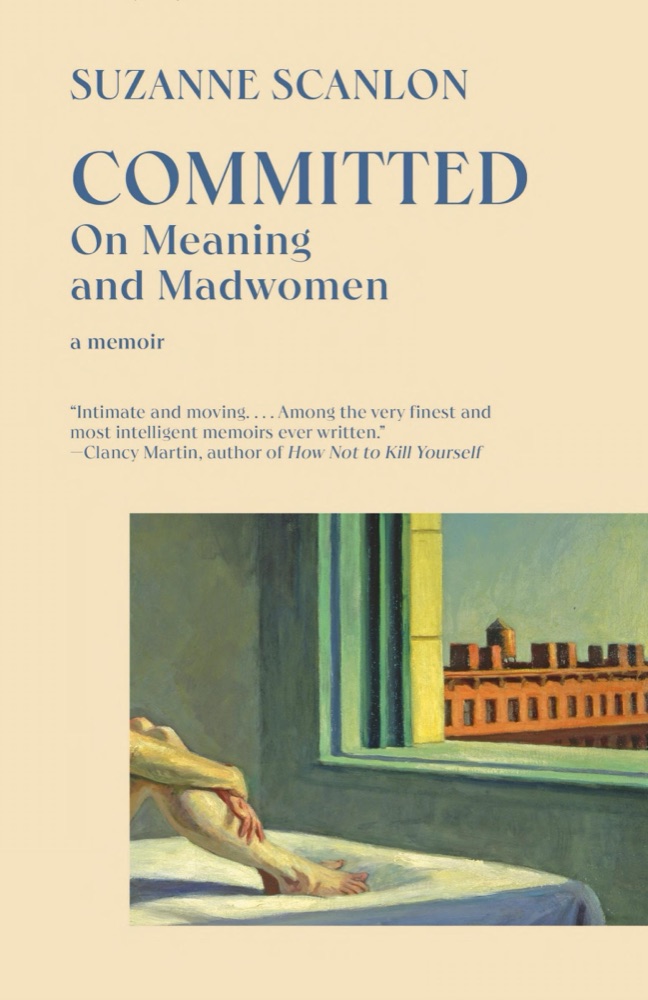 Committed: On Meaning and Madwomen
 Attempting Normal
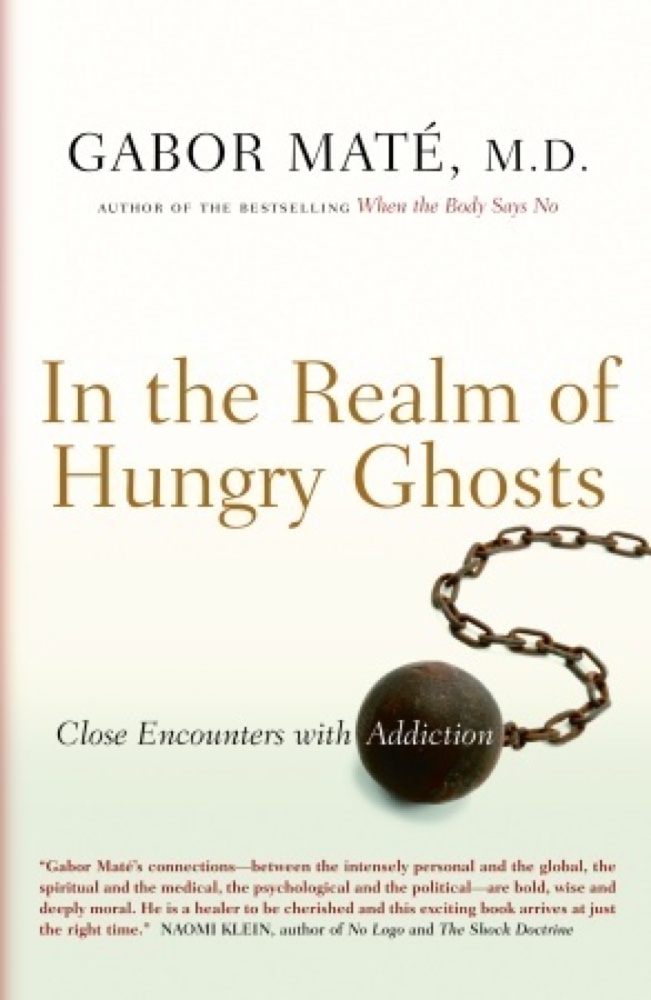 In the Realm of Hungry Ghosts: Close Encounters with Addiction
 Unbound: My Story of Liberation and the Birth of the Me Too Movement
 Anthropology of an American Girl
 Creatures of a Day: And Other Tales of Psychotherapy
 For Your Own Good: Hidden Cruelty in Child-Rearing and the Roots of Violence
 Abuse
Abuse
 An Unquiet Mind: A Memoir of Moods and Madness
 Awake
Awake
 Just Ignore Him
 Bang
Bang
 Paris: A Memoir for Young Women in the Age of Influencers
 Conviction
 The Chronology of Water
 Wasted: A Memoir of Anorexia and Bulimia
 Motherthing