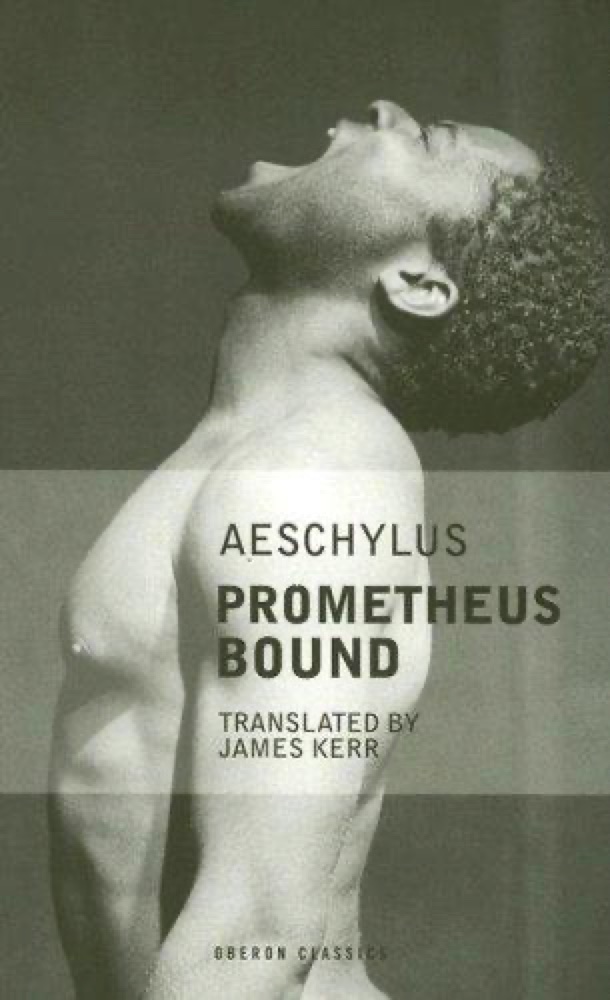
 Prometheus Bound
Quotes from the Book
Unanimous hatred is the greatest medicine for a human community.
42
ATHENA: There are two sides to this dispute. I've heard only one half the argument. (...) So you two parties, summon your witnesses, set out your proofs, with sworn evidence to back your stories. Once I've picked the finest men in Athens, I'll return. They'll rule fairly in this case, bound by a sworn oath to act with justice.
23
My heart's a dance of fear.
6
Crouched on the altar-steps, a grisly band Of women slumbers—not like women they, But Gorgons rather; nay, that word is weak, Nor may I match the Gorgons’ shape with theirs! Such have I seen in painted semblance erst— Winged Harpies, snatching food from Phineus’ board,— But these are wingless, black, and all their shape The eye’s abomination to behold. Fell is the breath—let none draw nigh to it— Wherewith they snort in slumber; from their eyes Exude the damnèd drops of poisonous ire: And such their garb as none should dare to bring To statues of the gods or homes of men.
6
I will speak in defense of reason: for the very child of vanity is violence.
4
Give me an answer which is plain to understand.
4
The sleeping brain has eyes that give us light; we can never see our destiny by day.
3
I have not need to promise what I cannot do.
3
Neither anarchy, nor tyranny, my people. Worship the Mean, I urge you, shore it up with reverence and never banish terror from the gates, not outright.
2
ATHENA: You wish to be called righteous rather than act right.
2
I say, wrong must not win by technicalities.
2
Time refines all things that age with time.
1
If bright water you stain with mud, you nevermore will find it fit to drink.
1
Time in his aging overtakes all things alike.
1
Watch on YouTube
About Aeschylus
We have collected 97 quotes from 5 books by Aeschylus on BookQuoters.
More about the author →More by Aeschylus
About the book
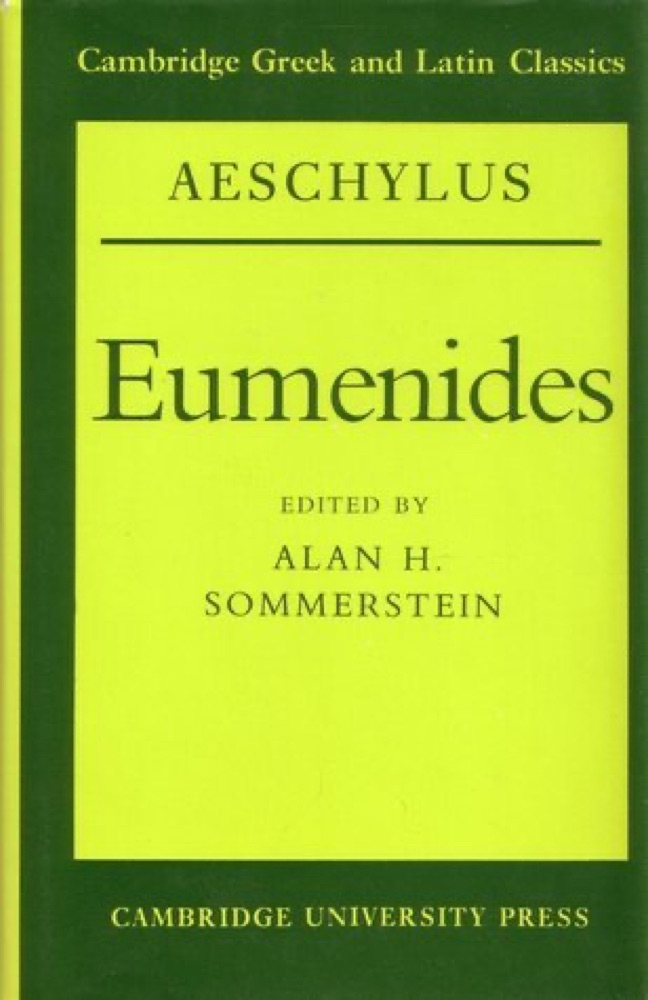
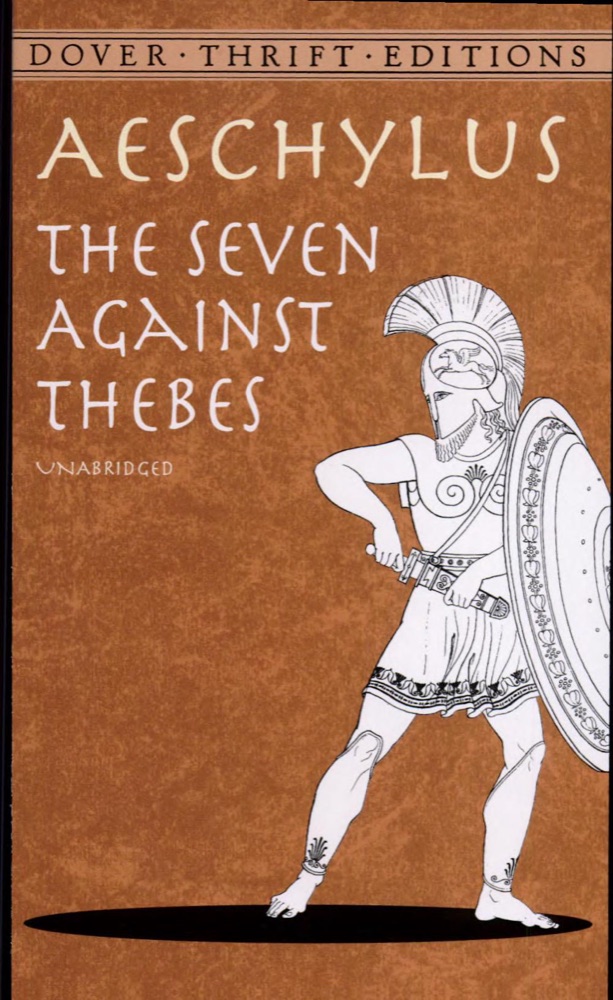
Sommerstein presents a freshly constituted text, with introduction and commentary, of Eumenides, the climactic play of the only surviving complete Greek tragic trilogy, the Oresteia of Aeschylus. Of all Athenian tragic dramas, Eumenides is most consciously designed to be relevant to the situation of the Athenian state at the time of its performance (458 B.C.) and seems to have contained daring innovations both in technique and in ideas. The introduction and commentary to this edition seek to bring out how Aeschylus shaped to his purpose the legends he inherited, and ended the tragic story of Agamemnon's family in a celebration of Athenian civic unity and justice. The commentary also pays attention to the linguistic, metrical and textual problems to be encountered by the reader.
Keep reading
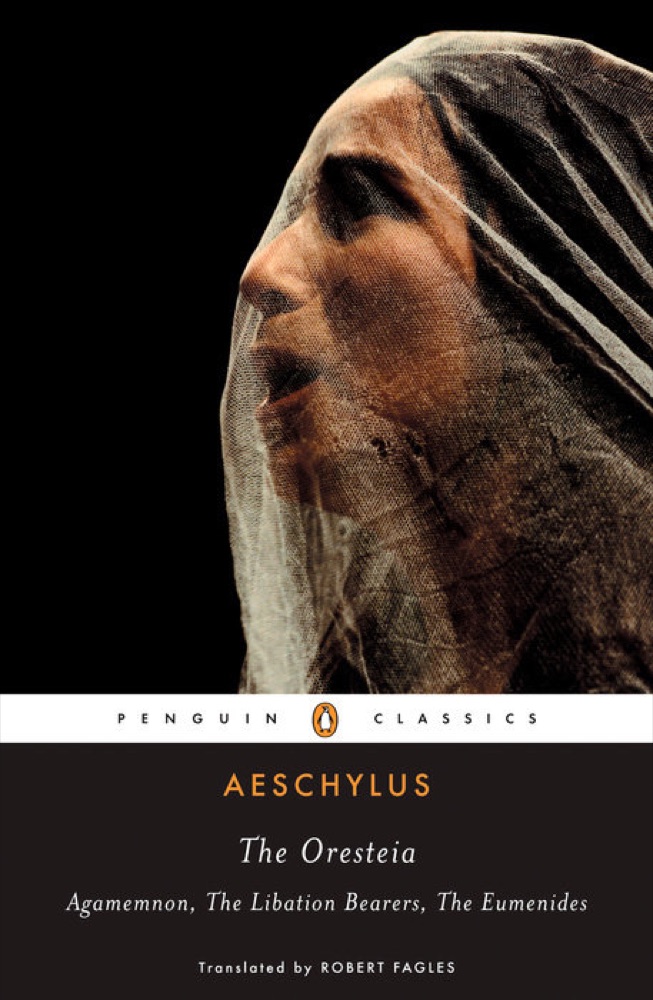 The Oresteia
 Agamemnon
 The Oedipus Cycle: Oedipus Rex/Oedipus at Colonus/Antigone
 Antigone
 Medea
Medea
 Toll the Hounds
 The Curse of Chalion
 The Dinosaur Lords
 Midnight Tides
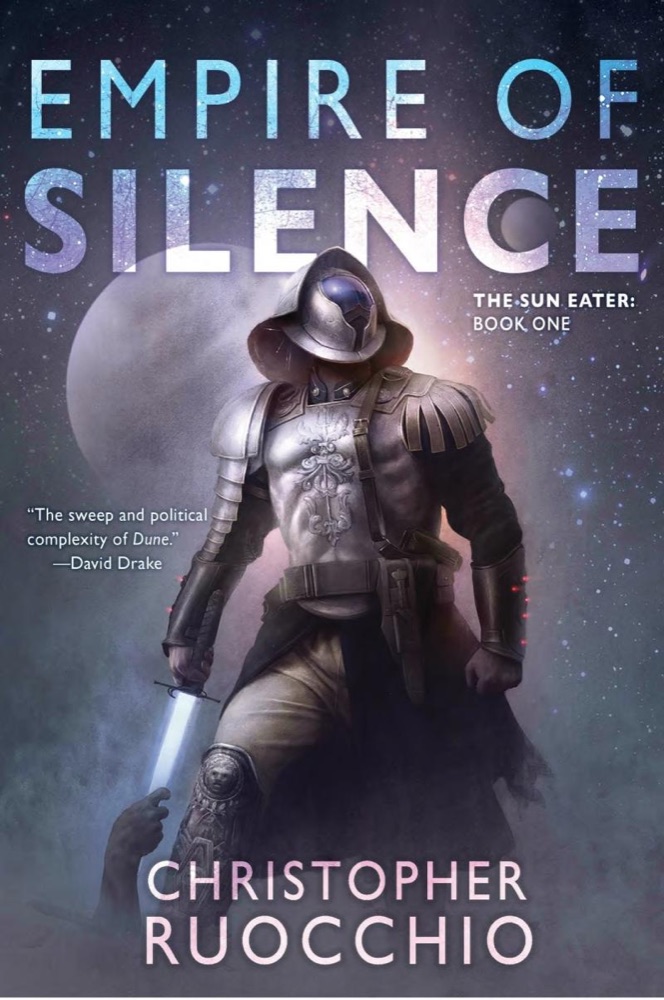 Empire of Silence
 Selected Poems
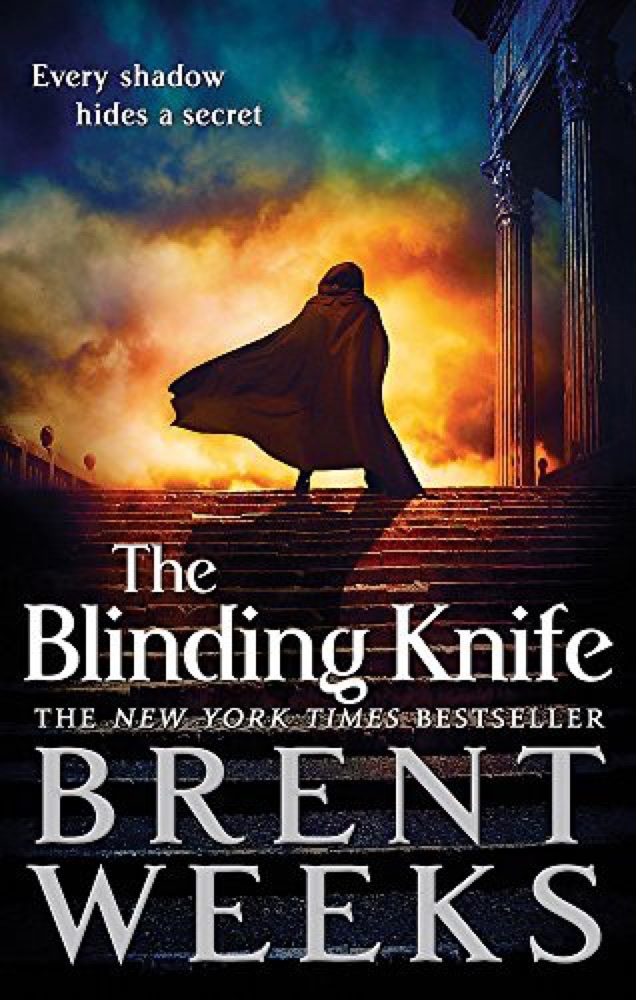 The Blinding Knife
Prometheus Bound
The Blinding Knife
Prometheus Bound
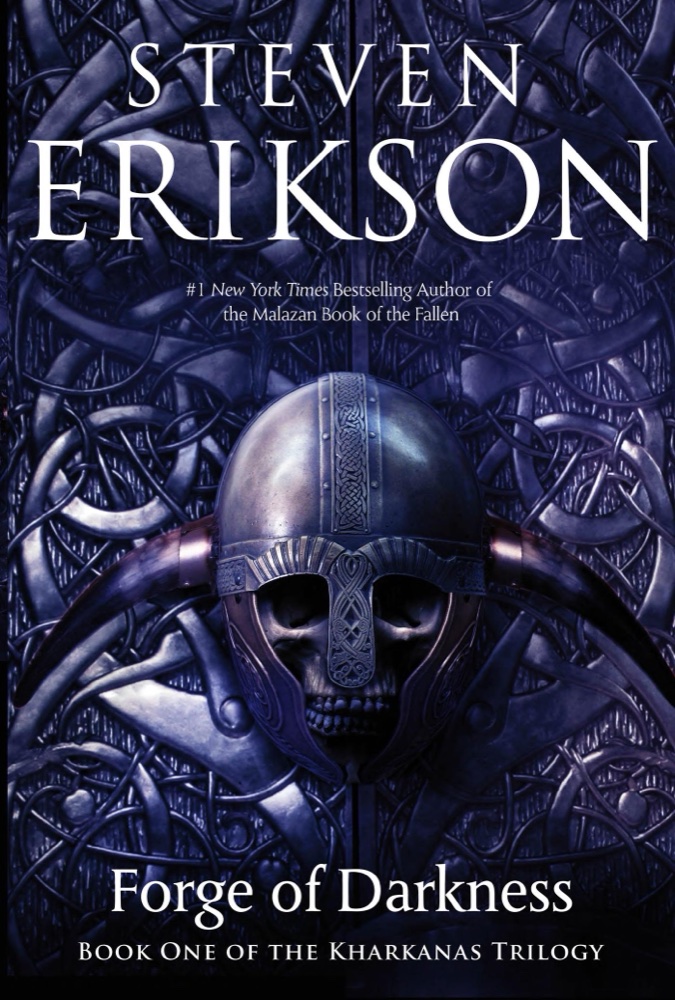 Forge of Darkness
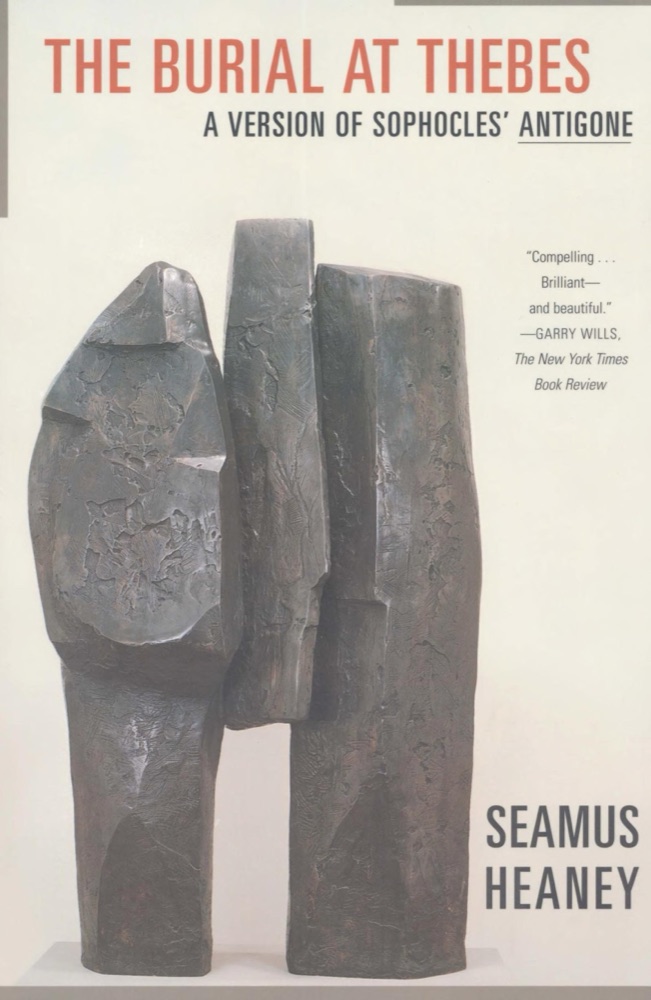 The Burial at Thebes: A Version of Sophocles' Antigone
 Shōgun
 Apology
 Fragments
 The Lost Sisterhood
 The Left Hand of Darkness
 The Broken Eye
 Orb Sceptre Throne
 Don Quixote
 King Lear
 Complete Poems
 That Hideous Strength
 The Hod King
 The Gadfly
 Ninety-Three
 Faith of the Fallen
 Hyperion
 Anthills of the Savannah
 Dark Age
 Hamlet
 Complete Works of Oscar Wilde
 Oedipus Rex
 A Canticle for Leibowitz
 The Iliad
 UnSouled
 Daniel Deronda
 Eldest
 The Burning White
 Sword & Citadel
 Moby-Dick
 Julian
 The Complete Essays
 Beyond Good and Evil
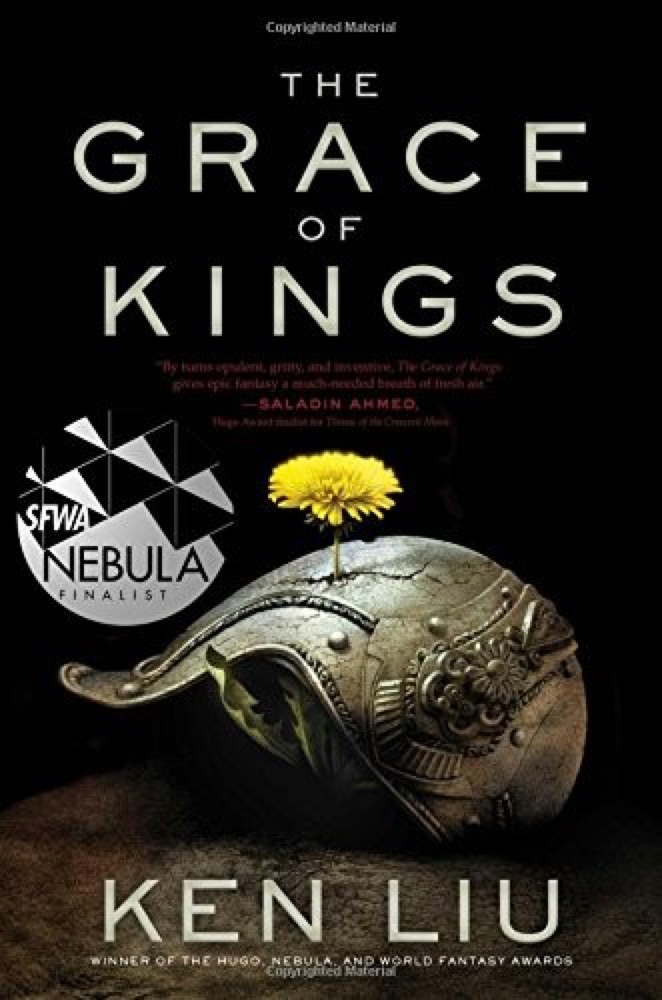 The Grace of Kings
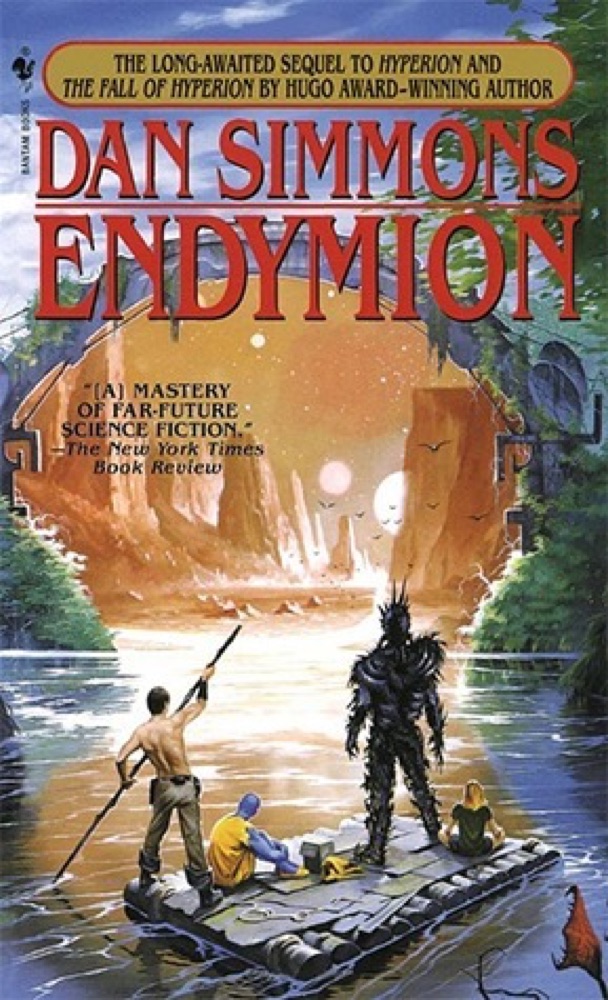 Endymion
 The Mirror & the Light
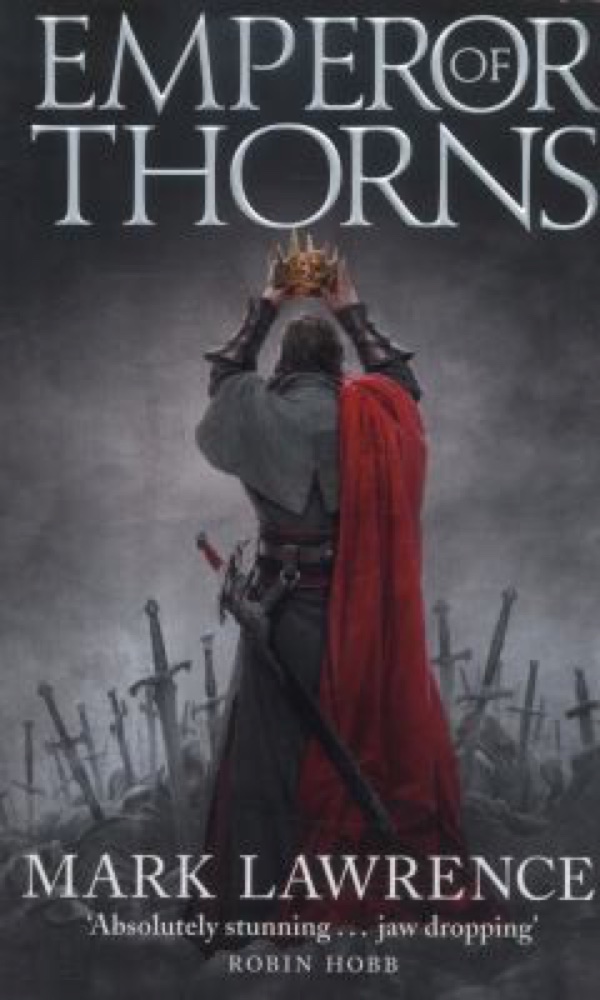 Emperor of Thorns
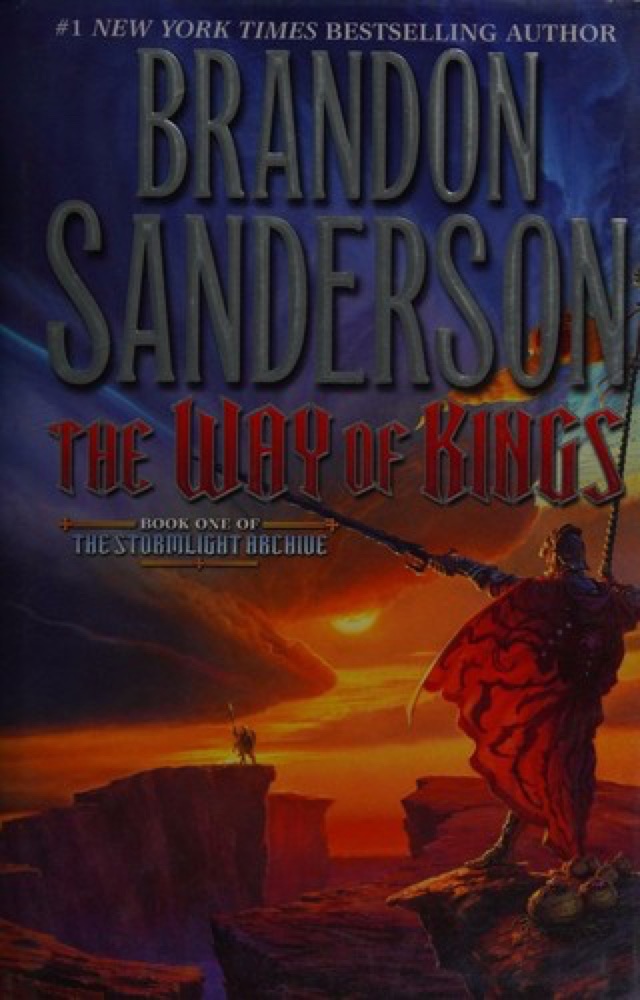 The Way of Kings
 Time Enough for Love
 Faust
Faust
 The Poisonwood Bible
 Troilus and Cressida
 Atlas Shrugged
 The Claw of the Conciliator
 Murder in the Cathedral
 The Instructions