
 The Bean Trees
Quotes from the Book
Don’t try to make life a mathematics problem with yourself in the center and everything coming out equal. When you’re good, bad things can still happen. And if you’re bad, you can still be lucky.
Everything you're sure is right can be wrong in another place.
Listen. Slide the weight from your shoulders and move forward. You are afraid you might forget, but you never will. You will forgive and remember.
Listen. To live is to be marked. To live is to change, to acquire the words of a story, and that is the only celebration we mortals really know. In perfect stillness, frankly, I've only found sorrow.
I’ve seen how you can’t learn anything when you’re trying to look like the smartest person in the room.
I attempted briefly to consecrate myself in the public library, believing every crack in my soul could be chinked with a book.
A first child is your own best foot forward, and how you do cheer those little feet as they strike out. You examine every turn of flesh for precocity, and crow it to the world. But the last one: the baby who trails her scent like a flag of surrender through your life when there will be no more coming after--oh, that' s love by a different name.
The power is in the balance: we are our injuries, as much as we are our successes.
There is a strange moment in time, after something horrible happens, when you know it's true, but you haven't told anyone yet.
As long as I kept moving, my grief streamed out behind me like a swimmer's long hair in water. I knew the weight was there but it didn't touch me. Only when I stopped did the slick, dark stuff of it come floating around my face, catching my arms and throat till I began to drown. So I just didn't stop.
Misunderstanding is my cornerstone. It's everyone's, come to think of it. Illusions mistaken for truth are the pavement under our feet.
It is true that I do not speak as well as I can think. But that is true of most people, as nearly as I can tell.
But the last one: the baby who trails her scent like a flag of surrender through your life when there will be no more coming after - oh, that's love by a different name. She is the babe you hold in your arms for an hour after she's gone to sleep. If you put her down in the crib, she might wake up changed and fly away. So instead you rock by the window, drinking the light from her skin, breathing her exhaled dreams. Your heart bays to the double crescent moons of closed lashes on her cheeks. She's the one you can't put down.
It's frightening when things you love appear suddenly changed from what you have always known.
Sugar, it's no parade but you'll get down the street one way or another, so you'd just as well throw your shoulders back and pick up the pace.
But I've swallowed my pride before, that's for sure. I'm practically lined with my mistakes on the inside like a bad-wallpapered bathroom.
Silence has many advantages. When you do not speak, other people presume you to be deaf or feeble-minded and promptly make a show of their own limitations.
Every betrayal contains a perfect moment, a coin stamped heads or tails with salvation on the other side.
No other continent has endured such an unspeakably bizarre combination of foreign thievery and foreign goodwill.
To live is to change, to acquire the words of a story, and that is the only celebration we mortals really know.
The death of something living is the price of our own survival, and we pay it again and again. We have no choice. It is the one solemn promise every life on earth is born and bound to keep.
Every life is different because you passed this way and touched history. Even the child Ruth May touched history. Everyone is complicit. The okapi complied by living, and the spider by dying. It would have lived if it could. Listen: being dead is not worse than being alive. It is different, though. You could say the view is larger.
Oh, mercy. If it catches you in the wrong frame of mind, the King James Bible can make you want to drink poison in no uncertain terms.
...I stir in bed and the memories rise out of me like a buzz of flies from a carcass. I crave to be rid of them...
I know how people are, with their habits of mind. Most will sail through from cradle to grave with a conscience clean as snow...I know people. Most have no earthly notion of the price of a snow-white conscience.
But his kind will always lose in the end. I know this, and now I know why. Whether it's wife or nation they occupy, their mistake is the same: they stand still, and their stake moves underneath them.... Chains rattle, rivers roll, animals startle and bolt, forests inspire and expand, babies stretch open-mouthed from the womb, new seedlings arch their necks and creep forward into the light. Even a language won't stand still. A territory is only possessed for a moment in time. They stake everything on that moment, posing for photographs while planting the flag, casting themselves in bronze.... Even before the flagpole begins to peel and splinter, the ground underneath arches and slides forward into its own new destiny. It may bear the marks of boots on its back, but those marks become the possessions of the land.
If the Lord hasn't got a boyfriend lined up for me to marry, that's his business.
Did you know?
- The novel is narrated in alternating voices by Orleanna Price and her four daughters, Rachel, Leah, Adah, and Ruth May.
- The title comes from Nathan Price's mispronunciation of a Kikongo word, so that instead of calling Jesus precious he calls him poisonwood.
- It was selected for Oprah's Book Club in 1999.
- The story is set in the fictional village of Kilanga in the Belgian Congo, beginning in 1959 amid the Congo's move toward independence.
- The book was a finalist for the 1999 Pulitzer Prize for Fiction.
About Barbara Kingsolver
Barbara Kingsolver is an American novelist, essayist, and poet born in 1955 in Annapolis, Maryland, and raised in rural Kentucky, whose work often explores social justice and environmental themes. She later won the Pulitzer Prize for Fiction for Demon Copperhead and the Women's Prize for Fiction twice.
More about the author →More by Barbara Kingsolver
All books by Barbara Kingsolver →
About the book
The Poisonwood Bible, published in 1998, is Barbara Kingsolver's novel about the Price family, evangelical Baptist missionaries from Georgia who move to the village of Kilanga in the Belgian Congo in 1959. Led by the rigid, domineering preacher Nathan Price, the family arrives ill-prepared for the land they hope to convert, and their year unfolds against the backdrop of the Congo Crisis and the country's turbulent move toward independence. The story is narrated in alternating voices by Nathan's wife Orleanna and their four daughters, whose lives are permanently altered by their time in Africa.
The novel weaves together themes of colonialism, cultural arrogance, faith, guilt, and the moral weight of Western intervention in Africa. Its title comes from Nathan's mispronunciation of a Kikongo phrase: intending to preach that Jesus is precious, he instead repeatedly declares him to be "poisonwood," an emblem of how his mission misunderstands and harms the people it means to save. Through the differing perspectives of the Price women, Kingsolver traces how each grapples with responsibility, complicity, and survival across decades.
Widely regarded as Kingsolver's most ambitious work, The Poisonwood Bible was a finalist for the 1999 Pulitzer Prize for Fiction and was selected for Oprah's Book Club in 1999, becoming a lasting bestseller. It won the Boeke Prize in 2000 and remains a fixture of book clubs and classrooms for its layered narration and its unflinching treatment of the legacy of colonialism in the Congo.
Key characters
- Nathan PriceDomineering evangelical Baptist minister determined to convert the villagers
- Orleanna PriceNathan's wife and the mother of the four daughters, who narrates portions of the story in retrospect
- Rachel PriceThe eldest daughter, vain and preoccupied with appearances and American comforts
- Leah PriceAn idealistic daughter who comes to identify deeply with the Congo and its people
- Adah PriceLeah's twin, introspective and observant, who has a physical disability and a love of language
- Ruth May PriceThe youngest daughter, whose fate becomes a central tragedy of the novel
Book details
- First published
- 1998
- Length
- 546 pages
- Reading time
- 33 hours
- Author
- Barbara Kingsolver
- Genre
- Classics
- Goodreads rating
- 4.11 (806k ratings) →
- First line
- “Imagine a ruin so strange it must never have happened.”
If you liked this, read…
- 1Half of a Yellow SunAnother novel set against African political upheaval, told through multiple intimate perspectives
- 2Things Fall ApartA foundational novel on colonialism's collision with African village life
Keep reading
 The Kite Runner
 I Know This Much Is True
 The Fall of Babel
 The Hour I First Believed
 The Handmaid's Tale
 Oranges Are Not the Only Fruit
 Seven Deadly Sins: Settling the Argument Between Born Bad and Damaged Good
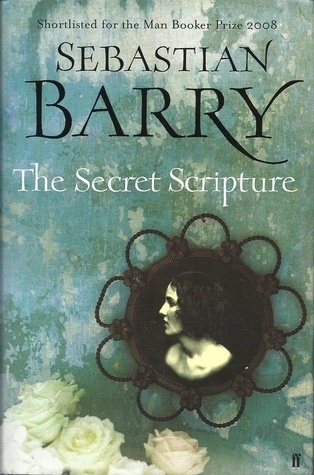 The Secret Scripture
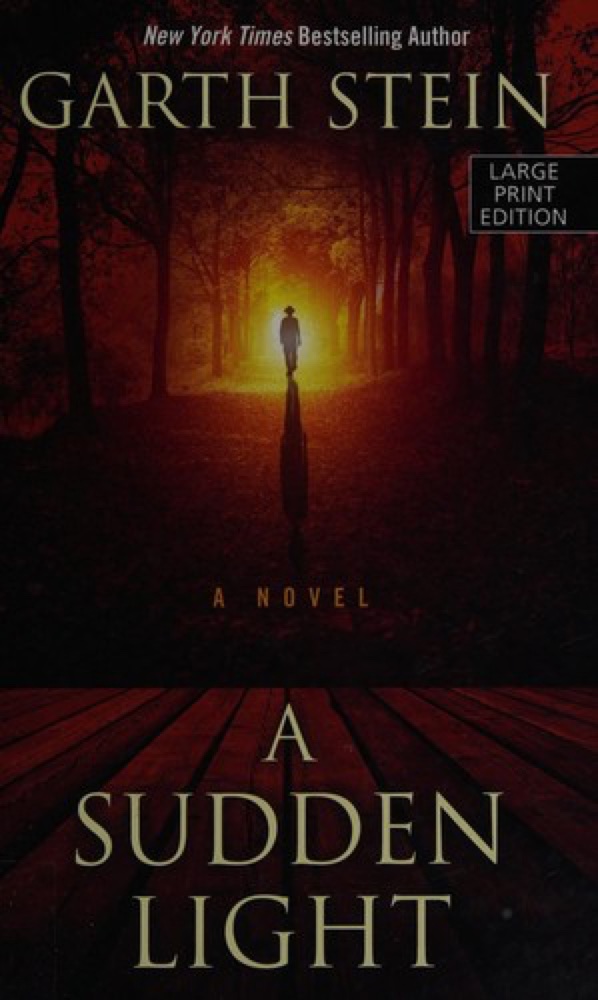 A Sudden Light
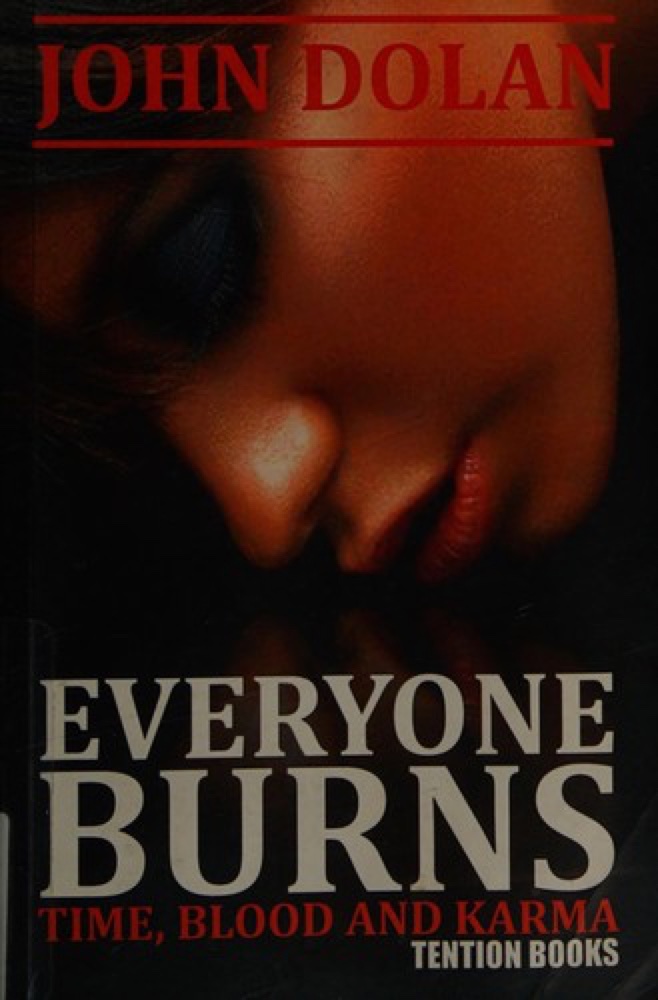 Everyone Burns
 The Black Obelisk
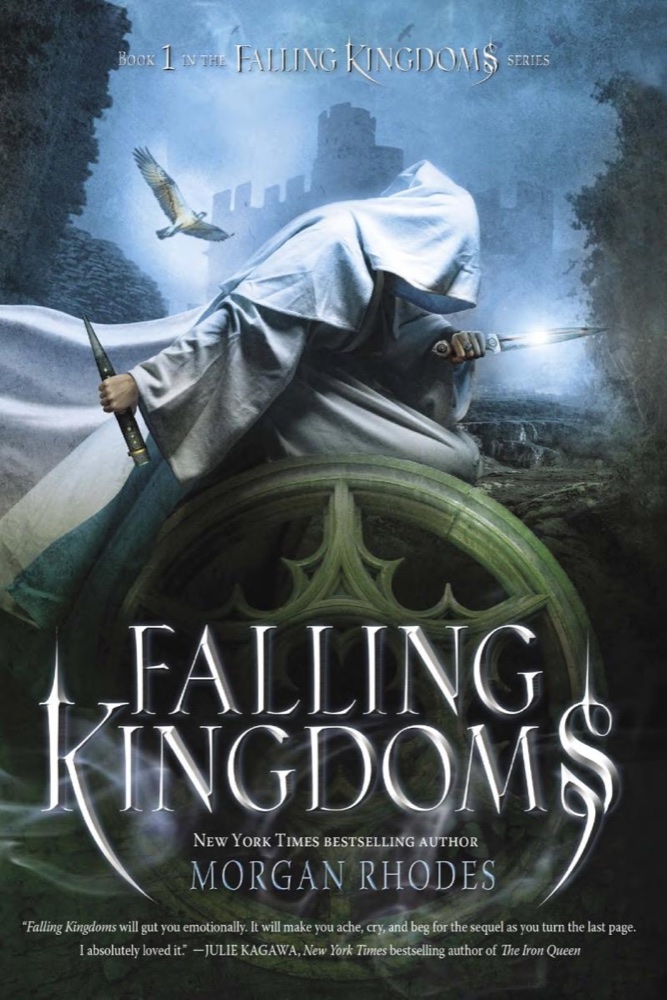 Falling Kingdoms
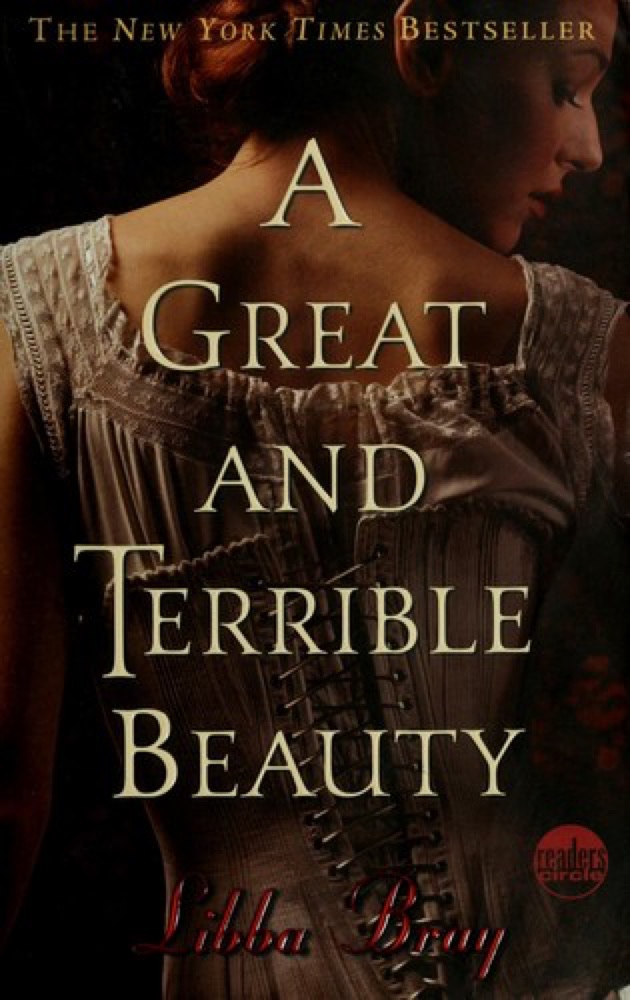 A Great and Terrible Beauty
 The Secret History
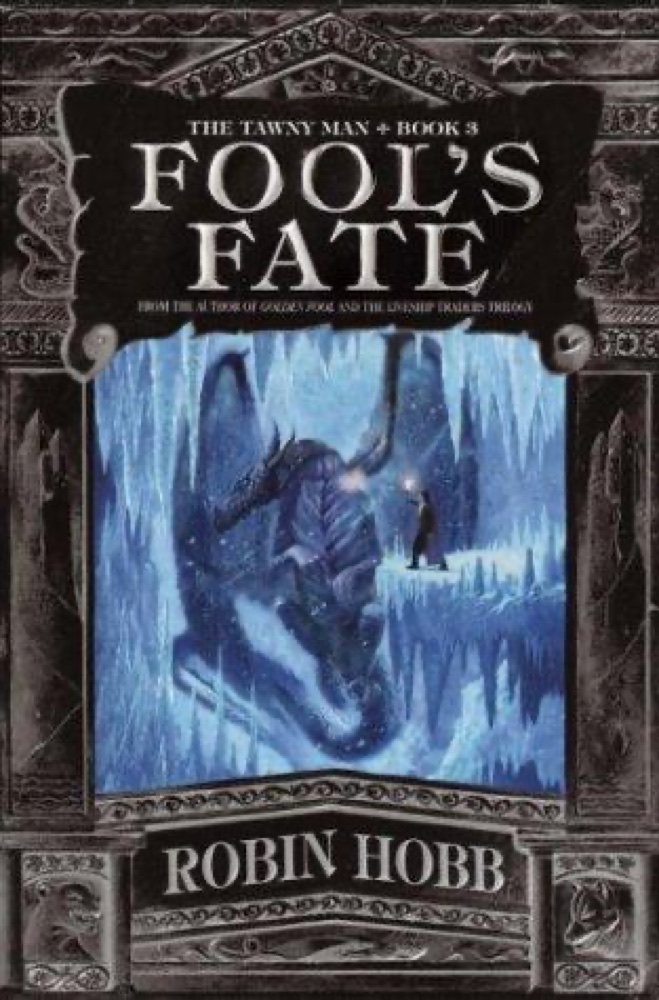 Fool's Fate
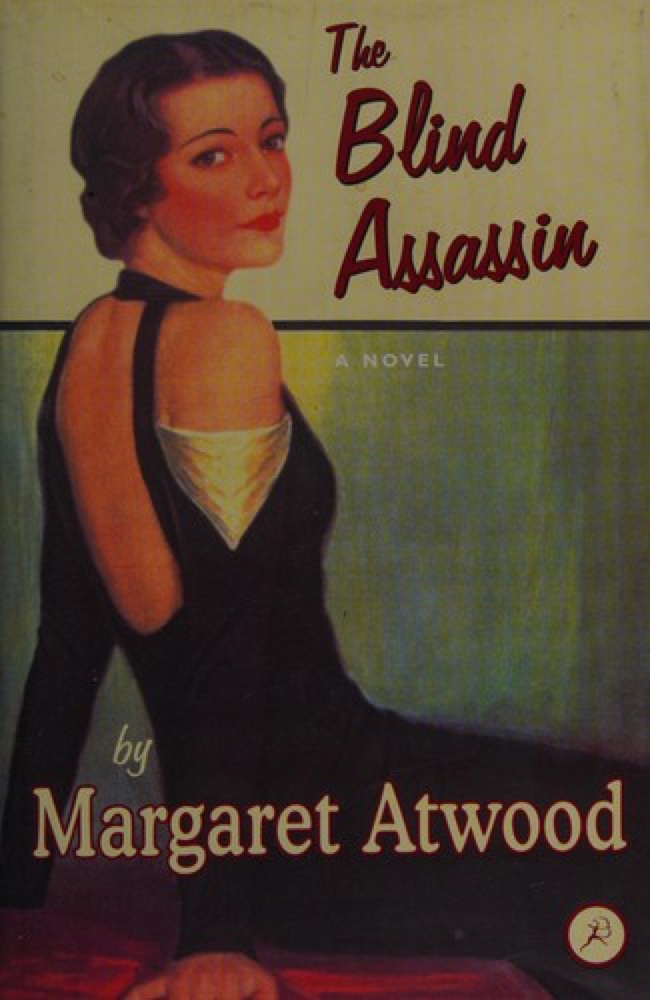 The Blind Assassin
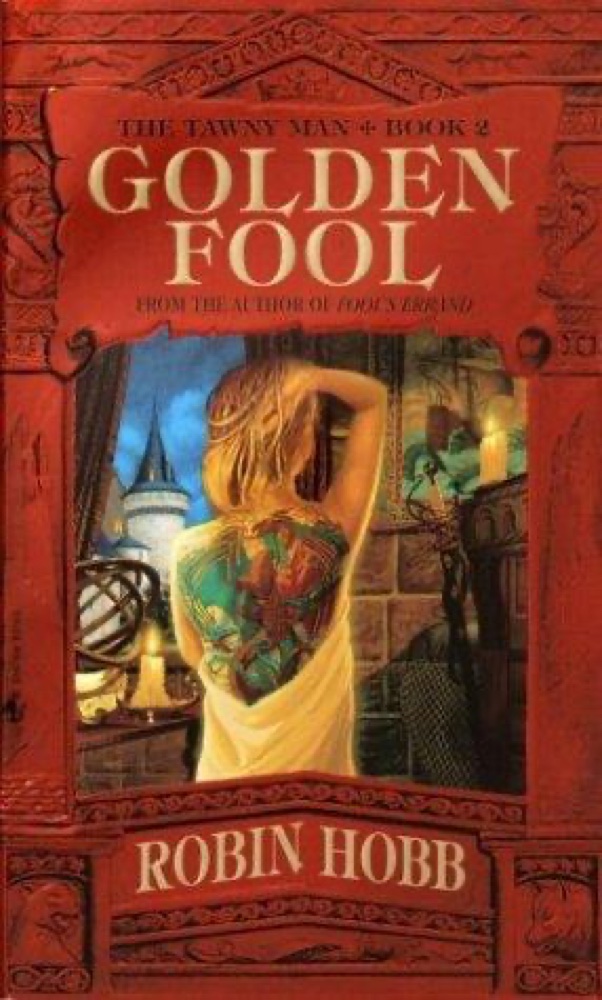 Golden Fool
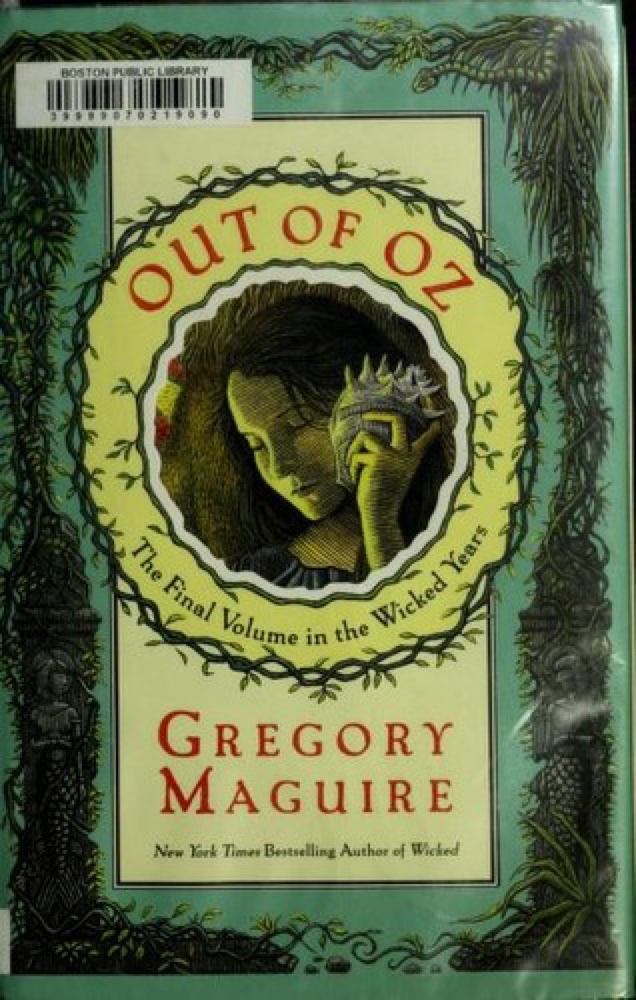 Out of Oz
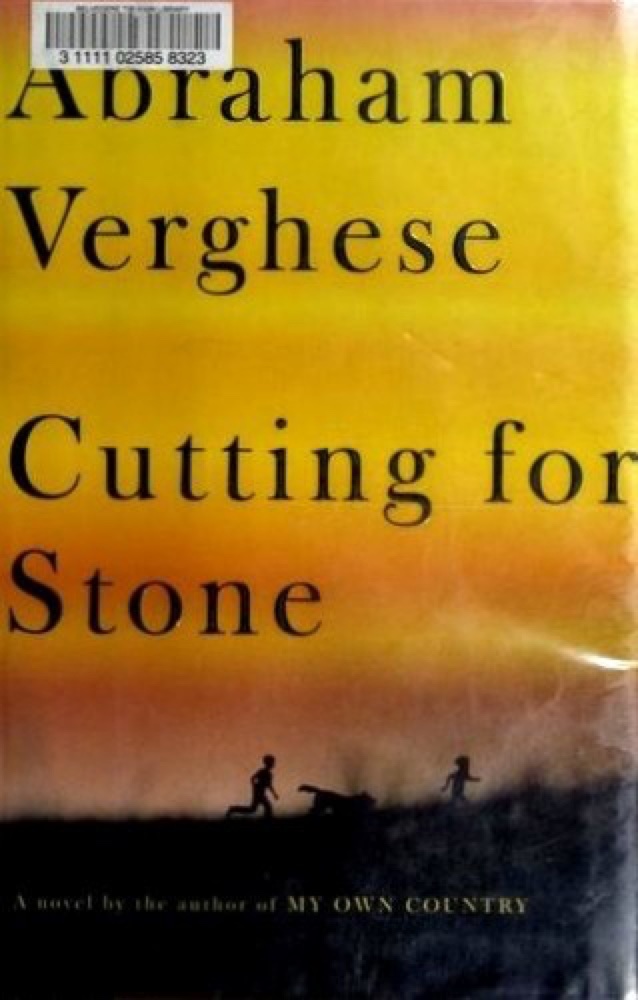 Cutting for Stone
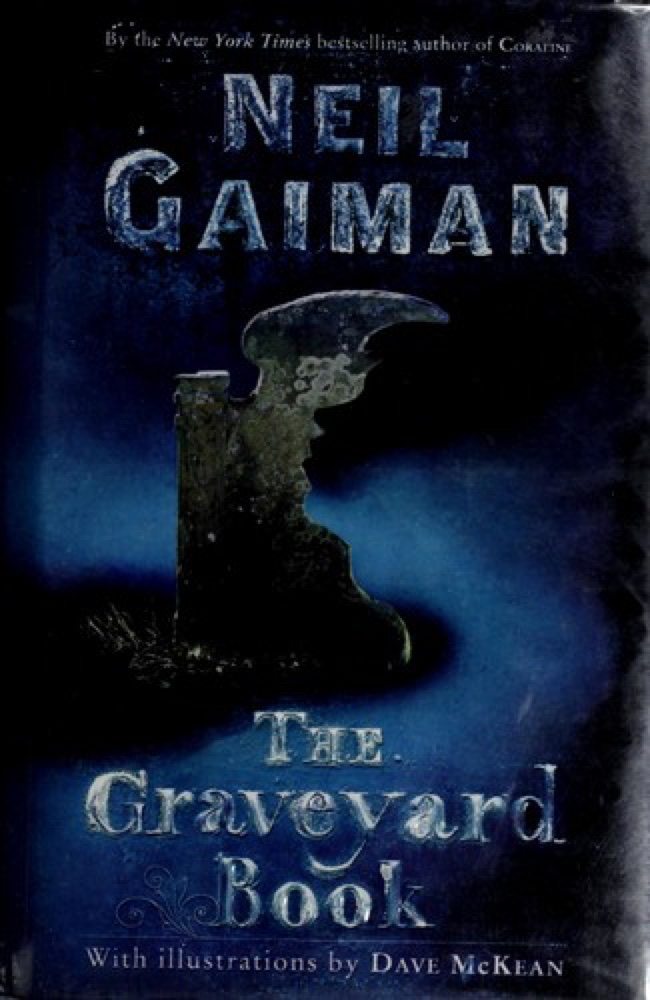 The Graveyard Book
 The Shadowglass
 And the Mountains Echoed
 Chasing Fireflies: A Novel of Discovery
 The Testaments
 Suspect
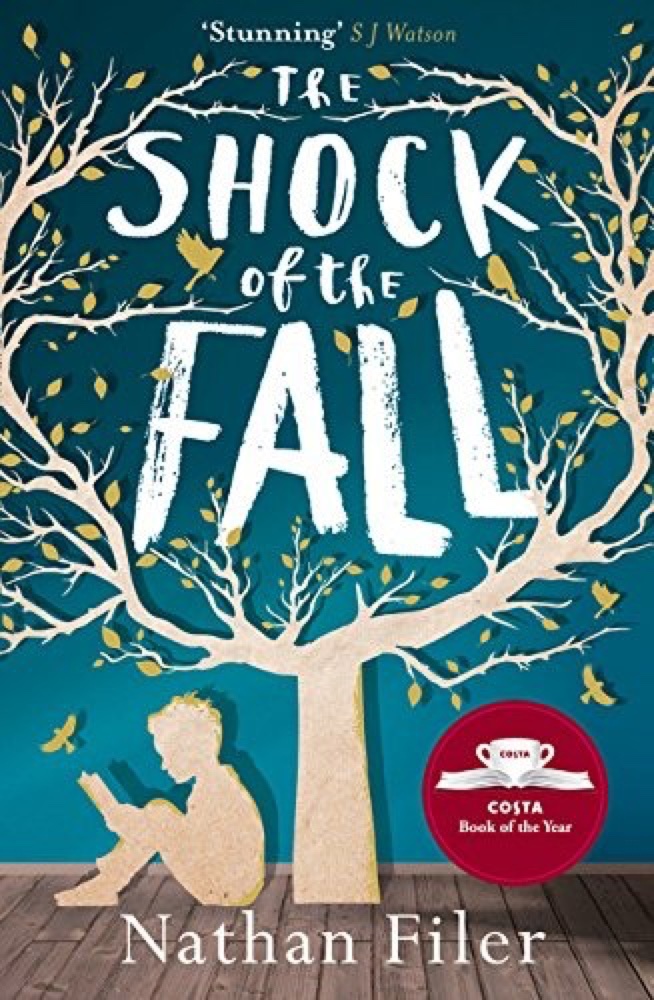 The Shock of the Fall
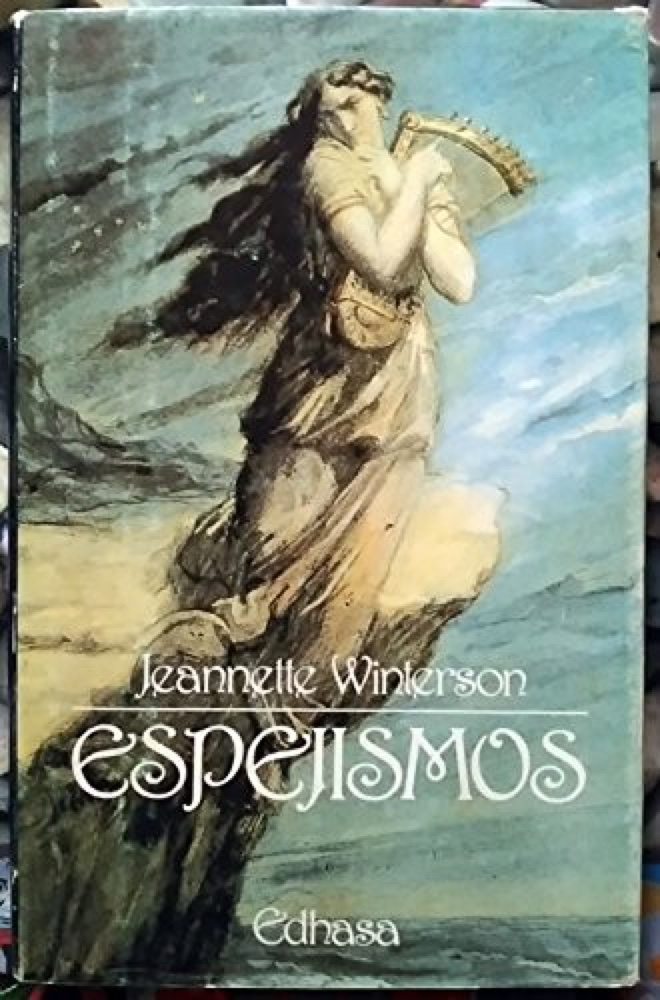 Sexing the Cherry
 Infinite Jest
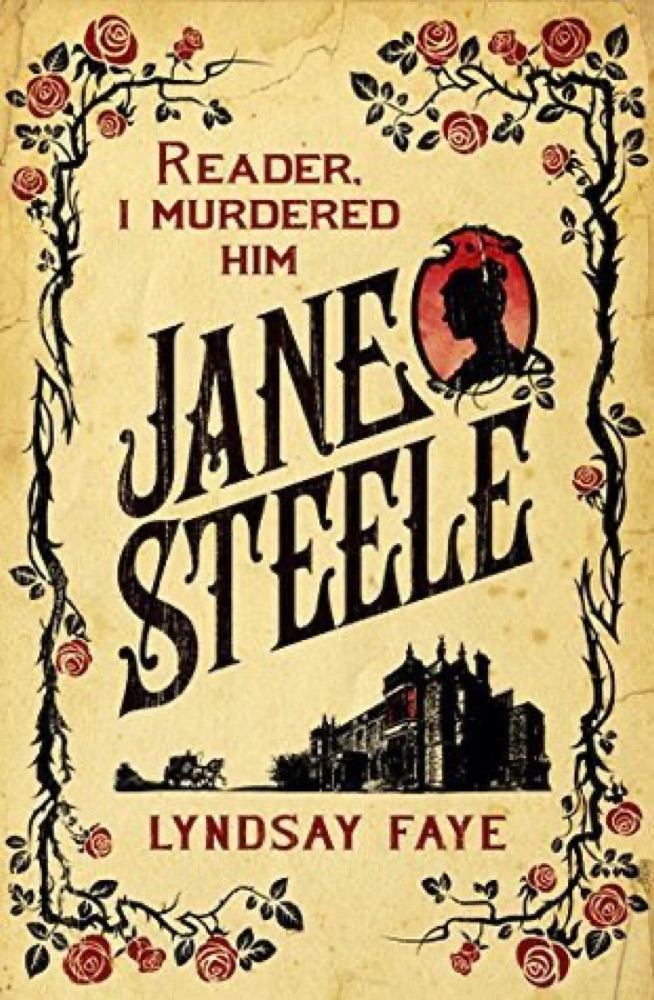 Jane Steele
 Bruiser
 Lit
Lit
 Infamous
 Embers
 Haunted
 The Killer Inside Me
 The Burning World
 Just as I Am
 White Teeth
 House of Leaves
 Varina
 Dust Tracks on a Road
 The Liar's Key
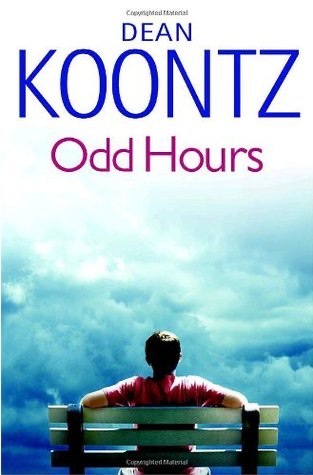 Odd Hours
 Fool's Errand
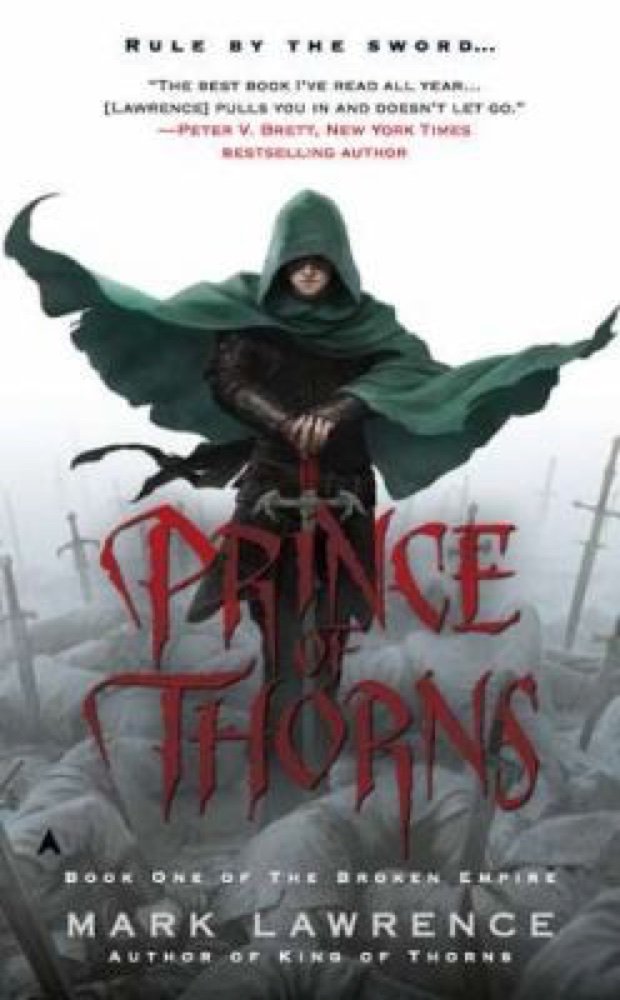 Prince of Thorns
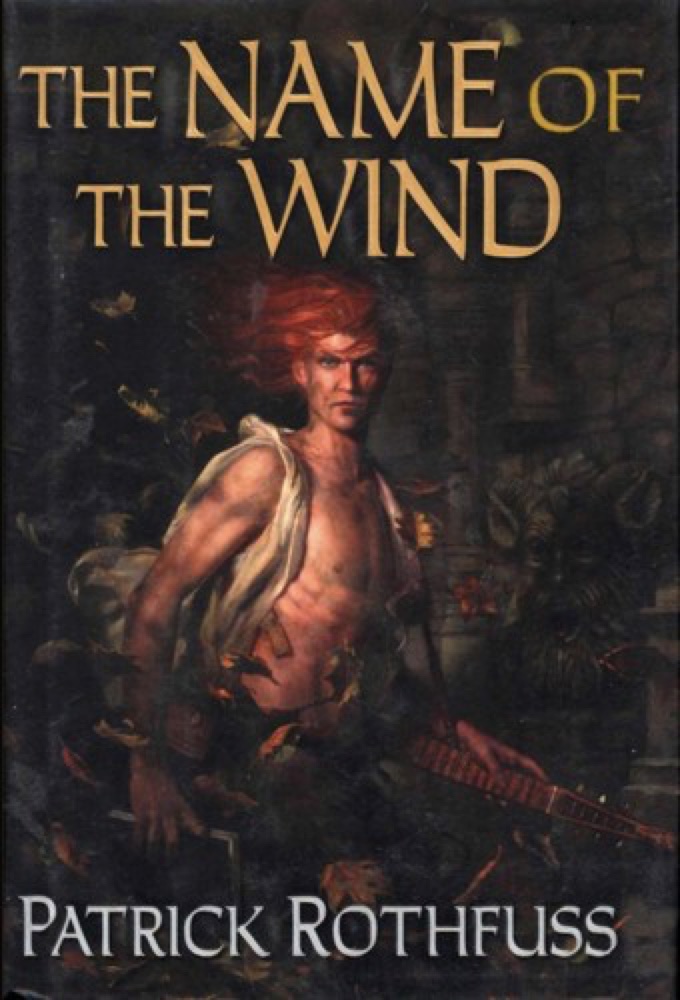 The Name of the Wind
 Special Topics in Calamity Physics
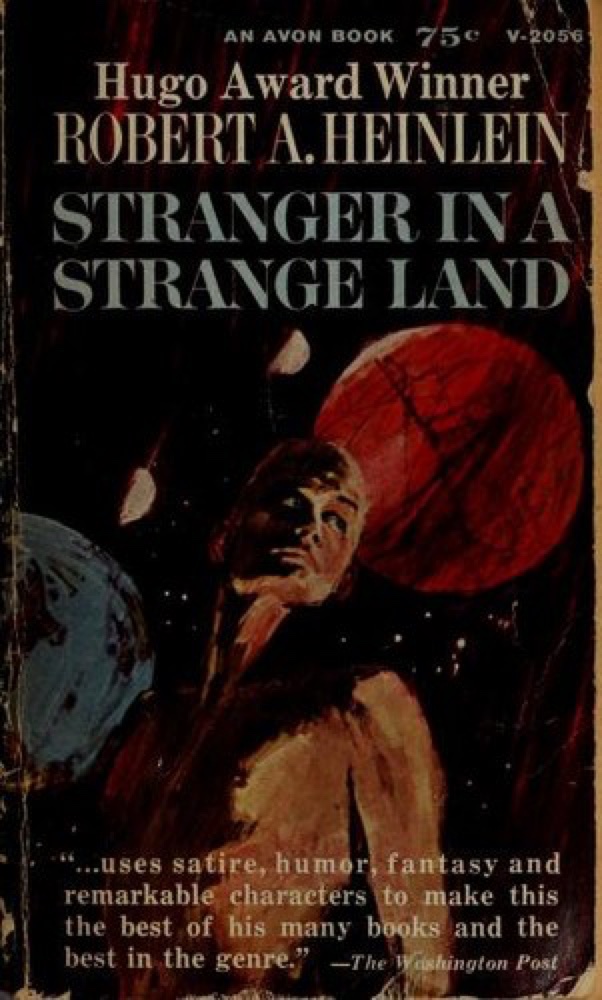 Stranger in a Strange Land
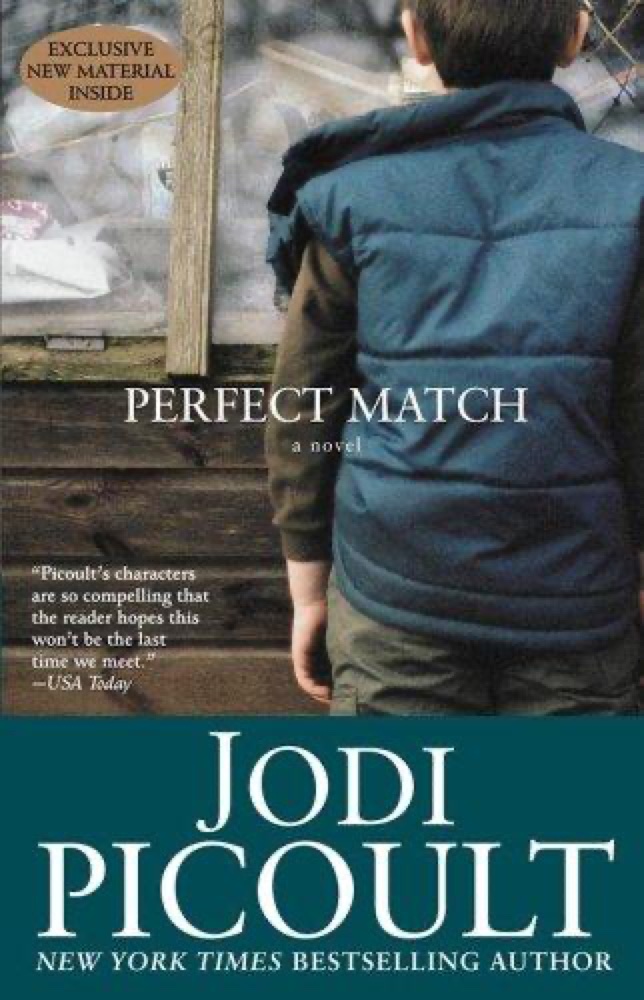 Perfect Match
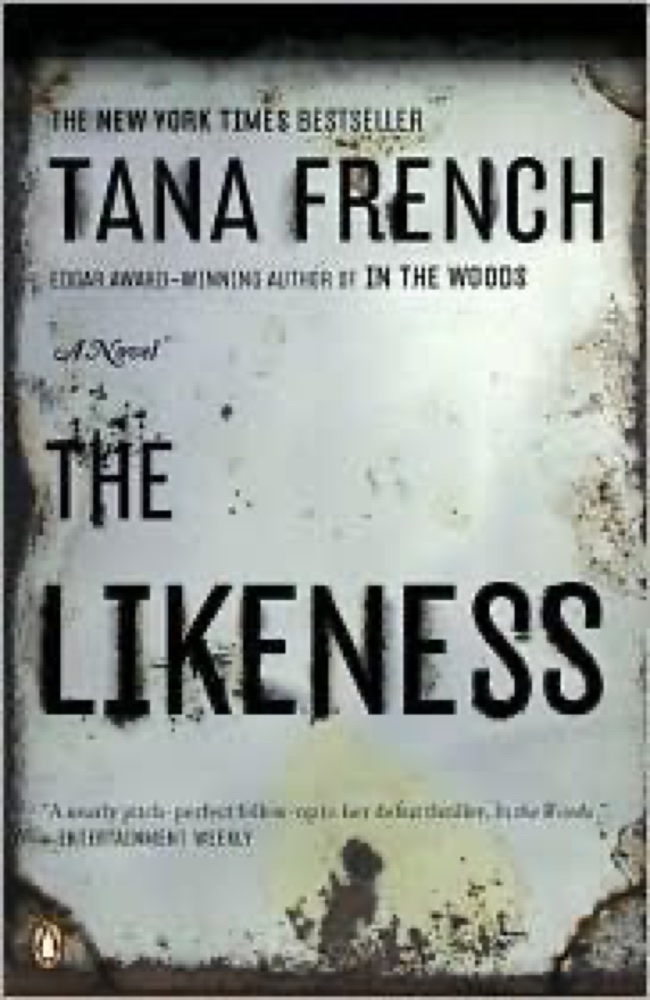 The Likeness
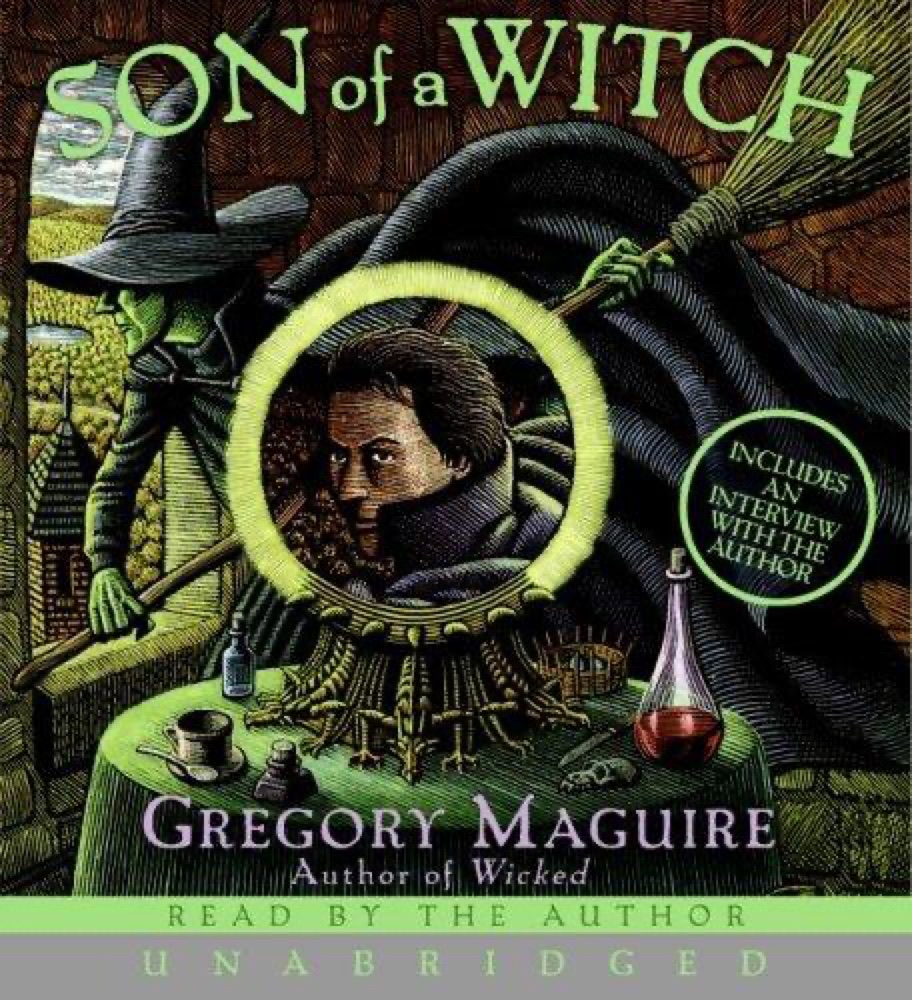 Son of a Witch
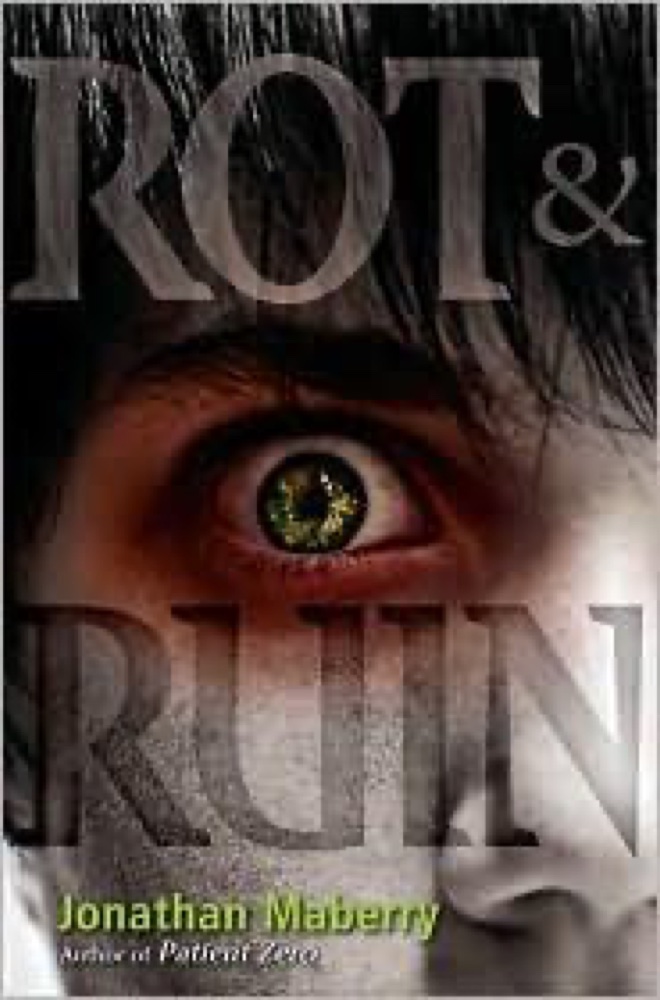 Rot & Ruin
 Senlin Ascends
 Nutshell
 Traveling Mercies: Some Thoughts on Faith
 Angle of Repose
 The Resistance
 Burial Rites
 The Serpent King
 Fall on Your Knees