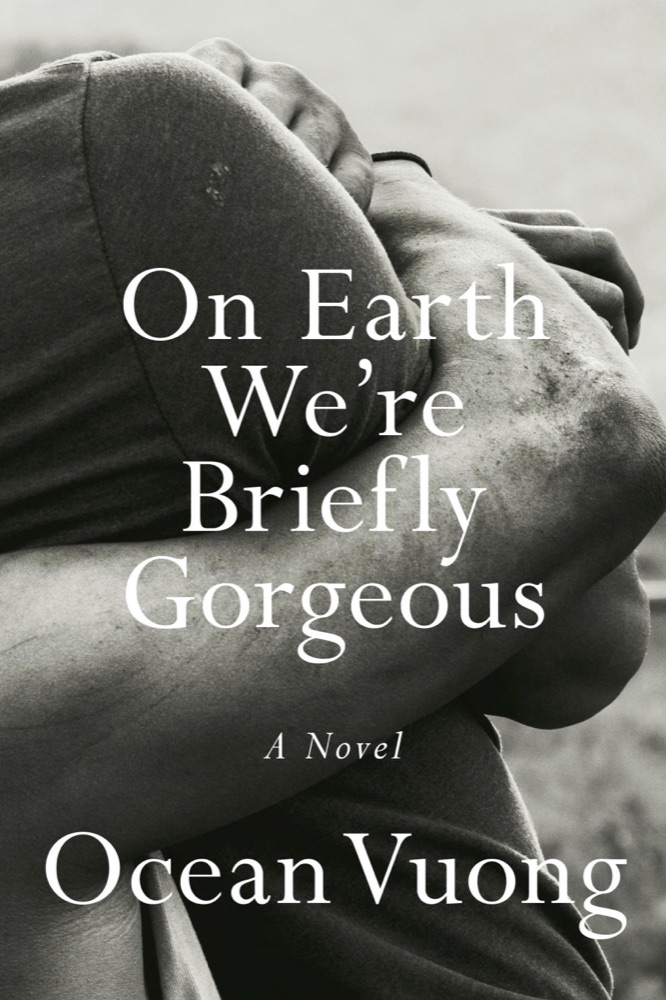

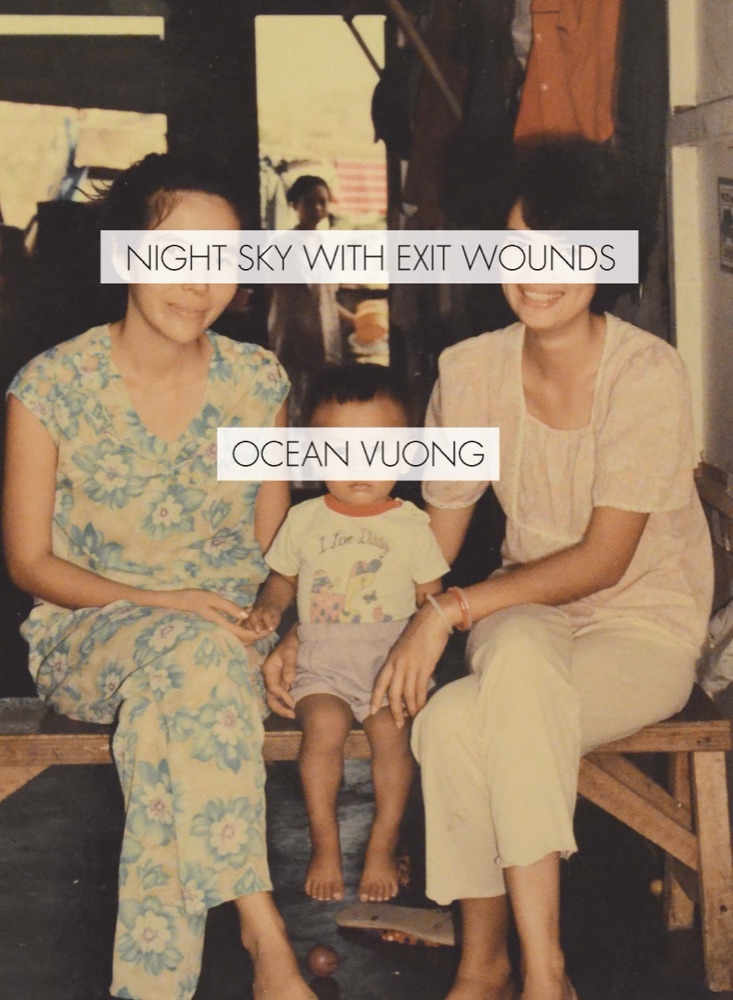
 Night Sky with Exit Wounds
Quotes from the Book
They say nothing lasts forever but they're just scared it will last longer than they can love it.
2.1k
You once told me that the human eye is god's loneliest creation. How so much of the world passes through the pupil and still it holds nothing. The eye, alone in its socket, doesn't even know there's another one, just like it, an inch away, just as hungry, as empty.
1.7k
I miss you more than I remember you.
1.7k
Sometimes being offered tenderness feels like the very proof that you've been ruined.
1.3k
In Vietnamese, the word for missing someone and remembering them is the same: nhớ. Sometimes, when you ask me over the phone, Có nhớ mẹ không? I flinch, thinking you meant, Do you remember me? I miss you more than I remember you.
1.2k
Because the sunset, like survival, exists only on the verge of its own disappearing. To be gorgeous, you must first be seen, but to be seen allows you to be hunted.
1.2k
Too much joy, I swear, is lost in our desperation to keep it.
1.1k
What were you before you met me?" "I think I was drowning" "And what are you now?" "Water
945
When does a war end? When can I say your name and have it mean only your name and not what you left behind?
764
I am writing because they told me to never start a sentence with because. But I wasn't trying to make a sentence—I was trying to break free. Because freedom, I am told, is nothing but the distance between the hunter and its prey.
730
I am thinking of beauty again, how some things are hunted because we have deemed them beautiful. If, relative to the history of our planet, an individual life is so short, a blink, as they say, then to be gorgeous, even from the day you're born to the day you die, is to be gorgeous only briefly.
645
Is that what art is? To be touched thinking what we feel is ours when, in the end, it was someone else, in longing, who finds us?
508
I am writing you from inside a body that used to be yours. Which is to say, I am writing as a son.
444
Did you know people get rich off of sadness? I want to meet the millionaire of American sadness. I want to look him in the eye, shake his hand, and say, 'it's been an honor to serve my country.
422
All freedom is relative—you know too well—and sometimes it’s no freedom at all, but simply the cage widening far away from you, the bars abstracted with distance but still there, as when they “free” wild animals into nature preserves only to contain them yet again by larger borders. But I took it anyway, that widening. Because sometimes not seeing the bars is enough
362
Ma. You once told me that memory is a choice. But if you were god, you'd know it's a flood.
356
Let no one mistake us for the fruit of violence - but that violence, having passed through the fruit, failed to spoil it.
311
Remember: The rules, like streets, can only take you to known places.
295
In a world myriad as ours, the gaze is a singular act: to look at something is to fill your whole life with it, if only briefly.
292
We try to preserve life, even when we know it has no chance of enduring its body. We feed it, keep it comfortable, bathe it, medicate it, caress it, even sing to it. We tend to these basic functions not because we are brave or selfless but because, like breath, it is the most fundamental act of our species: to sustain the body until time leaves it behind.
282
To be a monster is to be a hybrid signal, a lighthouse: both shelter and warning at once.
278
All this time I told myself we were born from war—but I was wrong, Ma. We were born from beauty. Let no one mistake us for the fruit of violence—but that violence, having passed through the fruit, failed to spoil it.
274
What I really wanted to say was that a monster is not such a terrible thing to be. From the Latin root monstrum, a divine messenger of catastrophe, then adapted by the Old French to mean an animal of myriad origins: centaur, griffin, satyr. To be a monster is to be a hybrid signal, a lighthouse: both shelter and warning at once.
255
It is no accident, Ma, that the comma resembles a fetus— that curve of continuation. We were all once inside our mothers, saying with our entire curved and silenced selves, more, more, more. I want to insist that are being alive is beautiful enough to be worthy of replication. And so what? So what if all I ever made of my life was more of it?
249
A page, turning, is a wing lifted with no twin, and therefore no flight. And yet we are moved.
213
But why can't the language for creativity be the language of regeneration? You killed that poem, we say. You're a killer. You came into that novel guns blazing. I am hammering this paragraph, I am banging them out, we say. I owned that workshop. I shut it down. I crushed them. We smashed the competition. I'm wrestling with the muse. The state, where people live, is a battleground state. The audience a target audience. "Good for you, man" a man once said to me at a party, "you're making a killing with poetry. You're knockin' em dead.
201
I'm sorry I keep saying How are you? when I really mean Are you happy?
197
They say nothing lasts forever and I’m writing you in the voice of an endangered species.
186
The truth is we can survive our lives, but not our skin. But you know this already.
183
Maybe in the next life we'll meet each other for the first time- believing in everything but the harm we're capable of. Maybe we'll be the opposite of buffaloes. We'll grow wings and spill over the cliff as a generation of monarchs, heading home. Green Apple. Like snow covering the particulars of the city, they will say we never happened, that our survival was a myth. But they're wrong. You and I, we were real. We laughed knowing joy would tear the stitches from our lips. Remember: The rules, like streets, can only take you to known places. Underneath the grid is a field- it was always there- where to be lost is never to be wrong, but simply more. As a rule, be more. As a rule, I miss you. As a rule,"little" is always smaller than "small". Don't ask me why. I'm sorry I don't call enough. Green Apple. I'm sorry I keep saying How are you? when I really mean Are you happy?
177
Did you know?
- The novel is written as a letter from the narrator, Little Dog, to his mother, who cannot read English.
- Ocean Vuong was already an award-winning poet, having won the T.S. Eliot Prize, before writing this debut novel.
- Vuong was named a MacArthur "Genius" Fellow in 2019, the same year the novel was published.
- The book draws on Vuong's own family history as Vietnamese refugees who settled in Hartford, Connecticut.
- A24 has been developing a film adaptation of the novel.
About Ocean Vuong
Ocean Vuong is a Vietnamese American poet and writer, born in Saigon in 1988 and raised in Hartford, Connecticut. He won the T.S. Eliot Prize for his poetry collection "Night Sky with Exit Wounds" and received a MacArthur Fellowship in 2019; "On Earth We're Briefly Gorgeous" is his debut novel.
More about the author →More by Ocean Vuong
About the book
"On Earth We're Briefly Gorgeous" is the debut novel by Vietnamese American poet Ocean Vuong, published by Penguin Press in 2019. Written as a letter from a young man nicknamed Little Dog to his mother, Rose, who cannot read it, the epistolary novel moves across three generations of a Vietnamese family. It traces the grandmother Lan's life during the Vietnam War, Rose's work in a Hartford, Connecticut nail salon, and Little Dog's coming of age, including his first love with a young man named Trevor.
Told in a fragmented, nonlinear and lyrical style that reflects Vuong's background as a poet, the book explores immigration and the refugee experience, intergenerational and wartime trauma, queer identity and first love, and the fraught bond between mothers and sons. It also examines language, race, masculinity, and the addiction crisis in working-class America, searching for moments of beauty amid hardship.
The novel was widely acclaimed on publication and became a bestseller. It was longlisted for the 2019 National Book Award for Fiction and named a finalist for the 2020 PEN/Faulkner Award for Fiction, and it won the New England Book Award and other honors. Reviews were largely admiring of its language, though some critics, such as Dwight Garner in The New York Times, found portions of the prose overly ornate.
Key characters
- Little DogThe narrator, a young gay Vietnamese American man writing to his mother
- RoseLittle Dog's mother, a nail salon worker traumatized by the Vietnam War
- LanLittle Dog's grandmother, who fled an arranged marriage during the war
- TrevorA young white man and Little Dog's first love, who struggles with opioid addiction
Book details
- First published
- 2019
- Length
- 256 pages
- Reading time
- 4 hours
- Author
- Ocean Vuong
- Genre
- Fiction
- Goodreads rating
- 4.00 (432k ratings)
Critical reception
- Longlisted for the 2019 National Book Award for Fiction.
- Named a finalist for the 2020 PEN/Faulkner Award for Fiction.
- Kirkus Reviews called it "a raw and incandescently written foray into fiction."
- The New York Times critic Dwight Garner gave a mixed review, praising passages while calling some of the writing "showy" and "affected."
Movie & TV adaptations
- IMDb
If you liked this, read…
- 1The SympathizerAnother acclaimed work centering the Vietnamese and refugee experience
- 2A Little LifeAn emotionally intense literary novel about trauma, love, and male friendship
Keep reading
 I Wrote This For You
Night Sky with Exit Wounds
I Wrote This For You
Night Sky with Exit Wounds
 Dearly
 Poems New and Collected
 The Dog Stars
 I'll Be Seeing You
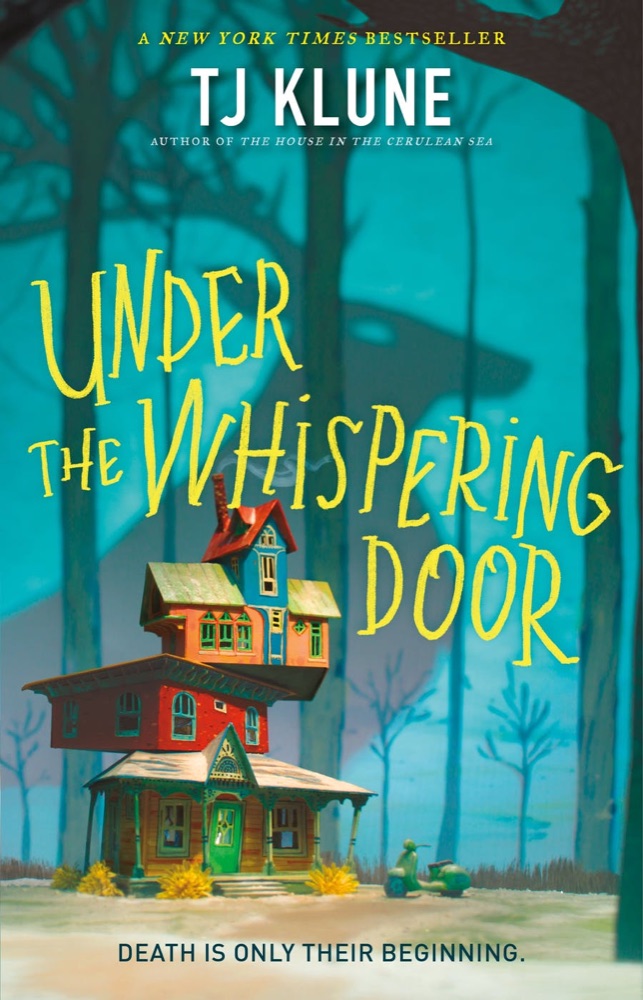 Under the Whispering Door
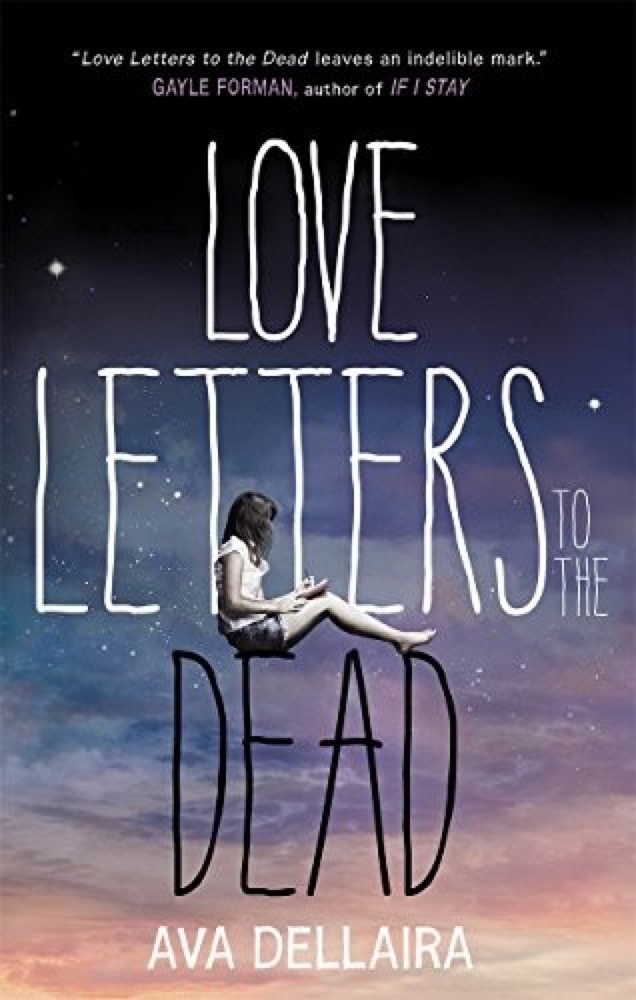 Love Letters to the Dead
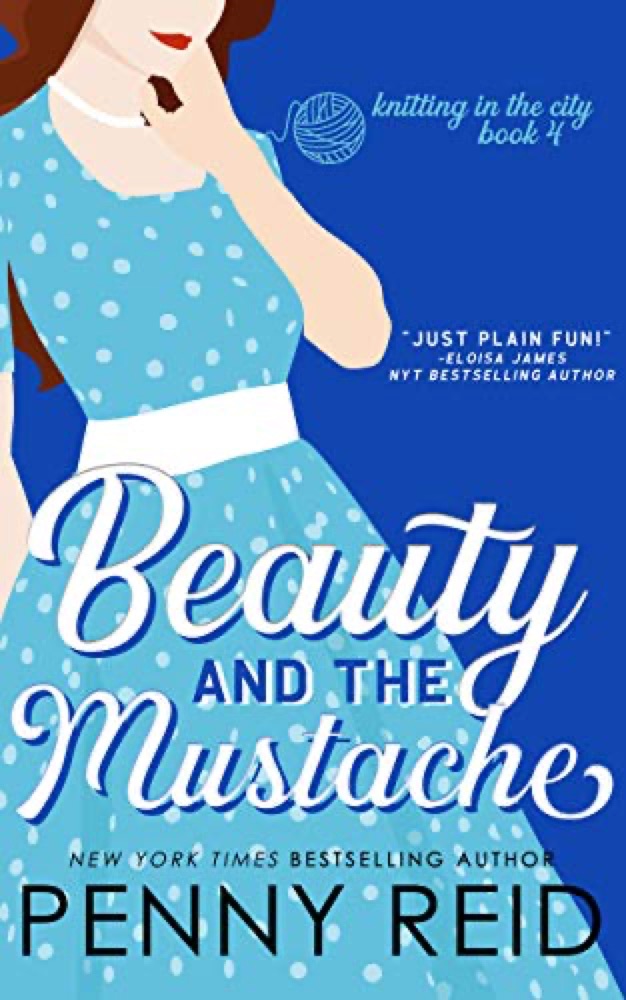 Beauty and the Mustache
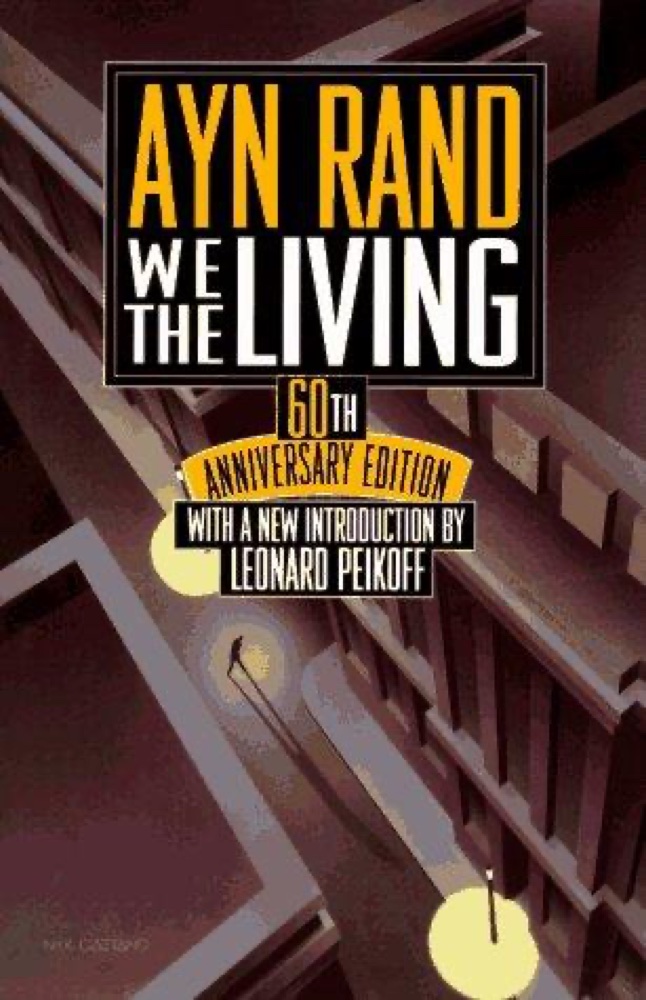 We the Living
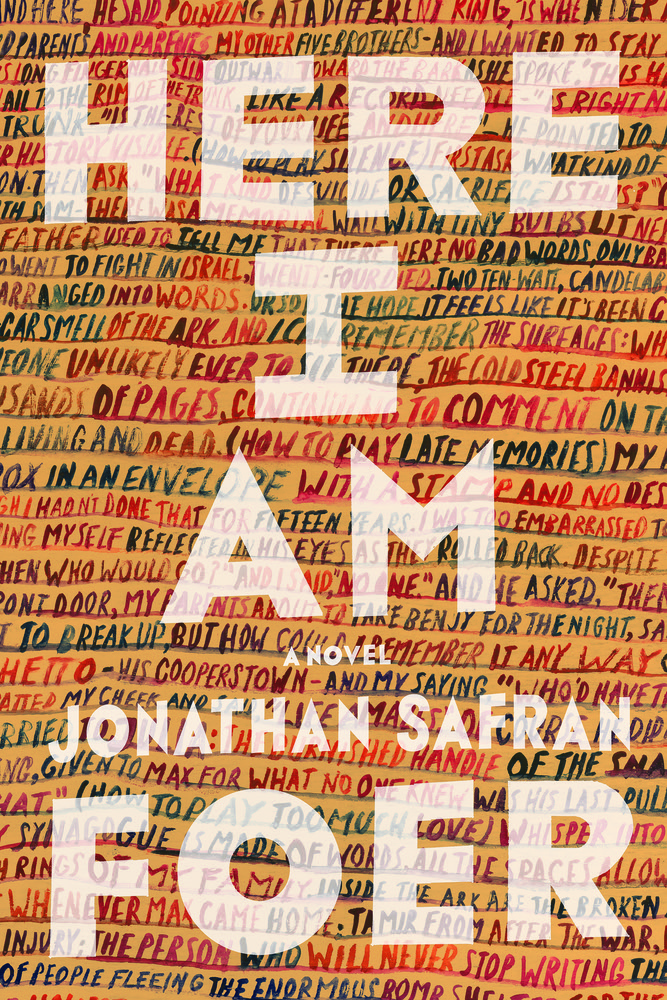 Here I Am
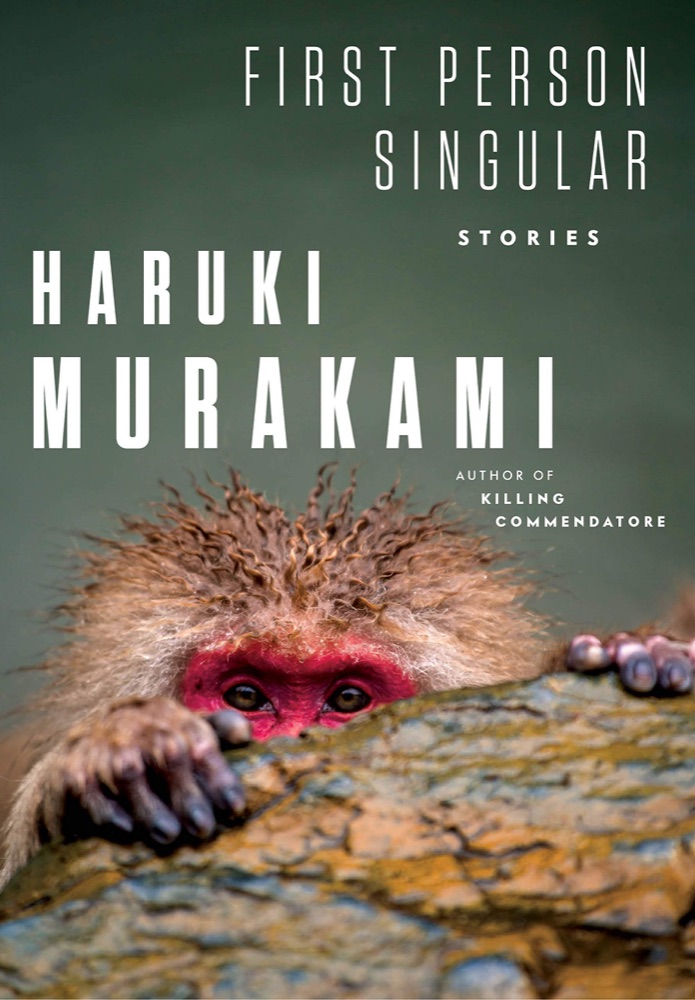 First Person Singular: Stories
 Memorizing You
 Plainwater: Essays and Poetry
 Time Is a Mother
 The Goldfinch
 The Stone Gods
 What I Loved
 The Anthropocene Reviewed: Essays on a Human-Centered Planet
 It Lasts Forever and Then It's Over
 Invisibility
 Little Bee
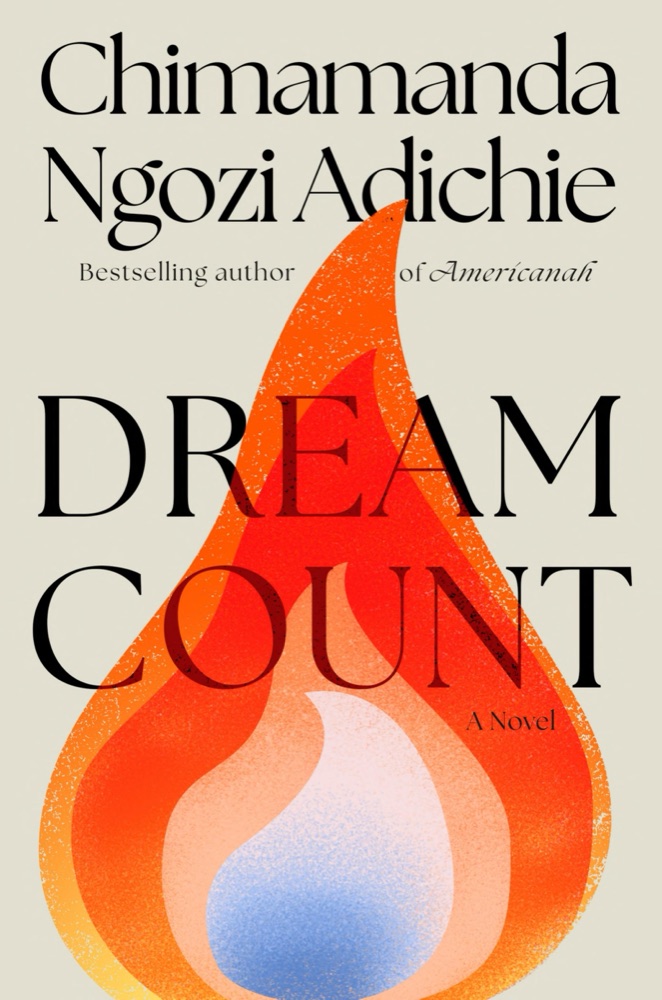 Dream Count
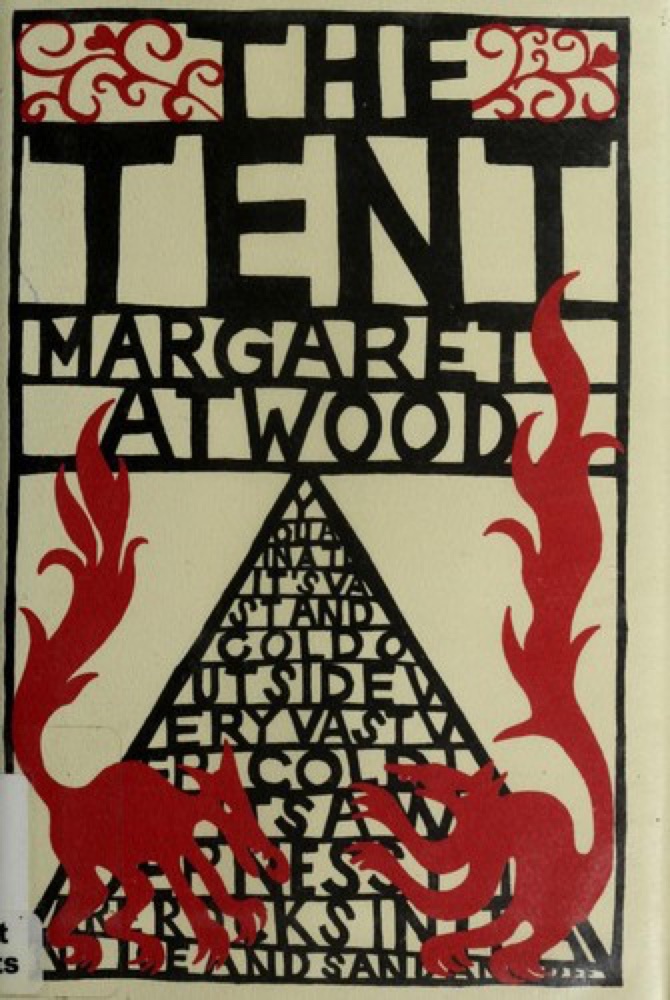 The Tent
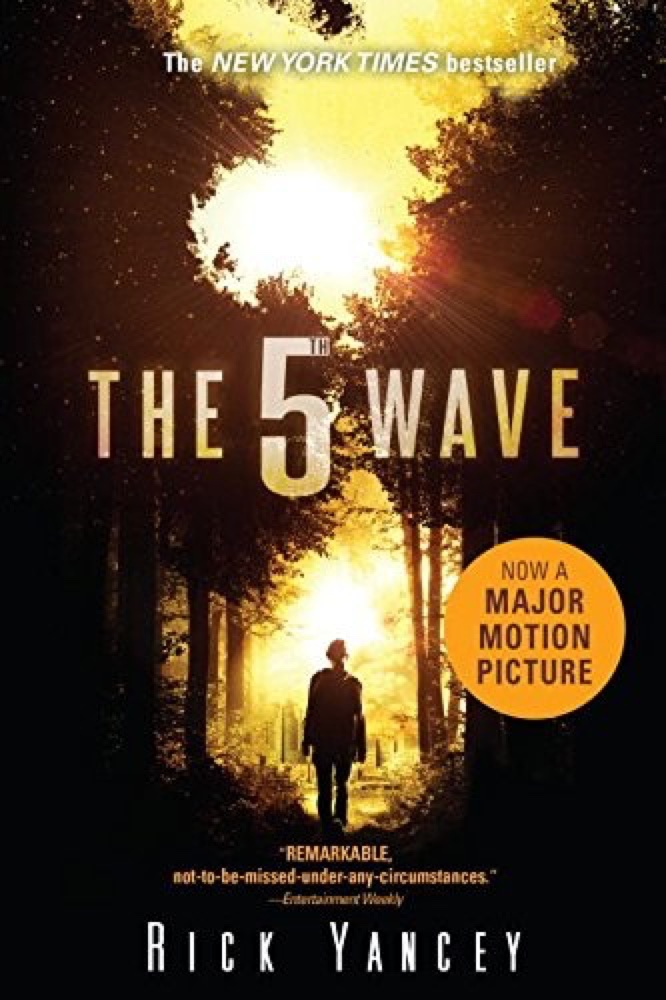 The 5th Wave
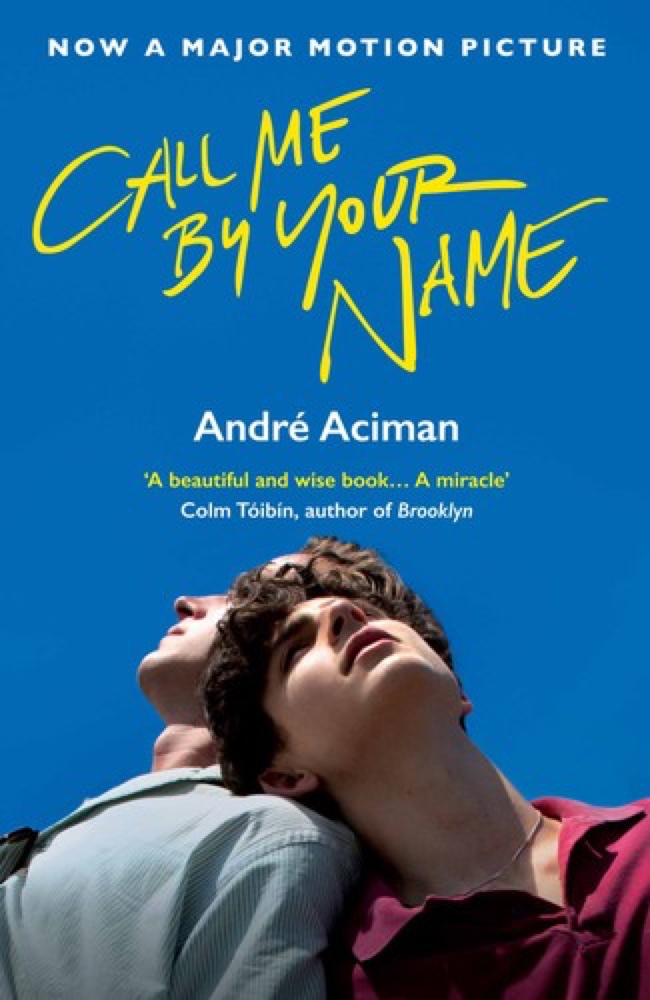 Call Me by Your Name
 Light Years
 The Shape of Water
 Hourglass: Time, Memory, Marriage
 The Friend
 The Dark and Hollow Places
 I Fell in Love With Hope
 Requiem
 Nutshell
 The Names
 A Tale for the Time Being
 The Song of David
 Lighthousekeeping
 Middlesex
 Liberation Day
 Sexing the Cherry
 Extraordinary Means
 The Raw Shark Texts
 The Deal of a Lifetime
 Our Chemical Hearts
 Four Treasures of the Sky
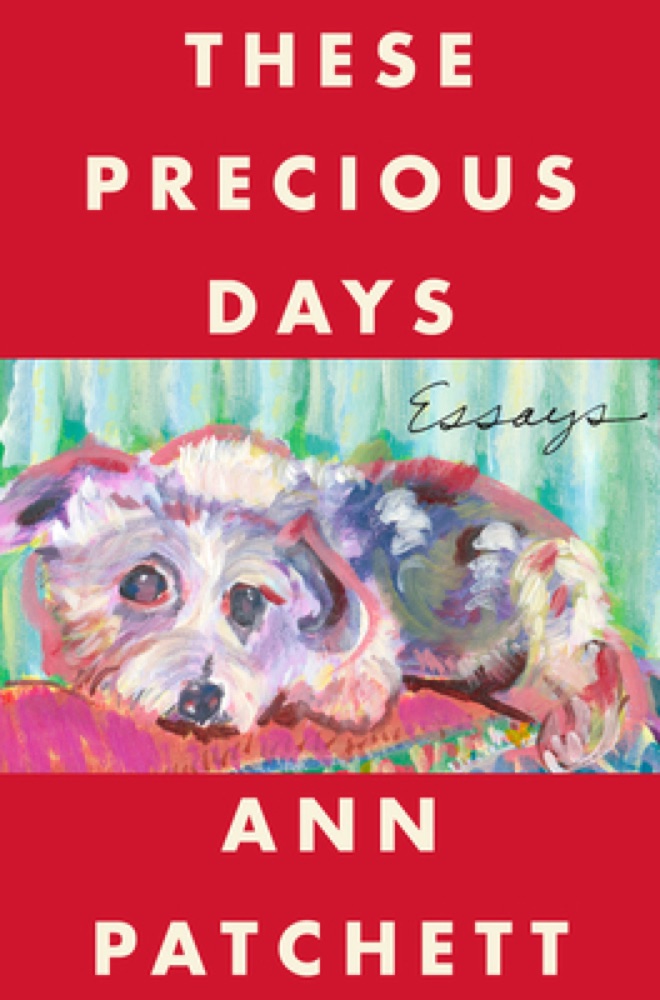 These Precious Days: Essays
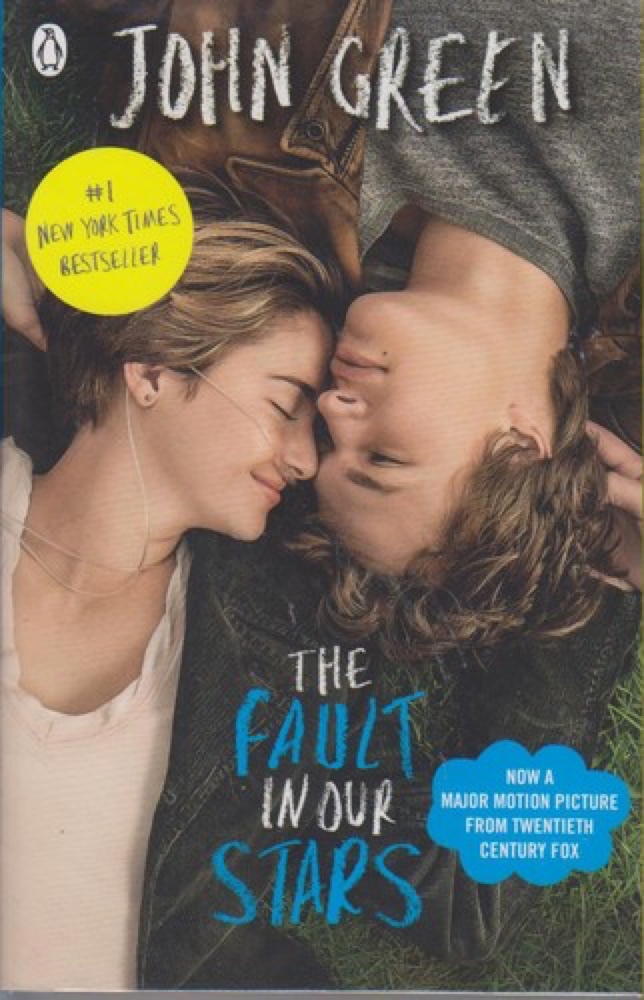 The Fault in Our Stars
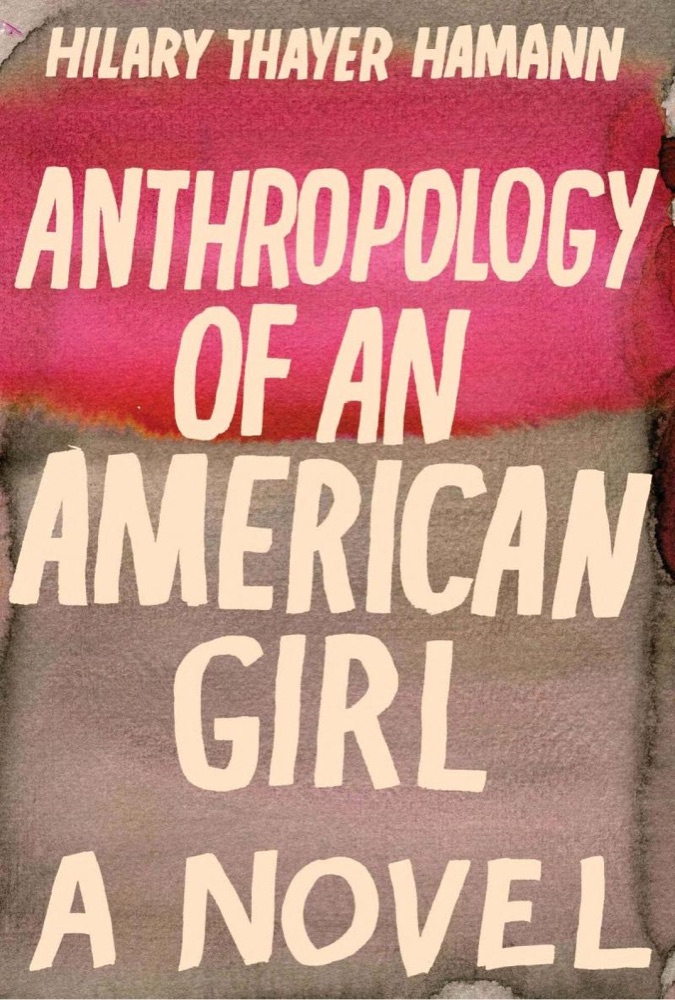 Anthropology of an American Girl
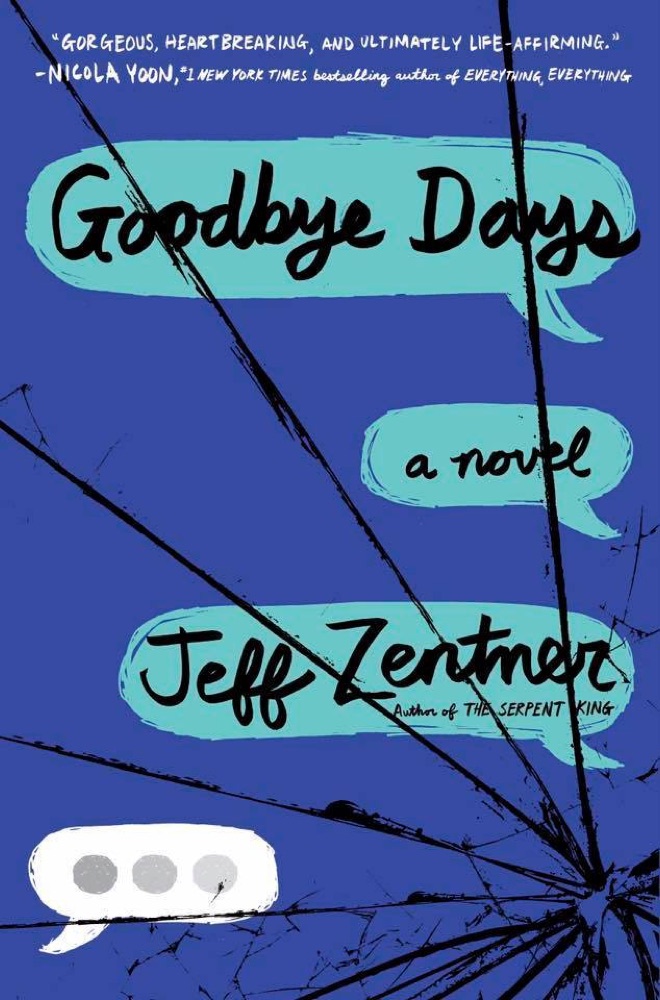 Goodbye Days
 Lit
Lit
 Future Home of the Living God
 In the Lives of Puppets
 Children of the Mind
 Blue Nights
 Turtles All the Way Down
 Making Faces
 In the Wild Light
 Night Train to Lisbon
 Deep Creek: Finding Hope in the High Country