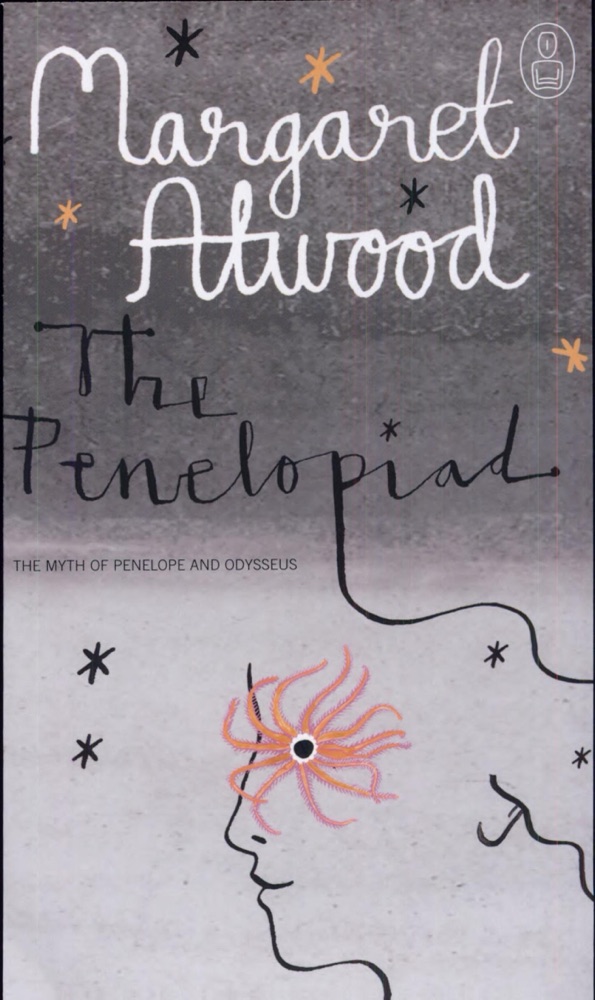

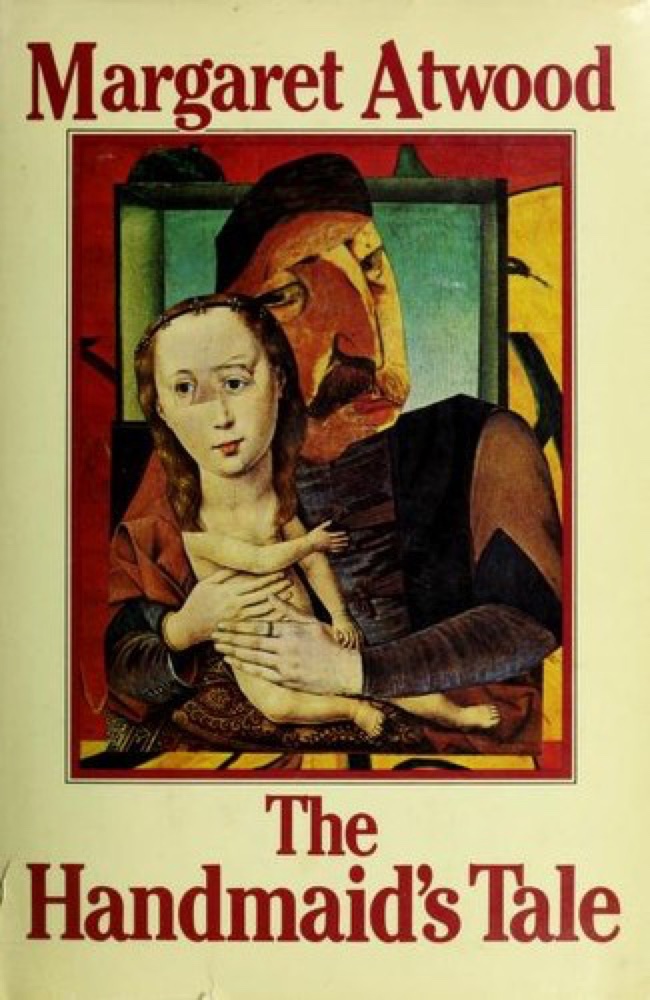
 The Handmaid's Tale
Quotes from the Book
Water does not resist. Water flows. When you plunge your hand into it, all you feel is a caress. Water is not a solid wall, it will not stop you. But water always goes where it wants to go, and nothing in the end can stand against it. Water is patient. Dripping water wears away a stone. Remember that, my child. Remember you are half water. If you can't go through an obstacle, go around it. Water does.
1.3k
Cleverness is a quality a man likes to have in his wife as long as she is some distance away from him. Up close, he'll take kindness any day of the week, if there's nothing more alluring to be had.
147
Which of us can resist the temptation of being thought indispensable?
129
Now that I am dead, I know everything.
87
Never mind. Point being that you don't have to get too worked up about us, dear educated minds. You don't have to think of us as real girls, real flesh and blood, real pain, real injustice. That might be too upsetting. Just discard the sordid part. Consider us pure symbol. We're no more real than money.
59
Then sail, my fine lady, on the billowing wave - The water below is as dark as the grave, And maybe you'll sink in your little blue boat - It's hope, and hope only, that keeps us afloat
57
I am tempted to think that to be despised by her sex is a very great compliment to a woman.
55
Happy endings are best achieved by keeping the right doors locked
43
Who is to say that prayers have any effect? On the other hand, who is to say they don't? I picture the gods, diddling around on Olympus, wallowing in the nectar and ambrosia and the aroma of burning bones and fat, mischievous as a pack of ten-year-olds with a sick cat to play with and a lot of time on their hands. 'Which prayer shall we answer today?' they ask one another. 'Let's cast the dice! Hope for this one, despair for that one, and while we're at it, let's destroy the life of that woman over there by having sex with her in the form of a crayfish!' I think they pull a lot of their pranks because they're bored.
43
The Chorus Line: A Rope-Jumping Rhyme we are the maids the ones you killed the ones you failed we danced in air our bare feet twitched it was not fair with every goddess, queen, and bitch from there to here you scratched your itch we did much less than what you did you judged us bad you had the spear you had the word at your command we scrubbed the blood of our dead paramours from floors, from chairs from stairs, from doors, we knelt in water while you stared at our bare feet it was not fair you licked our fear it gave you pleasure you raised your hand you watched us fall we danced on air the ones you failed the ones you killed
41
Children were vehicles for passing things along. These things could be kingdoms, rich wedding gifts, stories, grudges, blood feuds. Through children, alliances were forged; through children, wrongs were avenged. To have a child was to set loose a force in the world.
37
Even an obvious fabrication is some comfort when you have few others.
34
Also, if a man takes pride in his disguise skills, it would be a foolish wife who would claim to recognise him: it's always an imprudence to step between a man and the reflection of his own cleverness.
33
Creating some god for one's inspirations was always a good way to avoid accusations of pride should the scheme succeed, as well as the blame if did not.
27
The shroud itself became a story almost instantly. 'Penelope's web', it was called; people used to say that of any task that remained mysteriously unfinished. I did not appreciate the term web. If the shroud was a web, then I was a spider. But I had not been attempting to catch men like flies: on the contrary, I'd merely been trying to avoid entanglement myself.
22
There is indeed something delightful about being able to combine obedience and disobedience in the same act.
20
Death is much too high a price to pay for the satisfaction of curiosity, needless to say.
20
It's always an imprudence to step between a man and the reflection of his own cleverness.
19
Envoi we had no voice we had no name we had no choice we had one face one face the same we took the blame it was no fair but now w're here we're all here too the same as you and now we follow you, we find you now, we call to you to you too wit too woo too wit too woo too woo (The Maids sprout feathers, and fly away as owls.)
19
Point being that you don't have to get too worked up about us, dear educated minds. You don't have to think of us as real girls, real flesh and blood, real pain, real injustice. That might be too upsetting. Just discard the sordid part. Consider us pure symbol. We're no more real than money.
14
We immortals aren't misers - we don't hoard! Such things are pointless.
14
Daughters of Naiads were a dime a dozen in those days; the place was crawling with them. Nevertheless, it never hurts to be of semi-divine birth. Or it never hurts immediately.
13
The Chorus Line: The Birth of Telemachus, An Idyll Nine months he sailed the wine-red seas of his mother's blood Out of the cave of dreaded Night, of sleep, Of troubling dreams he sailed In his frail dark boat, the boat of himself, Through the dangerous ocean of his vast mother he sailed From the distant cave where the threads of men's lives are spun, Then measured, and then cut short By the Three Fatal Sisters, intent on their gruesome handcrafts, And the lives of women also are twisted into the strand. And we, the twelve who were later to die by his hand At his father's relentless command, Sailed as well, in the dark frail boats of ourselves Through the turbulent seas of our swollen and sore-footed mothers Who were not royal queens, but a motley and piebald collection, Bought, traded, captured, kidnapped from serfs and strangers. After the nine-month voyage we came to shore, Beached at the same time as he was, struck by the hostile air, Infants when he was an infant, wailing just as he wailed, Helpless as he was helpless, but ten times more helpless as well, For his birth was longed-for and feasted, as our births were not. His mother presented a princeling. Our various mothers Spawned merely, lambed, farrowed, littered, Foaled, whelped and kittened, brooded, hatched out their clutch. We were animal young, to be disposed of at will, Sold, drowned in the well, traded, used, discarded when bloomless. He was fathered; we simply appeared, Like the crocus, the rose, the sparrows endangered in mud. Our lives were twisted in his life; we also were children When he was a child, We were his pets and his toythings, mock sisters, his tiny companions. We grew as he grew, laughed also, ran as he ran, Though sandier, hungrier, sun-speckled, most days meatless. He saw us as rightfully his, for whatever purpose He chose, to tend him and feed him, to wash him, amuse him, Rock him to sleep in the dangerous boats of ourselves. We did not know as we played with him there in the sand On the beach of our rocky goat-island, close by the harbour, That he was foredoomed to swell to our cold-eyed teenaged killer. If we had known that, would we have drowned him back then? Young children are ruthless and selfish: everyone wants to live. Twelve against one, he wouldn't have stood a chance. Would we? In only a minute, when nobody else was looking? Pushed his still-innocent child's head under the water With our own still-innocent childish nursemaid hands, And blamed it on waves. Would we have had it in us? Ask the Three Sisters, spinning their blood-red mazes, Tangling the lives of men and women together. Only they know how events might then have had altered. Only they know our hearts. From us you will get no answer.
12
For the heart was both key and lock, and he who could master the hearts of men and learn their secrets was well on the way to mastering the Fates and controlling the thread of his own destiny.
12
He told me that everyone had a hidden door, which was the way into the heart, and that it was a point of honour with him to be able to find the handles to those doors. For the heart was both key and lock, and he who could master the hearts of men and learn their secrets was well on the way to mastering the Fates and controlling the thread of his own destiny. Not, he hastened to add, that any man can really do that. Not even the gods, he said, were more powerful than the Three Fatal Sisters. He did not mention them by name, but spat to avoid bad luck; and i shivered to think of them in their glum cave, spinning out lives, measuring them, cutting them off.
12
But I was the daughter of a Naiad. Behave like water, I told myself. Don’t try to oppose them. When they try to grasp you, slip through their fingers. Flow around them.
12
First maid: If I was a princess, with silver and gold, And loved by a hero, I'd never grow old: Oh, if a young hero came a-marrying me, I'd always be beautiful, happy, and free! Chorus: Then sail, my fine lady, on the billowing wave - The water below is as dark as the grave, And maybe you'll sink in your little blue boat - It's hope, and hope only, that keeps us afloat.
12
We can see through all your disguises: the paths of day, the paths of darkness, whichever paths you take - we're right behind you, following you like a trail of smoke, like a long tail, a tail made of girls, heavy as memory, light as air: twelve accusations, toes skimming the ground, hands tied behind our backs, tongues sticking out, eyes bulging, songs choked in our throats.
11
What can a woman do when scandalous gossip travels the world? If she defends herself, she sounds guilty. So I waited some more.
10
She who weeps when the sun’s in sky, Will never pile the platter high.
10
Watch on YouTube
About Margaret Atwood
We have collected 719 quotes from 27 books by Margaret Atwood on BookQuoters.
More about the author →More by Margaret Atwood
All books by Margaret Atwood →

About the book
Now that all the others have run out of air, it's my turn to do a little story-making.
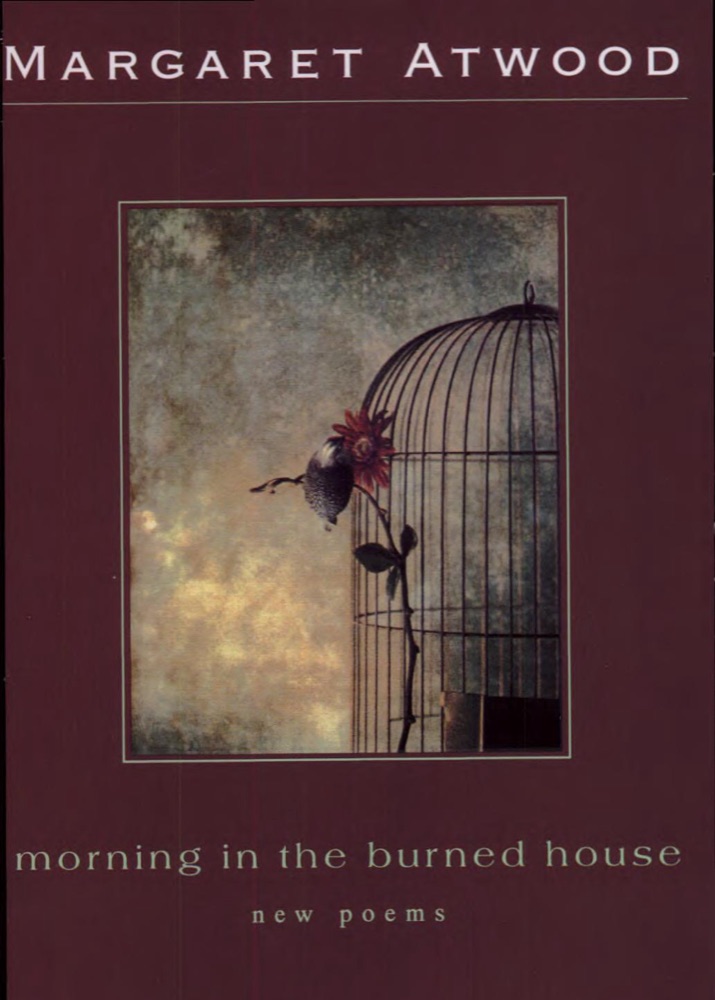
In Homer's account in The Odyssey, Penelope—wife of Odysseus and cousin of the beautiful Helen of Troy—is portrayed as the quintessential faithful wife, her story a salutary lesson through the ages. Left alone for twenty years when Odysseus goes off to fight in the Trojan War after the abduction of Helen, Penelope manages, in the face of scandalous rumors, to maintain the kingdom of Ithaca, bring up her wayward son, and keep over a hundred suitors at bay, simultaneously. When Odysseus finally comes home after enduring hardships, overcoming monsters, and sleeping with goddesses, he kills her suitors and—curiously—twelve of her maids.
In a splendid contemporary twist to the ancient story, Margaret Atwood has chosen to give the telling of it to Penelope and to her twelve hanged maids, asking: "What
Book details
- First published
- 2005
- Author
- Margaret Atwood
- Genre
- Fiction
- Goodreads rating
- 3.71 (92k ratings)
Keep reading
 The Lost Sisterhood
 House of Chains
 The Memoirs of Cleopatra
 Ahab's Wife, or The Star-Gazer
 Wives and Daughters
 In the Night Garden
 The Burial at Thebes: A Version of Sophocles' Antigone
 The Hod King
 Clytemnestra
 A Perilous Undertaking
 Ship of Destiny
 Sexing the Cherry
 The Heretic's Daughter
 The Invasion of the Tearling
 Sword & Citadel
 Tress of the Emerald Sea
 The Name of the Wind
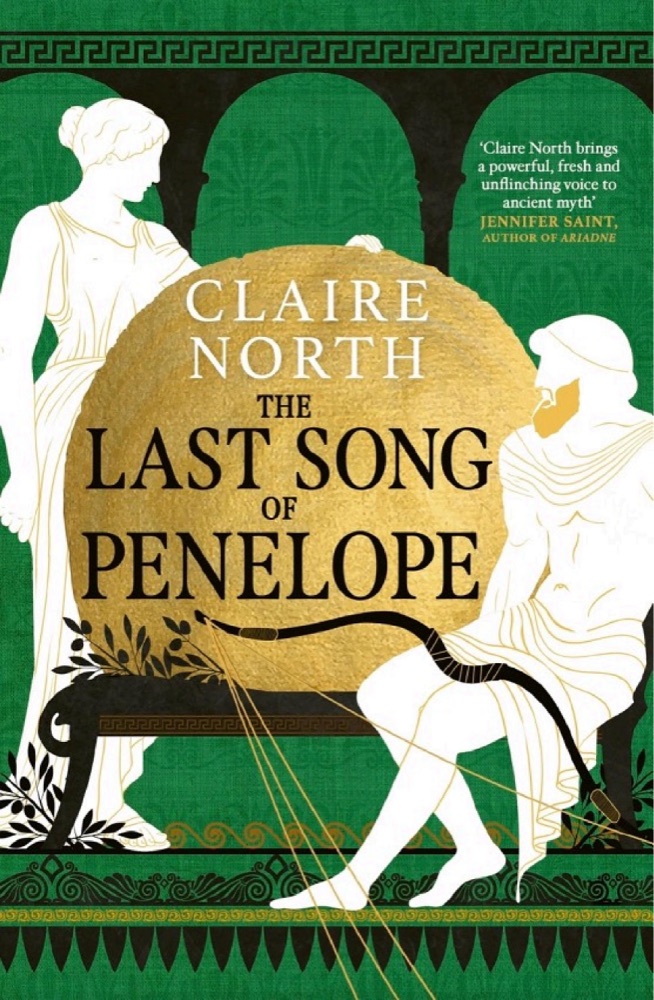 The Last Song of Penelope
 Shirley
 Age of Myth
 Lavinia
 The Grace of Kings
 Immortal
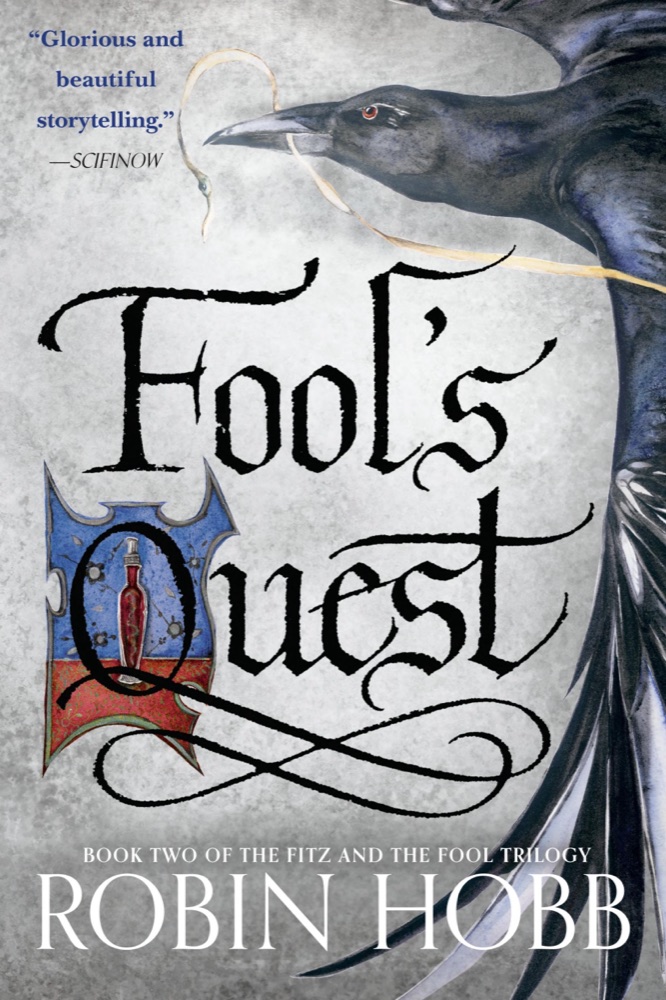 Fool's Quest
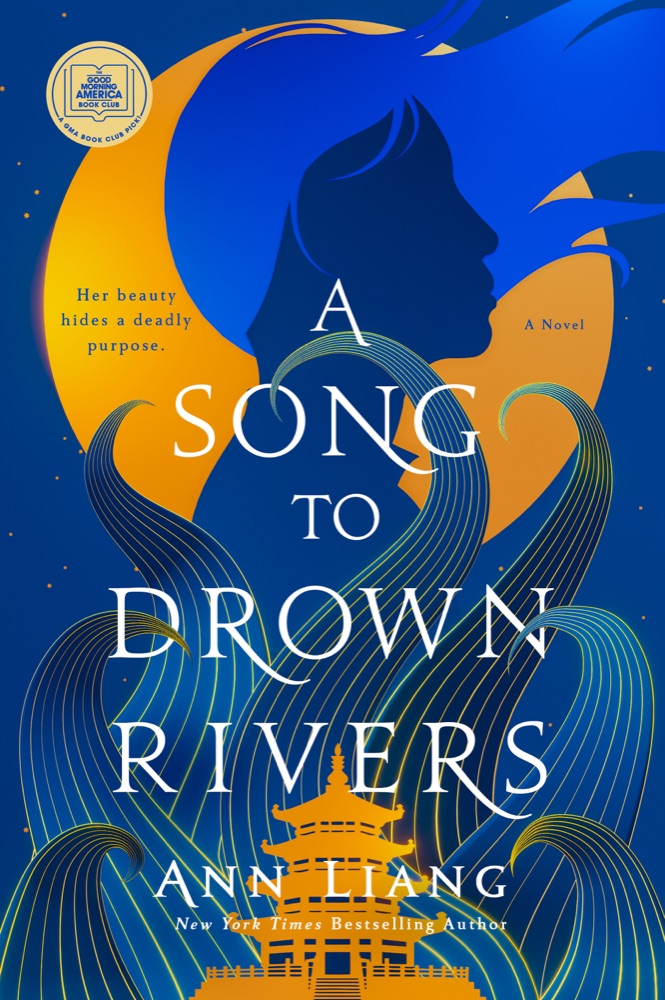 A Song to Drown Rivers
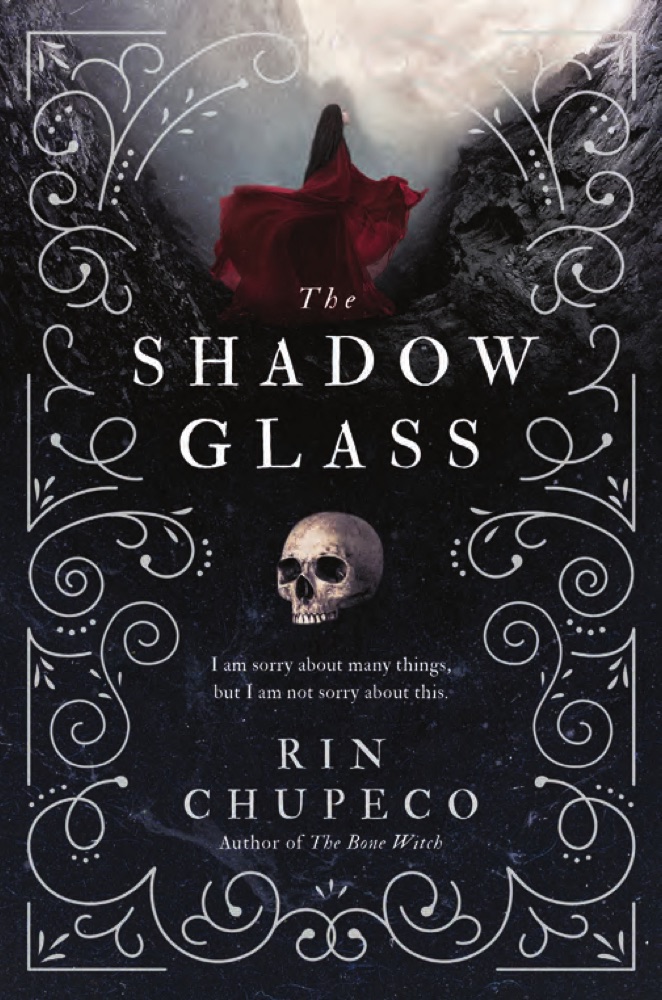 The Shadowglass
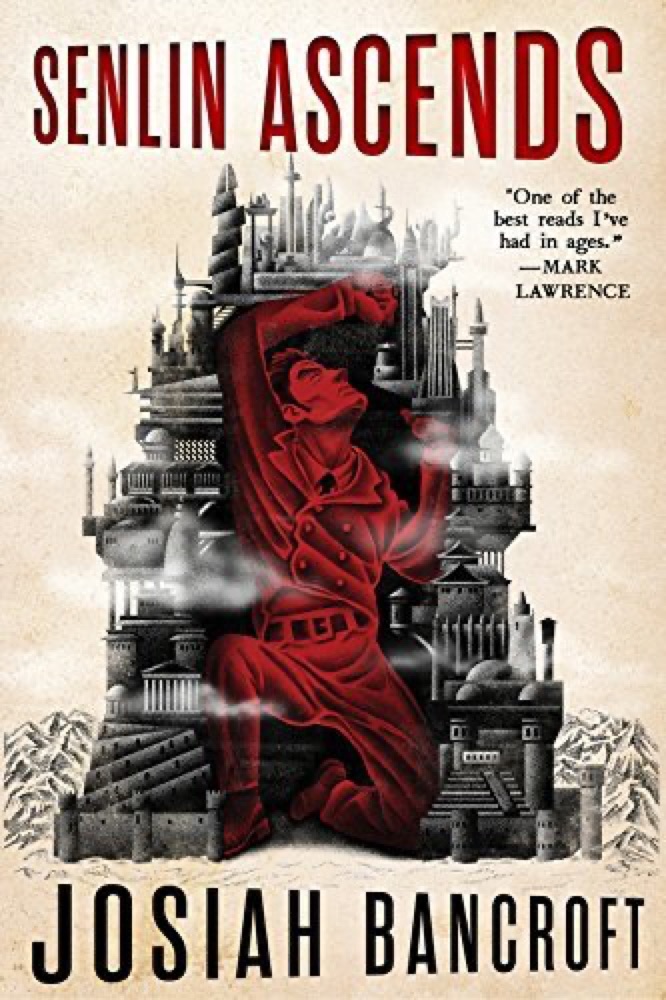 Senlin Ascends
 Enchanted
 Xenocide
 Redemption in Indigo
 Egg & Spoon
 A Wild Swan: And Other Tales
 The Wise Man's Fear
 Babylonia
 The Sin Eater’s Daughter
 Muse of Nightmares
 All the Ever Afters: The Untold Story of Cinderella’s Stepmother
 She
She
 The Golden Compass
 Arm of the Sphinx
 Assassin's Quest
 Shadow Scale
 Wicked Becomes You
 Out of Oz
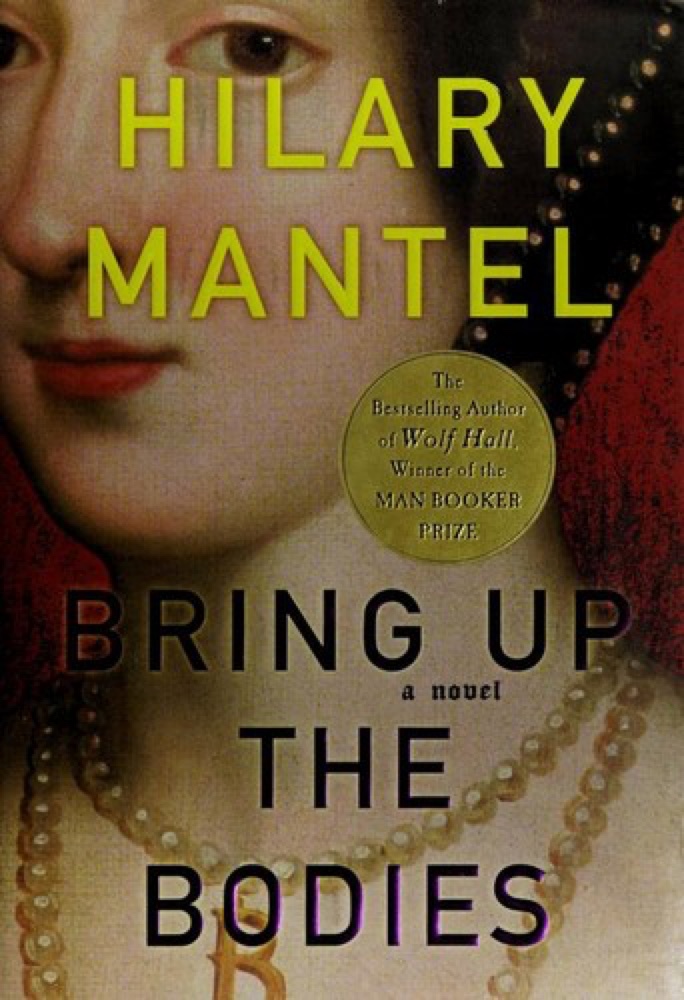 Bring Up the Bodies
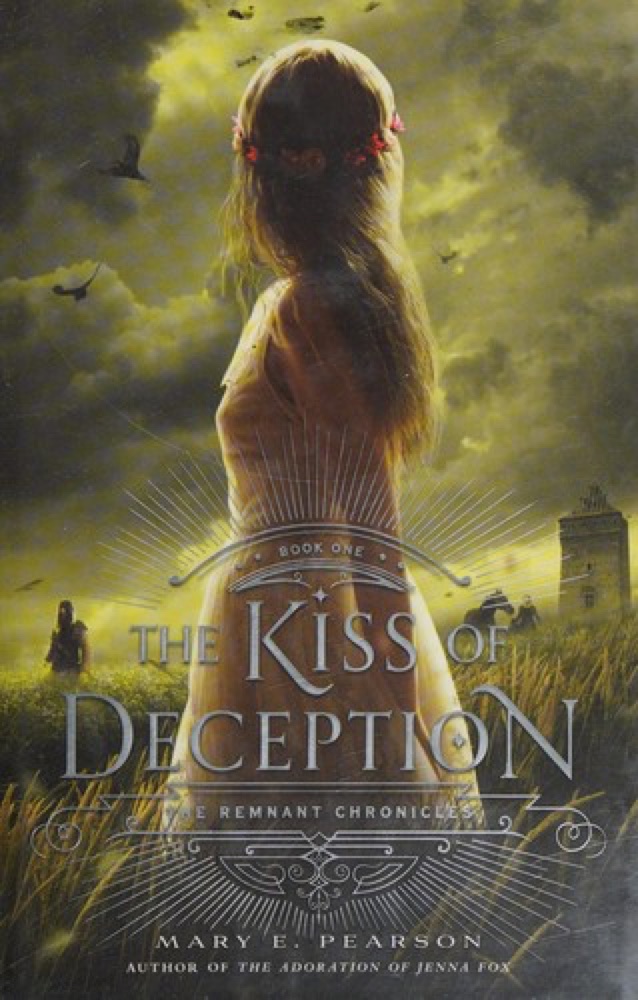 The Kiss of Deception
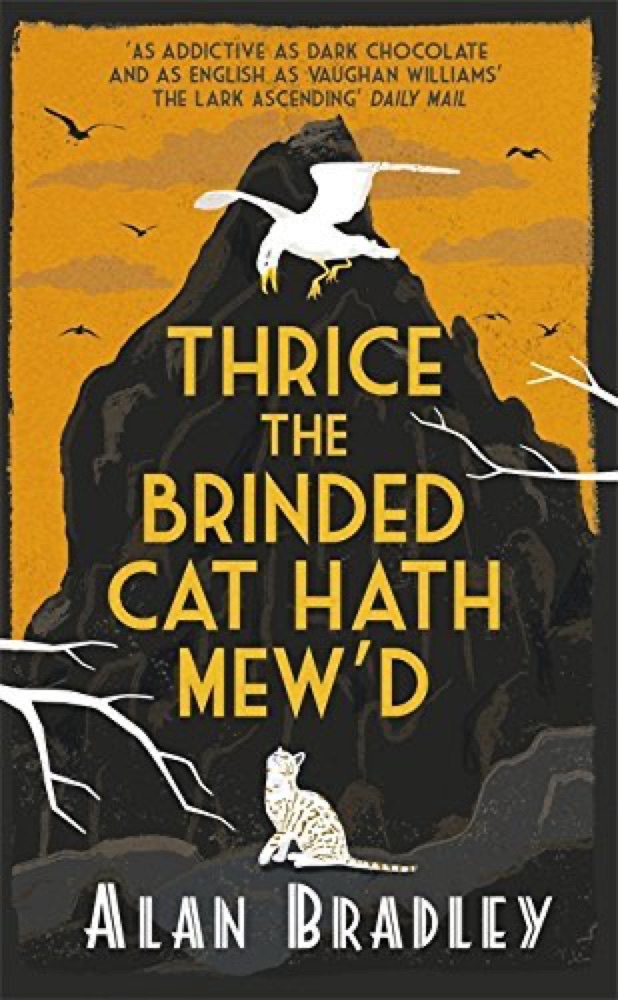 Thrice the Brinded Cat Hath Mew'd
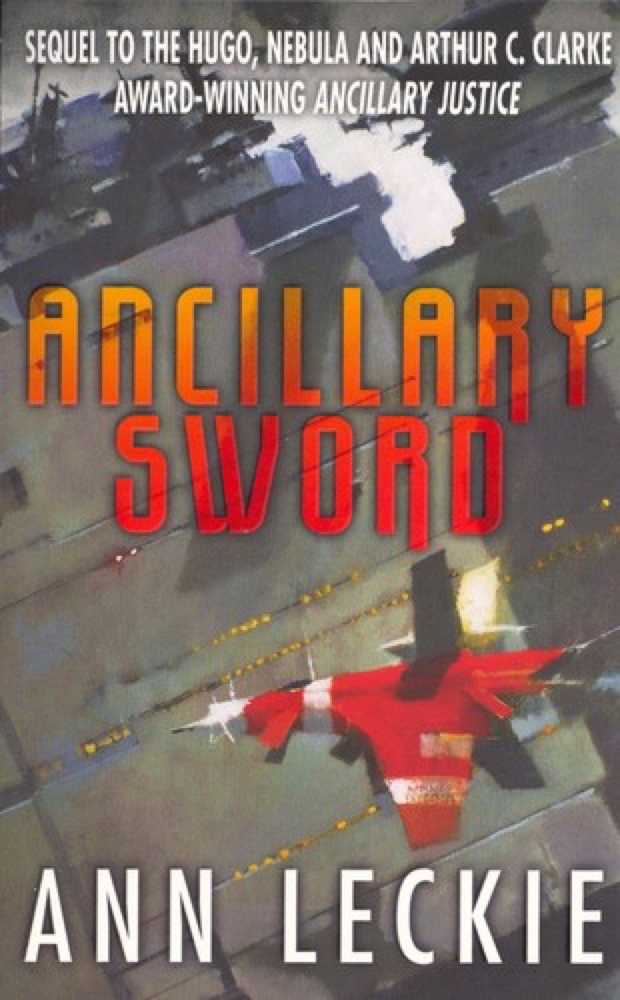 Ancillary Sword
 The Hymn to Dionysus
 Son of a Witch
 The Blood Mirror
 Cuckold
 Emily's Quest
 Emily Climbs
 Tess of the D'Urbervilles
 Trust: Betrayed
 Speaking Bones
 The Jewel in the Crown
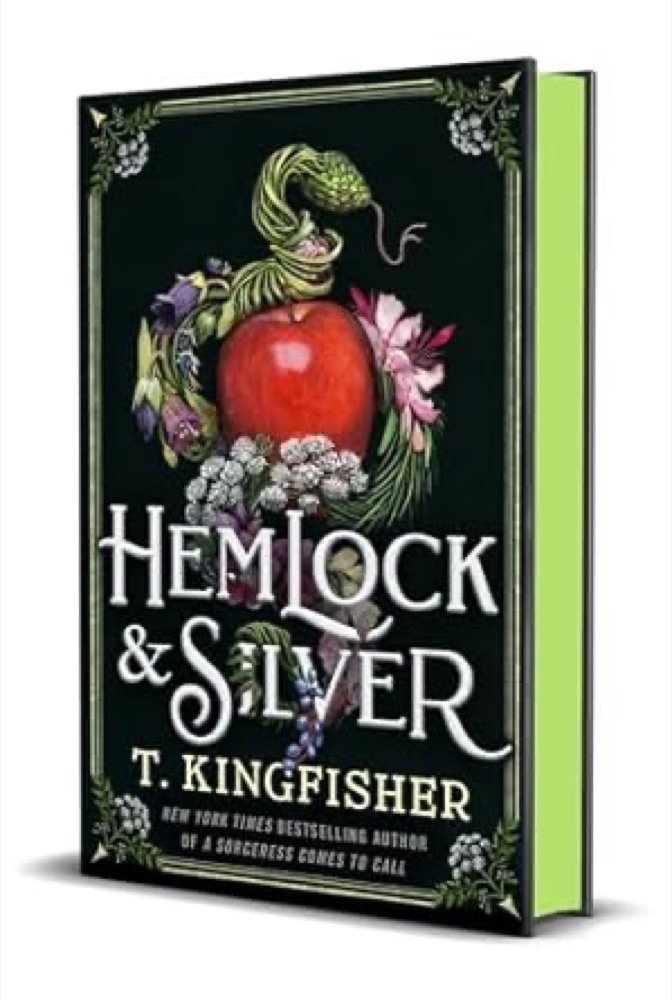 Hemlock & Silver
 Toll the Hounds