 Sentimental Education
Quotes from the Book
Human speech is like a cracked kettle on which we tap crude rhythms for bears to dance to, while we long to make music that will melt the stars.
At the bottom of her heart, however, she was waiting for something to happen. Like shipwrecked sailors, she turned despairing eyes upon the solitude of her life, seeking afar off some white sail in the mists of the horizon. She did not know what this chance would be, what wind would bring it her, towards what shore it would drive her, if it would be a shallop or a three-decker, laden with anguish or full of bliss to the portholes. But each morning, as she awoke, she hoped it would come that day; she listened to every sound, sprang up with a start, wondered that it did not come; then at sunset, always more saddened, she longed for the morrow.
She wanted to die, but she also wanted to live in Paris.
Never touch your idols: the gilding will stick to your fingers." (Il ne faut pas toucher aux idoles: la dorure en reste aux mains.)
What better occupation, really, than to spend the evening at the fireside with a book, with the wind beating on the windows and the lamp burning bright...Haven't you ever happened to come across in a book some vague notion that you've had, some obscure idea that returns from afar and that seems to express completely your most subtle feelings?
You forget everything. The hours slip by. You travel in your chair through centuries you seem seem to see before you, your thoughts are caught up in the story, dallying with the details or following the course of the plot, you enter into characters, so that it seems as if it were your own heart beating beneath their costumes.
Love, she thought, must come suddenly, with great outbursts and lightnings,--a hurricane of the skies, which falls upon life, revolutionises it, roots up the will like a leaf, and sweeps the whole heart into the abyss.
An infinity of passion can be contained in one minute, like a crowd in a small space.
One's duty is to feel what is great, cherish the beautiful, and to not accept the conventions of society with the ignominy that it imposes upon us.
Deep down, all the while, she was waiting for something to happen. Like a sailor in distress, she kept casting desperate glances over the solitary waster of her life, seeking some white sail in the distant mists of the horizon. She had no idea by what wind it would reach her, toward what shore it would bear her, or what kind of craft it would be – tiny boat or towering vessel, laden with heartbreaks or filled to the gunwhales with rapture. But every morning when she awoke she hoped that today would be the day; she listened for every sound, gave sudden starts, was surprised when nothing happened; and then, sadder with each succeeding sunset, she longed for tomorrow.
Everything, even herself, was now unbearable to her. She wished that, taking wing like a bird, she could fly somewhere, far away to regions of purity, and there grow young again.
She was not happy--she never had been. Whence came this insufficiency in life--this instantaneous turning to decay of everything on which she leaned? But if there were somewhere a being strong and beautiful, a valiant nature, full at once of exaltation and refinement, a poet's heart in an angel's form, a lyre with sounding chords ringing out elegiac epithalamia to heaven, why, perchance, should she not find him? Ah! How impossible! Besides, nothing was worth the trouble of seeking it; everything was a lie. Every smile hid a yawn of boredom, every joy a curse, all pleasure satiety, and the sweetest kisses left upon your lips only the unattainable desire for a greater delight.
She would have liked not to be alive, or to be always asleep.
But, in her life, nothing was going to happen. Such was the will of God! The future was a dark corridor, and at the far end the door was bolted.
I'm absolutely removed from the world at such times...The hours go by without my knowing it. Sitting there I'm wandering in countries I can see every detail of - I'm playing a role in the story I'm reading. I actually feel I'm the characters - I live and breath with them.
The denigration of those we love always detaches us from them in some degree. Never touch your idols: the gilding will stick to your fingers.
Haven't you ever happened to come across in a book some vague notion that you've had, some obscure idea that returns from afar and that seems to express completely your most subtle feelings?
He had carefully avoided her out of the natural cowardice that characterizes the stronger sex.
Of all the icy blasts that blow on love, a request for money is the most chilling.
She was the amoureuse of all the novels, the heroine of all the plays, the vague “she” of all the poetry books.
She loved the sea for its storms alone, cared for vegetation only when it grew here and there among ruins. She had to extract a kind of personal advantage from things and she rejected as useless everything that promised no immediate gratification — for her temperament was more sentimental than artistic, and what she was looking for was emotions, not scenery.
And she felt as though she had been there, on that bench, for an eternity. For an infinity of passion can be contained in one minute, like a crowd in a small space.
After the pain of this disappointment her heart once more stood empty, and the succession of identical days began again.
[T]he truth is that fullness of soul can sometimes overflow in utter vapidity of language, for none of us can ever express the exact measure of his needs or his thoughts or his sorrows; and human speech is like a cracked kettle on which we tap crude rhythms for bears to dance to, while we long to make music that will melt the stars.
Doesn't it seem to you," asked Madame Bovary, "that the mind moves more freely in the presence of that boundless expanse, that the sight of it elevates the soul and gives rise to thoughts of the infinite and the ideal?
What baffled him was that there should be all this fuss about something so simple as love.
He was bored now when Emma suddenly began to sob on his breast; and his heart, like the people who can only stand a certain amount of music, became drowsy through indifference to the vibrations of a love whose subtleties he could no longer distinguish.
Before her marriage she had thought that she had love within her grasp; but since the happiness which she had expected this love to bring her hadn’t come, she supposed she must have been mistaken. And Emma tried to imagine just what was meant, in life, by the words “bliss,” “passion,” and “rapture” - words that had seemed so beautiful to her in books.
Did you know?
- The novel was first serialized in the Revue de Paris between October and December 1856 before its book publication in 1857.
- Flaubert was tried for offenses against public morality over the work and was acquitted in February 1857.
- The trial's publicity helped turn the novel into a bestseller.
- Madame Bovary was Flaubert's debut novel.
- The first English translation, by Eleanor Marx, was published in 1886.
- Flaubert was famous for his pursuit of 'le mot juste,' the exactly right word.
About Gustave Flaubert
Gustave Flaubert (1821-1880) was a French novelist widely regarded as a leading exponent of literary realism and one of the greatest writers in Western literature. He was renowned for his devotion to style and his search for the perfectly chosen word.
More about the author →More by Gustave Flaubert
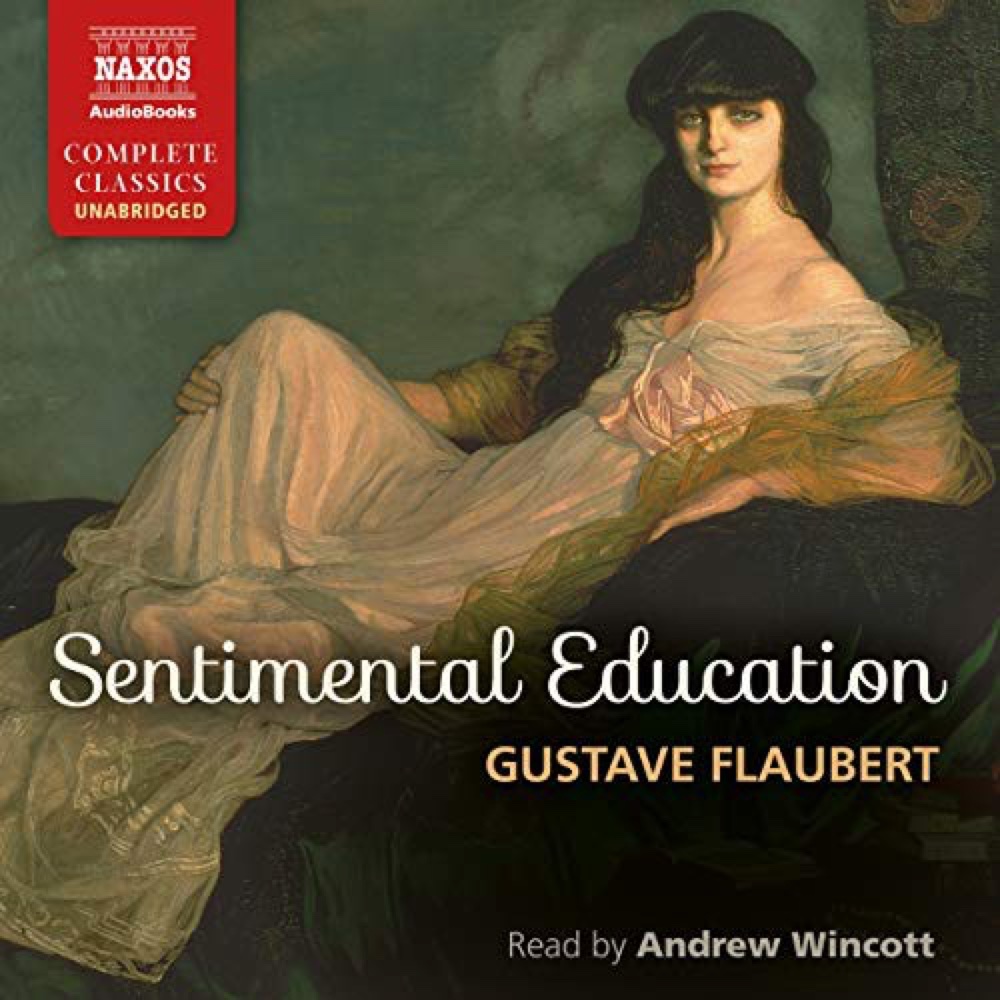
Sentimental Education
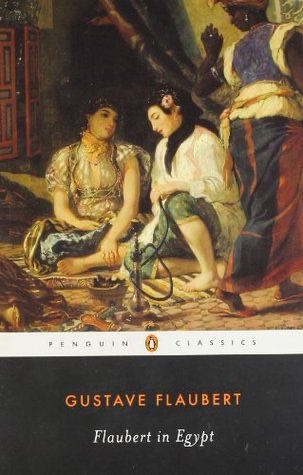 Flaubert in Egypt: A Sensibility on Tour
 Bouvard and Pécuchet
 The Temptation of St. Antony
About the book
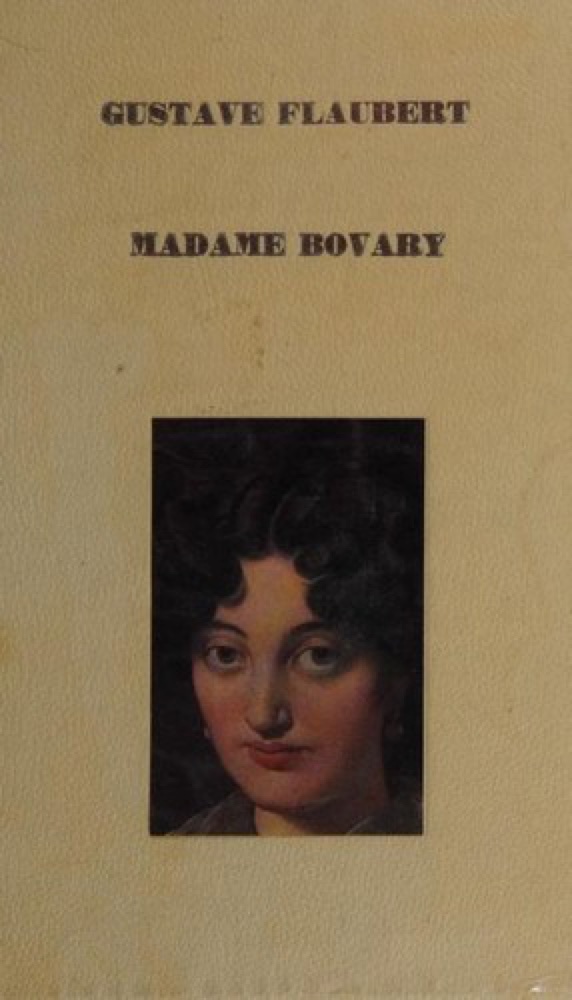
Madame Bovary is Gustave Flaubert's debut novel, first serialized in the Revue de Paris from October to December 1856 and published in book form in April 1857. It tells the story of Emma Rouault, a farmer's daughter who marries Charles Bovary, a dull and unambitious country health officer. Steeped in the sentimental romances she read as a girl, Emma finds provincial married life stiflingly ordinary and pursues love affairs and extravagant purchases in search of the passion and luxury she believes she deserves.
At the novel's heart is the gap between illusion and reality, between romantic desire and the disappointments of everyday bourgeois existence. Flaubert scrutinizes his heroine's yearnings without sentimentality, and his exacting, precisely crafted prose became famous for its pursuit of le mot juste, the exactly right word. The book satirizes provincial manners and the emptiness of middle-class aspiration while treating Emma's restlessness with an unflinching, clinical eye.
When the serialized text appeared, French authorities prosecuted Flaubert for offenses against public morality and religion; he was acquitted in February 1857, and the trial's notoriety helped make the book a bestseller. Madame Bovary is now regarded as a foundational work of literary realism and one of the most influential novels ever written, admired by writers from Henry James onward for its style and its rigorous artistic control.
Key characters
- Emma BovaryThe romantic, discontented protagonist who seeks passion and luxury beyond her marriage
- Charles BovaryEmma's dull, devoted husband, a mediocre country health officer
- Rodolphe BoulangerA wealthy landowner who seduces Emma and later abandons her
- Léon DupuisA young law clerk and literary enthusiast who becomes Emma's lover
- Monsieur LheureuxA scheming merchant whose credit lures Emma into ruinous debt
Book details
- First published
- 1857
- Author
- Gustave Flaubert
- Genre
- Classics
- Goodreads rating
- 3.71 (385k ratings) →
- First line
- “We were in class when the head-master came in, followed by a 'new fellow,' not wearing the school uniform, and a school servant carrying a large desk.”
Movie & TV adaptations
- IMDb
- IMDb
- IMDb
- IMDb
If you liked this, read…
- 1Anna KareninaAnother realist masterpiece centered on an unhappy wife and an adulterous affair
- 2The AwakeningA woman chafing against the confines of conventional marriage and provincial expectations
- 3Effi BriestA realist novel of a young wife, adultery, and the crushing weight of social convention
Keep reading
 Mrs. Dalloway
 A Reliable Wife
 Night and Day
 The Portrait of a Lady
 After Leaving Mr. Mackenzie
 Women in Love
 The Return of the Native
 Tess of the D'Urbervilles
 The Scarlet Letter
 The Awakening
 Justine
 Atonement
 The Strange and Beautiful Sorrows of Ava Lavender
 The House of Mirth
 Delta of Venus
 The Well of Loneliness
 The English Patient
 The Awakening and Selected Stories
 The Beautiful and Damned
 The Song of the Lark
 The Voyage Out
 Briefly, A Delicious Life
 The Pursuit of Love
 The Hellbound Heart
 Johnny Panic and the Bible of Dreams: Short Stories, Prose and Diary Excerpts
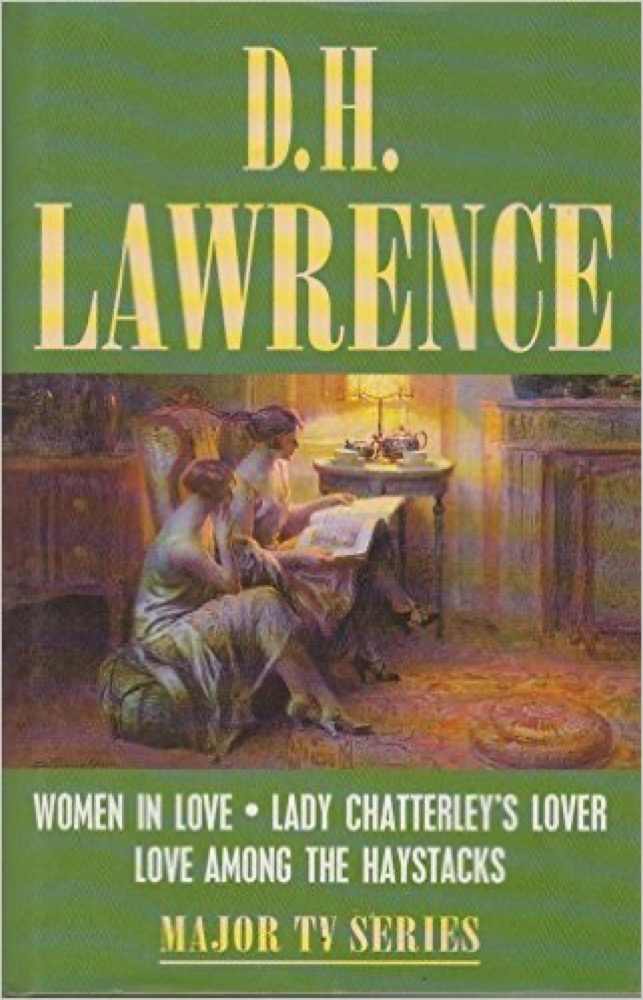 Lady Chatterley's Lover
 The Wings of the Dove
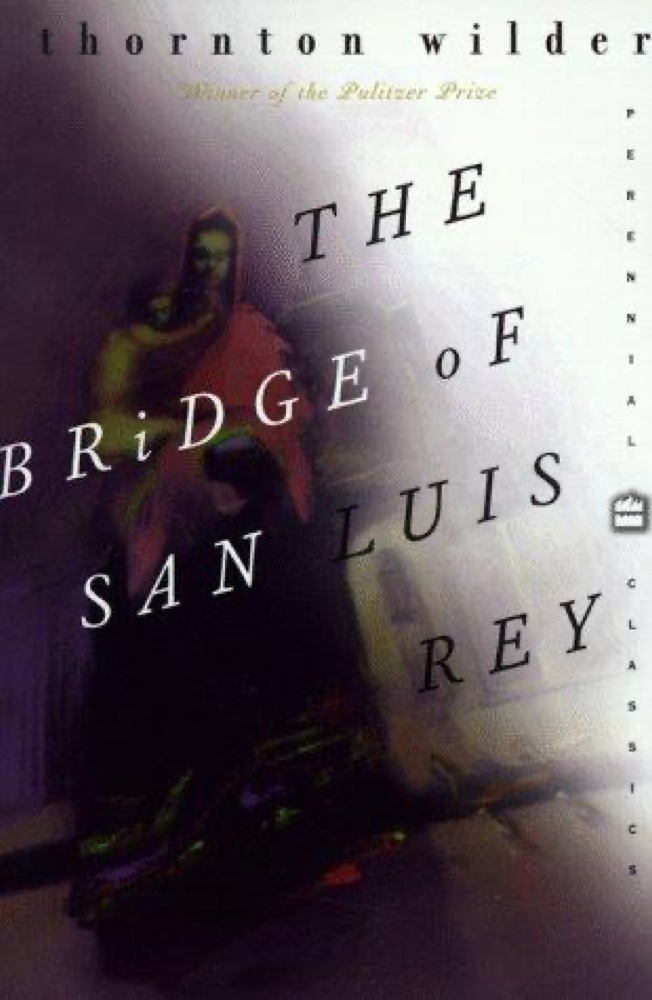 The Bridge of San Luis Rey
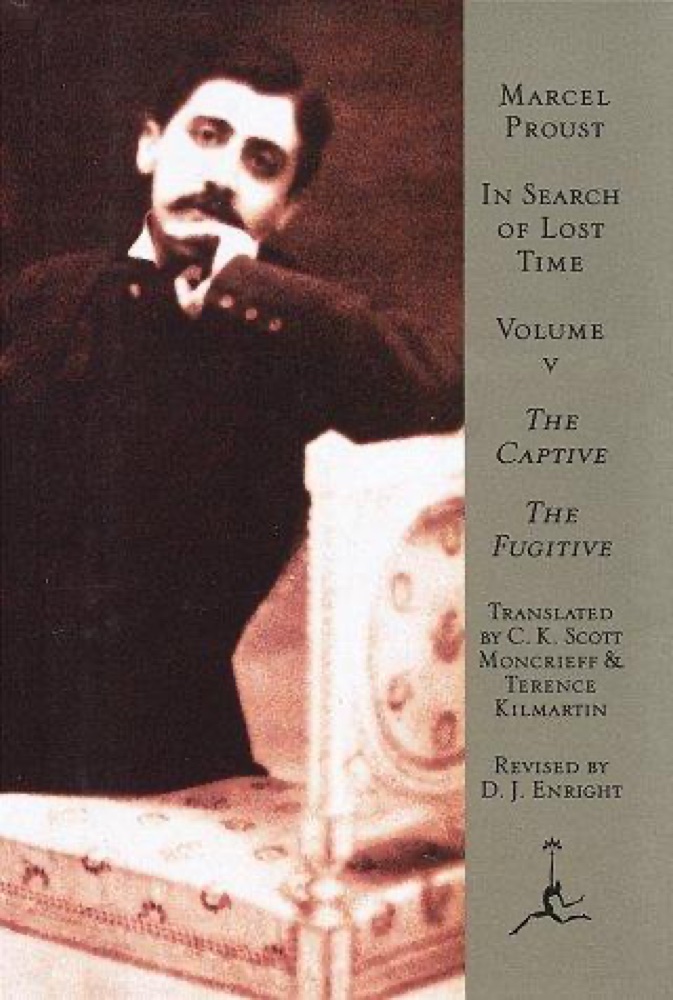 The Captive & The Fugitive
 A Long Fatal Love Chase
 Birds of America
 Devotion
 Dubliners
 Save Me the Waltz
 Truly, Madly, Deeply
 Envy
Envy
 Palimpsest
 And I Do Not Forgive You: Stories & Other Revenges
 Sons and Lovers
 Quicksand
 Ada, or Ardor: A Family Chronicle
 The Enchanted April
 The Paying Guests
 The Guermantes Way
 Simply Magic
 Fingersmith
 The Price of Salt
 The Memory Keeper's Daughter
 The Distant Hours
 The Complete Stories and Poems
 The Scarlet Pimpernel
 All Passion Spent
 When We Lost Our Heads
 The Marriage Plot
 The Life of Charlotte Brontë
 Shirley
 Cleopatra and Frankenstein
 Desperate Remedies
 Sula
Sula
 Green Dolphin Street