
 Holy Bible: ESV Bible
Quotes from the Book
Code is not like other how-computers-work books. It doesn't have big color illustrations of disk drives with arrows showing how the data sweeps into the computer. Code has no drawings of trains carrying a cargo of zeros and ones. Metaphors and similes are wonderful literary devices but they do nothing but obscure the beauty of technology.
In 1948, while working for Bell Telephone Laboratories, he published a paper in the Bell System Technical Journal entitled "A Mathematical Theory of Communication" that not only introduced the word bit in print but established a field of study today known as information theory. Information theory is concerned with transmitting digital information in the presence of noise (which usually prevents all the information from getting through) and how to compensate for that. In 1949, he wrote the first article about programming a computer to play chess, and in 1952 he designed a mechanical mouse controlled by relays that could learn its way around a maze. Shannon was also well known at Bell Labs for riding a unicycle and juggling simultaneously.
We could just as reasonably base our number system on eight (if we were cartoon characters) or four (if we were lobsters) or even two (if we were dolphins).
Some people believe that Moore’s Law will continue to be accurate until about 2015.
Programming in machine code is like eating with a toothpick.
I said early on in this chapter that we would need 144 relays for our adding machine. Here’s how I figured that out: Each
Today’s computers use transistors. When used in computers, transistors basically function the same way relays do, but (as we’ll see) they’re much faster and much smaller and much quieter and use much less power and are much cheaper. Building an 8-Bit Adder still requires 144 transistors (more if you replace the ripple carry with a look-ahead carry), but the circuit is microscopic. Chapter 13. But What About Subtraction? After you’ve convinced yourself that relays can indeed be wired together to add binary numbers, you might ask, “But what about subtraction?” Rest assured that you’re not making a nuisance of yourself by asking questions like this; you’re actually being quite perceptive. Addition and subtraction complement each other in some ways, but the mechanics of the two operations are different. An addition marches consistently from the rightmost column of digits to the leftmost column. Each carry from one column is added to the next column. We don’t carry in subtraction, however; we borrow, and that involves an intrinsically different mechanism—a messy back-and-forth kind of thing. For example, let’s look at a typical borrow-laden subtraction
Today’s computers use transistors. When used in computers, transistors basically function the same way relays do, but (as we’ll see) they’re much faster and much smaller and much quieter and use much less power and are much cheaper. Building an 8-Bit Adder still requires 144 transistors (more if you replace the ripple carry with a look-ahead carry), but the circuit is microscopic.
We don’t carry in subtraction, however; we borrow, and that involves an intrinsically different mechanism—a messy back-and-forth kind of thing.
Bits also play a part in logic, that strange blend of philosophy and mathematics for which a primary goal is to determine whether certain statements are true or false. True
In the same way that Morse code reduces written language to dots and dashes, the spoken version of the code reduces speech to just two vowel sounds. The key word here is two. Two types of blinks, two vowel sounds, two different anything, really, can with suitable combinations convey all types of information.
Just as Morse code provides a good introduction to the nature of codes, the telegraph provides a good introduction to the hardware of the computer.
You’re twelve years old. One horrible day your best friend’s family moves to another town. You speak to your friend on the telephone now and then, but telephone conversations just aren’t the same as those late-night sessions with the flashlights blinking out Morse code. Your second-best friend, who lives in the house next door to yours, eventually becomes your new best friend. It’s time to teach your new best friend some Morse code and get the late-night flashlights blinking again.
a digital design engineer, you would spend long hours going through the TTL Data Book familiarizing yourself with the types of TTL chips that were available. Once you knew all your tools, you could actually build the computer I showed in Chapter 17 out of TTL chips. Wiring the chips together is a lot easier than wiring individual transistors
The flip side of this is that any information that can be reduced to a choice among two or more possibilities can be expressed using bits. Needless
About Unknown
We have collected 3744 quotes from 245 books by Unknown on BookQuoters.
More about the author →More by Unknown
Holy Bible: ESV Bible
 Holy Bible, NKJV
 The New Oxford Annotated Bible: New Revised Standard Version
 Hagakure: The Book of the Samurai
Book details
- Author
- Unknown
- Genre
- Nonfiction
Keep reading
 Code Complete
 Structure and Interpretation of Computer Programs (MIT Electrical Engineering and Computer Science)
 Humble Pi: A Comedy of Maths Errors
 The Pragmatic Programmer: From Journeyman to Master
 In the Beginning...Was the Command Line
 Hackers & Painters: Big Ideas from the Computer Age
 The Information: A History, a Theory, a Flood
 The Most Human Human: What Talking with Computers Teaches Us About What It Means to Be Alive
 The Soul of a New Machine
 Cryptonomicon
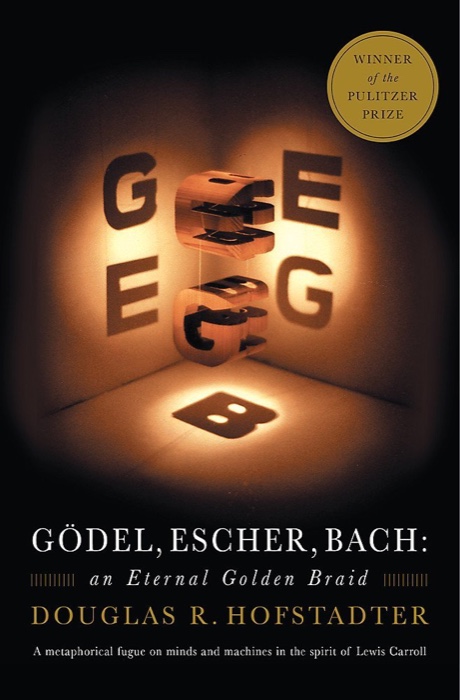 Gödel, Escher, Bach: An Eternal Golden Braid
 Pragmatic Thinking and Learning: Refactor Your Wetware
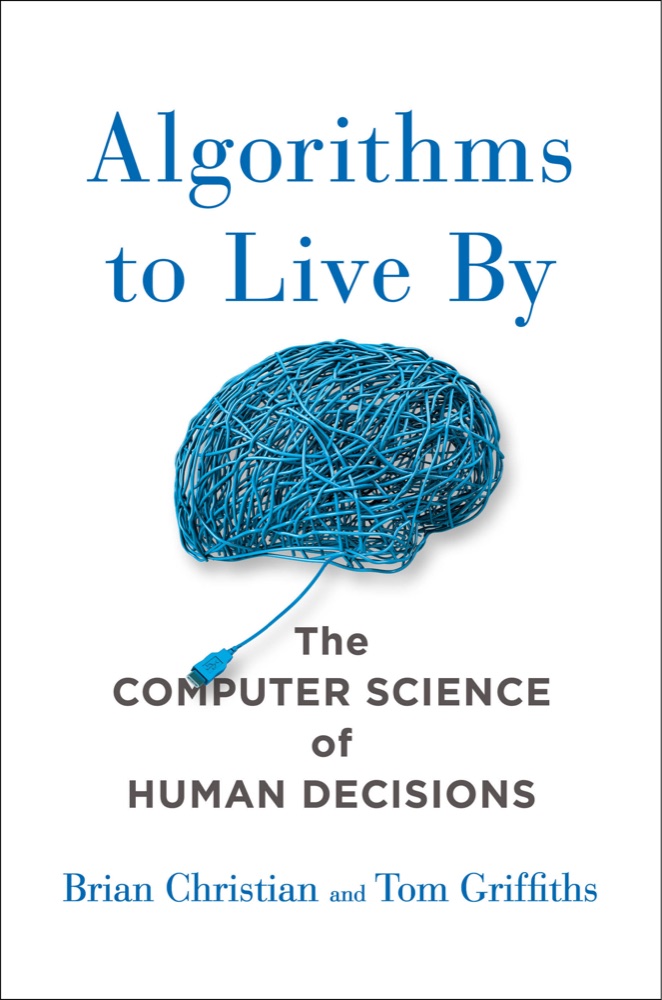 Algorithms to Live By: The Computer Science of Human Decisions
 Domain-Driven Design: Tackling Complexity in the Heart of Software
 Complexity: A Guided Tour
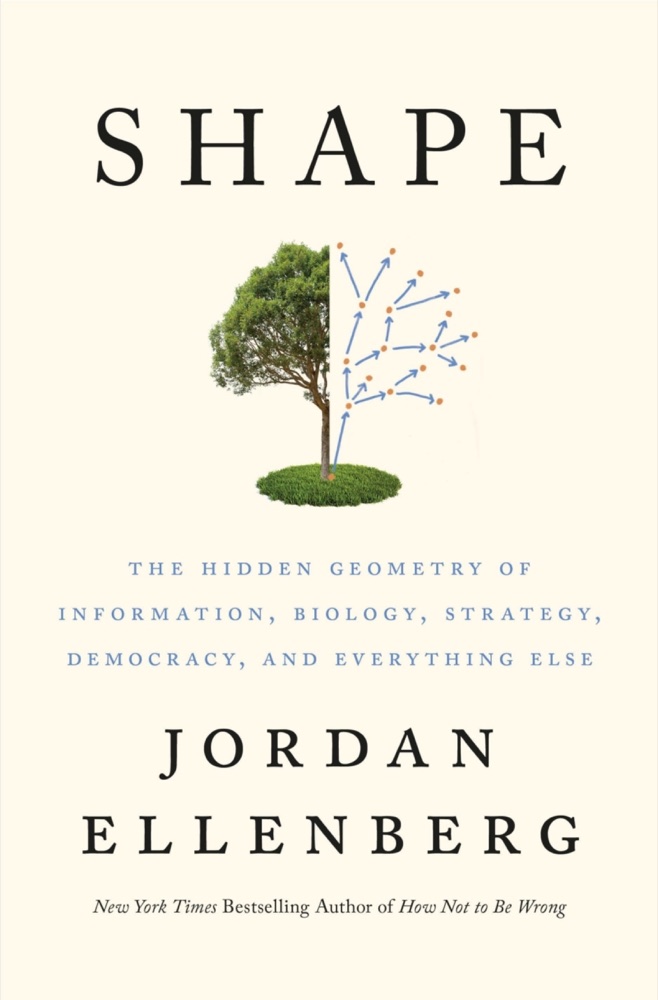 Shape: The Hidden Geometry of Information, Biology, Strategy, Democracy, and EverythingElse
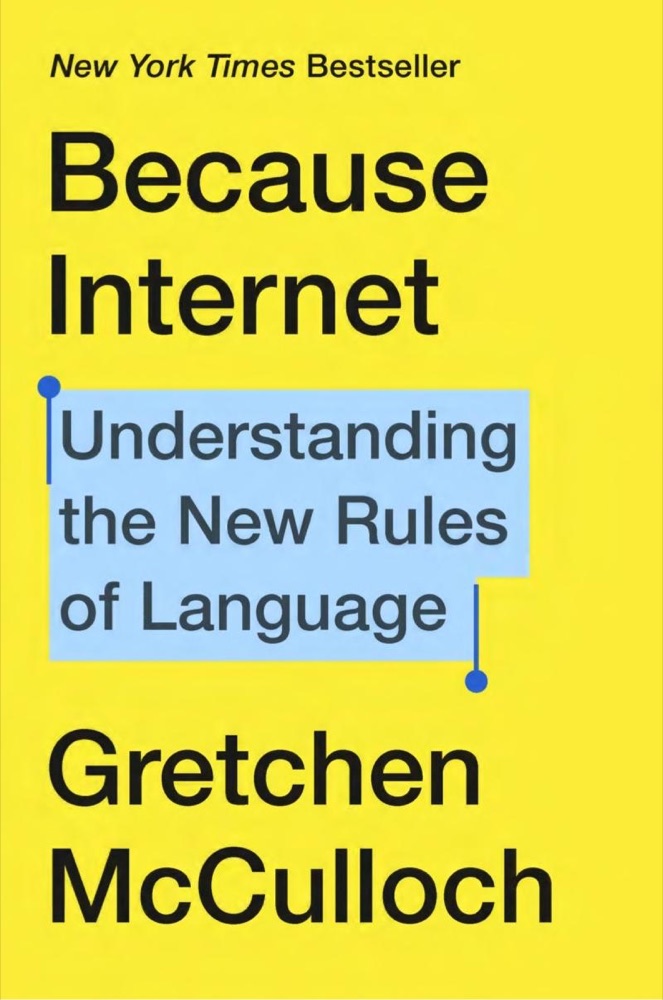 Because Internet: Understanding the New Rules of Language
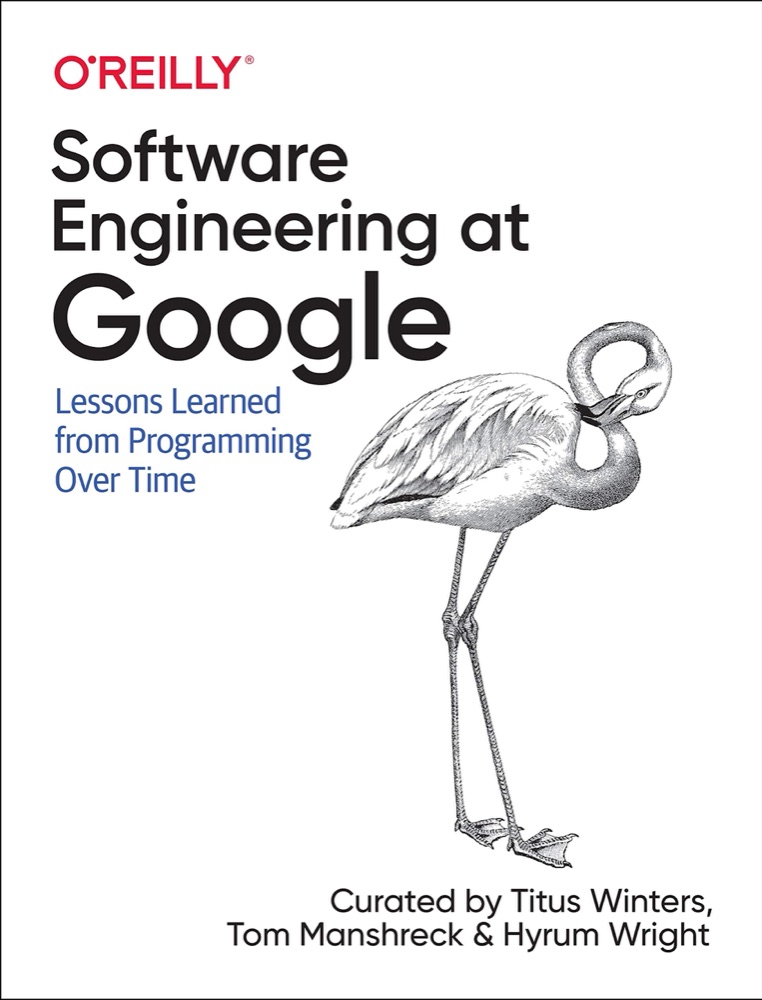 Software Engineering at Google: Lessons Learned from Programming Over Time
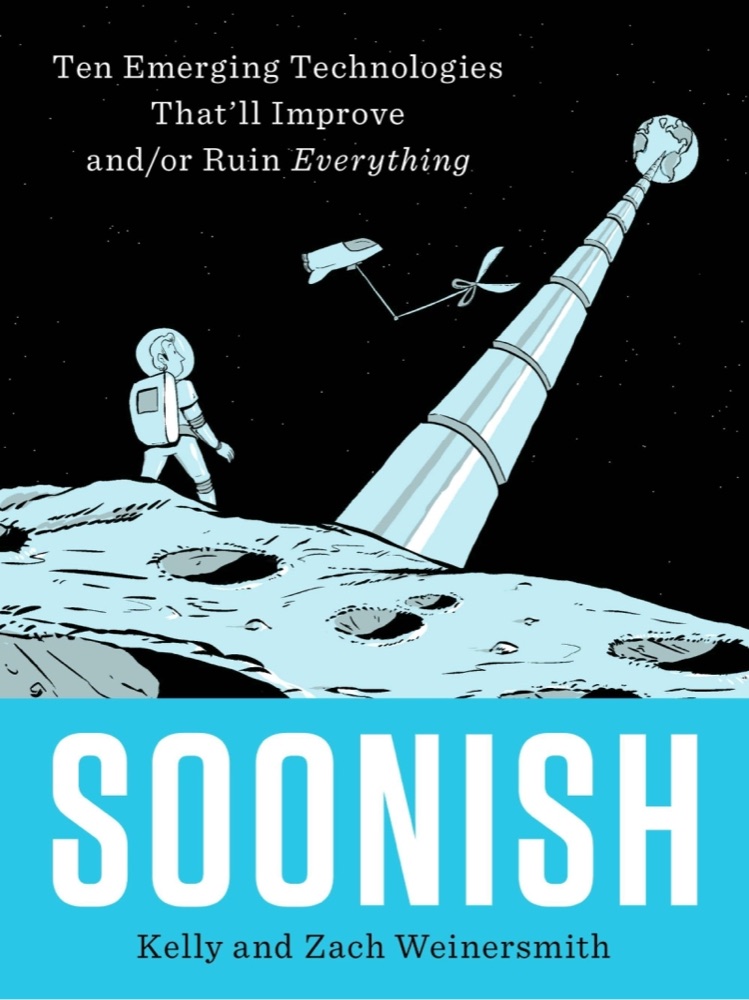 Soonish: Ten Emerging Technologies That'll Improve and/or Ruin Everything
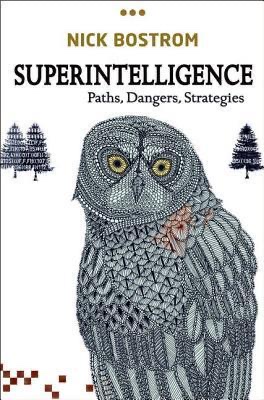 Superintelligence: Paths, Dangers, Strategies
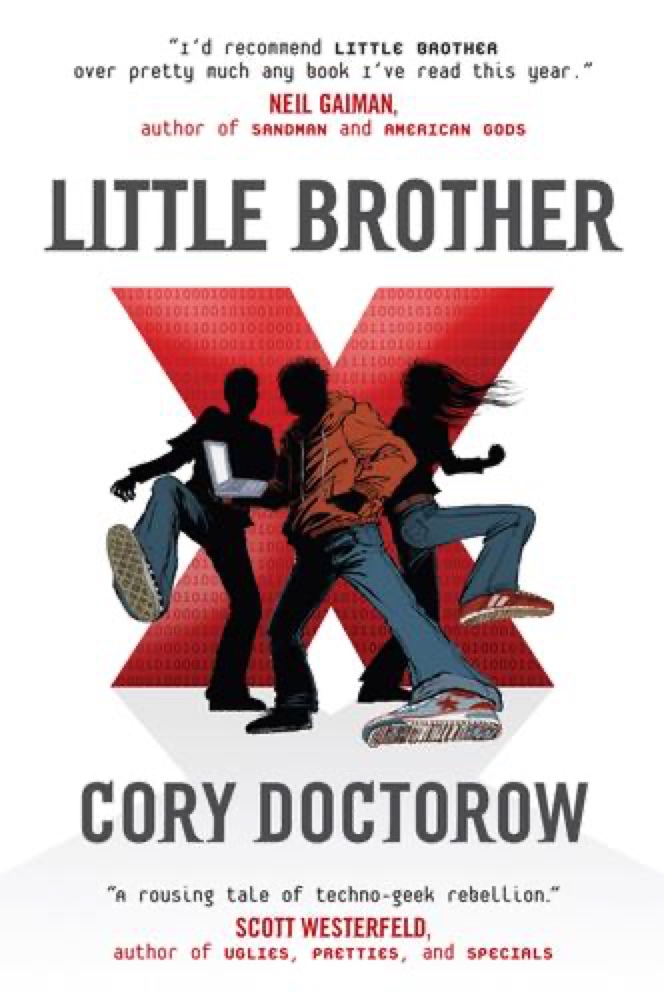 Little Brother
 Distrust That Particular Flavor
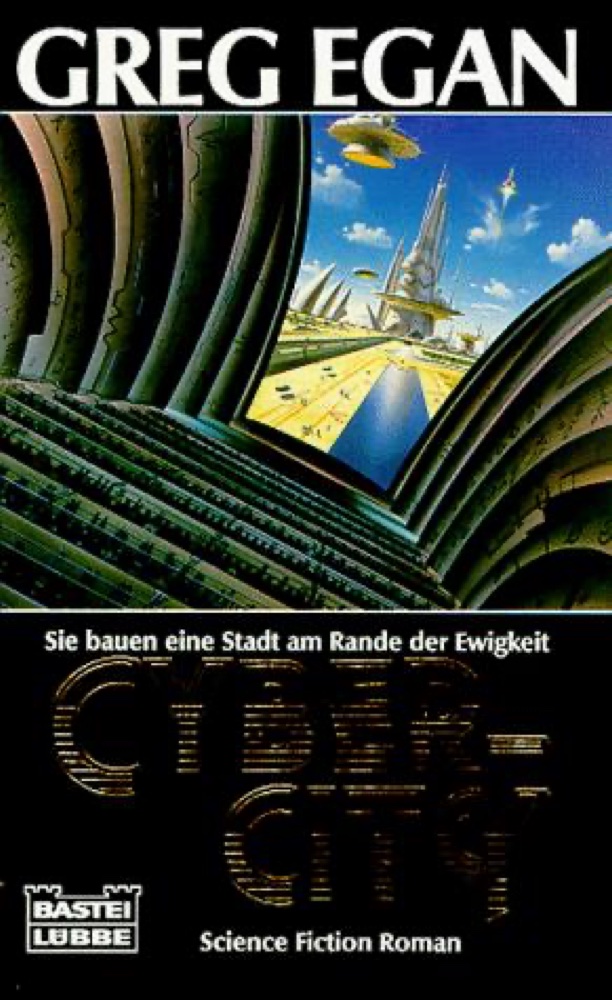 Permutation City
 How To: Absurd Scientific Advice for Common Real-World Problems
 Wired
Wired
 Physics of the Future: How Science Will Shape Human Destiny and Our Daily Lives by the Year 2100
 Don't Make Me Think, Revisited: A Common Sense Approach to Web Usability
 Babel-17
 The Singularity is Near: When Humans Transcend Biology
 JavaScript: The Good Parts
 The Innovators: How a Group of Hackers, Geniuses and Geeks Created the Digital Revolution
 Life 3.0: Being Human in the Age of Artificial Intelligence
 Dataclysm: Who We Are
 Thinking In Systems: A Primer
 Math with Bad Drawings
 The Age of Spiritual Machines
 The Design of Everyday Things
 My Ishmael
 The Code Book: The Science of Secrecy from Ancient Egypt to Quantum Cryptography
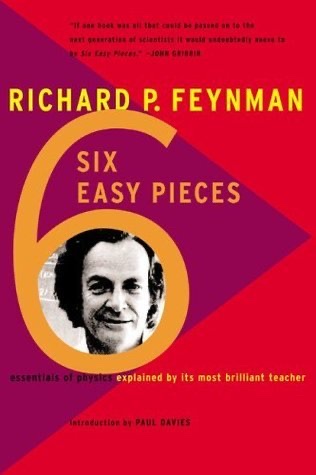 Six Easy Pieces: Essentials of Physics By Its Most Brilliant Teacher
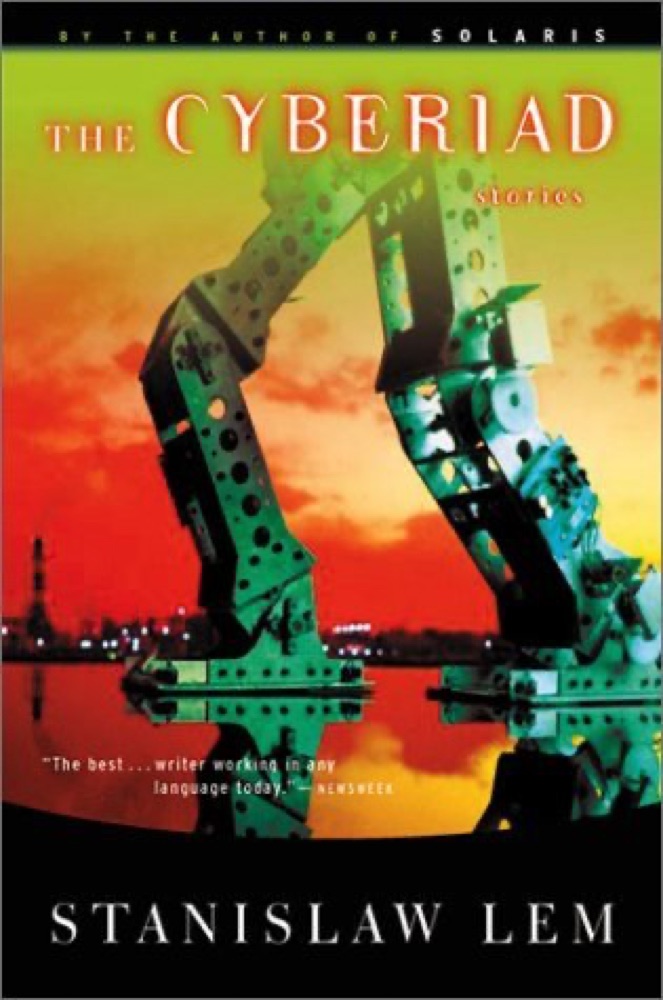 The Cyberiad
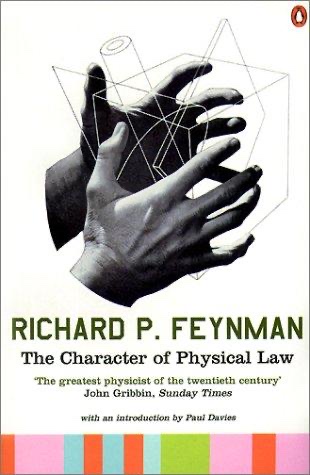 The Character of Physical Law
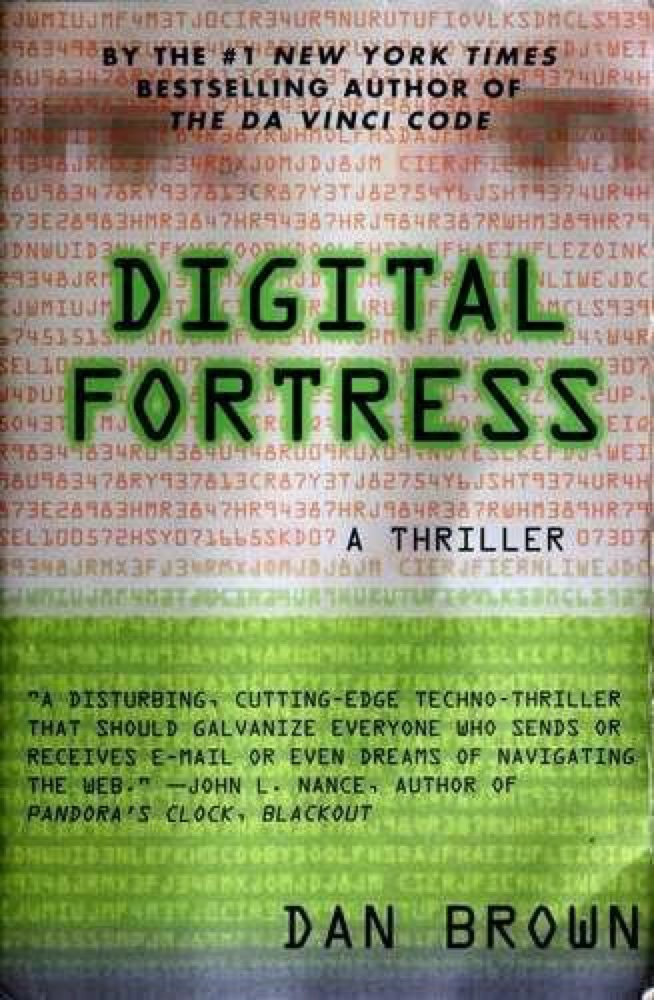 Digital Fortress
 The Second Ship
 From Bacteria to Bach and Back: The Evolution of Minds
 The Salmon of Doubt
 The Feynman Lectures on Physics
 How the Mind Works
 You
You
 Prey
Prey
 How to Take Smart Notes
 What If?: Serious Scientific Answers to Absurd Hypothetical Questions
 Co-Intelligence: Living and Working with AI
 A Night Without Stars
 What Technology Wants
 Microserfs
 Genome
 How We Got to Now: Six Innovations That Made the Modern World
 Livewired: The Inside Story of the Ever-Changing Brain