
 The Sense of an Ending
Quotes from the Book
I am aware that shortly I shall exist as only a shelf-ful of books plus a cluster of Biographical Anecdotes. And life is not a tragedy with a happy ending, despite what religion promises; rather, it is a farce with a tragic ending, or, at best, a light comedy with a sad ending.
3
Incurable yet manageable’, that sounds like … life, doesn’t it? Though there are, inevitably, some dreamers who attempt to evade this existential equation. They tend to be the ultra-rich, who also indulge in space travel and paranoid fantasies. For them, the way out of death’s trap is to be found in extending the length of human life, reversing the process of ageing, and transporting us (though these para-dreamers will get the first seats out) to some planet where our breathing will be slowed and we shall live for much, much longer. In the meantime we trash the only planet we have, and make life unliveable for future generations.
1
The head and the heart are still working, as the body declines. But better that way around.
When first thinking seriously about death, I came up with an image for it: not as something that awaits us, a terminus at the end of a journey, an arrival from which there will be no further departure. Rather, I thought of it as always being there, on a set of parallel tracks alongside my life. And at any point some unexpected set of points might bring it swerving across my path to obliterate me.
Men (and most of these bizarre activities were undertaken by men) can be most ingenious, even - or especially - when it goes against their own best interests.
We can and should trust novelists when they tell us the beautiful lies of their fiction.
All writers want their words to have an effect. Novelists want to entertain, to reveal truth, to move, to provoke reverie. And beyond? Do they want their readers to act as a result of their words? It depends.
She looked at me dismissively. ‘Oh, stop saying wise things that aren’t true.
For instance: where it went wrong was that Stephen believed he was still in love with Jean, and probably was, and Jean could neither accept his love nor return it, which showed either integrity or practical wisdom or harshness on her part.
But I think the great novelists understand love, and most aspects of human behaviour, better than, say, psychiatrists or scientists or philosophers or priests or lonely-hearts columnists.
All deaths inflict collateral damage. The dying person will soon feel nothing, while the griefstruck will be irradiated for years to come. Yes, I could see why Terry said, ‘It’s worse for Joanna,’ even while I stubbornly insist that it was and is worse for him. ‘But having been in Joanna’s position and fully experienced grief, I now think I have the easier job, which is to die (and I trust I’ll get a little help with that). What I am, not most, but heavily afraid of, is the grief I shall impose on R.
shall fit a plug into the wall; and listen to the past. I shall turn up August 1890. I feel that strong emotion must leave its trace; and it is only a question of discovering how we can get ourselves again attached to it
Watch on YouTube
About Julian Barnes
We have collected 269 quotes from 12 books by Julian Barnes on BookQuoters.
More about the author →More by Julian Barnes
All books by Julian Barnes →

About the book
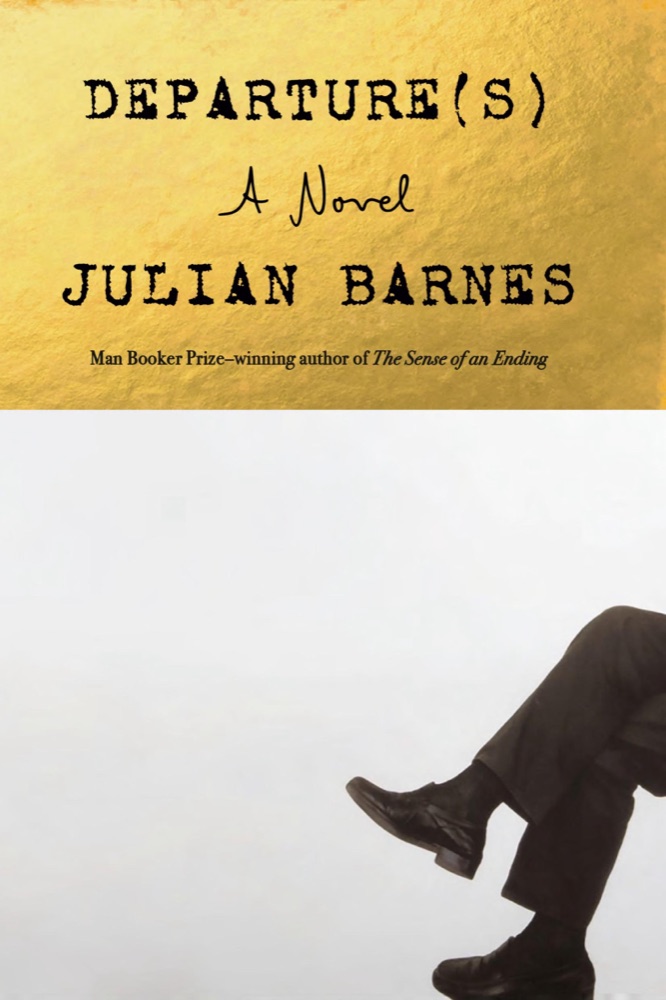
Departure(s) is the story of a man called Stephen and a woman called Jean, who fall in love when they are young and again when they are old. It is the story of an elderly Jack Russell called Jimmy, enviably oblivious to his own mortality.
It is also the story of how the body fails us, whether through age, illness, accident or intent. And it is the story of how experiences fade into anecdotes, and then into memory. Does it matter if what we remember really happened? Or does it just matter that it mattered enough to be remembered?
It begins at the end of life – but it doesn’t end there. Ultimately, it’s about the only things that ever really mattered: how we find happiness in this life, and when it is time to say goodbye.
Book details
- First published
- 2026
- Author
- Julian Barnes
- Genre
- Fiction
- Goodreads rating
- 3.97 (6k ratings)
Keep reading
 My Friends
 Our Tragic Universe
 Nothing to Be Frightened Of
 A Widow's Story
 Experience
 Where Reasons End
 The Story of the Lost Child
 Children of the Mind
 The Fall
 Flaubert's Parrot
 The Summer Without Men
 Mortality
 Outline
 Dream Count
 The Fall of Babel
 Arm of the Sphinx
 These Precious Days: Essays
 In Search of Lost Time
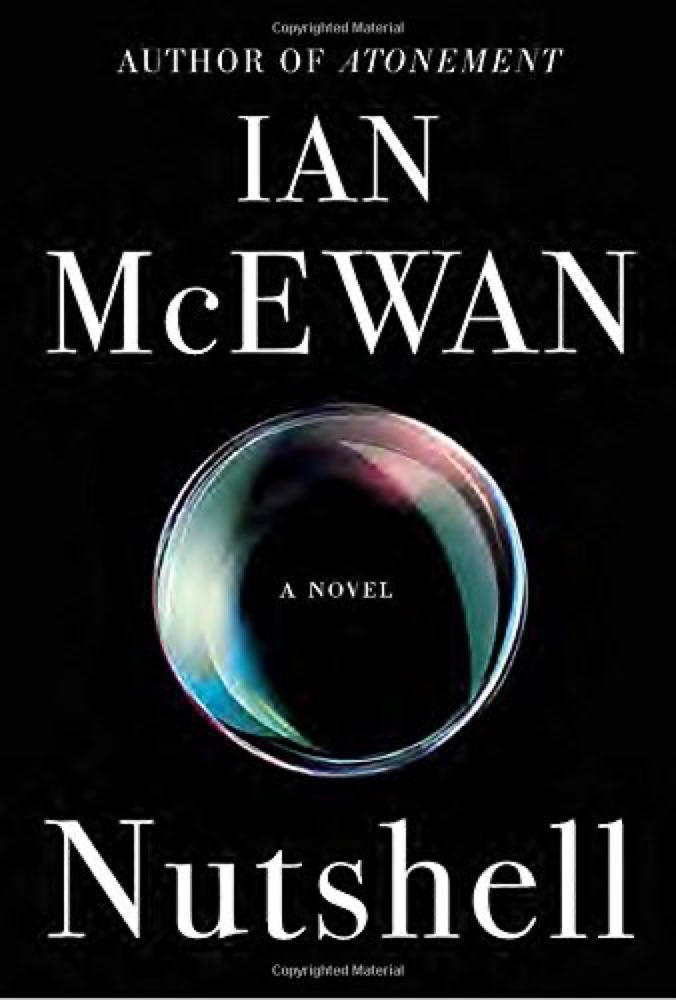 Nutshell
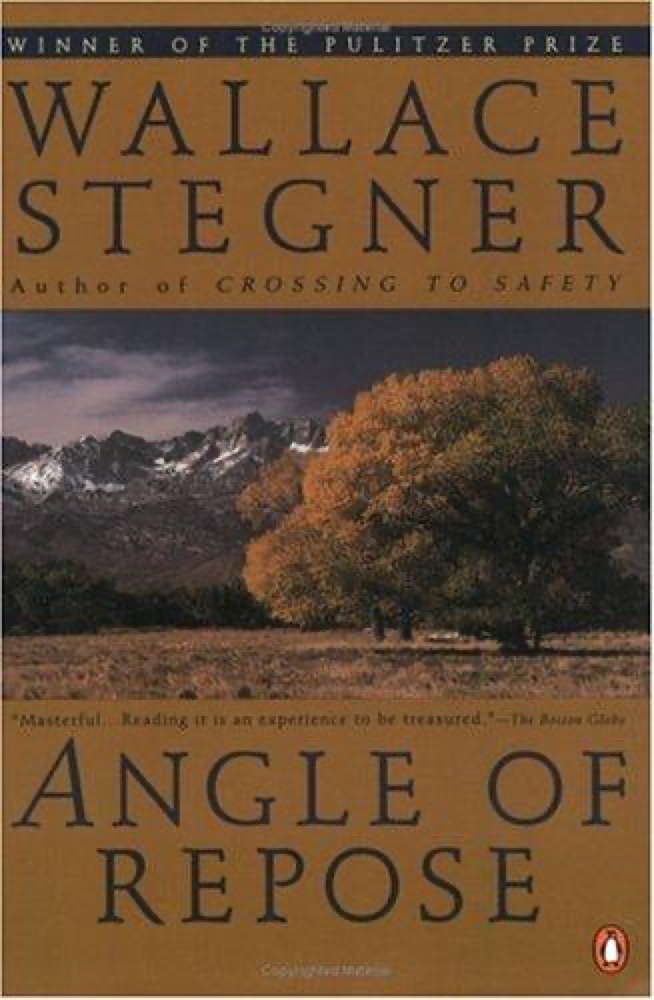 Angle of Repose
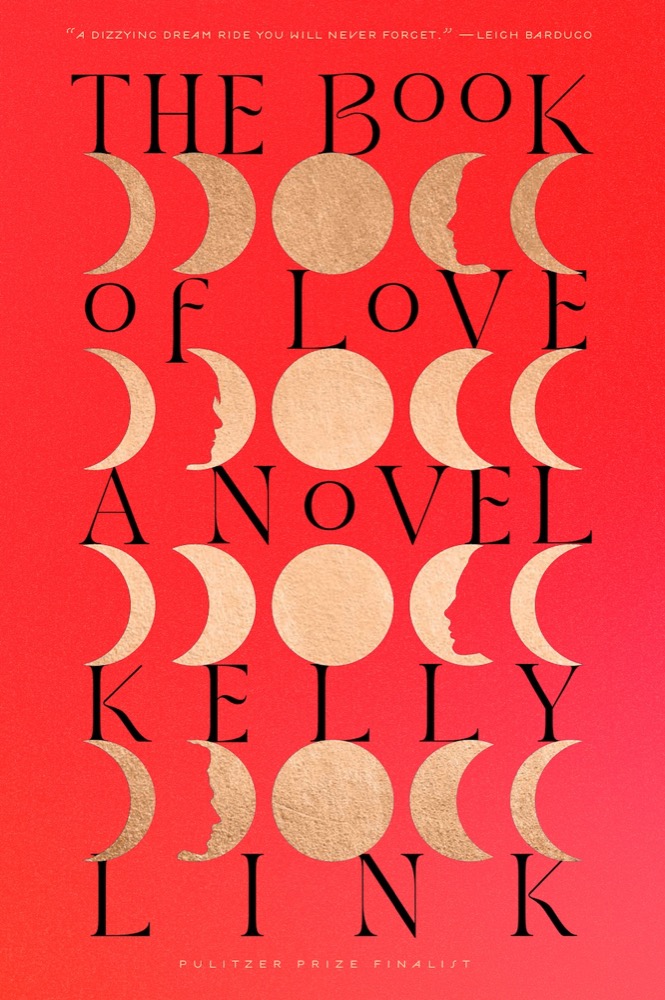 The Book of Love
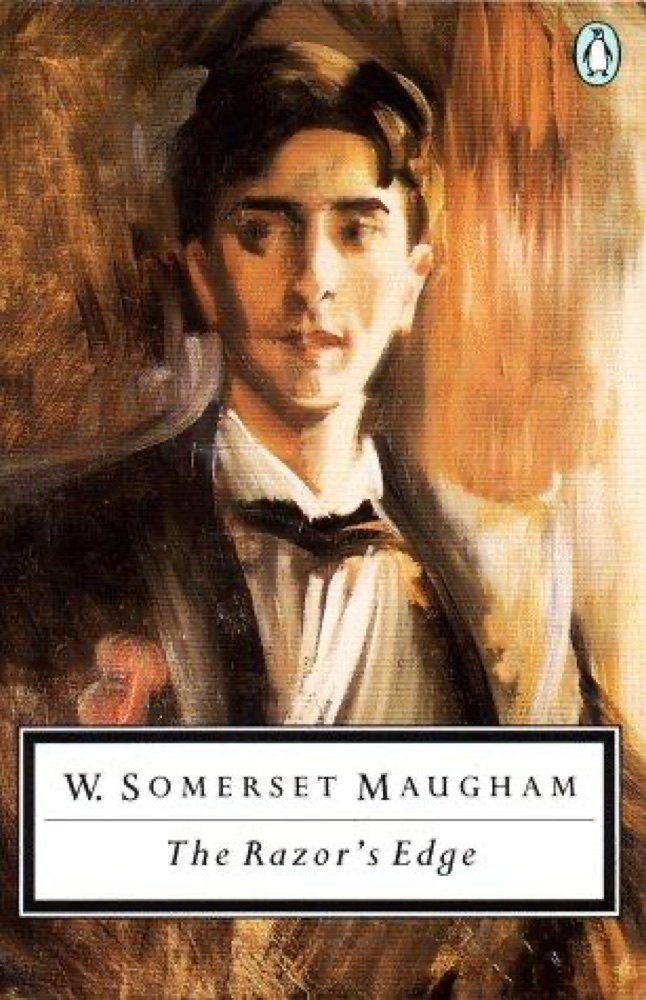 The Razor's Edge
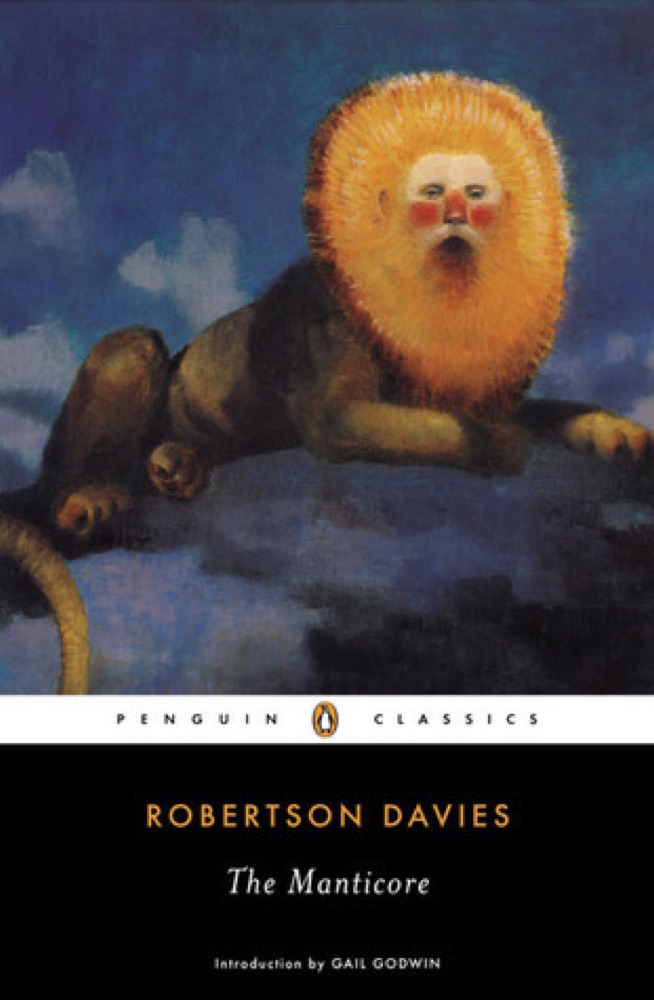 The Manticore
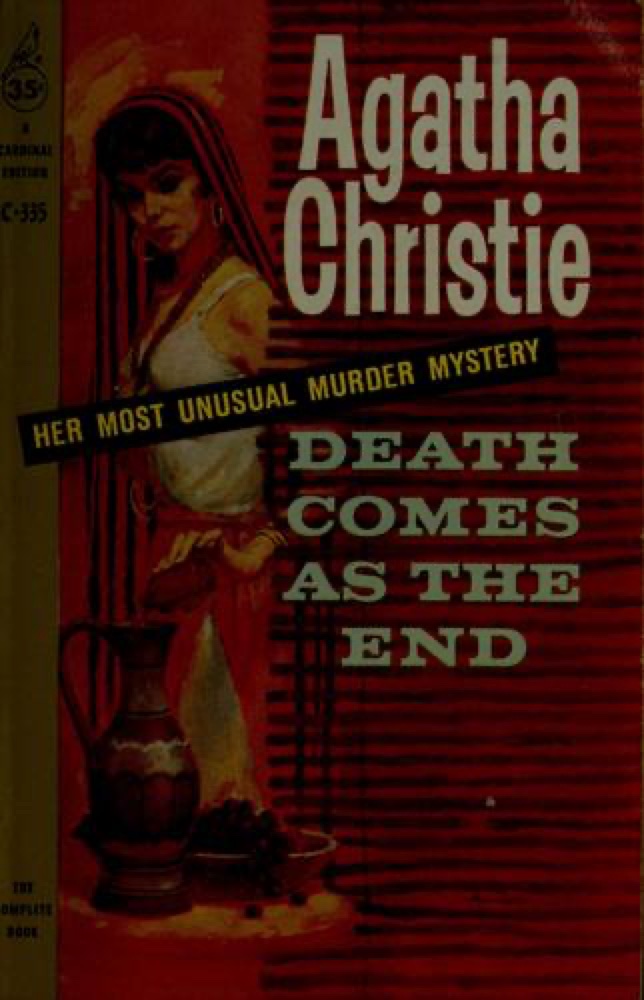 Death Comes as the End
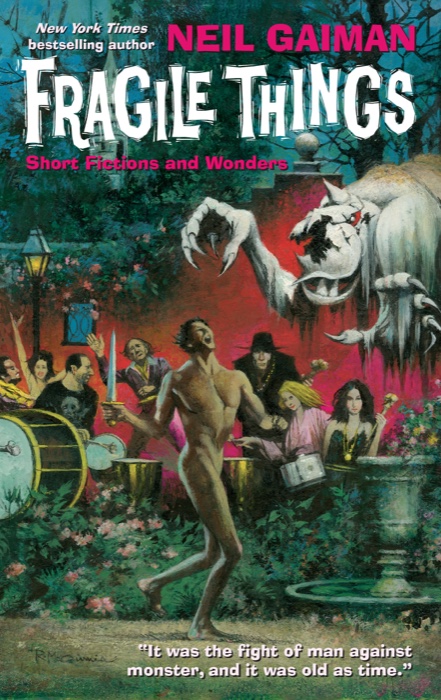 Fragile Things: Short Fictions and Wonders
 Biography of X
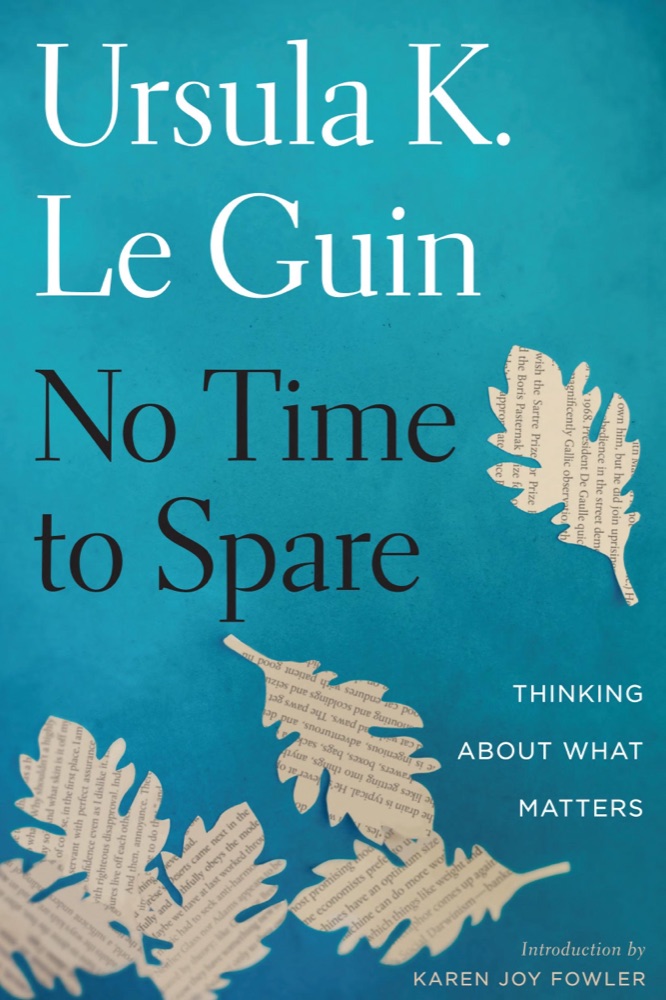 No Time To Spare: Thinking About What Matters
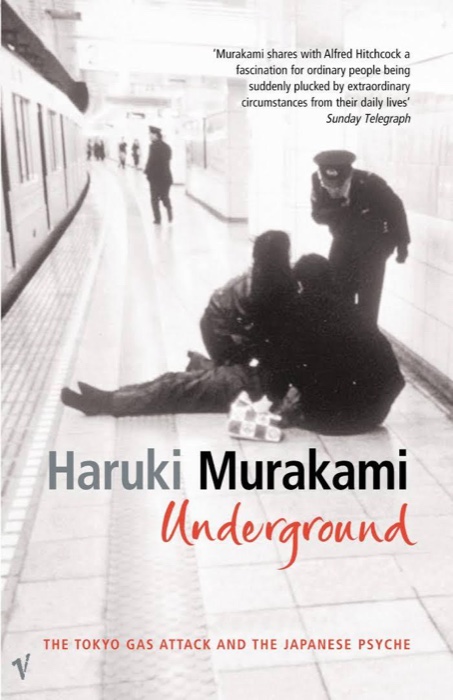 Underground: The Tokyo Gas Attack and the Japanese Psyche
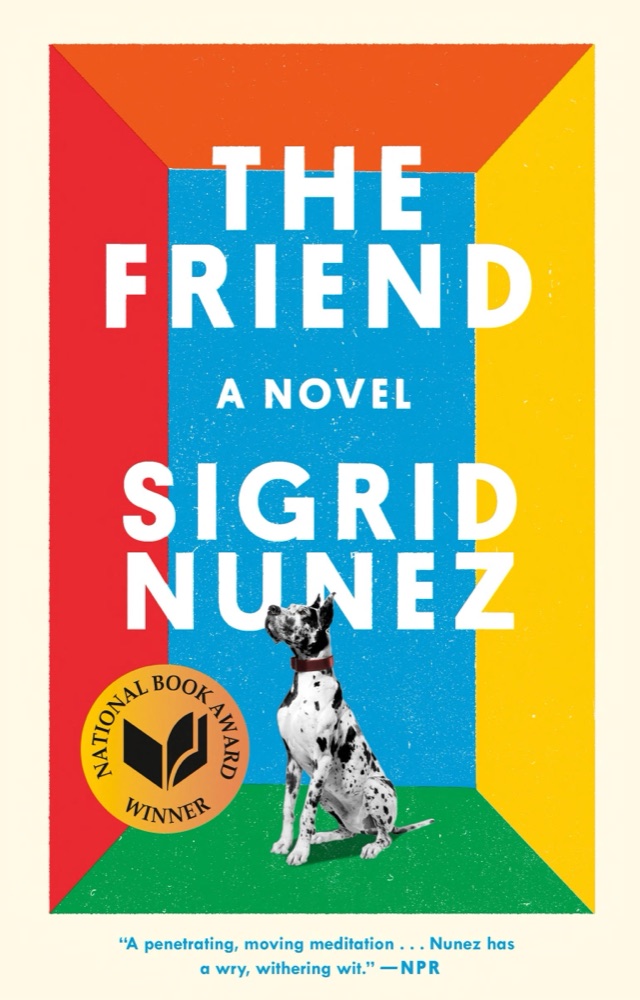 The Friend
 The Sportswriter
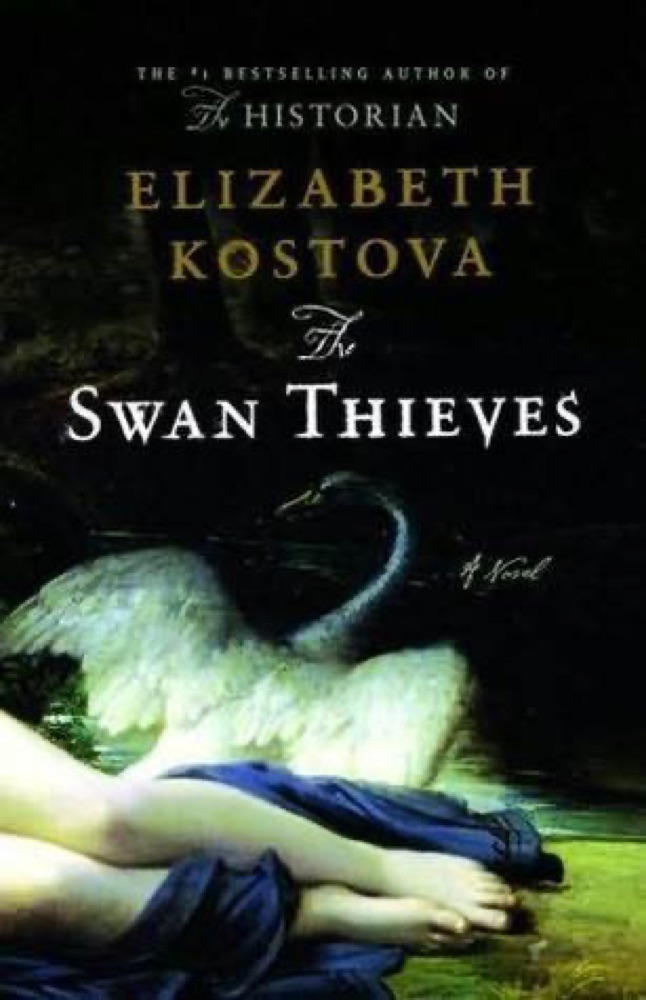 The Swan Thieves
 The Lay of the Land
 Flights
 The Last Werewolf
 A Fisherman of the Inland Sea
 Kafka on the Shore
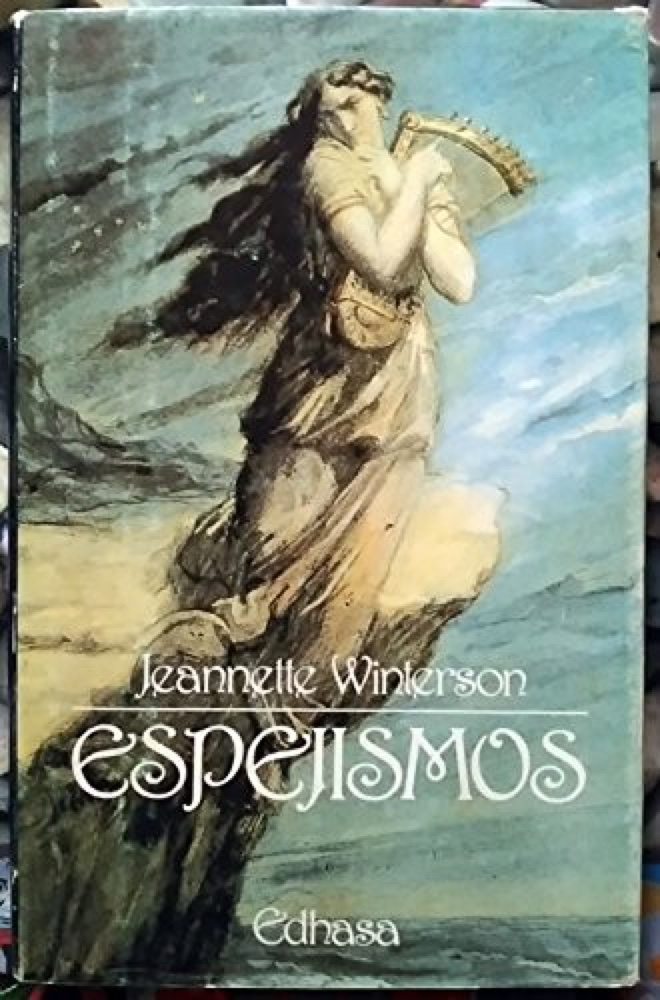 Sexing the Cherry
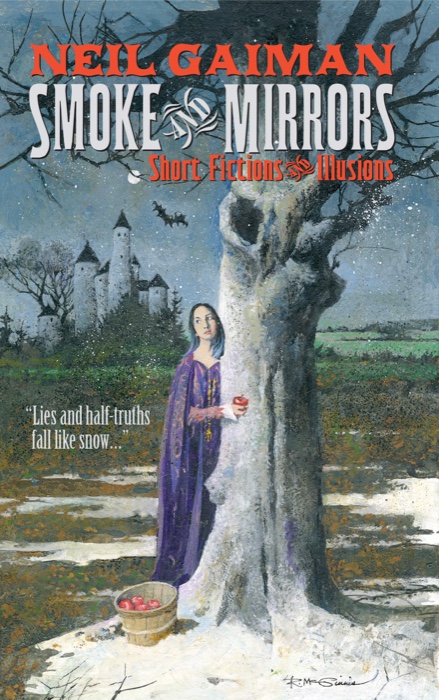 Smoke and Mirrors: Short Fiction and Illusions
 The Death of the Heart
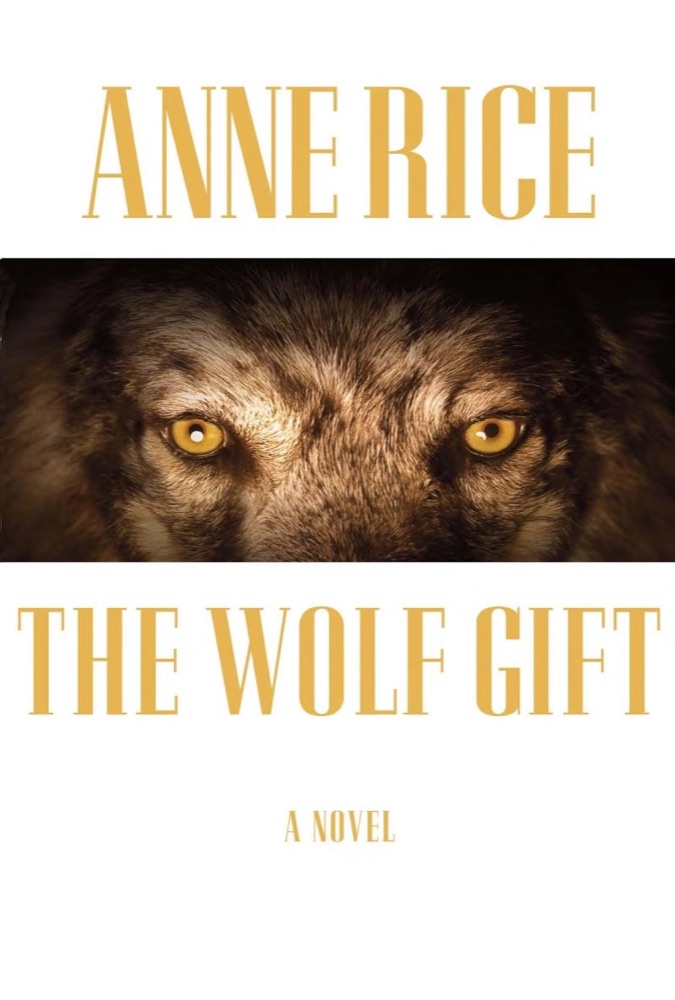 The Wolf Gift
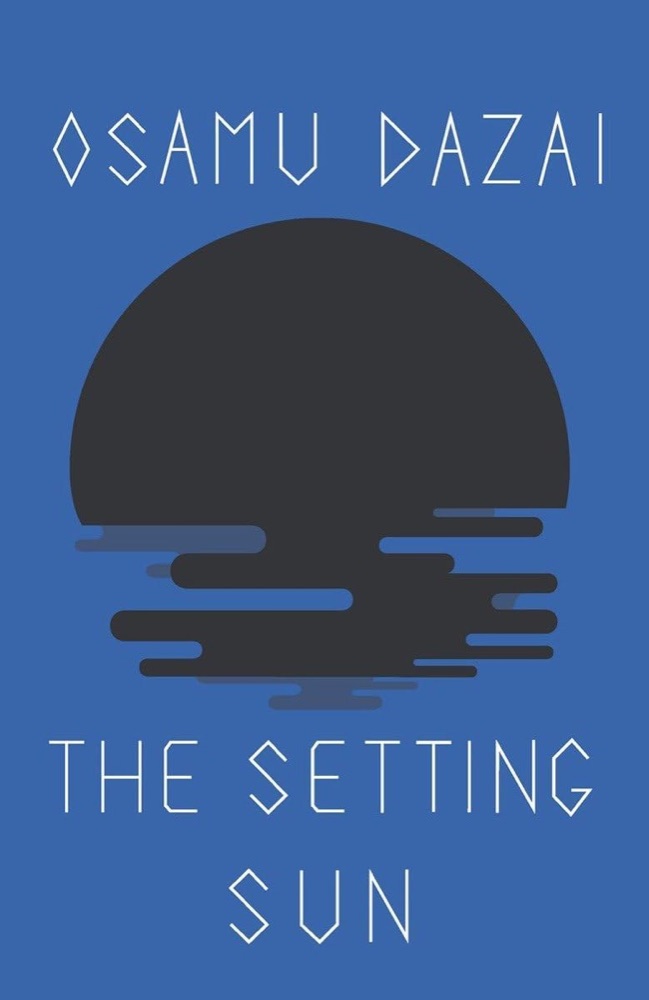 The Setting Sun
 Special Topics in Calamity Physics
 No One Writes Back
 Summertime
 A Widow for One Year
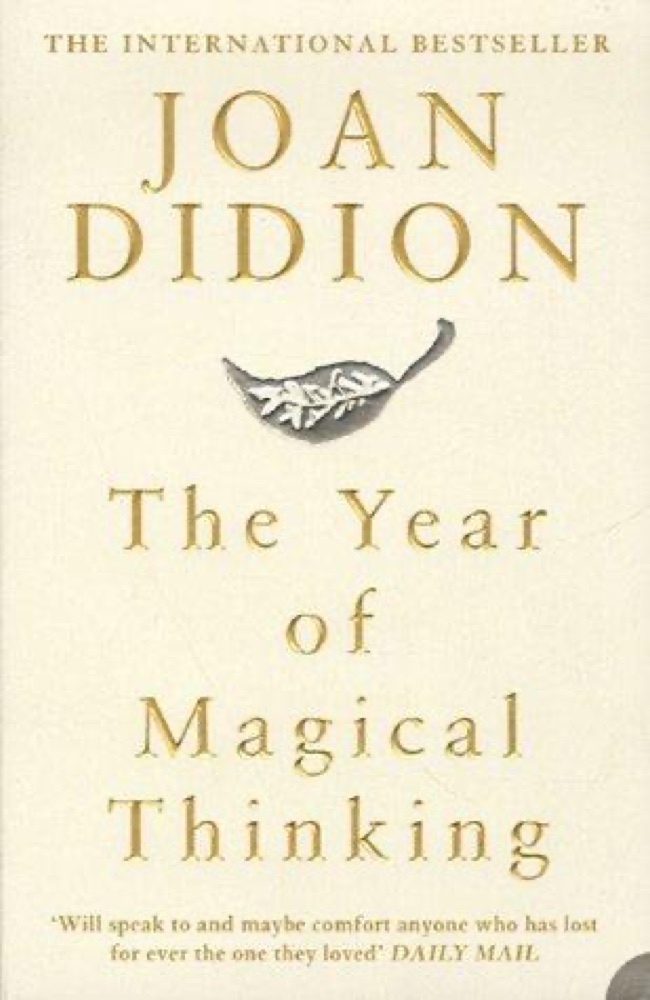 The Year of Magical Thinking
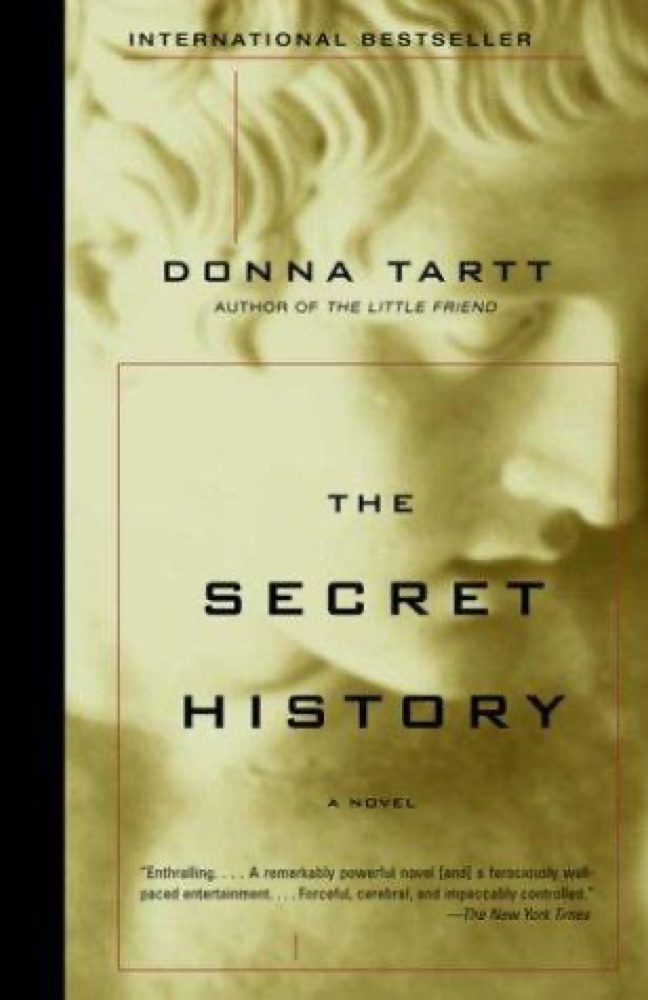 The Secret History
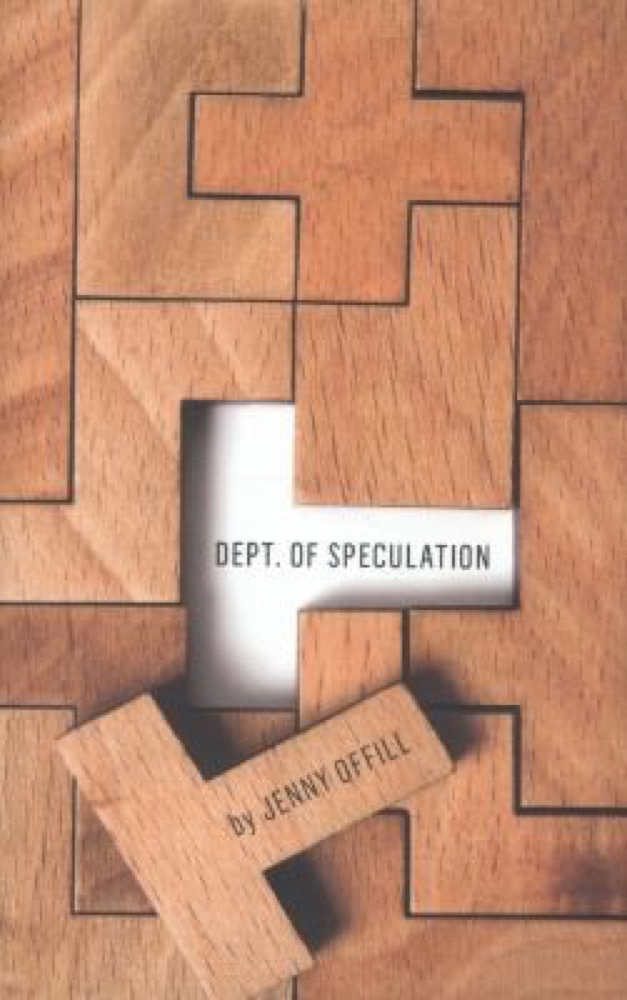 Dept. of Speculation
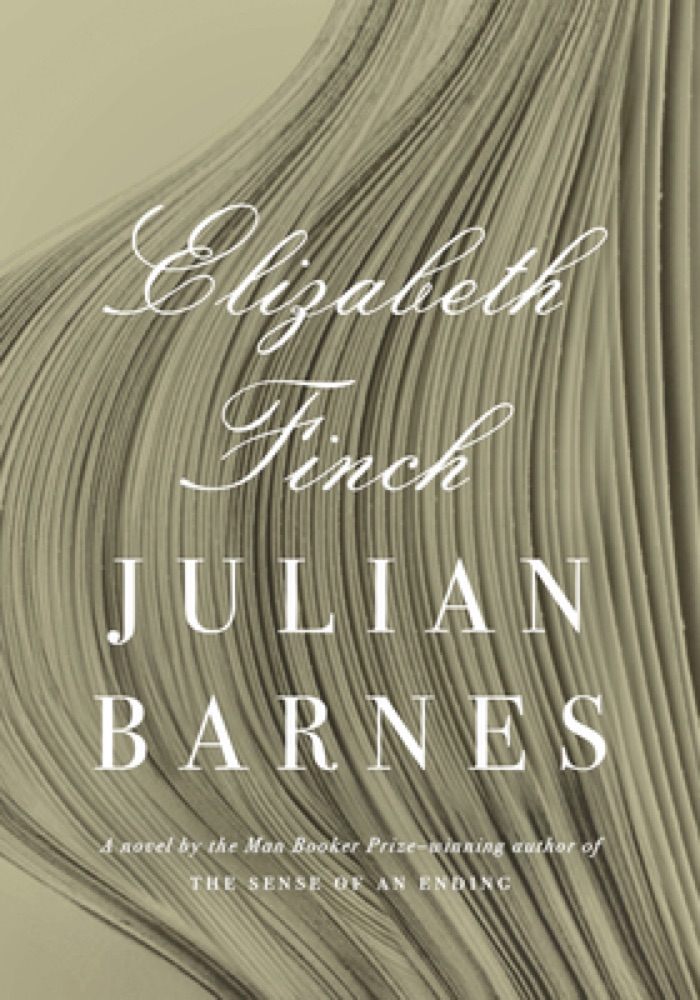 Elizabeth Finch
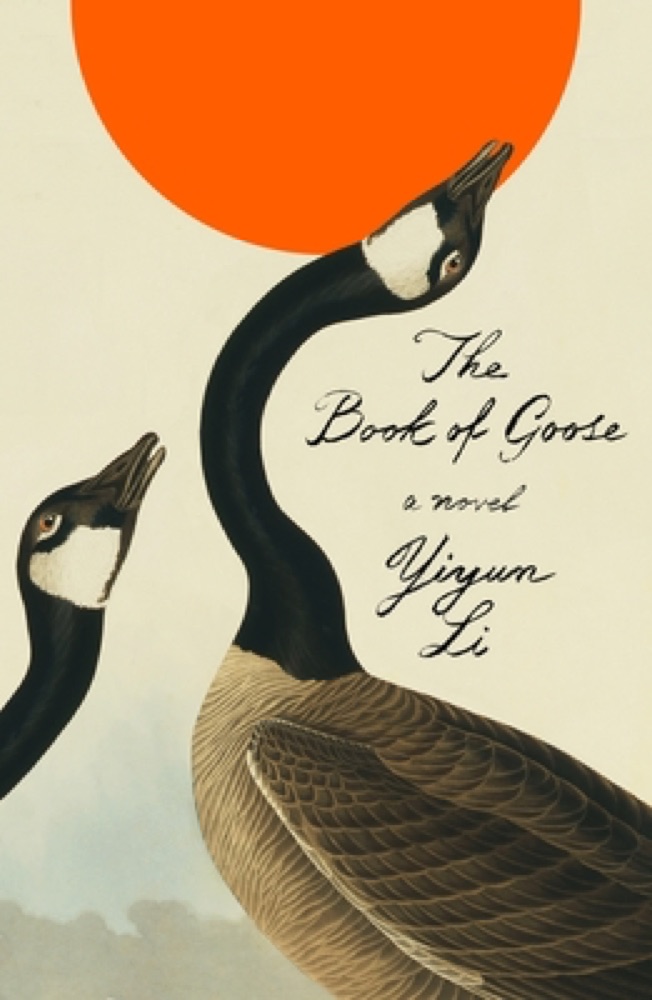 The Book of Goose
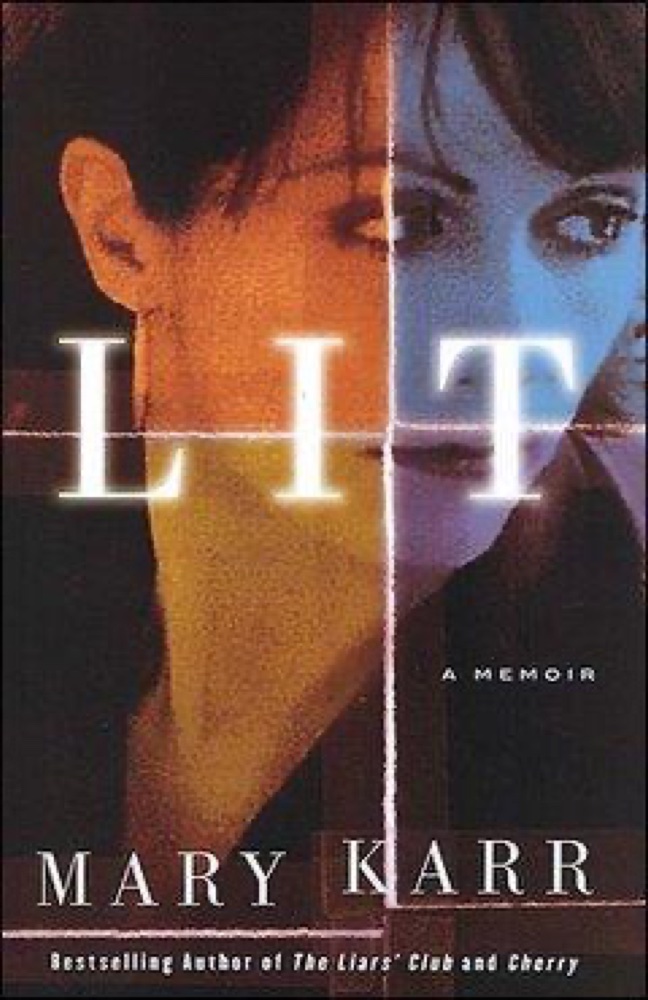 Lit
Lit
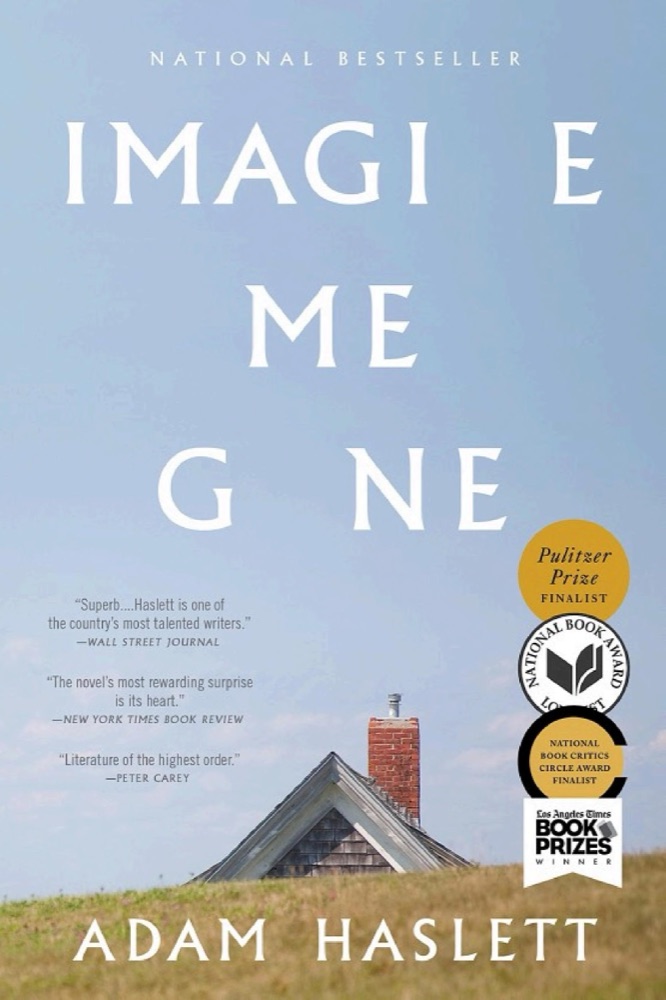 Imagine Me Gone
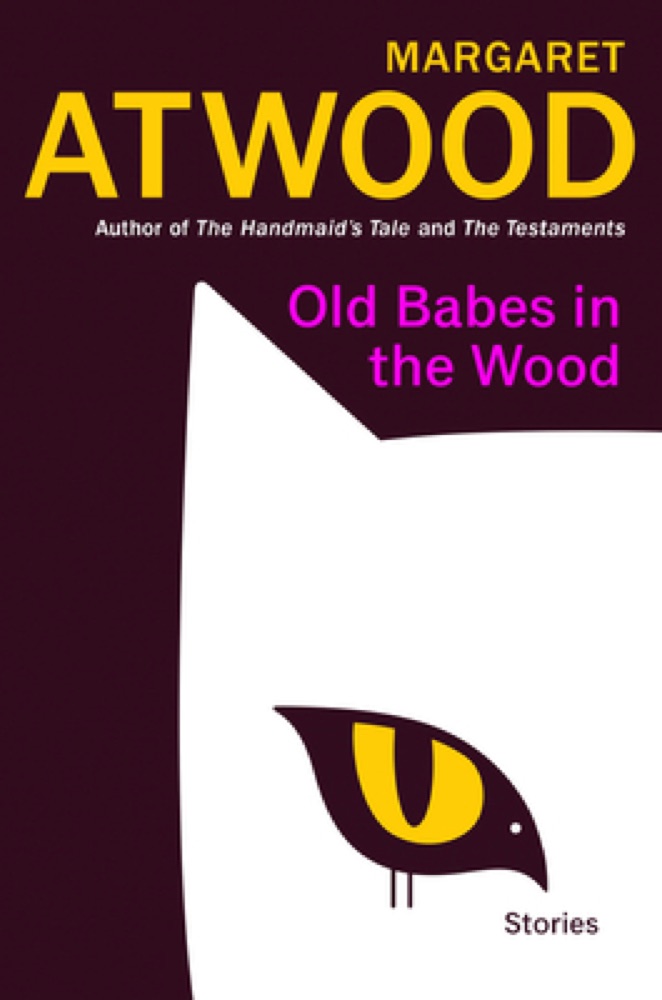 Old Babes in the Wood: Stories
 Oranges Are Not the Only Fruit
 Blueberries: Essays Concerning Understanding
 Life of Pi
 Asymmetry
 The Dream of Perpetual Motion
 The Cost of Living: A Working Autobiography
 Howards End