

 Now Is the Time to Open Your Heart
Quotes from the Book
Sometimes I cry when no one else is around – I am grieving, but it’s too early to burn the body.
7
Reality is something that is co-authored,’ the woman says. ‘It makes sense that you would begin to find this disturbing. When someone says that something is not what you think of it as, it can cause slight tremors in the brain, variations in brain activity, and subconscious doubts begin to emerge. Why do you think people experience spiritual awakenings? It’s because the people around us are engaged. The frenzy is a charge that’s contagious.’ ‘Are you saying my mother is contagious?’ ‘No, I’m not. Though maybe I am, in a sense. We actively make memories, you know. And we make them together. We remake memories, too, in the image of what other people remember.’ ‘The doctor says my mother has become unreliable.’ ‘We are all unreliable. The past seems to have a vigour that the present does not.
7
Morning is the time for deep breaths, and discovering, ourselves anew in our bodies
7
I suffered at her hands as a child, and any pain she subsequently endured appeared to me to be a kind of redemption - a rebalancing of the universe, where the rational order of cause and effect aligned. But now, I can't even the tally between us. The reason is simple - my mother is forgetting and there is nothing I can do about it. There is no way ti make her remember the things she has done in the past, no way to baste her in guilt.
6
When the moon was full, my mother would burn sandlewood incense throughout her flat with the windows closed. Kali Mata had told her to do this to vanquish evil spirits and mosquitoes. We stopped the practice for a year when the doctor said it was giving me asthma. Ma believes that was the year everything went wrong.
5
She continues talking about how difficult things were. These tales have been passed down from mothers to daughters since women had mouths and stories could be told. They contain some moral message, some rites of passage. But they also transfer that feeling all mothers know before their time is done. Guilt.
4
The present is seen for what it is, a fleck always slipping through the sieve.
2
I wonder how I will love Ma when she is at the end. How will I be able to look after her when the woman I know as my mother is no longer residing in her body? When she no longer has a complete consciousness of who she is and who I am, will it be possible for me to care for her the way I do now, or will I be negligent, the way we are with children who are not our own, or voiceless animals, or the mute, blind and deaf, believing we will get away with it, because decency is something we enact in public, with someone to witness and rate our actions, and if there is no fear of blame, what would the point of it be?
2
I told her that staying doesn’t have the appeal, the mystery, of escape. To stay is to be staid, to be resigned, to believe this is all there will ever be. Aren’t we creatures made for searching, investigation, dominion? Aren’t we built to believe there can always be something better?
2
I wonder, sometimes, at the pathways in his mind, at the way his thoughts move, so disciplined and linear. His world is contained, finite. He understands what I say literally - a word has a meaning and a meaning has a word. But I imagine other possibilities and see the heaviness of speech. If I draw a line from a point X to all its other connections, I find myself at the center of something I cannot plot my way out of, There is so much to misinterpret.
2
At the end she will be a house I've moved out of, containing nothing that is familiar
1
I had been taught for most of my life that the moment for living was yet to come, that the phase I was living in, a perpetual state of childhood, was a time for waiting.
1
We are all unreliable. The past seems to have a vigour that the present does not.
1
This is usual and always accompanies reproach for him - he divests himself of responsibility or choice in all past, current or future situations at the beginning of any conversations we have. He means to head off any blame I might be ready with. He doesn't know I always empty my pockets of that stuff before I pass the threshold of his house, that even once I am inside, I know a different kind of door remains closed in front of me.
1
There are repercussions for living the life she’s chosen. I wonder if the loss is worth it, and if she believes it’s worth it. I wonder what she feels after I leave to go back to Dilip and she looks around her house. Maybe this isn’t her choice at all, but another path she has mapped over and over, one she cannot unlearn. I want to ask her if, in all the years she has run away, any part of her screams come after me? Does she want to be caught, brought back and convinced that she is important, that she is necessary?
1
He says my mother and I have always shared some version of our objective reality. Without me, her ties to that may have loosened, sad, but true – yet on the other hand, as a caregiver, the distance might be good for me. It is difficult when everything starts to vanish. He says memory is a work in progress. It’s always being reconstructed.
1
Gli intellettuali francesi storcevano il naso quando Bataille diceva che l'illuminazione poteva nascondersi nella merda, o Dio in una prostituta, ed è possibile che ora i neurologi preferiscano tenere in piedi lo schermo che separa il loro campo dal resto del corpo, la sacralità della barriera sangue-cervello, perché uno stronzo non può avere nulla a che fare coi misteri su cui indagano loro.
Ma naps on the sofa, and for a moment I can imagine what she’ll look like when she dies, when her face slackens and the air abandons her lungs. Around her are objects, papers, photo frames filled with faces she hasn’t seen in years. Among these things her body looks lifeless and alone, and I wonder if the pressure of an audience is what forces the blood to pump. It’s easy to unravel when no one is watching.
We dissolve with questions
I told him that staying doesn't have the appeal, the mystery, of escape. To stay is to be staid, to be resigned, to believe this is all there will ever be. Aren't we creatures made for searching, investigation, dominion? Aren't we built to believe there can always be something better?
The world exists only as far as you can see
I wonder at the terror physicists must have felt when the laws of Newton failed under a microscope. They poked a little too far. Many of them must have wished they could un-see what they had witnessed and go back to a simpler time.
I tell her I am not sure what to do, that maybe I’ve lost my imagination. She says she never thought my work required much imagination, that it was copying an image over and over again. I explain that I mean another kind of imagination, the kind that invents a world where my work matters. But the days seem endless and bright, so time doesn't seem to move.
He can never leave me once I have his child.
She says she never thought my work required much imagination, that it was copying an image over and over again.
Sister Maria Theresa bent her head to look at the picture and, without warning, stabbed the pencil into the back of my palm.
Ma had not made any plans before leaving the ashram.
A year ago, at the Club, she fingered me in a bathroom stall while our husbands ordered drinks at the bar. We’ve never spoken of it.
Watch on YouTube
About Avni Doshi
We have collected 28 quotes from 1 book by Avni Doshi on BookQuoters.
More about the author →About the book
In her youth, Tara was wild. She abandoned her marriage to join an ashram, and while Tara is busy as a partner to the ashram’s spiritual leader, Baba, little Antara is cared for by an older devotee, Kali Mata, an American who came to the ashram after a devastating loss. Tara also embarks on a stint as a beggar (mostly to spite her affluent parents) and spends years chasing a disheveled, homeless artist, all with young Antara in tow. But now Tara is forgetting things, and Antara is an adult – an artist and married – and must search for a way to make peace with a past that haunts her as she confronts the task of caring for a woman who never cared for her.
Sharp as a blade and laced with caustic wit, Burnt Sugar unpicks the slippery, choking cord of memory and myth that binds mother and daughter. Is Tara’s memory loss real? Are Antara’s memories fair? In vivid and visceral prose, Tibor J
Book details
- First published
- 2019
- Author
- Avni Doshi
- Genre
- Fiction
- Goodreads rating
- 3.25 (27k ratings)
The buzz
- The New York TimesReview in The New York Timesprofessional review (via Book Marks)
- The Washington PostReview in The Washington Postprofessional review (via Book Marks)
- The GuardianReview in The Guardianprofessional review (via Book Marks)
- The Times Literary SupplementReview in The Times Literary Supplementprofessional review (via Book Marks)
- Kirkus ReviewsReview in Kirkus Reviewsprofessional review (via Book Marks)
- Publishers WeeklyReview in Publishers Weeklyprofessional review (via Book Marks)
Keep reading
Now Is the Time to Open Your Heart
 The Reader
 Hot Milk
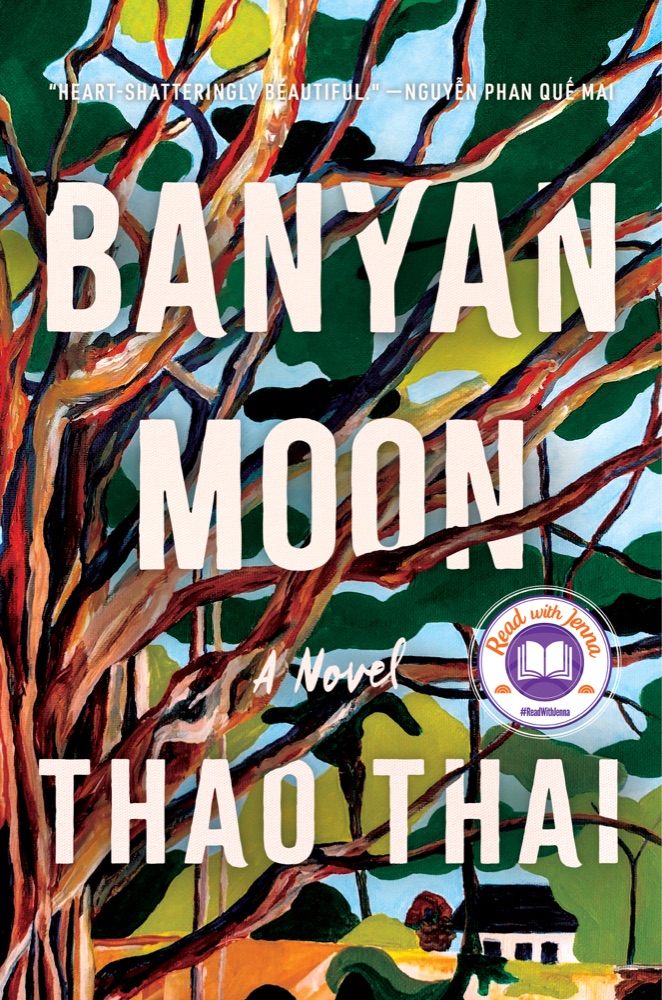 Banyan Moon
 Future Home of the Living God
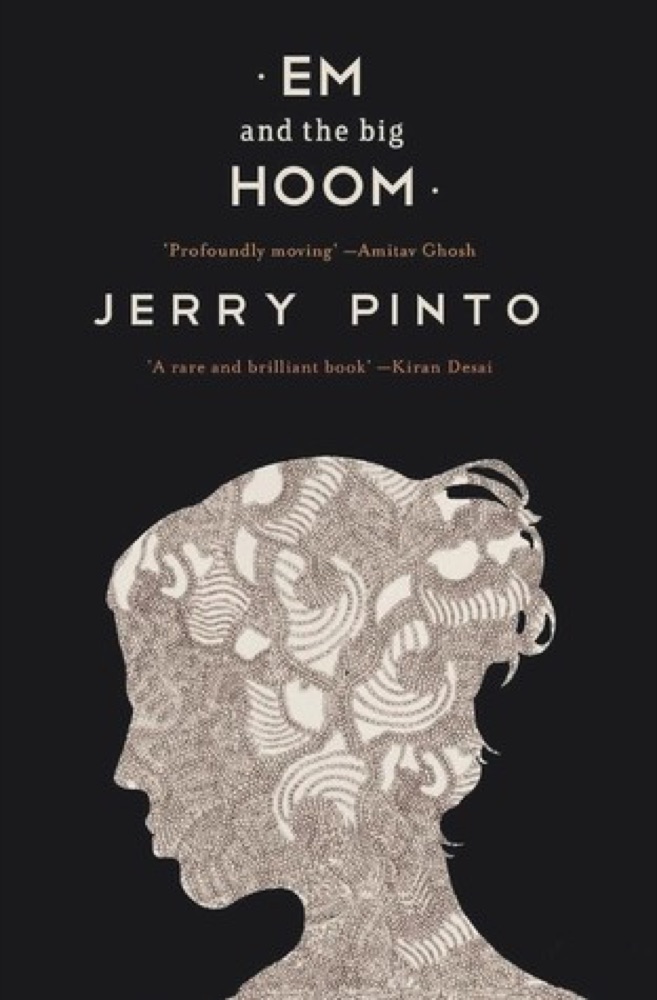 Em and The Big Hoom
 Devotion
 The White Book
 Blind Willow, Sleeping Woman
 Bluebeard's Egg
 Stay with Me
 The English Patient
 Belong to Me
 Parade
 Too Much Happiness: Stories
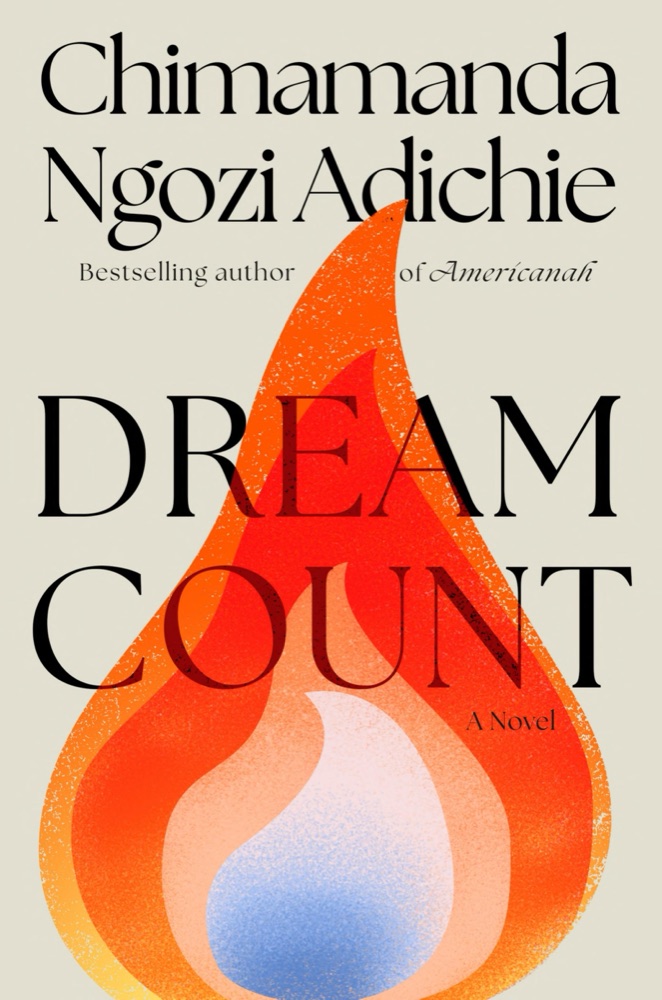 Dream Count
 Mr. Splitfoot
 Our Wives Under the Sea
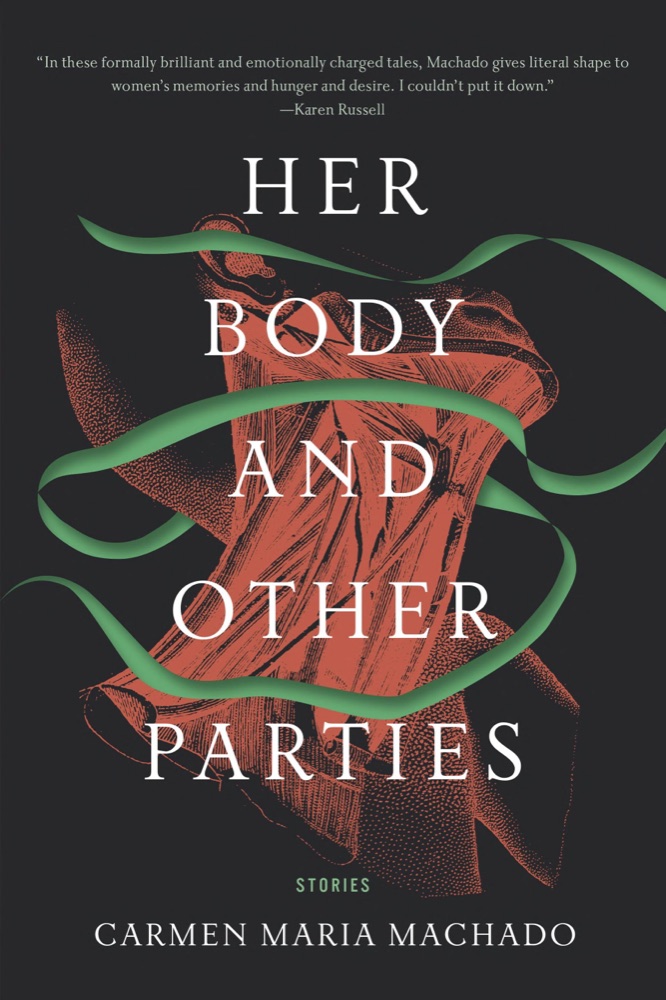 Her Body and Other Parties
 The Blind Assassin
 Imagine Me Gone
 The Hidden Girl and Other Stories
 Dept. of Speculation
 Housekeeping
 A Small Indiscretion
 The Chimes
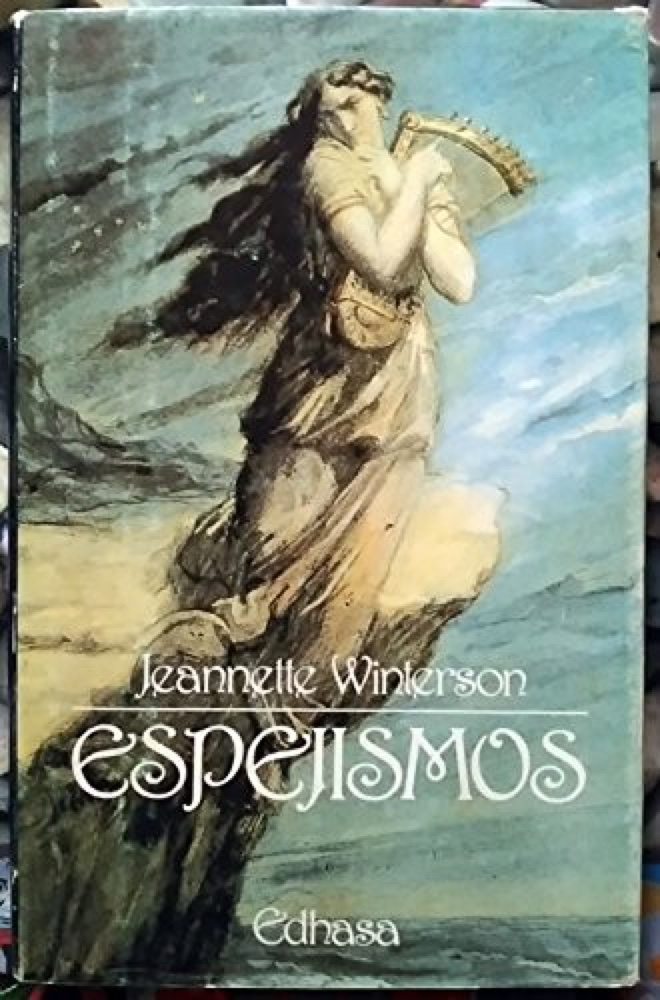 Sexing the Cherry
 Moments of Being: A Collection of Autobiographical Writing
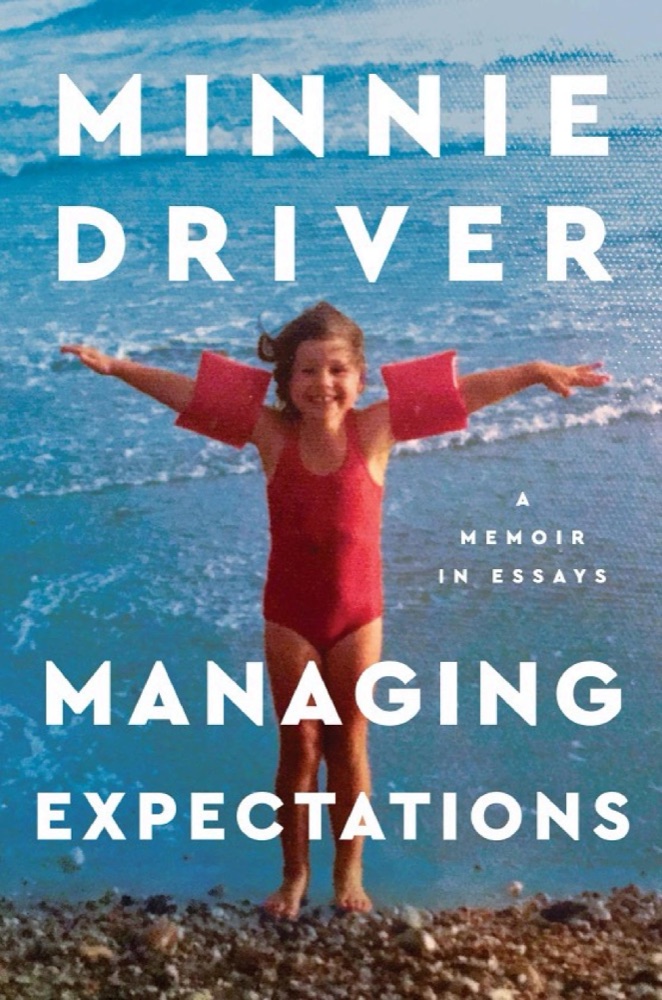 Managing Expectations: A Memoir in Essays – A Poignant Collection of Personal Stories on Acting, Failure, and Motherhood's Joy
 Biography of X
 The Trauma Cleaner: One Woman's Extraordinary Life in the Business of Death, Decay, and Disaster
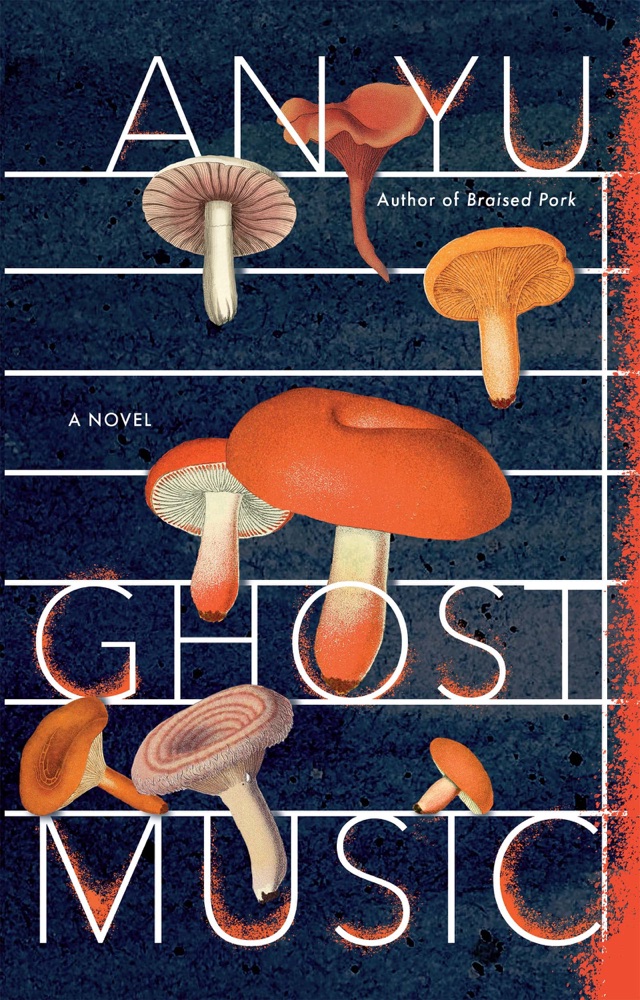 Ghost Music
 The Woman Destroyed
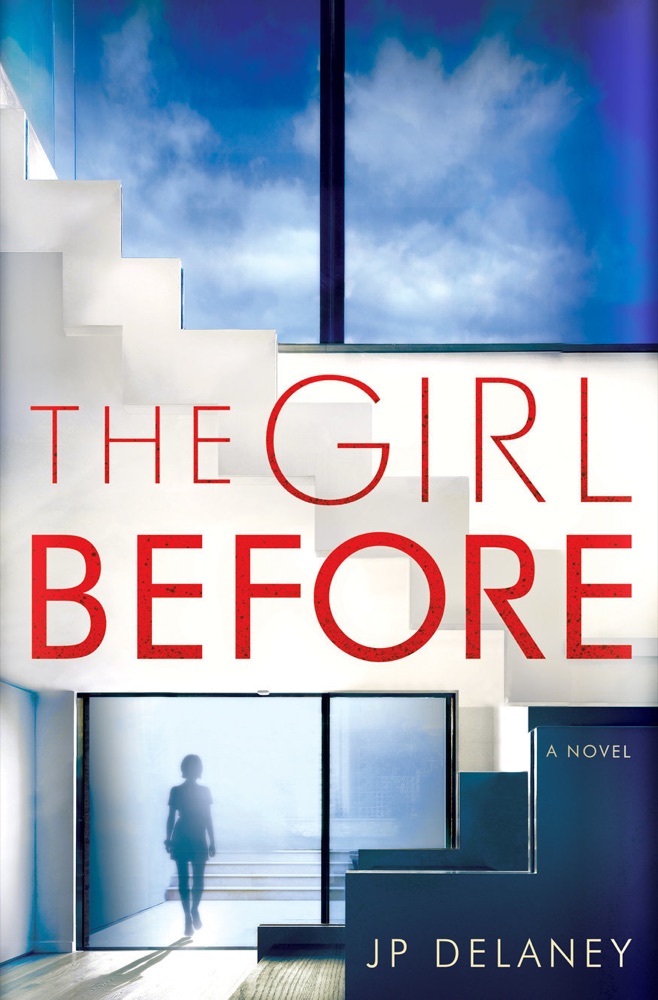 The Girl Before
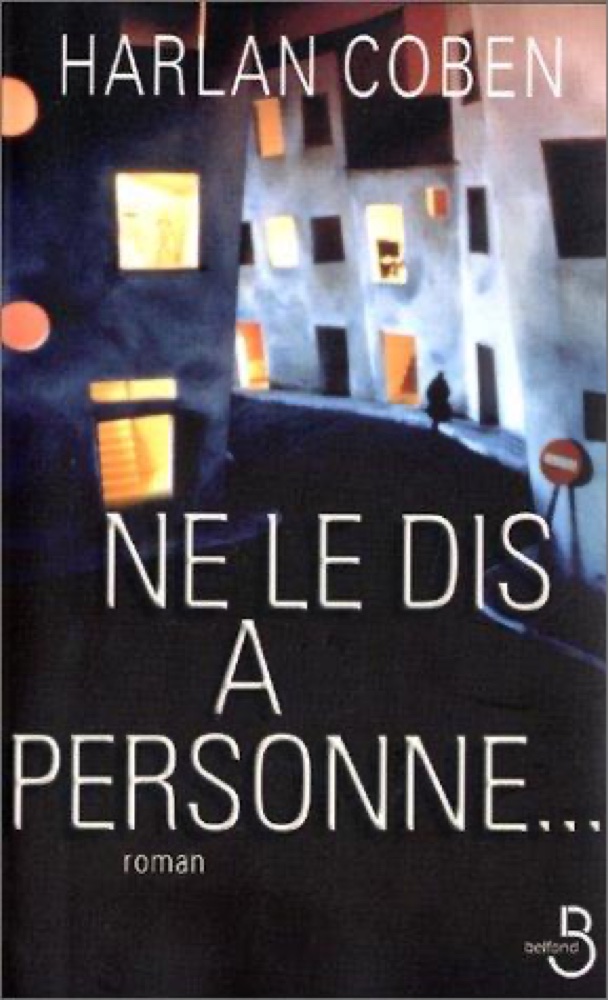 Tell No One
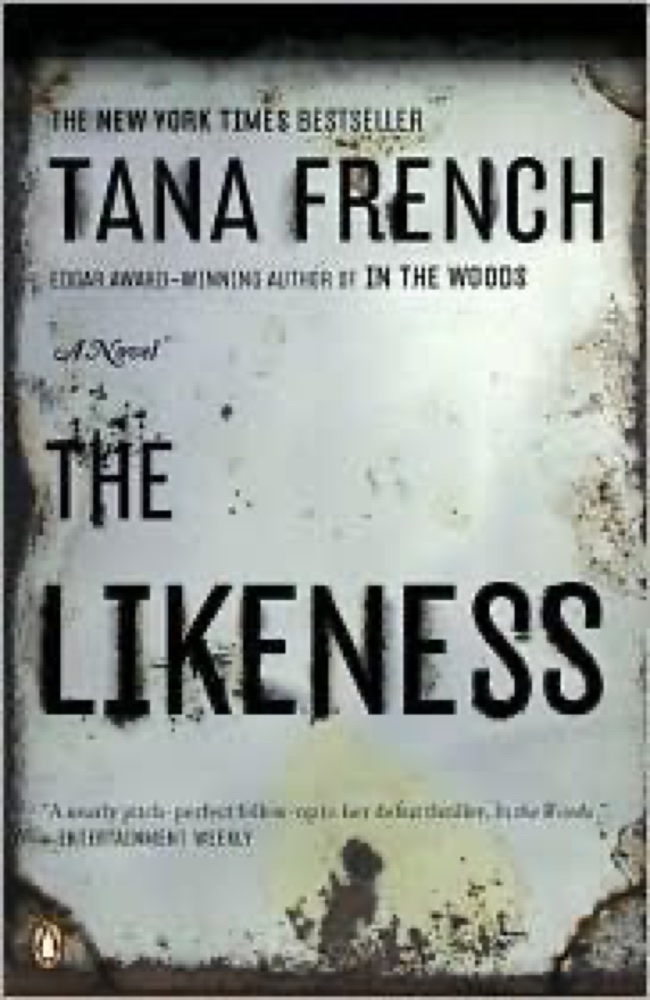 The Likeness
 Warlight
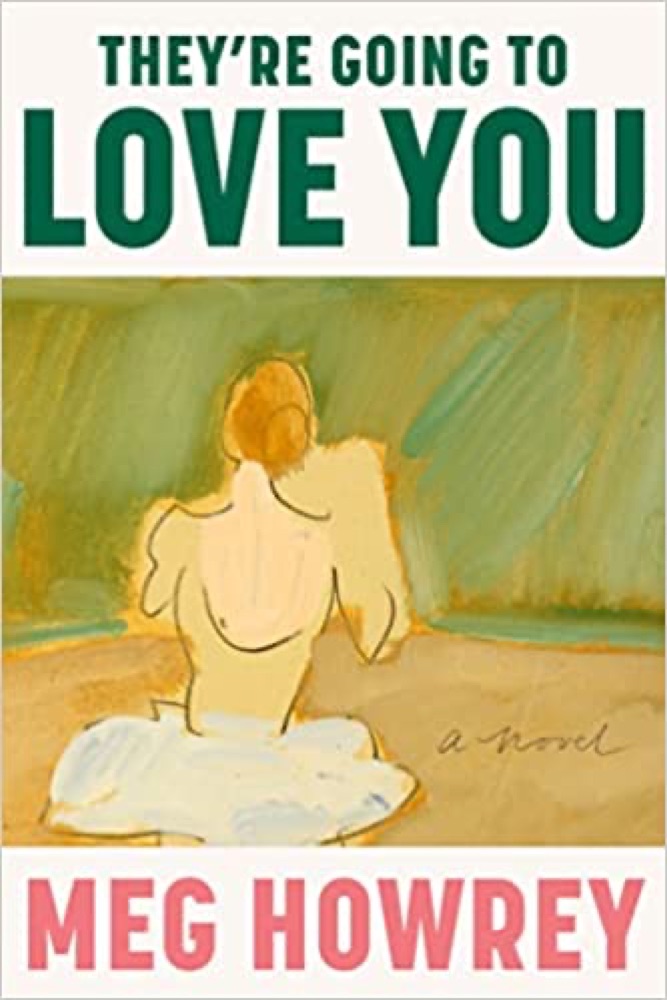 They're Going to Love You
 The Shock of the Fall
 What Is the What
 Under the Udala Trees
 The First Bad Man
 The Stone Diaries
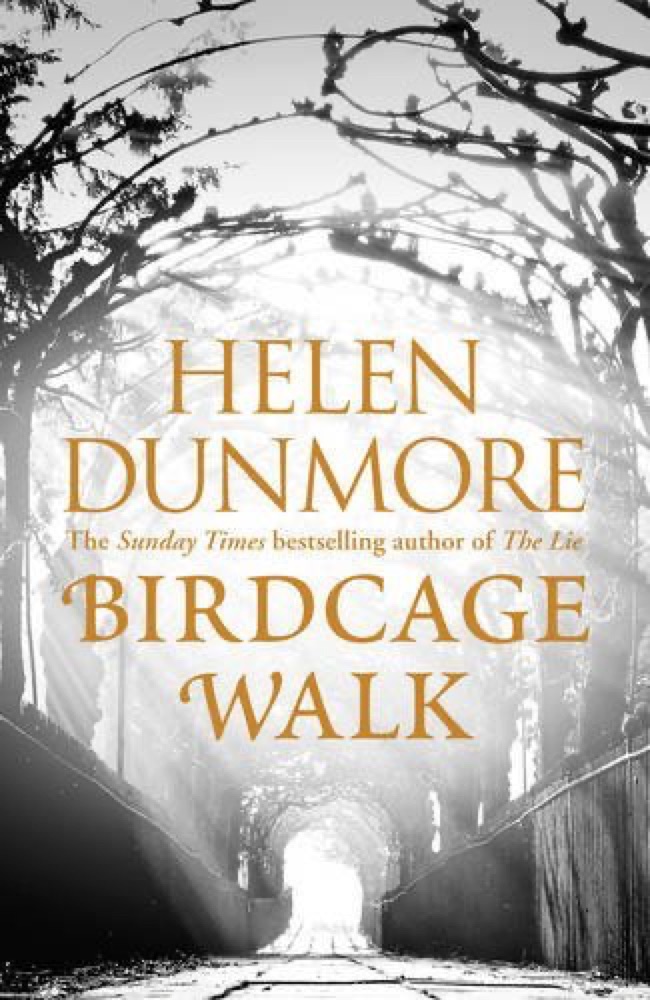 Birdcage Walk
 The Swan Thieves
 Anthropology of an American Girl
 Good as Gone
 The Death of Vivek Oji
 The Witching Hour
 The Collected Stories of Lydia Davis
 Of Women and Salt
 A Widow's Story
 The Kitchen God's Wife
 Glass, Irony and God
 Lit
Lit
 So Long, See You Tomorrow
 Aftermath: On Marriage and Separation
 The Lover
 Whereabouts