
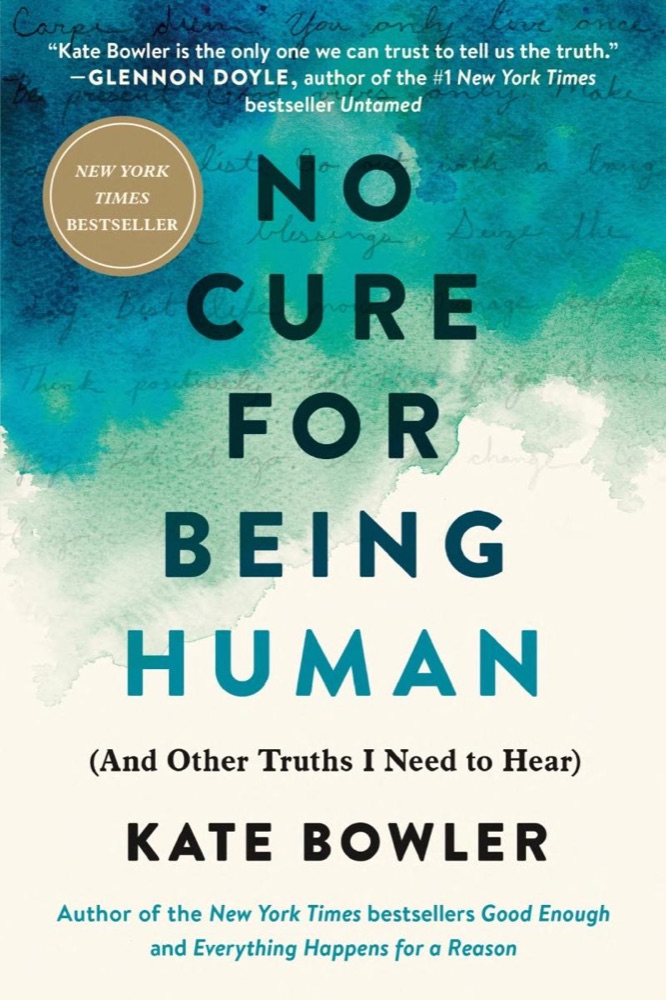
 No Cure for Being Human: And Other Truths I Need to Hear
Quotes from the Book
What would it mean for Christians to give up that little piece of the American Dream that says, "You are limitless"? Everything is not possible. The mighty kingdom of God is not yet here. What if 'rich' did not have to mean 'wealthy', and 'whole' did not have to mean 'healed'? What if being the people of "the gospel" meant that we are simply people with good news? God is here. We are loved. It is enough.
51
I used to think that grief was about looking backward, old men saddled with regrets or young ones pondering should-haves. I see now that it is about eyes squinting through tears into an unbearable future. The world cannot be remade by the sheer force of love. A brutal world demands capitulation to what seems impossible--separation. Brokeness. An end without an ending.
43
I can't reconcile the way that the world is jolted by events that are wonderful and terrible, the gorgeous and the tragic. Except that I am beginning to believe that these opposites do not cancel each other out. I see a middle aged woman in the waiting room of the cancer clinic, her arms wrapped around the frail frame of her son. She squeezes him tightly, oblivious to the way he looks down at her sheepishly. He laughs after a minute, a hostage to her impervious love. Joy persists somehow and I soak it in. The horror of cancer has made everything seem like it is painted in bright colors. I think the same thoughts again and again. Life is so beautiful. Life is so hard.
37
God, I am walking to the edge of a cliff. Build me a bridge. I need to get to the other side.
32
If I were to invent a sin to describe what that was—for how I lived—I would not say it was simply that I didn’t stop to smell the roses. It was the sin of arrogance, of becoming impervious to life itself. I failed to love what was present and decided to love what was possible instead.
29
Aging is a fucking privilege.
23
Plans are made. Plans come apart. New delights or tragedies pop up in their place. And nothing human or divine will map out this life, this life that has been more painful than I could have imagined. More beautiful than I could have imagined.
22
A lot of Christians like to remind me that heaven is my true home, which makes me want to ask them if they would like to go home first.
19
Control is a drug, and we are all hooked, whether or not we believe in the prosperity gospel’s assurance that we can master the future with our words and attitudes.
19
God is here. We are loved. It is enough.
18
Life is a privilege, not a reward.
18
But I don’t want ice cream, I want a world where there is no need for pediatric oncology, UNICEF, military budgets, or suicide rails on the top floors of tall buildings. The world would drip with mercy. Thy kingdom come, I pray, and my heart aches. And my tongue trips over the rest. Thy will be done.
18
Everything happens for a reason.” The only thing worse than saying this is pretending that you know the reason. I’ve had hundreds of people tell me the reason for my cancer. Because of my sin. Because of my unfaithfulness. Because God is fair. Because God is unfair. Because of my aversion to Brussels sprouts. I mean, no one is short of reasons. So if people tell you this, make sure you are there when they go through the cruelest moments of their lives, and start offering your own. When someone is drowning, the only thing worse than failing to throw them a life preserver is handing them a reason.
17
Life is a series of losses," says my father-in-law one afternoon...."What Dad?"..."oh, I was just thinking about how, with age, it is one loss after another, " he replies. "Huh." He is right. With age we slowly lose our senses and even our pleasures, our parents and then our friends, preparing us for our own absence. An interesting thought.
16
At a time when I should have felt abandoned by God, I was not reduced to ashes. I felt like I was floating, floating on the love and prayers of all those who hummed around me like worker bees, bringing notes and flowers and warm socks and quilts embroidered with words of encouragement. They came in like priests and mirrored back to me the face of Jesus.
14
We’re all terminal,” he says simply, and it answers my unspoken question. How do you stop? You just stop. You come to the end of yourself. And then you take a deep breath. And say a prayer. And get back to work.
13
Don’t skip to the end,” he said, gently. “Don’t skip to the end.
12
I read an article about how people in grief swear because they feel the English language has reached its limit in a time of inarticulate sorrow. Or at least that is what I tell people when I am casually dropping f-bombs over lunch as I explain the mysteries of Lent.
11
The hardest lessons come from the solutions people, who are already a little disappointed that I am not saving myself. There is always a nutritional supplement, Bible verse or mental process I have not adequately tried. “Keep smiling! Your attitude determines your destiny!” said a stranger named Jane in an email, having heard my news somewhere, and I was immediately worn out by the tyranny of prescriptive joy.
11
That feeling stayed with me for months. In fact, I had grown so accustomed to that floating feeling that I started to panic at the prospect of losing it. So I began to ask friends, theologians, historians, pastors I knew, nuns I liked, *What am I going to do when it's gone?* And they knew exactly what I meant because they had either felt it themselves or read about it in great works of Christian theology. St. Augustine called it "the sweetness." Thomas Aquinas called it something mystical like "the prophetic light." But all said yes, it will go. The feelings will go. The sense of God's presence will go. There will be no lasting proof that God exists. There will be no formula for how to get it back. But they offered me this small bit of certainty, and I clung to it. When the feelings recede like the tides, they said, they will leave an imprint. I would somehow be marked by the presence of an unbidden God.
11
What if rich did not have to mean wealthy, and whole did not have to mean healed? What if being people of “the gospel” meant that we are simply people with good news? God is here. We are loved. It is enough.
10
I have known Christ in so many good times,” she said, sincerely and directly. “And now I will know Him better in His sufferings.
10
When they sat beside me, my hand in their hands, my own suffering began to feel like it had revealed to me the suffering of others, a world of those who, like me, are stumbling in the debris of dreams they thought they were entitled to and plans they didn't realize they had made.
10
I was immediately worn out by the tyranny of prescriptive joy.
9
Nothing about my life is lucky,” she has argued. “Nothing. A lot of grace, a lot of blessings, a lot of divine order, but I don’t believe in luck. For me, luck is preparation meeting the moment of opportunity.
9
they feel the English language has reached its limit in a time of inarticulate sorrow.
9
The horror of cancer has made everything seem like it is painted in bright colors. I think the same thoughts again and again: Life is so beautiful. Life is so hard.
7
I keep having the same unkind thought: I am preparing for death and everyone else is on Instagram. I know it's not fair, that life is hard for everyone, but I sometimes feel like I'm the only one in the world who is dying. We're all sinking slowly but one day while everyone watches, I will run out of air, I am going to go under. Even explaining it, I feel more and more frantic. There will be a day when I can't take my next breath and I will drown.
7
I would love to report that what I found in the prosperity gospel was something so foreign and terrible to me that I was warned away, but what I discovered was both familiar and painfully sweet: the promise that I could curate my life, minimize my losses, and stand on my successes. And no matter how many times I rolled my eyes at the creeds outrageous certainties, I craved them just the same. I had my own Prosperity Gospel, a flowering weed grown in with all the rest.
7
Watch on YouTube
About Kate Bowler
We have collected 57 quotes from 2 books by Kate Bowler on BookQuoters.
More about the author →More by Kate Bowler
No Cure for Being Human: And Other Truths I Need to Hear
About the book
A divinity professor and young mother with a Stage IV cancer diagnosis explores the pain and joy of living without certainty.
Thirty-five-year-old Kate Bowler was a professor at the school of divinity at Duke, and had finally had a baby with her childhood sweetheart after years of trying, when she began to feel jabbing pains in her stomach. She lost thirty pounds, chugged antacid, and visited doctors for three months before she was finally diagnosed with Stage IV colon cancer.
As she navigates the aftermath of her diagnosis, Kate pulls the reader deeply into her life, which is populated with a colorful, often hilarious collection of friends, pastors, parents, and doctors, and shares her laser-sharp reflections on faith, friendship, love, and death. She wonders why suffering makes her feel like a loser and explores the burden of positivity. Trying to relish the time she still has wi
Book details
- First published
- 2018
- Author
- Kate Bowler
- Genre
- Nonfiction
- Goodreads rating
- 3.80 (54k ratings)
The buzz
- The Wall Street JournalReview in The Wall Street Journalprofessional review (via Book Marks)
- Kirkus ReviewsReview in Kirkus Reviewsprofessional review (via Book Marks)
- Publishers WeeklyReview in Publishers Weeklyprofessional review (via Book Marks)
- PhillyReview in Phillyprofessional review (via Book Marks)
- ChicagotribuneReview in Chicagotribuneprofessional review (via Book Marks)
Keep reading
 All My Knotted-Up Life: A Memoir
 Grace (Eventually): Thoughts on Faith
 Plan B: Further Thoughts on Faith
No Cure for Being Human: And Other Truths I Need to Hear
Plan B: Further Thoughts on Faith
No Cure for Being Human: And Other Truths I Need to Hear
 Traveling Mercies: Some Thoughts on Faith
 When Breath Becomes Air
 What Is the What
 Hey Nostradamus!
 90 Minutes in Heaven: A True Story of Death and Life
 Angels in America
 These Precious Days: Essays
 Christy
 Jayber Crow
 A Grief Observed
 Future Home of the Living God
 Under the Udala Trees
 Eat, Pray, Love
 Year of Wonders
 The Stranger in the Lifeboat
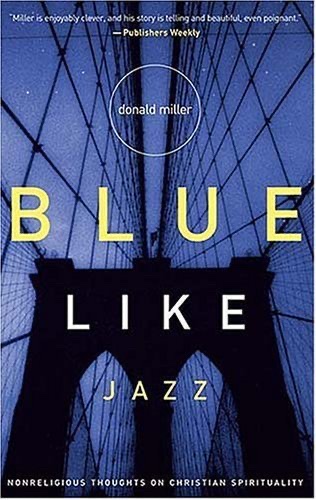 Blue Like Jazz: Nonreligious Thoughts on Christian Spirituality
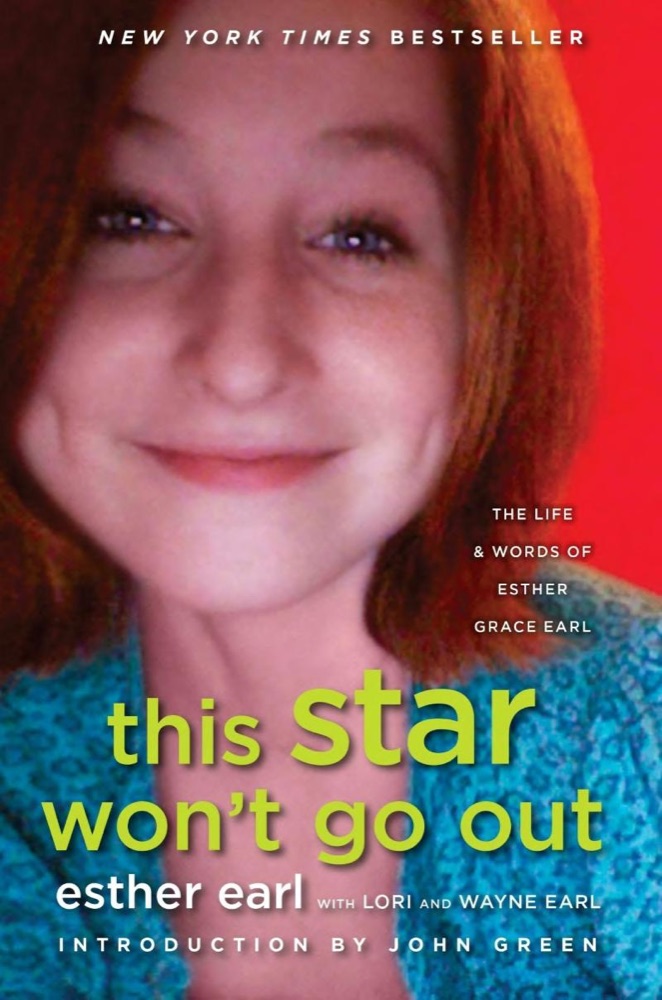 This Star Won't Go Out: The Life and Words of Esther Grace Earl
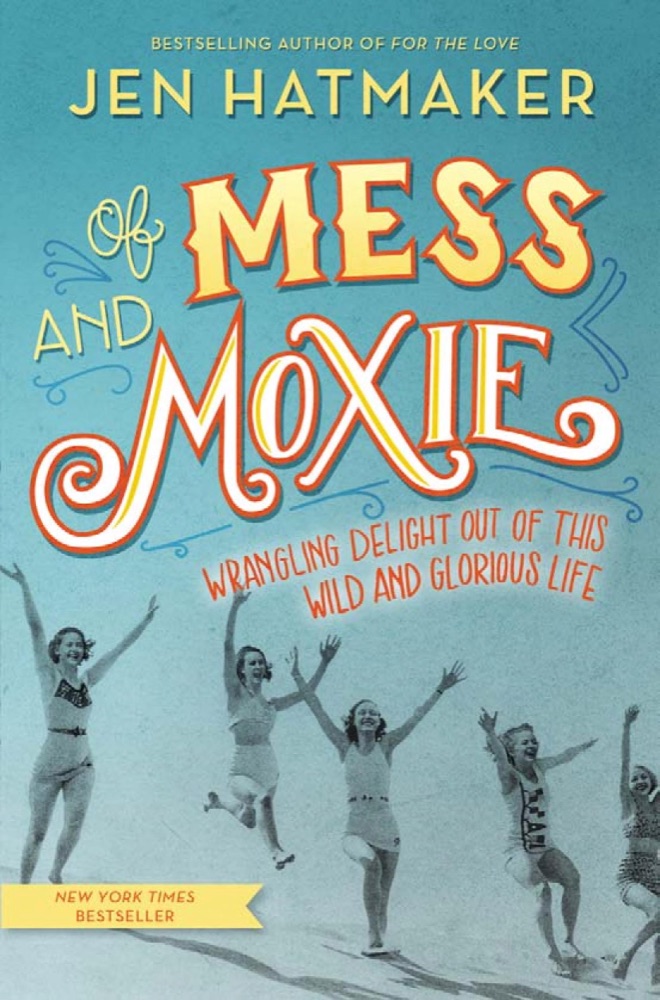 Of Mess and Moxie: Wrangling Delight Out of This Wild and Glorious Life
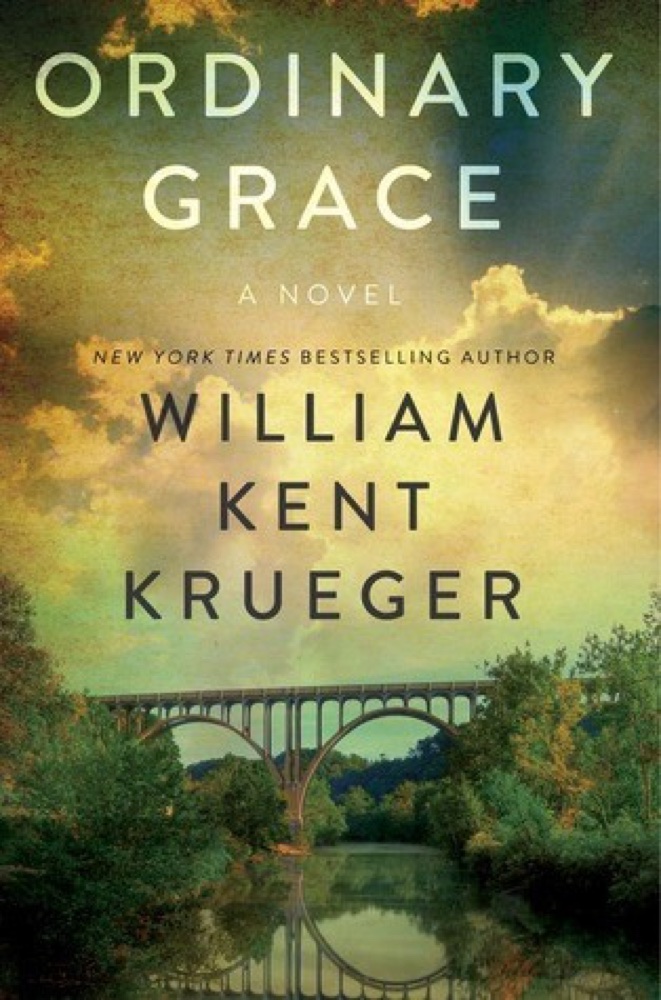 Ordinary Grace
 Have a Little Faith: a True Story
 Carry On, Warrior: Thoughts on Life Unarmed
 God Never Blinks: 50 Lessons for Life's Little Detours
 Change of Heart
 More, Now, Again: A Memoir of Addiction
 Awake
Awake
 Here I Am
 A Manual for Cleaning Women: Selected Stories
 7: An Experimental Mutiny Against Excess
 Tropic of Cancer
 These Silent Woods
 Why Religion? A Personal Story
 Lit
Lit
 Any Ordinary Day
 Children of God
 It's Not about the Bike: My Journey Back to Life
 Life After God
 Where the Lost Wander
 All the Little Live Things
 Wide Awake
 Gilead
 Briefly Perfectly Human: Making an Authentic Life by Getting Real About the End
 Dream Count
 WayMaker: Finding the Way to the Life You’ve Always Dreamed Of
 Love and a Little White Lie
 Belong to Me
 Sea Wife
 Dust Tracks on a Road
 Falling Back in Love with Being Human: Letters to Lost Souls
 We Are the Luckiest: The Surprising Magic of a Sober Life
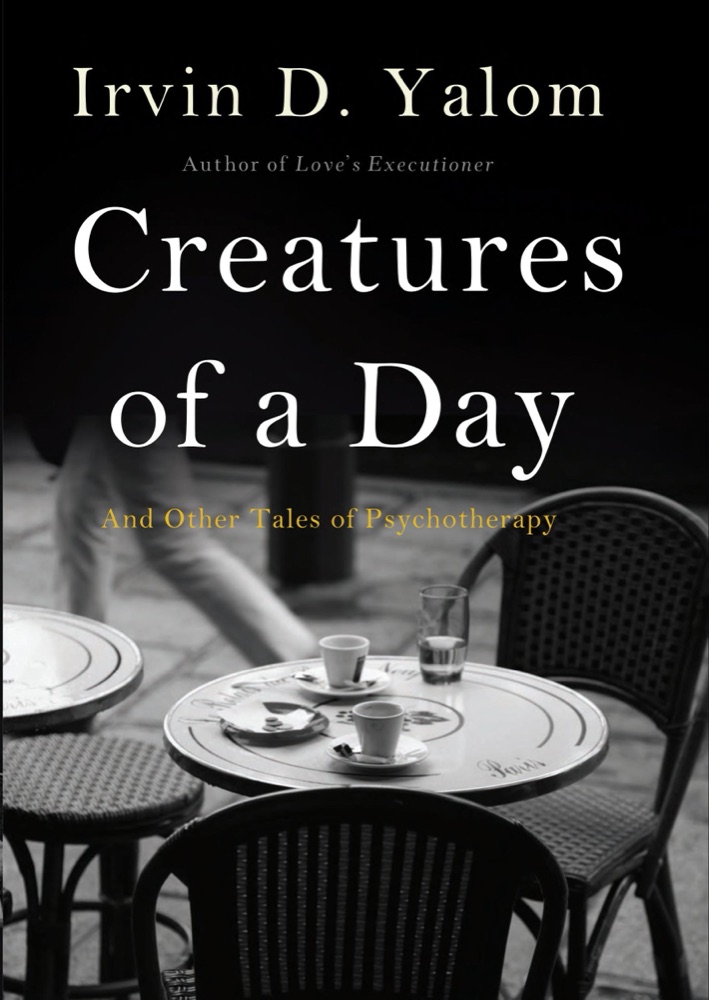 Creatures of a Day: And Other Tales of Psychotherapy
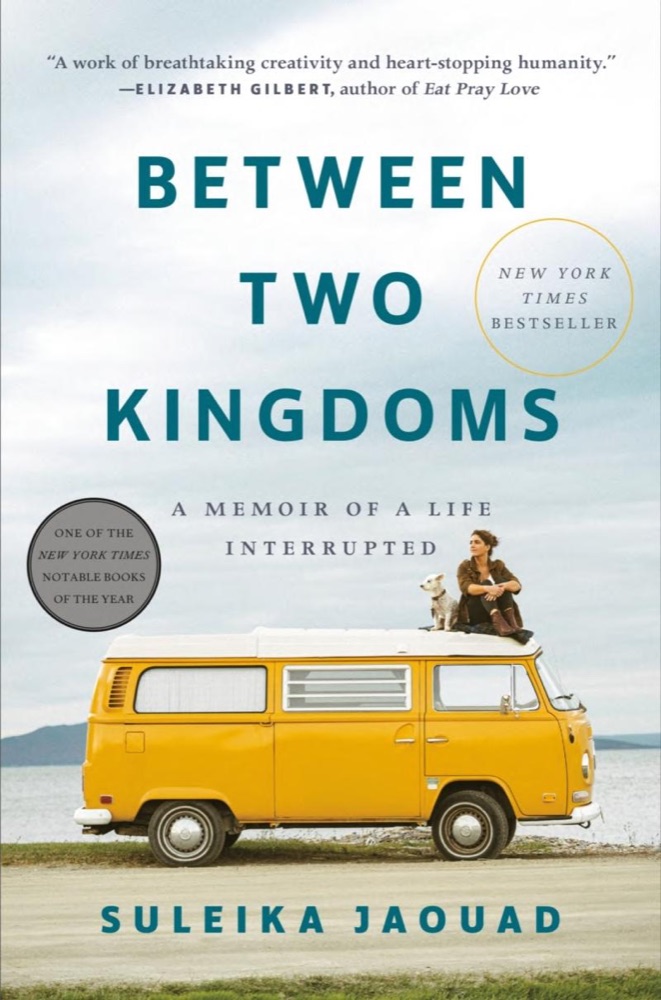 Between Two Kingdoms: A Memoir of a Life Interrupted
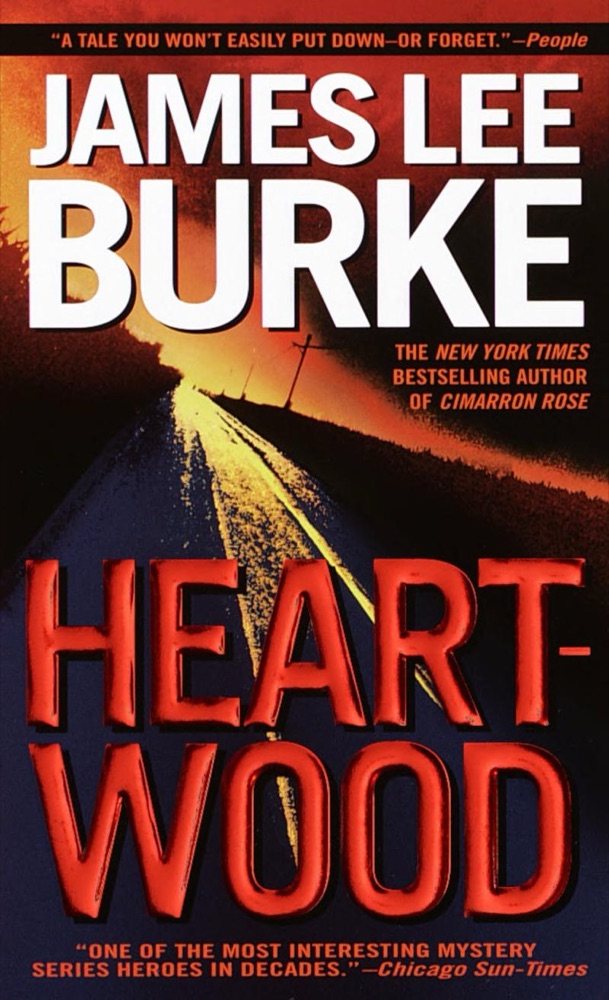 Heartwood
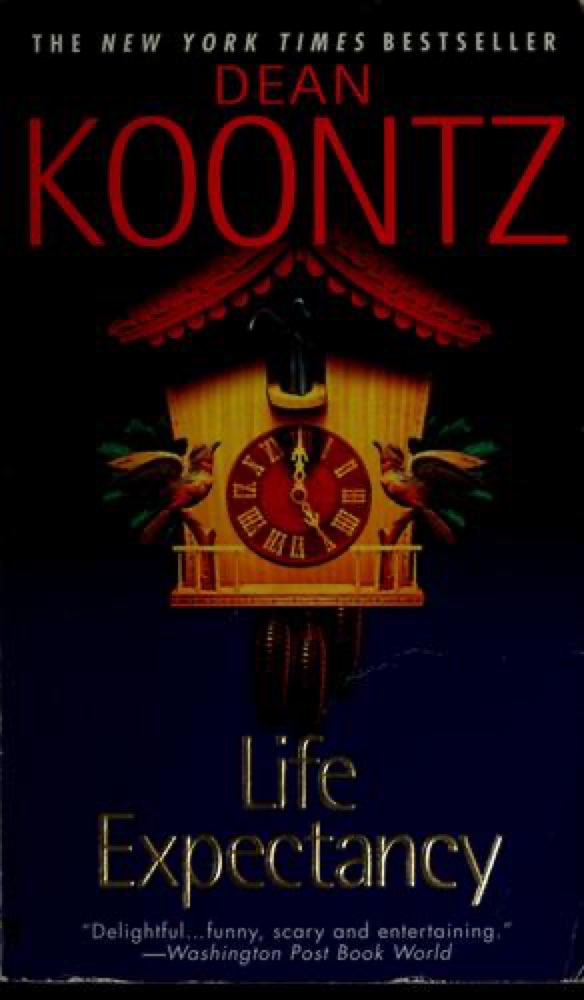 Life Expectancy
 As I Lay Dying
 Like Streams to the Ocean: Notes on Ego, Love, and the Things That Make Us Who We Are