
 The Way Life Should Be
Quotes from the Book
I've come to think that's what heaven is- a place in the memory of others where our best selves live on.
I like the assumption that everyone is trying his best, and we should all just be kind to each other.
I learned long ago that loss is not only probable but inevitable. I know what it means to lose everything, to let go of one life and find another. And now I feel, with a strange, deep certainty, that it must be my lot in life to be taught that lesson over and over again.
Time constricts and flattens, you know. It's not evenly weighted. Certain moments linger in the mind and others disappear.
So is it just human nature to believe that things happen for a reason - to find some shred of meaning even in the worst experiences?
Do you believe in spirits? Or ghosts?...Yes, I do. I believe in ghosts....They're the ones who haunt us. The ones who have left us behind." "Vivian has come back to the idea that the people who matter in our lives stay with us, haunting our ordinary moments. They're with us in the grocery store, as we turn the corner, chat with a friend. They rise up through the pavement; we absorb them through our soles." "The things that matter stay with you, seep into your skin.
And so it is that you learn how to pass, if you're lucky, to look like everyone else, even though you're broken inside.
It is good to test your limits now and then, learn what the body is capable of, what you can endure.
people who matter in our lives stay with us, haunting our most ordinary moments. They’re with us in the grocery store, as we turn a corner, chat with a friend. They rise up through the pavement; we absorb them through our soles.
She knows too well what it's like to tamp down your natural inclinations, to force a smile when you feel numb. [...] The expression of emotion does not come naturally, so you learn to fake it. To pretend. To display an empathy you don't really feel. And so it is that you learn to pass, if you're lucky, to look like everyone else, even though you're broken inside.
My entire life has felt like chance. Random moments of loss and connection. This is the first one that feels, instead, like fate.
You got to learn to take what people are willing to give.
I love you," he writes again and again. "I can't bear to live without you. I'm counting the minutes until I see you." The words he uses are the idioms of popular songs and poems in the newspaper. And mine to him are no less cliched. I puzzle over the onionskin, trying to spill my heart onto the page. But I can only come up with the same words, in the same order, and hope the depth of feeling beneath them gives them weight and substance. I love you. I miss you. Be careful. Be safe.
I am not glad she is dead, but I am not sorry she is gone.
you are only as interesting as you are useful to someone
Turtles carry their homes on their backs.” Running her finger over the tattoo, she tells him what her dad told her: “They’re exposed and hidden at the same time. They’re a symbol of strength and perseverance.
She has never tried to find out what happened to her family — her mother or her relatives in Ireland. But over and over, Molly begins to understand as she listens to the tapes, Vivian has come back to the idea that the people who matter in our lives stay with us, haunting our most ordinary moments. They're with us in the grocery store, as we turn a corner, chat with a friend. They rise up through the pavement; we absorb them through our soles.
Molly learned long ago that a lot of the heartbreak and betrayal that other people fear their entire lives, she has already faced. Father dead. Mother off the deep end. Shuttled around and rejected time and time again. And still she breathes and sleeps and grows taller. She wakes up every morning and puts on clothes. So when she says it's okay, what she means is that she knows she can survive just about anything.
Upright and do right make all right.
You can't find peace until you fin fall the pieces.
you can’t find peace until you find all the pieces. She wants to help Vivian find some kind of peace, elusive and fleeting as it may be.
So is it just human nature to believe that things happen for a reason — to find some shred of meaning even in the worst experiences?" Molly asks when Vivian reads some of these stories aloud. "It certainly helps," Vivian says.
He reaches over and touches my necklace. "You still have it. That gives me faith." "Faith in what?" "God, I suppose. No, I don't know. Survival.
Mrs. Scatcherd raps Dutchy's knuckles several times with a long wooden ruler, though it seems to me a halfhearted penalty. He barely winces, then shakes his hands twice in the air and winks at me. Truly , there isn't much more she can do. Stripped of family and identity, fed meager rations, consigned to hard wooden seats until we are to be, as Slobbery Jack suggested, sold into slavery — our mere existence is punishment enough.
So I am learning to pretend, to smile and nod, to display empathy I do not feel. I am learning to pass, to look like everyone else, even though I feel broken inside.
I have come to think that's where Heaven is, a place in the memories of other where our best selves live
She should be grateful. Without Vivian she'd be sliding down a dark path toward nowhere good . But it kind of feels nice to nurture her resentment, to foster it. It's something she can savor and control, this feeling of having been wronged by the world. That she has fulfilled her role as a thieving member of the underclass, now indentured to this genteel midwestern white lady, is too perfect for words.
As with Dutchy and Carmine on the train, this little cluster of women has become a kind of family to me. Like an abandoned foal that nestles against cows in the barnyard, maybe I just need to feel the warmth of belonging. And if I'm not going to find that with the Byrnes, I will find it, however partial and illusory, with the women in the sewing room.
Forgive me if I'm wrong. But are you-were you-did you come here on a train from New York about ten years ago?
easier to assume that people have it out for you than to be disappointed when they don’t come through.
Did you know?
- The novel dramatizes the real orphan trains that ran between 1854 and 1929, relocating thousands of children from East Coast cities to the Midwest.
- Orphan Train was Christina Baker Kline's fifth novel and her first major commercial breakthrough.
- The book spent multiple weeks at number one on national bestseller lists and sold millions of copies.
- Its dual timeline moves between present-day Maine and Depression-era Minnesota.
- Kline adapted the story for younger readers in a 2017 middle-grade edition titled Orphan Train Girl.
- The novel was widely chosen as a community 'One Book, One Read' selection.
About Christina Baker Kline
Christina Baker Kline (born 1964 in Cambridge, England) is an American novelist raised in England, the American South, and Maine. She holds degrees from Yale, Cambridge, and the University of Virginia, and is best known for her bestselling historical fiction, including Orphan Train and A Piece of the World.
More about the author →More by Christina Baker Kline
The Way Life Should Be
 Sweet Water
About the book
Orphan Train is a 2013 historical novel by Christina Baker Kline that braids together two lives separated by nearly a century. In present-day Maine, seventeen-year-old Molly Ayer, a Penobscot girl bouncing through the foster-care system, takes on community service helping an elderly widow clean out her attic. That widow, ninety-one-year-old Vivian Daly, turns out to carry a hidden past: as a young Irish immigrant she was placed aboard one of the real orphan trains that, between 1854 and 1929, carried thousands of abandoned and orphaned children from the crowded East Coast to families in the Midwest.
As Molly sorts through Vivian's keepsakes, the novel moves between contemporary Maine and Depression-era Minnesota, revealing that the two women are far more alike than they first appear. Both were raised by strangers, both are outsiders shaped by loss and unanswered questions, and their unlikely friendship becomes a way for each to reckon with her own history. Kline draws on a little-remembered chapter of American social history to explore themes of displacement, identity, resilience, and the search for belonging.
Published by William Morrow in 2013, Orphan Train became a major commercial success, spending weeks at the top of national bestseller lists and selling millions of copies worldwide. Its popularity as a book-club selection and a "One Book, One Read" community pick helped renew public interest in the orphan-train movement, and Kline later adapted the story for younger readers as Orphan Train Girl.
Key characters
- Vivian DalyAn elderly Irish immigrant who rode an orphan train as a child
- Molly AyerA seventeen-year-old Penobscot foster teen doing community service
- Niamh PowerVivian's original Irish name as a young orphaned girl
- DutchyA fellow orphan-train child and Vivian's young love
- JackMolly's boyfriend, whose mother works for Vivian
Book details
- First published
- 2013
- Length
- 278 pages
- Reading time
- 5 hours
- Author
- Christina Baker Kline
- Genre
- Fiction
- Goodreads rating
- 4.20 (469k ratings) →
- First line
- “I believe in ghosts.”
If you liked this, read…
- 1Before We Were YoursAlso uncovers a hidden American child-welfare history through dual timelines
- 2The NightingaleHistorical fiction centered on women's survival and resilience
- 3A Piece of the WorldChristina Baker Kline's later historical novel in a similar vein
Keep reading
 Traveling Mercies: Some Thoughts on Faith
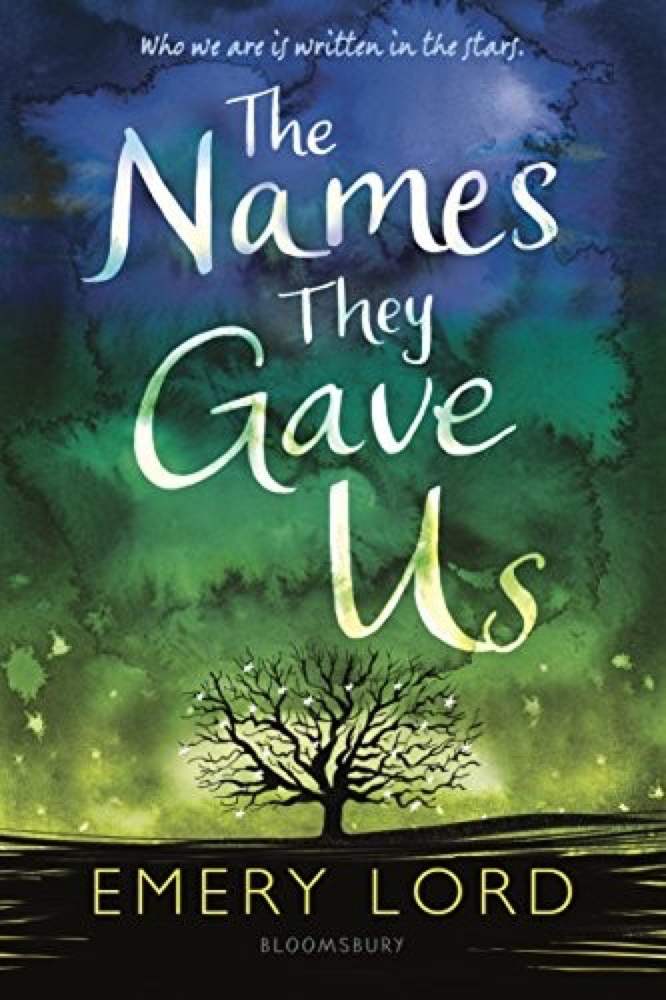 The Names They Gave Us
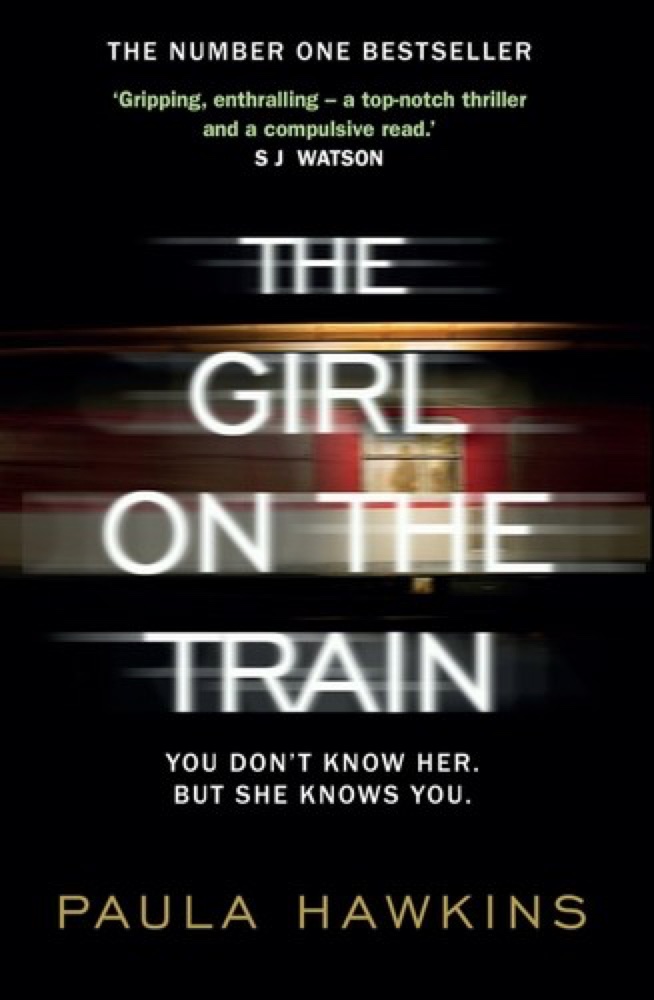 The Girl on the Train
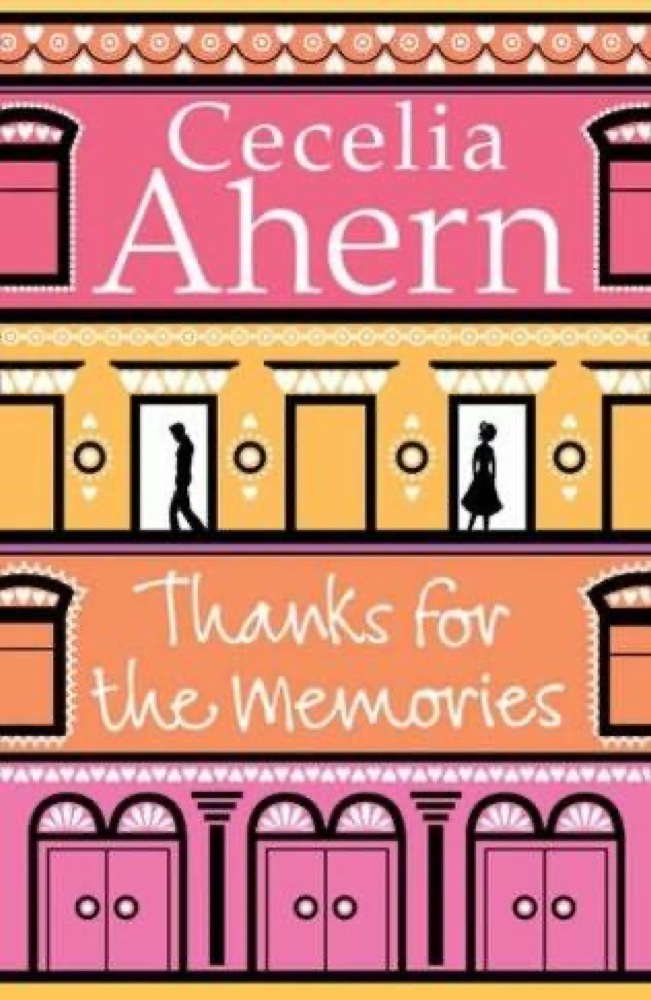 Thanks for the Memories
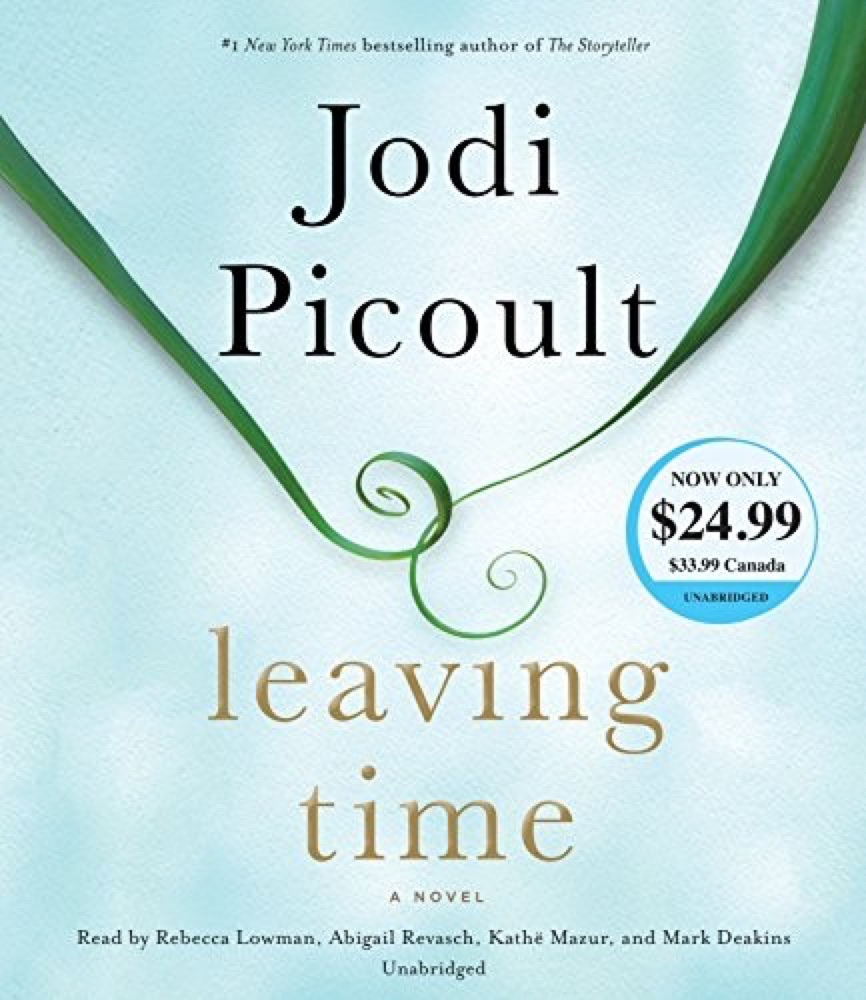 Leaving Time
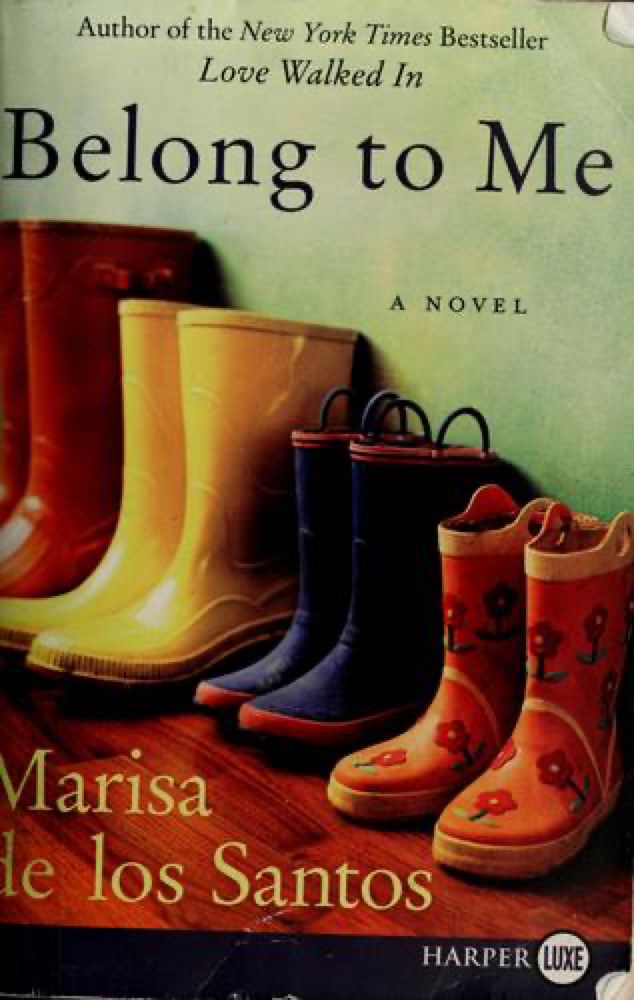 Belong to Me
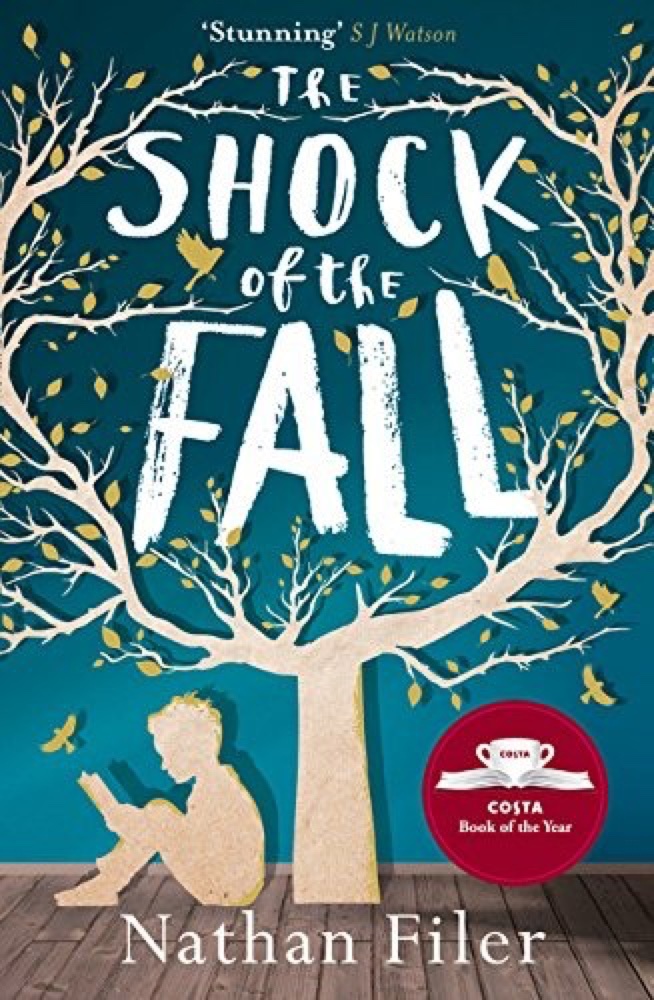 The Shock of the Fall
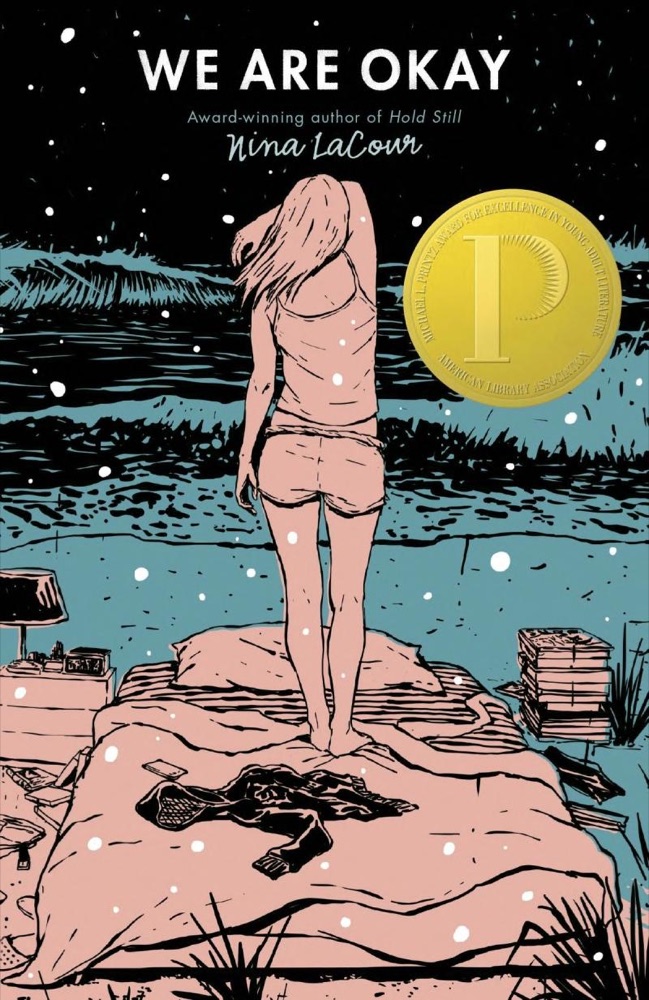 We Are Okay
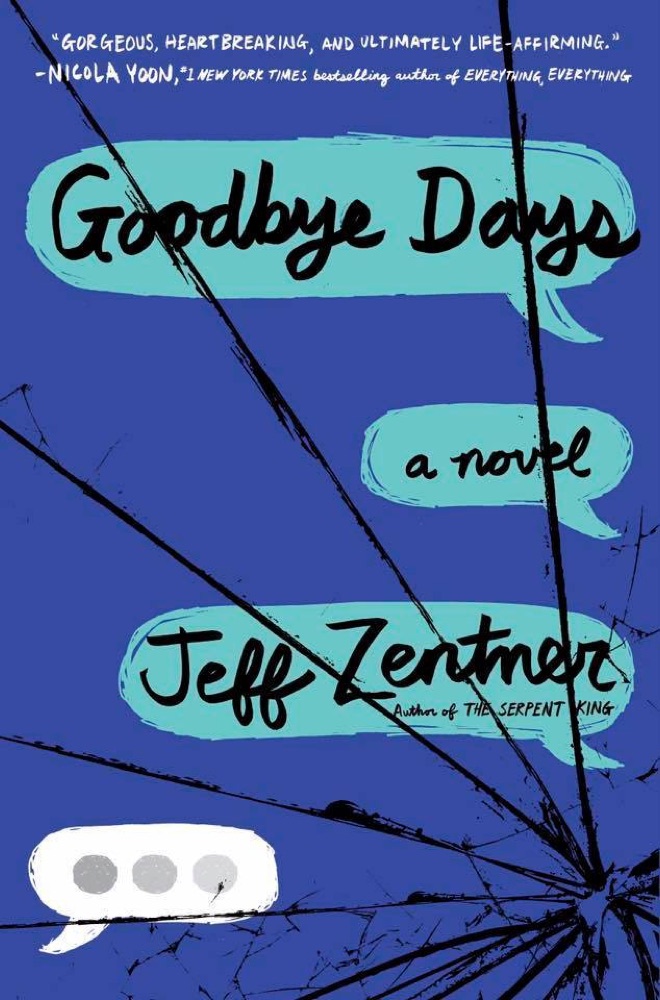 Goodbye Days
 The Dark and Hollow Places
 Outrun the Moon
 The Girl Before
 I Was Here
 Odd Hours
 Lock Every Door
 A Stolen Life
 The Likeness
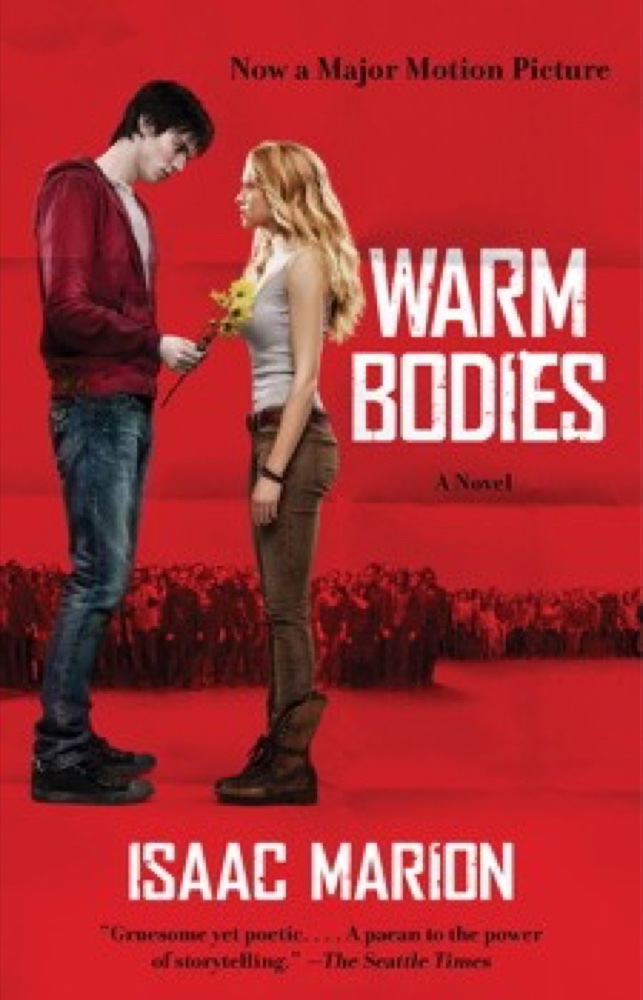 Warm Bodies
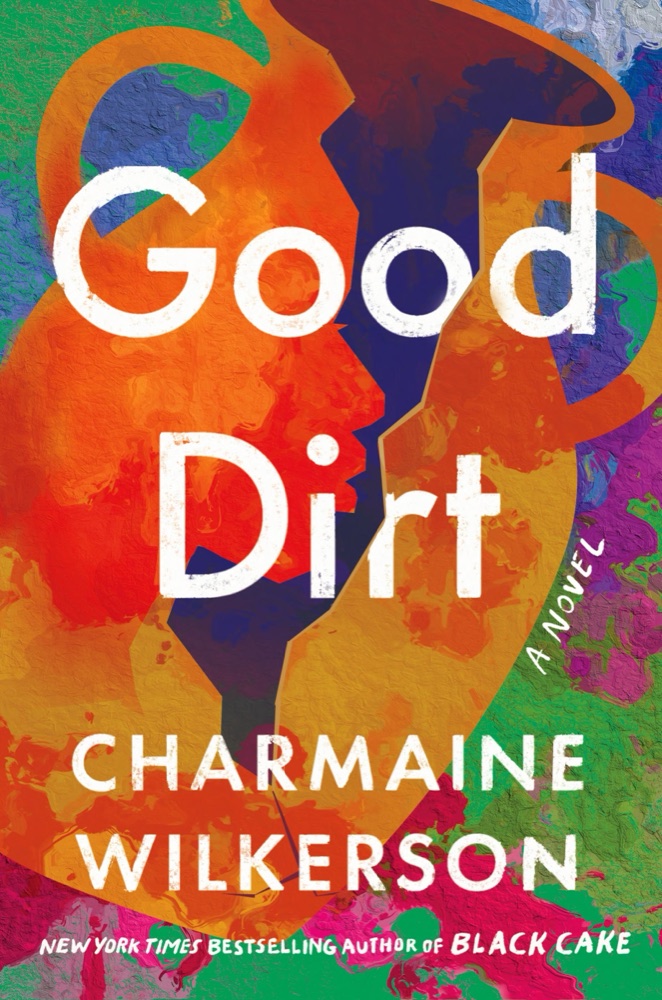 Good Dirt
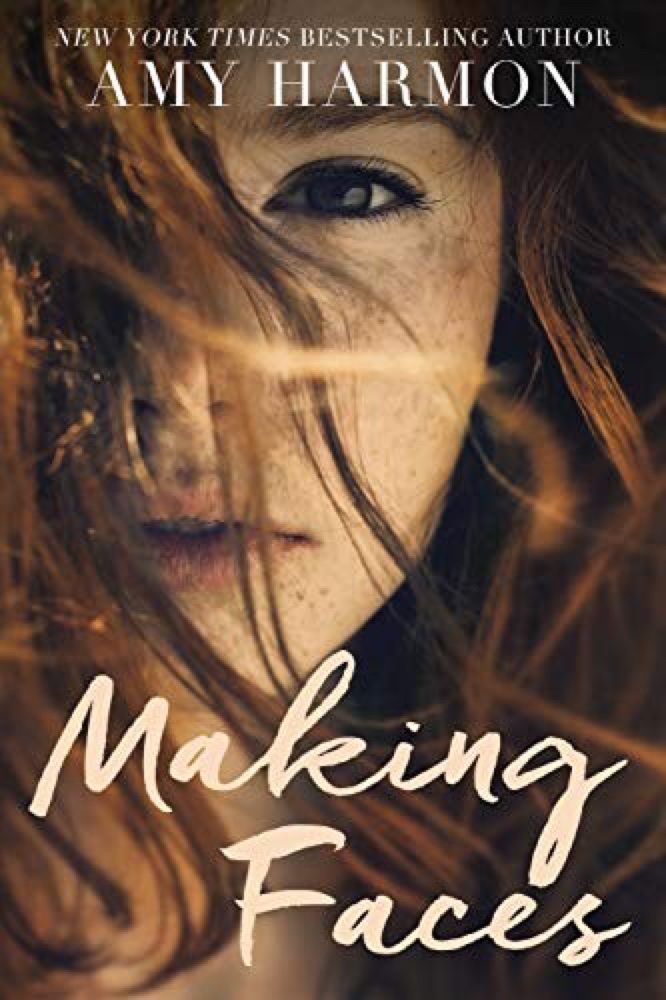 Making Faces
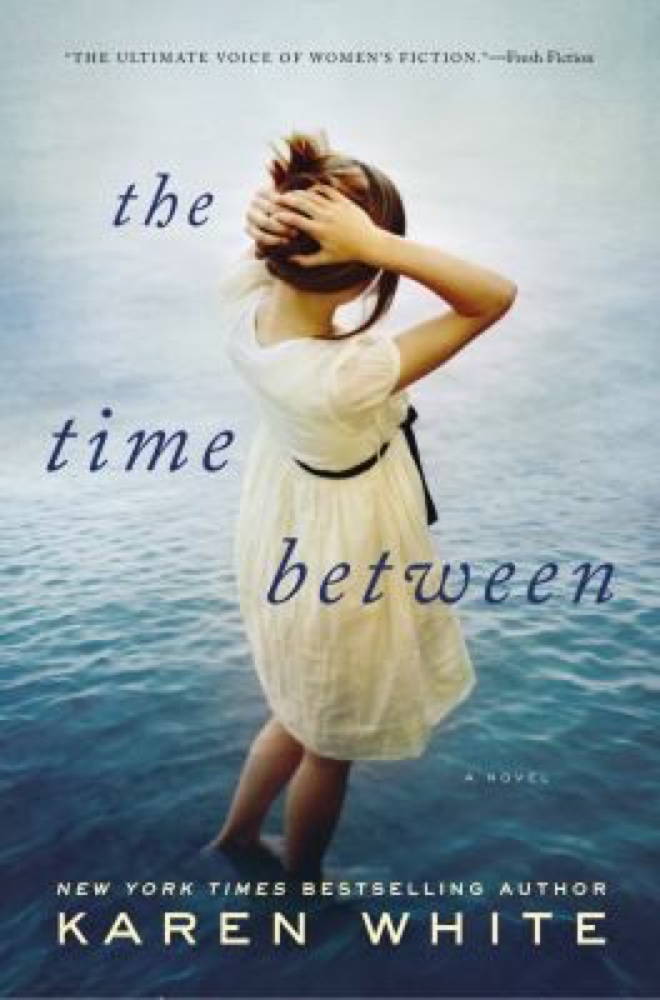 The Time Between
 Odd Interlude
 Invisibility
 Letter to My Daughter
 I Know This Much Is True
 Reminders of Him
 Love Is the Higher Law
 Good as Gone
 Humans of New York
 The Dead-Tossed Waves
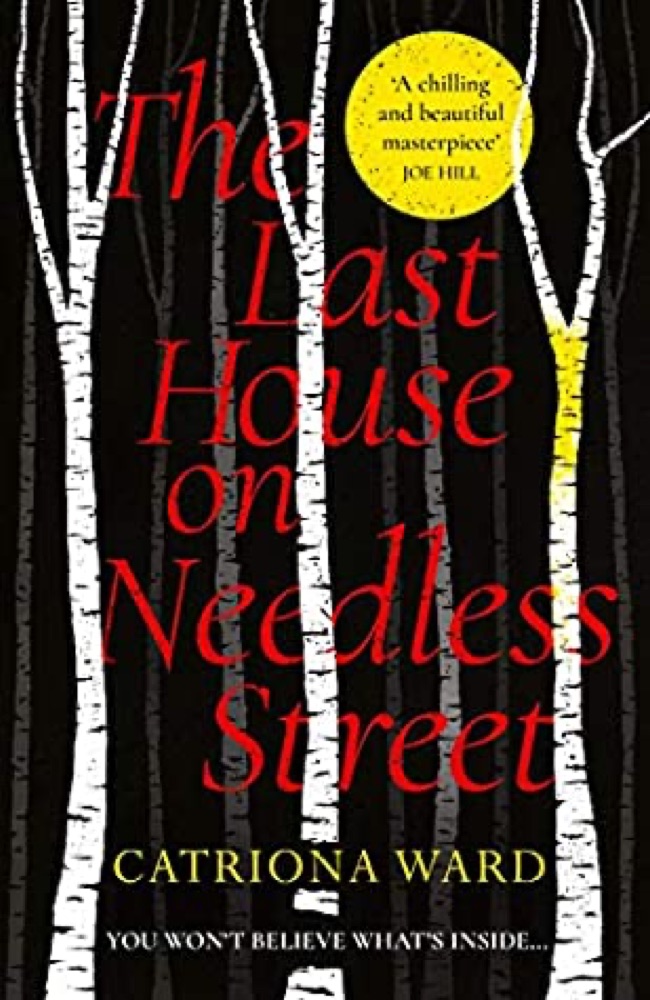 The Last House on Needless Street
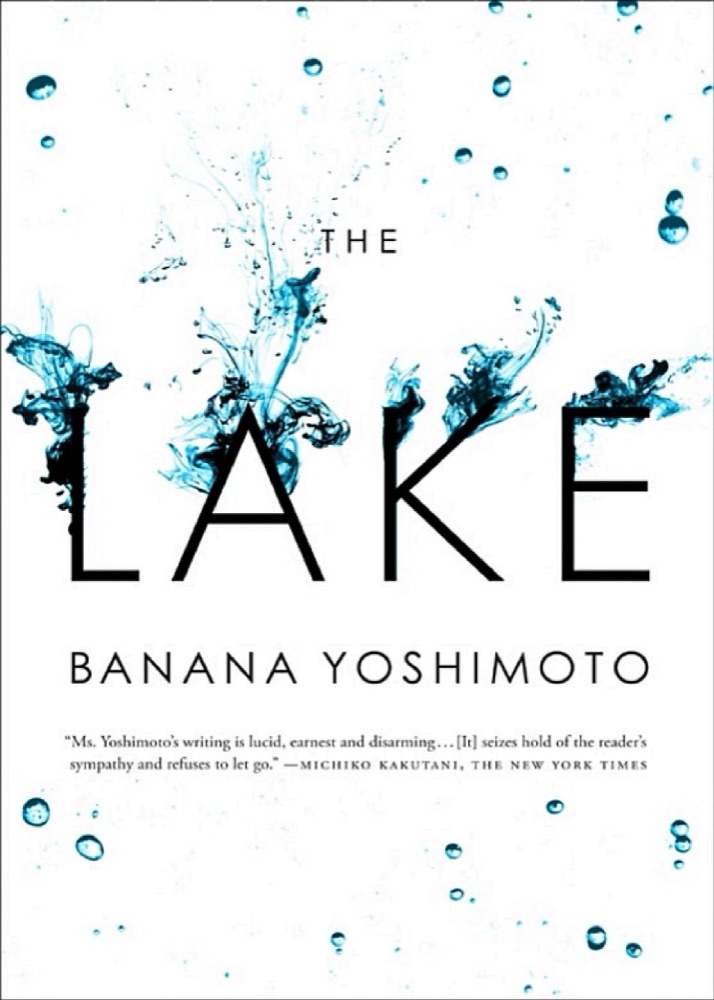 The Lake
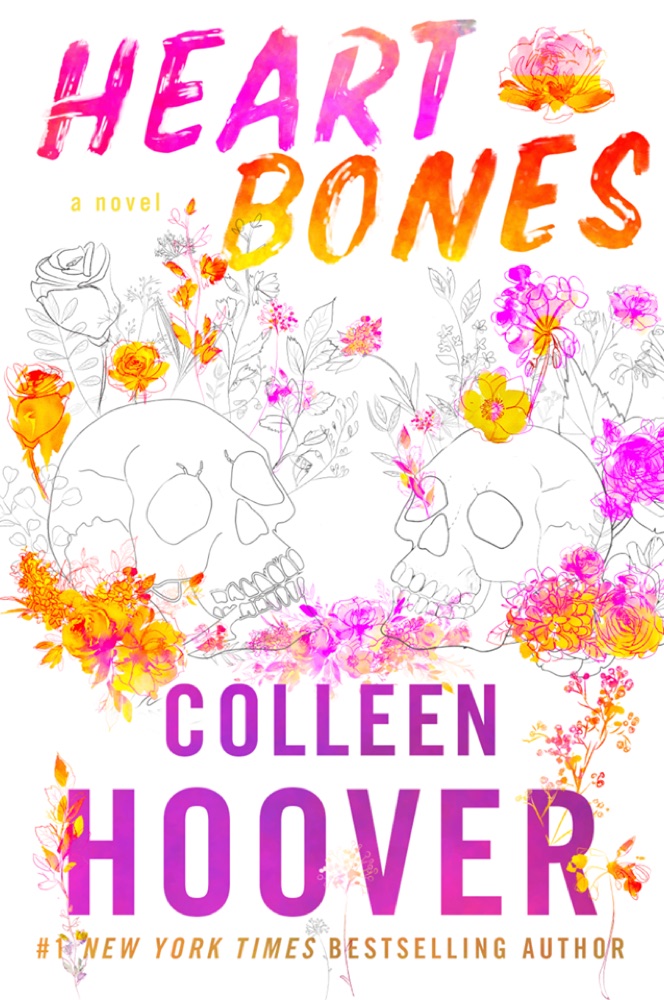 Heart Bones
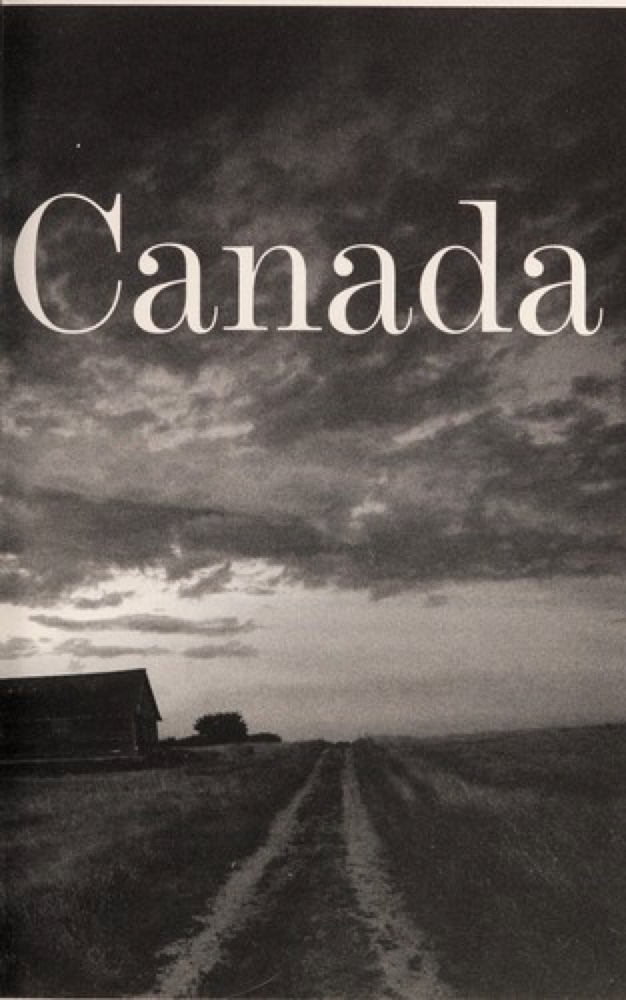 Canada
 We Are Water
 The Storyteller
 Where One Goes
 Love from A to Z
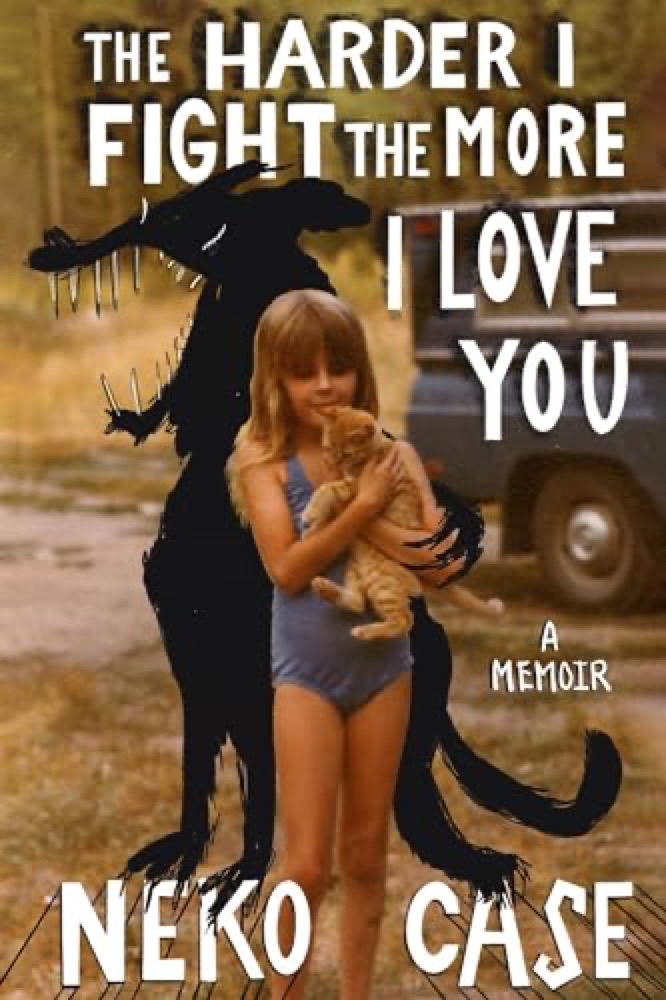 The Harder I Fight the More I Love You: A Memoir
 Iris & Ruby
 The Hour I First Believed
 Just as I Am
 Children of the Mind
 Grace (Eventually): Thoughts on Faith
 Fixing Delilah
 The Walk
 The Mystery Guest
 The Sweet Hereafter
 The Love of My Afterlife
 In Time
 The Rescue
 Still Life
 Change of Heart
 1Q84
1Q84
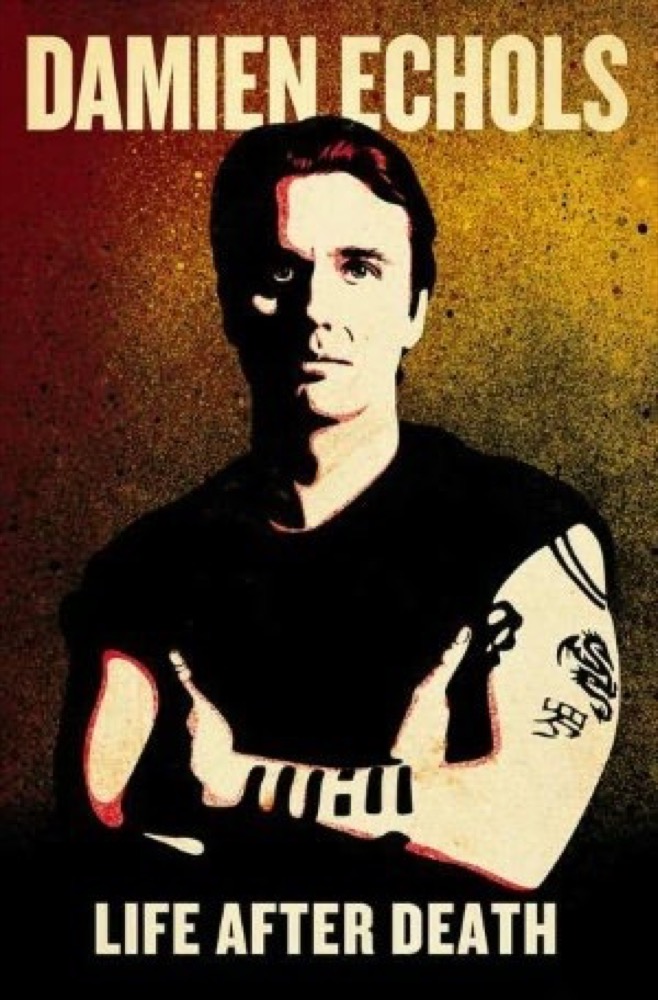 Life After Death
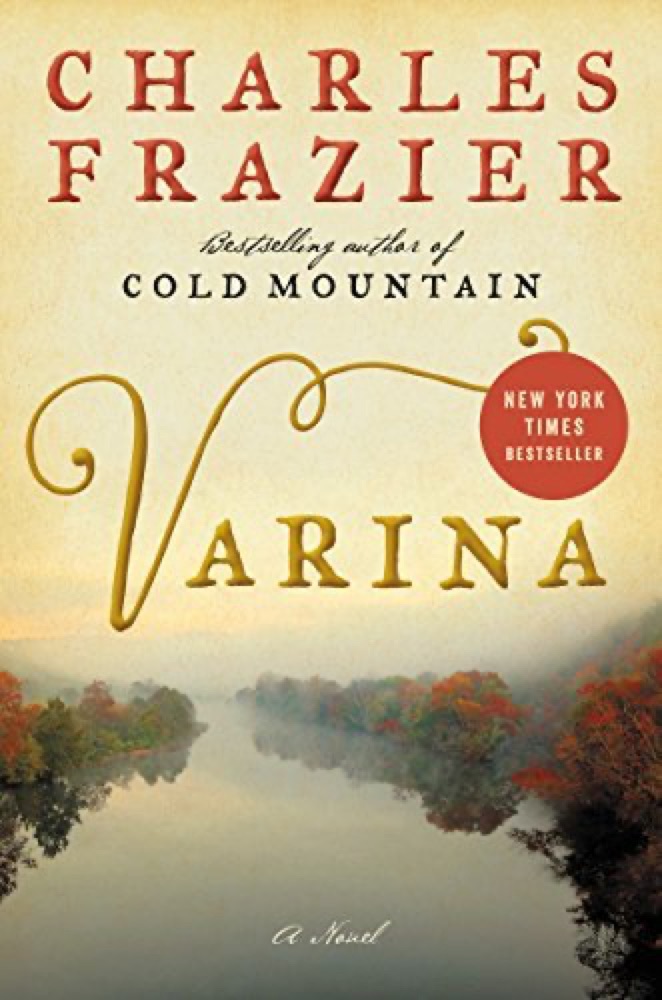 Varina
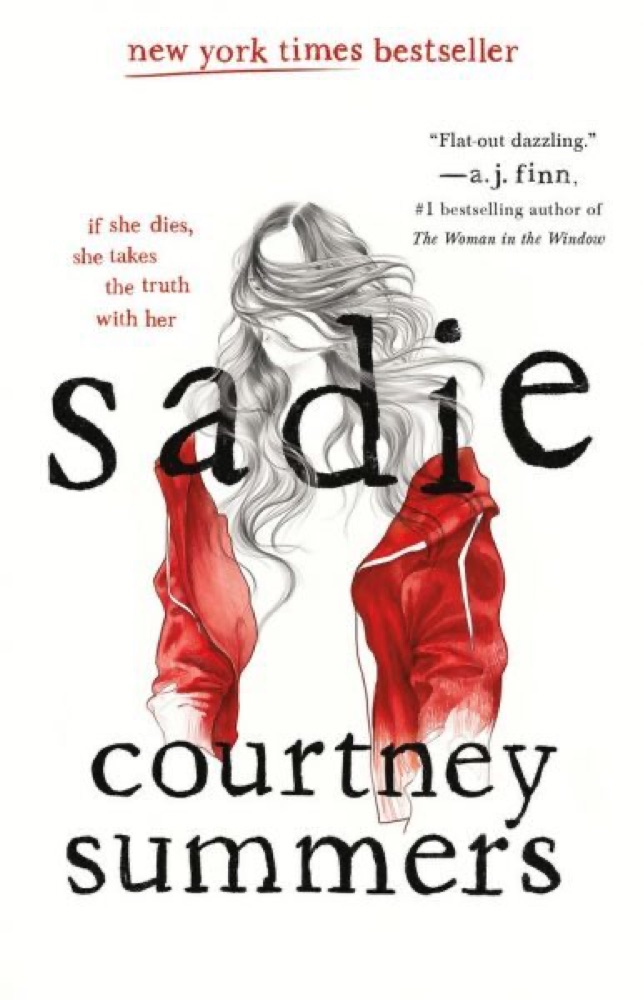 Sadie
Sadie
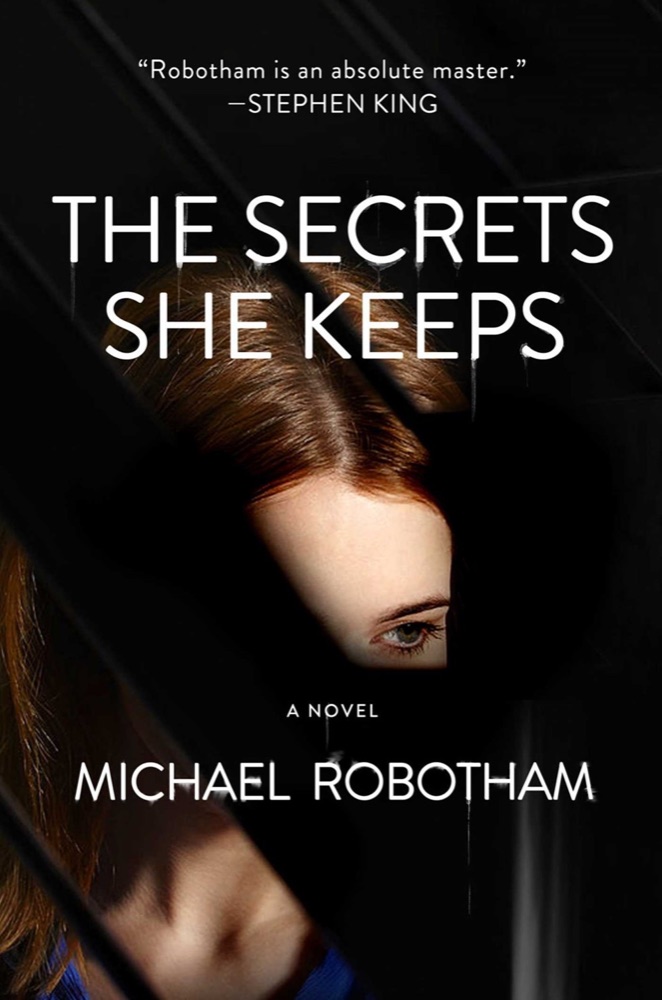 The Secrets She Keeps
 Joyland