
 The First Fifteen Lives of Harry August
Quotes from the Book
Wisdom is not always kind, truth not gentle, and neither am I.
4
There is nothing so dangerous as the need to be loved, as the desire to be seen, to be held, to be known in all your failings and loved despite them all. Nothing as heart-cracking, as soul-sheering as to love and be loved and be seen to laugh and seen to weep and known to be afraid and so away with it, let it be gone!
4
Slowly she raises her eyes to heaven. Then out loud, without looking upon me, she spits these words: "Gods. Kings. Heroes of Greece." There is something she wants to address to these ideas, something complex, rich, bitter. She looks for the words, and can only find these: "Fuck you all.
3
I do not expect you to understand these things. Even my kindred gods barely manage to think more than a century ahead, and save Apollo their prophecies are flawed, crippingly naive. I am no prophet, but rather a scholar of all things, and it is clear that all things wither and change, even the harvest of Demeter's field. Long before the Titans wake, I foresee a time when the names of the gods - even great Zeus himself - are little more than jokes and children's rhymes. I see a world in which mortals make themselves gods in our places, elevate their own to our divine status - an astounding arrogance, a logical conclusion - though their gods will be vastly less skilled at the shaping of the weather.
2
Mortals are more capable than gods of being many things at once, of holding many great truths within their bosoms. It is why they blaze so brightly, yet fade so fast.
2
For though they were not sung, it was the mothers, the daughters and the wives who kept the world turning, the fires lit, the lights burning.
2
What is more dangerous than admitting you are not a creature of stone, copper-souled and wise in all things, but that you are in fact of flesh and blood and have a heart that can be broken, a soul that can love and be betrayed, a mind that yearns for companionship and a body that desires to be more than a stiff and unbending tool?
2
Nothing, I howl to the stars and the sun, to the endless night and cruel breaking day. There is nothing so dangerous as the need to be loved, as the desire to be seen, to be held, to be known in all your failings and loved despite them all. Nothing as heart-cracking, as soul-sheering as to love and be loved and be seen to laugh and seen to weep and known to be afraid and so away with it, let it be gone!
1
One day [...] I will make a new world. I will build a city of ideas, and the people who fight for these ideas will go to war knowing that they are not just killing and dying for some mad tyrant, soaked in blood. Not just for the strongest man who they themselves fear, not for some crude reconstruction of honour, or prestige, or the need to prove themselves more violent than their neighbor. No. They will go to war and bleed and weep for a story - a story of a better world, of a world worth dying for. And this - it will spread by their stories, it will travel far and wide, and when they kill and when they bleed it will just be more fuel to to the story, not blood for blood's sake but blood to wet the mouths of the poets as they sing of greater things. And one day these will have travelled so far, so far indeed, there is no more need for blood, no more need for the blade - the land will have been watered with the lives of those who died to feed it, the song will be sung and the fires lit in a new temple, in temples of learning and wisdom. Not war for the sake of war, but war for the story, for the dream of a world made anew. It will take centuries. Maybe thousands of years. But I will do it. If Olympus herself must fall to see it done - so be it.
1
I duelled for Achilles’ armour after he was gone,” Odysseus recalls. “But that largely involved a battle of wits. Against Ajax.” “Isn’t he the fella who went mad, killed a load of sheep then topped himself?” “That’s the one.” “Not sure that’s the standard of tactical brilliance we’re dealing with right now.
1
How rash it is that we sing more of the honourable dead than the silent living.
I do not touch his arm nor kiss his cheek nor run my fingers across his brow as he leaves the women to their labours, for I am Athena, and my love is marble within my chest.
Euracleia never imagined being anything other than a slave. The freedom to dream was not permitted to her. Once slice at a time the optimism of her childhood was carved away - not to marry, not to be a wife, not to be the mother of a living, breathing babe born of her own blood, not to raise a child who was her own, not to laugh at the touch of man, not to rejoice in the company of strangers, not to possess anything that was her own, not to run free upon the hills, not to grow old surrounded by doting family, not to love, not to wonder, not to hope. As each part of her was removed, cut down, the only things that remained of any value were the prohibitions of her life. She has grown proud of the things she is not - not a dreamer, not full of hope, not merry, not compassionate - these absences have become her sacred whole. Sacred unto her, and therefore sacred unto the world that she perceives. Thus will mortals and gods both try to make something of the life they live, even when the simplest kindess due to the mewling babe has beenn stripped away.
In other circumstances, maybe some of the other suitors might have agreed with Antinous. But now they are trapped in the gambler's error, seeing each man's failure as proof certain that when they try - when they try - they will surely succeed. This is the madness by which many a mortal has damned themselves, and from which many gods grow fat upon fervent, futile prayer.
I have done everything in my power to be . . . relevant. To make the world about me wise, to make wisdom greater than war. I have failed. Men fight and die, and for what? Glory and power and spite and pride - nothing more. Gods and kings spin their stories, and in their stories it is good to die for one man's pride and to give thanks for the chains that are put about the neck of every child born less than a king. And I thought . . . if I could now wield power through wisdom, or mercy, or justice, then perhaps I could take power in this other way. Perhaps if I became like these men of blood and cruelty, that would be enough. So I banished from my heart all thoughts of tenderness, compassion, longing or kindess. I turned away friends for fear of being wounded, laid aside love as a danger, punished women for things men do, denied my loneliness and refued my fears. Poison. All of it. Poison. And still not enough. I am too cruel for women to love me, too tender for men to deign to grace me with respect. Where does this leave me? Why - I have fallen so far that to have men honour my name, my divinity, I must make myself an adjunct to his story. [...] My power should have broken the world, should have cracked the palaces and remade them anew. Not as goddess-who-appears-like-a-man, but as a woman, as strength-of-woman, as arm-of-woman, as wisdom-of-woman. But I could not make it so. Instead I must contrive. I must bend myself into some other shape, make some other story in which poets will praise him. A mere man. A petty mortal. They will call him wise. They will sing his song down the ages. The story of Odysseus is the last, greatest power Athena has left. They will speak his name, and after, mine. That is all the power I have.
About Claire North
We have collected 101 quotes from 5 books by Claire North on BookQuoters.
More about the author →More by Claire North

About the book
Following the critically acclaimed Ithaca and House of Odysseus comes the final novel in Claire North's Songs of Penelope trilogy - an exquisite, gripping tale that breathes life into ancient myth. This is the story of Penelope of Ithaca, famed wife of Odysseus, as it has never been told before.Many years ago, Odysseus sailed to war and never returned. For twenty years his wife Penelope and the women of Ithaca have guarded the isle against suitors and rival kings. But peace cannot be kept forever, and the balance of power is about to break . . .A beggar has arrived at the Palace. Salt-crusted and ocean-battered, he is scorned by the suitors - but Penelope recognises in him something her husband, Odysseus, returned at last. Yet this Odysseus is no hero. By returning to the island in disguise, he is not merely plotting his revenge against the suitors - vengeance that will spark a civil war
Book details
- First published
- 2024
- Author
- Claire North
- Genre
- Historical
- Goodreads rating
- 4.29 (3k ratings)
Keep reading
 The Iliad
 Mythology
 The King Must Die
 Sword & Citadel
 Lavinia
 The Penelopiad
 The Hundred Thousand Kingdoms
 A Thousand Ships
 Grief Lessons: Four Plays by Euripides
 Memories of Ice
 The Silence of the Girls
 House of Chains
 Toll the Hounds
 Agamemnon
 The Oresteia
 The Hymn to Dionysus
 Shirley
 The Conference of the Birds
 The Fall of Hyperion
 The Lost Sisterhood
 Troilus and Cressida
 Sunbringer
 A Song to Drown Rivers
 Lord of the Silver Bow
 Glorious Exploits
 The Winter King
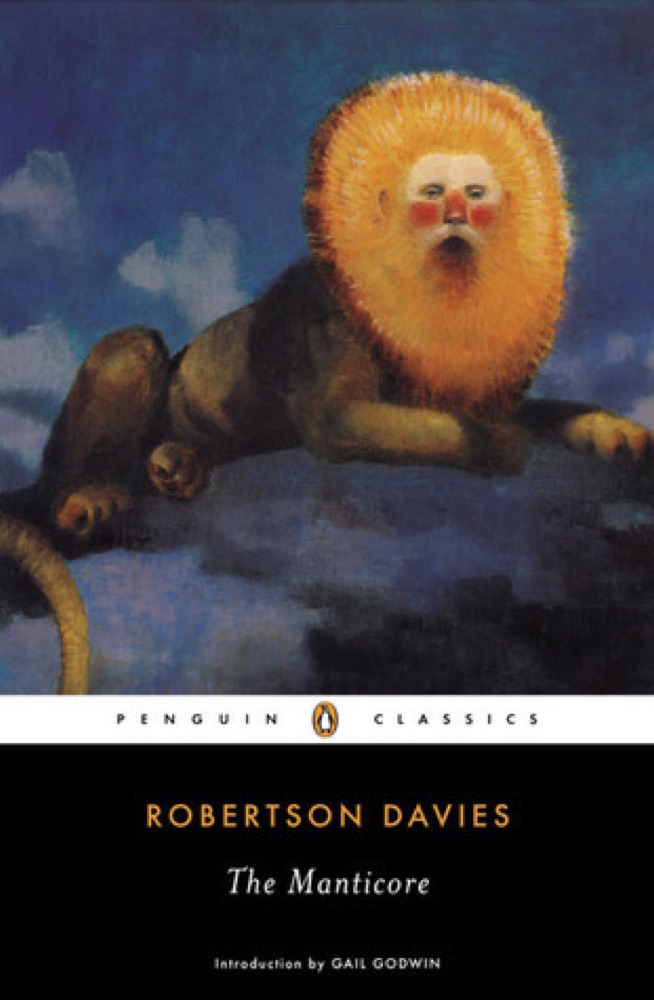 The Manticore
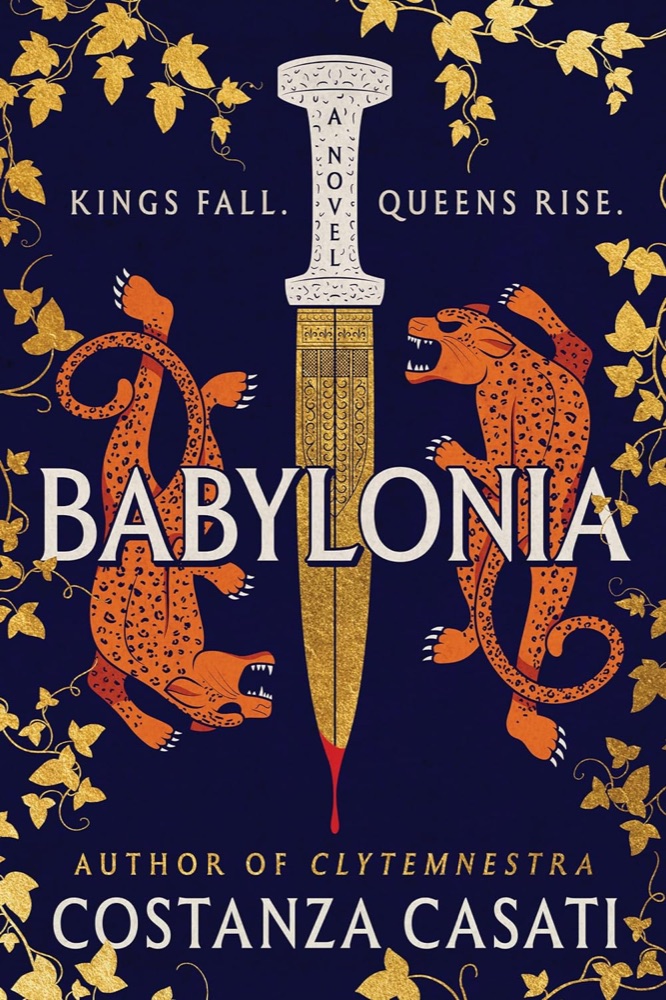 Babylonia
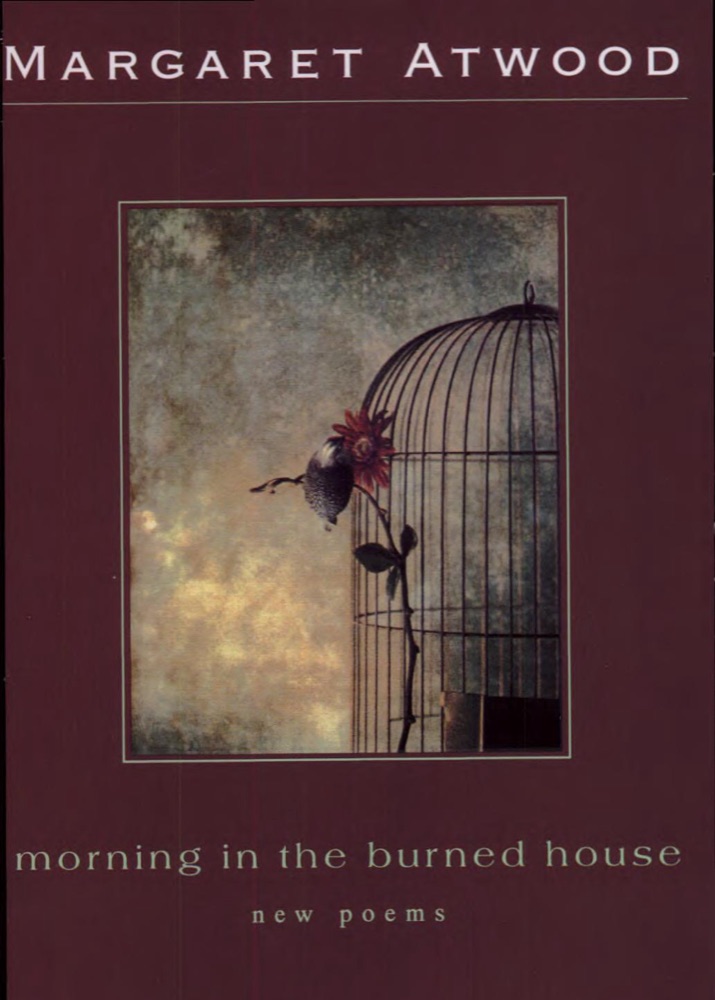 Morning in the Burned House: Poems
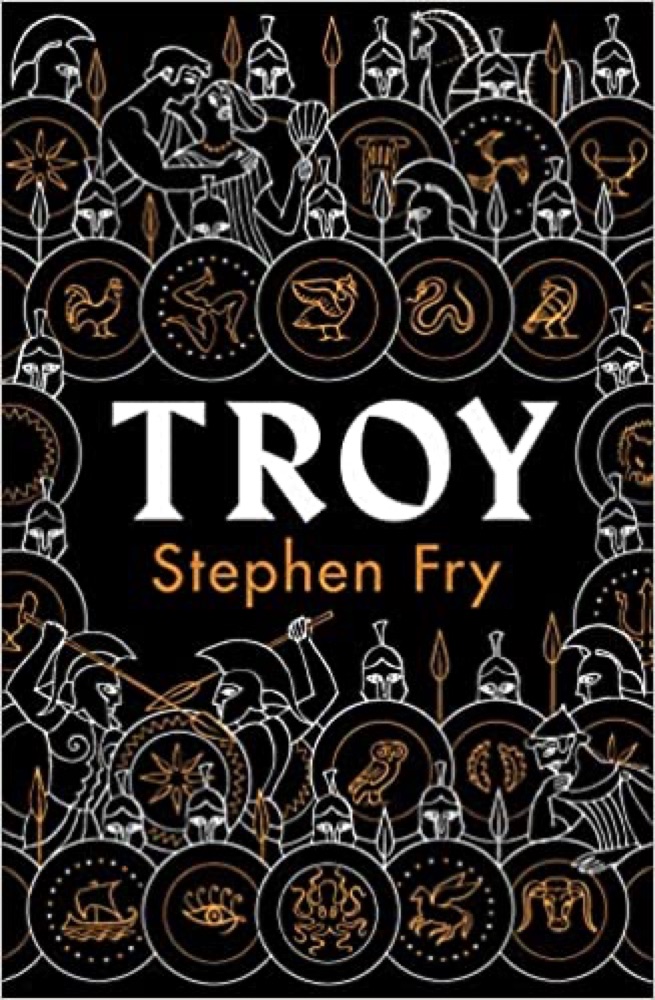 Troy
Troy
 Sexus
Sexus
 Art and Lies
 Styxx
Styxx
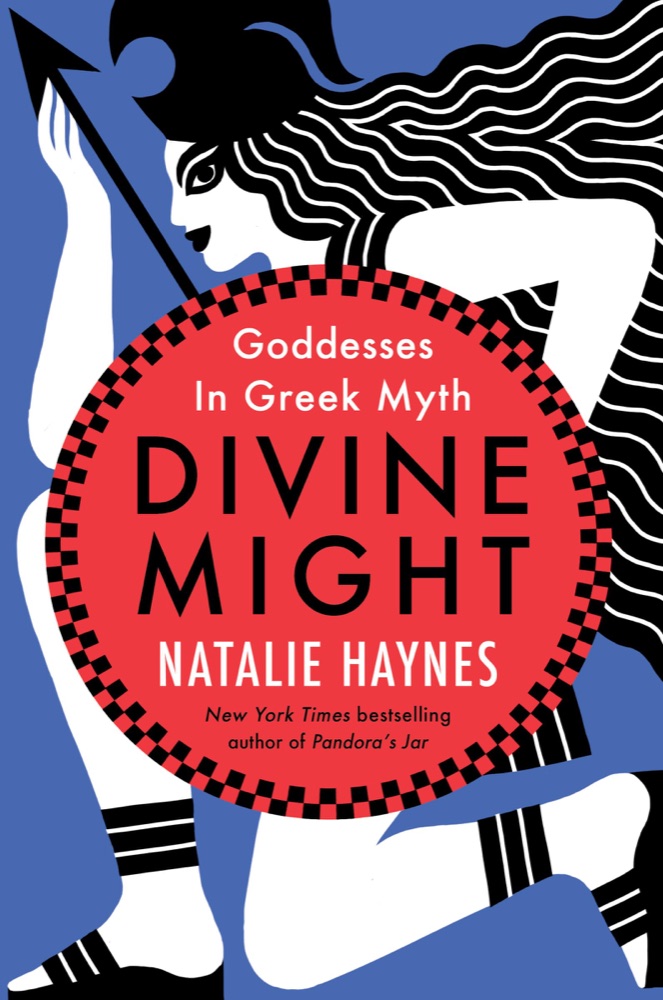 Divine Might - Goddesses in Greek Myth
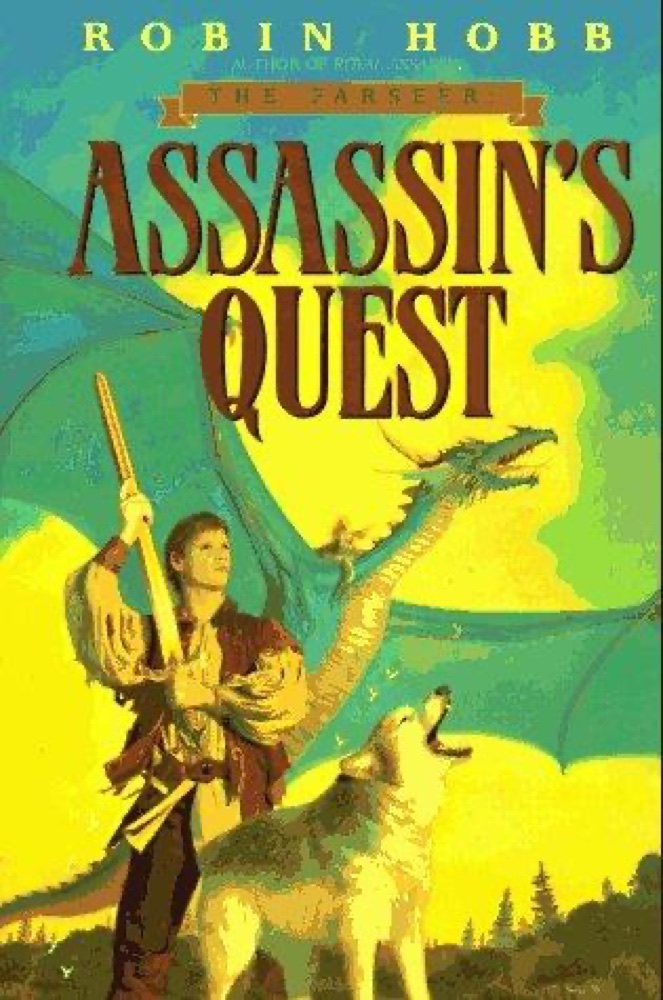 Assassin's Quest
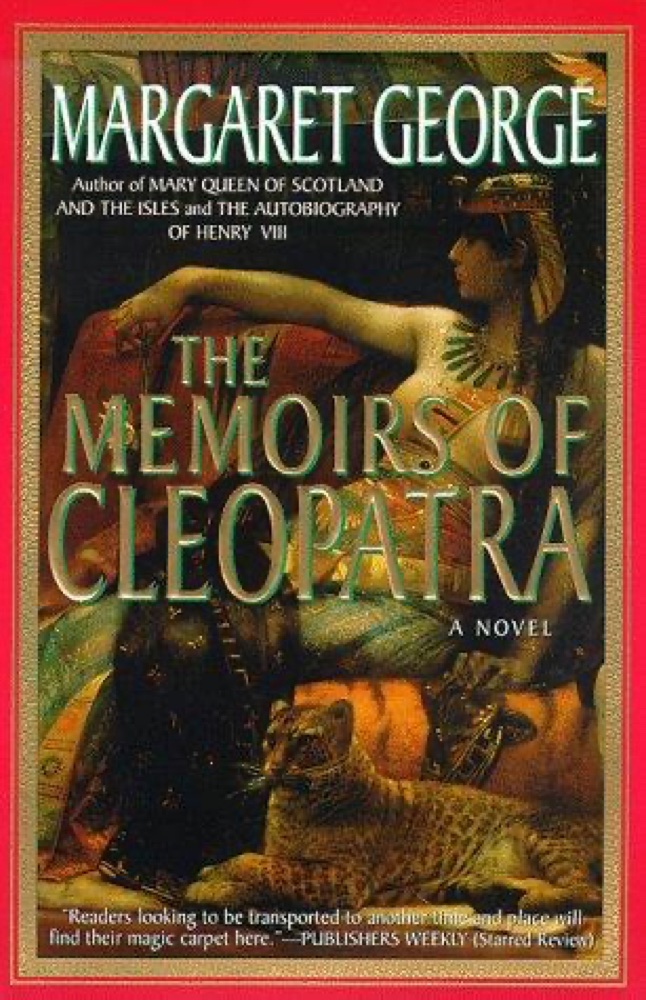 The Memoirs of Cleopatra
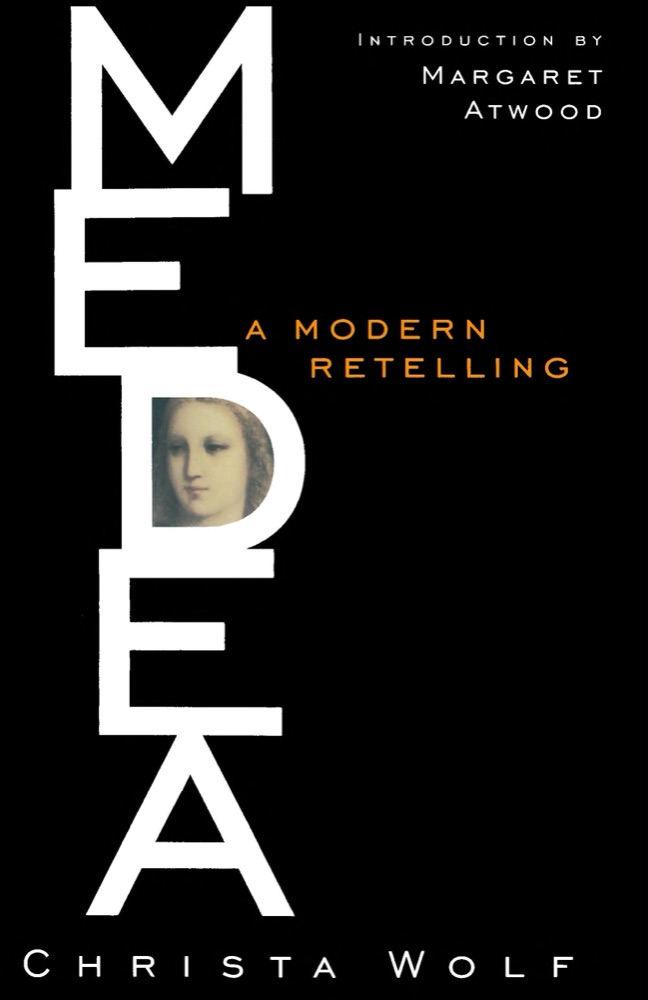 Medea
Medea
 Good Bones and Simple Murders
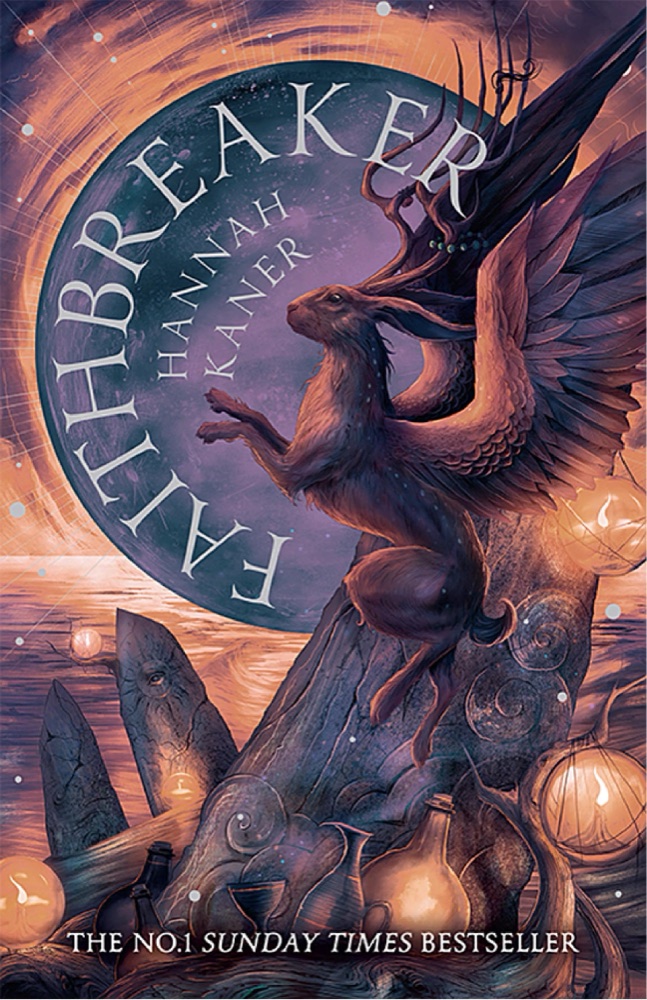 Faithbreaker
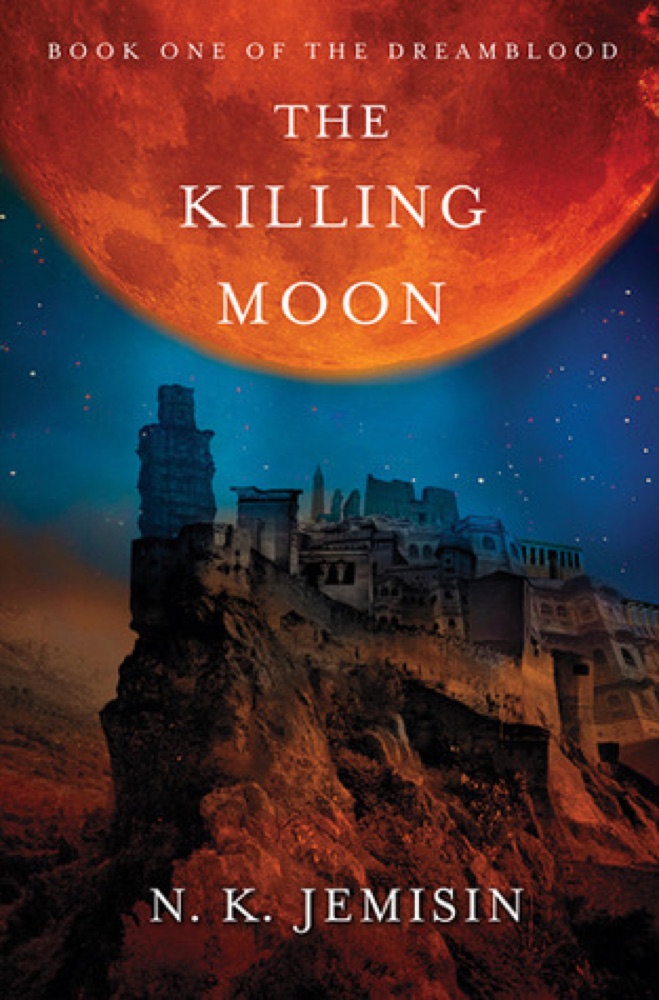 The Killing Moon
 The Good Soldier
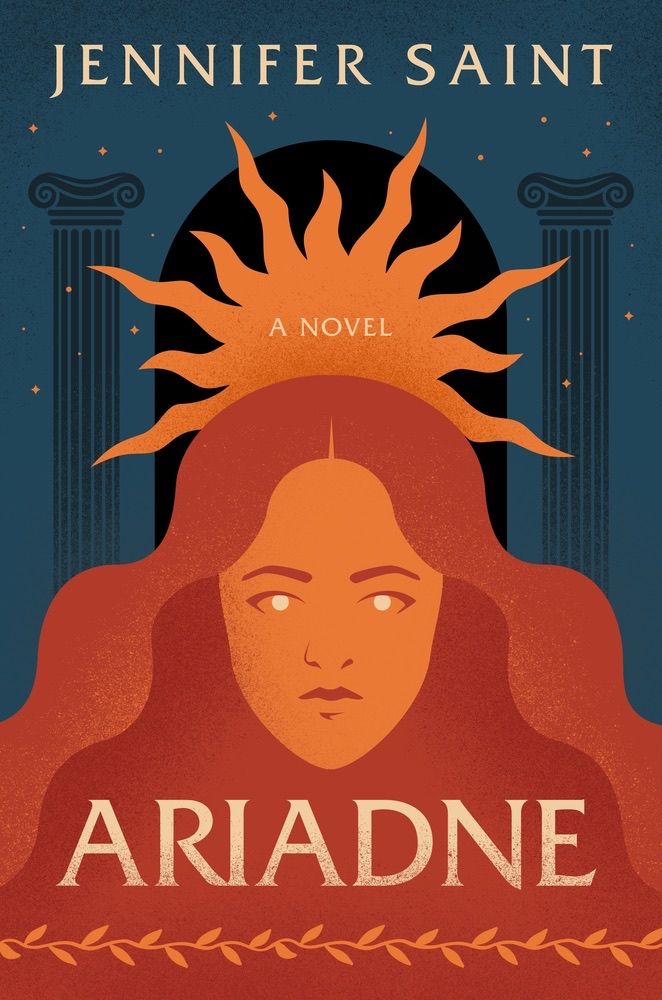 Ariadne
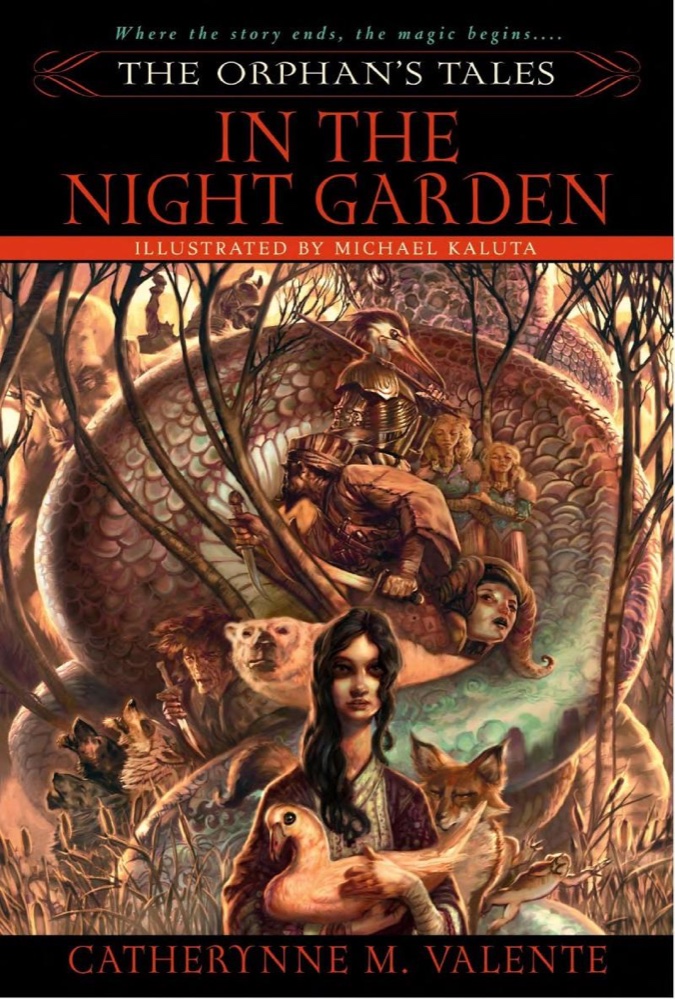 In the Night Garden
 Allan Quatermain
 Maldoror and the Complete Works
 By Grand Central Station I Sat Down and Wept
 Empire of Silence
 The Dream of Scipio
 The Home and the World
 Paladin of Souls
 Arm of the Sphinx
 She
She
 The Stone Gods
 The Claw of the Conciliator
 Speaking Bones
 The Magus
 Till We Have Faces
 The Passion of Cleopatra
 The Sandman: Endless Nights
 Sexing the Cherry