
 The Message Remix
Quotes from the Book
And yet I decide, every day, to set aside what I can do best and attempt what I do very clumsily--open myself to the frustrations and failures of loving, daring to believe that failing in love is better than succeeding in pride.
55
Worship is an act that develops feelings for God, not a feeling for God that is expressed in an act of worship.
44
There is a great market for religious experience in our world; there is little enthusiasm for the patient acquisition of virtue, little inclination to sign up for a long apprenticeship in what earlier generations of Christians called holiness.
41
Hoping does not mean doing nothing. It is not fatalistic resignation. It means going about our assigned tasks, confident that God will provide the meaning and the conclusions. It is not compelled to work away at keeping up appearances with a bogus spirituality. It is the opposite of desperate and panicky manipulations, of scurrying and worrying. And hoping is not dreaming. It is not spinning an illusion or fantasy to protect us from our boredom or our pain. It means a confident, alert expectation that God will do what he said he will do. It is imagination put in the harness of faith. It is a willingness to let God do it his way and in his time. It is the opposite of making plans that we demand that God put into effect, telling him both how and when to do it. That is not hoping in God but bullying God. "I pray to GOD-my life a prayer-and wait for what he'll say and do. My life's on the line before God, my Lord, waiting and watching till morning, waiting and watching till morning.
35
I will not try to run my own life or the lives of others; that is God's business.
29
We live in what one writer has called the "age of sensation."' We think that if we don't feel something there can be no authenticity in doing it. But the wisdom of God says something different: that we can act ourselves into a new way of feeling much quicker than we can feel ourselves into a new way of acting. Worship is an act that develops feelings for God, not a feeling for God that is expressed in an act of worship. When we obey the command to praise God in worship, our deep, essential need to be in relationship with God is nurtured.
20
We care more for our possessions with which we hope to make our way in the world than with our thoughts and dreams which tell us who we are in the world.
16
Mercy, GOD, mercy!”: the prayer is not an attempt to get God to do what he is unwilling otherwise to do, but a reaching out to what we know that he does do, an expressed longing to receive what God is doing in and for us in Jesus Christ.
10
My primary pastoral work had to do with Scripture and prayer. I was neither capable nor competent to form Christ in another person, to shape a life of discipleship in man, woman or child. That is supernatural work, and I am not supernatural. Mine was the more modest work of Scripture and prayer- helping people listen to God speak to them from the Scriptures and then joining them in answering God as personally and honestly as we could in lives of prayer. This turned out to be slow work. From time to time, impatient with the slowness, I would try out ways of going about my work that promised quicker results. But after a while it always seemed to be more like meddling in these people's lives than helping them attend to God. More often than not I found myself getting in the way of what the Holy Spirit had been doing long before I arrived on the scene, so I would go back, feeling a bit chastised, to my proper work: Scripture and prayer; prayer and Scripture.
9
The reason many of us do not ardently believe in the gospel is that we have never given it a rigorous testing, thrown our hard questions at it, faced it with our most prickly doubts. Subjected
8
Worship does not satisfy our hunger for God-it whets our appetite. Our need for God is not taken care of by engaging in worship-it deepens.
8
We can decide to live in response to the abundance of God and not under the dictatorship of our own poor needs.
5
The depth is simply the height inverted, as sin is the index of moral grandeur. The cry is not only truly human, but divine as well. God is deeper than the deepest depth in man. He is holier than our deepest sin is deep. There is no depth so deep to us as when God reveals his holiness in dealing with our sin.... [And so] think more of the depth of God than the depth of your cry. The worst thing that can happen to a man is to have no God to cry to out of the depth.
5
We have been told the lie ever since we can remember: human beings are basically nice and good. Everyone is born equal and innocent and self-sufficient. The world is a pleasant, harmless place. We are born free. If we are in chains now, it is someone’s fault, and we can correct it with just a little more intelligence or effort or time.
4
The time of weaning is very often noisy and marked by misunderstandings: I no longer feel like I did when I was first a Christian. Does that mean I am no longer a Christian? Has God abandoned me? Have I done something terribly wrong? The answer is, neither. God hasn’t abandoned you and you haven’t done anything wrong. You are being weaned. The apron strings have been cut. You are free to come to God or not come to him. You are, in a sense, on your own with an open invitation to listen and receive and enjoy our Lord.
4
Feelings are great liars. If Christians worshipped only when they felt like it, there would be precious little worship. Feelings are important in many areas but completely unreliable in matters of faith.
4
Christians worshiped only when they felt like it, there would be precious little worship. Feelings are important in many areas but completely unreliable in matters of faith.
4
And just as the child gradually breaks off the habit of regarding his mother only as a means of satisfying his own desires and learns to love her for her own sake, so the worshipper after a struggle has reached an attitude of mind in which he desires God for himself and not as a means of fulfillment of his own wishes.
3
The person of faith looks up to God, not at him or down on him. The servant assumes a certain posture, a stance. If he or she fails to take that posture, attentive responsiveness to the master's commands will be hard.
2
A common but futile strategy for achieving joy is trying to eliminate things that hurt: get rid of pain by numbing the nerve ends, get rid of insecurity by eliminating risks, get rid of disappointment by depersonalizing your relationships. And then try to lighten the boredom of such a life by buying joy in the form of vacations and entertainment. There isn’t a hint of that in Psalm 126.
2
The experts in our society who offer to help us have a kind of general-staff mentality from which massive, top-down solutions are issued to solve our problems. Then when the solutions don’t work, we get mired in the nothing-can-be-done swamp. We are first incited into being grandiose and then intimidated into being infantile. But there is another way, the plain way of quiet Christian humility.
2
The truth of God explained their lives, the grace of God fulfilled their lives, the forgiveness of God renewed their lives, the love of God blessed their lives.
2
My feelings are important for many things. They are essential and valuable. They keep me aware of much that is true and real. But they tell me next to nothing about God or my relation to God. My security comes from who God is, not from how I feel. Discipleship is a decision to live by what I know about God, not by what I feel about him or myself or my neighbors.
2
Each act of obedience by the Christian is a modest proof, unequivocal for all its imperfection, of the reality of what he attests."1
2
Too often we think of religion as a far-off, mysteriously run bureaucracy to which we apply for assistance when we feel the need. We go to a local branch office and direct the clerk (sometimes called a pastor) to fill out our order for God. Then we go home and wait for God to be delivered to us according to the specifications that we have set down. But that is not the way it works. And if we thought about it for two consecutive minutes, we would not want it to work that way. If
2
We are invited to bless the Lord; we are commanded to bless the Lord. And then someone says, “But I don’t feel like it. And I won’t be a hypocrite. I can’t bless God if I don’t feel like blessing God. It wouldn’t be honest.” The biblical response to that is “Lift up your praising hands to the Holy Place, and bless GOD!” You can lift up your hands regardless of how you feel; it is a simple motor movement. You may not be able to command your heart, but you can command your arms. Lift your arms in blessing; just maybe your heart will get the message and be lifted up also in praise. We are psychosomatic beings; body and spirit are intricately interrelated. Go through the motions of blessing God and your spirit will pick up the cue and follow along. “For why do men lift their hands when they pray? Is it not that their hearts may be raised at the same time to God?
1
We fill our minds with the stories of God’s acts. Joy has a history. Joy is the verified, repeated experience of those involved in what God is doing. It is as real as a date in history, as solid as a stratum of rock in Palestine. Joy is nurtured by living in such a history, building on such a foundation.
1
Christians are not fussy moralists who cluck their tongues over a world going to hell; Christians are people who praise the God who is on our side. Christians are not pious pretenders in the midst of a decadent culture; Christians are robust witnesses to the God who is our help. Christians are not fatigued outcasts who carry righteousness as a burden in a world where the wicked flourish; Christians are people who sing “Oh, blessed be GOD! . . . He didn’t abandon us defenseless.
1
Those who parade the rhetoric of liberation but scorn the wisdom of service do not lead people into the glorious liberty of the children of God but into a cramped and covetous squalor.
1
Worship does not satisfy our hunger for God—it whets our appetite. Our need for God is not taken care of by engaging in worship—it deepens.
1
Watch on YouTube
About Eugene H. Peterson
We have collected 80 quotes from 3 books by Eugene H. Peterson on BookQuoters.
More about the author →More by Eugene H. Peterson

About the book
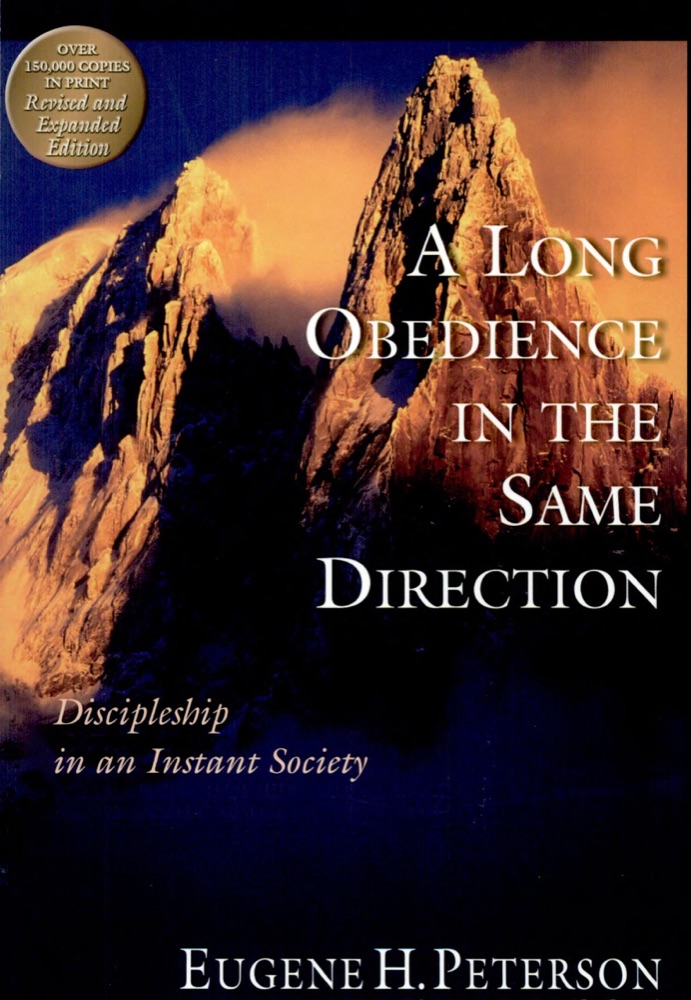
As a society, we are no less obsessed with the immediate than when Eugene Peterson first wrote this Christian classic. If anything, email and the Internet may have intensified our quest for the quick fix. But Peterson's time-tested prescription for discipleship remains the same--a long obedience in the same direction. Tucked away in the Hebrew Psalter, Peterson discovered "an old dog-eared songbook," the Songs of Ascents that were sung by pilgrims on their way up to worship in Jerusalem. In these songs (Psalms 120-134) Peterson finds encouragement for modern pilgrims as we learn to grow in worship, service, joy, work, happiness, humility, community and blessing. This 20th anniversary edition of A Long Obedience in the Same Direction features these Psalms in Peterson's widely acclaimed paraphrase, The Message. He also includes an epilogue in which he reflects on the themes of this book an
Book details
- First published
- 1980
- Author
- Eugene H. Peterson
- Genre
- Nonfiction
- Goodreads rating
- 4.29 (12k ratings)
Keep reading
 Desiring God: Meditations of a Christian Hedonist
 Discipline: The Glad Surrender
 The Reason for God: Belief in an Age of Skepticism
 The Explicit Gospel
 Worship Matters: Leading Others to Encounter the Greatness of God
 Hearing God: Developing a Conversational Relationship with God
 How People Change
 The Normal Christian Life
 The Pursuit of God: The Human Thirst for the Divine
 The Life You've Always Wanted: Spiritual Disciplines for Ordinary People
 My Utmost for His Highest
 Emotionally Healthy Spirituality: Unleash A Revolution In Your Life in Christ
 Knowing God
 Simply Christian
 Having a Mary Heart in a Martha World: Finding Intimacy with God in the Busyness of Life
 To Live Is Christ: Joining Paul's Journey of Faith
 When I Don't Desire God: How to Fight For Joy
 The Great Omission: Reclaiming Jesus's Essential Teachings on Discipleship
 The Divine Conspiracy: Rediscovering Our Hidden Life in God
 Amazing Grace: A Vocabulary of Faith
 The Grand Weaver: How God Shapes Us through the Events in Our Lives
 Breaking Free: Discover the Victory of Total Surrender
 The Secret Thoughts of an Unlikely Convert: An English Professor's Journey Into Christian Faith
 The Christian Atheist: Believing in God but Living As If He Doesn't Exist
 Celebration of Discipline: The Path to Spiritual Growth
 The Rare Jewel of Christian Contentment
 Anything: The Prayer That Unlocked My God and My Soul
 Believing God
 Leaving Church: A Memoir of Faith
 Moving Mountains: Praying with Passion, Confidence, and Authority
 Crazy Love: Overwhelmed by a Relentless God
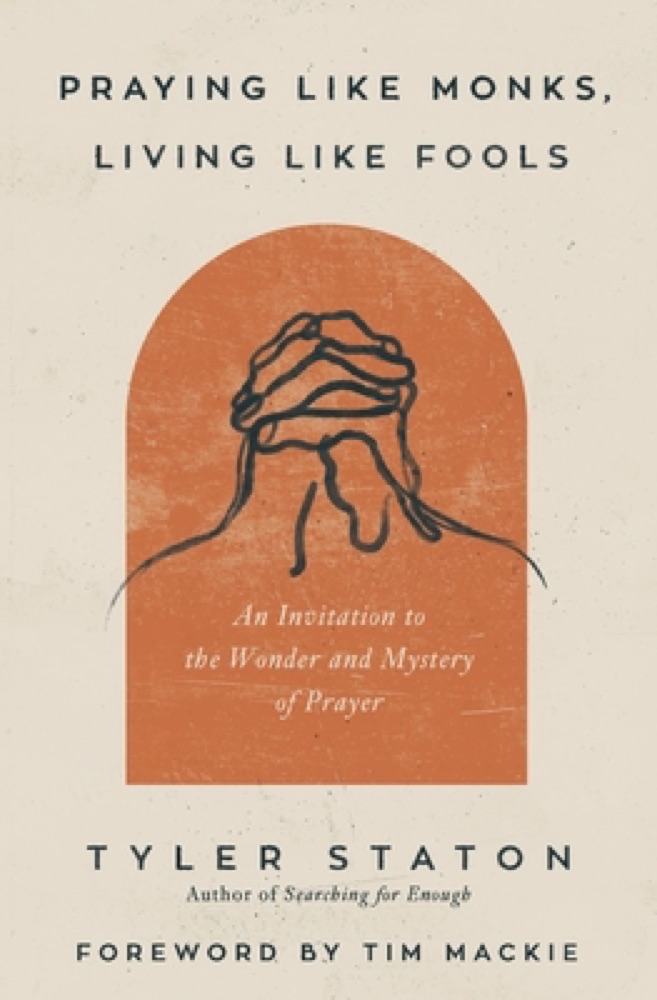 Praying Like Monks, Living Like Fools: An Invitation to the Wonder and Mystery of Prayer
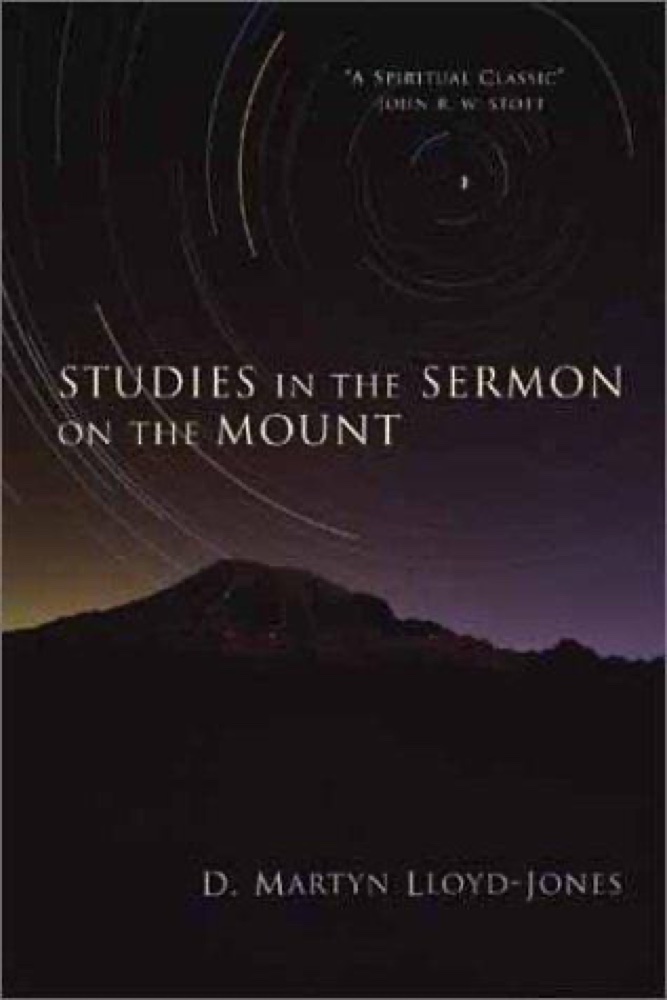 Studies in the Sermon on the Mount
 Life Together: The Classic Exploration of Christian Community
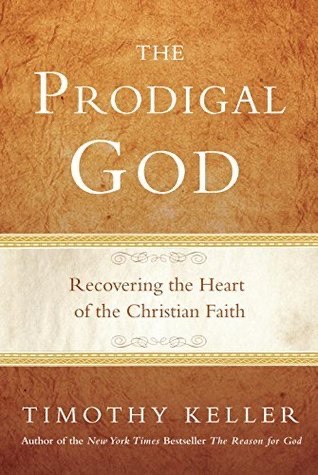 The Prodigal God: Recovering the Heart of the Christian Faith
 In His Image: 10 Ways God Calls Us to Reflect His Character
 The Bible Jesus Read
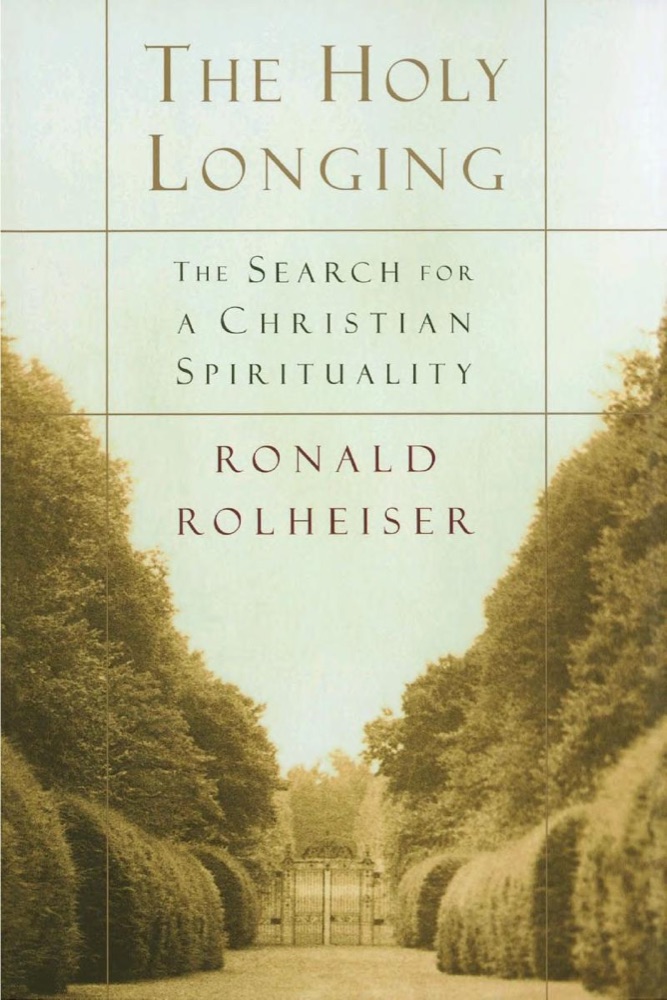 The Holy Longing: The Search for a Christian Spirituality
 The Crucible of Doubt: Reflections On the Quest for Faith
 The Ragamuffin Gospel
 New Morning Mercies: A Daily Gospel Devotional
 Instruments in the Redeemer's Hands: People in Need of Change Helping People in Need of Change
 Disciplines of a Godly Man
 Prayer in the Night: For Those Who Work or Watch or Weep
The Message Remix
Prayer in the Night: For Those Who Work or Watch or Weep
The Message Remix
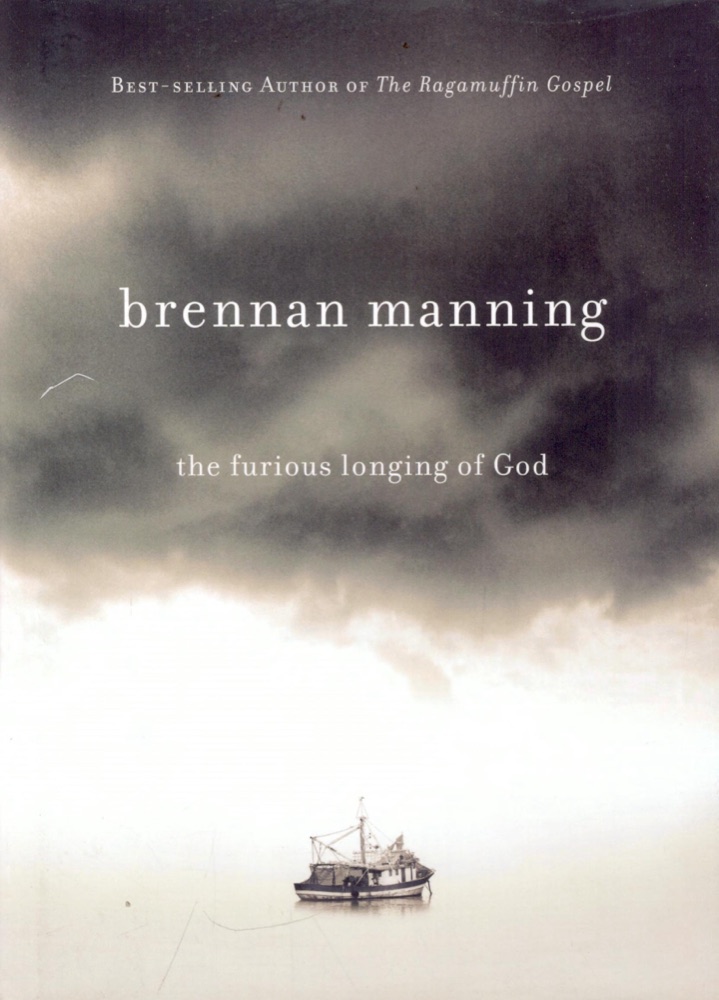 The Furious Longing of God
 Radical: Taking Back Your Faith from the American Dream
 Shameless: A Case for Not Feeling Bad About Feeling Good
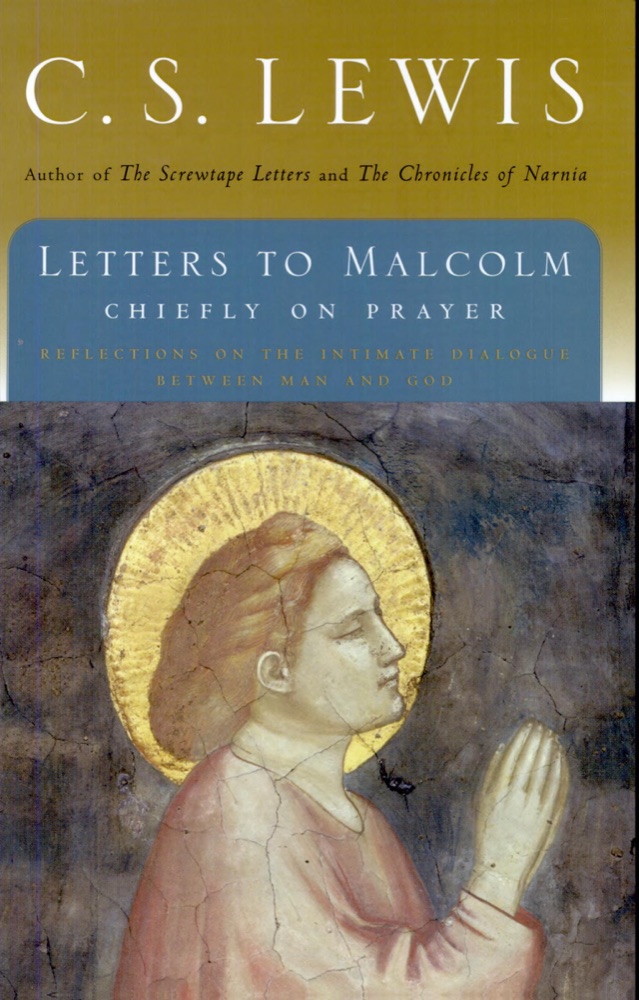 Letters to Malcolm: Chiefly on Prayer
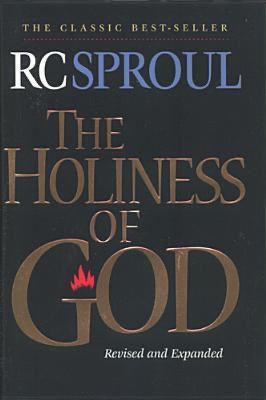 The Holiness of God
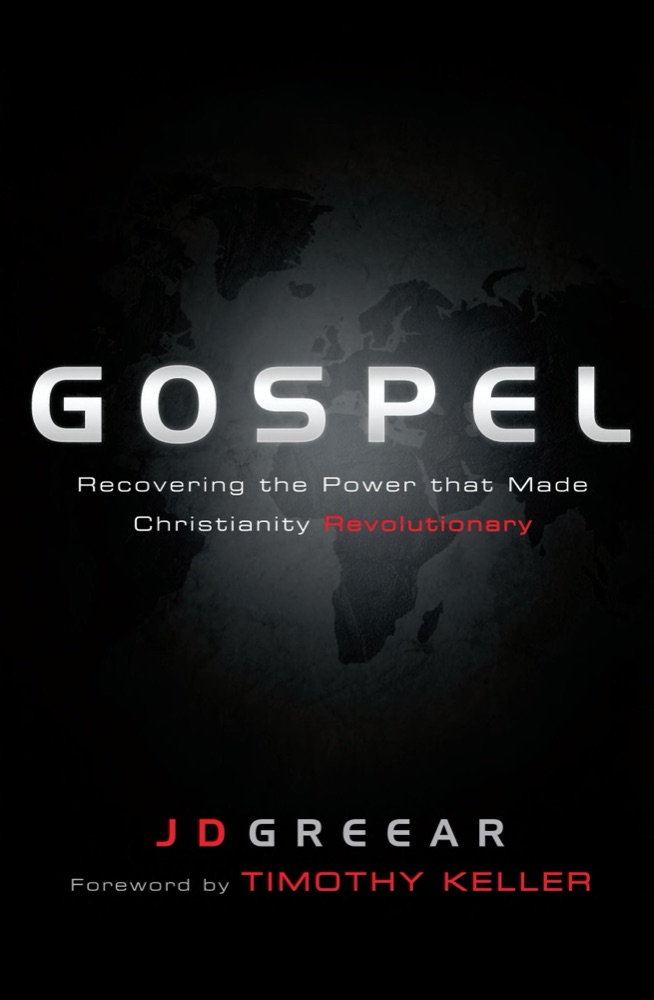 Gospel: Recovering the Power that Made Christianity Revolutionary
 Wild Goose Chase: Reclaim the Adventure of Pursuing God
 Searching for God Knows What
 Out of Sorts: Making Peace with an Evolving Faith
 When Strivings Cease: Replacing the Gospel of Self-Improvement with the Gospel of Life-Transforming Grace
 Erasing Hell: What God Said About Eternity, and the Things We've Made Up
 Girl Meets God
 40 Days of Decrease: A Different Kind of Hunger. A Different Kind of Fast.
 A Little Book on the Christian Life