 The Message Remix
Quotes from the Book
We cannot be too careful about the words we use; we start out using them and they end up using us.
37
Stories are verbal acts of hospitality.
31
The Latin words humus, soil/earth, and homo, human being, have a common derivation, from which we also get our word 'humble.' This is the Genesis origin of who we are: dust - dust that the Lord God used to make us a human being. If we cultivate a lively sense of our origin and nurture a sense of continuity with it, who knows, we may also acquire humility.
25
We live in a culture that has replaced soul with self. This reduction turns people into either problems or consumers. Insofar as we acquiesce in that replacement, we gradually but surely regress in our identity, for we end up thinking of ourselves and dealing with others in marketplace terms: everyone we meet is either a potential recruit to join our enterprise or a potential consumer for what we are selling; or we ourselves are the potential recruits and consumers. Neither we nor our friends have any dignity just as we are, only in terms of how we or they can be used.
5
God’s great love and purposes for us are all worked out in messes in our kitchens and backyards, in storms and sins, blue skies, the daily work and dreams of our common lives. God works with us as we are and not as we should be or think we should be.
4
When it comes to dealing with God, most of us spend considerable time trying our own hands at either being or making gods. Jesus blocks the way. Jesus is not a god of our own making and he is certainly not a god designed to win popularity contests.
2
If we don't know where we are going, any road will get us there. But if we have a destination - in this case a life lived to the glory of God - there is a well-marked way, the Jesus-revealed Way. Spiritual theology is the attention that we give to the details of living life on this way. It is a protest against theology depersonalized into information about God; it is a protest against theology functionalized into a program of strategic planning for God.
1
Soul" is a barrier against reduction, against human life reduced to biology and genitals, culture and utility, race and ethnicity. It signals an interiority that permeates all exteriority, an invisibility that everywhere inhabits visibility. "Soul" carries with it resonances of God-created, God-sustained, and God-blessed. It is our most comprehensive term for designating the core being of men and women.
1
Any understanding of God that doesn’t take into account God’s silence is a half truth — in effect, a cruel distortion — and leaves us vulnerable to manipulation and exploitation by leaders who are quite willing to fill in the biblical blanks with what the Holy Spirit never tells us.
1
What is dangerous is not ideas but the academic mind that abstracts both things and people from particular relationships into concepts. And what is dangerous is not programs but the programmatic mind that routinely sets aside the personal in order to more efficiently achieve an impersonal cause.
A primary task of the community of Jesus is to maintain this lifelong cultivation of love in all the messiness of its families, neighborhoods, congregations, and missions. Love is intricate, demanding, glorious, deeply human, and God-honoring, but — and here’s the thing — never a finished product, never an accomplishment, always flawed in some degree or other.
These labels are inevitable and in many ways useful but the common element to them is that they are impersonal and partial; when they become all-encompassing, which they too frequently do, they distort our core identity. They say almost nothing, or what is even worse, the wrong thing, about who we actually are.
Love is intricate, demanding, glorious, deeply human, and God-honoring, but — and here’s the thing — never a finished product, never an accomplishment, always flawed in some degree or other.
Under the image of the Trinity we discover that we do not know God by defining him but by being loved by him and loving in return.
Prayer is what develops in us after we step out of the center and begin responding to the center, to Jesus.
Jesus prevents us from thinking that life is a matter of ideas to ponder or concepts to discuss. Jesus saves us from wasting our lives in the pursuit of cheap thrills and trivializing diversions. Jesus enables us to take seriously who we are and where we are without being seduced by the intimidating lies and illusions that fill the air, so that we needn't be someone else or somewhere else. Jesus keeps our feet on the ground, attentive to children, in conversation with ordinary people, sharing meals with friends and strangers, listening to the wind, observing the wildflowers, touching the sick and wounded, praying simply and unselfconsciously. Jesus insists that we deal with God right here and now, in the place we find ourselves and with the people we are with. Jesus is God here and now.
Story is the most natural way of enlarging and deepening our sense of reality, and then enlisting us as participants in it. Stories open doors to areas or aspects of life that we didn't know were there, or had quit noticing out of over-familiarity, or supposed were out-of-bounds to us. They then welcome us in. Stories are verbal acts of hospitality.
It is not allowable to love the Creation according to the purposes one has for it, any more than it is allowable to love one's neighbor in order to borrow his tools.
Watch on YouTube
About Eugene H. Peterson
We have collected 80 quotes from 3 books by Eugene H. Peterson on BookQuoters.
More about the author →More by Eugene H. Peterson
About the book
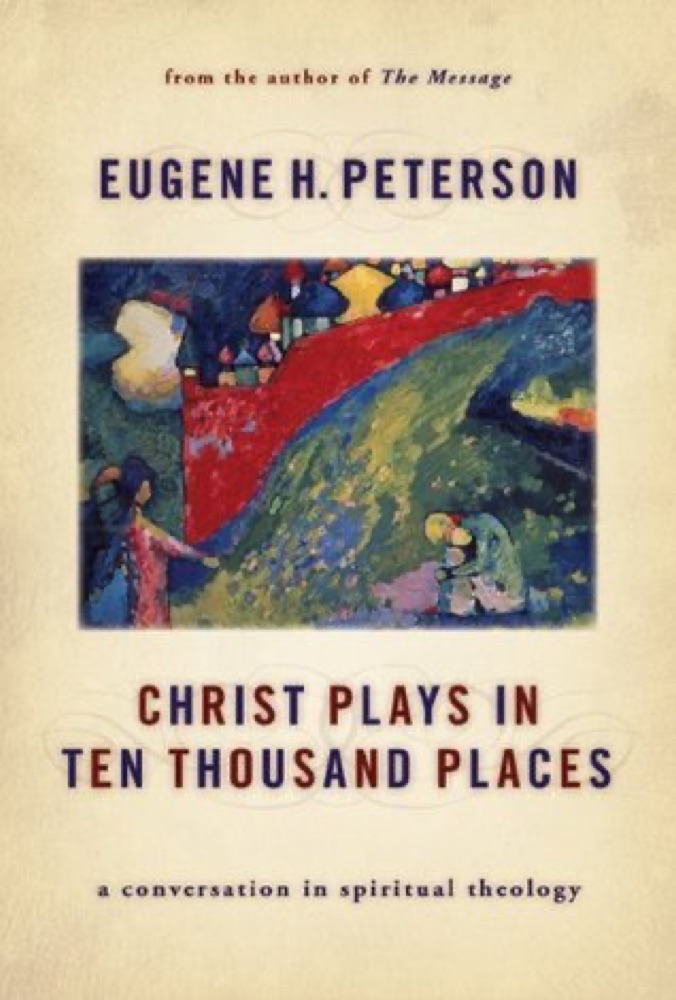
Christ Plays in Ten Thousand Places reunites spirituality and theology in a cultural context where these two vital facets of Christian faith have been rent asunder. Lamenting the vacuous, often pagan nature of contemporary American spirituality, Eugene Peterson here firmly grounds spirituality once more in Trinitarian theology and offers a clear, practical statement of what it means to actually live out the Christian life.
Writing in the conversational style that he is well known for, Peterson boldly sweeps out the misunderstandings that clutter conversations on spiritual theology and refurnishes the subject only with what is essential. As Peterson shows, spiritual theology, in order to be at once biblical and meaningful, must remain sensitive to ordinary life, present the Christian gospel, follow the narrative of Scripture, and be rooted in the "fear of the Lord" -- in short, spiritu
Book details
- First published
- 1999
- Author
- Eugene H. Peterson
- Genre
- Nonfiction
- Goodreads rating
- 4.20 (3k ratings)
Keep reading
 The Divine Dance: The Trinity and Your Transformation
 Renovation of the Heart: Putting On the Character of Christ
 What We Talk about When We Talk about God
 The Divine Conspiracy: Rediscovering Our Hidden Life in God
 The Orthodox Way
 The Holy Longing: The Search for a Christian Spirituality
 Jesus Among Other Gods: The Absolute Claims of the Christian Message
 The Deeply Formed Life: Five Transformative Values to Root Us in the Way of Jesus
 Emotionally Healthy Spirituality: Unleash A Revolution In Your Life in Christ
 Amazing Grace: A Vocabulary of Faith
 Instruments in the Redeemer's Hands: People in Need of Change Helping People in Need of Change
 The Grand Weaver: How God Shapes Us through the Events in Our Lives
 Desiring the Kingdom: Worship, Worldview, and Cultural Formation
 Hearing God: Developing a Conversational Relationship with God
 My Bright Abyss: Meditation of a Modern Believer
 Walking on Water: Reflections on Faith and Art
 Celebration of Discipline: The Path to Spiritual Growth
 The Life You've Always Wanted: Spiritual Disciplines for Ordinary People
 No Man Is an Island
 A Long Obedience in the Same Direction: Discipleship in an Instant Society
 Everything Belongs: The Gift of Contemplative Prayer
 The Explicit Gospel
 It's Not What You Think: Why Christianity is About So Much More Than Going to Heaven When You Die
 Love Wins Low Price CD: Love Wins Low Price CD
 Simply Christian
 Tattoos on the Heart: The Power of Boundless Compassion
 New Seeds of Contemplation
 The God Who Weeps: How Mormonism Makes Sense of Life
 Studies in the Sermon on the Mount
 Beautiful Outlaw: Experiencing the Playful, Disruptive, Extravagant Personality of Jesus
 Wholehearted Faith
 Think: The Life of the Mind and the Love of God
 Practicing the Way: Be with Jesus, Become Like Him, Do As He Did
 Barking to the Choir: The Power of Radical Kinship
 The Reason for God: Belief in an Age of Skepticism
 Velvet Elvis: Repainting the Christian Faith
 You Are What You Love: The Spiritual Power of Habit | Examining How Culture Shapes Us | Deepening Discipleship through Christian Practices
 Liturgy of the Ordinary: Sacred Practices in Everyday Life
 The Crucible of Doubt: Reflections On the Quest for Faith
 Jesus Over Everything: Uncomplicating the Daily Struggle to Put Jesus First
 Searching for God Knows What
 The Wounded Healer
 The Secret Thoughts of an Unlikely Convert: An English Professor's Journey Into Christian Faith
 Rediscover Catholicism
 Abba's Child: The Cry of the Heart for Intimate Belonging
 Ethics
 Total Truth: Liberating Christianity from its Cultural Captivity
 King's Cross: The Story of the World in the Life of Jesus
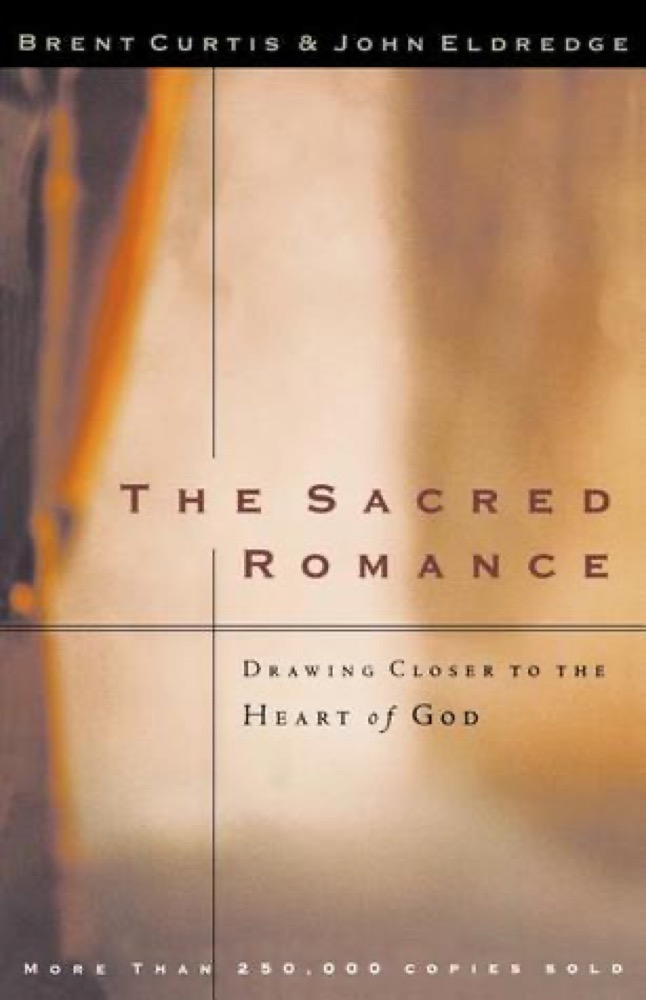 The Sacred Romance: Drawing Closer to the Heart of God
 The Bible Jesus Read
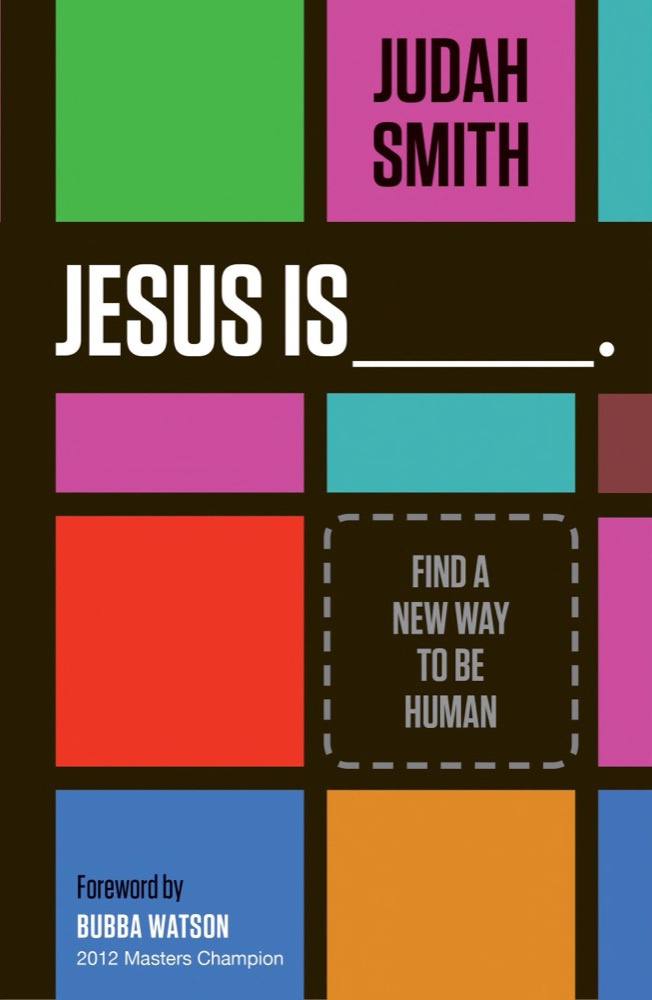 Jesus Is: Find a New Way to Be Human
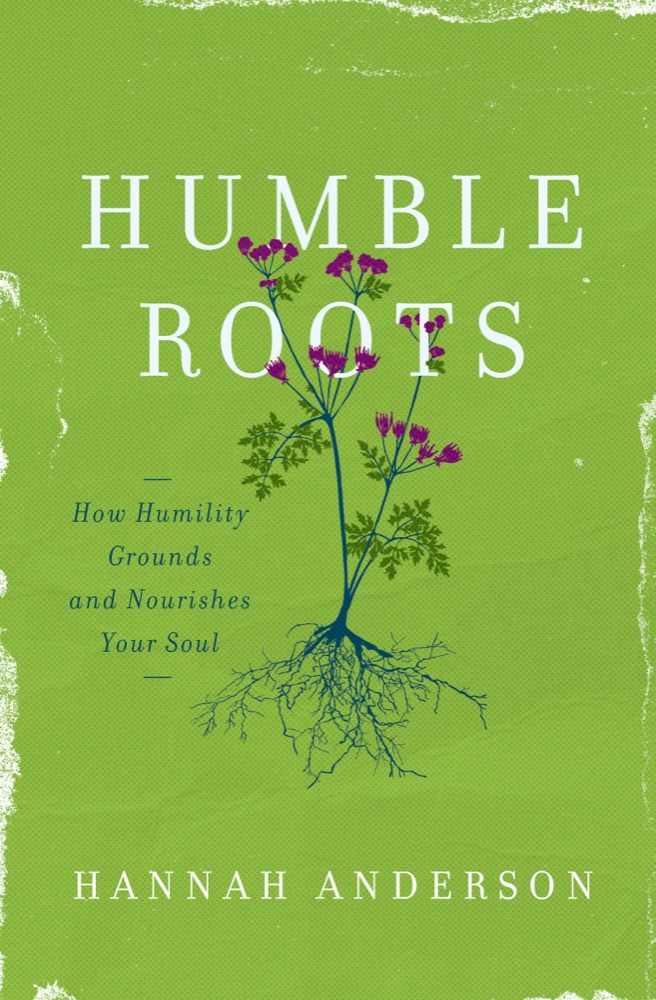 Humble Roots: How Humility Grounds and Nourishes Your Soul
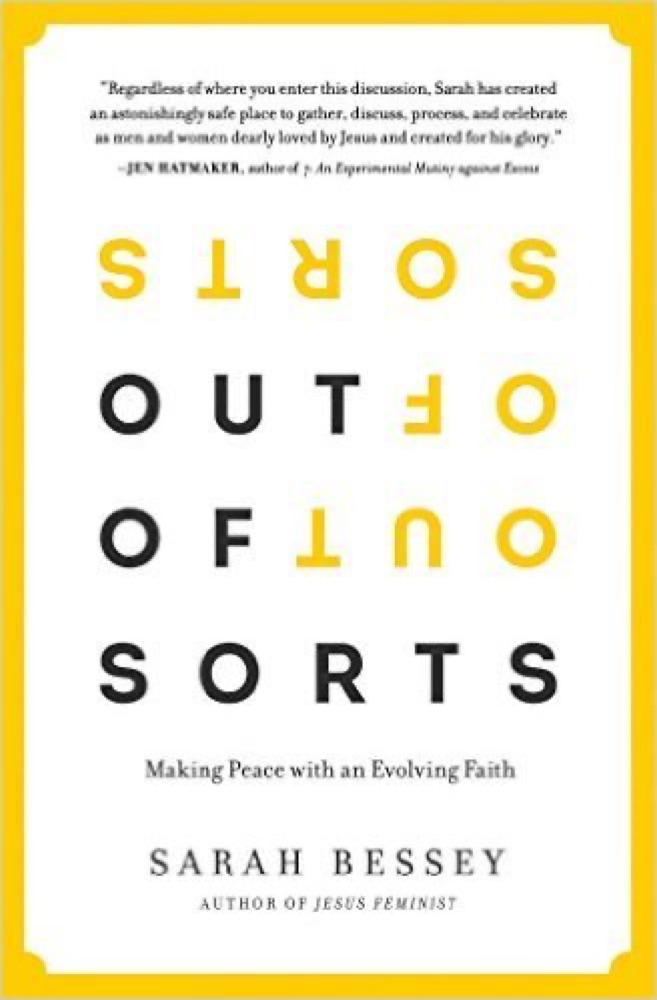 Out of Sorts: Making Peace with an Evolving Faith
 Discipline: The Glad Surrender
 Life Together: The Classic Exploration of Christian Community
 Having a Mary Heart in a Martha World: Finding Intimacy with God in the Busyness of Life
 In His Image: 10 Ways God Calls Us to Reflect His Character
 Wild Goose Chase: Reclaim the Adventure of Pursuing God