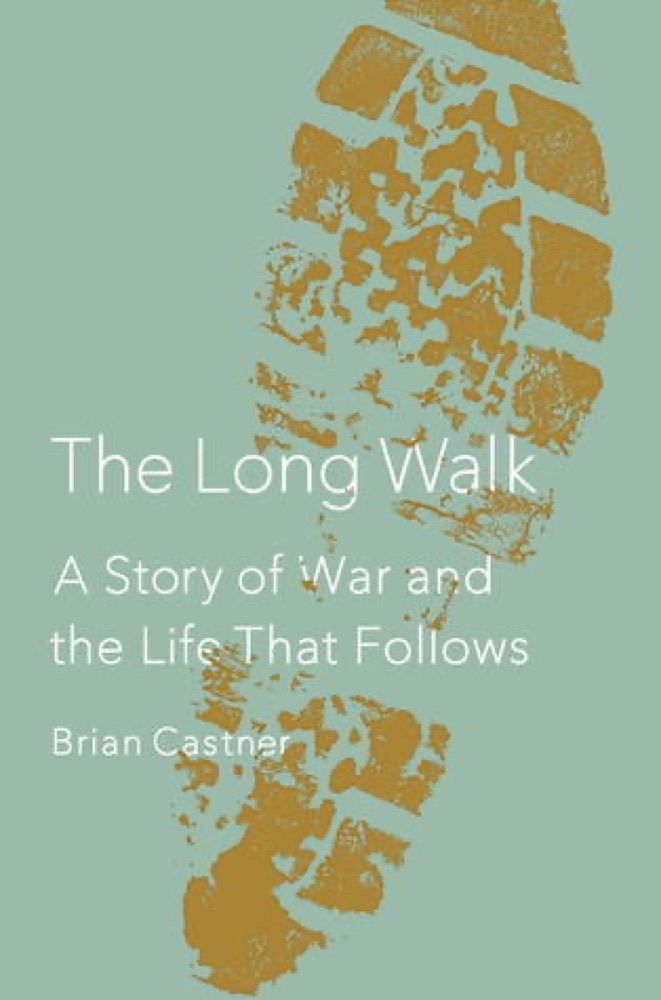

 The Enemy
Quotes from the Book
I’m back. I’m still here. I never left.
4
Your first sign something may be amiss comes quickly, the moment you get off the plane at the airport in Baltimore. After months of deprivation, American excess is overwhelming. Crowds of self-important bustling businessmen. Shrill and impatient advertising that saturates your eyes and ears. Five choices of restaurant, with a hundred menu items each, only a half-minute walk away at all times. In the land you just left, dinners are uniformly brown and served on trays when served at all. I was disoriented by the choice, the lights, the infinite variety of gummy candy that filled an entire wall of the convenience store, a gluttonous buffet repeated every four gates. The simple pleasure of a cup of coffee after a good night’s sleep, sleep you haven’t had since you received your deployment orders, seems overly simple when reunited with such a vast volume of overindulgent options. But the shock wears off, more quickly for some, but eventually for most. Fast food and alcohol are seductive, and I didn’t fight too hard. Your old routine is easy to fall back into, preferences and tastes return. It’s not hard to be a fussy, overstuffed American. After a couple of months, home is no longer foreign, and you are free to resume your old life. I thought I did. Resume my old life, that is. I was wrong.
2
My wife is alone in our full bed too. Her husband, the father of her children, never came back from Iraq. When I deployed the first time she asked her grandmother for advice. Her grandfather served in Africa and Europe in World War II. Her grandmother would know what to do. “How do I live with him being gone? How do I help him when he comes home?” my wife asked. “He won’t come home,” her grandmother answered. “The war will kill him one way or the other. I hope for you that he dies while he is there. Otherwise the war will kill him at home. With you.” My wife’s grandfather died of a heart attack on the living-room floor, long before she was born. It took a decade or two for World War II to kill him. When would my war kill me?
2
The Crazy feeling builds and builds. It never stops, it never ends, there is no relief.
2
When dressing my son before his hockey games, I am always careful with the gear, with each legging, each strap and buckle... Not only are his slight legs swallowed by the wide pads, but his chest and arms are covered only by a tight shirt, accentuating the contrast. Next the puffy upper-body protector, insulated sleeves, and jersey overtop. The final step is the helmet. I start crying as I place it on his head, cinch down the chin cup, and close the cage over his face... I just put my seven-year-old son in a bomb suit and sent him on the Long Walk. p 183
2
A foot in a box. Someone had put a foot in a box. I laughed. I couldn’t help it. They must have found the foot at the scene, and stuck it in the box for safekeeping. It makes sense, right? Why not put the foot in the box?
1
War, the true mother of invention,
1
Maybe we should try not to burn down any more fields,” I mentioned at dinner one night after the operation to re-seize the town. “Maybe they shouldn’t put out IEDs in the first place,” was the unanimous reply.
1
We didn’t go to that village much before the fire, but we were back regularly afterward. The town rioted, and with no Americans available to slake their thirst for reprisal, the mob attacked the only symbol of governmental control available, storming their local Iraqi Police substation, killing everyone with a uniform inside. They hung the bodies in makeshift gibbets from the roof, and formed their own militia to guard the village from the attack they knew was coming.
1
We knew there would be a fire before we blew them. There wasn’t much helping it. The wind caught the flames right away and whipped the wheat field into a frenzy, blowing toward the primeval mud-walled village a couple of acres away. There was an irrigation ditch running in between, so it probably wouldn’t spread. Probably. There was nothing we could do, so we left. I never heard if our fire spread. Trey’s certainly did. Two weeks later, when he blew a cordless-telephone/mortar combo on the side of a different road far west of Kirkuk, a spark snared the nearby wheat field, almost ripe with the winter crop. His fire didn’t burn down the village, but it did destroy the entire harvest.
1
But the shock wears off, more quickly for some, but eventually for most. Fast food and alcohol are seductive, and I didn’t fight too hard. Your old routine is easy to fall back into, preferences and tastes return. It’s not hard to be a fussy, overstuffed American. After a couple of months, home is no longer foreign, and you are free to resume your old life. I thought I did. Resume my old life, that is. I was wrong.
1
So when I arrived in Saudi Arabia in August of 2001, as there was no chemical, biological, or nuclear war going on, all I prepared for was to be bored until it was time to go home. Obviously, that plan failed.
1
The Air Force was confused about what it wanted me to be when I grew up. I applied for an ROTC scholarship out of high school because I wanted to be an astronaut. None of my teachers had ever broken the news to me that I couldn’t fly into space, so the third-grade dream remained.
1
There is no relaxation. You feel no different. You’re just Crazy in the goddamn sunshine. Every day. All the time.
1
About Brian Castner
We have collected 14 quotes from 1 book by Brian Castner on BookQuoters.
More about the author →About the book
In the tradition of Michael Herr’s Dispatches and works by such masters of the memoir as Mary Karr and Tobias Wolff, a powerful account of war and homecoming.
Brian Castner served three tours of duty in the Middle East, two of them as the commander of an Explosive Ordnance Disposal unit in Iraq. Days and nights he and his team—his brothers—would venture forth in heavily armed convoys from their Forward Operating Base to engage in the nerve-racking yet strangely exhilarating work of either disarming the deadly improvised explosive devices that had been discovered, or picking up the pieces when the alert came too late. They relied on an army of remote-controlled cameras and robots, but if that technology failed, a technician would have to don the eighty-pound Kevlar suit, take the Long Walk up to the bomb, and disarm it by hand. This lethal game of cat and mouse was, and continues to be,
Book details
- First published
- 2012
- Author
- Brian Castner
- Genre
- Nonfiction
- Goodreads rating
- 3.96 (2k ratings)
Keep reading
The Enemy
 Apocalypse Z: The Beginning of the End
 Killing Floor
 Zinky Boys: Soviet Voices from the Afghanistan War
 The Road Back
 Blood on the Tracks
 A House in the Sky
 Dispatches
 A Children's Bible
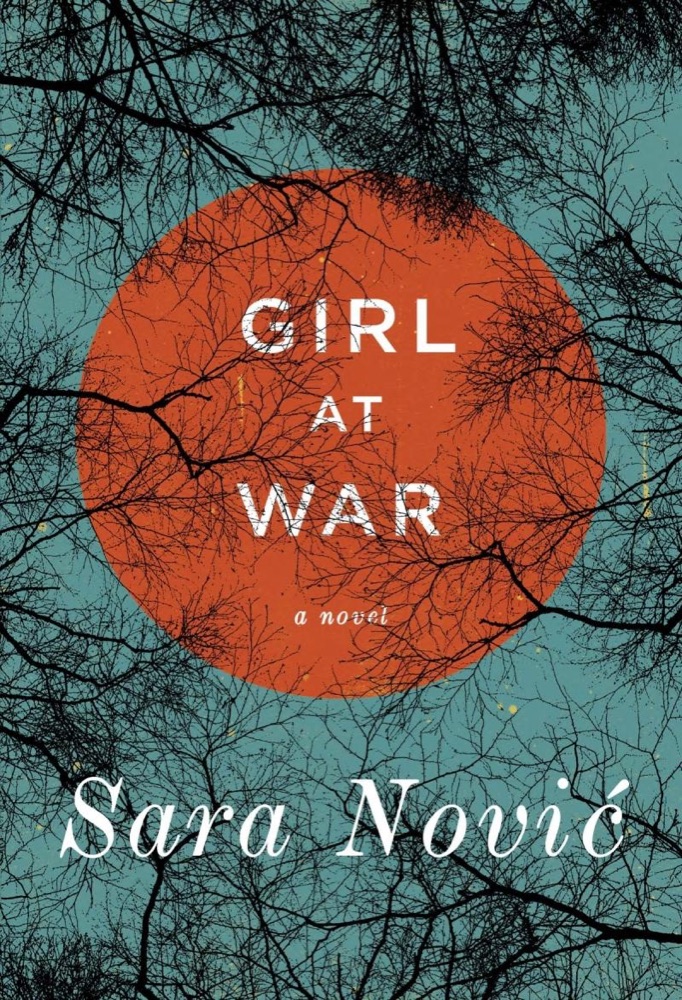 Girl at War
 Tamar
Tamar
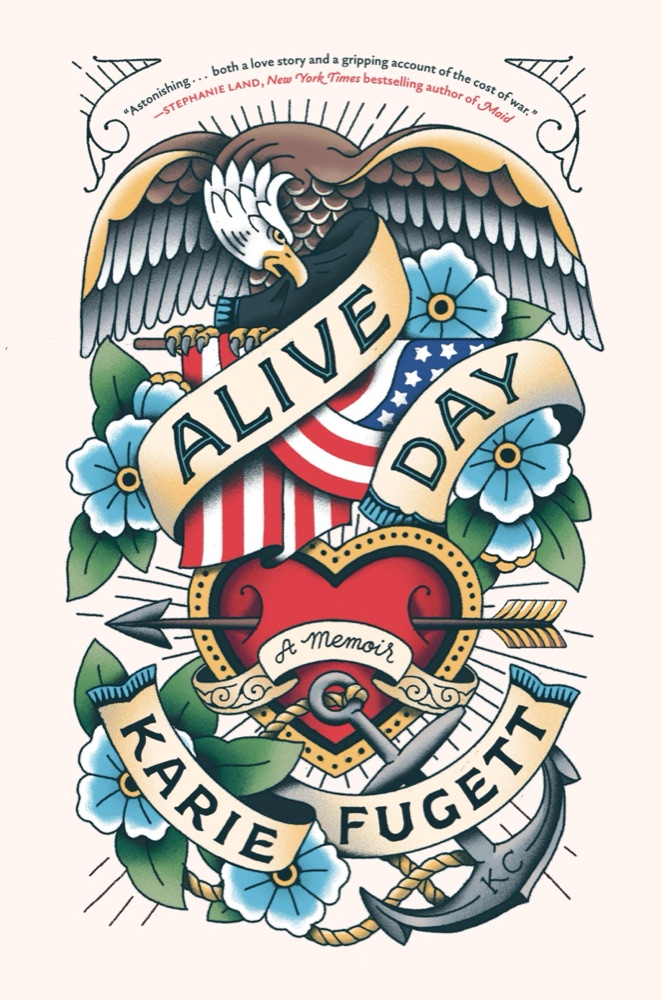 Alive Day: A Memoir
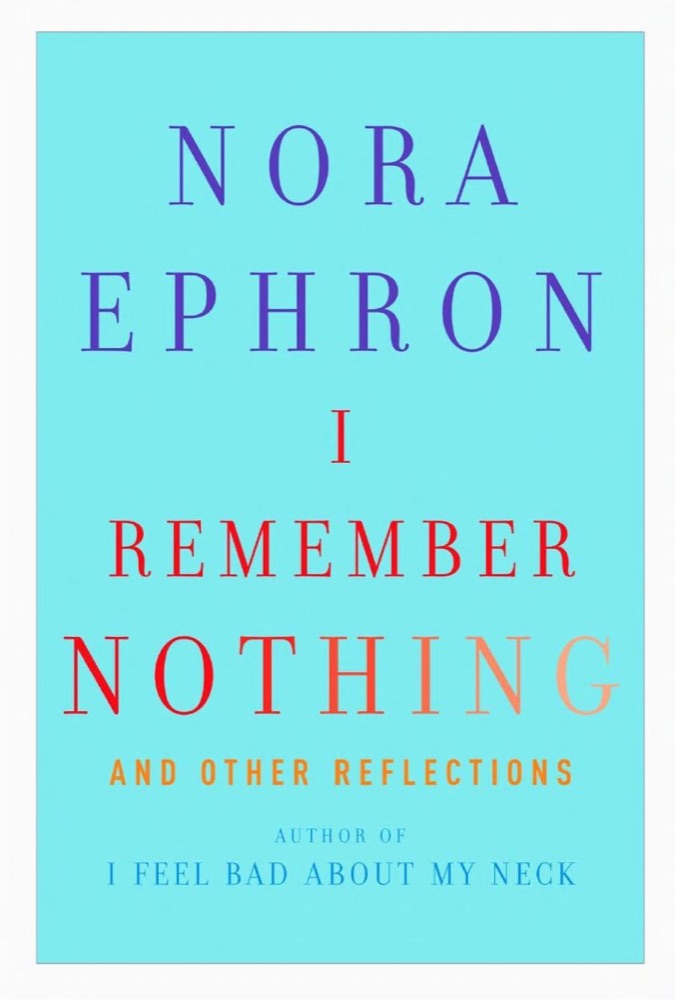 I Remember Nothing: and Other Reflections
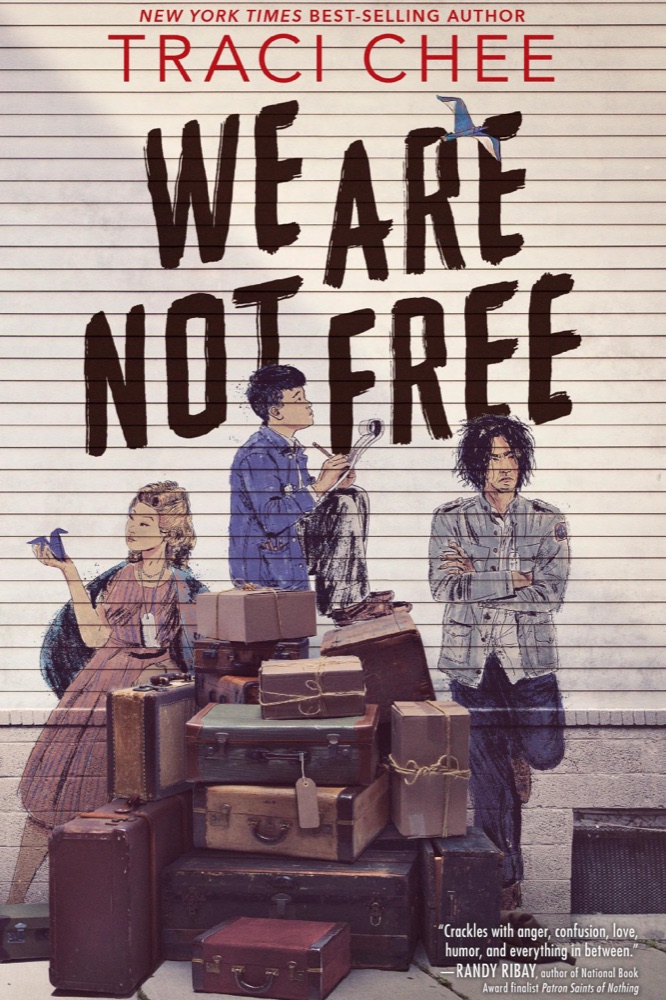 We Are Not Free
 The Wars
 Still Foolin' 'Em: Where I've Been, Where I'm Going, and Where the Hell Are My Keys
 Beacon 23
 Emergency Sex (And Other Desperate Measures): True Stories from a War Zone
 American Sniper: The Autobiography of the Most Lethal Sniper in U.S. Military History
 A Better World
 Pocket Apocalypse
 The Shepherd's Hut
 Dead Stop
 Liberation Day
 Invictus
 Tell No One
 Sigh, Gone: A Misfit's Memoir of Great Books, Punk Rock, and the Fight to Fit In
 What Is the What
 Uncultured: A Memoir
 Homeland
 The Girl Who Smiled Beads: A Story of War and What Comes After
 Jailbird
 The Gone-Away World
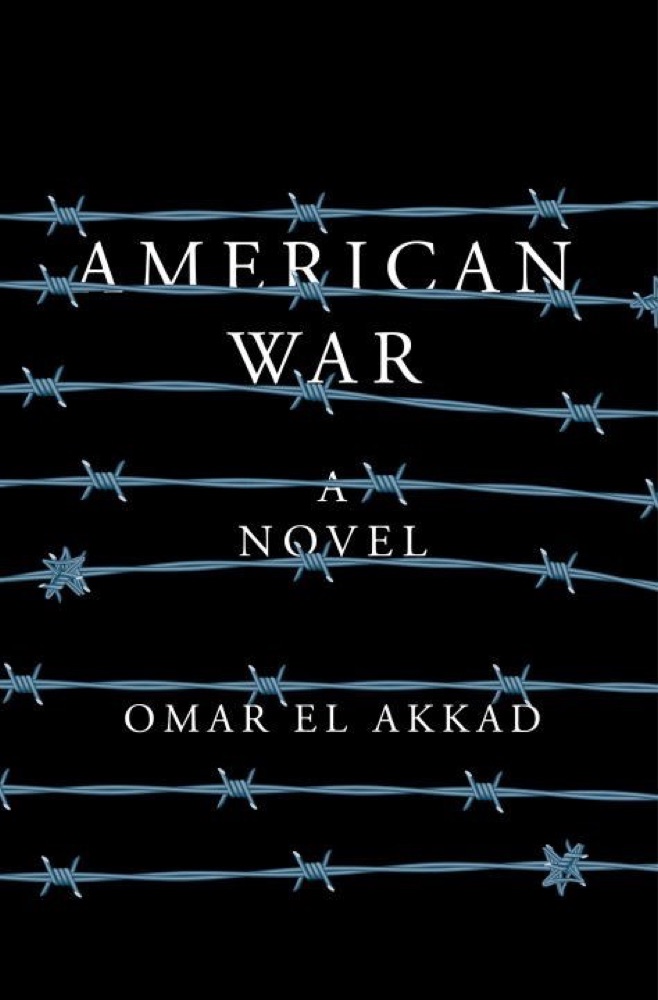 American War
 Home Front
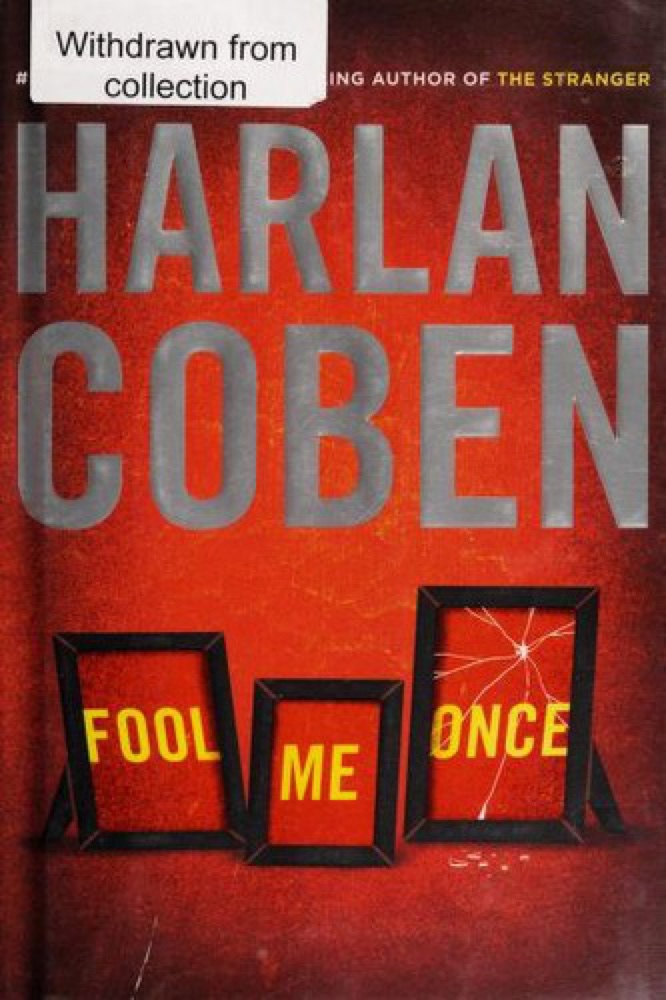 Fool Me Once
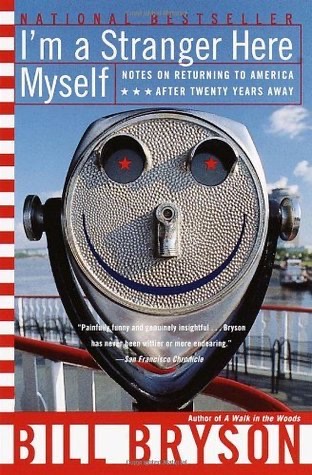 I'm a Stranger Here Myself: Notes on Returning to America after Twenty Years Away
 A People's Future of the United States: Speculative Fiction from 25 Extraordinary Writers
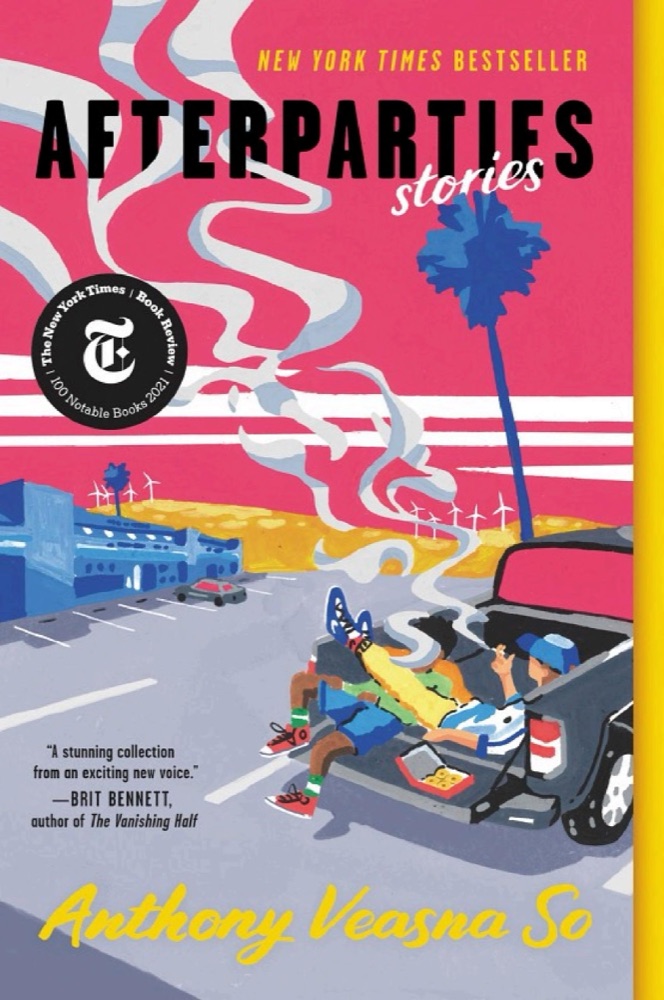 Afterparties
 The Complete Persepolis
 Requiem for a Wren
 The Keep
 Saga, Vol. 1
 Firefight
 The Kite Runner
 Seconds Away
 Broken Harbor
 The Dreadful Lemon Sky
 The Hour I First Believed
 Bluebeard
 Generation X: Tales for an Accelerated Culture
 The Lay of the Land
 The Night Diary
 State of Paradise
 The Forever War
 Theft by Finding: Diaries 1977-2002
 The Beach
 Atemschaukel
 Tree of Smoke
 Forrest Gump